Coral Bells Plant for Sale
Coral bells (Heuchera) are stunning perennial plants prized for their colorful foliage and delicate bell-shaped flowers. This complete guide covers everything from popular varieties and growing requirements to where to find the best coral bells plant for sale online and at local nurseries.
If you have ever wandered through a garden center in spring, you have likely spotted those gorgeous mounds of ruffled leaves in shades you did not know plants could wear. Deep plum. Bright lime. Caramel. Silver so metallic it catches the light. Those are coral bells, and they might just be the most underrated perennial in the gardening world.
I remember the first time I brought home a coral bells plant for sale at my local nursery. It was a variety called ‘Palace Purple,’ and I had no idea what I was doing. I planted it in full sun, forgot to water it for a week, and somehow it not only survived but thrived. That toughness, combined with foliage that looks good from March through November in many zones, is exactly why gardeners keep coming back for more. Whether you are a seasoned plant collector or someone who just wants something pretty that will not die on you, this guide will walk you through everything you need to know.
Key Takeaways
- Diverse foliage colors: Coral bells offer leaves in shades of purple, silver, green, amber, and near-black for year-round interest.
- Shade tolerance: Most varieties thrive in partial to full shade, making them perfect for difficult garden spots.
- Low maintenance: Once established, these perennials require minimal care and return reliably each spring.
- Multiple buying options: Find coral bells plant for sale at local nurseries, garden centers, and reputable online retailers.
- Seasonal planting: Spring and fall are ideal planting times for strong root establishment before extreme temperatures.
- Versatile uses: Works beautifully in borders, containers, rock gardens, and as ground cover beneath trees.
- Pollinator friendly: The delicate flowers attract hummingbirds, bees, and butterflies to your garden.
Quick Answers to Common Questions
When is the best time to plant coral bells?
Spring and fall are ideal planting times. Spring gives roots a full season to establish before winter. Fall planting takes advantage of cool temperatures and rainfall, with less transplant stress.
How much sun do coral bells need?
Most varieties prefer morning sun with afternoon shade or dappled shade all day. Dark-leaved types tolerate more sun than light-leaved varieties. In hot climates, afternoon shade is essential.
Are coral bells deer resistant?
Yes, coral bells are generally deer resistant. The fuzzy or tough foliage texture and bitter taste make them unappealing to deer, though no plant is completely deer-proof in extreme conditions.
How often should I divide coral bells?
Divide every three to four years when the center becomes woody and less vigorous. Spring or early fall division rejuvenates the plant and provides free new plants for your garden.
Can coral bells grow in containers?
Absolutely. Coral bells thrive in containers with good drainage. Use quality potting mix, water consistently, and fertilize monthly during the growing season. Protect containers in winter in cold zones.
📑 Table of Contents
- Understanding Coral Bells: What Makes Heuchera Special
- Popular Coral Bells Varieties You Will Find for Sale
- Where to Buy Coral Bells: Finding Quality Plants
- Choosing Healthy Plants: What to Look For
- Planting and Establishing Your Coral Bells
- Ongoing Care: Keeping Your Coral Bells Happy
- Common Problems and Solutions
- Designing with Coral Bells: Creative Ideas
- Propagating Coral Bells: More Plants for Free
- Buying Guide: Making Smart Purchases
- Seasonal Care Calendar
- Conclusion
Understanding Coral Bells: What Makes Heuchera Special
The Botany Behind the Beauty
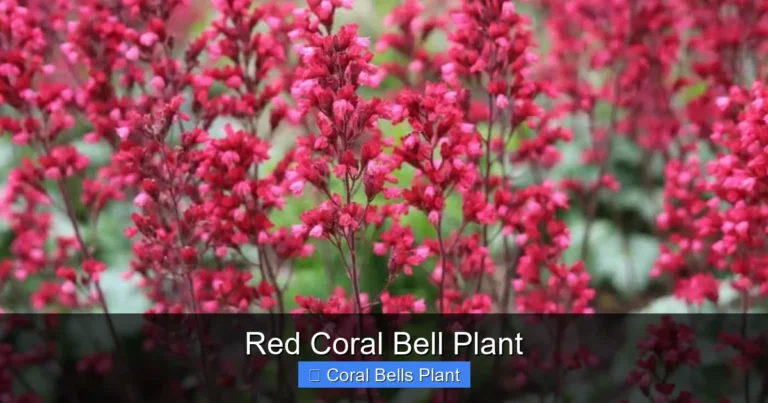
Coral bells belong to the genus Heuchera, a group of about 50 species native to North America. The common name comes from the tiny, bell-shaped flowers that rise on slender stems above the foliage in late spring to early summer. But let us be honest here. Most of us do not grow coral bells for the flowers. We grow them for those leaves.
The foliage forms a neat, mounding habit that typically reaches 12 to 18 inches tall and wide. Each leaf has a lobed, almost maple-like shape with ruffled or curled edges that add texture. The color range is staggering. You will find coral bells plant for sale in shades ranging from deepest purple-black through burgundy, chocolate, caramel, peach, gold, lime green, and silver. Many varieties show different colors on the top and bottom of the leaf, creating a shimmering effect when the breeze moves through them.
Why Gardeners Love Them
Beyond the obvious beauty, coral bells solve real garden problems. They thrive in shade where many flowering plants struggle. They are deer resistant, which is huge if you garden where Bambi visits regularly. They play nice with other plants, never becoming aggressive or invasive. And they provide three-season interest, sometimes four in milder climates where the foliage persists through winter.
Another thing I appreciate is their versatility. A coral bells plant for sale today might end up in a container on your porch, edging a woodland path, tucked into a rock garden, or massed as ground cover beneath a mature tree. They bridge the gap between sun-loving perennials and deep-shade dwellers like hostas and ferns.
Popular Coral Bells Varieties You Will Find for Sale
Classic Reliable Favorites
Some varieties have stood the test of time because they perform well across many regions. ‘Palace Purple’ is the old standby, with large, glossy leaves in deep bronze-purple. It handles more sun than many newer varieties. ‘Plum Pudding’ offers a similar color but with a more ruffled leaf edge and a compact habit. ‘Caramel’ lives up to its name with warm amber-gold foliage that holds its color well through summer heat.
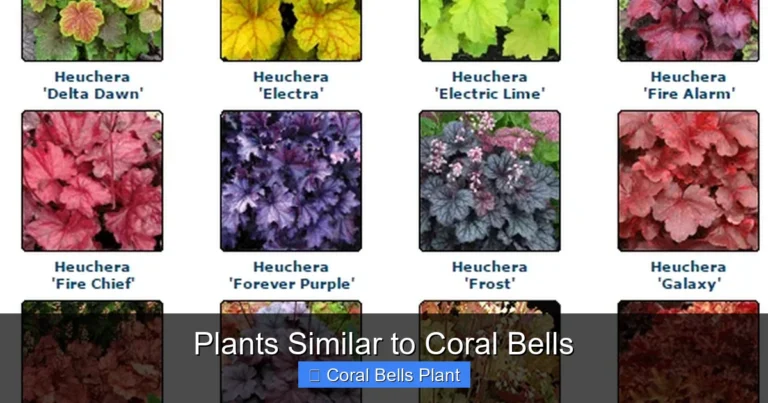
If you want silver, look for ‘Silver Scrolls’ or ‘Looking Glass.’ These have a metallic sheen that practically glows in dappled shade. ‘Lime Rickey’ and ‘Electric Lime’ bring chartreuse punch to dark corners. For something dramatic, ‘Obsidian’ and ‘Black Pearl’ offer near-black foliage that makes neighboring plants pop.
New Introductions Worth Seeking
Plant breeders have been busy with coral bells, and the results are exciting. The Dolce series from Proven Winners includes ‘Apple Twist’ with yellow-green leaves edged in red, ‘Blackberry Ice’ with purple-black leaves and silver overlay, and ‘Wildberry’ with rich purple foliage and dark veins. The Primo series offers larger leaves and more vigorous growth, with ‘Black Pearl’ and ‘Mahogany’ as standouts.
When you browse coral bells plant for sale listings, you will also see varieties bred for specific traits. Some offer larger flowers for cutting. Others handle heat and humidity better, crucial for southern gardeners. A few even tolerate more sun. Reading the plant tag or description carefully saves disappointment later.
Species Types for Native Plant Gardens
If you prefer straight species over cultivars, several Heuchera species are available. Heuchera americana, the American alumroot, has green leaves with silver veining and handles dry shade beautifully. Heuchera villosa, the hairy alumroot, is a southeastern native with large, fuzzy leaves and exceptional heat tolerance. Heuchera sanguinea, the true coral bells, has the showiest flowers in coral-red but less dramatic foliage.
Where to Buy Coral Bells: Finding Quality Plants
Local Nurseries and Garden Centers
There is something satisfying about hand-picking your plants. When you visit a local nursery, you can inspect the foliage for pests, check the root system by gently sliding the pot off, and choose the fullest, healthiest specimen. Local nurseries also tend to carry varieties suited to your specific climate. The staff often has firsthand experience growing what they sell.
Spring is when selection peaks. Most garden centers receive their perennial shipments in March or April, depending on your zone. Fall brings another wave of coral bells plant for sale, often at discounted prices as nurseries clear inventory before winter. Do not overlook fall planting. It gives roots a head start before the ground freezes.
Online Retailers and Mail Order
Shopping online opens up a massive selection. Specialty perennial nurseries like Plant Delights, Walters Gardens, and Bluestone Perennials offer dozens of varieties you will never find at a big-box store. Many ship bare-root plants in spring or fall, which establishes quickly if planted promptly.
When ordering coral bells plant for sale online, check the shipping schedule. Reputable nurseries ship at the proper planting time for your zone, not just when you place the order. Read reviews about plant size upon arrival. Some sellers send small plugs that need a season to bulk up, while others ship mature, gallon-sized plants ready for immediate impact.
Big Box Stores: Proceed with Caution
Home improvement stores carry coral bells, usually in spring. The prices are tempting. However, plants may have been shipped from distant growing facilities, stressed by travel, and cared for by staff with limited horticultural training. If you buy here, shop early in the season when stock is fresh. Inspect carefully for yellowing leaves, pests, or roots circling the pot.
Plant Sales and Garden Club Events
Local plant sales, often hosted by master gardener groups or botanical gardens, can be goldmines. You will find divisions from established gardens, often at bargain prices. The sellers are usually passionate gardeners who can tell you exactly how a variety performs in your area. Arrive early for the best selection.
Choosing Healthy Plants: What to Look For
Foliage Quality
When evaluating a coral bells plant for sale, start with the leaves. They should be fully colored for the variety, not washed out or reverting to green. Some varieties naturally have lighter new growth that darkens with age, but the overall plant should look vibrant. Avoid plants with brown, crispy leaf edges, which indicate water stress or sun scorch.
Check both sides of the leaves for pests. Spider mites leave fine webbing and stippled damage. Aphids cluster on new growth and leaf undersides. Slugs and snails leave ragged holes and slime trails. A few minor imperfections are normal, especially on older leaves, but heavy damage suggests ongoing issues.
Root System Health
Gently tip the pot and slide the plant partway out. Healthy roots are white or light tan, firm, and fill the pot without being a tight, circling mass. Dark, mushy roots indicate rot from overwatering. If the plant falls out of the pot with almost no roots holding the soil, it may have been recently potted up and not well established.
For bare-root plants ordered online, the roots should be moist, not dried out or moldy. They are often packed in damp peat moss or shredded paper. Plant them as soon as possible after arrival. If you must wait, keep them cool and moist in a plastic bag in the refrigerator for a few days.
Crown and Growth Points
The crown, where leaves emerge from the roots, should sit at soil level, not buried deep or exposed high above the mix. Multiple growth points mean a fuller plant faster. A single crown on a large pot might indicate a recently divided plant that has not yet filled out.
Planting and Establishing Your Coral Bells
Timing Matters
Spring and fall are the sweet spots for planting. Spring planting gives the whole growing season for roots to establish before winter. Fall planting takes advantage of cool temperatures and reliable rainfall, with less stress on the plant. Avoid planting in summer heat unless you can provide consistent moisture and some shade during establishment.
If you buy a coral bells plant for sale in summer, you can still plant it. Just be prepared to baby it. Provide temporary shade with a shade cloth or even a lawn chair during the hottest part of the day. Water deeply every day or two for the first couple of weeks.
Site Selection and Soil Prep
Most coral bells prefer morning sun and afternoon shade, or dappled shade all day. Dark-leaved varieties often tolerate more sun than light-leaved ones, which can scorch. In cooler northern zones, many handle full sun if moisture is consistent. In hot southern zones, afternoon shade is non-negotiable.
Soil should drain well. Coral bells hate wet feet, especially in winter. Heavy clay needs amendment with compost, leaf mold, or pine bark fines to improve drainage. Sandy soil benefits from organic matter to hold moisture. Aim for a slightly acidic to neutral pH, around 6.0 to 7.0.
Dig a hole twice as wide as the pot but no deeper. You want the crown at the same level it was in the container. Backfill with amended soil, firm gently, and water thoroughly to settle the soil around the roots.
Spacing and Companion Planting
Space plants 12 to 18 inches apart, depending on the mature size of the variety. They will fill in within a season or two. For mass planting as ground cover, space closer, around 10 to 12 inches.
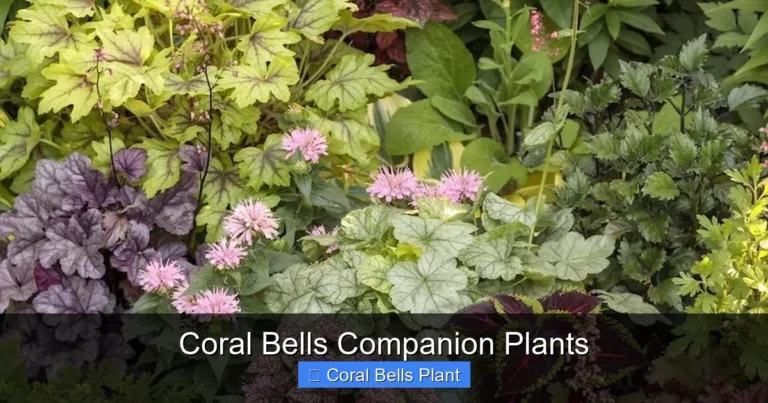
Coral bells play well with others. Pair them with hostas, ferns, astilbes, and heucherellas (a cross between coral bells and foamflower) for a shade tapestry. Spring bulbs like daffodils and snowdrops bloom before coral bells leaf out fully, then the coral bells foliage hides the dying bulb foliage. In containers, they are fantastic thriller or filler plants paired with trailing ivy, creeping jenny, or sweet potato vine.
Ongoing Care: Keeping Your Coral Bells Happy
Watering Wisdom
Newly planted coral bells need consistent moisture. Water deeply when the top inch of soil feels dry. Established plants are surprisingly drought tolerant, but they look best with regular water during dry spells. Mulch with shredded leaves, pine straw, or bark to conserve moisture and keep roots cool.
Avoid overhead watering late in the day. Wet foliage overnight invites fungal issues. Soaker hoses or drip irrigation are ideal. If you must use a sprinkler, water early so leaves dry before evening.
Fertilizing: Less Is More
Coral bells are light feeders. A shovelful of compost worked into the soil around the plant in spring is usually plenty. If you must use fertilizer, choose a balanced, slow-release formula applied at half the recommended rate. Too much nitrogen produces lush green growth at the expense of those amazing leaf colors.
Container-grown plants need more frequent feeding since nutrients leach out with watering. A dilute liquid fertilizer monthly during the growing season works well.
Maintenance Tasks
Deadhead flower stalks after blooming to tidy the plant and redirect energy to foliage. Or leave them. The seed heads have a delicate charm, and birds may eat the seeds. In late winter or early spring, remove any tattered or winter-damaged leaves. New growth will emerge from the crown.
Every three to four years, the center of the clump may become woody and less vigorous. This is your cue to divide. Dig the plant in spring or fall, pull or cut apart the crowns, discarding the woody center, and replant the vigorous outer sections. You just turned one plant into several free ones.
Winter Care
In zones 4 through 9, coral bells are reliably hardy. In the coldest zones, a light mulch of straw or evergreen boughs after the ground freezes helps prevent frost heaving, which can push the crown out of the soil. Do not apply heavy mulch over the crown itself, as this traps moisture and causes rot.
Container plants need extra protection. Move pots to an unheated garage or bury them in the ground for winter. Or treat them as annuals and replace in spring. Some gardeners in zone 3 and colder have success overwintering in a cold frame.
Common Problems and Solutions
Fungal Issues
Powdery mildew appears as a white coating on leaves, usually in humid conditions with poor air circulation. Space plants properly, avoid overhead watering, and remove affected leaves. Rust shows as orange pustules on leaf undersides. Same treatment. Good cultural practices prevent most fungal problems.
Pest Pressure
We mentioned spider mites and aphids earlier. A strong spray of water often dislodges them. Insecticidal soap or neem oil works for heavier infestations. Vine weevil larvae feed on roots, causing sudden wilting. Beneficial nematodes applied to the soil in spring or fall control them biologically.
Environmental Stress
Leaf scorch, brown crispy edges, usually means too much sun or not enough water. Move the plant or increase irrigation. Frost heaving exposes roots. Gently press the plant back into the soil and mulch. Crown rot from poor drainage or excessive mulch is fatal. Prevention through proper planting is the only cure.
Designing with Coral Bells: Creative Ideas
Shade Garden Tapestry
One of my favorite ways to use coral bells is creating a foliage tapestry in shade. Combine three to five varieties with contrasting leaf colors and textures. ‘Caramel’ next to ‘Obsidian’ next to ‘Lime Rickey’ next to ‘Silver Scrolls’ creates a living mosaic. Add some Japanese painted fern and a variegated hosta for height and pattern variation. The effect is sophisticated and holds interest all season without a single flower.
Container Combinations
Coral bells are container superstars. Their mounding habit fills a pot beautifully. For a shade container, use a large-leaved hosta as the thriller, coral bells as filler, and trailing lamium or ivy as spiller. For sun, pair a sun-tolerant variety like ‘Caramel’ or ‘Southern Comfort’ with ornamental grasses and million bells calibrachoa.
Try a monochromatic container using different coral bells varieties in the same color family. All purples. All silvers. All caramels. The subtle variations in tone and texture are stunning.
Border Edging and Pathways
Plant coral bells along a shaded pathway or at the front of a border. Their neat habit stays in bounds, and the foliage softens hard edges. Space them so they will eventually touch, creating a continuous ribbon of color. This works especially well with varieties that have similar heights but different colors.
Rock Gardens and Slopes
The species types and smaller cultivars like ‘Petite Pearl Fairy’ or ‘Little Cutie’ series fit perfectly in rock gardens. Their evergreen foliage provides winter structure when other perennials have disappeared. On slopes, their fibrous root systems help hold soil.
Under Trees: The Ultimate Ground Cover
Dry shade under mature trees is one of the toughest garden sites. Coral bells, especially Heuchera villosa hybrids, handle it with grace. Plant them in drifts beneath deciduous trees. They will get spring sun before the canopy leafs out, then shade all summer. The falling leaves provide natural mulch.
Propagating Coral Bells: More Plants for Free
Division: The Easiest Method
As mentioned earlier, division every few years rejuvenates the plant and gives you more. Spring is ideal, just as new growth emerges. Fall works too, at least six weeks before the ground freezes. Dig the whole clump, shake off soil, and pull apart the crowns. Each piece needs roots and a growth point. Replant immediately.
Seed: For the Patient Gardener
Coral bells grow readily from seed, but named varieties will not come true. The seedlings will be variable, often reverting to green-leaved forms. If you want to experiment, collect seed when the capsules turn brown and split. Sow fresh seed on the surface of moist seed-starting mix. Light aids germination. Keep at 65 to 70 degrees F. Seedlings appear in two to four weeks.
Leaf Cuttings: Advanced Technique
Some gardeners propagate from leaf cuttings. Take a healthy leaf with a short piece of petiole. Dip in rooting hormone. Insert into moist perlite or vermiculite. Cover with a plastic bag to maintain humidity. Place in bright indirect light. Roots and a new plantlet may form at the base in six to eight weeks. This works best with species types and some cultivars.
Buying Guide: Making Smart Purchases
Reading Plant Labels and Descriptions
When you shop for coral bells plant for sale, the label or online description is your best friend. Look for the mature height and spread. Check the hardiness zone rating. Note the sun exposure recommendation. Some labels list “full sun to full shade,” which is marketing speak. Dig deeper. A variety bred in the Pacific Northwest may melt in Alabama afternoon sun.
Look for patent numbers or series names like Dolce, Primo, or Forever. These indicate modern breeding with improved traits. The patent also means the nursery paid royalties, often correlating with better quality control.
Size Options: Plugs, Quarts, Gallons
You will encounter different pot sizes. Plugs or liners are small, often 2 to 3 inches across. They are economical but need a season to reach impact size. Quart pots (4 to 5 inches) offer a good balance of price and instant presence. Gallon pots give immediate impact but cost more. For mass planting, quarts or plugs make sense. For a focal point container, spring for the gallon.
Price Ranges and Value
Expect to pay $5 to $12 for quarts, $12 to $25 for gallons at local nurseries. Online, bare-root plants often run $8 to $15 each plus shipping. Potted plants online cost more due to shipping weight. New introductions command premium prices. Older varieties are bargains.
Consider value over price. A $15 gallon plant that establishes fast and looks great for years beats a $5 plug that struggles or dies. However, if you need 20 plants for a border, plugs from a reputable wholesale nursery might be the smart play.
Shipping Considerations for Online Orders
If you order coral bells plant for sale online, understand the shipping method. Bare-root plants ship dormant in spring or fall. They should be planted within a day or two of arrival. Potted plants ship in their containers, often with the pot wrapped to contain soil. These can wait a few days in shade if kept watered.
Check the nursery’s guarantee. Reputable sellers offer a replacement or refund if plants arrive damaged or fail to leaf out. Take photos upon arrival and at planting time. Some guarantees require notification within a specific window.
Seasonal Care Calendar
Spring: The Busy Season
March to May is prime time. Clean up winter-damaged foliage. Apply compost around plants. Divide crowded clumps. Plant new purchases. Watch for emerging flower stalks. Water during dry spells. This is also when selection is best at nurseries.
Summer: Maintenance Mode
Deadhead spent flowers. Water deeply during heat waves. Scout for pests. Enjoy the foliage show. In hot climates, provide extra shade for stressed plants. Mulch if you have not already.
Fall: Planting and Prep
September through November is the second planting window. Plant new coral bells at least six weeks before ground freeze. Divide if needed. Apply a light mulch after the ground freezes in cold zones. Stop fertilizing by late summer to let plants harden off.
Winter: Rest and Protect
In mild zones, coral bells stay evergreen. In cold zones, they may die back to the crown. Do not cut back until spring. The dead foliage protects the crown. Check container plants monthly. Water if the soil is dry and not frozen.
Conclusion
Coral bells have earned their place in the garden spotlight. Few perennials offer such a dazzling array of foliage colors, thrive in shade, resist deer, and ask for so little in return. Whether you pick up a single coral bells plant for sale at your local garden center or order a curated collection from a specialty nursery, you are investing in years of garden beauty.
Start with one or two varieties that catch your eye. Plant them where you will see them daily, maybe near a path or outside a window. Watch how the light plays through the ruffled leaves. Notice the hummingbirds visiting the delicate flowers. Observe how they bridge the seasons, looking fresh when other perennials have faded.
Before you know it, you will be dividing clumps to share with friends, tucking new varieties into every shady nook, and planning container combinations for next spring. That is the coral bells effect. They turn gardeners into collectors, and collectors into evangelists. Your garden, and your gardening friends, will thank you.
Now get out there and find your perfect coral bells. That shady spot under the maple tree has been waiting.
Frequently Asked Questions
What is the difference between coral bells and heucherella?
Heucherella is a hybrid cross between coral bells (Heuchera) and foamflower (Tiarella). It combines the colorful foliage of coral bells with the more deeply lobed leaves and foamier flower spikes of foamflower. Both have similar care requirements.
Why are my coral bells leaves turning green?
Many colorful varieties produce bright new growth that deepens to their mature color with age and light exposure. Insufficient light can also cause reversion to green. Ensure the variety matches your light conditions.
Do coral bells spread aggressively?
No, coral bells are clump-forming perennials that stay where you plant them. They slowly increase in size but do not run or self-seed aggressively. Division every few years keeps them vigorous.
Can I grow coral bells indoors as houseplants?
Coral bells are outdoor perennials that need a winter dormancy period. They do not thrive long-term as houseplants. You can enjoy them in outdoor containers and bring them into an unheated garage for winter protection.
What causes holes in coral bells leaves?
Slugs and snails are the most common culprits, especially in moist shade. They feed at night, leaving ragged holes and slime trails. Diatomaceous earth, copper tape, or beer traps help control them.
Are coral bells toxic to pets?
Coral bells are generally considered non-toxic to dogs and cats. However, ingestion of any plant material may cause mild gastrointestinal upset in sensitive pets. Monitor pets around new plantings.