Red Coral Bell Plant
The red coral bell plant (Heuchera) delivers bold, ruffled foliage in stunning crimson shades that brighten shady gardens year-round. These low-maintenance perennials thrive in partial shade, attract pollinators, and offer endless design versatility for borders, containers, and woodland settings.
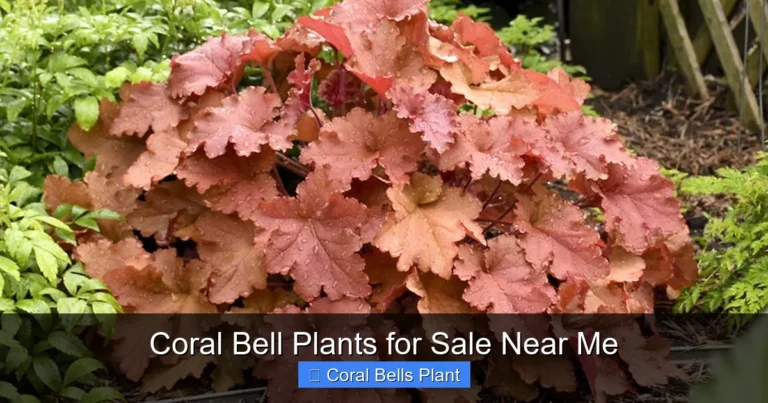
If you have ever wandered through a shade garden in early summer and spotted mounds of ruffled, ruby-red leaves catching the dappled light, you have likely met the red coral bell plant. These perennials have a way of stopping you in your tracks. The foliage looks almost too perfect to be real — like velvet ruffles in shades of deep crimson, bright cherry, and rich burgundy. But the best part? They are surprisingly tough.
I remember the first time I planted a red coral bell plant in my own north-facing border. I was skeptical. The spot got maybe two hours of morning sun, and the soil was heavy clay. Conventional wisdom said nothing colorful would survive there. Three years later, that same plant has tripled in size, survived brutal winters, and become the star of the spring garden. Its leaves hold that intense red color from March through November. In summer, delicate wands of tiny bell-shaped flowers rise above the mound, swaying in the breeze and drawing hummingbirds like magnets.
Key Takeaways
- Vibrant foliage: Red coral bell plants showcase ruffled leaves in deep crimson, ruby, and burgundy tones that hold color through multiple seasons.
- Shade tolerant: These perennials thrive in partial to full shade, making them perfect for difficult garden spots under trees or on north-facing walls.
- Low maintenance: Once established, red coral bell plants require minimal care — occasional watering, annual mulching, and division every few years.
- Year-round interest: Evergreen in mild climates, the foliage provides winter color when most plants go dormant.
- Pollinator friendly: Delicate bell-shaped flowers on tall stems attract hummingbirds, bees, and butterflies in late spring to early summer.
- Versatile design: Use red coral bell plants in borders, rock gardens, containers, mass plantings, or as edging along pathways.
- Deer resistant: The slightly fuzzy, bitter-tasting foliage naturally deters deer and rabbit browsing.
Quick Answers to Common Questions
How much sun does a red coral bell plant need?
Red coral bell plants prefer partial shade with morning sun and afternoon shade. In cooler climates they tolerate more sun; in hot climates they need protection from intense midday light.
When should I divide my red coral bell plant?
Divide red coral bell plants every 3 to 4 years in early spring as new growth emerges or in early fall. This rejuvenates the plant and prevents the center from dying out.
Why is my red coral bell plant turning green?
Too much shade, excess nitrogen fertilizer, or summer heat can cause red foliage to green up. Move to a brighter spot with morning sun and reduce fertilizing to restore color.
Are red coral bell plants deer resistant?
Yes, red coral bell plants are highly deer and rabbit resistant due to their tannin content and slightly fuzzy leaf texture, making them excellent for unfenced gardens.
Can red coral bell plants grow in containers?
Absolutely. Their shallow roots make them ideal for containers. Use well-draining potting mix, water regularly, and choose compact varieties like ‘Forever Red’ or ‘Fire Alarm’ for best results.
📑 Table of Contents
- What Is a Red Coral Bell Plant?
- Popular Red Coral Bell Varieties
- Ideal Growing Conditions
- Planting and Care Guide
- Common Problems and Solutions
- Design Ideas and Companion Plants
- Propagation Methods
- Red Coral Bell Plant Through the Seasons
- Buying Guide: What to Look For
- Troubleshooting Quick Reference
- Conclusion
What Is a Red Coral Bell Plant?
The red coral bell plant belongs to the genus Heuchera, a group of North American native perennials commonly called coral bells or alumroot. While the species originally featured green leaves and red flowers, modern breeding has flipped the script. Today, the foliage is the main event. Plant breeders have developed hundreds of cultivars with leaves in nearly every color imaginable — but the red varieties remain some of the most sought-after.
Botanical Background
Heuchera belongs to the Saxifragaceae family, making it a distant cousin to foamflower (Tiarella) and astilbe. The genus name honors Johann Heinrich von Heucher, an 18th-century German physician and botanist. There are roughly 37 species native to North America, ranging from Mexico to Canada. Most red coral bell plant cultivars derive from Heuchera sanguinea (the species with true red flowers) crossed with purple-leaved species like Heuchera micrantha and Heuchera villosa.
Why “Coral Bell”?
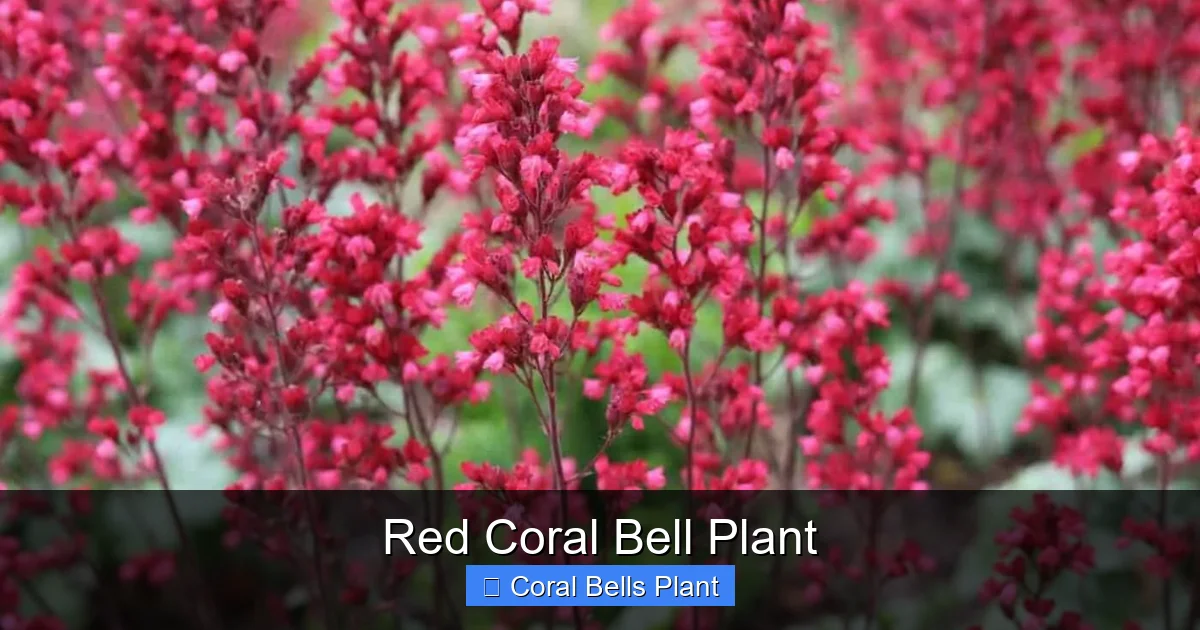
The common name comes from the flowers. In late spring to early summer, slender stems rise 12 to 24 inches above the foliage, bearing dozens of tiny, bell-shaped blooms in shades of pink, red, or white. From a distance, the effect resembles a cloud of coral-colored bells. While the flowers are charming, most gardeners grow red coral bell plants for the foliage. The leaves form a neat, mounding clump 8 to 18 inches tall and 12 to 24 inches wide, depending on the variety.
Foliage Characteristics
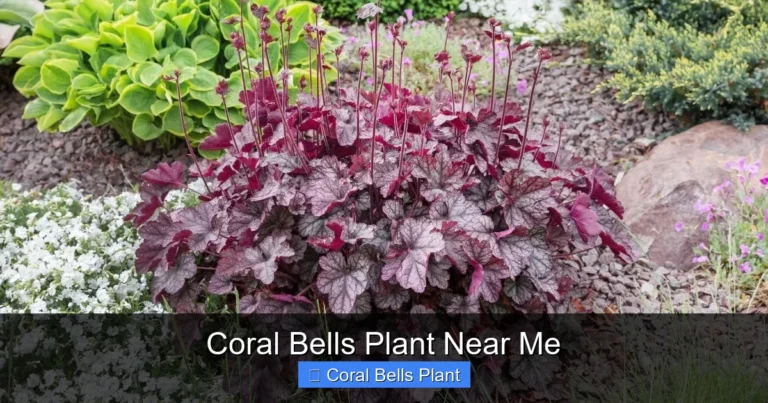
What makes red coral bell plant foliage so special? The leaves are lobed, often deeply cut, with ruffled or curled edges that catch light beautifully. Many varieties have a metallic sheen or contrasting veining. The red pigment comes from anthocyanins — the same compounds that color red cabbage and autumn maple leaves. In spring, new growth often emerges brighter, more orange-red. Summer heat may deepen the color to burgundy. Cool autumn temperatures frequently bring out the most intense crimson tones of the year.
Popular Red Coral Bell Varieties
Walk into any garden center in spring, and you will find a dizzying array of red coral bell plant options. Breeders introduce new cultivars every year. Here are some standout varieties that have proven themselves in gardens across the country.
Fire Alarm
If you want the truest, brightest red — the color of a fire truck — this is the one. Heuchera ‘Fire Alarm’ (part of the Dolce® series) features large, deeply lobed leaves that emerge screaming red in spring and hold that intensity through summer. The leaves have a slight sheen that makes them glow in shade. White flowers appear in early summer. It grows 10 inches tall and 16 inches wide. Hardy in zones 4 to 9.
Red Lightning
This variety plays with contrast. The leaves are deep mahogany-red with electrifying gold veins that look like lightning bolts. The effect is dramatic, especially when backlit by morning or evening sun. ‘Red Lightning’ forms a 12-inch mound and sends up white flowers on dark stems. It handles heat and humidity better than many reds. Zones 4 to 9.
Cherry Cola
Think of the color of cherry cola soda — that rich, brownish-red with amber undertones. The leaves are heavily ruffled, giving them great texture. In spring, the new growth is brighter red. Summer brings a deeper, more chocolate-cherry tone. Pink flowers complement the foliage. Compact at 10 inches tall and 14 inches wide. Zones 4 to 9.
Wild Rose
Despite the name, this one leans more toward deep pinkish-red — the color of wild rose hips. The leaves are large, rounded, and lightly ruffled with a subtle silver overlay that softens the color. It forms a generous 14-inch mound. White flowers on pink stems. Excellent vigor and heat tolerance. Zones 4 to 9.
Berry Smoothie
A newer introduction with huge, glossy leaves in a luscious berry-red shade. The foliage stays clean and vibrant all season without the summer “meltdown” some older reds experience. Forms a robust 18-inch wide clump. Pink flowers. Zones 4 to 9.
Forever Red
True to its name, this variety holds its red color exceptionally well through summer heat. The leaves are deeply cut, almost lace-like, with a rich, velvety texture. Compact habit at 7 inches tall and 14 inches wide. White flowers. One of the best for containers. Zones 4 to 9.
Choosing the Right Variety
When selecting a red coral bell plant, consider your climate. In hot, humid regions (zones 8 to 9), look for varieties with Heuchera villosa parentage — they handle heat better. In cold zones (3 to 4), varieties with Heuchera sanguinea bloodlines tend to be hardier. For containers, choose compact types like ‘Forever Red’ or ‘Fire Alarm.’ For groundcover mass plantings, larger varieties like ‘Berry Smoothie’ fill in faster.
Ideal Growing Conditions
The red coral bell plant has a reputation for being fussy, but that is mostly myth. Give it what it wants, and it rewards you with years of color. The key is understanding its native habitat. Most Heuchera species grow on rocky slopes, in woodland clearings, or along stream banks. They want good drainage, organic matter, and protection from harsh afternoon sun.
Light Requirements
This is the most debated topic among coral bell growers. The short answer: red coral bell plants prefer partial shade. Morning sun with afternoon shade is ideal. In cooler climates (zones 4 to 6), they can handle more sun — even full sun if soil stays consistently moist. In hot climates (zones 7 to 9), they need protection from midday and afternoon sun. Too much direct sun bleaches the red pigment, turning leaves muddy brown or causing scorch. Too much deep shade reduces vigor and dulls color. Dappled light under deciduous trees is perfect.
Soil Preferences
Red coral bell plants demand well-drained soil. They will rot in heavy, waterlogged clay. The ideal soil is rich, humusy, and slightly acidic (pH 5.5 to 6.5). If your soil is heavy clay, amend generously with compost, leaf mold, or aged pine bark before planting. Raised beds or mounded planting areas improve drainage. Sandy soils benefit from added organic matter to retain moisture. A 2-inch layer of compost worked into the top 8 inches of soil creates the perfect home.
Moisture Needs
Consistent moisture is key, especially during the first growing season. Red coral bell plants have shallow, fibrous root systems that dry out quickly. Water deeply once or twice a week during dry spells, rather than frequent shallow watering. Mulch with 2 inches of shredded bark, pine straw, or leaf mold to conserve moisture and keep roots cool. Once established, they tolerate brief dry periods but look their best with regular water. Avoid overhead watering late in the day — wet foliage overnight invites fungal issues.
Temperature and Hardiness
Most red coral bell plant varieties are hardy in USDA zones 4 to 9. Some extend to zone 3 with winter protection. In zone 9, they may struggle with summer heat and humidity unless given ample shade and moisture. In the coldest zones, a winter mulch of evergreen boughs or straw applied after the ground freezes prevents frost heaving. The crowns sit right at soil level, making them vulnerable to being pushed up by freeze-thaw cycles.
Fertility Requirements
Red coral bell plants are light feeders. Too much nitrogen produces lush green growth at the expense of red pigment. Apply a balanced, slow-release fertilizer (such as 10-10-10 or 14-14-14) in early spring as new growth emerges. Alternatively, top-dress with an inch of compost around the crown each spring. Avoid fertilizing after midsummer — you want the plant to harden off before winter.
Planting and Care Guide
Planting a red coral bell plant correctly sets the stage for years of success. The process is straightforward, but a few details make a big difference.
When to Plant
Spring and early fall are the best planting times. Spring planting gives the roots a full growing season to establish before winter. Fall planting works well in zones 6 and warmer — plant at least 6 weeks before the ground freezes. Avoid summer planting unless you can provide constant attention to watering. Container-grown plants can technically go in any time the ground isn’t frozen, but they will need extra care during temperature extremes.
How to Plant
Start by watering the plant thoroughly in its pot. Dig a hole twice as wide as the root ball and just as deep. Mix the excavated soil with compost at a 50/50 ratio. Gently remove the plant from its pot. If roots are circling, tease them apart with your fingers. Place the plant in the hole so the crown — where stems meet roots — sits slightly above soil level. This is critical. Buried crowns rot. Backfill with the amended soil, firming gently to eliminate air pockets. Water deeply to settle the soil. Apply 2 inches of mulch, keeping it away from the crown.
Spacing
Space red coral bell plants 12 to 18 inches apart, depending on the mature width of the variety. For mass plantings or groundcover effect, use the closer spacing. For specimen plants where you want to see the individual mound form, give them more room. Remember that they spread slowly by short rhizomes and will eventually form wider clumps.
Watering Schedule
First two weeks: water every other day unless it rains. Weeks 3 to 8: water deeply twice a week. After that: water weekly during dry periods. The finger test works best — stick your finger 2 inches into the soil near the plant. If it feels dry, water. If moist, wait. Red coral bell plants in containers need more frequent watering — sometimes daily in hot weather.
Mulching
Maintain a 2-inch layer of organic mulch year-round. Shredded bark, pine needles, leaf mold, or cocoa hulls all work well. Mulch conserves moisture, suppresses weeds, moderates soil temperature, and slowly adds organic matter as it breaks down. Refresh the mulch annually in spring. Keep mulch pulled back an inch from the crown to prevent rot.
Dividing
Red coral bell plants benefit from division every 3 to 4 years. Over time, the center of the clump becomes woody and dies out, leaving a donut shape. Division rejuvenates the plant and gives you free plants. The best time is early spring as new growth emerges, or early fall. Dig up the entire clump. Use a sharp knife or spade to cut it into sections, each with healthy roots and several growth buds. Replant divisions immediately at the same depth. Water well and mulch.
Deadheading and Pruning
Remove spent flower stems after blooming to tidy the plant and prevent self-seeding (seedlings rarely come true to color). In late winter or early spring, before new growth starts, remove any tattered, brown, or damaged leaves. Cut them off at the base. This makes room for fresh foliage and improves air circulation. In mild climates where plants stay evergreen, this cleanup is mostly cosmetic.
Common Problems and Solutions
Red coral bell plants are generally trouble-free, but a few issues crop up regularly. Knowing what to watch for keeps your plants looking their best.
Crown Rot
This is the number one killer. It happens when the crown stays too wet, usually from poor drainage, overwatering, or mulch piled against the crown. Symptoms: the center of the plant turns mushy and brown, leaves yellow and collapse, and the plant pulls outermost leaves detach easily. Prevention is everything. Plant high. Ensure excellent drainage. Water at soil level, not over the foliage. Keep mulch away from the crown. If caught early, you can sometimes save the plant by digging it up, cutting away rotted tissue, dusting with fungicide, and replanting in a drier spot.
Heuchera Rust
A fungal disease specific to Heuchera. It appears as small, raised orange-brown pustules on the undersides of leaves, with corresponding yellow spots on top. It thrives in humid, crowded conditions with poor air circulation. Remove and destroy affected leaves (do not compost). Improve spacing and air flow. Avoid overhead watering. Fungicides labeled for rust can help if applied early. Some varieties show better resistance — ‘Berry Smoothie’ and ‘Forever Red’ are noted for clean foliage.
Sun Scorch
Brown, crispy patches on leaves, especially on the side facing afternoon sun. The red pigment offers some natural sun protection, but intense heat and light overwhelm it. Solution: move the plant to a shadier spot, or provide temporary shade cloth during heat waves. Container plants can simply be relocated.
Frost Heaving
In cold climates, freeze-thaw cycles push the shallow crowns out of the ground, exposing roots. You will see the plant sitting higher than it was planted, with roots visible. Prevention: apply a loose winter mulch (evergreen boughs, straw, oak leaves) after the ground freezes. If heaving occurs, gently press the plant back into the soil in early spring and water well.
Vine Weevils
These nocturnal beetles notch the leaf edges, but the real damage comes from their larvae, which eat roots underground. Affected plants wilt, decline, and eventually detach from the soil. Check for C-shaped white grubs in the root zone. Biological controls (nematodes) applied in late summer target larvae. Adults can be trapped at night with a flashlight and soapy water bucket.
Deer and Rabbit Resistance
Good news: red coral bell plants are rarely browsed. The foliage contains tannins and has a slightly fuzzy texture that animals dislike. In severe drought or overpopulation, they may be nibbled, but they are not a preferred food. This makes them excellent choices for unfenced rural gardens.
Foliage Color Fading
If your red coral bell plant turns greenish or muddy, the usual culprits are too much shade, too much nitrogen fertilizer, or extreme heat. Some varieties naturally shift color through the seasons — spring color is often brightest. But if the plant stays green all season, try moving it to a brighter spot (morning sun) and cutting back on fertilizer.
Design Ideas and Companion Plants
The red coral bell plant is a design powerhouse. Its mounding habit, bold color, and season-long presence make it incredibly versatile. Here are ways to use it effectively.
Shade Garden Anchor
Use red coral bell plants as the “red thread” that ties a shade garden together. Plant them in drifts of 3, 5, or 7 along a woodland path. The repeated color draws the eye through the space. Pair with contrasting foliage: the silver fronds of Japanese painted fern (Athyrium niponicum ‘Pictum’), the chartreuse leaves of hakone grass (Hakonechloa macra ‘Aureola’), or the bold blue-green of hosta ‘Blue Angel.’ The red pops against all of them.
Container Combinations
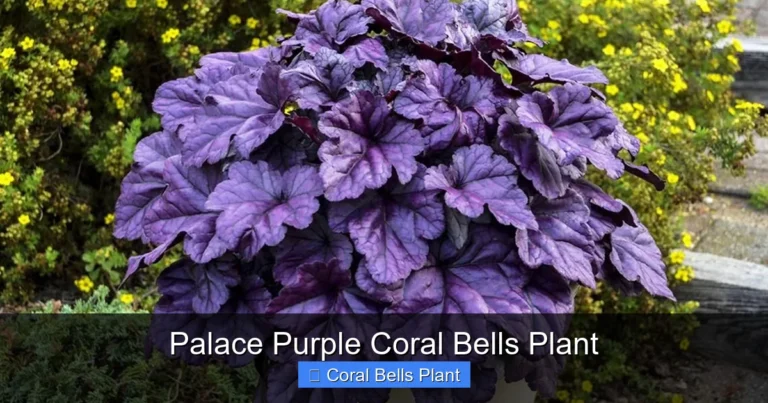
Red coral bell plants shine in pots. Their shallow roots make them perfect for shallow containers, troughs, and window boxes. Try a “thriller, filler, spiller” combo: red coral bell plant as filler, a tall fern or carex as thriller, and creeping jenny (Lysimachia nummularia ‘Aurea’) or ivy as spiller. For a monochromatic look, pair burgundy-red coral bells with purple heuchera, black mondo grass (Ophiopogon planiscapus ‘Nigrescens’), and deep red coleus. Containers need more frequent water and fertilizer — use a quality potting mix with added perlite.
Rock Garden and Slope Plantings
Because they demand drainage, red coral bell plants are naturals for rock gardens, retaining walls, and slopes. Tuck them into crevices between stones where soil accumulates. Their evergreen foliage softens hard edges year-round. Combine with sedums, sempervivums, creeping phlox, and dwarf conifers. On slopes, plant in staggered rows to slow erosion.
Border Edging
A row of red coral bell plants along a shaded border edge creates a clean, colorful line. Space them 12 inches apart for a continuous ribbon of color. They hide the bare legs of taller shrubs behind them. Good backdrops: hydrangeas, rhododendrons, fothergilla, or Japanese maples. The red foliage echoes the red fall color of many woody plants.
Woodland Garden
In a naturalistic woodland setting, let red coral bell plants self-sow gently (though seedlings will vary). Plant them alongside native companions: foamflower (Tiarella cordifolia), wild ginger (Asarum canadense), bloodroot (Sanguinaria canadensis), and trilliums. The red foliage provides a cultivated accent among the wildlings.
Pollinator Garden
While grown for foliage, the flowers of red coral bell plants feed hummingbirds, native bees, and butterflies. Plant them near a seating area where you can watch the aerial acrobatics. Combine with other hummingbird favorites: columbine (Aquilegia), bee balm (Monarda), cardinal flower (Lobelia cardinalis), and salvia.
Seasonal Color Echoes
Plan for year-round interest by pairing red coral bell plants with seasonal partners. Spring: pair with bleeding heart (Dicentra spectabilis), brunnera (‘Jack Frost’), and early bulbs. Summer: the red foliage holds while astilbes, hostas, and ferns provide texture. Fall: the red intensifies as Japanese maples turn, ornamental grasses plume, and sedums bloom. Winter: in mild zones, the evergreen mounds persist alongside hellebores and evergreen ferns.
Propagation Methods
Want more red coral bell plants without buying them? You have three options. Division is the easiest and most reliable. Seed is fun but unpredictable. Leaf cuttings work for the patient gardener.
Division
As described in the care section, divide every 3 to 4 years in spring or fall. Each division should have 3 to 5 growth buds and a healthy root system. Replant immediately. Divisions often bloom the same year.
Seed
Red coral bell plants produce tiny seeds in capsules after flowering. Collect when capsules turn brown and split. Sow fresh seed on the surface of moist seed-starting mix (they need light to germinate). Keep at 65 to 70°F. Germination takes 2 to 8 weeks. Seedlings take 1 to 2 years to reach flowering size. Important: seedlings from named cultivars will not come true. You will get variable foliage colors — mostly green, some reddish. This is how new varieties are discovered, but if you want an exact clone, use division.
Leaf Cuttings
This method produces exact clones. In spring or early summer, select a healthy, mature leaf with a short piece of petiole (leaf stem). Dip the cut end in rooting hormone. Insert into a pot of moist perlite or sand-peat mix. Cover with a clear plastic bag to maintain humidity. Place in bright, indirect light. Roots form in 4 to 6 weeks. Pot up and grow on. Success rates vary — try several leaves.
Red Coral Bell Plant Through the Seasons
One of the joys of growing red coral bell plants is watching them transform through the year. Each season brings a different personality.
Spring Awakening
As soil warms, new leaves emerge from the crown like tightly furled scrolls. The color is often the brightest of the year — vivid scarlet, orange-red, or hot pink depending on the variety. This spring flush lasts 4 to 6 weeks. Flower stems begin to elongate. Remove any winter-damaged leaves now. Apply compost and slow-release fertilizer.
Summer Bloom
In late spring to early summer, the flower show begins. Wiry stems rise well above the foliage, bearing airy panicles of tiny bells. Bloom time varies by variety but typically lasts 3 to 4 weeks. Hummingbirds visit constantly. In hot climates, the foliage may deepen to burgundy or develop a silvery overlay as a heat response. Keep watered during dry spells. Deadhead spent stems to tidy up.
Autumn Intensity
Cool nights and shorter days trigger the most spectacular color. Anthocyanin production ramps up. The red deepens, often becoming richer and more velvety than spring color. This is the season when red coral bell plants truly earn their keep — many perennials are fading, but these are peaking. It is also a good time to plant new ones, as roots establish before winter.
Winter Presence
In zones 6 and warmer, red coral bell plants stay essentially evergreen. The foliage may flatten a bit under snow but bounces back. In colder zones, leaves may look tattered by late winter but the crown survives. Do not cut back in fall — the leaves protect the crown. Wait until spring to clean up. A winter mulch helps in marginal zones.
Buying Guide: What to Look For
Shopping for red coral bell plants can be overwhelming. Here is how to pick healthy plants that will thrive.
At the Garden Center
Look for plants with full, symmetrical mounds — no bare centers. Leaves should be clean, without brown edges, spots, or holes. Check the crown: it should be firm, not mushy. Gently lift the pot (ask first) to check roots. White, firm roots filling the pot are good. Brown, mushy, or circling roots are red flags. Avoid plants with weeds growing in the pot — they compete for nutrients. Buy in spring for the best selection, or fall for planting time.
Online and Mail Order
Reputable online nurseries ship bare-root or in small pots. Bare-root plants should have plump, moist roots — not dry and brittle. Pot-grown liners (small plants) establish quickly. Order early in the season for best availability. Read reviews. Look for nurseries that guarantee true-to-name plants — mislabeling is common in the heuchera world.
Size Options
Quart pots (4-inch) are economical but take a year to fill out. Gallon pots give instant impact. For mass plantings, quarts make sense. For a focal point container, spring for a gallon. Some specialty nurseries offer “landscape plugs” — deep, narrow cells that establish fast and cost less than gallons.
Label Reading
Check the tag for: cultivar name (essential — “red coral bell” is not a variety), hardiness zone, mature size, light preference, and patent status (many new varieties are patented and cannot be propagated for sale). If the tag just says “Heuchera hybrid” with no cultivar name, you do not know what you are getting.
Troubleshooting Quick Reference
When something looks off, use this quick guide to diagnose and fix common issues.
Leaves Turning Green
Cause: Too much shade, too much nitrogen, or natural seasonal shift. Fix: Move to brighter spot (morning sun). Stop fertilizing. Accept that some varieties green up in summer.
Brown, Crispy Leaf Edges
Cause: Sun scorch, drought stress, or fertilizer burn. Fix: Provide afternoon shade. Water deeply. Flush soil with water if over-fertilized.
Yellowing Lower Leaves
Cause: Normal aging, overwatering, or poor drainage. Fix: Remove yellow leaves. Check soil moisture. Improve drainage if soggy.
Plant Loose in Ground / Crown Exposed
Cause: Frost heaving. Fix: Press firmly back into soil in spring. Water well. Mulch next winter.
Center of Plant Dead / Donut Shape
Cause: Age, needs division. Fix: Divide in spring or fall. Replant vigorous outer sections.
Orange Spots on Leaf Undersides
Cause: Heuchera rust. Fix: Remove affected leaves. Improve air circulation. Avoid overhead watering.
Sudden Collapse / Mushy Crown
Cause: Crown rot. Fix: Dig up. Cut away rot. Dust with fungicide. Replant in better drainage. Often fatal.
Conclusion
The red coral bell plant has earned its place as a shade garden essential. Few perennials offer such intense, long-lasting color with so little fuss. Whether you tuck a single ‘Fire Alarm’ into a container, line a woodland path with a drift of ‘Berry Smoothie,’ or dot a rock garden with ‘Forever Red,’ these plants deliver. They ask for so little — decent drainage, some shade, a drink when dry — and give back months of velvet-ruffled color, hummingbird visits, and four-season structure.
If you have struggled with color in shade, give red coral bell plants a try. Start with one or two varieties that suit your zone and conditions. Watch them through a full year. Notice how the color shifts with the seasons, how the flowers dance above the mound, how the foliage persists when everything else has gone to ground. I think you will find, as I did, that they become the plants you recommend to every gardener you know. The ones you divide and share. The ones you look for first at the nursery each spring. The red coral bell plant is not just a plant — it is a garden staple that makes shade gardening a joy instead of a compromise.
So go ahead. Pick a spot. Plant a red coral bell plant. Then pull up a chair and wait for the hummingbirds. They will find it. And you will wonder how you ever gardened without it.
Frequently Asked Questions
What is the hardiness zone for red coral bell plants?
Most red coral bell plant varieties are hardy in USDA zones 4 to 9. Some cultivars tolerate zone 3 with winter mulch protection, while others handle zone 9 heat if given ample shade and moisture.
Do red coral bell plants spread aggressively?
No, red coral bell plants spread slowly by short rhizomes, forming neat clumps that gradually widen. They are not invasive and are easily controlled by division every few years.
Should I cut back red coral bell plants in fall?
Do not cut back in fall. The foliage protects the crown through winter. Remove only tattered or damaged leaves in early spring before new growth emerges.
Why are the leaves on my red coral bell plant small and pale?
Small, pale leaves usually indicate too much sun, insufficient moisture, or nutrient deficiency. Ensure afternoon shade, consistent watering, and apply a light spring feeding with balanced fertilizer.
Can I grow red coral bell plants indoors as houseplants?
Red coral bell plants are not ideal long-term houseplants. They need a winter dormancy period and higher humidity than most homes provide. They perform best outdoors in the ground or containers.
How long do red coral bell plants live?
With proper care and regular division every 3 to 4 years, red coral bell plants can live indefinitely. Individual undivided clumps typically decline after 5 to 7 years as the center becomes woody and dies out.