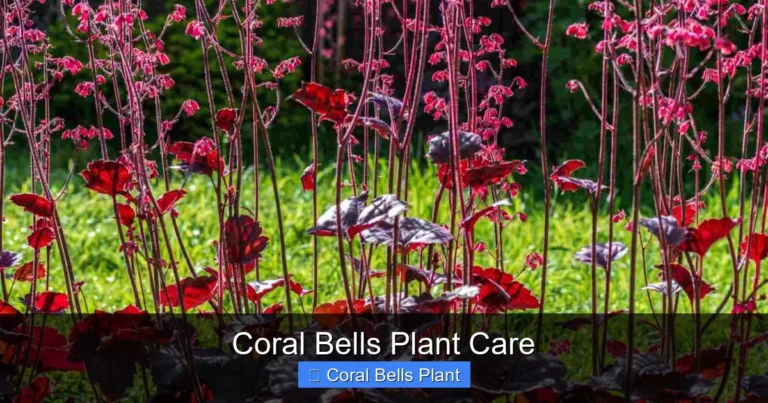
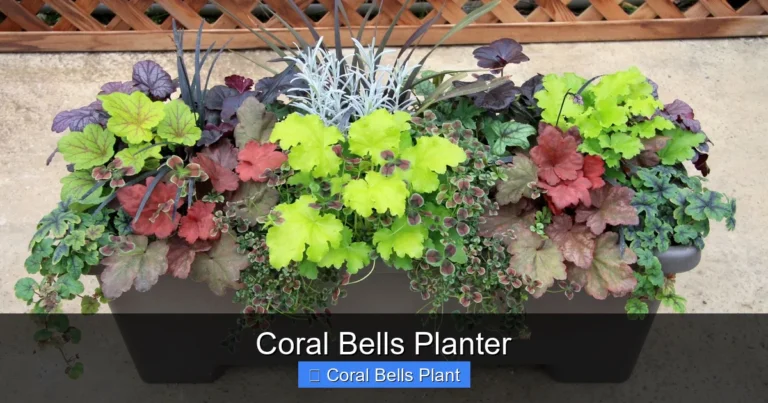
Coral Bells in Foundation Plantings
Coral bells (Heuchera) are perfect for foundation plantings thanks to their compact size, evergreen foliage, and incredible color range. They thrive in the partial shade often found along house foundations and provide year-round visual interest with minimal care.
If you have ever stood at the curb and felt like your house looks a little naked where it meets the ground, you are not alone. Foundation plantings are the bridge between architecture and landscape. They soften hard lines, hide utility meters, and give your home a settled, welcoming look. But choosing the right plants for this spot can feel tricky. You need something that stays tidy, handles the weird light conditions right up against the house, and does not outgrow the space in two seasons.
Enter coral bells. Known botanically as Heuchera, these perennials have quietly become a secret weapon for smart foundation design. They check every box. Compact habit? Check. Gorgeous foliage that lasts all year? Check. Tolerance for the shade and root competition near foundations? Check. Low maintenance? Double check. Whether you are refreshing an old bed or starting from scratch, coral bells in foundation plantings deliver reliable beauty with very little fuss.
Key Takeaways
- Ideal size and habit: Coral bells form neat mounds 12-18 inches tall and wide, fitting perfectly under windows and along foundation lines without blocking views or requiring constant pruning.
- Year-round foliage color: Unlike flowering-only plants, coral bells offer stunning leaves in purple, caramel, lime, silver, and near-black shades that persist through winter in most zones.
- Shade tolerance matches foundation conditions: The dappled to partial shade along north and east foundations suits coral bells perfectly, though some varieties handle more sun.
- Low maintenance once established: After the first season, coral bells need only occasional watering, annual mulching, and division every 3-4 years to stay vigorous.
- Excellent companion plants: Pair coral bells with hostas, ferns, boxwoods, and ornamental grasses for layered texture and seasonal interest in foundation beds.
- Deer and rabbit resistant: The slightly fuzzy, bitter-tasting foliage deters browsing animals that often plague foundation plantings.
- Versatile design element: Use coral bells as edging, mass plantings, specimen accents, or container specimens near entryways for cohesive foundation design.
Quick Answers to Common Questions
Can coral bells grow in full shade against a north foundation?
Yes, many coral bells thrive in full shade. Varieties like ‘Citronelle’, ‘Green Spice’, and ‘Autumn Bride’ perform beautifully in the low light of north-facing foundations.
How far from the house foundation should I plant coral bells?
Plant coral bells at least 18-24 inches from the foundation wall. This allows air circulation, room for maintenance, and prevents moisture issues against the siding.
Do coral bells stay evergreen through winter?
In zones 6 and warmer, coral bells are typically evergreen. In colder zones, foliage may flatten or brown but the crown survives. Fresh growth emerges in spring.
How often should I divide coral bells in foundation plantings?
Divide coral bells every 3-4 years in early spring or fall. This rejuvenates the plant, prevents the center from dying out, and gives you free plants to expand your bed.
What are the best companion plants for coral bells in foundation beds?
Excellent companions include hostas, ferns, boxwoods, dwarf conifers, ornamental grasses, astilbe, and heucherella. Choose partners with similar light and moisture needs.
📑 Table of Contents
- Why Coral Bells Work So Well in Foundation Beds
- Choosing the Right Coral Bells for Your Foundation
- Designing Foundation Plantings With Coral Bells
- Planting and Establishment Success
- Ongoing Care and Maintenance
- Companion Plants for Coral Bells in Foundation Beds
- Common Mistakes to Avoid
- Creative Uses Beyond the Standard Bed
- Regional Considerations
- Budget-Friendly Foundation Planting With Coral Bells
- Sustainability and Ecological Benefits
- Troubleshooting Common Problems
- Final Thoughts on Coral Bells in Foundation Plantings
Why Coral Bells Work So Well in Foundation Beds
Foundation beds come with a unique set of challenges. The soil is often compacted from construction. Roof overhangs create rain shadows. Reflected heat from siding or brick can bake plants in summer. And the light shifts dramatically from one corner of the house to another. Coral bells handle these curveballs better than almost any other perennial.
Compact, Predictable Growth Habit
Most coral bells form neat, rounded mounds between twelve and eighteen inches tall and wide. They do not sprawl, they do not flop, and they do not swallow your windows. This predictable size means you can space them confidently at planting time and know they will still fit the space five years later. For foundation plantings where space is tight and scale matters, this reliability is huge.
Foliage That Carries the Show
Flowers are nice, but foliage does the heavy lifting in foundation plantings. Coral bells deliver leaves in shades you simply do not find in other shade plants. Deep purple, bright lime, warm caramel, metallic silver, rich burgundy, and near-black varieties let you paint with color all year. In milder climates, the leaves stay evergreen. In colder zones, they often hold color well into winter before a fresh flush emerges in spring.
Shade Flexibility
The north side of a house gets almost no direct sun. The east side gets gentle morning light. The west side gets blasted in afternoon heat. Coral bells have varieties bred for each scenario. Dark-leaved types like ‘Palace Purple’ and ‘Obsidian’ handle more sun. Light-leaved varieties like ‘Lime Rickey’ and ‘Citronelle’ prefer more shade. This means you can use the same plant genus around the entire perimeter, just swapping cultivars to match the exposure.
Root Competition Tolerance
Foundation beds often sit over compacted subsoil and compete with tree roots from the yard. Coral bells have fibrous, shallow root systems that coexist well with larger woody roots. They also tolerate the drier conditions found under roof overhangs once established. A thick layer of mulch helps them conserve moisture and keeps roots cool.
Choosing the Right Coral Bells for Your Foundation
With hundreds of named cultivars on the market, picking coral bells can feel overwhelming. Focus on three things: your light conditions, your color palette, and your hardiness zone. Then narrow the field with these proven performers.

Visual guide about Coral Bells in Foundation Plantings
Image source: plantisima.com
Best for Deep Shade North Foundations
The north side of the house is the toughest spot. Light is bright but indirect. Soil stays damp. These varieties thrive there:
- ‘Citronelle’: Electric lime foliage that glows in low light. Forms a tight twelve-inch mound. Hardy to zone 4.
- ‘Green Spice’: Silver-green leaves with dark veins and a purple blush in cool weather. Very vigorous. Zone 4.
- ‘Autumn Bride’: Large, fuzzy green leaves and white flowers in late summer. One of the toughest for dry shade. Zone 3.
Best for Morning Sun East Foundations
East foundations get three to four hours of gentle sun. This is the sweet spot for most coral bells. Standouts include:
- ‘Caramel’: Warm amber leaves that shift to peach and gold. Heat and humidity tolerant. Zone 4.
- ‘Berry Smoothie’: Rose-pink leaves that mature to deep burgundy. Strong, ruffled foliage. Zone 4.
- ‘Fire Alarm’: Bright red spring foliage that deepens to brick red. Compact and floriferous. Zone 4.
Best for Afternoon Sun West Foundations
West foundations are brutal. Reflected heat plus intense afternoon sun fries many plants. These handle it:
- ‘Obsidian’: Glossy, near-black leaves that do not fade in sun. The gold standard for sun tolerance. Zone 4.
- ‘Palace Purple’: The classic bronze-purple variety. Tough, reliable, widely available. Zone 4.
- ‘Midnight Rose’: Black leaves speckled with hot pink spots that fade to cream. Stunning in sun. Zone 4.
Best for South Foundations With Dappled Shade
South sides get the most light but often have trees or overhangs creating dappled conditions. Try:
- ‘Southern Comfort’: Cinnamon-peach leaves that take heat and humidity. Bred for southern gardens. Zone 5.
- ‘Peach Flambe’: Bright peach spring leaves turning plum-purple in summer. Zone 4.
- ‘Electric Lime’: Chartreuse foliage that holds color in sun better than most light varieties. Zone 4.
Designing Foundation Plantings With Coral Bells
Good foundation design uses layers. Think of it like a stage set. Tall structural plants at the back against the house. Mid-height fillers in the middle. Low edging plants at the front. Coral bells shine in that middle and front layer.
The Classic Three-Layer Foundation Formula
Back layer (against house): Evergreen shrubs like boxwood, dwarf yew, or distylium. These provide year-round structure and hide the foundation wall. Space them far enough out to allow air circulation and maintenance access.
Middle layer: This is where coral bells in foundation plantings earn their keep. Plant them in drifts of three, five, or seven for impact. Mix two complementary colors like ‘Caramel’ and ‘Berry Smoothie’ for a tapestry effect. Or mass a single variety for a bold color block.
Front layer: Low groundcovers or edging plants. Creeping phlox, sedum, dwarf mondo grass, or annuals like impatiens. This layer softens the bed edge and hides any bare legs of the middle layer.
Color Strategy for Curb Appeal
Coral bells let you echo or contrast your home’s exterior. Brick homes look great with caramel, peach, and burgundy varieties that pick up warm tones. Gray or blue siding pops against lime, silver, and purple leaves. White trim sings next to near-black varieties like ‘Obsidian’.
Consider the view from the street. A drift of ‘Citronelle’ at the front corner of a dark-sided house acts like a beacon. A ribbon of ‘Palace Purple’ along a light walkway defines the path elegantly. Use color intentionally, not randomly.
Texture and Form Contrast
Foundation plantings can look flat if everything has the same leaf shape. Coral bells have rounded, lobed, often ruffled leaves. Pair them with:
- Strappy leaves: ornamental grasses, liriope, daylilies
- Fine texture: ferns, astilbe, threadleaf coreopsis
- Bold texture: hostas, bergenia, rodgersia
- Needle texture: dwarf conifers, juniper, yew
This contrast keeps the bed interesting even when nothing is blooming.
Seasonal Interest Planning
Coral bells bloom in late spring to early summer with airy spikes of tiny bell-shaped flowers. The flowers attract hummingbirds and make nice cut flowers. But the real show is the foliage. Plan for:
- Spring: Fresh new growth in the brightest colors. Pair with spring bulbs planted between clumps.
- Summer: Mature foliage color. Flowers appear. Keep watered during drought.
- Fall: Many varieties intensify in cool weather. ‘Caramel’ gets richer. ‘Berry Smoothie’ deepens.
- Winter: In zones 6 and warmer, foliage persists. In colder zones, leaves may flatten but crown survives.
Planting and Establishment Success
Getting coral bells off to a strong start determines how well they perform for years. The planting hole, soil prep, and first-season care matter more than most gardeners realize.
Timing Your Planting
Spring and fall are both excellent. Spring planting gives a full growing season to establish before winter. Fall planting lets roots grow in cool, moist soil without heat stress. Avoid planting in the heat of summer unless you can water religiously. If you must plant in summer, choose a cloudy week and provide temporary shade.
Soil Preparation for Foundation Beds
Foundation soil is often poor. Construction debris, compacted clay, and alkaline mortar leachate are common. Dig a hole twice as wide as the pot and just as deep. Mix the native soil with equal parts compost and pine bark fines. This improves drainage, adds organic matter, and slightly acidifies the soil which coral bells prefer.
If your foundation soil is truly terrible (pure clay, full of rubble), consider building a raised berm eight to twelve inches high with good topsoil and compost. This gives you instant drainage and a clean slate.
Planting Depth Is Critical
This is the number one mistake with coral bells. The crown (where leaves meet roots) must sit at or slightly above soil level. Bury the crown and the plant will rot. Plant too high and roots dry out. Set the plant so the crown is visible at the soil surface. Backfill gently. Water thoroughly to settle soil around roots.
First Season Care
Water deeply twice a week for the first month, then weekly through the first growing season. Apply two inches of shredded bark or pine straw mulch, keeping it away from the crown. Do not fertilize at planting. Wait until spring of the second year, then apply a slow-release balanced fertilizer or top-dress with compost.
Ongoing Care and Maintenance
Once established, coral bells in foundation plantings ask for very little. A few simple tasks keep them looking their best year after year.
Watering Established Plants
Established coral bells are moderately drought tolerant. In average rainfall areas, they rarely need supplemental water. During extended dry spells, water deeply once a week. Avoid frequent shallow watering which encourages surface roots. The thick mulch layer you maintain does most of the moisture retention work for you.
Mulching Matters
Refresh mulch annually in spring. Two to three inches of shredded leaves, pine straw, or bark mulch keeps roots cool, conserves moisture, suppresses weeds, and slowly feeds the soil as it breaks down. Never pile mulch against the crown. Leave a one-inch gap around each plant.
Dividing Every Three to Four Years
Coral bells tend to rise out of the ground as they age. The woody crown pushes up, roots become exposed, and the center can die out. Division rejuvenates the plant. Do it in early spring or early fall. Dig the whole clump. Pull or cut apart into sections with healthy roots and several leaves. Replant the best pieces at proper depth. Compost the woody center. Water well.
Spring Cleanup
In late winter or early spring, remove any tattered, brown, or damaged leaves. Cut them at the base. This makes room for fresh growth and prevents disease. If the plant looks rough after a harsh winter, you can shear the whole thing back to two inches. It will regrow vigorously.
Pest and Disease Management
Coral bells are remarkably trouble-free. The main issues:
- Vine weevils: Notches in leaf edges mean adult weevils. Grubs eat roots. Apply beneficial nematodes in spring or fall.
- Crown rot: Caused by buried crowns or soggy soil. Prevent with proper planting depth and drainage.
- Powdery mildew: Rare but possible in humid, crowded conditions. Improve air circulation. Remove affected leaves.
- Deer and rabbits: Usually leave coral bells alone. If browsing occurs, apply repellent.
Companion Plants for Coral Bells in Foundation Beds
Great foundation plantings are plant communities. Coral bells play well with many partners. Here are winning combinations by exposure.
Shade Combos (North and Heavy East)
- Coral bells + Hostas + Ferns: The classic shade trio. Hostas provide bold leaves. Ferns add fine texture. Coral bells bring color.
- Coral bells + Hellebores + Epimedium: All three are evergreen or semi-evergreen. Winter interest guaranteed.
- Coral bells + Japanese Forest Grass + Toad Lily: Grass adds movement. Toad lily blooms in fall when little else does.
Part Sun Combos (East and Dappled South)
- Coral bells + Dwarf Hydrangea + Boxwood: Hydrangea for summer flowers. Boxwood for structure. Coral bells for foliage color.
- Coral bells + Astilbe + Ligularia: Bold, moist-loving companions. Great for the damp spot near a downspout.
- Coral bells + Heucherella + Tiarella: All in the same family. Similar needs. Endless leaf pattern combinations.
Sun-Tolerant Combos (West and Open South)
- Coral bells + Ornamental Grass + Sedum: Grass for height and movement. Sedum for late season color and drought tolerance.
- Coral bells + Dwarf Conifer + Catmint: Conifer for winter structure. Catmint for long bloom and pollinators.
- Coral bells + Salvia + Russian Sage: All sun lovers. Airy, colorful, low maintenance.
Evergreen Anchor Plants
Every foundation bed needs evergreen bones. Plant these shrubs first, then fill around them with coral bells:
- Boxwood (Buxus): Classic, clippable, shade tolerant. ‘Green Velvet’ and ‘Winter Gem’ stay small.
- Dwarf Yew (Taxus): Takes deep shade and heavy pruning. ‘Everlow’ spreads wider than tall.
- Distylium: Heat tolerant, evergreen, layered habit. ‘Vintage Jade’ and ‘Blue Cascade’ are excellent.
- Dwarf Holly (Ilex): ‘Soft Touch’ and ‘Helleri’ are spineless and compact.
- Sweet Box (Sarcococca): Fragrant winter flowers. Thrives in deepest shade.
Common Mistakes to Avoid
Even experienced gardeners stumble with coral bells in foundation plantings. Sidestep these pitfalls.
Planting Too Deep
We covered this, but it bears repeating. The crown must be visible. If you cannot see where leaves emerge from the crown, it is too deep. This is the fastest way to lose plants.
Ignoring Mature Size
That four-inch pot becomes an eighteen-inch mound. Space plants accordingly. Crowding leads to poor air circulation, disease, and the need for premature division. Check the label and believe it.
Mixing Sun and Shade Varieties Randomly
Planting ‘Citronelle’ in hot afternoon sun will fry it. Planting ‘Obsidian’ in deep shade will make it leggy and dull. Match the variety to the exposure on each side of the house.
Skipping Soil Prep
Foundation soil is not garden soil. If you plant into unamended construction fill, your coral bells will struggle. Invest in compost and pine bark at planting time. It pays off for years.
Mulch Volcanoes
Piling mulch against the crown causes rot. Keep mulch flat and pulled back from the center of the plant. Think donut, not volcano.
Forgetting Winter Protection in Cold Zones
In zones 4 and 5, a light covering of evergreen boughs or straw after the ground freezes prevents freeze-thaw heaving. Remove in early spring.
Creative Uses Beyond the Standard Bed
Coral bells in foundation plantings do not have to stay in the ground. Their compact habit makes them stars in other foundation-adjacent spots.
Container Groupings at Entryways
Plant coral bells in matching pots flanking the front door. Use a high-quality potting mix with added perlite. Choose varieties with dramatic foliage like ‘Black Pearl’, ‘Lime Marmalade’, or ‘Forever Purple’. Underplant with trailing ivy or creeping jenny. Water more frequently than in-ground plants.
Window Box Plantings
Shallow window boxes suit coral bells perfectly. Combine with trailing lobelia, sweet potato vine, or creeping jenny for a lush look all season. In winter, the coral bells stay attractive while annuals are swapped out.
Dry Stream Bed Edges
If your foundation drainage includes a dry creek bed, plant coral bells along the edges. They soften the stone and tolerate the well-drained conditions. ‘Caramel’ and ‘Georgia Peach’ look especially natural among river rocks.
Stepping Stone Accents
Plant single coral bells between pavers on the path to the front door. They handle light foot traffic and release a subtle scent when brushed. ‘Petite Pearl Fairy’ and ‘Little Cutie’ series stay extra compact for this use.
Regional Considerations
Your climate shapes how coral bells perform in foundation plantings. Here is what to know for major regions.
Northeast and Midwest (Zones 4-6)
Cold winters, humid summers. Choose varieties rated to zone 4. Mulch heavily after ground freezes. Expect some winter leaf damage. Cut back in spring. ‘Palace Purple’, ‘Berry Smoothie’, and ‘Caramel’ are workhorses here.
Southeast (Zones 7-9)
Heat and humidity are the challenges. Look for varieties bred for southern performance like the ‘Southern Comfort’ series. Provide afternoon shade. Ensure excellent drainage. Crown rot is the main risk. ‘Caramel’, ‘Citronelle’, and ‘Electric Lime’ handle humidity well.
Pacific Northwest (Zones 7-9)
Mild, wet winters. Dry summers. Coral bells thrive here. Slugs can be an issue. Use iron phosphate bait. ‘Obsidian’, ‘Midnight Rose’, and ‘Green Spice’ perform beautifully. Division may be needed more often due to vigorous growth.
Southwest (Zones 8-10)
Intense sun, alkaline soil, low humidity. Grow coral bells in containers or amended beds with afternoon shade. Use acidifying fertilizer. ‘Obsidian’ and ‘Palace Purple’ handle the most sun. Mulch heavily to keep roots cool.
Mountain West (Zones 3-6)
High UV, dry air, extreme temperature swings. Choose compact, tough varieties. Plant in spring only. Winter mulch is essential. ‘Autumn Bride’, ‘Palace Purple’, and ‘Berry Smoothie’ handle the extremes.
Budget-Friendly Foundation Planting With Coral Bells
Foundation plantings can get expensive. Coral bells help you stretch dollars without sacrificing style.
Start Small, Divide Later
Buy three one-gallon pots of a variety you love. Plant them as specimens the first year. In year three, divide each into three pieces. Now you have nine plants for the price of three. Repeat every few years to fill the whole bed.
Shop End-of-Season Sales
Nurseries discount perennials heavily in late summer and fall. Coral bells planted in September establish roots before winter and explode in spring. Look for healthy crowns, not just pretty leaves.
Grow From Seed (Patient Gardeners Only)
Coral bells grow readily from seed but take two years to reach flowering size. Seed mixes give you surprising color variations. Fun for the experimental gardener.
Trade With Neighbors
Gardeners love sharing divisions. Host a plant swap. Bring extra hosta divisions, trade for coral bells. Everyone wins.
Sustainability and Ecological Benefits
Coral bells in foundation plantings do more than look pretty. They contribute to a healthier yard ecosystem.
Pollinator Support
The bell-shaped flowers attract native bees, bumblebees, and hummingbirds. They bloom when many spring bulbs are done and summer perennials have not started. This bridges a critical nectar gap.
Soil Health
The fibrous root system prevents erosion on sloped foundation beds. As roots die and regrow, they add organic matter deep in the soil profile. The leaf litter feeds soil microbes.
Water Conservation
Once established, coral bells need minimal irrigation. Their dense foliage shades the soil, reducing evaporation. In a xeriscape foundation planting, they are star performers.
Reduced Chemical Inputs
Few pest and disease problems mean less need for fungicides and insecticides. Deer resistance means no repellent sprays. This keeps your foundation zone safer for kids, pets, and beneficial insects.
Troubleshooting Common Problems
Even with good care, issues arise. Here is a quick diagnostic guide.
Leaves Turning Brown and Crispy at Edges
Usually sun scorch or drought stress. Move shade varieties to shadier spot. Water deeply. Mulch more thickly.
Center of Plant Dying Out, Woody Crown Exposed
Time to divide. Dig in spring or fall. Replant vigorous outer sections. Discard woody center.
Plant Heaved Out of Ground in Spring
Freeze-thaw cycles pushed the shallow crown up. Replant at correct depth. Mulch heavily after ground freezes next winter.
Foliage Color Faded or Washed Out
Too much sun for that variety. Or nutrient deficiency. Test soil. Apply compost. Consider moving to better exposure.
Not Flowering
Too much shade, too much nitrogen fertilizer, or plant too young. Most bloom by year two. Cut back on fertilizer. Ensure at least three hours of light.
Leaves Chewed With Notched Edges
Vine weevil adults. Apply beneficial nematodes to soil in spring and fall. Hand-pick adults at night with flashlight.
Final Thoughts on Coral Bells in Foundation Plantings
Foundation plantings frame your home. They are the first thing visitors see and the last thing you see when you pull in the driveway. Getting them right matters. Coral bells give you a plant that solves the practical problems of foundation beds while delivering the kind of foliage color that makes people slow down and look twice.
Start with a plan. Walk around your house at different times of day. Note the light. Test the soil. Sketch a simple layout with evergreen anchors, coral bells drifts in the middle, and low edgers in front. Choose varieties matched to each exposure. Plant at the right depth. Mulch well. Water the first year. Then step back and enjoy.
In three years, you will be dividing clumps to share with neighbors. In five years, your foundation beds will look like they have been there forever. In ten years, you will wonder how you ever gardened without coral bells. They are that good. That reliable. That beautiful.
Your foundation deserves more than a row of struggling yews or a bare mulch bed. Give it coral bells. Your house will thank you. Your neighbors will ask. And you will smile every time you pull in the drive.
Frequently Asked Questions
What is the best time of year to plant coral bells in foundation beds?
Spring and fall are both ideal for planting coral bells. Spring gives a full growing season to establish before winter. Fall planting allows root growth in cool, moist soil without heat stress. Avoid mid-summer planting unless you can provide consistent water and temporary shade.
How do I prevent crown rot in coral bells near my foundation?
Plant with the crown slightly above soil level, never buried. Amend heavy clay soil with compost and pine bark for drainage. Mulch with 2-3 inches of shredded bark but keep it pulled back from the crown. Avoid overwatering, especially in poorly drained foundation soils.
Can I grow coral bells in containers against my foundation?
Absolutely. Coral bells thrive in containers and look stunning in matched pots flanking entryways. Use high-quality potting mix with added perlite. Choose dramatic varieties like ‘Black Pearl’ or ‘Lime Marmalade’. Water more frequently than in-ground plants and fertilize lightly in spring.
Why are my coral bells losing their vibrant color?
Color fade usually means the variety is getting too much or too little sun. Dark-leaved types need some sun to develop deep color. Light-leaved types bleach in hot sun. Nutrient deficiency can also cause fading. Top-dress with compost in spring and ensure the variety matches your exposure.
Are coral bells deer and rabbit resistant?
Yes, coral bells are generally deer and rabbit resistant. Their slightly fuzzy, bitter-tasting foliage deters browsing. However, hungry animals may sample anything in severe winters. Apply repellent if you notice damage, especially on new spring growth.
How do I use coral bells to hide my foundation utilities?
Plant coral bells in a drift in front of meters, vents, and spigots. Their 12-18 inch height conceals low utilities while allowing easy access for maintenance. Choose colorful varieties like ‘Caramel’ or ‘Berry Smoothie’ to draw the eye to the foliage rather than the utility boxes.