Coral Bells in Planter
Coral bells in planter containers bring bright foliage to any patio. Easy care and year‑round color make them a top pick for container gardeners.
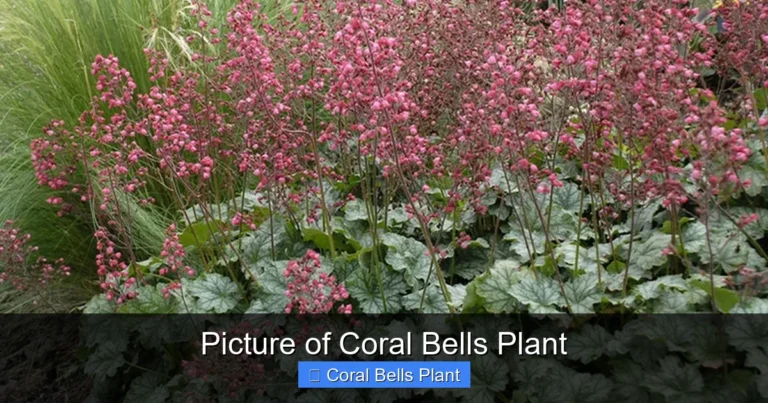
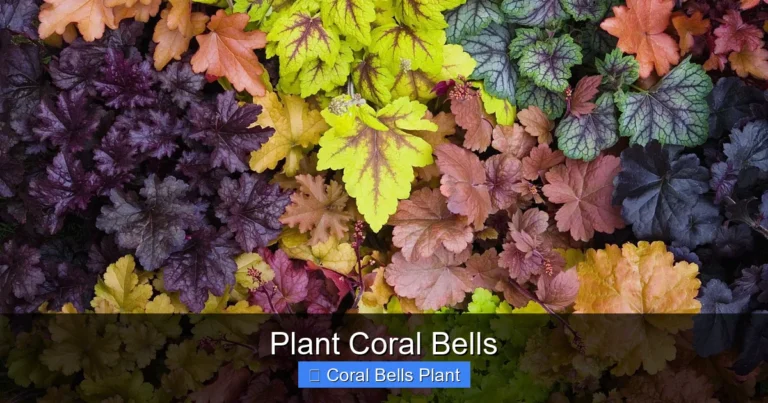
Growing coral bells in planter containers is a rewarding way to add color to decks, balconies, and entryways. These perennials offer ruffled leaves in shades of amber, burgundy, lime, and silver. They stay compact, so they fit nicely in pots of many sizes. With a few simple steps you can enjoy healthy coral bells in planter displays all season long.
Start by picking a location that gets morning light and afternoon shade. Too much hot sun can scorch the delicate foliage. A spot near a wall or under a pergola works well. The container itself should have drainage holes to prevent waterlogged roots. A saucer underneath catches excess water and protects surfaces.
Key Takeaways
- Choose the right pot: A container at least 12 inches wide gives roots room to spread.
- Use a well‑draining mix: Combine peat, perlite, and compost for optimal moisture balance.
- Provide partial shade: Morning sun and afternoon shade keep leaves vivid.
- Water consistently: Keep soil evenly moist but never soggy.
- Feed lightly: A slow‑release fertilizer in spring supports steady growth.
- Watch for pests: Aphids and slugs are common; treat early with neem oil or hand‑picking.
- Refresh annually: Repot or divide every 2‑3 years to maintain vigor.
Quick Answers to Common Questions
What size pot is best for coral bells in planter?
A container at least 12 inches wide and 10 inches deep gives roots enough room.
How often should I water coral bells in planter?
Water when the top inch of soil feels dry; usually every 1‑2 days in warm weather.
Can coral bells in planter tolerate full sun?
They prefer morning sun and afternoon shade; full hot sun can scorch leaves.
What fertilizer works for coral bells in planter?
A balanced slow‑release 10‑10‑10 applied at half strength in spring is ideal.
When should I repot coral bells in planter?
Repot or divide every 2‑3 years to refresh soil and maintain vigor.
📑 Table of Contents
Why Choose Coral Bells for Containers
Compact habit
Coral bells in planter pots stay tidy. Their mounding form rarely exceeds 12 inches tall. This makes them ideal for small spaces. You can group several varieties for a tapestry effect.
Long‑lasting foliage
Unlike many flowering annuals, coral bells in planter keep their leaves attractive from spring through fall. Some cultivars even hold color into winter in mild climates. This gives you continuous visual interest without constant replanting.
Low maintenance
Once established, coral bells in planter need only regular watering and occasional feeding. They resist most diseases when given proper airflow. This makes them perfect for busy gardeners or beginners.
Selecting the Right Planter
Size matters
Choose a pot at least 12 inches in diameter and 10 inches deep. Larger containers hold more soil, which buffers temperature swings. A bigger pot also reduces watering frequency.
Material options
Terracotta, glazed ceramic, and high‑quality plastic all work. Terracotta breathes but dries faster. Plastic retains moisture longer. Match the material to your climate and watering habits.
Drainage is essential
Every coral bells in planter must have holes at the bottom. Add a layer of coarse gravel or broken pottery before the soil mix. This extra space prevents the mix from clogging the holes.
Soil Mix and Drainage Essentials
Ideal blend
Mix one part peat moss, one part perlite, and one part compost. This combination holds moisture while allowing excess water to escape. The compost supplies nutrients for steady growth.
pH considerations
Coral bells in planter prefer slightly acidic to neutral soil, around 6.0 to 7.0. Test the mix with a simple kit. Adjust with lime or sulfur if needed.
Refreshing the mix
After two years, the soil can become compacted. Gently remove the plant, loosen the root ball, and replace half the old mix with fresh blend. This rejuvenates drainage and nutrition.
Light, Water, and Feeding Requirements
Light exposure
Place coral bells in planter where they receive 4 to 6 hours of gentle morning sun. Avoid harsh afternoon rays, especially in hot regions. Dappled shade under a tree canopy works beautifully.
Watering routine
Check the top inch of soil daily. Water when it feels dry. Apply water until it runs out the drainage holes. Consistent moisture prevents leaf scorch and promotes lush foliage.
Feeding schedule
Apply a balanced slow‑release fertilizer in early spring. A 10‑10‑10 formula at half the recommended rate works well. Avoid high‑nitrogen feeds that encourage leggy growth.
Design Ideas and Companion Plants
Color combos
Pair deep burgundy coral bells in planter with chartreuse creeping jenny for contrast. Add silver‑leafed dusty miller for a cool tone. The mix creates a living mosaic.
Texture play
Combine the ruffled leaves of coral bells in planter with fine‑textured grasses like blue fescue. The interplay of bold and delicate forms adds depth.
Seasonal interest
In spring, plant early‑blooming bulbs such as crocus around the base. In summer, let the coral bells in planter shine alone. In fall, add ornamental kale for a final burst of color.
Seasonal Care and Troubleshooting
Spring wake‑up
Remove any dead foliage from winter. Lightly scratch the soil surface and add a thin layer of compost. This signals new growth.
Summer heat management
During heat waves, move coral bells in planter to a shadier spot. Increase watering frequency. Mulch the surface with shredded bark to retain moisture.
Fall preparation
Reduce feeding as growth slows. Keep watering until the first hard frost. In colder zones, insulate the pot with burlap or move it to a protected area.
Common pests
Aphids cluster on new shoots. Spray with a strong jet of water or apply neem oil. Slugs love the moist environment; set beer traps or hand‑pick at dusk.
Disease watch
Powdery mildew appears as white dust on leaves. Improve air circulation by spacing pots. Remove affected leaves promptly. Fungicidal spray can be used as a last resort.
Conclusion
Coral bells in planter containers bring lasting beauty with minimal fuss. By choosing the right pot, using a well‑draining mix, and giving them the light and water they love, you set the stage for vibrant foliage all year. Experiment with color pairings and companion plants to create a personal garden masterpiece. With a little attention each season, your coral bells in planter will reward you with rich texture and color that brighten any outdoor space.
Frequently Asked Questions
Do coral bells in planter need winter protection?
In cold climates, move pots to a sheltered spot or wrap them with burlap to prevent root freeze.
Can I grow coral bells in planter indoors?
Yes, place them near a bright window with indirect light and keep humidity moderate.
What pests commonly affect coral bells in planter?
Aphids, slugs, and spider mites are the most frequent visitors; treat early with neem oil or manual removal.
How do I propagate coral bells in planter?
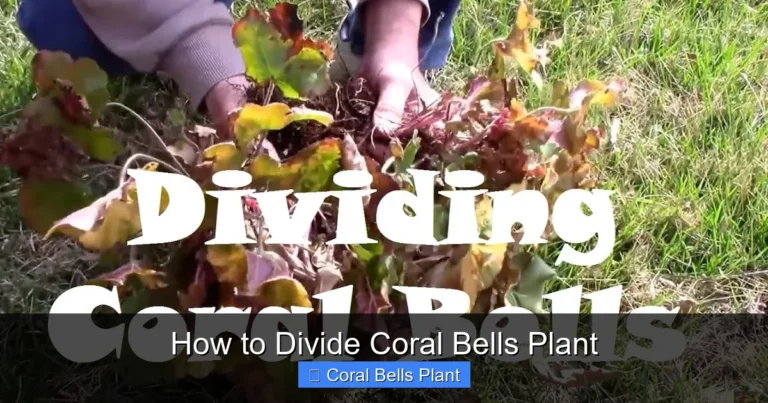
Divide the root clump in early spring or take leaf cuttings and root them in moist perlite.
Why are the leaves of my coral bells in planter turning brown?
Brown edges usually signal underwatering, low humidity, or too much direct sun.
Can I mix different coral bells varieties in one planter?
Absolutely; combining colors and leaf shapes creates a striking tapestry, just ensure the pot is large enough.