Pink Coral Bells Plant
The pink coral bells plant is a versatile perennial that brings year-round color with its ruffled foliage and delicate bell-shaped blooms. Perfect for shade gardens, borders, and containers, this low-maintenance beauty thrives with minimal care once established.
If you have ever walked through a garden center in spring, you have probably seen them. Those mounds of ruffled leaves in shades of rose, berry, and coral. They catch the light. They beg to be touched. The pink coral bells plant is one of those perennials that makes gardening feel easy. It gives you so much color for so little effort.
I remember the first time I planted one. I tucked it into a shady corner near the porch where nothing else wanted to grow. By midsummer, it had doubled in size. Hummingbirds visited the wands of tiny bells. The deer walked right past it. That was the moment I understood why gardeners call this plant a workhorse. It asks for little and gives back all season long.
Key Takeaways
- Foliage First: The main attraction is the colorful leaves, not just the flowers, providing interest from spring through fall.
- Shade Tolerant: These plants excel in partial to full shade, making them ideal for tricky garden spots.
- Low Maintenance: Once established, pink coral bells plant varieties need little watering or fertilizing.
- Year-Round Interest: Evergreen in mild climates, the foliage persists through winter in many zones.
- Pollinator Friendly: The tiny bell flowers attract hummingbirds and bees to your garden.
- Versatile Uses: Works beautifully in borders, rock gardens, containers, and as ground cover.
- Easy Propagation: Divide clumps every few years to get free plants and rejuvenate growth.
Quick Answers to Common Questions
What is the best time to plant pink coral bells?
Spring and early fall are ideal planting times. Spring allows roots to establish before summer heat. Fall planting works well in zones 6-9 with six weeks before ground freeze.
How much sun does a pink coral bells plant need?
Most varieties prefer morning sun with afternoon shade. In northern zones they tolerate more sun. In southern zones they need more shade to prevent leaf scorch.
Why are the leaves on my coral bells turning brown?
Brown leaves usually indicate too much sun, underwatering, or crown rot. Check soil moisture and ensure the crown is not buried. Remove damaged leaves and adjust care.
Do I need to cut back coral bells for winter?
Leave foliage in place over winter to protect the crown. Remove only diseased leaves. Clean up tattered foliage in early spring before new growth emerges.
How often should I divide my pink coral bells plant?
Divide every 3-4 years in early spring when the center becomes woody or growth slows. This rejuvenates the plant and gives you free divisions for new garden areas.
📑 Table of Contents
- Getting to Know the Pink Coral Bells Plant
- Top Pink Varieties to Consider
- Planting Your Pink Coral Bells Plant
- Ongoing Care and Maintenance
- Designing with Pink Coral Bells Plant
- Common Problems and Solutions
- Propagation Methods
- Seasonal Care Calendar
- Buying Guide: What to Look For
- Frequently Asked Questions
- Conclusion
Getting to Know the Pink Coral Bells Plant
What Exactly Is It?
The pink coral bells plant belongs to the genus Heuchera. Native to North America, these perennials have been garden favorites for generations. The common name comes from the shape of the flowers. Tiny bells dangle from wiry stems above the foliage. But here is the secret. Most people grow them for the leaves.
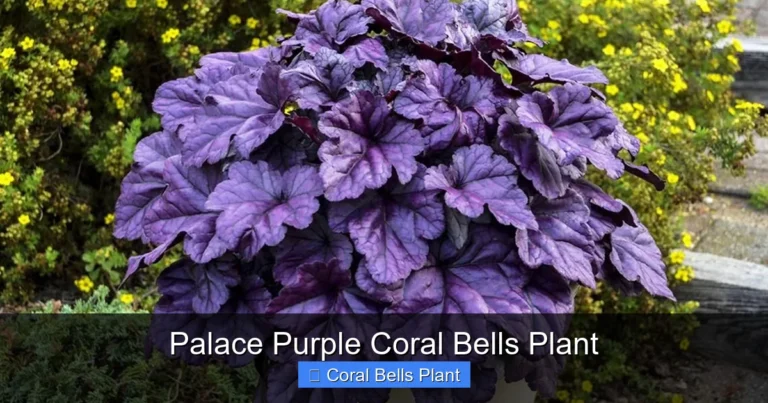
The foliage forms a neat mound. Leaves are lobed, ruffled, or smooth depending on the variety. Colors range from soft blush to deep magenta. Some have silver overlays. Others show dark veins that look like stained glass. In mild winters, the leaves stay evergreen. In cold zones, they may die back but return faithfully in spring.
Botanical Background
Botanically, Heuchera sits in the Saxifragaceae family. There are around fifty species. Plant breeders have been busy. They cross species to create hybrids with better color, heat tolerance, and vigor. The result? Hundreds of named cultivars. Many feature pink tones in the foliage, the flowers, or both.
The species Heuchera sanguinea is the classic coral bells. It has green leaves and bright coral-red flowers. Modern pink varieties often include genes from Heuchera americana or Heuchera villosa. These add ruffled leaves and better humidity tolerance. Knowing the parentage helps you pick the right plant for your climate.
Top Pink Varieties to Consider
Berry Smoothie
This is a showstopper. New leaves emerge rose-pink with a metallic sheen. They mature to deep berry purple. The contrast between young and old foliage creates a two-tone effect. It handles heat better than many older varieties. Plant it where afternoon sun hits for the brightest color.
Pink Pearls
As the name suggests, this one is all about the flowers. Dense wands of pure pink bells rise eighteen inches above the foliage. Blooms last for weeks in late spring. The leaves are a handsome green with silver highlights. It makes a great cut flower for small bouquets.
Cherry Cola
Rich reddish-pink leaves with a glossy finish. The color deepens in cool weather. In spring, light pink flowers appear. This variety has Heuchera villosa bloodlines. That means it handles Southern heat and humidity like a champ.
Georgia Peach
Do not let the name fool you. This starts peachy but shifts to pink-rose as the season progresses. Huge leaves form a bold mound up to two feet across. White flowers contrast beautifully. It is one of the largest varieties, so give it room.
Midnight Rose
Dark, almost black leaves splashed with hot pink spots. The pattern looks like paint flicked from a brush. As leaves age, the pink spreads. No two leaves look alike. It is a conversation piece in any shade garden.
Planting Your Pink Coral Bells Plant
When to Plant
Spring is ideal. The soil has warmed but summer heat has not arrived. Roots establish before the stress of July. Fall planting works too, especially in zones 6 through 9. Aim for six weeks before the ground freezes. This gives roots time to anchor.
Avoid planting in the heat of summer. If you must, provide shade cloth and water daily for the first two weeks. Container-grown plants can go in the ground any time the soil is workable. Bare-root divisions are best planted in early spring.
Choosing the Right Spot
Most pink coral bells plant varieties prefer morning sun and afternoon shade. Too much direct sun bleaches the pretty colors. Too much shade reduces flowering and can lead to crown rot. In northern zones, they tolerate more sun. In southern zones, they need more shade.
Look at your garden at different times of day. A spot that gets four hours of gentle morning light is perfect. Dappled shade under deciduous trees works well. The plants get spring sun before trees leaf out, then summer protection. Avoid low spots where water collects. Good drainage is non-negotiable.
Soil Preparation
These plants want rich, humusy soil that drains well. Heavy clay spells trouble. Sandy soil dries too fast. Amend either with compost. Work in two to three inches of organic matter to a depth of twelve inches. This improves both drainage and moisture retention.
A slightly acidic to neutral pH is best. Aim for 6.0 to 7.0. If your soil is very alkaline, add peat moss or elemental sulfur. A soil test takes the guesswork out. Your local extension office can help. Good soil prep pays off for years. These plants stay in place a long time.
Step-by-Step Planting
Dig a hole twice as wide as the root ball. Same depth. Gently loosen circling roots. Place the plant so the crown sits at soil level. This is critical. Buried crowns rot. Exposed crowns dry out. Backfill with amended soil. Firm gently with your hands.
Water thoroughly to settle soil. Apply a thin layer of shredded bark mulch. Keep mulch away from the crown. Space plants twelve to eighteen inches apart depending on mature size. They will fill in within a season or two. Label the variety. You will thank yourself later.
Ongoing Care and Maintenance
Watering Wisely
New plants need consistent moisture. Water deeply two to three times a week for the first month. After that, they are surprisingly drought tolerant. Established plants in shade may need water only during dry spells. In sun, they need more.
The finger test works best. Stick your finger two inches into the soil. If it feels dry, water. If moist, wait. Avoid overhead watering late in the day. Wet leaves overnight invite fungal issues. Soaker hoses or drip irrigation are ideal. They keep foliage dry and deliver water to roots.
Feeding for Performance
These are not heavy feeders. Too much fertilizer creates soft growth that flops and attracts pests. A light hand is best. In spring, apply a balanced slow-release fertilizer. Something like 10-10-10 or 5-5-5. Scratch it into the soil around the plant. Water well.
Alternatively, top-dress with an inch of compost each spring. This feeds slowly and improves soil structure. Skip fertilizing after midsummer. You want the plant to harden off before winter. Container plants need more frequent feeding. Use a liquid fertilizer at half strength monthly during the growing season.
Deadheading and Pruning
Remove spent flower stems at the base. This tidies the plant and may encourage a light rebloom. Use clean scissors. Cut close to the crown without damaging leaves. In late winter or early spring, remove any tattered or winter-damaged foliage. New growth will emerge fresh.
Every three to four years, the center of the clump may become woody and die out. This signals division time. Dig the whole plant in early spring. Pull or cut apart into sections with healthy roots and shoots. Replant the best pieces. Share the rest with friends.
Mulching Matters
A one-inch layer of organic mulch helps immensely. It conserves moisture. It suppresses weeds. It moderates soil temperature. Shredded leaves, pine straw, or bark fines all work. Keep it away from the crown. Replenish annually as it breaks down. In winter, mulch protects roots from freeze-thaw cycles.
Designing with Pink Coral Bells Plant
Shade Garden Combinations
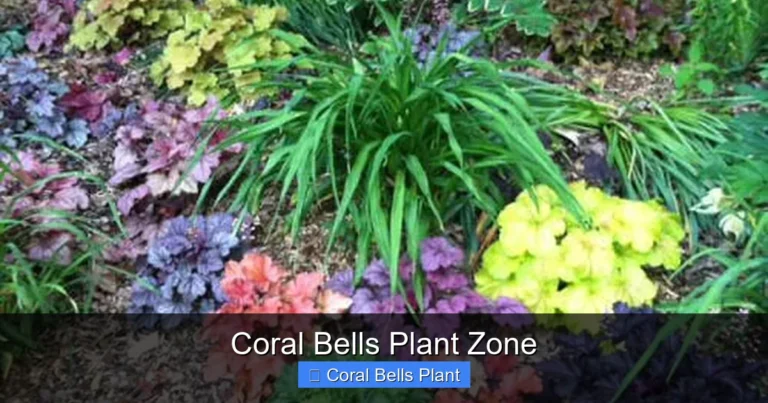
The pink coral bells plant plays well with others. Its mounded form contrasts with vertical plants. Try pairing with Japanese forest grass (Hakonechloa). The cascading gold or green blades echo the ruffled leaves. Add some hostas for bold texture. Choose blue or gold varieties to make the pink pop.
Ferns are classic companions. The delicate fronds of Japanese painted fern (Athyrium niponicum) mirror the airy flowers. For spring drama, underplant with bulbs. Snowdrops, crocus, and species tulips bloom before the coral bells fill in. By the time bulb foliage fades, the heuchera hides it.
Container Recipes
These plants shine in pots. They provide the “filler” role in thriller-filler-spiller designs. For a shade container, start with a tall thriller like a dwarf Japanese maple or carex. Add three pink coral bells plants around it. Edge with trailing ivy, creeping jenny, or sweet potato vine.
In sun, pair with purple fountain grass and trailing verbena. The pink foliage bridges the colors. Use a high-quality potting mix with perlite. Ensure the pot has drainage holes. Water when the top inch feels dry. Fertilize monthly with diluted liquid feed. Overwinter pots in an unheated garage in cold zones.
Border and Edging Ideas
Plant them along a woodland path. The low mounds soften hard edges. Space them eighteen inches apart for a continuous ribbon of color. They work at the front of a mixed border. Taller perennials like astilbe, foxglove, or bugbane rise behind them.
For a modern look, mass a single variety in a geometric block. Thirty plants of ‘Berry Smoothie’ create a living carpet. Maintenance is minimal. Weeds struggle to penetrate the dense foliage. Edge with steel or stone for a crisp line. This approach works in both formal and naturalistic gardens.
Rock Garden and Slope Solutions
The pink coral bells plant handles rocky soil and slopes well. Its fibrous roots hold soil in place. Tuck them between stones in a retaining wall. They soften the hardscape. On a slope, plant in staggered rows. The foliage knits together to prevent erosion.
Choose compact varieties for tight spaces. ‘Pink Pearls’ or ‘Cherry Cola’ stay neat. Avoid vigorous spreaders that might overwhelm delicate alpines. Combine with sedums, thyme, and dwarf conifers. The year-round foliage keeps the rock garden interesting in winter.
Common Problems and Solutions
Crown Rot
This is the number one killer. It happens when the crown stays wet. Symptoms include yellowing leaves, mushy stems, and a foul smell. Prevention is everything. Plant high. Mulch away from the crown. Ensure excellent drainage. Do not overwater.
If you catch it early, dig the plant. Cut away all rotted tissue. Dust with sulfur or copper fungicide. Replant in a better spot or a raised bed. Sometimes you lose the plant. Do not replant the same variety in that exact spot. The pathogen lingers.
Heuchera Rust
Orange pustules on leaf undersides signal rust. It thrives in humid, crowded conditions. Space plants for air flow. Water at soil level. Remove infected leaves promptly. Do not compost them. Fungicides containing chlorothalonil or myclobutanil help if applied early.
Some varieties show resistance. ‘Berry Smoothie’ and ‘Georgia Peach’ have good track records. If rust is chronic in your garden, choose resistant types. Clean up all foliage in fall. Spores overwinter on dead leaves. A clean start in spring reduces pressure.
Foliar Nematodes
These microscopic worms cause angular brown spots between leaf veins. The spots follow the leaf pattern. There is no cure for infected plants. Dig and destroy them. Do not replant heuchera in that area for several years. Solarize the soil with clear plastic in summer heat.
Buy from reputable nurseries. Inspect leaves before purchasing. Avoid overhead watering. Nematodes swim in water films. Space plants widely. These practices reduce risk. It is a frustrating problem but relatively uncommon in home gardens.
Deer and Rabbit Resistance
Good news. The pink coral bells plant is rarely browsed. The leaves have a bitter taste and slightly fuzzy texture. Deer and rabbits usually pass them by. In severe winters with deep snow, they may nibble out of desperation. But generally, these are safe bets for unfenced gardens.
Winter Heaving
In zones with freeze-thaw cycles, shallow roots can push plants right out of the ground. The crown exposes and dries out. Prevent this with a winter mulch. Apply after the ground freezes. Use evergreen boughs, straw, or marsh hay. Remove gradually in spring. Planting deeply enough initially also helps.
Propagation Methods
Division
This is the easiest and most reliable method. Do it in early spring as growth resumes. Dig the entire clump. Shake off soil. Pull apart with your hands or cut with a sharp knife. Each division needs several shoots and a good root system. Replant immediately. Water well. They establish fast.
Divide every three to four years. This rejuvenates the plant. The center often becomes woody and unproductive. Division gives you free plants. A single mature clump can yield six to ten divisions. Share with neighbors. Donate to plant sales. Fill new beds.
Seed Starting
Species types come true from seed. Hybrids do not. Seedlings vary wildly. It is fun but unpredictable. Collect seed when capsules turn brown. Sow fresh on the surface of moist seed mix. Do not cover. Light aids germination. Keep at seventy degrees. Germination takes two to eight weeks.
Transplant seedlings to individual pots when they have true leaves. Grow on for a season before planting out. You might discover a unique seedling. Name it after your dog. But for a specific variety, buy plants or divide.
Leaf Cuttings
Advanced gardeners try this. Take a leaf with a short piece of petiole. Dip in rooting hormone. Insert into perlite-vermiculite mix. Cover with a humidity dome. Bottom heat speeds rooting. In four to six weeks, tiny plantlets form at the base. Pot them up. It is slow but satisfying.
Seasonal Care Calendar
Spring
Remove winter mulch gradually. Cut back dead foliage. Apply compost top-dressing. Divide if needed. Watch for slugs on new growth. Water if dry. Enjoy the fresh leaves unfurling. This is the best season for foliage color.
Summer
Deadhead spent flowers. Water during drought. Scout for pests. Rust may appear in humidity. Remove affected leaves. Mulch to keep roots cool. In extreme heat, provide temporary shade cloth. Container plants need daily checks.
Fall
Stop fertilizing. Reduce watering as temperatures drop. Plant new divisions. Add winter mulch after ground freezes. Leave foliage in place. It protects the crown. Clean up only if disease was present.
Winter
In mild zones, plants stay evergreen. Brush off heavy snow to prevent breakage. In cold zones, they die back. Do not worry. The roots are alive. Check for heaving during thaws. Gently press plants back if needed. Plan next year’s additions.
Buying Guide: What to Look For
At the Nursery
Choose plants with full, symmetrical growth. Avoid ones with yellowing lower leaves. Check the crown. It should be firm, not mushy. Gently lift the pot. Roots should be white and fill the container. Not circling tightly. Not sparse.
Look at the label. Does it list the cultivar name? Patent number? Zone rating? Reputable growers provide this. Big box stores often sell unnamed generics. They may be fine but you do not know what you are getting. Specialty nurseries offer better selection and advice.
Mail Order Tips
Order in spring for best selection. Bare-root plants ship dormant. They look dead but are not. Pot them up immediately on arrival. Keep cool and moist until planted. Potted plants travel better in mild weather. Avoid summer shipping to hot climates.
Read reviews of the nursery. Good ones replace failures. They ship at proper planting times. They pack carefully. Plants arrive hydrated. A slightly higher price often means better quality and support. It is worth it for perennials that live decades.
Price Expectations
Quart pots run eight to fifteen dollars. Gallon pots fifteen to twenty-five. Rare new introductions cost more. Divisions from friends are free. Plant sales offer bargains. A mature clump from a garden center gives instant impact. Small pots catch up fast.
Frequently Asked Questions
Do pink coral bells plants spread aggressively?
No. They form tight clumps that slowly expand. They do not run by rhizomes or self-sow aggressively. Division every few years controls size. They are well-behaved garden citizens.
Can they grow in full sun?
In cool climates, yes. In hot climates, no. Morning sun with afternoon shade is the sweet spot everywhere. Full sun in the South bleaches and burns the foliage. Check the specific variety tag for sun tolerance.
Why is my plant losing color?
Too much shade makes colors muddy. Too much sun bleaches them. Nutrient deficiency can cause pale leaves. Test soil. Adjust light if possible. Some varieties naturally change color through the seasons.
Are they toxic to pets?
Heuchera is generally considered non-toxic to dogs and cats. However, eating large amounts of any plant can cause stomach upset. Discourage chewing. The bitter taste usually prevents overconsumption.
How long do they live?
With division every few years, indefinitely. Individual clumps may decline after five to seven years without division. The plant essentially renews itself through division. Some gardeners have clumps twenty years old.
Can I grow them indoors?
Not as houseplants. They need a winter dormancy period. They also need high light and humidity. They are outdoor perennials. Enjoy them on a shaded porch in season, but plant in the ground for winter.
Conclusion
The pink coral bells plant earns its place in any garden. It asks so little. A shady spot. Decent soil. Occasional water. In return, it gives months of ruffled foliage in shades no other perennial matches. Delicate flowers that dance in the breeze. Hummingbirds that hover at eye level. Winter presence when the garden sleeps.
Start with one. Tuck it into a difficult corner. Watch it thrive. Then add three more. Try different varieties. Mix them with ferns and grasses. Put a pot by the front door. Share divisions with the neighbor who admires yours. This plant builds community as much as it builds beauty.
Gardening is full of fussy divas. The pink coral bells plant is not one of them. It is the reliable friend who shows up looking great without trying too hard. Plant some this season. You will wonder how you gardened without them.
Frequently Asked Questions
What zones are pink coral bells plants hardy in?
Most pink coral bells plant varieties are hardy in USDA zones 4-9. Some newer cultivars extend to zone 3 with winter protection. Always check the specific variety tag for exact zone ratings.
Can pink coral bells grow in deep shade?
They tolerate deep shade but flowering will be reduced and foliage color may be less vibrant. Morning light or dappled shade produces the best color and most compact growth habit.
How do I prevent crown rot in coral bells?
Plant with the crown at soil level, never buried. Ensure excellent drainage by amending heavy soil with compost. Mulch away from the crown and avoid overwatering, especially in humid conditions.
Are pink coral bells deer resistant?
Yes, pink coral bells plants are highly deer resistant. The foliage has a bitter taste and slightly fuzzy texture that deer and rabbits typically avoid, even in high-pressure areas.
Can I grow pink coral bells in containers?
Absolutely. They make excellent container plants for shaded patios. Use well-draining potting mix, ensure drainage holes, and water when the top inch of soil feels dry. Overwinter in an unheated garage in cold zones.
Why didn’t my coral bells flower this year?
Insufficient light is the most common cause. They need some direct morning sun to bloom well. Excess nitrogen fertilizer can also promote foliage at the expense of flowers. Age matters too – very young or very old undivided plants may flower less.