Shade Plants Coral Bells
Shade plants coral bells (Heuchera) are versatile perennials prized for their colorful foliage and delicate bell-shaped flowers. These low-maintenance plants thrive in partial to full shade, offering year-round interest with leaves in shades of purple, silver, green, and amber. Perfect for borders, containers, and woodland gardens, coral bells attract pollinators while resisting deer and rabbits.
If you have ever struggled to find plants that actually thrive in those dark corners of your garden, you are not alone. Shade gardening can feel like a puzzle with missing pieces. But here is the good news. Shade plants coral bells might just be the solution you have been searching for. These remarkable perennials have exploded in popularity over the last two decades, and for good reason. They bring color, texture, and life to spots where other plants simply give up.
I remember the first time I planted coral bells in the deep shade beneath my old maple tree. I was skeptical. The area was dry, root-filled, and got maybe two hours of dappled morning light. Within a single season, those little plants formed gorgeous mounds of ruffled purple leaves that caught every bit of light. They became the stars of that difficult bed. That experience turned me into a lifelong fan of shade plants coral bells, and I want to share everything I have learned so you can have the same success.
Key Takeaways
- Versatile shade tolerance: Coral bells grow well in partial to full shade, making them ideal for difficult low-light garden spots.
- Stunning foliage variety: Choose from hundreds of cultivars with leaves in purple, silver, chartreuse, caramel, and near-black shades.
- Low maintenance care: Once established, these perennials need minimal watering, occasional dividing, and little fertilizing.
- Year-round interest: Evergreen in mild climates, coral bells provide winter color when most shade plants go dormant.
- Pollinator magnets: The delicate flower spikes attract hummingbirds, bees, and butterflies from late spring through summer.
- Deer and rabbit resistant: The fuzzy leaves and bitter taste make coral bells unappealing to common garden pests.
- Perfect companions: Pair with hostas, ferns, astilbe, and foam flowers for layered shade garden designs.
Quick Answers to Common Questions
How much sun can coral bells tolerate?
Most coral bells prefer partial to full shade (2-6 hours of morning sun). Dark-leaved varieties tolerate more sun than light-leaved ones. In hot climates, afternoon shade is essential to prevent leaf scorch.
Do coral bells come back every year?
Yes, coral bells are hardy perennials that return reliably in zones 4-9. They are evergreen in mild winters and die back to the crown in cold climates, re-emerging in spring.
When should I divide my coral bells?
Divide coral bells every 3-4 years in early spring or early fall. Signs they need division include a woody center, reduced vigor, and the crown rising above soil level.
Why are my coral bells leaves turning brown?
Brown leaves usually indicate sun scorch, underwatering, crown rot, or natural aging of outer leaves. Check soil moisture, ensure crown is not buried, and provide afternoon shade if needed.
Can I grow coral bells in containers?
Absolutely. Coral bells thrive in containers with good drainage. Use quality potting mix, water regularly, fertilize monthly during growing season, and protect pots in winter in cold zones.
📑 Table of Contents
- Understanding Coral Bells: The Basics
- Choosing the Right Varieties for Your Garden
- Planting Shade Plants Coral Bells for Success
- Ongoing Care Through the Seasons
- Dividing and Propagating Your Plants
- Designing with Coral Bells in Shade Gardens
- Common Problems and Solutions
- Seasonal Interest: A Year in the Life
- Advanced Tips for Coral Bell Enthusiasts
- Conclusion
Understanding Coral Bells: The Basics
What Are Coral Bells?
Coral bells, known botanically as Heuchera, are native North American perennials belonging to the Saxifragaceae family. The genus includes roughly 50 species, but the plants we grow in gardens are mostly complex hybrids bred for their spectacular foliage. The common name comes from the tiny bell-shaped flowers that bloom on tall wiry stems in late spring to early summer. While the flowers are charming and attract hummingbirds, it is the foliage that makes shade plants coral bells true garden stars.
These plants form neat mounds of lobed or ruffled leaves that emerge from a central crown. Most varieties reach 12 to 18 inches tall and wide, though some stay compact at 8 inches while others spread to 2 feet. The leaves are semi-evergreen to evergreen depending on your climate, providing winter interest when the rest of the shade garden sleeps.
Why They Excel in Shade
Shade plants coral bells have evolved to thrive in woodland conditions. Their natural habitat includes rocky slopes, forest edges, and alpine meadows where they receive filtered light. This adaptation makes them perfectly suited for gardens with partial shade (4-6 hours of sun) to full shade (less than 4 hours). In fact, many varieties develop their best leaf color in shade. Too much direct sun, especially hot afternoon sun, can scorch the leaves and fade the vibrant pigments that make these plants so special.
Their shallow but fibrous root systems allow them to compete with tree roots for moisture and nutrients. This is a huge advantage if you garden under mature trees where the soil is dry and root-dense. While they appreciate consistent moisture, established plants show surprising drought tolerance once their roots settle in.
Choosing the Right Varieties for Your Garden
Color Categories That Transform Shade
One of the most exciting aspects of growing shade plants coral bells is the incredible range of foliage colors. Breeders have developed cultivars in nearly every shade imaginable. Understanding the main color groups helps you design with intention.
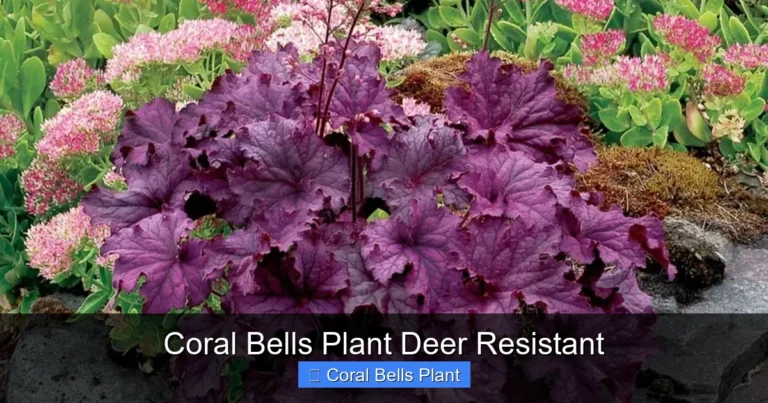
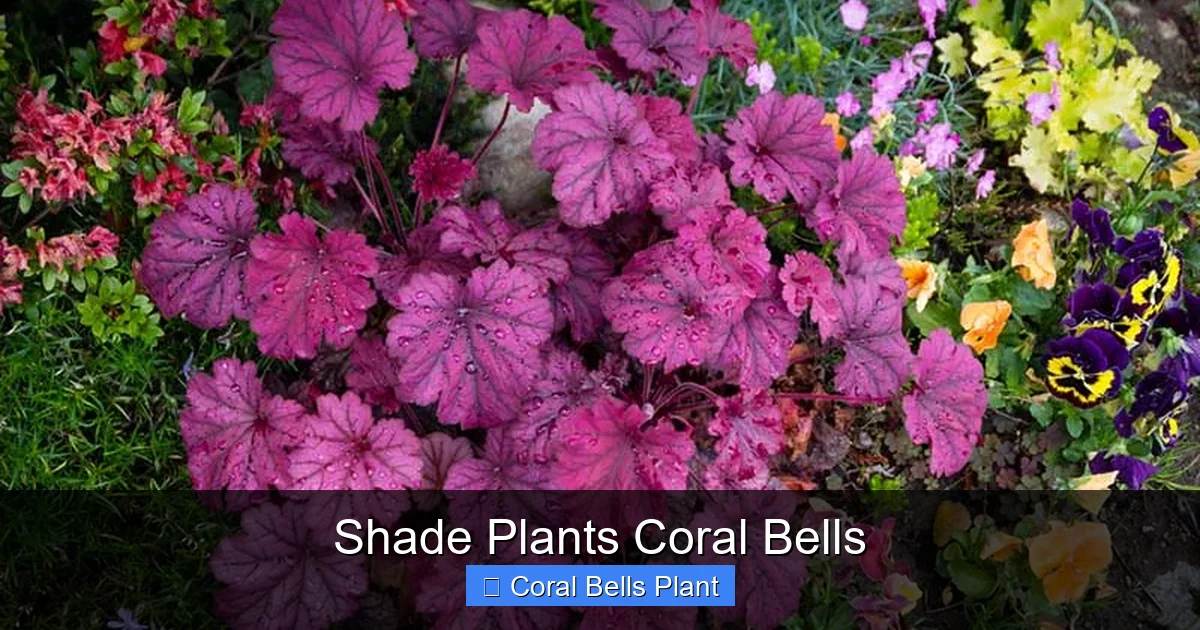
Purple and near-black varieties like ‘Palace Purple,’ ‘Obsidian,’ and ‘Black Pearl’ create dramatic contrast against green foliage plants. These dark leaves absorb light, making them appear to glow in dappled shade. They pair beautifully with chartreuse or silver companions.
Silver and pewter varieties such as ‘Silver Scrolls,’ ‘Caramel,’ and ‘Peach Flambe’ brighten dark corners. Their metallic sheen catches and reflects available light. These varieties often have darker veining that adds depth and pattern.
Caramel, amber, and peach tones bring warmth to cool shade gardens. Varieties like ‘Georgia Peach,’ ‘Marmalade,’ and ‘Citronelle’ shift colors through the seasons, often starting bright in spring, deepening in summer, and developing rich undertones in fall.
Green and chartreuse varieties including ‘Lime Rickey,’ ‘Electric Lime,’ and ‘Green Spice’ provide fresh, lively color. Chartreuse varieties practically glow in deep shade, acting like natural spotlights for darker plants nearby.
Matching Varieties to Your Conditions
Not all shade plants coral bells handle the same conditions equally. Some general guidelines help you choose wisely.
For deep, dry shade under large trees, look for varieties with Heuchera villosa parentage. These include ‘Autumn Bride,’ ‘Bronze Wave,’ and ‘Purple Petticoats.’ Their larger, hairier leaves tolerate drought and root competition better than most.
For morning sun with afternoon shade, you have the widest selection. Most modern hybrids perform beautifully with 3-4 hours of gentle morning light. This exposure often intensifies leaf color without risking scorch.
For containers, choose compact varieties like the ‘Little Cutie’ series or ‘Petite Pearl Fairy.’ Their smaller root systems adapt well to pot culture, and they won’t overwhelm companion plants.
For cold climates (zones 3-4), prioritize varieties with Heuchera sanguinea or Heuchera americana genetics. ‘Palace Purple,’ ‘Dale’s Strain,’ and the Northern Exposure series offer superior winter hardiness.
Planting Shade Plants Coral Bells for Success
Timing Your Planting
Spring and early fall are the ideal planting windows for shade plants coral bells. Spring planting gives roots time to establish before summer heat. Fall planting takes advantage of cool temperatures and reliable rainfall, but aim to plant at least 6 weeks before your ground freezes. Avoid planting during summer heat waves or when the ground is frozen.
If you must plant in summer, choose a cloudy day or plant in the evening. Water thoroughly and provide temporary shade with a piece of shade cloth or an overturned pot for the first week.
Soil Preparation That Matters
Coral bells prefer rich, well-draining soil with a slightly acidic to neutral pH (6.0-7.0). Before planting, amend your soil generously with compost or well-rotted leaf mold. This improves both drainage and moisture retention, a critical balance for shade plants coral bells.
If your soil is heavy clay, work in coarse sand or fine gravel along with organic matter. If it is very sandy, add extra compost and consider a top dressing of shredded leaves after planting to conserve moisture.
One crucial detail: coral bells crowns (where leaves meet roots) must sit at or slightly above soil level. Planting too deep leads to crown rot, the number one killer of these plants. If in doubt, plant slightly high and mulch around the crown, not over it.
Spacing for Air Flow and Growth
Space plants according to their mature width, typically 12-18 inches apart for most varieties. Good air circulation prevents fungal issues like powdery mildew, which can affect shade plants coral bells in humid conditions. If you are planting in drifts for a groundcover effect, you can space slightly closer, but never let plants touch when mature.
Ongoing Care Through the Seasons
Watering Wisdom
Newly planted shade plants coral bells need consistent moisture for their first growing season. Water deeply once or twice a week depending on rainfall. The goal is evenly moist but never soggy soil. Once established, most varieties tolerate dry spells remarkably well, especially those with villosa genetics.
Water at the base of the plant, avoiding the crown and foliage. Wet leaves in shade create perfect conditions for fungal diseases. A soaker hose or drip irrigation line works beautifully in shade beds.
Feeding Lightly
Coral bells are not heavy feeders. A single application of balanced slow-release fertilizer in early spring is plenty. Alternatively, top-dress with an inch of compost around the plants each spring. Avoid high-nitrogen fertilizers, which promote lush green growth at the expense of the colorful pigments that make shade plants coral bells so special.
If your plants look pale or grow slowly despite good conditions, a soil test might reveal a nutrient deficiency or pH issue. But in most garden soils, they thrive with minimal supplemental feeding.
Mulching Matters
Apply 2-3 inches of organic mulch around (not over) the crowns. Shredded leaves, pine straw, or bark mulch all work well. Mulch conserves moisture, suppresses weeds, moderates soil temperature, and slowly feeds the soil as it breaks down. Refresh mulch annually in spring.
Seasonal Maintenance
Spring: Remove any winter-damaged leaves as new growth emerges. This is also the time to divide crowded clumps (see dividing section below). Apply fertilizer or compost top-dressing.
Summer: Deadhead spent flower stalks to redirect energy to foliage, or leave them for seed and winter interest. Water during extended dry periods. Watch for signs of sun scorch if nearby trees are pruned and light levels increase.
Fall: Do not cut back foliage for winter. The leaves protect the crown from freeze-thaw cycles. In very cold zones, add extra mulch after the ground freezes.
Winter: In zones 6 and warmer, shade plants coral bells stay evergreen. In colder zones, foliage may die back but the crown survives underground. Resist the urge to tidy up until spring.
Dividing and Propagating Your Plants
When and Why to Divide
Shade plants coral bells benefit from division every 3-4 years. Over time, the center of the clump becomes woody and less vigorous, with fewer leaves and flowers. Division rejuvenates the plant, gives you more plants for free, and prevents the crown from rising above soil level (a common issue as organic matter decomposes).
The best time to divide is early spring as new growth begins, or early fall (September in most zones). Avoid dividing during hot weather or when the plant is in full bloom.
Step-by-Step Division
1. Water the plant thoroughly the day before dividing.
2. Dig around the clump with a garden fork, lifting the entire plant with as many roots as possible.
3. Shake or wash off excess soil to reveal the crown structure.
4. Using a sharp knife or your hands, separate the clump into sections. Each division needs healthy roots and at least 3-5 growth points (buds where leaves emerge).
5. Discard the woody, unproductive center portion.
6. Replant divisions immediately at the same depth they were growing. Water well and mulch.
7. Keep newly divided plants consistently moist for several weeks until established.
Other Propagation Methods
While division is easiest, you can also propagate shade plants coral bells from seed or leaf cuttings. Seed-grown plants will not come true to the parent cultivar (they are hybrids), but this can be a fun way to discover unique variations. Sow fresh seed on the surface of moist seed-starting mix in late winter. Provide light and 65-70°F temperatures. Germination takes 2-8 weeks.
Leaf cuttings work for some varieties. Remove a healthy leaf with a short piece of petiole (leaf stem). Dip in rooting hormone and insert into moist perlite or sand. Cover with a plastic bag to maintain humidity. Roots form in 4-6 weeks. This method is less reliable than division but useful for rare cultivars.
Designing with Coral Bells in Shade Gardens
Creating Winning Combinations
The real magic happens when you combine shade plants coral bells with complementary partners. Their mounding habit and colorful foliage play well with many shade classics.
Hostas are perhaps the most classic pairing. The bold, broad leaves of hostas contrast beautifully with the ruffled, colorful foliage of coral bells. Try dark purple ‘Obsidian’ coral bells with blue-green ‘Halcyon’ hosta, or chartreuse ‘Lime Rickey’ with deep green ‘Sum and Substance.’
Ferns add delicate texture that softens the structured mounds of coral bells. Japanese painted fern (Athyrium niponicum ‘Pictum’) with its silver and burgundy fronds echoes the metallic tones in many coral bells varieties. Maidenhair fern’s airy texture creates lovely contrast.
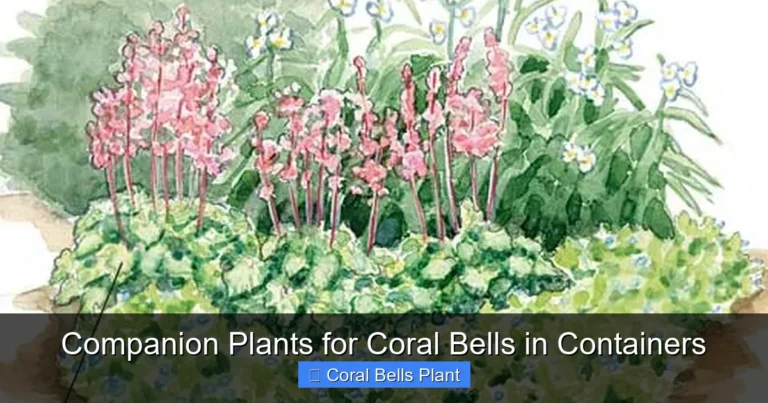
Astilbe brings feathery flower plumes in pink, red, or white that rise above coral bells mounds in early summer. The combination provides foliage interest before and after astilbe blooms.
Foam flower (Tiarella) is a close relative with similar cultural needs but different leaf shape and charming bottlebrush flowers. The two genera even hybridize (x Heucherella), giving you the best of both worlds.
Lungwort (Pulmonaria) offers silver-spotted foliage and early spring flowers in pink and blue. It blooms before coral bells hit their stride, extending the season of interest.
Container Designs for Shade
Shade plants coral bells are container superstars. Their tidy habit, all-season foliage, and shallow roots make them perfect for pots. Use a high-quality potting mix with added perlite for drainage. Choose containers at least 12 inches deep and wide.
For a simple elegant container, plant a single variety like ‘Caramel’ in a glazed ceramic pot. For mixed containers, use coral bells as the “filler” in the thriller-filler-spiller formula. Pair with a tall thriller like Japanese forest grass (Hakonechloa) or a shade-tolerant ornamental grass, and a spiller like creeping jenny (Lysimachia nummularia ‘Aurea’) or variegated ivy.
Remember that containers dry out faster than ground soil. Check moisture daily in warm weather. Fertilize monthly with diluted liquid fertilizer during the growing season. In cold zones, move pots to an unheated garage or bury them in the ground for winter protection.
Groundcover and Border Strategies
Plant shade plants coral bells in drifts of 3, 5, or 7 for impact. Space them to touch at maturity for a living mulch effect that suppresses weeds. Along pathways, use compact varieties like ‘Petite Pearl Fairy’ to create a colorful edge that stays neat.
On slopes or banks under trees, coral bells help stabilize soil with their fibrous roots. Combine with other shade groundcovers like wild ginger (Asarum), barrenwort (Epimedium), or sweet woodruff (Galium odoratum) for a tapestry effect.
Common Problems and Solutions
Crown Rot: The Silent Killer
Crown rot is the most serious threat to shade plants coral bells. It occurs when the crown stays too wet, usually from planting too deep, heavy soil, or excessive mulch piled against the crown. Symptoms include yellowing leaves, wilting despite moist soil, and a mushy, foul-smelling crown.
Prevention is everything. Plant high, ensure excellent drainage, keep mulch away from crowns, and avoid overwatering. If you catch it early, you can sometimes save the plant by digging it up, cutting away rotted tissue, dusting with fungicide, and replanting in fresh, well-draining soil. But often the plant is lost.
Heaving in Winter
In zones with freeze-thaw cycles, coral bells crowns can be pushed out of the ground (heaved), exposing roots to drying winds and cold. This is why fall planting needs to happen early enough for roots to anchor. If you notice heaving in late winter, gently press the crown back into the soil and add a light mulch layer. Do not step on the plant.
Foliar Nematodes
These microscopic worms cause angular brown patches between leaf veins, typically appearing in late summer. They spread via water splash. Remove and destroy affected leaves. Improve air circulation. Avoid overhead watering. There is no chemical cure for home gardeners, but good sanitation keeps populations low.
Powdery Mildew
This fungal disease appears as white powdery coating on leaves, usually in humid conditions with poor air flow. Space plants properly, water at the base, and remove affected leaves. Resistant varieties include those with villosa parentage. A homemade spray of 1 tablespoon baking soda plus 1 teaspoon horticultural oil per gallon of water can help prevent spread.
Sun Scorch
Brown, crispy leaf edges or bleached patches indicate too much sun. This often happens when a nearby tree is removed or pruned. If possible, provide afternoon shade with a temporary screen or move the plant in early spring or fall. Some varieties tolerate more sun than others. Generally, lighter-colored varieties need more shade.
Deer and Rabbit Resistance
One of the joys of growing shade plants coral bells is their resistance to browsing. The leaves contain compounds that taste bitter to deer and rabbits. However, “resistant” does not mean “proof.” In severe winters with high animal pressure, they may nibble new growth. Repellent sprays provide extra insurance during vulnerable periods.
Seasonal Interest: A Year in the Life
Spring Awakening
As temperatures rise, fresh leaves emerge from the crown in intense, saturated colors. This is often the most vibrant foliage display of the year. New leaves on varieties like ‘Fire Alarm’ (bright red) or ‘Electra’ (gold with red veins) look almost artificial in their intensity. Flower stalks begin to rise in late spring, bearing dozens of tiny bells in white, pink, or red.
Summer Performance
Through summer, the foliage matures and often deepens in color. The delicate flower spikes sway in the breeze, attracting hummingbirds and bees. Deadheading encourages rebloom on some varieties. In hot climates, some afternoon shade is essential to prevent color fade.
Fall Transformation
Cooler temperatures trigger stunning color changes in many varieties. ‘Peach Flambe’ turns brilliant orange-red. ‘Midnight Rose’ develops pink speckles on dark leaves. ‘Caramel’ glows like amber. This fall foliage show rivals any tree or shrub and lasts until hard frost.
Winter Presence
In zones 6 and above, shade plants coral bells remain evergreen, providing crucial winter structure and color. The leaves may flatten somewhat but retain their hue. In colder zones, foliage dies back but the crown survives. A dusting of snow on the ruffled leaves creates magical winter scenes.
Advanced Tips for Coral Bell Enthusiasts
Creating a Collector’s Garden
With hundreds of named cultivars, coral bells can become a gentle obsession. Start a collection by choosing varieties with different leaf shapes (rounded, maple-like, deeply ruffled), textures (smooth, fuzzy, glossy), and color patterns (solid, veined, spotted, frosted). Label each plant with metal tags that won’t fade. Keep a garden journal noting which varieties perform best in your specific conditions.
Using Coral Bells in Floral Arrangements
The foliage of shade plants coral bells lasts remarkably well in cut arrangements. Cut stems early in the morning, place immediately in water, and they will last 10-14 days. The flower spikes add airy elegance to bouquets. This is a wonderful way to bring your shade garden indoors.
Companion Planting for Pollinators
While coral bells flowers are small, they are rich in nectar. Plant them in groups to create a meaningful food source for hummingbirds and native bees. Combine with other shade-tolerant pollinator plants like columbine (Aquilegia), bleeding heart (Dicentra), and cardinal flower (Lobelia cardinalis) for a season-long buffet.
Breeding Your Own Varieties
If you grow multiple varieties that bloom simultaneously, bees will cross-pollinate them. Collect seed from the resulting pods (they look like tiny balloons) and sow them. You might create something entirely new. Many popular cultivars started as chance seedlings in observant gardeners’ yards.
Conclusion
Shade plants coral bells have earned their place as shade garden royalty. Few perennials offer so much for so little effort. They solve the difficult shade problem with style, providing year-round color, texture, and ecological value. Whether you tuck a single ‘Caramel’ into a container, plant a drift of ‘Obsidian’ under a maple, or build a collector’s bed with dozens of varieties, these plants deliver.
The key to success is simple. Give them well-draining soil rich in organic matter. Plant the crown high. Water consistently the first year, then moderately thereafter. Mulch around but not over the crown. Divide every few years to maintain vigor. That is it. In return, you get a garden that glows even in the shadows.
My own shade garden has transformed from a frustrating bare patch to a tapestry of color thanks to coral bells. The hummingbirds visit daily. The deer walk past without browsing. And even in January, I see ruffled leaves in shades of purple, silver, and amber peeking through the snow. If you have been hesitant to try shade plants coral bells, I hope this guide gives you the confidence to start. Your shade garden is waiting.
Frequently Asked Questions
What are the best companion plants for coral bells in shade?
Excellent companions include hostas, ferns, astilbe, foam flower (Tiarella), lungwort (Pulmonaria), Japanese forest grass (Hakonechloa), and barrenwort (Epimedium). These plants share similar cultural needs and create beautiful textural contrasts.
How do I prevent crown rot in coral bells?
Plant with the crown at or slightly above soil level. Use well-draining soil amended with compost. Keep mulch pulled back from the crown. Water at the base, not over the foliage. Avoid heavy clay soils without amendment.
Do coral bells attract hummingbirds?
Yes, the bell-shaped flowers on tall wiry stems are highly attractive to hummingbirds. They also draw bees, butterflies, and other pollinators. Plant in groups for maximum pollinator appeal.
Can coral bells grow in full shade?
Coral bells tolerate full shade (less than 4 hours sun) but may flower less and grow more slowly. Varieties with Heuchera villosa parentage perform best in deep shade. Foliage color may be less intense but plants remain healthy.
How often should I water established coral bells?
Established coral bells need water during dry spells. Aim for 1 inch per week including rainfall. They tolerate drought better than constant wetness. Water deeply at the base rather than frequent shallow watering.
Are coral bells deer resistant?
Coral bells are considered deer and rabbit resistant due to bitter-tasting compounds in their leaves. However, no plant is completely deer-proof. In high-pressure areas or harsh winters, deer may sample them. Repellent sprays add protection.