What Plants Go with Southern Comfort Coral Bells
Southern Comfort coral bells shine when paired with foliage that contrasts their warm amber leaves. Choose shade‑loving ferns, hostas, and astilbes for cool beds, or sun‑tolerant daylilies, sedums, and grasses for bright borders.
Key Takeaways
- Match leaf color: Pair amber leaves with deep green or silver foliage.
- Consider light needs: Use shade plants for low light and sun plants for bright spots.
- Vary height: Place low growers in front and taller plants behind.
- Repeat bloom times: Select companions that flower in different seasons.
- Keep maintenance low: Choose drought‑tolerant and disease‑resistant varieties.
- Use texture contrast: Mix fine fronds with broad leaves for visual interest.
- Plan for year‑round appeal: Include evergreen or winter‑interest plants.
Quick Answers to Common Questions
What plants go with southern comfort coral bells in shade?
Ferns, hostas, and astilbes thrive in the same low‑light conditions and complement the amber foliage.
What plants go with southern comfort coral bells in full sun?
Daylilies, sedums, and ornamental grasses tolerate bright light and add contrasting texture.
How far apart should I space companions?
Space low growers twelve inches apart and taller plants eighteen inches apart for good air flow.
Do I need to fertilize the coral bells?
A light application of balanced fertilizer in early spring supports steady growth.
Can I grow southern comfort coral bells in containers?
Yes, use a well‑draining pot and pair with small ferns or sedums for a portable display.
📑 Table of Contents
Introduction
Why Companions Matter
What plants go with southern comfort coral bells? Companions add contrast and extend seasonal interest in the garden. Choose foliage that highlights the amber leaves of the coral bells. Pair with plants that share similar soil and moisture needs. Consider height differences to create visual layers from front to back. Use color repeats such as gold, pink, or blue to tie the bed together. Mix textures like fine fronds, broad leaves, and spiky blades for a dynamic look. This approach builds a cohesive garden bed that looks good from spring through fall. Low maintenance selections reduce work while maximizing beauty. Evergreen options provide structure during winter months. Planning for bloom succession ensures continuous color. A well‑chosen companion palette turns a simple planting into a design feature. Garden visitors will notice the thoughtful combination. The result is a balanced, attractive space that showcases the coral bells.
Light Basics
What plants go with southern comfort coral bells? Light conditions guide every companion choice for the coral bells. In shady spots select ferns, hostas, and astilbes that thrive with limited sun. In sunny borders choose daylilies, sedums, and ornamental grasses that tolerate heat. Match each plant’s preferred exposure to the site’s daily light pattern. Avoid placing sun lovers under dense canopy where they will weaken. Conversely keep shade plants out of harsh afternoon rays to prevent scorch. Observe the garden at different times to map light zones accurately. Group plants with similar light needs to simplify watering and care. This strategy reduces stress and promotes healthy growth. A balanced light plan also enhances the coral bells’ amber glow. Proper placement creates a seamless transition between shade and sun areas. The garden then feels unified rather than fragmented. Consistent light management leads to a thriving, low‑maintenance display.
Plant Profile
Color and Texture
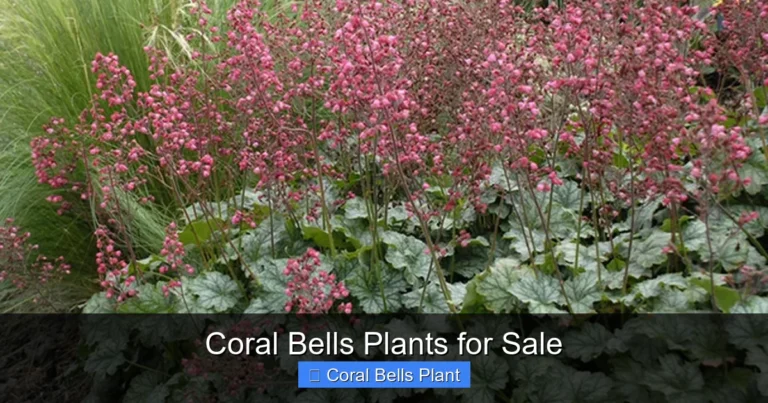
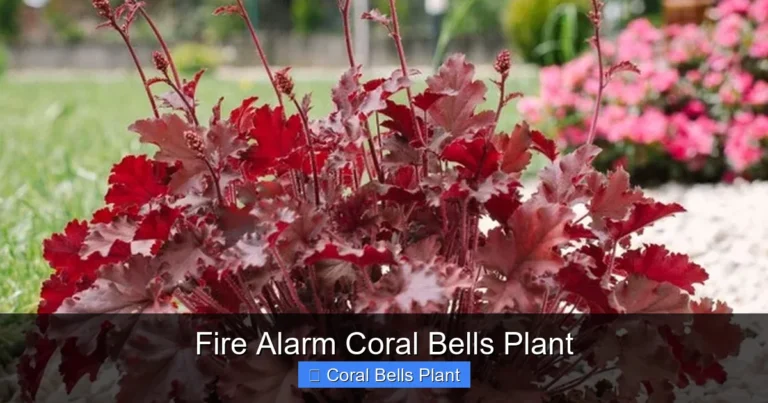
What plants go with southern comfort coral bells? The coral bells show warm amber leaves with a subtle pink blush. Their ruffled texture catches light and adds depth to the planting. Deep green foliage from ferns or hostas creates a strong contrast. Silver or blue‑gray leaves from grasses or certain hostas cool the warm tones. Pairing these colors makes the amber stand out like a beacon. The fine fronds of ferns add a delicate texture beside the broader coral bell leaves. Broad hosta leaves provide a solid backdrop that frames the smaller plant. Mixing leaf shapes keeps the eye moving across the bed. This color and texture interplay works in both shade and sun settings. The result is a lively, layered composition that feels intentional. Garden designers often use this contrast to highlight focal points. A thoughtful palette turns a simple border into a showcase.

Visual guide about What Plants Go with Southern Comfort Coral Bells
Image source: garden.org
Growth Habit
What plants go with southern comfort coral bells? The coral bells form a low mound about twelve inches tall and wide. They spread slowly by underground rhizomes, creating a gentle carpet over time. Well‑drained, moist soil supports steady growth without rot. The plant tolerates light foot traffic, making it suitable for pathway edges. Space companions at least twelve inches apart to allow air flow. Taller partners should be placed behind the mound to avoid shading it. Regular division every three years rejuvenates the clump and controls size. Mulching helps retain moisture and suppress weeds around the base. The low habit makes the coral bells an excellent foreground plant. Its evergreen nature in mild zones adds winter interest. Understanding the habit guides placement and maintenance decisions. A well‑planned layout showcases the plant’s natural form.
Shade Partners
Ferns and Hostas
What plants go with southern comfort coral bells? Ferns bring airy fronds that contrast the coral bells’ ruffled leaves. Lady fern and Japanese painted fern thrive in the same moist, shady conditions. Hostas contribute bold, heart‑shaped foliage in shades of green, blue, or gold. Both ferns and hostas prefer consistent moisture and rich organic soil. Plant ferns at the front of the bed to create a soft edge. Position hostas slightly behind to provide a layered backdrop. The combination yields a cool, woodland feel that highlights the amber tones. These companions require minimal care once established. Occasional slug control keeps hostas looking pristine. The pairing works well under trees or on north‑facing slopes. Together they form a classic shade garden trio.
Astilbes
What plants go with southern comfort coral bells? Astilbes produce feathery plumes in pink, red, or white during early summer. Their airy flowers rise above the coral bells, adding vertical interest. Astilbes prefer the same moist, partially shaded environment as the coral bells. Choose varieties with staggered bloom times for a longer display. The plume texture contrasts nicely with the coral bells’ ruffled foliage. Plant astilbes in groups of three for a bold color block. Their foliage remains attractive after flowering, providing green mass. Deadheading spent plumes encourages a tidy appearance. Astilbes are deer resistant, making them a safe choice for browsed areas. This partner extends the seasonal show from spring into midsummer.
Sun Partners
Daylilies and Sedums
What plants go with southern comfort coral bells? Daylilies offer strappy leaves and trumpet‑shaped blooms in many hues. They thrive in full sun and tolerate heat and drought once established. Sedums provide succulent, fleshy leaves that store water for dry periods. Both daylilies and sedums enjoy well‑drained soil and minimal fertilizer. Plant daylilies toward the back of a sunny border for height. Place low‑growing sedums at the front to create a carpet of color. The daylily flowers echo the coral bells’ amber when chosen in gold or orange tones. Sedum blossoms in late summer add pink or yellow accents. This duo supplies continuous bloom from early summer to fall. Their tough nature reduces garden upkeep.
Ornamental Grasses
What plants go with southern comfort coral bells? Ornamental grasses such as blue fescue add fine, arching blades that move with the breeze. Their blue‑green hue cools the warm amber of the coral bells. Grasses tolerate full sun and poor soil, making them versatile companions. Plant grasses in drifts behind the coral bells for a soft backdrop. The seed heads persist into winter, providing structure and interest. Grasses require little water once established, fitting low‑maintenance goals. Their upright habit contrasts with the low mound of the coral bells. This pairing works in modern, prairie, or cottage garden styles. The combination delivers year‑round visual appeal.
Design Ideas
Layer and Color
What plants go with southern comfort coral bells? Layering heights creates depth and guides the viewer’s eye through the bed. Place low ferns or sedums at the front edge for a gentle entrance. Mid‑height hostas or daylilies fill the middle zone with bold foliage. Tall grasses or astilbes rise at the back, framing the composition. Repeat the coral bells’ amber with golden sedum flowers or orange daylily blooms. Add pink astilbe plumes for a soft color echo that ties the layers together. Blue fescue or blue hosta leaves introduce a cool contrast that sharpens the palette. This intentional color repetition unifies the planting design. The result is a harmonious, multi‑dimensional garden scene.
Texture Mix
What plants go with southern comfort coral bells? Mixing textures keeps the planting lively and prevents monotony. Ruffled coral bell leaves pair with smooth hosta surfaces for tactile contrast. Feathery astilbe flowers add a soft, airy element among the broader leaves. Spiky grass blades introduce linear movement that draws the eye. Fine fern fronds contribute a delicate, lace‑like quality at the front. Succulent sedum leaves bring a thick, waxy feel that catches light. This variety of surfaces creates a sensory experience for visitors. Touching the different leaves reveals the garden’s complexity. A texture‑rich bed feels more natural and inviting. The interplay of textures also highlights each plant’s unique form.
Seasonal Care
Spring and Summer
What plants go with southern comfort coral bells? Spring care starts with removing dead foliage from the coral bells and companions. Divide crowded clumps every three years to maintain vigor. Apply a thin layer of compost around the base for nutrients. Water new divisions thoroughly to settle roots. Mulch the bed to conserve moisture as temperatures rise. During summer, keep soil evenly moist but not soggy. Deadhead spent astilbe plumes and daylily flowers to encourage rebloom. Watch for slugs on hostas and treat promptly with organic bait. Fertilize lightly with a balanced formula in early summer if growth slows. Consistent care ensures a lush, healthy display through the hot months.
Fall and Winter
What plants go with southern comfort coral bells? Fall tasks include cutting back faded daylily stems to ground level. Leave ornamental grass seed heads standing for winter interest and wildlife. Apply a light mulch layer around the coral bells to protect roots from freeze. In mild climates the coral bells remain evergreen, providing color all winter. Remove any diseased foliage to prevent carryover into spring. Reduce watering as temperatures drop, but avoid complete dryness. Plan next season’s companion additions during the dormant period. This preparation sets the stage for a strong spring emergence. A well‑tuned fall routine extends the garden’s beauty year‑round.
What plants go with southern comfort coral bells? By choosing the right companions you create a garden that looks good all year. Mix shade and sun plants based on light conditions in each zone. Vary height, color, and texture for a dynamic, layered display. Follow the seasonal care tips to keep every plant healthy and vigorous. Enjoy the warm glow of Southern Comfort coral bells alongside their perfect partners. Experiment with new pairings each season to keep the design fresh. A thoughtful companion strategy turns a simple planting into a lasting landscape feature.
Frequently Asked Questions
What plants go with southern comfort coral bells for a year‑round garden?
Combine evergreen ferns, winter‑interest grasses, and early‑blooming astilbes with the coral bells for continuous appeal.
How much water do southern comfort coral bells need?
They prefer consistently moist soil but can tolerate short dry periods once established.
Are southern comfort coral bells deer resistant?
Yes, the foliage is generally unpalatable to deer, making them a good choice for browsed areas.
Can I divide southern comfort coral bells in fall?
Fall division works well in mild climates; ensure roots have time to settle before frost.
What soil pH is best for southern comfort coral bells?
A slightly acidic to neutral pH between 6.0 and 7.0 supports optimal growth.
Do southern comfort coral bells attract pollinators?
The small bell‑shaped flowers attract bees and hummingbirds during the bloom period.