How Often to Wate Newly Set Coral Bell Plants
Newly planted coral bells need consistent moisture to establish strong roots. Water deeply every 2-3 days for the first two weeks, then gradually reduce to weekly as plants settle. Always check soil moisture before watering to prevent root rot.
You just brought home a gorgeous coral bell plant. Its ruffled leaves shimmer in shades of caramel, purple, or lime green. You found the perfect spot in dappled shade. You amended the soil with compost. Now comes the big question: how often to water newly set coral bell plants so they thrive instead of just survive?
Getting the watering right during those first few weeks makes all the difference. Coral bells, or Heuchera, have shallow root systems that dry out fast. But they also hate soggy crowns. Strike the right balance and you will enjoy months of vibrant foliage and delicate flower spikes. Miss the mark and you risk root rot or crispy, stressed leaves. Let us walk through everything you need to know.
Key Takeaways
- Water every 2-3 days initially: New coral bells need frequent, deep watering for the first 10-14 days after planting to help roots establish.
- Check soil moisture first: Stick your finger 2 inches into the soil. If it feels dry at that depth, it is time to water.
- Water at the base, not the leaves: Wet foliage invites fungal diseases like powdery mildew. Aim water at the soil around the crown.
- Mulch helps retain moisture: A 2-inch layer of shredded bark or compost reduces evaporation and keeps roots cool.
- Adjust for weather and season: Hot, windy days demand more frequent watering. Cool, cloudy periods need less.
- Transition to weekly after establishment: Once new growth appears, shift to deep weekly watering unless rainfall provides an inch.
- Container plants dry out faster: Potted coral bells may need daily checks in summer heat.
Quick Answers to Common Questions
How often should I water newly planted coral bells the first week?
Water every 2 to 3 days, checking soil moisture 2 inches deep each time. Water deeply so the entire root ball gets soaked.
Can I use a sprinkler for coral bells?
Sprinklers wet the foliage and promote fungal diseases. Use a soaker hose, drip line, or watering can aimed at the soil instead.
When can I stop watering new coral bells every few days?
Once you see new leaves emerging from the center, usually after 2 to 3 weeks, transition to weekly deep watering.
Do coral bells in pots need more water than in-ground plants?
Yes, containers dry out much faster. Check daily in warm weather and water whenever the top inch of potting mix feels dry.
What does an overwatered coral bell look like?
Yellowing lower leaves, mushy stems at the soil line, a foul smell, and soil that stays wet days after watering indicate overwatering.
📑 Table of Contents
- Understanding Coral Bell Water Needs
- The First Two Weeks: Daily Vigilance
- Weeks Three to Six: Transition Phase
- Established Plants: The Long-Term Routine
- Special Situations and Troubleshooting
- Tools and Techniques for Success
- Common Mistakes to Avoid
- Companion Planting and Water Zones
- Seasonal Calendar at a Glance
- Conclusion
Understanding Coral Bell Water Needs
Why New Plants Need Special Attention
When you transplant a coral bell from a nursery pot into your garden, its roots go through shock. In the pot, roots filled a small, controlled space. In the ground, they must stretch into new soil. That transition takes energy and water. The plant cannot absorb moisture efficiently until new root hairs form. During this establishment phase, usually two to three weeks, the root ball dries out faster than the surrounding soil. That is why frequent checks matter more than a rigid schedule.
Shallow Roots Change Everything
Heuchera roots sit in the top 6 to 8 inches of soil. They do not tap deep moisture reserves like trees or shrubs. A hot afternoon can bake that top layer dry in hours. Wind accelerates the loss. Mulch becomes your best friend because it shades the soil and slows evaporation. Without mulch, you will water far more often.
The Goldilocks Zone: Moist Not Soggy
Coral bells want soil that feels like a wrung-out sponge. Damp, cool, but not dripping. Constant wetness around the crown leads to crown rot, a fungal death sentence. Good drainage is non-negotiable. If your soil is heavy clay, amend it with coarse sand, perlite, or fine bark before planting. Raised beds or mounded planting holes also help excess water move away from the crown.
The First Two Weeks: Daily Vigilance
Watering Frequency for Fresh Transplants
Plan to water every 2 to 3 days for the first 10 to 14 days. In hot, dry, or windy weather, check daily. In cool, cloudy, or humid conditions, you might stretch to every 4 days. The calendar matters less than the soil. Use your finger as a moisture meter. Push it 2 inches deep near the root ball. If the tip feels dry, water. If it feels damp, wait and check again tomorrow.

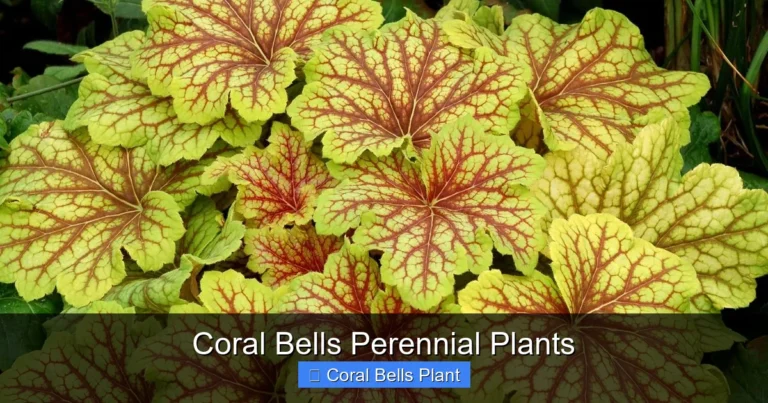
Visual guide about How Often to Wate Newly Set Coral Bell Plants
Image source: planetnatural.com
How Much Water Each Time
Apply enough to soak the entire root zone. For a typical 1-gallon nursery plant, that means about 1 to 1.5 gallons per session. Water slowly so it penetrates instead of running off. A gentle stream from a watering can or a soaker hose on low works best. Avoid blasting the crown with a high-pressure nozzle. That compacts soil and splashes pathogens onto leaves.
Morning Is Ideal
Water early in the day. Foliage dries quickly, reducing disease risk. The plant takes up moisture before the heat peaks. Evening watering leaves leaves wet overnight, a perfect setup for powdery mildew. If morning is impossible, late afternoon is second best. Just ensure leaves dry before dark.
Weeks Three to Six: Transition Phase
Signs Roots Are Establishing
Watch for new leaves emerging from the center. That signals active root growth. The plant starts pulling water from a wider area. You can now stretch the interval. Move to watering every 4 to 5 days, still checking soil moisture first. Deep, infrequent watering encourages roots to chase moisture downward, building drought resilience.
Adjusting for Rainfall
A good soaking rain of half an inch or more counts as a watering. Use a rain gauge or straight-sided can to measure. Do not guess. Light drizzles rarely penetrate mulch and root balls. If rain provides an inch over a week, skip supplemental watering entirely. Overwatering after rain is a common mistake.
Mulch Maintenance
Check your mulch layer weekly. It settles and breaks down. Maintain 2 inches. Keep mulch pulled back slightly from the crown. A mulch volcano against the stem traps moisture and invites rot. Think donut, not volcano.
Established Plants: The Long-Term Routine
Weekly Deep Watering Standard
Once your coral bell shows steady growth, usually after 6 to 8 weeks, shift to a weekly deep soak. Apply 1 inch of water in one session. This wets the soil 6 to 8 inches deep. Use a trowel to check penetration the first few times. Adjust duration until you hit that depth consistently.
Seasonal Adjustments
Spring and fall often bring enough rain to skip watering entirely. Summer heat waves may demand twice-weekly sessions. Winter dormancy in cold zones means no watering unless a dry spell hits unfrozen ground. In mild climates where Heuchera stays evergreen, water monthly during dry winters.
Container Culture Demands More
Pots dry out fast. A coral bell in a 12-inch container may need water every day in July. Check twice daily during heat waves. Use a quality potting mix with peat or coir for moisture retention. Add water-retaining crystals if you travel often. Ensure drainage holes work. Elevate pots on feet so water exits freely.
Special Situations and Troubleshooting
Planting in Clay Soil
Clay holds water tight. It stays wet longer but also resists rewetting once dry. Amend the planting hole generously with compost and coarse sand. Plant slightly high, with the crown 1 inch above grade. Mound soil gently around the root ball. Water less frequently but watch for cracking soil, a sign it is too dry.
Planting in Sandy Soil
Sand drains instantly. Water runs through before roots absorb it. Add plenty of organic matter to improve holding capacity. Mulch heavily. You may need to water every other day even after establishment. Consider a drip irrigation line with a timer for consistency.
Signs of Underwatering
Leaves go limp, then crisp at the edges. Color dulls. Growth stalls. Flower stalks abort. The plant looks tired by noon but perks up by morning. If you see this, increase frequency and volume. A deep soak followed by mulch usually reverses it fast.
Signs of Overwatering
Lower leaves yellow and drop. Stems turn mushy at the soil line. A foul smell may rise from the crown. Fungus gnats hover. The soil stays wet 3 inches down for days. Stop watering immediately. Improve drainage if possible. Remove mulch temporarily to let the crown dry. Apply a copper-based fungicide if rot is advanced.
Heat Wave Emergency Care
When temperatures soar above 90°F, coral bells can scorch even with moist soil. Provide temporary shade with a shade cloth or lattice panel. Mist foliage in early morning to raise humidity. Increase watering frequency but keep volumes moderate. Do not fertilize during extreme heat. It stresses roots further.
Tools and Techniques for Success
Soaker Hoses and Drip Lines
These deliver water directly to soil, keeping leaves dry. Run them for 30 to 60 minutes per session depending on flow rate. Cover with mulch to hide lines and reduce evaporation. A timer automates the schedule. Adjust seasonally.
Watering Cans and Wands
Perfect for small beds or containers. Choose a can with a rose head for gentle flow. A long-handled wand reaches behind plants without compacting soil. Water at the base, moving around the plant to wet the whole root circle.
Moisture Meters
Inexpensive probes give a numeric reading. Insert at root depth in several spots. They help beginners learn what “moist” feels like. Do not rely on them exclusively. Calibrate by feel. Batteries die. Probes corrode. Your finger never fails.
Rain Gauges
A simple $5 gauge tells you exactly what nature provided. Empty it after each rain. Log amounts in a garden journal. Patterns emerge. You will learn your microclimate and water smarter, not harder.
Common Mistakes to Avoid
Watering on a Fixed Schedule
“Every Tuesday” ignores weather. A cool, rainy week makes Tuesday watering harmful. A hot, windy week makes it insufficient. Check soil every time. The schedule serves you, not the plant.
Sprinkling the Foliage
Overhead sprinklers wet leaves for hours. Powdery mildew loves that. Rust and leaf spot do too. If you must use a sprinkler, run it early morning so sun dries leaves fast. Better yet, switch to drip.
Ignoring the Crown
The crown is where leaves meet roots. It must stay dry. Burying it causes rot. Mulching over it causes rot. Planting too deep causes rot. Keep the crown at or slightly above soil level always.
Fertilizing Too Soon
New transplants need roots, not top growth. Fertilizer pushes leaves the roots cannot support. Wait 4 to 6 weeks. Then use a balanced, slow-release organic fertilizer at half strength. Water well after applying.
Companion Planting and Water Zones
Group by Thirst
Plant coral bells with neighbors that share similar water needs. Hostas, astilbes, ferns, and foamflowers all enjoy consistent moisture. Avoid pairing with lavender, sedum, or yarrow. Those drought-lovers will rot if watered for Heuchera.
Hydrozoning Your Beds
Design irrigation zones by water demand. Put coral bells on a “moderate moisture” zone with timer settings distinct from “low water” or “high water” zones. This saves water and prevents overwatering tough plants.
Seasonal Calendar at a Glance
Spring: Establishment Season
Plant new coral bells after frost danger passes. Water every 2-3 days for two weeks. Transition to weekly. Apply mulch. Watch for slugs on new growth.
Summer: Maintenance Mode
Water weekly, 1 inch deep. Increase to twice weekly in heat waves. Deadhead spent flower stalks. Check mulch depth monthly. Scout for powdery mildew in humid regions.
Fall: Root Building
Continue weekly watering until ground freezes. Fall moisture fuels root growth for next spring. Plant new divisions early enough to establish 6 weeks before hard frost. Mulch heavily after freeze.
Winter: Dormancy Care
In zones 4-7, stop watering once ground freezes. In zones 8-9, water monthly if dry. Brush heavy snow off foliage to prevent crown damage. Do not fertilize.
Conclusion
Mastering how often to water newly set coral bell plants comes down to observation. Your finger in the soil tells you more than any calendar. Start with frequent, deep watering every 2 to 3 days. Watch for new growth. Then stretch to weekly soaks. Mulch generously. Keep the crown dry. Adjust for rain, heat, and soil type. Do this and your coral bells will reward you with years of stunning foliage and airy blooms. They are tougher than they look once established. Those first few weeks just need your attention. Happy planting.
Frequently Asked Questions
How often to water newly set coral bell plants in hot weather?
In hot weather above 85°F, check soil daily. Water every 1 to 2 days if the top 2 inches are dry. Provide temporary shade during extreme heat waves to reduce stress.
Should I water coral bells in winter?
In freezing climates, stop watering once the ground freezes. In mild zones where plants stay evergreen, water once a month during dry spells when the soil is not frozen.
Can I water coral bells at night?
Avoid night watering. Wet foliage overnight encourages powdery mildew and crown rot. Water early morning so leaves dry quickly in the sun.
How much water does a new coral bell need per session?
Apply 1 to 1.5 gallons per plant per session, enough to soak the root ball and surrounding soil 6 to 8 inches deep. Water slowly to prevent runoff.
What type of mulch is best for coral bells?
Shredded bark, leaf mold, pine straw, or compost work well. Apply 2 inches deep, keeping it pulled back from the crown to prevent rot.
Why are my new coral bell leaves turning brown and crispy?
Crispy edges usually mean underwatering or too much sun. Increase watering frequency, ensure deep soaking, and provide afternoon shade if the plant gets hot sun.