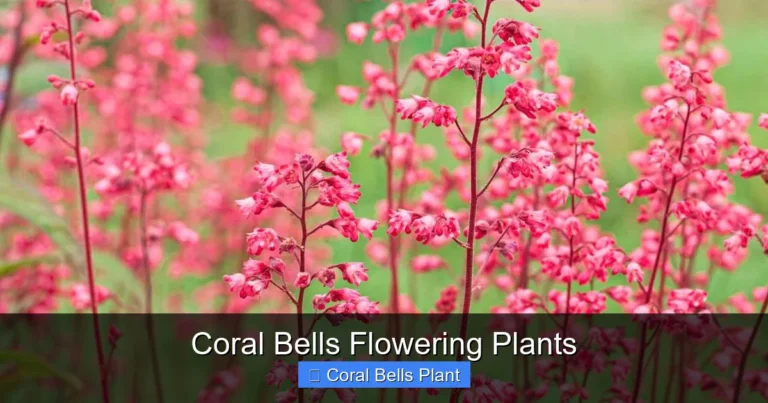
Where Do Coral Bell Plants Grow
Coral bells (Heuchera) thrive in USDA zones 4-9, preferring partial shade and well-draining soil. These versatile perennials grow naturally in North American woodlands but adapt beautifully to garden beds, borders, and containers with proper care.
If you have ever wondered where do coral bell plants grow naturally, you are not alone. These charming perennials have captured the hearts of gardeners everywhere. Their ruffled leaves come in shades of purple, caramel, lime, and silver. Tiny bell-shaped flowers dance on wiry stems above the foliage. But before you add them to your garden, it helps to know where they come from and what they need.
Understanding the native habitat of coral bells gives you a huge advantage. You can mimic those conditions in your own yard. Whether you have a shady corner, a rocky slope, or a sunny patio, there is likely a variety that will thrive. Let us explore the origins, ideal climates, and best planting spots for these garden gems.
Key Takeaways
- Native range: Coral bells grow naturally across North America from Canada to Mexico in woodland and rocky habitats
- Hardiness zones: Most varieties thrive in USDA zones 4 through 9 with some tolerating zone 3
- Light preference: Partial shade is ideal though many modern cultivars handle full sun in cooler climates
- Soil needs: Well-draining, humus-rich soil with neutral to slightly acidic pH produces the healthiest plants
- Garden placement: Perfect for shade gardens, woodland borders, rock gardens, and container arrangements
- Container growing: Excellent for pots with good drainage, making them versatile for patios and small spaces
- Regional adaptation: Choose varieties bred for your specific climate for the best performance
Quick Answers to Common Questions
What are the best growing zones for coral bells?
Most coral bells thrive in USDA zones 4-9, with some varieties tolerating zone 3 with winter protection and zone 10 in cool coastal areas.
Can coral bells grow in full sun?
In cool climates (zones 4-5), many varieties tolerate full sun with consistent moisture. In warmer zones, afternoon shade is essential to prevent leaf scorch.
What type of soil do coral bells prefer?
Well-draining, humus-rich soil with a pH of 6.0-7.0 is ideal. Heavy clay should be amended with compost and coarse sand for better drainage.
How often should I divide coral bells?
Divide every 3-4 years in early spring when the center becomes woody and growth slows. This rejuvenates the plant and prevents crown exposure.
Do coral bells grow well in containers?
Yes, coral bells are excellent container plants. Use a 12-inch pot with quality potting mix, ensure good drainage, and water more frequently than in-ground plants.
📑 Table of Contents
Native Habitats of Coral Bells
Coral bells belong to the genus Heuchera. They are native to North America. You can find them growing wild from Canada all the way down to Mexico. Different species have adapted to different regions. This wide native range explains why they are so adaptable in gardens today.
Woodland Species
Many coral bell species call forests home. They grow on the forest floor beneath deciduous trees. Here they receive dappled sunlight filtering through the canopy. The soil is rich with decomposed leaves. It stays moist but drains well. Species like Heuchera americana and Heuchera villosa prefer these conditions. They form neat clumps among ferns and wildflowers.
In these woodlands, the plants enjoy protection from harsh afternoon sun. The tree canopy also buffers winter winds. Fallen leaves provide natural mulch. This keeps roots cool in summer and insulated in winter. It is a perfect cycle that gardeners try to recreate.
Rocky Outcrops and Cliffs
Other species have adapted to tougher terrain. Heuchera sanguinea grows on rocky slopes and cliffs in the Southwest. Heuchera cylindrica clings to rocky outcrops in the Northwest. These plants tolerate more sun and wind. Their roots snake into crevices where moisture collects. The soil is lean and gritty. Drainage is sharp.
These alpine and rock-dwelling species are incredibly tough. They handle temperature swings and drought better than their woodland cousins. Their leaves are often thicker and more leathery. This helps them conserve water. If you have a rock garden or a hot, dry spot, look for varieties with these genetics.
Prairie and Meadow Edges
A few species venture into open areas. Heuchera richardsonii grows at the edges of prairies. It handles full sun in cooler northern climates. The soil here is deep and fertile. Moisture is more consistent than on rocky cliffs. These species bridge the gap between shade lovers and sun tolerators.
Knowing which species parent your variety helps you site it correctly. Modern hybrids blend traits from multiple species. This gives you plants that handle a wider range of conditions. But the native preferences still shine through.
Ideal Growing Zones and Climate Preferences
When gardeners ask where do coral bell plants grow successfully, the answer usually starts with hardiness zones. Most coral bells are rated for USDA zones 4 through 9. That covers a huge swath of the country. Some varieties push into zone 3 with good snow cover. Others handle the heat and humidity of zone 10 in protected spots.
Cold Climate Performance
In zones 3 and 4, coral bells need reliable snow cover. Snow acts like a blanket. It keeps the soil temperature stable. Without snow, freeze-thaw cycles can heave plants out of the ground. This exposes roots to killing cold. Mulch heavily with straw or shredded leaves after the ground freezes. This mimics the insulating effect of snow.
Varieties with Heuchera villosa heritage tend to be more cold-hardy. ‘Autumn Bride’ and ‘Bronze Wave’ are tough choices for northern gardens. Heuchera americana types also handle cold well. Look for varieties bred in Minnesota or Canada for maximum hardiness.
Heat and Humidity Tolerance
The Deep South presents different challenges. High heat combined with humidity stresses many coral bells. The leaves can scorch. Crown rot becomes a risk in wet, hot soils. But breeders have developed heat-tolerant lines. The ‘Southern Comfort’ series and varieties like ‘Caramel’ and ‘Citronelle’ perform well in zones 8 and 9.
In hot climates, afternoon shade is non-negotiable. Morning sun is fine. The intense rays after 2 PM will fry the foliage. Excellent drainage is also critical. Raised beds or mounded soil help prevent crown rot. Water at the base of the plant, not over the leaves.
Coastal and Mountain Considerations
Coastal gardeners deal with salt spray and sandy soil. Coral bells generally dislike salt. But they can grow near the ocean with protection. Plant them behind a windbreak or fence. Amend sandy soil heavily with compost. This improves water retention and nutrient holding capacity.
Mountain gardeners face intense UV exposure and rapid temperature drops. High elevation sun is brutal. Even shade-loving plants get more light at 7,000 feet. Choose compact varieties with thick leaves. ‘Palace Purple’ and ‘Obsidian’ handle high light well. Provide wind protection and winter mulch.
Soil and Light Requirements for Healthy Growth
If you want to know where do coral bell plants grow best in your yard, look at your soil and light. These two factors matter more than almost anything else. Get them right, and your plants will reward you with lush foliage and abundant blooms.
The Perfect Soil Mix
Coral bells want soil that is rich, loose, and well-draining. Think of a forest floor. It is full of organic matter. Water soaks in but does not puddle. Air reaches the roots. Heavy clay is a problem. It holds too much water. The crown sits wet and rots. Pure sand is also bad. It drains too fast and holds no nutrients.
Amend your planting area with compost. Work in two to three inches. If you have clay, add coarse sand or fine gravel too. This creates pore space for air and water movement. A slightly acidic to neutral pH is ideal. Aim for 6.0 to 7.0. Test your soil if you are unsure. Most garden centers sell inexpensive test kits.
Raised beds are a great solution for poor native soil. Build them up twelve to eighteen inches. Fill with a mix of topsoil, compost, and perlite or pumice. Your coral bells will thrive. Container growing gives you total control over the soil mix. We will cover that in detail later.
Light Requirements Decoded
You will often see “part shade” on the plant tag. What does that actually mean? It means four to six hours of direct sun. Preferably morning sun. Afternoon shade is essential in most climates. Full shade works for many varieties. The foliage color may be less intense. The plant may stretch a bit. But it will live.
Full sun is possible in cool climates. Zone 4 and 5 gardeners can grow many varieties in full sun. The key is consistent moisture. The soil must never dry out completely. Mulch heavily. In zones 6 and warmer, full sun risks leaf scorch. The exceptions are varieties bred for sun tolerance. Look for “sun tolerant” on the label.
Observe your garden through the day. Note where shadows fall. A spot that gets morning sun until noon then shade is perfect. A spot with shade until 3 PM then blazing sun is terrible. The angle of the sun changes with seasons. A spring sun spot may become summer shade when trees leaf out. Plan for summer conditions.
Moisture Management
Consistent moisture is the secret to happy coral bells. They do not want to dry out. They do not want to sit in water. Think “evenly moist.” Water deeply when the top inch of soil feels dry. This encourages deep roots. Shallow, frequent watering creates shallow roots. Those plants suffer in heat waves.
Drip irrigation or soaker hoses are ideal. They keep water off the foliage. Wet leaves invite fungal diseases. If you must overhead water, do it early morning. The leaves will dry quickly. Mulch with two inches of shredded bark, leaf mold, or pine straw. Keep mulch away from the crown. This prevents rot and moderates soil temperature.
Where to Plant Coral Bells in Your Garden
Now that you know the conditions they like, let us talk specific garden locations. Where do coral bell plants grow beautifully in a designed landscape? Almost anywhere with the right light and soil. But some spots show them off better than others.
Shade Garden Stars
This is their classic home. Plant them under deciduous trees. Group them with hostas, ferns, and astilbes. Their colorful foliage brightens dark corners. Purple varieties like ‘Palace Purple’ or ‘Obsidian’ create depth. Chartreuse types like ‘Lime Rickey’ or ‘Citronelle’ glow in low light. Silver varieties like ‘Silver Scrolls’ catch the faint light.
Space plants twelve to eighteen inches apart. They will fill in to form a living mulch. This suppresses weeds. The mounded habit looks tidy all season. In spring, the flower spikes add vertical interest. Hummingbirds love them. Cut the spent stems back to the base after blooming. This keeps the plant looking neat.
Woodland Garden Integration
If you have a naturalistic woodland area, coral bells belong there. Plant them along paths. Tuck them near fallen logs. Let them mingle with native wildflowers. They pair beautifully with trilliums, bloodroot, and Virginia bluebells. The key is soil preparation. Even in woods, you may need to amend the planting hole.
Do not plant them where heavy leaf litter accumulates. Thick mats of wet leaves smother the crowns. Rake excess leaves off in fall. A light layer is fine. It breaks down and feeds the soil. But do not let it get deeper than an inch over the plants.
Rock Garden and Slope Plantings
Remember those cliff-dwelling species? Their hybrids love rock gardens. The sharp drainage mimics their native home. Plant them in pockets between stones. The rocks absorb heat. This warms the soil early in spring. The plants wake up sooner. They also stay warmer in fall, extending the season.
On slopes, plant them perpendicular to the hill. Create a small terrace or basin for each plant. This catches water. It prevents erosion around the roots. Varieties with Heuchera sanguinea or Heuchera cylindrica parentage are best here. ‘Firefly’ and ‘Green Spice’ handle these conditions well.
Border Edging and Pathway Accents
Coral bells make fantastic edging plants. Their neat mounds define a border without flopping. Plant them along a shaded walkway. The foliage stays attractive from spring through frost. In mild winters, it persists year-round. Choose a single variety for a cohesive look. Or alternate two colors for a pattern.
Keep them back from the edge a bit. You do not want them crushed by foot traffic or snow shovels. Eight to twelve inches from the pavement is safe. They also work well at the front of a mixed border. Taller plants behind them provide the shade they like.
Understory of Shrubs and Trees
Plant coral bells beneath shrubs like hydrangeas, rhododendrons, or viburnums. The shrubs provide summer shade. Their roots do not compete aggressively at the surface. This is a classic layered planting. The coral bells cover the bare legs of the shrubs. They suppress weeds. They add a second season of interest.
Be careful with shallow-rooted trees like maples and birches. Their dense root mats make planting difficult. The tree wins the water competition. If you must plant there, use containers sunk into the ground. Or build a raised bed over the roots. Do not damage large tree roots when digging.
Growing Coral Bells in Containers
Container growing deserves its own section. It is one of the best ways to control exactly where do coral bell plants grow on your property. You can move them to follow the seasons. You can bring them to eye level on a patio. You can overwinter them in a protected spot. And you control the soil perfectly.
Choosing the Right Pot
Select a container at least twelve inches wide and deep. Coral bells have fibrous root systems. They spread wider than deep. But they appreciate the soil volume. More soil means less frequent watering. It buffers temperature swings. Terra cotta, ceramic, plastic, and fabric pots all work. Just ensure drainage holes.
If using a decorative pot without holes, use it as a cachepot. Put the plant in a nursery pot with holes. Set that inside the decorative pot. Empty any water that collects. Never let the plant sit in standing water. Elevate pots on pot feet or bricks. This ensures water exits freely. It also prevents staining your deck.
Perfect Potting Mix
Do not use garden soil in containers. It compacts and drains poorly. Use a high-quality potting mix. Look for one with peat moss or coconut coir, perlite, and compost. You can make your own. Mix two parts peat-based potting soil, one part perlite, and one part compost. Add a slow-release fertilizer at planting time.
Top dress with compost each spring. Scratch it into the top inch. Replace the top two inches of soil every other year. This refreshes nutrients and structure. Container soil breaks down over time. It becomes dense and water-repellent. Regular renewal keeps plants vigorous.
Container Care Through the Seasons
Water containers more often than in-ground plants. They dry out faster. Check daily in summer. Water until it runs out the bottom. In winter, move pots to a protected spot. An unheated garage or shed works in cold zones. The plants go dormant. Water once a month. Do not let the soil go bone dry.
In spring, move them back out gradually. Harden them off like seedlings. A week of increasing outdoor time prevents shock. Repot every three to four years. The crown rises above the soil line over time. When you repot, set the crown at soil level. Divide the plant if it is crowded. You get free plants!
Best Varieties for Pots
Compact varieties shine in containers. ‘Delta Dawn’, ‘Electra’, and ‘Forever Purple’ stay tidy. The ‘Little Cutie’ series is bred for pots. They are extra small and floriferous. Trailing varieties like ‘Redstone Falls’ spill beautifully over edges. Mix them with trailing lobelia or creeping jenny for a lush combo.
Foliage color looks intense in pots. The plants are closer to eye level. Backlight them with morning or evening sun. The leaves glow like stained glass. Group three to five pots of different colors for a stunning display. Change them out seasonally if you like. Coral bells play well with annuals.
Common Growing Mistakes to Avoid
Even experienced gardeners make mistakes with coral bells. Knowing the pitfalls helps you succeed. Let us review the most common errors and how to fix them.
Planting Too Deep
This is the number one killer. The crown must sit at soil level. Not below. Not above. If buried, the crown rots. If exposed, the roots dry out. When planting, make a hole the same depth as the root ball. Set the plant in. The top of the root ball should be even with the surrounding soil. Firm gently. Water well to settle.
Mulch carefully. Keep it away from the crown. A donut shape, not a volcano. Pull mulch back an inch from the stems. This simple step prevents so many problems. Check after heavy rain. Soil or mulch can wash over the crown. Brush it off promptly.
Ignoring Drainage
We have said it before. We will say it again. Wet crowns rot. If your soil is heavy, you must amend it. Or plant in raised beds. Or use containers. Do not hope for the best. Clay soil kills coral bells faster than anything except deep planting. Test drainage. Dig a hole twelve inches deep. Fill with water. It should drain in an hour. If not, fix the drainage.
Wrong Light Exposure
Putting a shade lover in full sun causes crispy leaves. Putting a sun lover in deep shade causes weak, leggy growth. Read the tag. Research the variety. Observe your site. Match the plant to the place. If you inherit a plant in the wrong spot, move it. Early spring or fall is best. Water well after transplanting.
Neglecting Division
Coral bells grow from a central crown. Over time, the center gets woody. The plant loses vigor. Flowers decrease. The crown may rise above the soil. Every three to four years, dig and divide. Spring is ideal. Tease the crown apart. Each piece needs roots and leaves. Replant the vigorous outer sections. Discard the woody center.
Division rejuvenates the plant. It gives you more plants. It keeps the foliage dense and colorful. It is easy to do. A sharp knife or spade works. Do not be afraid. The plants recover quickly.
Overfertilizing
Coral bells are light feeders. Too much nitrogen produces soft, floppy growth. It reduces winter hardiness. It makes the plant susceptible to disease. A light application of balanced fertilizer in spring is plenty. Or just top dress with compost. That is all they need. Skip the heavy feeding.
Forgetting Winter Protection
In cold zones, winter kill is real. Heaving pushes plants out of the ground. Desiccating winds dry the evergreen foliage. Mulch after the ground freezes. Use straw, pine boughs, or shredded leaves. Four to six inches deep. Remove gradually in spring. Do not smother emerging growth.
Anti-desiccant sprays help in windy, exposed sites. Apply in late fall. Follow label directions. They reduce moisture loss from leaves. This is especially helpful for varieties that keep their leaves all winter. The foliage stays attractive instead of turning brown.
Regional Variety Selection Guide
Choosing the right variety for your region makes all the difference. Breeders develop lines for specific climates. Here is a quick guide to help you pick winners.
Northeast and Midwest (Zones 3-5)
Cold hardiness is paramount. Look for varieties with Heuchera villosa and Heuchera americana genetics. ‘Autumn Bride’ is a native villosa selection. It handles zone 3. ‘Palace Purple’ is an americana classic. Proven hardy for decades. The ‘Northern Exposure’ series is bred in Minnesota. ‘Amber’, ‘Black’, ‘Coral’, ‘Lime’, ‘Purple’, ‘Red’, and ‘Silver’ are all tough.
These varieties also handle humidity well. They resist the fungal issues that plague some southern-bred plants in northern summers. They emerge early in spring. They hold late into fall. Some are semi-evergreen even in zone 4.
Southeast (Zones 7-9)
Heat and humidity tolerance rule here. The ‘Southern Comfort’ series from Terra Nova Nurseries is a game changer. ‘Caramel’, ‘Peach Flambe’, ‘Mocha’, and ‘Tiramisu’ thrive in Atlanta, Birmingham, and Charleston. ‘Citronelle’ and ‘Electric Lime’ keep their bright color without burning.
Villosa hybrids are the backbone. They are native to the southern Appalachians. They evolved in heat and humidity. ‘Brownies’, ‘Cajun Fire’, and ‘Georgia Peach’ are excellent. Provide afternoon shade without fail. Irrigate during dry spells. Mulch generously.
Pacific Northwest (Zones 7-9)
Mild winters and dry summers characterize this region. Coral bells love it here. The challenge is winter wet. Drainage is everything. Slugs and snails can be pests. Use organic controls. Varieties with Heuchera cylindrica and Heuchera micrantha heritage thrive. ‘Green Spice’, ‘Molly Bush’, and ‘Western Sun’ are regional natives.
Many woodlanders perform beautifully. The cool summers prevent leaf scorch. You can push the light exposure more than elsewhere. Morning sun is often fine all day in coastal areas. Just watch the summer drought. Water deeply but infrequently.
Southwest and Mountain West (Zones 4-8)
Intense sun, low humidity, alkaline soils. Tough conditions. Look for sanguinea and cylindrica hybrids. ‘Firefly’, ‘Snow Angel’, and ‘Canyon Duet’ handle the heat. They tolerate alkaline soil better than most. Provide some afternoon shade. Amend soil with organic matter. Mulch with gravel in rock gardens.
Winter cold at elevation requires hardy varieties. ‘Palace Purple’ and ‘Obsidian’ work at 7,000 feet. Snow cover is your friend. Do not shovel it off the beds. It insulates. Wind protection helps prevent desiccation. A burlap screen on the windward side works wonders.
California Coastal (Zones 9-10)
Mediterranean climate. Wet winters, dry summers. Mild temperatures. Many coral bells grow as evergreens here. They may not go fully dormant. This can exhaust them. Give them a rest period. Reduce water in late summer. Let them slow down. The ‘City’ series from Terra Nova handles this climate well.
Afternoon shade is essential inland. Right on the coast, more sun works. Salt tolerance is low. Protect from ocean spray. Sandy soil needs heavy amendment. Compost, compost, compost. Drip irrigation is a must for the dry season.
Designing with Coral Bells
Beyond where they grow, think about how they look. Coral bells are design powerhouses. Their foliage provides color when flowers are scarce. Here are ideas to inspire your plantings.
Color Echoes and Contrasts
Repeat a foliage color elsewhere in the bed. Purple coral bells near a purple-leaf Japanese maple. Chartreuse ones beside golden hostas. This creates harmony. The eye moves smoothly through the garden. Or create contrast. Dark purple next to bright chartreuse. Silver beside deep green. The combinations pop.
Consider the flower color too. Most are white, pink, or red. They bloom in late spring to early summer. The wiry stems add a vertical element. They are great cut flowers. Last a week in a vase. Plant where you can see them from a window. The hummingbird show is worth it.
Seasonal Interest
Coral bells shine in spring with fresh growth. Summer brings flowers. Fall often intensifies foliage color. Cool temperatures bring out reds and purples. In mild winters, the foliage persists. It provides structure when everything else is brown. Some varieties color up beautifully in winter. ‘Winter Joy’ and ‘Berry Smoothie’ are standouts.
Pair them with early bulbs. Snowdrops and crocus bloom before the coral bells leaf out fully. Then the coral bells hide the dying bulb foliage. It is a perfect succession. Add late-season interest with Japanese anemones or toad lilies behind them. The garden never has a dull moment.
Mass Planting Impact
One coral bell is pretty. Twenty is spectacular. Mass planting creates a groundcover effect. It suppresses weeds. It makes a bold color statement. Use a single variety for maximum impact. Space them fifteen inches apart. They will knit together in two years.
This works beautifully on a shady slope. Or under a grove of trees. Or along a woodland path. The maintenance is low once established. Annual mulching. Occasional division. That is it. The visual payoff is huge.
Conclusion
So where do coral bell plants grow? The answer is surprisingly broad. From Canadian woodlands to Mexican cliffs. From zone 3 to zone 9. In the ground. In containers. In rock gardens. In formal borders. The key is matching the variety to your conditions. Give them well-draining soil. Provide the right light. Plant at the correct depth. Water consistently. Divide occasionally.
These plants want to succeed. They have survived in nature for millennia. They have adapted to wildly different habitats. That genetic diversity is now at your fingertips. Breeders have expanded the palette incredibly. There is a coral bell for almost every garden situation.
Start with one. Put it in a good spot. Watch it thrive. Then add more. Mix colors. Play with textures. Create combinations that make you smile every time you walk by. That is the joy of gardening. And coral bells make it easy. Happy planting!
Frequently Asked Questions
Where do coral bell plants grow naturally in the wild?
Coral bells are native to North America, growing from Canada to Mexico. Different species inhabit woodlands, rocky cliffs, alpine meadows, and prairie edges across this vast range.
Can coral bells grow in deep shade?
Yes, many coral bell varieties tolerate full shade, though foliage color may be less vibrant and flowering reduced. They perform best with at least 2-4 hours of morning light or dappled shade.
What is the coldest zone where coral bells survive?
Most varieties are hardy to zone 4 (-30°F), with some like ‘Autumn Bride’ and the Northern Exposure series surviving zone 3 (-40°F) with reliable snow cover or heavy winter mulching.
How do I know if my coral bells are getting too much sun?
Leaf edges turn brown and crispy, colors fade or bleach, and the plant may wilt despite moist soil. Move to a shadier location or provide afternoon shade cloth.
Can I grow coral bells under pine trees?
Yes, but pine needles create acidic conditions. Test soil pH and add lime if below 5.5. The dense root competition requires extra watering and a planting pocket amended with compost.
Why are my coral bells dying in the center?
The crown becomes woody and rises above soil level over time. This is natural aging. Dig and divide the plant in spring, replanting the vigorous outer sections at proper soil level.