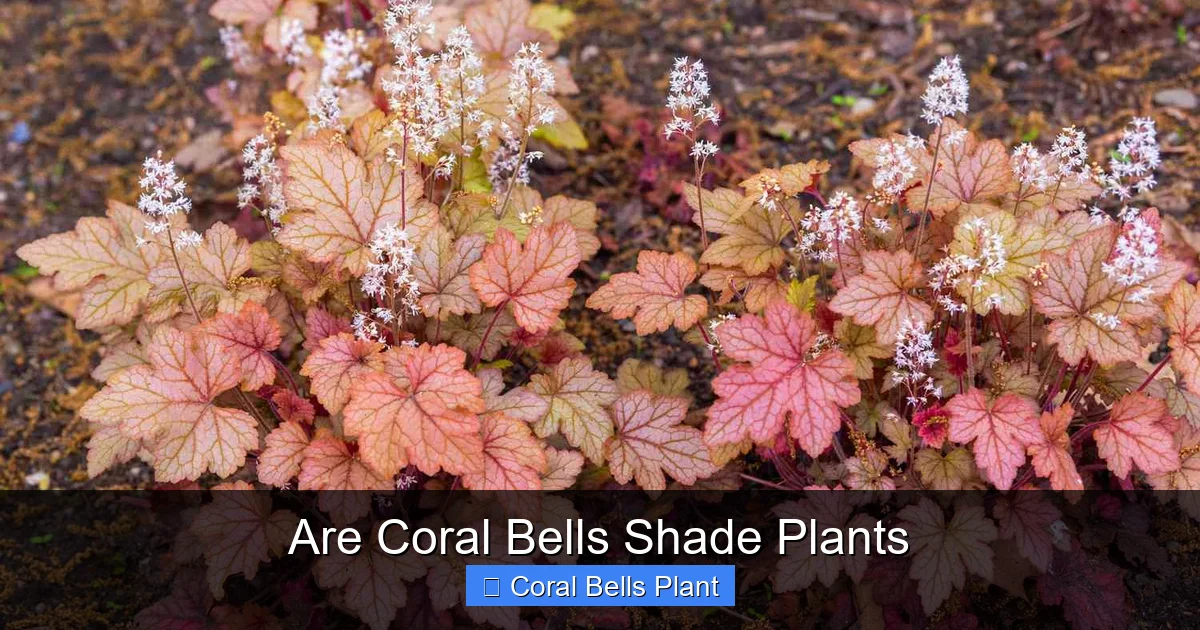
Are Coral Bells Shade Plants
Coral bells grow well in shade and add bright foliage to dark corners. They prefer moist, well‑drained soil and benefit from morning light. Choose the right variety and follow simple care steps for a thriving shade garden.
Key Takeaways
- Light Preference: Coral bells thrive in partial to full shade.
- Soil Needs: They need moist, well‑drained soil rich in organic matter.
- Watering: Consistent moisture prevents leaf scorch.
- Variety Selection: Dark‑leaf varieties tolerate deeper shade.
- Design Use: Use them as ground cover or accent in layered plantings.
- Common Issues: Watch for crown rot and leaf burn in too much sun.
Quick Answers to Common Questions
Can coral bells grow in full shade?
Yes many varieties tolerate full shade but they may flower less and grow slower.
How often should I water coral bells?
Water deeply once a week during dry periods; keep soil consistently moist but not soggy.
What soil is best for coral bells?
A loamy, well‑drained soil enriched with compost works best.
Do coral bells need fertilizer?
Apply a balanced slow‑release fertilizer in early spring for healthy foliage.
Can I grow coral bells in containers?
Yes they thrive in pots with good drainage and regular watering.
📑 Table of Contents
Introduction
are coral bells shade plants thrive in low light and bring color to dark corners. Many gardeners ask are coral bells shade plants when planning a shady border. The answer is yes they perform best with filtered light or morning sun. This guide covers light, soil, water, varieties, design, and care.
are coral bells shade plants are popular perennials because they tolerate shade better than many flowers. They form neat mounds that stay attractive all season. Understanding their needs helps you avoid common problems. Read on for practical tips you can use today.
Light Needs
Full Shade Versus Partial Shade
are coral bells shade plants survive deep shade but flower less in very dark spots. Partial shade with a few hours of morning light gives the best leaf color and bloom. Observe your planting site before you decide. A north facing bed often works well for dark leaf types.
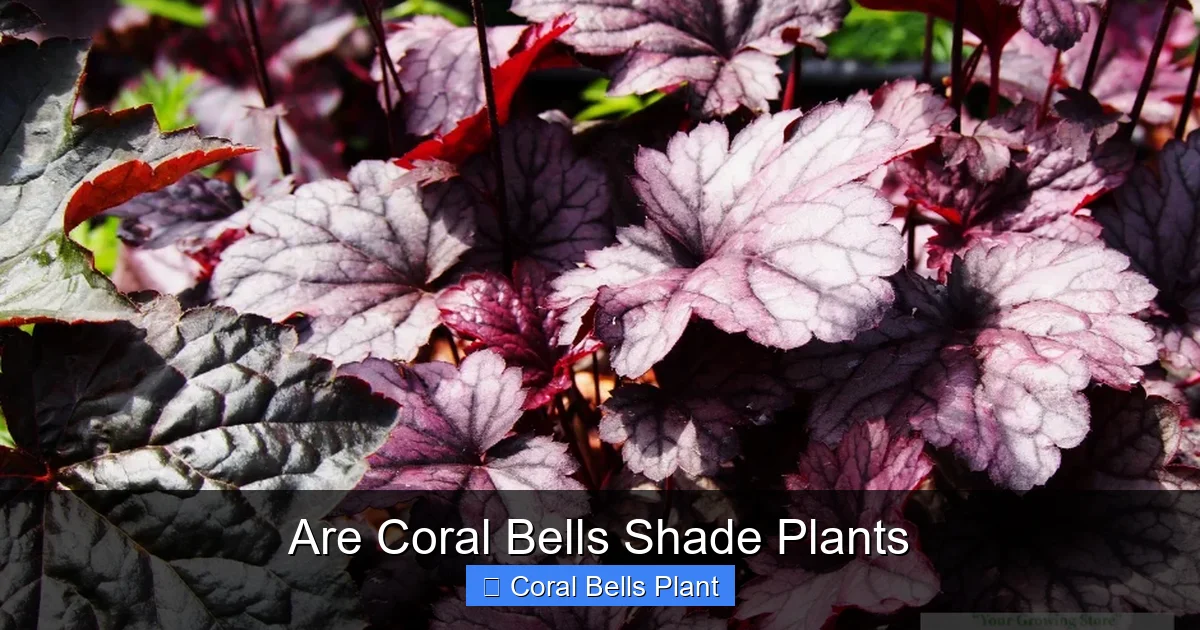
Visual guide about Are Coral Bells Shade Plants
Image source: holubgreenhouses.com
are coral bells shade plants prefer light that is gentle and indirect. Too much direct afternoon sun can scorch the foliage. If you have only full shade choose varieties bred for low light. They will still grow but may stay smaller.
Morning Sun Benefits
are coral bells shade plants benefit from early sun because it dries dew on leaves. A couple of hours of gentle light boosts chlorophyll and keeps leaves vibrant. Avoid hot western exposure which can cause burn. Plant on the east side of a wall for ideal morning light.
are coral bells shade plants that receive morning sun show stronger growth and richer color. Gardeners who wonder are coral bells shade plants should note that morning light reduces fungal risk. A simple shift in placement can improve health dramatically.
Seasonal Light Changes
are coral bells shade plants experience different light levels through the year. In spring the canopy may be thin allowing more sun. In summer trees leaf out creating deeper shade. Adjust watering and mulching to match seasonal changes. Monitoring light helps you keep plants happy.
are coral bells shade plants may need a little more water during bright spring weeks. In deep summer shade they need less frequent watering. Knowing the pattern prevents both drought stress and root rot. Simple observation guides your care routine.
Soil and Moisture
Well‑Drained Soil
are coral bells shade plants demand loose, well‑drained soil rich in organic matter. Heavy clay should be amended with compost and coarse sand. Good drainage stops water from pooling around the crown. Test the hole by filling with water and watching it drain.
are coral bells shade plants planted in poorly drained soil often develop crown rot. Raised beds or mounded rows improve aeration. Adding leaf mold each spring keeps soil structure open. A healthy root zone leads to vigorous foliage.
Consistent Moisture
are coral bells shade plants need steady moisture but not soggy conditions. Water deeply once a week during dry spells. Mulch around the base to retain moisture and keep roots cool. A soaker hose or drip line provides even coverage.
are coral bells shade plants that dry out completely may show leaf curl and brown edges. Check soil with your finger; it should feel moist a few inches down. Adjust frequency based on rainfall and temperature. Consistent care yields the best color.
Soil Testing and Amendments
are coral bells shade plants benefit from a soil test every two years. The test reveals pH and nutrient levels. Aim for a slightly acidic pH around 6.0 to 6.5. Add lime or sulfur as needed to reach the target range.
are coral bells shade plants respond well to organic fertilizers like compost tea. Apply in early spring before new growth emerges. Avoid high nitrogen formulas that promote soft growth prone to disease. Balanced nutrition supports strong leaves.
Mulching Benefits
are coral bells shade plants thrive with a two inch layer of shredded bark or leaf mulch. Mulch conserves moisture, suppresses weeds, and slowly adds nutrients. Keep mulch a few inches away from the crown to prevent rot.
are coral bells shade plants mulched in autumn gain extra winter protection. The insulating layer reduces freeze‑thaw cycles that damage roots. Refresh mulch each spring for continued benefits. Simple mulching is a low effort high reward practice.
Top Varieties for Shade
Heuchera ‘Palace Purple’
are coral bells shade plants with deep purple foliage include ‘Palace Purple’. This cultivar holds its rich color even in low light. It forms a tidy mound about twelve inches tall. Delicate white flowers appear on slender stems in late spring.
are coral bells shade plants like ‘Palace Purple’ pair beautifully with silver or chartreuse companions. Use it as a focal point in a shaded border. Its bold color draws the eye and adds depth to the planting.
Heuchera ‘Caramel’
are coral bells shade plants that offer warm amber tones include ‘Caramel’. The leaves glow in filtered light and tolerate a bit more sun than dark types. The plant stays compact and works well in containers.
are coral bells shade plants such as ‘Caramel’ brighten a cool corner with a touch of gold. Combine it with blue hostas for a striking contrast. Its versatile habit makes it a favorite for mixed shade beds.
Heuchera ‘Lime Rickey’
are coral bells shade plants that bring lime green sparkle include ‘Lime Rickey’. This variety thrives in full shade and keeps its bright hue all season. The mounded habit stays neat without flopping.
are coral bells shade plants like ‘Lime Rickey’ are perfect for adding a pop of chartreuse to dark areas. Plant them in groups for a luminous effect. They also work well as edging along shady pathways.
Heuchera ‘Obsidian’
are coral bells shade plants with near black foliage include ‘Obsidian’. The dark leaves create dramatic contrast against lighter plants. It prefers consistent moisture and partial shade for best color.
are coral bells shade plants such as ‘Obsidian’ excel in modern garden designs. Use them beside white flowering perennials for high impact. Their intense hue holds well even in deep shade.
Heuchera ‘Berry Smoothie’
are coral bells shade plants that display pink‑red leaves include ‘Berry Smoothie’. The color intensifies with a bit of morning sun. It forms a compact clump suitable for small spaces.
are coral bells shade plants like ‘Berry Smoothie’ add a playful touch to shade gardens. Pair with ferns and astilbe for a soft romantic look. The foliage stays attractive from spring through fall.
Design Ideas for Shade Gardens
Layering Textures
are coral bells shade plants work well as a middle layer between low groundcovers and taller ferns. Their mounded shape adds structure without overwhelming neighbors. Mix fine and bold textures for visual interest.
are coral bells shade plants combined with hosta, brunnera, and Japanese forest grass create a dynamic tapestry. The varying leaf shapes catch light differently throughout the day. This layering technique makes a shade bed feel full and lively.
Companion Plants
are coral bells shade plants pair nicely with astilbe, bleeding heart, and Solomon’s seal. These companions share similar moisture and light preferences. Group them in drifts for a naturalistic look.
are coral bells shade plants also complement spring bulbs like snowdrops and crocuses. The early flowers emerge before the coral bells fully leaf out. This succession extends seasonal interest in the shade garden.
Color Schemes
are coral bells shade plants allow you to build color schemes from deep purple to bright lime. Choose a dominant hue and echo it with companion foliage. Consistent color threads unify the planting.
are coral bells shade plants in a monochromatic scheme using only purple varieties create a sophisticated mood. Add silver foliage plants for contrast. The result is elegant and low maintenance.
Pathway Edging
are coral bells shade plants make excellent edging along shady walkways. Their low mound defines the path without blocking sight lines. Space plants twelve inches apart for a continuous border.
are coral bells shade plants used as edging also suppress weeds and reduce soil erosion. The dense foliage shades the soil surface. This practical use adds beauty and function to garden paths.
Container Planting
are coral bells shade plants thrive in containers placed on patios or balconies with filtered light. Use a high quality potting mix with perlite for drainage. Water regularly and feed with a balanced fertilizer in spring.
are coral bells shade plants in pots can be moved to follow seasonal light changes. This flexibility lets you optimize conditions year round. Container culture also makes division and propagation easy.
Care and Maintenance
Fertilizing
are coral bells shade plants benefit from a light application of slow release fertilizer in early spring. Choose a formula with equal parts nitrogen phosphorus potassium. Over fertilizing leads to weak, floppy growth.
are coral bells shade plants also respond to a top dressing of compost each autumn. The organic matter improves soil structure and supplies nutrients slowly. A healthy soil ecosystem reduces the need for synthetic feeds.
Dividing Clumps
are coral bells shade plants should be divided every three to four years to maintain vigor. Dig the clump in early spring or fall. Separate into sections with roots and replant at the same depth.
are coral bells shade plants divided regularly produce more vigorous foliage and better flowering. Discard any woody or diseased portions. Replant divisions promptly and water well.
Winter Protection
are coral bells shade plants are hardy to USDA zone 4 with a light mulch cover. Apply straw or shredded leaves after the ground freezes. This insulates the crown from freeze‑thaw cycles.
are coral bells shade plants in containers need extra insulation. Wrap pots with burlap or move them to a sheltered location. Keep the soil slightly moist during winter dormancy.
Leaf Scorch Prevention
are coral bells shade plants develop brown leaf edges when exposed to hot afternoon sun. Relocate to a shadier spot or add a temporary shade cloth. Keep soil evenly moist to aid recovery.
are coral bells shade plants that show early scorch signs benefit from a deep watering and a mulch top up. Avoid fertilizing stressed plants until they recover. Prompt action prevents permanent damage.
Crown Rot Management
are coral bells shade plants suffer crown rot when soil stays soggy. Improve drainage by adding grit or planting on a slight mound. Reduce watering frequency during wet periods.
are coral bells shade plants with mushy crowns should be lifted, trimmed of rot, and replanted in fresh soil. Dust cuts with a fungicide powder if needed. Good cultural practices are the best prevention.
Pest Control
are coral bells shade plants attract slugs and snails in damp shade. Use beer traps, copper tape, or diatomaceous earth around plants. Hand pick pests in the evening for immediate relief.
are coral bells shade plants also face aphids on new growth. Spray a strong jet of water or apply insecticidal soap early in the morning. Regular monitoring keeps populations low.
Final Thoughts
are coral bells shade plants reward gardeners with vibrant foliage and easy care when given the right conditions. Provide filtered light, moist well‑drained soil, and regular attention. Your shade beds will shine with color all season.
are coral bells shade plants are versatile, reliable, and beautiful. Choose varieties that match your design vision and enjoy a low maintenance garden. Happy planting.
Frequently Asked Questions
Are coral bells shade plants suitable for beginners?
Yes they are low maintenance and forgiving, making them ideal for new gardeners.
What is the best time to plant coral bells?
Plant in early spring or fall when temperatures are mild and soil is workable.
How do I propagate coral bells?
Divide clumps in early spring or take leaf cuttings in summer for new plants.
Do coral bells attract pollinators?
Their small bell‑shaped flowers attract bees and hummingbirds in late spring.
Can coral bells survive winter in cold zones?
Most cultivars are hardy to USDA zone 4 with mulch protection.
What companion plants pair well with coral bells?
Hostas, ferns, astilbe, and Japanese forest grass complement their texture and color.