Are Coral Bells Acid Loving Plants
Coral bells (Heuchera) are not strictly acid loving plants but prefer slightly acidic to neutral soil with a pH between 6.0 and 7.0. They thrive in well-draining, organic-rich soil and adapt well to various garden conditions with proper care.
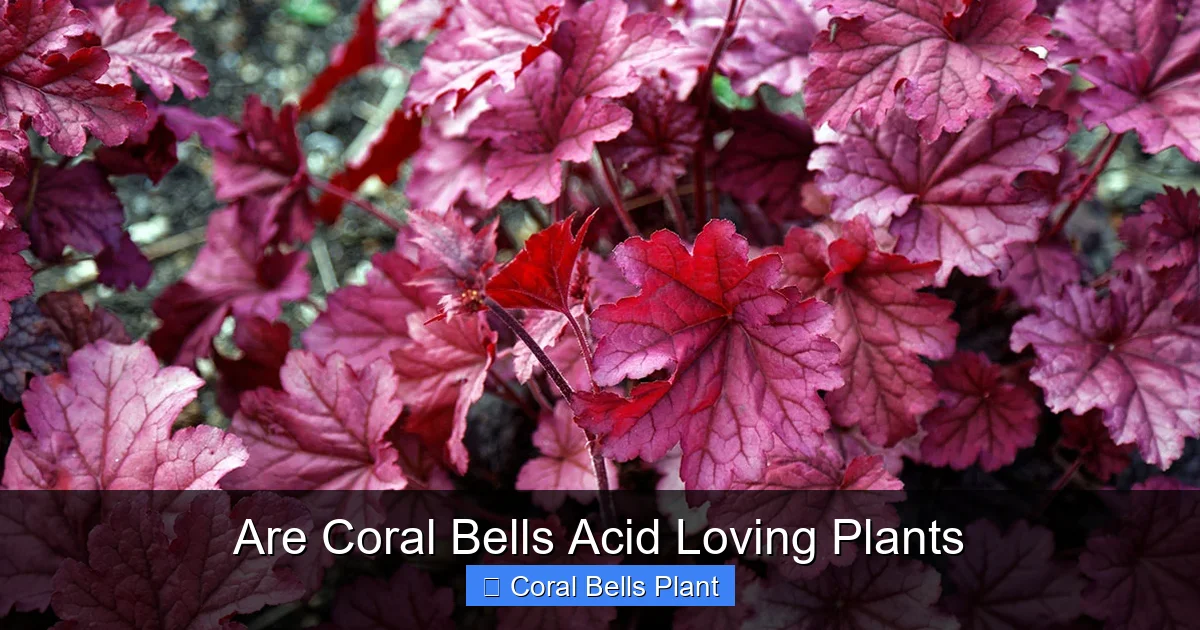
If you’ve ever wandered through a shade garden and spotted those gorgeous ruffled leaves in shades of purple, caramel, lime green, or deep burgundy, you’ve met coral bells. These stunning perennials, botanically known as Heuchera, have become garden superstars over the past couple of decades. Plant breeders have gone wild creating new varieties with incredible leaf colors and patterns. But here’s a question I hear all the time from fellow gardeners: are coral bells acid loving plants? The answer might surprise you.
Let me cut right to the chase. Coral bells are not what we’d call true acid loving plants like azaleas, rhododendrons, or blueberries. Those plants need soil pH down around 4.5 to 5.5 to really thrive. Coral bells are much more easygoing. They prefer slightly acidic to neutral soil, ideally somewhere between 6.0 and 7.0 on the pH scale. That’s great news for most gardeners because this range is exactly what many garden soils naturally provide. But there’s more to the story than just a pH number, and understanding the full picture will help you grow the most spectacular coral bells on the block.
Key Takeaways
- Ideal pH range: Coral bells grow best in slightly acidic to neutral soil (pH 6.0-7.0), not highly acidic conditions
- Soil drainage matters more: Well-draining soil rich in organic matter is more critical than exact pH levels
- Adaptable nature: These perennials tolerate a wide pH range from 5.5 to 7.5 with proper amendments
- Test before planting: A simple soil test reveals your garden’s pH and helps you amend appropriately
- Mulch with organic matter: Compost, leaf mold, or pine bark mulch naturally maintains ideal conditions
- Container growing works well: Potting mixes let you control soil conditions perfectly for coral bells
- Watch for nutrient issues: Wrong pH can cause nutrient lockout, showing as yellowing leaves or poor growth
Quick Answers to Common Questions
Are coral bells acid loving plants like azaleas?
No, coral bells are not true acid loving plants. They prefer slightly acidic to neutral soil (pH 6.0-7.0), while azaleas need strongly acidic soil (pH 4.5-5.5).
What is the ideal soil pH for coral bells?
The ideal soil pH for coral bells is between 6.0 and 7.0. They tolerate a wider range (5.5-7.5) but perform best in this slightly acidic to neutral sweet spot.
Can coral bells grow in alkaline soil?
Coral bells can tolerate slightly alkaline soil up to pH 7.5, but may show nutrient deficiencies (especially iron chlorosis) above 7.0. Amend with sulfur or acidic organic matter to lower pH.
Do different coral bells varieties need different pH levels?
Most modern coral bells cultivars have similar pH preferences (6.0-7.0). Species ancestry varies slightly, but hybrids are bred for adaptability across this range.
How do I fix soil pH for coral bells?
Test soil first. To raise pH, add garden lime. To lower pH, add elemental sulfur or acidic organic matter like peat moss, pine needles, or composted pine bark. Always follow test recommendations.
📑 Table of Contents
- Understanding Soil pH and What It Means for Coral Bells
- Testing Your Soil Before Planting Coral Bells
- Amending Soil for Perfect Coral Bells Conditions
- Growing Coral Bells in Containers for Total Control
- Companion Plants That Share Coral Bells’ Preferences
- Signs Your Coral Bells Have pH Problems
- Special Considerations for Different Coral Bells Varieties
- Seasonal Care for Optimal Soil Conditions
- Troubleshooting Common Coral Bells Problems
- Creating a Coral Bells Showcase Garden
- Conclusion
Understanding Soil pH and What It Means for Coral Bells
Before we dive deeper into coral bells specifically, let’s talk about what soil pH actually means for your plants. The pH scale runs from 0 to 14, with 7 being neutral. Numbers below 7 are acidic, and numbers above 7 are alkaline. Each whole number represents a tenfold difference in acidity or alkalinity. So a soil with pH 6.0 is ten times more acidic than a soil with pH 7.0. This matters because soil pH controls which nutrients are available to your plants.
When soil gets too acidic (below 5.5), certain nutrients like phosphorus become less available, while others like aluminum and manganese can reach toxic levels. When soil gets too alkaline (above 7.5), iron, manganese, and phosphorus get locked up. Plants can’t absorb them even if they’re present in the soil. This is why you might see yellowing leaves with green veins (iron chlorosis) in alkaline soil, or stunted growth in very acidic soil. Coral bells sit happily in that sweet spot where most nutrients are readily available.
The Real Sweet Spot for Heuchera
Research and extensive garden experience show that coral bells perform best in soil with a pH between 6.0 and 7.0. Some varieties tolerate slightly more acidic conditions down to 5.5, especially those with native parentage from naturally acidic woodland soils. Others handle slightly alkaline conditions up to 7.5 without complaint. But if you want those leaves to show their most intense colors and the plants to grow vigorously, aim for that 6.0 to 7.0 range.
I’ve grown coral bells in soil testing at 6.2, 6.8, and even 7.2. The plants in the 6.2 to 6.8 range consistently looked the best. They had deeper leaf color, more vigorous growth, and better flower production. The ones in 7.2 soil did fine but grew a bit slower and the leaf colors weren’t quite as saturated. This matches what university extension services and professional growers recommend.
Why the Confusion About Acid Loving?
So why do people think coral bells are acid loving plants? A few reasons. First, they’re often sold and planted alongside true acid lovers like azaleas, rhododendrons, and ferns in shade garden displays. Second, they’re native to North American woodlands where soil tends to be naturally acidic from decomposing leaves. Third, many garden centers group them with “shade plants” and “woodland plants” which often prefer acidic conditions. But coral bells are adaptable natives that evolved in diverse habitats from rocky cliffs to forest floors.
Testing Your Soil Before Planting Coral Bells
You wouldn’t bake a cake without measuring ingredients, and you shouldn’t plant coral bells without knowing your soil pH. Testing is easy, inexpensive, and saves you from guessing. Your local cooperative extension office offers professional soil testing for a small fee, usually around $15 to $25. They’ll send you a detailed report with pH, nutrient levels, and specific amendment recommendations for your exact plants.
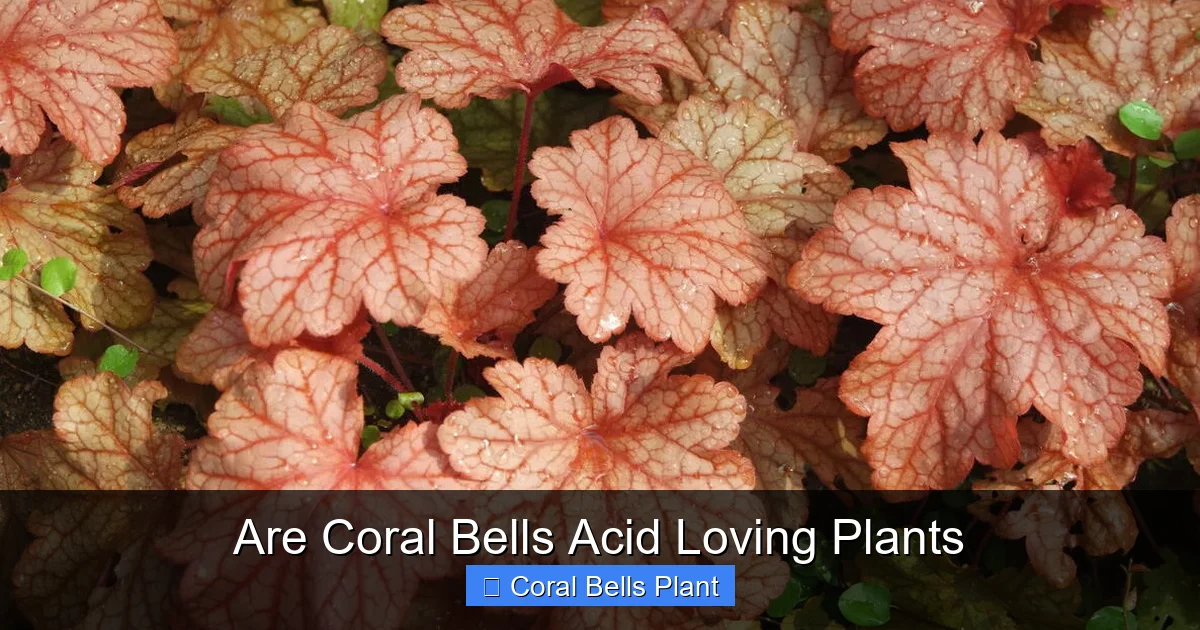
Visual guide about Are Coral Bells Acid Loving Plants
Image source: cdn.almanac.com
For a quicker DIY option, garden centers sell soil test kits and digital pH meters. The kits with color-changing capsules are surprisingly accurate for home use. Digital meters are convenient but need regular calibration. Whichever method you choose, test several spots in your planting area. Soil pH can vary significantly even within a small garden bed, especially near concrete foundations, walkways, or areas where lime was previously applied.
When to Test and How Often
Test your soil in early spring before planting or in fall for next season’s amendments. This gives amendments time to work. Retest every two to three years, or annually if you’re actively adjusting pH. Soil pH changes slowly, and over-amending creates new problems. If you’re growing coral bells in containers, test the potting mix at planting time and again if plants show signs of nutrient issues.
Reading Your Results
When you get your results, look for the pH number first. If it’s between 6.0 and 7.0, you’re golden for coral bells. If it’s below 6.0, you’ll need to raise pH with lime. If it’s above 7.0, you’ll need to lower it with sulfur or acidic organic matter. The test report should tell you exactly how much amendment to apply per square foot. Follow those recommendations precisely. More is not better when it comes to pH adjustments.
Amending Soil for Perfect Coral Bells Conditions
Once you know your soil pH, you can amend it to create ideal conditions. But here’s the thing: coral bells care more about soil structure and drainage than exact pH. They’ll tolerate a pH of 5.8 or 7.2 if the soil is rich, loose, and well-draining. They’ll struggle at a perfect 6.5 if the soil is heavy clay that stays soggy or sandy soil that drains instantly. So while you’re adjusting pH, focus equally on improving soil texture.
Raising Soil pH (Making It Less Acidic)
If your soil tests below 6.0, you’ll want to raise the pH. Garden lime (calcium carbonate) is the standard amendment. Dolomitic lime adds magnesium too, which is helpful if your test shows low magnesium. Apply lime in fall for spring planting, as it takes several months to fully react. Spread it evenly over the planting area and work it into the top 6 to 8 inches of soil. Water well after application to start the chemical reaction.
Wood ashes from a fireplace or wood stove also raise pH and add potassium. Use them sparingly, no more than 20 pounds per 1,000 square feet per year, and never use ashes from treated wood, coal, or charcoal briquettes. Crushed eggshells break down slowly and gently raise pH while adding calcium. They’re a great free amendment if you bake a lot.
Lowering Soil pH (Making It More Acidic)
If your soil tests above 7.0, you’ll need to lower pH. Elemental sulfur is the most effective and long-lasting option. Soil bacteria convert it to sulfuric acid, gradually lowering pH. This process takes time, so apply sulfur several months before planting. Follow package rates carefully. Too much sulfur can drop pH too far and harm beneficial soil microbes.
For a gentler, slower approach, incorporate acidic organic matter. Peat moss, pine needles, oak leaves, and composted pine bark all naturally lower pH as they decompose. They also improve soil structure, water retention, and microbial life. This is my preferred method because it builds soil health while adjusting pH. Spread a 2 to 3 inch layer of acidic organic matter and work it in thoroughly.
The Organic Matter Magic
Regardless of your starting pH, adding organic matter is the single best thing you can do for coral bells. Compost, well-rotted manure, leaf mold, and composted bark all buffer pH, meaning they help stabilize it against dramatic swings. They improve drainage in clay soil and water retention in sandy soil. They feed beneficial microbes that make nutrients available to plants. Aim for soil that’s 25 to 30 percent organic matter by volume in your planting beds.
Growing Coral Bells in Containers for Total Control
If your garden soil is stubbornly alkaline, heavy clay, or you just want perfect conditions, grow coral bells in containers. This gives you complete control over the growing medium. Use a high-quality potting mix designed for perennials or make your own blend. A great mix for coral bells is two parts peat-based potting soil, one part perlite or coarse sand for drainage, and one part compost for nutrients and microbial life.
Choosing the Right Container
Coral bells have relatively shallow root systems but appreciate room to spread. Choose containers at least 12 inches wide and 10 inches deep for single plants. For mixed plantings, go larger. Ensure excellent drainage holes. Coral bells hate wet feet. Terra cotta pots breathe well but dry out faster. Glazed ceramic, plastic, or composite pots retain moisture longer. All work fine if you adjust watering accordingly.
Container Soil pH Management
Most quality potting mixes start around pH 5.5 to 6.5, perfect for coral bells. But container soil pH can drift over time due to water quality, fertilizer type, and decomposition. If you have alkaline tap water (common in many areas), it can gradually raise potting mix pH. Using acid-forming fertilizers (like those for azaleas) helps counteract this. Test container soil annually and repot with fresh mix every two to three years.
Watering and Fertilizing Container Coral Bells
Container plants need more frequent watering than in-ground plants. Check soil moisture daily in hot weather. Water thoroughly until it drains from the bottom, then don’t water again until the top inch feels dry. Fertilize with a balanced, slow-release fertilizer at planting, then supplement with liquid fertilizer at half strength monthly during active growth. Avoid high-nitrogen fertilizers that promote soft growth susceptible to disease.
Companion Plants That Share Coral Bells’ Preferences
One of the joys of gardening is creating plant communities that thrive together. Since coral bells prefer slightly acidic to neutral, well-draining soil rich in organic matter, they pair beautifully with many other shade-tolerant perennials. Understanding these companions helps you design stunning garden beds where everything grows happily in the same conditions.
Perfect Partners for Similar Soil Conditions
Hostas are classic coral bells companions. They love the same rich, moist, well-draining soil and similar pH range. Their broad leaves contrast beautifully with coral bells’ ruffled foliage. Ferns like Japanese painted fern, autumn fern, and maidenhair fern thrive in identical conditions. Their delicate fronds create texture contrast. Astilbes bring feathery plumes in early summer and prefer the same soil. Heucherella (foamy bells), a hybrid between coral bells and foamflower, is essentially a cousin with similar needs.
Spring Bulbs and Early Bloomers
Plant spring bulbs like snowdrops, crocus, and species tulips among coral bells. The bulbs bloom before coral bells fully leaf out, then coral bells hide the fading bulb foliage. Bleeding hearts (Dicentra) bloom in spring and go dormant in summer, making room for coral bells to shine. Virginia bluebells (Mertensia) create a stunning blue carpet in spring, then disappear as coral bells take center stage.
Ground Covers and Fillers
Creeping phlox (Phlox stolonifera) forms a low mat of spring flowers and evergreen foliage that complements coral bells. Sweet woodruff (Galium odoratum) creates a fragrant green carpet with white spring flowers. Foamflower (Tiarella) offers similar foliage texture with airy spring blooms. These ground covers suppress weeds and keep soil cool and moist, which coral bells appreciate.
Plants to Avoid Planting Too Close
Avoid planting coral bells near aggressive spreaders like English ivy, vinca, or bishop’s weed (Aegopodium). They’ll smother coral bells. Also avoid plants that need very different conditions. Lavender, sedum, and other Mediterranean herbs want lean, alkaline, sharply draining soil. Bog plants like pitcher plants want constantly wet, very acidic soil. Keep these in separate areas.
Signs Your Coral Bells Have pH Problems
Even with the best preparation, soil pH can shift over time. Your coral bells will tell you if something’s wrong. Learning to read these signals lets you correct issues before plants decline seriously. Most pH-related problems show up as nutrient deficiency symptoms because the nutrients are present but unavailable at the wrong pH.
Symptoms of Soil That’s Too Acidic (Below 5.5)
In overly acidic soil, coral bells may show stunted growth, dark green or purplish leaves (phosphorus deficiency), yellowing between leaf veins on older leaves (magnesium deficiency), or brown leaf tips and edges (aluminum or manganese toxicity). Roots may appear thickened and stubby. Flower production decreases. The plant looks generally unhappy despite adequate water and fertilizer.
Symptoms of Soil That’s Too Alkaline (Above 7.5)
In alkaline soil, the classic sign is interveinal chlorosis: yellowing between leaf veins while veins stay green. This indicates iron deficiency. New growth shows it first. Manganese deficiency causes similar symptoms but with necrotic spots. Phosphorus deficiency shows as dark, dull leaves with purplish undersides. Growth slows, leaves may be smaller than normal, and flowering is reduced.
How to Confirm and Correct
Don’t guess based on symptoms alone. Nutrient deficiencies can look similar regardless of cause. Test your soil first. If pH is the issue, apply the appropriate amendment (lime to raise, sulfur to lower) at recommended rates. For quick relief while amendments work, foliar feed with chelated iron or a complete micronutrient spray. This bypasses soil pH issues temporarily. But fixing the underlying pH is the only long-term solution.
Preventing pH Drift
Mulch annually with 2 inches of compost, leaf mold, or pine bark. This slowly feeds the soil, buffers pH, and maintains organic matter. Avoid using large amounts of wood chip mulch without nitrogen fertilizer, as decomposition can temporarily tie up nitrogen. Rotate fertilizer types. Constant use of ammonium-based fertilizers acidifies soil over time. Constant use of calcium nitrate can raise pH. A balanced approach keeps things stable.
Special Considerations for Different Coral Bells Varieties
With hundreds of coral bells cultivars on the market, you might wonder if different varieties have different pH preferences. The short answer: not significantly. Most modern cultivars are complex hybrids with similar cultural requirements. However, species ancestry can offer clues about tolerance ranges.
Species Background and Adaptability
Heuchera americana, native to eastern North American woodlands, tolerates more acidic conditions (down to 5.5). Heuchera sanguinea, from southwestern rocky slopes, handles more alkaline conditions (up to 7.5). Heuchera villosa, from the Appalachians, prefers rich, slightly acidic soil. Heuchera micrantha, from the Pacific Northwest, likes moist, acidic woodland soil. Modern hybrids blend these genetics, creating plants adaptable to that 6.0 to 7.0 sweet spot.
Color Intensity and pH
Here’s a fascinating detail: leaf color intensity in some varieties responds to soil pH and nutrient availability. Deep purple and red varieties (like ‘Palace Purple’, ‘Obsidian’, ‘Black Pearl’) often show richest color in slightly acidic soil (6.0 to 6.5) where aluminum availability enhances anthocyanin production. Chartreuse and yellow varieties (like ‘Lime Rickey’, ‘Citronelle’, ‘Electric Lime’) often look brightest in neutral soil (6.5 to 7.0) where iron and magnesium are fully available for chlorophyll production. Silver varieties (like ‘Silver Scrolls’, ‘Caramel’) are less pH-sensitive but need good nutrition for best color.
Regional Adaptation
Choose varieties bred or selected for your region when possible. Southern-bred varieties (often from Terra Nova Nurseries in Oregon or Plant Delights in North Carolina) handle heat and humidity better. Northern selections handle cold better. But pH preferences remain similar across regions. Your local botanical garden, extension office, or independent nursery can recommend varieties proven in your area.
Seasonal Care for Optimal Soil Conditions
Maintaining ideal soil conditions for coral bells isn’t a one-time task. It’s an ongoing relationship with your garden soil through the seasons. Each season brings different tasks that support healthy soil and, consequently, healthy plants.
Spring: Wake Up and Assess
As coral bells emerge in spring, gently remove winter mulch from crowns to prevent rot. This is a great time to test soil if you haven’t recently. Apply a 1-inch layer of compost around plants (not on crowns) as a slow-release fertilizer and pH buffer. If soil test indicates pH adjustment needed, apply amendments now. Spring rains help incorporate them. Divide overcrowded clumps every 3 to 4 years in early spring.
Summer: Monitor and Mulch
Summer heat stresses coral bells, especially in containers. Maintain 2 inches of organic mulch to keep soil cool and moist. Water deeply during dry spells. Watch for signs of nutrient issues that might indicate pH drift. Avoid fertilizing in hot weather. Deadhead spent flower stalks to redirect energy to foliage. In very hot climates, provide afternoon shade.
Fall: Prepare and Protect
Fall is the ideal time for major pH adjustments. Lime and sulfur need months to work. Apply based on fall soil test results. Add a fresh layer of compost or leaf mold. This breaks down over winter, enriching soil for spring. In cold zones (USDA 4-5), apply winter mulch after ground freezes to prevent frost heaving. Pine boughs or straw work well. Don’t cut back foliage until spring; it protects crowns.
Winter: Plan and Dream
Winter is planning time. Review what worked and what didn’t. Order soil test kits for early spring. Research new varieties for spring planting. Plan bed expansions or renovations. In mild winters, check container coral bells monthly and water if soil is dry. Move containers to protected spots if extreme cold threatens.
Troubleshooting Common Coral Bells Problems
Sometimes coral bells struggle despite your best pH efforts. Let’s troubleshoot the most common issues and their solutions. Many problems attributed to pH are actually caused by other factors.
Crown Rot and Root Rot
This is the number one killer of coral bells. It’s caused by soil that stays too wet, not by pH. Heavy clay soil, overwatering, poor drainage, or planting too deep all contribute. Symptoms include wilting despite moist soil, blackened crown, mushy roots, and foul smell. Prevention: amend soil for drainage, plant with crown slightly above soil level, water only when top inch is dry, mulch away from crown. Treatment: dig up, cut away rotted parts, dust with fungicide, replant in improved soil or container.
Sun Scorch and Heat Stress
Most coral bells prefer part shade to full shade. In hot climates, even morning sun can be too intense. Symptoms: bleached, crispy leaf edges, faded color, wilting in afternoon. Solution: move to shadier spot, increase watering, use shade cloth temporarily. Some newer varieties (like ‘Caramel’, ‘Citronelle’, ‘Southern Comfort’) tolerate more sun. Check variety tags.
Frost Heaving
In freeze-thaw cycles, shallow-rooted coral bells can be pushed out of the ground. Roots expose, dry out, and die. Symptoms: plant sitting above soil level, exposed roots. Prevention: plant in well-draining soil, mulch after ground freezes. Fix: gently push plant back in spring, water well, mulch.
Pest Issues
Vine weevil larvae eat roots. Adults notch leaf edges. Symptoms: wilting, notched leaves. Check roots for white C-shaped grubs. Treat with beneficial nematodes in spring or fall. Deer and rabbits occasionally browse. Use repellents or fencing. Slugs and snails damage leaves in wet conditions. Use iron phosphate bait.
Creating a Coral Bells Showcase Garden
Now that you understand coral bells’ soil preferences, let’s talk design. A dedicated coral bells garden can be absolutely spectacular. These plants offer year-round interest with evergreen or semi-evergreen foliage in an incredible color range.
Designing with Foliage Color
Group varieties by color family for impact. A bed of purple varieties (‘Palace Purple’, ‘Obsidian’, ‘Black Pearl’, ‘Forever Purple’) creates a rich, sophisticated tapestry. Chartreuse varieties (‘Lime Rickey’, ‘Citronelle’, ‘Electric Lime’, ‘Appletini’) glow in shade. Silver varieties (‘Silver Scrolls’, ‘Caramel’, ‘Peach Flambe’) add elegance. Mix colors intentionally: purple next to chartreuse creates vibrant contrast. Silver bridges warm and cool tones.
Playing with Texture and Form
Coral bells vary in leaf shape (rounded, lobed, ruffled, deeply cut), size (2 inches to 8 inches), and plant habit (tight mounds to spreading clumps). Combine large-leaved varieties with fine-textured ones. Pair ruffled leaves with smooth leaves. Use low, spreading varieties as ground cover under taller, mounding ones. This creates layers of interest even when plants aren’t blooming.
Incorporating Seasonal Interest
While foliage is the main show, coral bells flowers add delicate beauty in late spring to early summer. Flower colors range from white to pink to coral red. Some varieties are bred for showy flowers (‘Cherry Cola’, ‘Fire Alarm’, ‘Paris’). Plant early spring bulbs among them for sequential bloom. Add late-season interest with fall-blooming companions like Japanese anemones or toad lilies.
Maintenance for Long-Term Beauty
A showcase garden needs regular care. Remove tattered winter leaves in early spring. Divide clumps every 3 to 4 years to maintain vigor. Deadhead flower stalks after bloom unless you want seeds. Top-dress with compost annually. Monitor for pests and diseases. Replace any plants that decline. With good care, a coral bells garden improves every year.
Conclusion
So, are coral bells acid loving plants? Not strictly. They’re adaptable perennials that prefer slightly acidic to neutral soil, ideally pH 6.0 to 7.0. This makes them easier to please than true acid lovers. The real secret to spectacular coral bells isn’t obsessing over a perfect pH number. It’s creating rich, well-draining soil full of organic life. Test your soil, amend thoughtfully, mulch generously, and water wisely. Do these things, and your coral bells will reward you with stunning foliage color and texture for years to come.
Whether you’re planting a single container on a shaded porch or designing a woodland garden filled with dozens of varieties, understanding soil preferences gives you the foundation for success. Coral bells are forgiving plants that communicate clearly when something’s wrong. Listen to them, respond with good gardening practices, and enjoy one of the most versatile and beautiful perennials available to shade gardeners today.
Frequently Asked Questions
Can I plant coral bells near my azaleas and rhododendrons?
Yes, coral bells grow well near azaleas and rhododendrons, but the soil may be too acidic (below 5.5) for optimal coral bells performance. Test the soil and amend with lime if needed to reach pH 6.0-7.0.
Why are my coral bells leaves turning yellow between the veins?
Yellowing between leaf veins (interveinal chlorosis) typically indicates iron deficiency caused by soil pH above 7.0. Test your soil pH and lower it with elemental sulfur or acidic organic matter if it’s too alkaline.
Do coral bells need ericaceous compost?
No, coral bells don’t need ericaceous (acidic) compost. Standard multi-purpose compost or a mix with added organic matter works well. Ericaceous compost may make soil too acidic for optimal growth.
How often should I test soil pH for coral bells?
Test soil pH every 2-3 years for in-ground plantings, or annually for containers. Also test if plants show nutrient deficiency symptoms or after making pH amendments to verify the change.
Can coffee grounds help acidify soil for coral bells?
Used coffee grounds are mildly acidic and add organic matter, but their effect on soil pH is minimal and temporary. They’re better used as a compost ingredient or light mulch rather than a primary pH adjustment method.
What’s the best mulch for coral bells?
Compost, leaf mold, shredded bark, or pine straw all work well. These organic mulches gradually break down, improve soil structure, buffer pH, and maintain moisture. Apply 2 inches, keeping mulch away from plant crowns.