Outdoor Coral Bells Plant
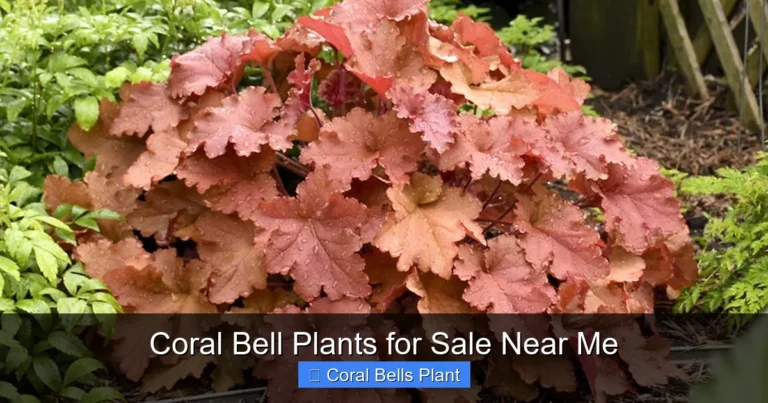
Outdoor coral bells plants (Heuchera) are versatile perennials prized for their colorful foliage and delicate flowers. These shade-loving plants thrive in zones 4-9 with minimal maintenance, offering year-round interest through vibrant leaves in shades of purple, chartreuse, caramel, and silver.
If you have ever walked through a shade garden and noticed mounds of ruffled leaves in outrageous colors like deep plum, electric lime, or warm caramel, you have likely met the outdoor coral bells plant. These perennials have exploded in popularity over the last two decades, and for good reason. They bring reliable color to the shady spots where flowers often struggle, and they ask for very little in return.
I remember the first time I planted coral bells in my own garden. I tucked a few ‘Palace Purple’ plants under a maple tree where grass refused to grow. Within a single season, those small starts formed handsome clumps that looked good from April straight through December. That experience hooked me. Since then, I have added dozens of varieties to my beds and containers, and I love sharing what I have learned with fellow gardeners.
Key Takeaways
- Versatile shade perennial: Coral bells thrive in partial to full shade, making them perfect for woodland gardens and north-facing beds.
- Year-round foliage color: Unlike many perennials, heuchera provides stunning leaf color from spring through winter in most climates.
- Low maintenance requirements: Once established, these plants need minimal watering, fertilizing, and pruning to look their best.
- Deer and rabbit resistant: The slightly fuzzy, bitter-tasting foliage naturally deters common garden pests.
- Excellent container plants: Coral bells adapt well to pots, allowing you to enjoy their beauty on patios, porches, and balconies.
- Attracts pollinators: The delicate bell-shaped flowers draw hummingbirds, bees, and butterflies to your garden.
- Easy to propagate: Division every 3-4 years rejuvenates plants and gives you free new specimens for other garden areas.
Quick Answers to Common Questions
How much sun can outdoor coral bells plants tolerate?
Most varieties prefer morning sun and afternoon shade. Dark-leaved types handle more sun than light-leaved ones. In cool climates, they can take full sun with adequate moisture. In hot regions, they need protection from intense afternoon rays to prevent leaf scorch.
When is the best time to divide coral bells?
Early spring is the ideal time to divide coral bells, just as new growth emerges. This gives divisions the entire growing season to establish roots before winter. Divide every three to four years when the center becomes woody or the plant heaves out of the ground.
Are coral bells deer resistant?
Yes, coral bells are generally deer and rabbit resistant. The slightly fuzzy, bitter-tasting foliage deters browsing. However, very hungry animals may still nibble them, especially in winter when food is scarce. Young plants are more vulnerable than established ones.
Why are my coral bells leaves turning brown and crispy?
Brown, crispy leaf edges usually indicate sun scorch, drought stress, or both. Move the plant to a shadier location if it receives hot afternoon sun. Water deeply during dry spells. Mulch well to conserve soil moisture. Remove damaged leaves to improve appearance.
Can I grow coral bells in containers year-round?
Yes, coral bells thrive in containers. Use a pot at least 12 inches wide with good drainage. In zones 6 and warmer, they can stay outdoors year-round. In colder zones, move pots to an unheated garage or sink them in the ground for winter protection. Water occasionally during winter thaws.
📑 Table of Contents
- Getting to Know the Outdoor Coral Bells Plant
- Choosing the Right Variety for Your Garden
- Planting Your Outdoor Coral Bells Plant
- Essential Care for Thriving Plants
- Designing With Coral Bells in the Landscape
- Troubleshooting Common Problems
- Seasonal Care Calendar
- Propagation Methods for More Plants
- Companion Plants That Shine With Coral Bells
- Conclusion
Getting to Know the Outdoor Coral Bells Plant
What Are Coral Bells?
Coral bells belong to the genus Heuchera, a group of about 50 species native to North America. The common name comes from the tiny, bell-shaped flowers that dangle from wiry stems in late spring and early summer. While the blooms are charming, most gardeners grow these plants for their foliage. Modern breeding has produced an astonishing range of leaf colors, patterns, and textures.
The outdoor coral bells plant forms a low mound of basal leaves. Each leaf rises on a long petiole from a thick, woody crown. Mature plants typically reach 12 to 18 inches tall and wide, though some varieties stay more compact while others spread to two feet. The flowers add another 12 to 24 inches of height when in bloom.
Native Range and Adaptability
Different Heuchera species hail from diverse habitats across the continent, from rocky alpine slopes to humid woodland floors. This genetic diversity explains why the outdoor coral bells plant adapts so well to various garden conditions. Heuchera sanguinea, native to the Southwest, handles heat and drought better than most. Heuchera americana, from eastern woodlands, brings cold hardiness and tolerance for heavy shade. Modern hybrids combine the best traits of multiple species.
Why Gardeners Love Them
The appeal goes beyond pretty leaves. Coral bells are workhorses in the landscape. They suppress weeds with their dense foliage. They play nicely with other shade perennials like hostas, ferns, and astilbes. They rarely suffer from serious pests or diseases. And perhaps best of all, they provide visual interest during the quiet months when the garden needs it most.
Choosing the Right Variety for Your Garden
Understanding Color Categories
Breeders have organized coral bells into loose color groups to help gardeners navigate the hundreds of named cultivars. Purple and black varieties like ‘Obsidian,’ ‘Black Pearl,’ and ‘Forever Purple’ create dramatic contrast against lighter plants. Chartreuse and gold types such as ‘Lime Rickey,’ ‘Electric Lime,’ and ‘Citronelle’ glow in dim corners. Caramel, amber, and peach selections including ‘Caramel,’ ‘Georgia Peach,’ and ‘Peach Flambe’ warm up cool shade. Silver and pewter cultivars like ‘Silver Scrolls,’ ‘Steel City,’ and ‘Appalachian Trail’ add sophistication.
Matching Varieties to Your Climate
Not every outdoor coral bells plant performs equally in all regions. In the Deep South, look for varieties bred from H. villosa or H. sanguinea parentage. These handle humidity and heat without melting out. ‘Caramel,’ ‘Mocha,’ and ‘Southern Comfort’ are reliable southern performers. In the North, where winter temperatures plummet, varieties with H. americana bloodlines shine. ‘Palace Purple,’ ‘Purple Palace,’ and the ‘Forever’ series withstand zone 4 winters with ease. Gardeners in the transition zones can grow almost anything.
Considering Leaf Texture and Form
Beyond color, leaf texture adds another design dimension. Some varieties have smooth, glossy leaves that catch light. Others feature heavily ruffled or deeply lobed foliage that creates shadow play. ‘Crisp and Curl’ types have tightly frilled edges. ‘Villosa’ hybrids often show a soft, velvety pubescence on the leaf undersides. Mixing textures prevents a shade planting from looking flat.
Flower Power
While foliage steals the show, do not overlook the flowers. Some cultivars bloom more prolifically than others. ‘Paris,’ ‘Pink Pearls,’ and ‘Cherry Cola’ produce masses of showy pink or red bells that last for weeks. These make excellent cut flowers for small arrangements. If you want maximum floral display, seek out varieties marketed for their blooms as well as their leaves.
Planting Your Outdoor Coral Bells Plant
Timing Is Everything
Spring and early fall are the ideal planting windows. Spring planting gives roots time to establish before summer heat arrives. Fall planting allows roots to grow in cool soil while the top goes dormant. Avoid planting during the hottest weeks of summer or when the ground is frozen. If you must plant in summer, provide temporary shade and extra water.
Selecting the Perfect Spot
Most outdoor coral bells plants prefer morning sun and afternoon shade, or dappled light throughout the day. In cooler climates, they tolerate more sun. In hot regions, they need protection from intense afternoon rays. A few varieties, particularly those with lighter foliage, scorch easily in direct sun. Dark-leaved types generally handle more light. Observe your garden at different times of day before choosing a location.
Soil Preparation
Good drainage is non-negotiable. Coral bells crowns rot quickly in soggy soil. Amend heavy clay with compost, coarse sand, or fine pine bark. Aim for a soil that holds moisture but drains within an hour after rain. The ideal pH ranges from 6.0 to 7.0, slightly acidic to neutral. A soil test tells you exactly what you are working with. Work organic matter into the top 12 inches of soil before planting.
Step-by-Step Planting Guide
Dig a hole twice as wide as the root ball and just as deep. Gently remove the plant from its pot. Loosen any circling roots with your fingers. Place the plant in the hole so the crown sits at or slightly above soil level. This is critical. Burying the crown leads to rot. Backfill with amended soil, firming gently around the roots. Water thoroughly to settle the soil. Apply a two-inch layer of shredded bark or leaf mulch, keeping it away from the crown.
Spacing for Success
Space plants 12 to 18 inches apart, depending on the mature size of your variety. Tight spacing creates a quick groundcover but may reduce air circulation, inviting foliar diseases. Wider spacing allows each plant to develop its natural mounded form. For container planting, choose a pot at least 12 inches wide and deep. Use a high-quality potting mix with added perlite for drainage.
Essential Care for Thriving Plants
Watering Wisdom
Newly planted coral bells need consistent moisture for the first growing season. Water deeply twice a week during dry spells, more often in extreme heat. Once established, the outdoor coral bells plant is surprisingly drought tolerant. The thick, woody crown stores water. However, prolonged drought causes leaf edges to brown and crisp. Aim for about an inch of water per week from rain or irrigation. Water at the base of the plant to keep foliage dry.
Fertilizing for Fabulous Foliage
These are not heavy feeders. A single application of balanced, slow-release fertilizer in early spring is plenty. Alternatively, top-dress with an inch of compost around the plants each spring. Avoid high-nitrogen fertilizers. They promote lush, soft growth that is more susceptible to disease and winter damage. If your soil is rich in organic matter, you may not need any fertilizer at all.
Mulching Matters
Maintain a two-inch mulch layer year-round. Shredded leaves, pine straw, or bark chips all work well. Mulch conserves moisture, suppresses weeds, and moderates soil temperature. In winter, it prevents freeze-thaw cycles from heaving the shallow crowns out of the ground. Keep mulch pulled back from the crown itself to prevent rot. Refresh the mulch layer annually as it decomposes.
Deadheading and Grooming
Remove spent flower stems down to the base after blooming finishes. This tidies the plant and may encourage a light rebloom. Throughout the growing season, snip off any damaged or unsightly leaves at the base. In late winter or early spring, before new growth emerges, cut back all the old foliage to about three inches. This makes room for fresh leaves and removes any overwintering pests or diseases.
Dividing to Rejuvenate
Every three to four years, the center of a coral bells clump becomes woody and less vigorous. The plant may heave out of the ground, exposing the crown. This is your signal to divide. Early spring is the best time. Dig up the entire clump. Use a sharp knife or spade to cut it into sections, each with several healthy leaves and roots. Discard the woody center. Replant the divisions at the proper depth, water well, and mulch.
Designing With Coral Bells in the Landscape
Shade Garden Combinations
The outdoor coral bells plant shines in mixed shade borders. Pair purple-leaved varieties with golden hostas like ‘Sum and Substance’ for high contrast. Plant chartreuse heuchera alongside Japanese painted ferns for a cool, sophisticated combo. Use caramel varieties to bridge the gap between warm and cool foliage colors. The mounded habit of coral bells provides a perfect foreground for taller shade perennials like astilbe, bugbane, and Solomon’s seal.
Woodland Garden Naturalizing
In a woodland setting, coral bells look right at home. Scatter them along paths or at the base of trees. They naturalize gently, forming colonies over time without becoming aggressive. Combine them with native spring ephemerals like Virginia bluebells, trillium, and bloodroot. The heuchera foliage emerges just as the ephemerals go dormant, covering the bare ground. Add some native sedges and wild ginger for a complete groundcover matrix.
Container Gardening Success
Coral bells are container superstars. Their compact size and year-round foliage make them ideal for pots. Use them as the “filler” in the classic thriller-filler-spiller formula. A dark heuchera anchors a pot with a tall fern or grass and trailing ivy or creeping jenny. In winter, the pots provide color on a drab patio. Choose frost-proof containers in cold climates. Water container plants more frequently than in-ground ones. Fertilize monthly with diluted liquid fertilizer during the growing season.
Rock Garden and Alpine Uses
Smaller species and cultivars thrive in rock gardens and alpine troughs. Heuchera sanguinea and its hybrids love the sharp drainage of a rockery. Plant them in crevices between stones where their crowns stay dry. The flowers attract hummingbirds to these sunny, open areas. Combine with sedums, sempervivums, and dwarf conifers for a miniature landscape that looks good twelve months a year.
Edging and Border Definition
Use a single variety to edge a shady path or define a border edge. The consistent mounding habit creates a neat line without formal pruning. Space plants 12 inches apart for a continuous edge. ‘Obsidian’ makes a striking dark ribbon. ‘Lime Rickey’ glows like a chartreuse neon light. ‘Caramel’ offers a warm, inviting glow. This technique works especially well along the front of a shrub border where the coral bells hide the bare legs of larger plants.
Troubleshooting Common Problems
Crown Rot: The Number One Killer
Crown rot strikes when the woody crown stays wet for extended periods. Symptoms include wilting despite moist soil, blackened crown tissue, and a foul odor. Prevention is far easier than cure. Plant high. Ensure excellent drainage. Avoid overhead irrigation. Mulch properly. If you catch it early, you can sometimes save the plant by digging it up, cutting away all rotted tissue, dusting with sulfur, and replanting in a drier location.
Foliar Diseases
Powdery mildew appears as a white, dusty coating on leaves. It thrives in humid conditions with poor air circulation. Rust shows as orange pustules on leaf undersides. Both are mostly cosmetic but can weaken plants over time. Space plants for good airflow. Water at soil level. Remove affected leaves promptly. In severe cases, apply a fungicide labeled for ornamental perennials. Choose resistant varieties like those in the ‘Forever’ series.
Pest Issues
Deer and rabbits usually leave coral bells alone, but hungry animals eat anything. Voles and mice sometimes tunnel under plants and chew the crowns in winter. A hardware cloth cage buried around the root zone protects valuable specimens. Foliar nematodes cause angular brown spots between leaf veins. There is no cure. Remove and destroy infected plants. Do not replant heuchera in that spot for several years.
Environmental Stress
Sun scorch appears as bleached, crispy patches on leaves. Move the plant to a shadier spot or provide afternoon shade cloth. Frost heaving pushes crowns out of the ground in winter. Replant at the correct depth in spring and mulch heavily next winter. Winter burn shows as brown, desiccated foliage in early spring. This is usually cosmetic. Cut back the damaged leaves and new growth will emerge.
Nutrient Deficiencies
Yellowing leaves with green veins suggest iron chlorosis, often caused by alkaline soil. Apply chelated iron or acidify the soil with sulfur. General yellowing of older leaves may indicate nitrogen deficiency. A light feed with balanced fertilizer helps. Purple-tinged leaves on a normally green variety can signal phosphorus deficiency in cold soil. The problem. The plant will recover as soil warms.
Seasonal Care Calendar
Spring Awakening
As soon as the ground thaws, remove winter mulch from the crowns. Cut back any remaining old foliage to three inches. Apply slow-release fertilizer or compost top-dressing. Divide overcrowded clumps. Plant new purchases. Water well if spring rains are scarce. Watch for slugs on emerging leaves and use organic controls if needed.
Summer Maintenance
Deadhead spent flower stems. Monitor soil moisture during hot, dry spells. Water deeply at the base. Scout for signs of foliar diseases. Remove any affected leaves. Enjoy the hummingbirds visiting the blooms. In containers, fertilize monthly with half-strength liquid fertilizer. Move pots to shadier spots during heat waves.
Fall Preparation
Stop fertilizing after early fall. Let the plants harden off naturally. Plant new coral bells at least six weeks before the ground freezes. Apply a fresh layer of mulch after the first hard frost. Do not cut back foliage in fall. The leaves protect the crown through winter. Mark plant locations if they might be obscured by snow.
Winter Protection
In zones 4 and 5, add extra mulch after the ground freezes. Evergreen boughs or straw work well. This prevents freeze-thaw cycles. In warmer zones, normal mulch is sufficient. Container plants need special care. Move pots to an unheated garage or sink them in the ground. Water occasionally if the soil thaws and dries out. Do not fertilize.
Propagation Methods for More Plants
Division: The Easiest Method
As mentioned earlier, division is the most reliable way to propagate coral bells. It yields mature plants quickly. Each division is genetically identical to the parent. Do it in early spring every three to four years. You will know it is time when the center gets woody or the plant heaves. Water the plant well the day before dividing. Replant divisions immediately and keep them moist until established.
Seed Starting Adventure
Growing from seed is fun but unpredictable. Hybrid varieties do not come true from seed. The seedlings will be a mix of traits. If you want to experiment, collect seeds from the tiny capsules after flowers fade. Sow them on the surface of moist seed-starting mix. They need light to germinate. Keep at 65-70°F. Germination takes two to eight weeks. Transplant seedlings to individual pots when they have true leaves. Grow them on for a year before planting out.
Leaf Cuttings for the Patient
Leaf cuttings can produce new plants but require patience and specific conditions. Take a healthy leaf with a short piece of petiole in spring. Dip the cut end in rooting hormone. Insert into a pot of moist perlite and peat mix. Cover with a clear plastic bag to maintain humidity. Place in bright, indirect light. Roots and a tiny plantlet may form at the base in six to eight weeks. This method works best with H. villosa hybrids.
Tissue Culture: How Nurseries Do It
Commercial nurseries propagate coral bells through tissue culture, also called micropropagation. Tiny pieces of meristem tissue are grown in sterile lab conditions on nutrient gels. This produces thousands of identical, disease-free plants quickly. It is how new cultivars reach the market in large numbers. Home gardeners cannot replicate this method, but it explains why you can find the latest varieties at reasonable prices.
Companion Plants That Shine With Coral Bells
Foliage Partners
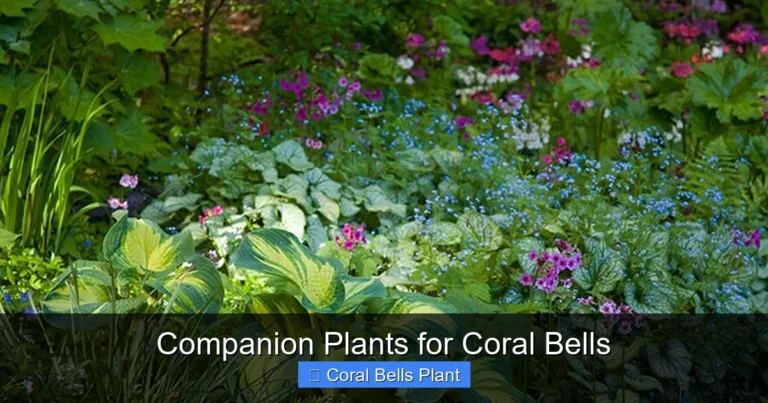
Hostas are the classic companions. Their broad, smooth leaves contrast beautifully with ruffled heuchera foliage. Choose hostas in contrasting colors. Blue hostas make purple heuchera pop. Gold hostas warm up silver varieties. Ferns add delicate texture. Japanese painted fern, autumn fern, and maidenhair fern all thrive in the same conditions. Brunnera ‘Jack Frost’ with its silver-veined leaves echoes silver heucheras. Lungwort offers silver-spotted foliage and early spring flowers.
Flowering Companions
Astilbe provides feathery plumes in pink, red, and white above ferny foliage. It blooms when coral bells flowers fade. Bleeding heart arches gracefully over mounded heuchera in spring. Hellebores bloom in late winter, their nodding flowers complementing the evergreen heuchera leaves. Foamflower (Tiarella) is a close relative with similar leaves and foamy flower spikes. They intermingle beautifully. Japanese anemone extends the bloom season into fall.
Groundcover Layering
Create a living mulch by planting low spreaders around your coral bells. Creeping jenny (golden or green) weaves between plants. Sweet woodruff forms a fragrant carpet with white spring flowers. Wild ginger holds its heart-shaped leaves all season. Barrenwort (Epimedium) offers delicate foliage and curious flowers. These groundcovers suppress weeds and keep roots cool while the coral bells provide the vertical accent.
Structural Elements
Add vertical interest with shade-tolerant grasses and shrubs. Japanese forest grass (Hakonechloa) cascades like a golden waterfall. Evergreen shrubs like boxwood, yew, or dwarf conifers provide winter structure. Red-twig dogwood shows bright stems against snow. A small Japanese maple casts dappled shade and adds four-season beauty. These woody plants frame the perennial planting and give the garden bones.
Conclusion
The outdoor coral bells plant has earned its place as a shade garden essential. Few perennials offer such a winning combination of colorful foliage, delicate flowers, adaptability, and low maintenance. Whether you tuck a single specimen into a container, plant a sweeping drift along a woodland path, or collect every new cultivar that catches your eye, these plants deliver satisfaction season after season.
Start with a few proven varieties for your region. Give them well-drained soil, appropriate light, and a little patience. Before long, you will understand why gardeners become passionate about heuchera. The ruffled mounds of jewel-toned leaves will brighten your shady corners from the first thaw of spring until the snow flies. And when friends ask about those gorgeous plants, you will have plenty of divisions to share.
Your shade garden is waiting. The only question is which color you will choose first.
Frequently Asked Questions
What is the difference between coral bells and foamflower?
Coral bells (Heuchera) and foamflower (Tiarella) are close relatives in the Saxifragaceae family. Heuchera has more colorful, often ruffled foliage and wiry flower stems with bell-shaped blooms. Tiarella has lobed leaves with distinctive dark markings and foamy, bottlebrush flower spikes. Both thrive in similar shade conditions and make excellent companions.
Do coral bells stay evergreen in winter?
In zones 6 and warmer, most coral bells remain evergreen through winter. In zones 4-5, they are semi-evergreen; foliage may look tattered by spring but the crown survives. In zone 3, they may die back completely but return from the roots. Do not cut back foliage in fall; it protects the crown. Clean up in early spring instead.
How often should I water newly planted coral bells?
Water newly planted coral bells deeply two to three times per week for the first month, then weekly for the rest of the first growing season. Adjust for rainfall. The goal is consistently moist but not soggy soil. Check soil moisture by sticking your finger two inches deep. If it feels dry, water.
Can coral bells grow in full shade?
Yes, coral bells tolerate full shade, but flowering will be reduced and foliage colors may be less intense. Varieties with chartreuse or gold leaves brighten deep shade best. Dark purple varieties may appear nearly black in heavy shade. For the most vibrant color, provide at least a few hours of morning sun or dappled light.
What causes coral bells to heave out of the ground?
Frost heaving occurs when repeated freeze-thaw cycles push the shallow crowns upward. This is common in winter when soil is not mulched. The exposed crown dries out and dies. Prevent heaving by applying a two to three-inch mulch layer after the ground freezes. If heaving occurs, gently press the plant back into the soil in spring and mulch well.
Are there any coral bells varieties that bloom all summer?
Most coral bells bloom for three to four weeks in late spring to early summer. However, some newer cultivars like ‘Paris,’ ‘Pink Pearls,’ and the ‘Bloom’ series are bred for extended or repeat blooming. Deadheading spent stems promptly can encourage a light second flush. For continuous summer color, rely on the foliage rather than flowers.