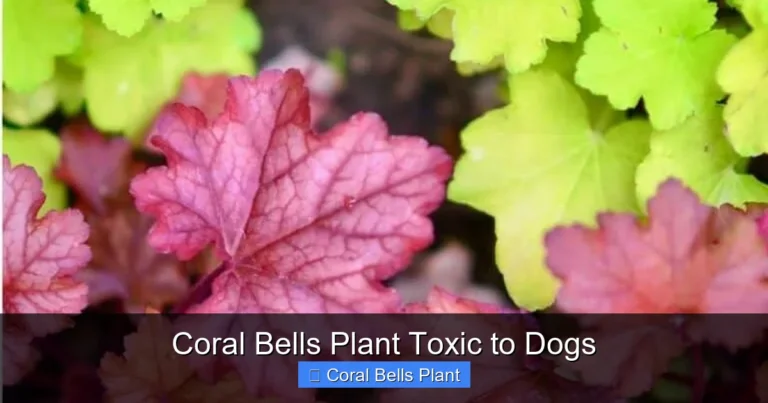
Landscaping Coral Bells Plant
Coral bells (Heuchera) are versatile perennials that bring year-round color and texture to any landscape. With foliage ranging from deep purple to bright lime green, these shade-loving plants thrive in borders, containers, and woodland gardens. This complete guide covers everything you need to know about designing, planting, and maintaining coral bells for maximum visual impact.
If you have ever walked through a garden center in spring, you have seen them. Those mounds of ruffled leaves in colors that seem impossible for nature. Deep plum. Bright caramel. Electric lime. Silver with dark veins. Coral bells stop you in your tracks. They look like jewelry for the garden.
But here is the thing. Many gardeners buy a coral bells plant, pop it in the ground, and then wonder why it struggles. Or they plant it in full sun and watch the leaves scorch. Or they tuck it into deep shade and it never really fills out. The secret to success with landscaping coral bells plant is understanding what these plants actually want. And then designing with them in mind. This guide will walk you through everything. From choosing the right variety to designing stunning combinations. From planting techniques to long-term care. Let us dig in.
Key Takeaways
- Foliage First: Coral bells are grown primarily for their stunning leaves, not their flowers, providing color from spring through winter.
- Shade Specialists: Most varieties prefer partial to full shade, making them perfect for difficult garden spots under trees or on north-facing walls.
- Endless Variety: Hundreds of cultivars exist with colors including purple, silver, caramel, lime, red, and near-black.
- Low Maintenance: Once established, coral bells need minimal care — just occasional watering, division every few years, and cleanup of old leaves.
- Great Companions: Pair with hostas, ferns, astilbe, and Japanese forest grass for layered shade garden designs.
- Container Stars: Their compact size and mounding habit make coral bells excellent for pots, window boxes, and mixed planters.
- Year-Round Interest: In mild climates, foliage stays evergreen through winter, providing structure when other perennials die back.
Quick Answers to Common Questions
Can coral bells grow in full sun?
Most coral bells prefer partial to full shade, but some varieties like ‘Caramel,’ ‘Citronelle,’ and ‘Palace Purple’ can tolerate more sun, especially in cooler climates or with consistent moisture. In hot regions, afternoon shade is essential to prevent leaf scorch.
How often should I divide coral bells?
Divide coral bells every three to four years in early spring when the center becomes woody and flowering declines. This rejuvenates the plant and gives you free plants to expand your garden or share with friends.
Why are my coral bells leaves turning brown and crispy?
Brown, crispy leaves usually indicate too much sun exposure or insufficient water. Move the plant to a shadier location, increase watering, and apply mulch to retain soil moisture. Some chartreuse varieties are especially sun-sensitive.
Do coral bells come back every year?
Yes, coral bells are hardy perennials that return year after year in USDA zones 4-9. In mild climates, they remain evergreen through winter. In colder zones, foliage may die back but the crown survives and regrows in spring.
What plants pair well with coral bells in containers?
Excellent container companions include ferns (like Japanese painted fern), trailing plants (creeping jenny, ivy), upright accents (carex, small grasses), and seasonal flowers (pansies, impatiens, ornamental kale) for year-round interest.
📑 Table of Contents
- Understanding Coral Bells: The Basics
- Choosing the Right Varieties for Your Landscape
- Designing with Coral Bells: Principles and Ideas
- Companion Planting: The Best Partners for Coral Bells
- Planting and Establishment: Getting It Right
- Ongoing Care and Maintenance
- Troubleshooting Common Problems
- Special Situations and Creative Uses
- Regional Considerations Across North America
- Advanced Design Techniques
- Propagation: Making More Plants
- Buying Guide: Selecting Healthy Plants
- Conclusion: Your Coral Bells Journey Starts Now
Understanding Coral Bells: The Basics
First, a quick botany lesson. Coral bells belong to the genus Heuchera. They are native to North America. You will find them growing wild in woodlands, on rocky cliffs, and in mountain meadows from Canada to Mexico. This tells you a lot about what they like. They are tough plants. Adaptable plants. But they have preferences.
What Makes Coral Bells Special
The leaves are the show. Each variety has its own personality. Some leaves are round and ruffled like a ball gown. Others are deeply lobed like maple leaves. The colors shift through the seasons. A variety that emerges bright red in spring might mature to deep burgundy by summer. Then take on amber tones in fall. The flowers? They are lovely. Delicate bells on wiry stems. Hummingbirds love them. But they are the supporting act. The foliage is the star.
Growth Habit and Size
Most coral bells form neat mounds. Eight to eighteen inches tall. Twelve to twenty-four inches wide. They grow from a central crown. The leaves rise on long petioles. This creates that classic fountain shape. Some varieties spread slowly by underground rhizomes. Others stay put. They are not aggressive spreaders. You will not find them taking over your garden beds.
Hardiness and Climate Adaptation
Most varieties are hardy in USDA zones 4 through 9. Some handle zone 3 with good snow cover. In hot southern climates, they need more shade. In cool northern climates, they can take more sun. The key is matching the variety to your conditions. We will talk more about that in a moment.
Choosing the Right Varieties for Your Landscape
Walk into a nursery and you might see twenty different coral bells. Or fifty. Breeders have been busy. The options can feel overwhelming. But this variety is a gift. It means there is a perfect coral bells plant for almost any situation. Let us break down the main color groups and what they bring to a design.
Purple and Red Varieties
These are the classics. ‘Palace Purple’ started the craze back in the 1980s. It is still a workhorse. Deep metallic purple leaves with a silvery overlay. ‘Obsidian’ takes it darker. Near-black leaves that hold color all season. ‘Fire Alarm’ brings true red. Bright. Glowing. These dark varieties create incredible contrast. They make chartreuse plants pop. They make white flowers glow. They add weight and sophistication to a planting.
Caramel and Amber Tones
‘Caramel’ is the name that says it all. Warm buttery gold with pink undertones. ‘Peach Flambe’ emerges bright peach, deepens to plum, then finishes amber. ‘Georgia Peach’ has large leaves with a silver overlay. These warm tones bridge the gap between cool purples and bright greens. They harmonize with brick walls. With stone paths. With autumn color in surrounding trees.
Lime and Chartreuse Varieties
Need to brighten a dark corner? ‘Lime Rickey’ delivers electric lime green. ‘Electric Lime’ is similar but larger. ‘Citronelle’ has a more yellow tone. These varieties light up shade gardens. They draw the eye. They make surrounding plants look richer by comparison. A word of caution. The brightest chartreuse varieties need more shade to prevent scorching.
Silver and Pewter Varieties
‘Silver Scrolls’ shows off metallic silver leaves with charcoal veins. ‘Appletini’ has silver leaves with a green edge. ‘Steel City’ offers pewter tones with a pink blush. Silver varieties reflect light. They glow in dappled shade. They pair beautifully with blue hostas and purple flowers. They add a modern, sophisticated feel.
Variegated and Patterned Varieties
Some coral bells have leaves that look painted. ‘Marmalade’ shows swirls of amber, pink, and gold. ‘Berry Smoothie’ has rose-pink leaves with a metallic sheen. ‘Delta Dawn’ features gold centers with red edges. These are conversation pieces. Use them as focal points. Where the eye can linger on the detail.
Sun-Tolerant Varieties
If you have a spot with more sun, look for varieties bred for tolerance. The ‘Villosa’ hybrids handle heat and humidity better. ‘Caramel’ takes more sun than most. ‘Citronelle’ does well in morning sun. ‘Palace Purple’ is surprisingly adaptable. But even sun-tolerant varieties appreciate afternoon shade in hot climates.
Designing with Coral Bells: Principles and Ideas
Now comes the fun part. Designing. Coral bells are incredibly versatile. They work in formal gardens. In cottage gardens. In modern landscapes. In woodland settings. The key is thinking about their role. Are they a groundcover? An accent? A container star? A border edger? Let us explore different design approaches.
Mass Planting for Impact
One coral bells plant is pretty. Ten create a statement. Mass planting is where these perennials shine. Choose one variety. Plant in drifts of odd numbers. Three, five, seven, nine. Space them twelve to eighteen inches apart. They will knit together into a living carpet. This works beautifully under trees. Along a shaded walkway. On a slope where grass will not grow. The effect is calm. Cohesive. Professional.
Mixed Variety Tapestries
Want more excitement? Mix varieties. But do it with intention. Choose three to five varieties. Stick to a color theme. Cool tones: purples, silvers, blues. Warm tones: caramels, ambers, golds. High contrast: dark purple next to chartreuse. Plant in loose groups. Not alternating. Not polka dots. Let them mingle. The result looks like a rich tapestry. A Persian rug made of plants.
Border and Edging Applications
Coral bells make fantastic edging plants. Their neat mounds define a bed. They hide the bare legs of taller perennials. Plant them along the front of a shade border. Space them fifteen inches apart. They will form a continuous line. The ruffled leaves soften hard edges. The color extends the season. Long after hostas go dormant, coral bells keep going.
Woodland Garden Integration
This is their native habitat. They belong here. Plant them among native ferns. Under dogwoods and redbuds. Alongside trilliums and bloodroot. Let them seed gently. They will find their happy places. The look is natural. Effortless. Ecological. This approach works best with species types or simpler cultivars. The fancy ruffled varieties can look out of place in a wild setting.
Rock Garden and Slope Planting
Remember. Coral bells grow on cliffs in the wild. They have roots that seek crevices. They tolerate lean soil. They handle drainage. This makes them perfect for rock gardens. Tuck them between stones. On a retaining wall. On a steep bank. Their crowns sit above the soil. This prevents rot. The stones keep roots cool. The effect is charming. Very European.
Container Design Strategies
Coral bells are container superstars. Their mounding habit fills a pot beautifully. They play well with others. Use them as the “filler” in thriller-filler-spiller designs. Pair a dark purple coral bells with a tall fern or grass. Add a trailing ivy or creeping jenny. Instant sophistication. Or plant a single variety in a series of matching pots. Line them up on a shaded porch. Change the display with the seasons. Add pansies in spring. Impatiens in summer. Ornamental kale in fall.
Companion Planting: The Best Partners for Coral Bells
Great garden design is about relationships. Plants that look good together. Plants that want the same conditions. Plants that take turns showing off. Coral bells have many wonderful partners. Here are the best combinations.
Hostas: The Classic Partnership
Hostas and coral bells. Peanut butter and jelly. The broad, smooth hosta leaves contrast perfectly with ruffled, textured coral bells. Blue hostas make purple coral bells glow. Gold hostas warm up silver varieties. Variegated hostas add pattern. Just match the cultural needs. Both want shade. Both want moisture. Both want rich soil. Plant hostas behind coral bells. The height difference creates layers.
Ferns: Texture Contrast
Ferns bring feathery texture. Coral bells bring bold texture. Together they create a texture symphony. Japanese painted fern echoes silver coral bells. Autumn fern picks up copper tones. Maidenhair fern adds delicate movement. Ostrich fern provides dramatic height. All thrive in the same conditions. This is a no-fail combination.
Astilbe: Seasonal Color Partners
Astilbe blooms when coral bells are just foliage. Those feathery plumes in pink, red, white, and lavender. They rise above the coral bells mound. Then astilbe foliage stays attractive after bloom. It has a similar texture. Ferny. Cut-leaf. The two plants cover each other’s quiet periods. They want the same rich, moist soil. Plant them in alternating groups.
Japanese Forest Grass: Movement and Light
Hakonechloa macra. Japanese forest grass. It flows. It cascades. It catches light. Coral bells sit firm. They hold color. Together they create stillness and motion. ‘Aureola’ grass with its gold stripes pairs with almost any coral bells. ‘All Gold’ makes a river of light. Plant grass behind or beside coral bells. Let it spill over the edge of a wall or path.
Heucherella and Tiarella: The Cousins
Heucherella (foamy bells) and Tiarella (foamflower) are close relatives. They share the same preferences. Heucherella combines coral bells foliage with foamflower flowers. Tiarella has similar leaves but more dramatic flowers. They intermingle beautifully. You can create a whole garden with just this family. The variation within the group is endless.
Spring Bulbs: Early Season Magic
Plant snowdrops, crocus, and species tulips among coral bells. The bulbs bloom early. Coral bells foliage is just emerging. By the time bulb foliage yellows, coral bells leaves cover it. Perfect timing. No unsightly dying bulb leaves. This trick works with any early spring bulbs. Daffodils too, though their foliage lasts longer.
Plants to Avoid
Some plants just do not work. Aggressive spreaders like goutweed or lily of the valley will smother coral bells. Deep shade lovers like asarum might work but offer little contrast. Full sun plants like lavender or sedum want different conditions. Think about water needs. Light needs. Growth rate. Choose companions that play nice.
Planting and Establishment: Getting It Right
You have chosen your varieties. You have designed your layout. Now you need to plant. Proper planting makes all the difference. Coral bells have one non-negotiable requirement. The crown must sit at or slightly above soil level. Bury the crown and you invite rot. Plant too high and roots dry out. Let us walk through the process.
Timing Your Planting
Spring and fall are ideal. Spring planting gives roots time to establish before summer heat. Fall planting lets roots grow in cool soil before winter. Summer planting works if you are diligent with water. Winter planting? Only in mild climates. Avoid frozen ground. Avoid extreme heat. Cloudy days are best. Late afternoon is good. Less transplant shock.
Soil Preparation
Coral bells want rich, well-drained soil. They hate wet feet. Heavy clay? Amend with compost. Lots of compost. Sandy soil? Amend with compost. Lots of compost. Compost improves everything. Work it in twelve inches deep. Add some leaf mold if you have it. Mimic the forest floor. The soil should feel loose. Crumbly. Moist but not soggy.
Spacing Guidelines
Check the label. Most varieties need twelve to eighteen inches. Larger varieties need twenty-four inches. For mass planting, space closer. For specimen planting, space wider. Think about mature size. Not pot size. It is better to plant a little far apart and fill in with annuals temporarily. Than to crowd and have to move later.
The Planting Process Step by Step
Water the plant in its pot. Let it drain. Dig a hole twice as wide as the pot. Same depth. Loosen the soil at the bottom. Gently remove the plant. Tease the roots if they are circling. Place in the hole. Check the crown level. Adjust soil underneath if needed. Backfill with amended soil. Firm gently. Do not stomp. Water thoroughly. Mulch with shredded leaves or bark. Keep mulch away from the crown. An inch gap. This prevents rot.
Aftercare for New Plants
Water deeply every two to three days for the first two weeks. Then weekly for the first season. More in heat. Less in rain. Do not fertilize at planting. Wait until spring. Or use a slow-release fertilizer at half rate. Watch for stress. Wilting in afternoon sun? Provide temporary shade. Leaves scorching? Move to more shade. New plants are vulnerable. Baby them a little.
Ongoing Care and Maintenance
Established coral bells are low maintenance. Not no maintenance. There is a difference. A little attention keeps them looking their best. Year after year. Here is what to do and when.
Watering Established Plants
Coral bells have shallow roots. They dry out faster than deep-rooted plants. In average soil, they need an inch of water per week. In sandy soil, more. In clay, less. Mulch helps enormously. Two to three inches of shredded leaves. Bark. Straw. Keep it off the crown. Water at the base. Not overhead. Wet leaves invite disease. Morning watering is best. Foliage dries quickly.
Fertilizing Schedule
Light feeders. That is the rule. Too much fertilizer makes weak growth. Soft leaves. Fewer flowers. Apply a balanced slow-release fertilizer in early spring. When new growth appears. Or top-dress with compost. An inch around the plant. Not on the crown. That is it. No summer feeding. No fall feeding. Let them harden off for winter.
Deadheading and Grooming
Remove spent flower stems. Cut them at the base. This tidies the plant. May encourage a light rebloom. More importantly, it prevents seeding. Seedlings rarely come true. They can crowd the parent. Remove damaged leaves anytime. Brown tips. Sunburned spots. Insect damage. Cut at the base. The plant will push fresh growth.
Seasonal Cleanup
In late fall, after hard frost, you have a choice. Leave the foliage. Or remove it. In cold climates, leave it. The leaves protect the crown. They catch snow. They insulate. In mild climates, remove ratty leaves. They can harbor disease. In early spring, before new growth starts, clean up everything old. Cut leaves to the ground. Be careful not to damage emerging crowns. This is the most important maintenance task.
Division: When and How
Every three to four years. The center gets woody. Flowering declines. The plant heaves out of the ground. Spring is best. Just as growth starts. Dig the whole clump. Wash off soil. Pull or cut apart. Each division needs roots and a growing point. Replant immediately. Water well. Discard the woody center. Divisions establish fast. You get free plants. Share with friends.
Winter Protection
In zones 4 and 5, add extra mulch after ground freezes. Evergreen boughs work well. Straw. Marsh hay. Do not use leaves that mat down. Remove protection gradually in spring. In zones 6 and up, usually no extra protection needed. Container plants need more help. Move pots to an unheated garage. Or sink them in the ground. Or wrap with bubble wrap. Roots in pots freeze faster.
Troubleshooting Common Problems
Even with good care, issues arise. Most are minor. Easy to fix. Here is what to watch for and what to do.
Crown Rot: The Number One Killer
Crown rot strikes when the crown stays wet. Symptoms: leaves yellow, wilt, pull away easily. Base is mushy. Smells bad. Prevention is everything. Plant high. Mulch away from crown. Water at base. Improve drainage. If caught early, dig up. Cut away rot. Dust with fungicide. Replant in fresh soil. Often it is too late. Replace the plant. Learn the lesson.
Leaf Scorch and Sunburn
Brown crispy edges. Bleached patches. Holes in leaves. The plant is getting too much sun. Or too little water. Or both. Move to more shade. Increase water. Add mulch. Some varieties are just sun-sensitive. The bright chartreuse ones. The dark purple ones in very hot climates. Know your variety. Move it if needed. Spring or fall.
Heaving: Frost Pushes Plants Up
Freeze-thaw cycles push the shallow crown out of the ground. Roots exposed. Plant dies. You see the crown sitting above soil. Fix it by pressing back down. Gently. Or add soil around the base. Mulch heavily in fall. This prevents heaving. Planting deep? No. That causes rot. Mulch is the answer.
Pests: Vine Weevils and Others
Vine weevil adults notch leaf edges. Larvae eat roots. Plant wilts mysteriously. Check for C-shaped white grubs in soil. Nematodes control larvae. Sticky traps catch adults. Slugs and snails love the tender leaves. Beer traps. Copper tape. Diatomaceous earth. Hand picking at night. Deer and rabbits? Sometimes browse. Sometimes ignore. Spray repellent if needed.
Diseases: Rust and Powdery Mildew
Rust shows as orange pustules on leaf undersides. Powdery mildew looks like white dust. Both like humidity. Poor air flow. Overhead watering. Space plants properly. Water at base. Remove affected leaves. Fungicides work if applied early. Neem oil. Copper. Sulfur. Resistant varieties help. ‘Villosa’ hybrids show good resistance.
Nutrient Deficiencies
Yellow leaves with green veins? Iron deficiency. High pH soil. Add sulfur. Chelated iron. Purple leaves on a green variety? Phosphorus deficiency. Cold soil. Will correct as soil warms. General yellowing? Nitrogen. Light feed in spring. Test soil every few years. Amend based on results. Most problems are cultural. Not nutritional.
Special Situations and Creative Uses
Coral bells are problem solvers. They fit where other plants fail. Let us look at some special situations where they shine.
Dry Shade: The Ultimate Challenge
Under big trees. Under eaves. North side of walls. Dry shade defeats most plants. Coral bells handle it better than most. Especially ‘Villosa’ hybrids. ‘Autumn Bride’ foamflower. ‘Caramel’ coral bells. They have tough roots. They compete with tree roots. Add compost at planting. Water the first year. After that, they are surprisingly drought tolerant. Not desert plants. But tough.
Black Walnut Tolerance
Black walnut trees produce juglone. A chemical that kills many plants. Coral bells are juglone tolerant. Plant them under walnuts. Where nothing else grows. This is a superpower. Use it. Combine with other tolerant plants. Hostas. Ferns. Epimedium. Hellebores. Create a garden in the “dead zone.”
Rain Gardens and Bioswales
Coral bells handle periodic flooding. They like the moisture. But they need drainage between events. Plant on the upper slopes of a rain garden. Not the bottom. Where water stands for days. They filter runoff. Their roots hold soil. They look good doing it. Choose moisture-tolerant varieties. ‘Palace Purple.’ ‘Citronelle.’ Species types.
Green Roofs and Living Walls
Shallow roots. Drought tolerance. Wind resistance. Coral bells work on extensive green roofs. Three to six inches of soil. Choose compact varieties. ‘Petite Pearl Fairy.’ ‘Little Cutie’ series. They stay small. They survive extremes. On living walls, they add texture. Plant in pockets. With sedums. With grasses. Irrigation helps.
Cut Foliage for Arrangements
Yes, you can cut the leaves. They last two weeks in a vase. Cut stems at an angle. Put in water immediately. Use in autumn arrangements. With pumpkins. With bittersweet. With dried hydrangeas. The colors are sophisticated. The texture is unique. Do not take more than a third of the plant. It needs leaves for photosynthesis.
Pollinator and Wildlife Value
Hummingbirds visit the flowers. Bees too. Small native bees. The flowers are not showy to us. But they are rich in nectar. Plant in groups for better pollinator attraction. Leave some flower stems. Do not deadhead everything. The seeds feed birds. The foliage shelters insects. A coral bells planting is a tiny ecosystem.
Regional Considerations Across North America
North America is huge. What works in Seattle fails in Phoenix. What thrives in Atlanta rots in Minnesota. Let us break down regional advice.
Pacific Northwest: Coral Bells Heaven
Cool summers. Mild winters. Abundant moisture. Acidic soil. This is coral bells paradise. Almost any variety works. Full sun near the coast. Part shade inland. Slugs are the main pest. Drainage is key in heavy winter rain. Plant on mounds. In raised beds. Mulch with compost. Divide every three years. They grow fast here.
Northeast and Midwest: Four Seasons Tough
Cold winters. Hot humid summers. Clay soil. Choose hardy varieties. ‘Palace Purple.’ ‘Obsidian.’ ‘Caramel.’ Villosa hybrids. Mulch heavily for winter. Wait to clean up until spring. Watch for heaving. Improve clay with compost. Provide afternoon shade. Water during summer droughts. They thrive with care.
Southeast: Heat and Humidity
This is the hardest region. Heat. Humidity. Heavy soil. Fungal diseases. Choose Villosa hybrids. ‘Autumn Bride.’ ‘Mocha.’ ‘Caramel.’ ‘Citronelle.’ Plant in bright shade. Morning sun only. Excellent drainage is non-negotiable. Raised beds. Slopes. Space widely for air flow. Water at base only. Accept some summer decline. They rebound in fall.
Southwest: Arid Challenges
Low humidity. Intense sun. Alkaline soil. Coral bells struggle here. But not impossible. Choose heat-tolerant varieties. Plant in full shade. North side of structures. Amend soil heavily with organic matter. Use drip irrigation. Mulch thickly. Expect smaller plants. Shorter lifespan. Treat as short-term perennials. Or grow in containers you can move.
Mountain West: High Altitude Adaptation
Intense UV. Rapid temperature swings. Lean soil. Short season. Native species thrive. Heuchera parvifolia. Heuchera hallii. Cultivars from native stock. ‘Snow Angel.’ ‘Petite Pearl Fairy.’ Plant in part shade. Protected from wind. Mulch with gravel. Not organic mulch. It blows away. Water deeply but infrequently. They are tough here.
California: Mediterranean Climate
Wet winters. Dry summers. Coastal cool. Inland heat. Coastal gardeners have it easy. Part shade. Regular water. Almost any variety. Inland gardeners need heat-tolerant types. Villosa hybrids. Species from southern ranges. Heuchera maxima. Heuchera sanguinea. Summer dormancy is natural. Do not overwater in summer. Let them rest.
Advanced Design Techniques
Ready to level up? These techniques separate good gardens from great ones. They require planning. Patience. But the results are magazine-worthy.
Color Echoing Through the Garden
Pick a color from your coral bells. Repeat it elsewhere. Dark purple coral bells? Plant purple-leafed shrubs nearby. Ninebark ‘Diabolo.’ Smokebush ‘Royal Purple.’ Chartreuse coral bells? Echo with gold hostas. Golden Japanese forest grass. Golden creeping jenny. The eye moves. The garden feels unified. Intentional. Not accidental.
Seasonal Succession Planning
Coral bells are evergreen-ish. But they have quiet times. Plan for them. Spring bulbs bloom early. Coral bells emerge. Astilbe blooms early summer. Coral bells foliage peaks. Hostas take center stage mid-summer. Coral bells hold steady. Fall color in trees echoes coral bells tones. Winter structure from evergreen foliage. The garden always has a star.
Creating Focal Points with Specimens
One spectacular plant. In a prominent spot. A large ‘Marmalade’ in a blue ceramic pot. On a pedestal. At a path junction. Lit from below at night. Surround with simple green foliage. Ferns. Pachysandra. Let the specimen shine. Do not clutter. One star. Good supporting cast.
Designing for Winter Interest
In mild winters, coral bells are stars. Dark leaves against snow. Silver leaves catching frost. Plant where you see them from windows. Near entries. Along driveways. Combine with evergreen sedges. Carex ‘Ice Dance.’ Carex ‘Evergold.’ Add winter-blooming hellebores. The winter garden comes alive.
Using Coral Bells in Formal Designs
Symmetry. Repetition. Geometry. Coral bells work formally. Plant in a grid. In a knot garden. As edging for boxwood hedges. Choose varieties with clean habits. ‘Obsidian.’ ‘Palace Purple.’ ‘Silver Scrolls.’ Maintain rigorously. Remove every damaged leaf. The effect is crisp. Modern. Unexpected for a “cottage plant.”
Propagation: Making More Plants
Coral bells are easy to propagate. Three main methods. Division we covered. Seed and leaf cuttings are the others.
Growing from Seed
Seed is fun. But seedlings vary. They will not match the parent. Unless it is a species. Collect seed when pods split. Sow fresh. Or store cool and dry. Surface sow on moist mix. Light helps germination. Keep humid. Warm. Germination in two to six weeks. Prick out seedlings. Grow on. Plant out next spring. You might discover something amazing. Most will be muddy green. But the lottery is fun.
Leaf Cuttings: The Pro Method
This works. Take a leaf with a bit of petiole. Dip in rooting hormone. Stick in moist perlite. Cover with a bag. Bright indirect light. Roots in four to six weeks. Pot up. This produces clones. Exact copies. Great for rare varieties. For sharing. For building numbers for a mass planting. It feels like magic.
Tissue Culture: Commercial Scale
This is how nurseries produce millions. Meristem culture. Sterile lab conditions. Virus-free plants. Uniform plants. Not for home gardeners. But good to know. The plants you buy are likely tissue cultured. They are clean. Vigorous. True to type. Worth the price.
Buying Guide: Selecting Healthy Plants
At the nursery, you face rows of pots. How to choose? What to avoid? Here is your checklist.
What to Look For
Full, symmetrical growth. No bare centers. Leaves clean. No spots. No holes. No yellowing. Crown firm at soil level. Not buried. Not exposed. Roots visible at drainage holes. White. Firm. Not circling heavily. Label matches the plant. Variety name. Patent number if applicable. Zone rating. Size at maturity.
Red Flags
Weeds in the pot. Moss on soil surface. Sour smell. Mushy crown. Leggy growth. Pale color. Insects on leaf undersides. Webbing. Sticky residue. Roots brown and mushy. Pot extremely light (dry) or heavy (waterlogged). Clearance rack plants? Sometimes bargains. Often problems. Know what you are buying.
Mail Order vs. Local Nursery
Local nursery: See before you buy. Immediate planting. Support local business. Limited selection. Mail order: Huge selection. Rare varieties. Shipped bare root or in plugs. Spring or fall shipping. Must plant immediately. Risk of shipping stress. Both work. Many gardeners use both. Local for common varieties. Mail order for treasures.
Size Matters: Quart vs. Gallon vs. Plug
Quart pots: Good value. Establish fast. Full season to fill out. Gallon pots: Instant impact. More expensive. Watch for root-bound plants. Plugs: Cheap. Need a year to size up. Good for mass planting. Order in bulk. Grow on in nursery bed. Plant out next season. Match the size to your budget and timeline.
Conclusion: Your Coral Bells Journey Starts Now
We have covered a lot of ground. From the basics of what coral bells are. To choosing varieties. Designing with them. Planting. Caring. Troubleshooting. Propagating. Buying. Regional nuances. Advanced design. That is a complete education. But knowledge is not a garden. Action is.
Start small. Buy three plants. One dark. One light. One warm. Plant them where you will see them daily. Watch them through the seasons. Learn their rhythms. Move them if they are unhappy. Divide them when they are ready. Share divisions with neighbors. Try a new variety each year. Before you know it, you are the coral bells person on your street. The one with the garden that glows in shade. The one who knows the difference between ‘Caramel’ and ‘Georgia Peach’ at twenty paces.
Coral bells reward attention. They reward patience. They reward the gardener who understands that foliage is forever. Flowers are fleeting. But those ruffled leaves? They are there when you need them. In the gray of February. In the heat of July. In the gold of October. They are reliable friends. Colorful companions. Design workhorses.
So go ahead. Plant that coral bells plant. Or five. Or fifty. Your shade garden is waiting. Your containers are empty. Your border needs edging. The possibilities are endless. The colors are stunning. The satisfaction is real. Welcome to the world of Heuchera. You are going to love it here.
Frequently Asked Questions
How deep should I plant coral bells?
Plant coral bells with the crown at or slightly above soil level. Burying the crown leads to rot, while planting too high exposes roots. The crown should be visible at the soil surface after planting and watering in.
When is the best time to plant coral bells?
Spring and fall are ideal planting times. Spring allows roots to establish before summer heat, while fall planting takes advantage of cool, moist conditions. Avoid planting during summer heat waves or when the ground is frozen.
Do coral bells need fertilizer?
Coral bells are light feeders. Apply a balanced slow-release fertilizer in early spring when new growth emerges, or top-dress with an inch of compost. Avoid over-fertilizing, which causes weak growth and reduces hardiness.
Can I grow coral bells indoors as houseplants?
Coral bells can grow indoors temporarily but prefer outdoor conditions. They need bright indirect light, cool temperatures, high humidity, and a winter dormancy period. They perform much better as garden plants or in outdoor containers.
Why is my coral bells plant dying in the center?
A dying center usually indicates the plant needs division. After three to four years, the crown becomes woody and less productive. Dig the plant in spring, discard the woody center, and replant the vigorous outer sections.
Are coral bells deer resistant?
Coral bells are generally deer resistant due to their fuzzy leaves and astringent taste. However, hungry deer may browse them, especially in winter or during drought. Use repellents or fencing in high-deer-pressure areas for guaranteed protection.