Best Place to Plant Coral Bells
Choosing the best place to plant coral bells means matching their love of partial shade, well‑drained soil, and good air flow. With the right spot, these perennials reward you with colorful leaves all season.
Coral bells, also known as heuchera, are a garden favorite for their ruffled foliage and long‑lasting color. Picking the best place to plant coral bells can feel like a puzzle, but once you understand their simple needs the decision becomes easy. In this guide I walk you through light, soil, moisture, spacing, and seasonal care so you can give these perennials the perfect home.
I have grown coral bells in several zones and learned that a little planning goes a long way. Whether you are tucking them into a woodland border, a container on a patio, or a mixed perennial bed, the same core principles apply. Let’s dive in.
Key Takeaways
- Partial shade is ideal: Coral bells thrive with morning sun and afternoon shade.
- Well‑drained soil prevents rot: Amend heavy clay with compost or sand.
- Consistent moisture, not soggy: Water deeply but let the top inch dry between waterings.
- Space plants 12‑18 inches apart: Good air circulation reduces disease risk.
- Mulch to conserve moisture: A 2‑inch layer of shredded bark works well.
- Fertilize lightly in spring: Use a balanced, slow‑release formula.
- Divide every 3‑4 years: Keeps clumps vigorous and prevents center die‑back.
Quick Answers to Common Questions
What is the ideal light condition for coral bells?
Morning sun with afternoon shade provides the ideal light for most coral bells.
How often should I water coral bells?
Water deeply once a week, increasing frequency during hot, dry periods.
Can coral bells grow in full shade?
Yes, many dark‑leaf varieties tolerate full shade, though colors may be less intense.
When is the best time to divide coral bells?
Early spring or early fall are the best times to divide established clumps.
What type of mulch works best for coral bells?
Shredded bark, pine straw, or leaf mold applied 2 inches deep works well.
📑 Table of Contents
- Understanding Coral Bells (Heuchera) Basics
- Light Requirements: Finding the Sweet Spot
- Soil Preferences and Preparation
- Moisture, Drainage, and Mulching
- Spacing, Air Flow, and Companion Planting
- Seasonal Care and Long‑Term Success
- Putting It All Together: Your Checklist for the Best Place to Plant Coral Bells
Understanding Coral Bells (Heuchera) Basics
What makes coral bells unique
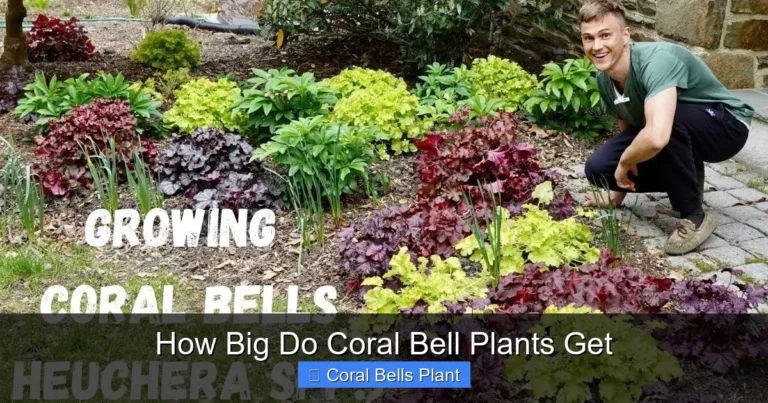
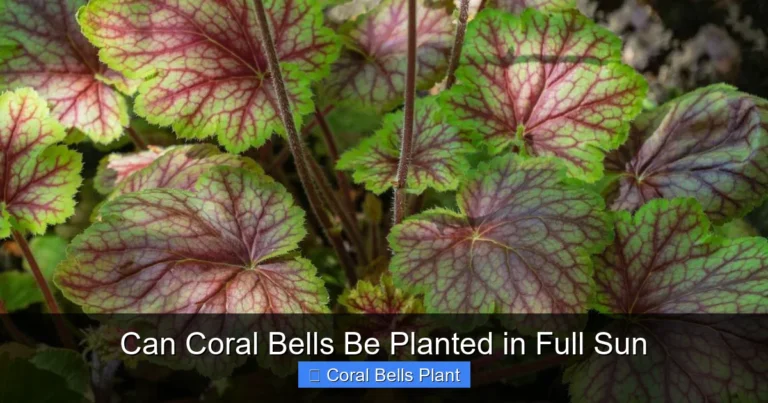
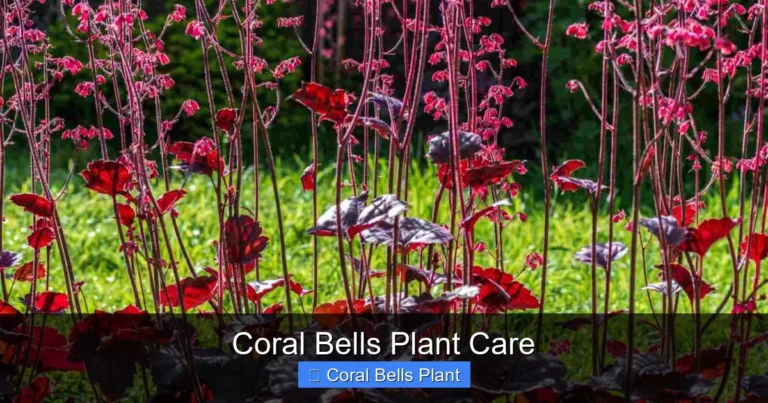
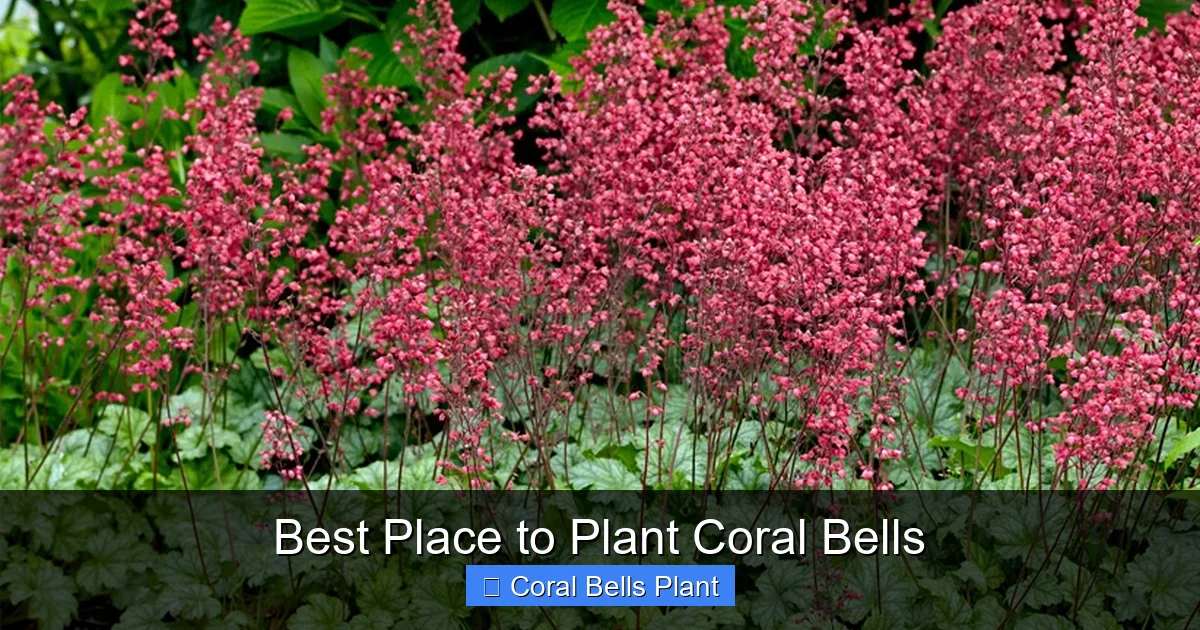
Coral bells are prized for their foliage, which ranges from deep burgundy to bright chartreuse. The flowers are delicate spikes that appear in late spring, but the leaves steal the show all year. They are hardy in USDA zones 4‑9, making them versatile for many climates.
Growth habit and size
Most varieties form a mound 12‑18 inches tall and wide. Some newer cultivars stay more compact, while others spread a bit wider. Knowing the mature size helps you decide spacing later.
Why location matters
The best place to plant coral bells balances light, drainage, and air flow. Get one of these wrong and you may see leaf scorch, crown rot, or powdery mildew. Get them right and the plants reward you with vivid color for years.
Light Requirements: Finding the Sweet Spot
Morning sun, afternoon shade
Coral bells love bright light but they do not tolerate harsh, direct afternoon sun in hot climates. A spot that receives 3‑4 hours of gentle morning light followed by dappled shade is ideal. In cooler regions they can handle a bit more sun, but watch for leaf bleaching.
Full shade options
Deep shade works for many dark‑leaf varieties, though growth may be slower and colors less intense. If you only have a shady corner, choose cultivars bred for low light such as ‘Palace Purple’ or ‘Obsidian’.
Signs of too much or too little light
Leaves that turn pale or develop brown edges usually signal excess sun. Conversely, leggy stems and dull color indicate insufficient light. Adjust placement or add a light‑filtering fabric if needed.
Soil Preferences and Preparation
Well‑drained, humus‑rich soil
The best place to plant coral bells has soil that drains quickly yet holds enough moisture for steady growth. A loamy mix enriched with compost hits the sweet spot. Heavy clay should be amended with coarse sand or fine bark to improve drainage.
pH considerations
Heucheras prefer slightly acidic to neutral pH, roughly 6.0‑7.0. A simple soil test tells you where you stand. If the soil is too alkaline, work in elemental sulfur or peat moss to lower the pH gradually.
Preparing the planting hole
Dig a hole twice as wide as the root ball and just as deep. Mix the excavated soil with compost at a 1:1 ratio. Place the plant so the crown sits at soil level, backfill, and firm gently. Water thoroughly to settle the soil around the roots.
Moisture, Drainage, and Mulching
Consistent moisture without waterlogging
Coral bells like evenly moist soil, especially during their first growing season. Water deeply once a week, more often in extreme heat. Check the top inch of soil; if it feels dry, it’s time to water.
Improving drainage
If water pools after rain, consider raising the bed slightly or adding a layer of gravel at the bottom of the planting hole. Good drainage prevents crown rot, the most common cause of plant loss.
Mulch benefits
A 2‑inch layer of shredded bark, pine straw, or leaf mold conserves moisture, suppresses weeds, and keeps soil temperature stable. Keep mulch a few inches away from the crown to avoid excess moisture against the stem.
Spacing, Air Flow, and Companion Planting
Proper spacing for health
Space plants 12‑18 inches apart, depending on the mature width of the variety. Adequate spacing promotes air circulation, which reduces the risk of fungal diseases like powdery mildew.
Companion plants that play nice
Coral bells pair beautifully with hostas, ferns, astilbes, and shade‑tolerant grasses. Their foliage contrasts nicely with the broad leaves of hostas and the airy texture of ferns. Avoid aggressive spreaders that could crowd the crowns.
Container considerations
When planting in pots, choose a container at least 12 inches wide with drainage holes. Use a high‑quality potting mix amended with perlite. Position the pot where it receives morning sun and afternoon shade, and water more frequently than in‑ground plants.
Seasonal Care and Long‑Term Success
Spring wake‑up
As new growth emerges, apply a light feeding of balanced, slow‑release fertilizer. Remove any dead foliage from winter to improve air flow. This is also a good time to divide crowded clumps.
Summer maintenance
Keep up with regular watering during dry spells. Deadhead spent flower spikes to encourage a tidy appearance, though the foliage remains the main attraction. Watch for aphids or spider mites; a strong spray of water often clears them.
Fall preparation
In late fall, cut back any damaged leaves and apply a fresh layer of mulch for winter protection. In colder zones, a light covering of evergreen boughs can shield the crowns from freeze‑thaw cycles.
Dividing every few years
Every 3‑4 years, lift the clump in early spring or fall. Use a sharp spade to separate the root mass into sections, each with several healthy shoots. Replant divisions at the same depth, water well, and mulch. Division rejuvenates the plant and gives you more coral bells for other garden spots.
Putting It All Together: Your Checklist for the Best Place to Plant Coral Bells
Before you dig, run through this quick checklist:
- Choose a site with morning sun and afternoon shade.
- Test soil drainage; amend heavy clay with compost and sand.
- Adjust pH to 6.0‑7.0 if needed.
- Space plants 12‑18 inches apart for good air flow.
- Apply a 2‑inch mulch layer, keeping it off the crown.
- Water deeply once a week, more in heat.
- Fertilize lightly in spring with a slow‑release formula.
- Divide clumps every 3‑4 years to maintain vigor.
Follow these steps and you’ll create the best place to plant coral bells in your garden. The reward is a tapestry of color that persists from early spring through late fall, with minimal fuss.
Happy planting! If you have any questions, feel free to drop them in the comments below.
Frequently Asked Questions
Do coral bells need fertilizer every year?
A light application of balanced, slow‑release fertilizer in spring is sufficient; over‑fertilizing can cause weak growth.
Are coral bells deer resistant?
Yes, coral bells are generally deer resistant because their foliage is unpalatable to most browsers.
Can I grow coral bells in containers year‑round?
In zones 5‑9 they can stay outdoors in pots with proper winter protection; in colder zones move containers to a sheltered spot.
What pests commonly affect coral bells?
Aphids, spider mites, and slugs are the most common pests; regular inspection and water sprays keep them in check.
How do I prevent crown rot in coral bells?
Ensure excellent drainage, avoid burying the crown, and keep mulch away from the stem base.
Will coral bells spread aggressively?
They form clumps and do not spread by runners; division every few years controls size and vigor.