Black Coral Bells Plant
The black coral bells plant (Heuchera ‘Black Pearl’ and similar cultivars) offers dramatic, near-black foliage that adds bold contrast to shade gardens year-round. This low-maintenance perennial thrives in partial shade with well-draining soil and produces delicate flower spikes in summer. Perfect for borders, containers, and woodland gardens.
If you have ever walked through a shade garden and spotted a plant that looks like it was dipped in midnight ink, you probably met the black coral bells plant. This stunning perennial has become a superstar in the gardening world over the past decade. Its deep, dramatic foliage creates instant sophistication in any planting scheme. I remember the first time I saw one at a local nursery. The leaves were so dark they almost looked artificial. That plant came home with me that day and it has been a garden anchor ever since.
The black coral bells plant belongs to the Heuchera genus, a group native to North America. Plant breeders have worked magic with these natives, developing cultivars with foliage colors ranging from lime green to caramel to the deepest purple-black imaginable. The black varieties are particularly prized because true black foliage is rare in the plant kingdom. Most “black” plants are actually very deep purple or burgundy. But in the garden, they read as black and that creates powerful design opportunities. Whether you are a seasoned gardener or just starting out, this plant deserves a spot in your landscape.
Key Takeaways
- Striking foliage: The black coral bells plant features deep purple to near-black leaves with ruffled edges that hold color all season
- Shade lover: Thrives in partial to full shade making it perfect for difficult garden spots under trees or on north-facing walls
- Low maintenance: Requires minimal care once established with just occasional watering and annual cleanup
- Year-round interest: Evergreen in mild climates providing winter structure when other plants die back
- Versatile design: Works beautifully in containers, borders, rock gardens, and as ground cover
- Pollinator friendly: Summer flower spikes attract hummingbirds and beneficial insects
- Deer resistant: Generally avoided by deer and rabbits making it reliable in wildlife-prone areas
Quick Answers to Common Questions
What is the best location to plant black coral bells plant?
Plant in partial shade with morning sun and afternoon shade. Well-draining soil rich in organic matter is essential. Avoid low spots where water collects.
How often should I water black coral bells plant?
Water deeply when the top inch of soil feels dry. New plants need more frequent watering. Established plants tolerate brief dry spells but look best with consistent moisture.
When should I divide my black coral bells plant?
Divide in spring or fall every 3-4 years when the center becomes woody or flowering decreases. Replant divisions at the same depth and water well.
Why are the leaves on my black coral bells plant turning brown?
Brown edges usually indicate too much sun or insufficient water. Move to a shadier location or increase watering. Remove damaged leaves to improve appearance.
Is black coral bells plant deer resistant?
Yes, the black coral bells plant is generally deer and rabbit resistant due to its tough, astringent foliage. However, very hungry animals may still browse young growth.
📑 Table of Contents
- Understanding the Black Coral Bells Plant
- Ideal Growing Conditions
- Planting Your Black Coral Bells Plant
- Seasonal Care and Maintenance
- Design Ideas and Companion Plants
- Common Problems and Solutions
- Propagation Methods
- Buying Guide: Choosing Healthy Plants
- Frequently Asked Questions About Black Coral Bells Plant
Understanding the Black Coral Bells Plant
What Makes It Special
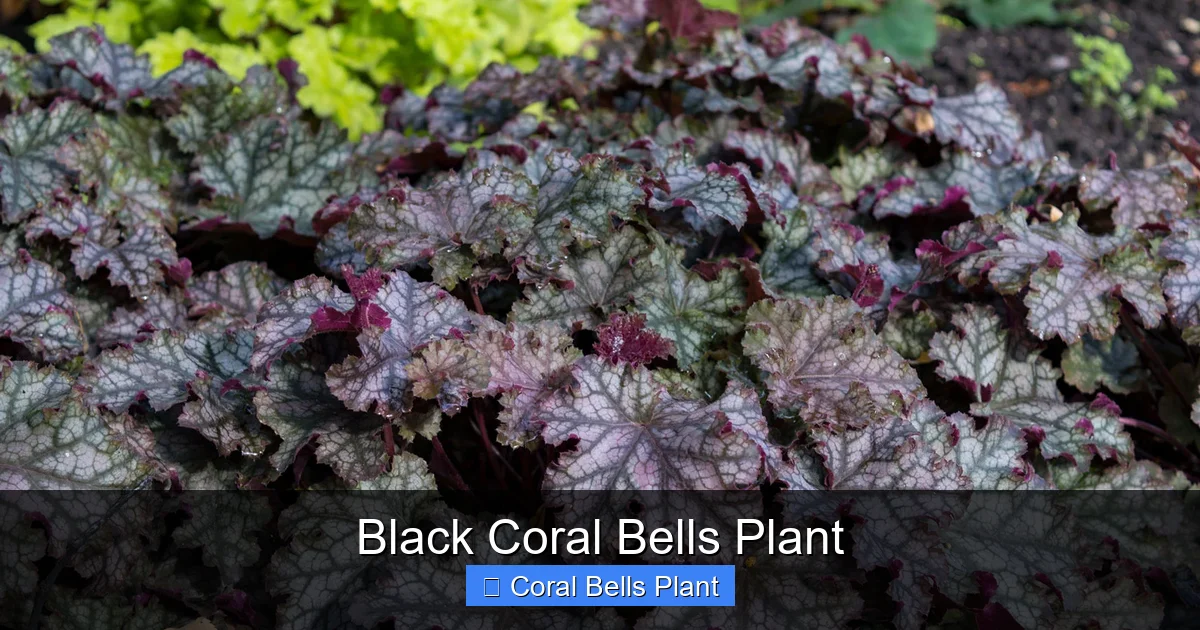
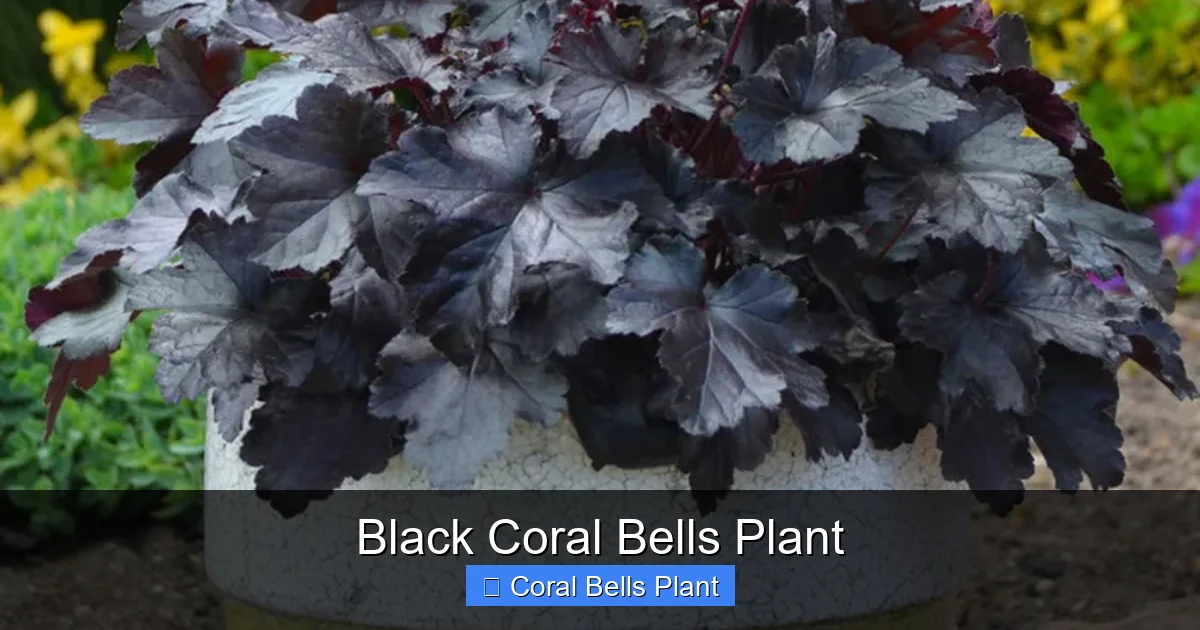
The black coral bells plant stands out for its foliage first and foremost. The leaves emerge in spring with a glossy, almost lacquered appearance. They are deeply lobed with ruffled edges that catch light beautifully. As the season progresses, the color deepens. In full shade, the leaves maintain a rich purple-black hue. In more sun, they may show hints of burgundy or dark chocolate. The foliage forms a neat mound typically 8 to 12 inches tall and 12 to 18 inches wide.
But the black coral bells plant is not just a pretty face. It is remarkably tough. These plants handle heat and humidity better than many older Heuchera varieties. They also have good resistance to foliar diseases like powdery mildew. The breeding work that produced the darkest cultivars also selected for vigor and garden performance. That means you get dramatic looks without prima donna behavior.
Popular Cultivars to Know
Several outstanding black coral bells plant cultivars grace garden centers today. ‘Black Pearl’ is perhaps the most famous, with intensely ruffled, jet-black leaves that form a dense mound. ‘Obsidian’ was one of the first truly black varieties and remains a reliable performer with slightly glossy leaves. ‘Blackout’ offers large, rounded leaves of deep purple-black. ‘Midnight Rose’ adds a twist with pink speckles on dark foliage. ‘Dark Secret’ features large, glossy leaves with a metallic sheen.
Each cultivar has subtle differences in leaf shape, ruffling, and exact color tone. Some are more compact while others spread wider. When shopping, read the plant tag for mature size and habit. This helps you choose the right black coral bells plant for your specific space. Local nurseries often carry varieties proven to perform well in your region. That regional adaptation can make a big difference in long-term success.
Ideal Growing Conditions
Light Requirements
The black coral bells plant prefers partial shade. Morning sun with afternoon shade is ideal. In cooler northern climates, it can tolerate more sun, even full sun if moisture is consistent. In hot southern regions, full shade is often best to prevent leaf scorch. The key is watching your plant. If leaves develop brown crispy edges, it is getting too much sun. If the plant becomes leggy and the color fades to greenish, it needs more light.
Visual guide about Black Coral Bells Plant
Image source: cdn11.bigcommerce.com
One of the great advantages of the black coral bells plant is its adaptability. It grows well under deciduous trees where it gets spring sun before leaves emerge, then summer shade. It thrives on the north side of buildings. It handles dappled light through tree canopies beautifully. This versatility makes it a problem-solver for those tricky spots where sun-loving plants fail and deep-shade plants sulk.
Soil Preferences
Well-draining soil is non-negotiable for the black coral bells plant. These plants hate wet feet, especially in winter. Heavy clay soil should be amended with compost, leaf mold, or coarse sand to improve drainage. The ideal soil is rich in organic matter with a slightly acidic to neutral pH between 6.0 and 7.0. If you are unsure about your soil, a simple test kit from the garden center gives valuable information.
Raised beds are excellent for the black coral bells plant if your native soil is poor. Containers work beautifully too. Use a high-quality potting mix designed for perennials, not garden soil. Add some perlite or coarse sand to the mix for extra drainage. The crown of the plant, where leaves meet roots, should sit at or slightly above soil level. Planting too deep leads to crown rot, the number one killer of these otherwise tough plants.
Water Needs
Consistent moisture keeps the black coral bells plant looking its best. Water deeply when the top inch of soil feels dry. Newly planted specimens need more frequent watering until established, usually the first growing season. Once established, they have moderate drought tolerance but perform better with regular water during dry spells. Mulch with shredded leaves, bark, or compost to conserve moisture and keep roots cool.
Avoid overhead watering late in the day. Wet foliage overnight encourages fungal diseases. Drip irrigation or soaker hoses are ideal. If you must use a sprinkler, run it in the morning so leaves dry quickly. The black coral bells plant appreciates humidity but not wet leaves. In containers, check moisture daily during hot weather. Pots dry out much faster than ground soil.
Planting Your Black Coral Bells Plant
When to Plant
Spring and fall are the best times to plant the black coral bells plant. Spring planting gives the roots all summer to establish before winter. Fall planting works well in zones 6 and warmer, with at least six weeks before the ground freezes. Summer planting is possible but requires diligent watering. Winter planting should be avoided in cold climates.
I prefer fall planting in my zone 6 garden. The soil is still warm, encouraging root growth, but the air is cooler so the plant experiences less transplant shock. Rainfall is usually more reliable in autumn too. By spring, the plant is ready to take off. If you buy a black coral bells plant in summer, keep it in its pot in a shady spot and plant in early fall.
Step-by-Step Planting Guide
Start by preparing the planting area. Loosen soil to a depth of 12 inches in an area twice as wide as the root ball. Mix in compost at a ratio of one part compost to two parts native soil. This improves drainage and provides slow-release nutrients. Dig a hole the same depth as the pot but twice as wide.
Gently remove the black coral bells plant from its container. If roots are circling the bottom, tease them apart with your fingers. Place the plant in the hole so the crown sits at soil level. Backfill with your amended soil, firming gently around the roots. Water thoroughly to settle the soil and eliminate air pockets. Apply a two-inch layer of mulch, keeping it away from the crown. Water again the next day and then as needed to keep soil evenly moist.
Spacing Considerations
Space black coral bells plant specimens 12 to 18 inches apart depending on the cultivar’s mature width. For a ground cover effect, plant closer at 10 to 12 inches. In containers, one plant per 12-inch pot works well. They also combine beautifully with other shade perennials. Allow enough room for air circulation between plants. Good airflow reduces disease pressure and lets each plant show off its form.
Seasonal Care and Maintenance
Spring Care
Spring is cleanup time for the black coral bells plant. Remove any winter-damaged leaves by cutting them at the base. Be careful not to damage the crown. If the plant has heaved out of the ground due to freeze-thaw cycles, gently press it back down and add soil around the crown. Apply a light feeding of balanced slow-release fertilizer or a top dressing of compost. This fuels the fresh flush of growth.
Watch for slugs and snails in spring. They love the tender new leaves of the black coral bells plant. Beer traps, diatomaceous earth, or pet-safe slug baits keep them in check. Spring is also a good time to divide established clumps if they have become woody in the center or lost vigor. Division every three to four years rejuvenates the plant.
Summer Care
Summer brings the flower spikes of the black coral bells plant. Delicate stems rise above the foliage bearing tiny bell-shaped flowers in white, pink, or cream. They attract hummingbirds and make charming cut flowers. Deadhead spent flower stems to keep the plant tidy and redirect energy to foliage. Some gardeners remove flower stems entirely, preferring the foliage-only look.
Water consistently during dry spells. The black coral bells plant has shallow roots and feels drought stress quickly. Mulch helps tremendously. Check for signs of stress like wilting or leaf curling. In extreme heat, even shade plants may need afternoon misting to increase humidity. Avoid fertilizing in summer. Late-season growth may not harden off before winter.
Fall and Winter Care
Fall is the time to prepare the black coral bells plant for winter. Stop fertilizing by late summer. Clean up fallen leaves around the plant to prevent fungal issues. In cold climates (zones 4-5), apply a protective mulch of straw or evergreen boughs after the ground freezes. This prevents heaving. Do not cut back foliage in fall. The leaves protect the crown through winter.
In mild climates, the black coral bells plant stays evergreen all winter. In colder zones, foliage may die back but the crown survives. Resist the urge to clean up too early in spring. The old leaves provide insulation. Wait until you see new growth emerging at the base before removing last year’s foliage. This patience pays off in healthier plants.
Design Ideas and Companion Plants
Creating Contrast
The black coral bells plant is a design powerhouse because dark foliage creates instant contrast. Pair it with chartreuse or gold foliage plants for high drama. Japanese forest grass ‘Aureola’, golden creeping Jenny, or ‘Sum and Substance’ hosta make the black leaves pop. Silver foliage plants like Japanese painted fern, brunnera ‘Jack Frost’, or lamb’s ears create a sophisticated moonlit effect.
White flowers shine against the black coral bells plant. Try white astilbe, white bleeding heart, or white foamflower. Pink flowers also work beautifully. Pink turtlehead, pink Japanese anemone, or pink hellebore create a romantic combination. For a modern look, combine with architectural plants like carex ‘Ice Dance’ or black mondo grass. The texture contrast is as compelling as the color contrast.
Container Combinations
The black coral bells plant excels in containers. Its mounding habit fills a pot beautifully without overwhelming companions. For a shade container, try black coral bells plant as the “filler” with a tall fern or carex as the “thriller” and trailing creeping Jenny or ivy as the “spiller.” Use a light-colored pot to showcase the dark foliage. Glazed ceramic in cream, turquoise, or chartreuse makes the plant look like a jewel.
In mixed containers, the black coral bells plant plays well with annuals like impatiens, begonias, or coleus. Choose coleus varieties with lime or pink markings to echo the Heuchera’s undertones. For a fall container, combine with ornamental kale, pansies, and small pumpkins. The black coral bells plant provides the anchor that holds the seasonal display together.
Garden Styles
The black coral bells plant fits many garden styles. In a woodland garden, it naturalizes beautifully among ferns and wildflowers. In a formal shade garden, its neat habit suits symmetrical plantings. In a modern minimalist garden, mass plantings create a living carpet of dark texture. In a cottage garden, it adds sophistication among roses and perennials.
Rock gardens benefit from the black coral bells plant too. Tuck it into crevices where soil accumulates. The ruffled leaves soften hard edges. It works on slopes where its fibrous roots help hold soil. In a rain garden, place it on the upper edges where soil stays moist but not saturated. The versatility of this plant is truly remarkable.
Common Problems and Solutions
Crown Rot
Crown rot is the most serious threat to the black coral bells plant. It occurs when the crown stays wet, especially in winter. Symptoms include mushy crown tissue, foul odor, and sudden plant collapse. Prevention is everything. Plant high, ensure excellent drainage, and avoid mulch against the crown. If caught early, you can sometimes save the plant by digging it up, cutting away rotted tissue, dusting with fungicide, and replanting in fresh, well-draining soil.
Leaf Scorch
Brown, crispy leaf edges indicate too much sun or not enough water. The black coral bells plant in full sun needs constant moisture. Move the plant to a shadier spot if possible. If not, increase watering and provide temporary shade cloth during heat waves. Damaged leaves will not recover but new growth will be fine if conditions improve.
Heuchera Rust
This fungal disease appears as orange pustules on leaf undersides. It spreads in humid conditions with poor air circulation. Remove affected leaves immediately. Improve spacing between plants. Water at the base, not overhead. Fungicides labeled for rust can help in severe cases. Choose resistant cultivars when buying new plants.
Vine Weevils
Adult vine weevils notch leaf edges at night. Larvae feed on roots, causing wilting and plant death. Check for notched leaves. At night, shake plants over a sheet to catch adults. Beneficial nematodes applied to soil control larvae. This pest is more common in containers and mild climates.
Deer and Rabbit Resistance
The black coral bells plant is generally deer and rabbit resistant due to its tough, astringent foliage. However, hungry animals may sample anything. In high-pressure areas, use repellents or physical barriers. New growth in spring is most vulnerable. Protect young plants until established.
Propagation Methods
Division
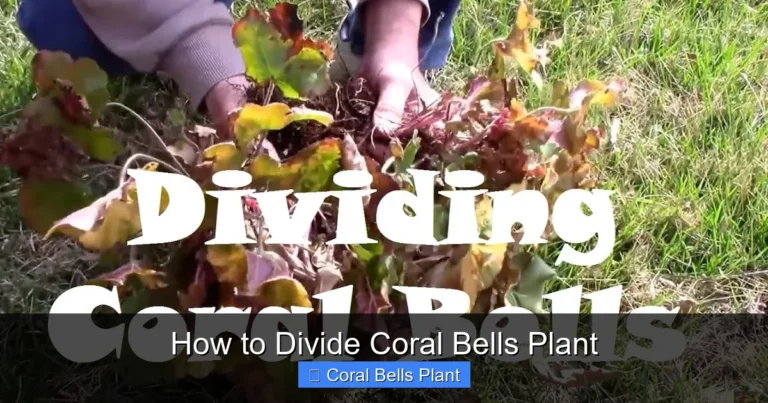
Division is the easiest way to propagate the black coral bells plant. Do it in spring or fall. Dig up the entire clump. Gently pull or cut apart into sections, each with roots and several growth points. Discard the woody center if present. Replant divisions immediately at the same depth. Water well and mulch. Divisions establish quickly and bloom the same season.
Leaf Cuttings
Leaf cuttings work but take longer. In spring, remove a healthy leaf with a short piece of stem attached. Dip the stem in rooting hormone. Insert into moist perlite or sand. Cover with a plastic bag to maintain humidity. Place in bright indirect light. Roots form in 4-6 weeks. Pot up and grow on before planting out.
Seed
Growing black coral bells plant from seed is possible but cultivars will not come true. Seedlings vary widely. If you want to experiment, collect seed pods when dry. Sow on the surface of moist seed-starting mix. Do not cover, light aids germination. Keep at 65-70°F. Germination takes 2-8 weeks. Transplant seedlings when they have true leaves.
Buying Guide: Choosing Healthy Plants
What to Look For
When shopping for a black coral bells plant, examine the foliage closely. Leaves should be richly colored, not faded or greenish. Avoid plants with brown leaf edges, spots, or holes. Check the crown. It should be firm, not mushy. Gently lift the plant from its pot. Roots should be white or light tan, filling the pot but not tightly circling. Avoid plants with dark, mushy roots.
Size matters too. A larger plant in a gallon pot establishes faster than a small plug. But smaller plants cost less and catch up quickly. For instant impact, buy larger. For mass planting, smaller plants make economic sense. Many nurseries offer the black coral bells plant in quart, gallon, and two-gallon sizes.
Where to Buy
Local independent nurseries often carry the best selection of black coral bells plant cultivars suited to your area. Staff can advise on specific varieties. Big box stores have them seasonally but selection is limited. Online specialty nurseries offer the widest range including newest introductions. Order early in the season for best availability.
Plant swaps and garden club sales are great sources too. Divisions from established garden plants are already adapted to local conditions. Just ensure the source garden is disease-free. Botanical garden plant sales often feature unusual cultivars. Whichever source you choose, plant promptly after purchase for best results.
Frequently Asked Questions About Black Coral Bells Plant
Is the black coral bells plant evergreen?
In zones 6 and warmer, the black coral bells plant remains evergreen through winter. In colder zones, foliage dies back but the crown survives underground. New growth emerges in spring. Even in mild winters, some leaf damage may occur but the plant recovers quickly.
How fast does the black coral bells plant grow?
The black coral bells plant has a moderate growth rate. A young plant reaches mature size in 2-3 years. Division every few years maintains vigor. Growth is fastest in ideal conditions: rich soil, consistent moisture, and appropriate light.
Can black coral bells plant grow in full sun?
In cool climates with ample moisture, yes. In hot climates, no. Morning sun is tolerated better than afternoon sun. Watch for leaf scorch. If you must plant in sun, choose a cultivar bred for sun tolerance and water diligently.
Does the black coral bells plant flower?
Yes, it produces airy spikes of small bell-shaped flowers in late spring to summer. Flowers are typically white, cream, or pink. They attract hummingbirds. Many gardeners remove flower stems to emphasize foliage, but leaving them supports pollinators.
Why is my black coral bells plant turning green?
Insufficient light causes the black coral bells plant to produce more chlorophyll, turning leaves greenish. Move to a brighter spot. Some cultivars also green up in high heat. Color usually returns when temperatures cool.
How do I overwinter black coral bells plant in containers?
In zones 6 and warmer, containers can stay outdoors. In colder zones, move pots to an unheated garage or sink them in the ground. Water sparingly, just enough to prevent desiccation. Do not fertilize. Return outdoors in spring after hard freeze danger passes.
The black coral bells plant has earned its place as a shade garden essential. Its dramatic foliage, adaptability, and low maintenance needs make it a winner for gardeners of all skill levels. Whether you tuck one into a container, line a woodland path, or create a bold mass planting, this plant delivers year-round beauty with minimal fuss. The key to success is simple: well-draining soil, appropriate light, and keeping the crown high and dry. Master those basics and your black coral bells plant will thrive for years.
I encourage you to try at least one in your garden this season. Start with a proven cultivar like ‘Obsidian’ or ‘Black Pearl’. Plant it where you will see it daily. Watch how the light plays on those ruffled dark leaves. Notice how it makes neighboring plants look more vibrant. That is the magic of the black coral bells plant. It does not just occupy space. It transforms the space around it. Happy planting.
Frequently Asked Questions
How do I prevent crown rot in black coral bells plant?
Plant with the crown at or slightly above soil level. Ensure excellent drainage by amending heavy soil with compost. Keep mulch away from the crown. Avoid overwatering, especially in winter.
Can black coral bells plant grow indoors?
It can grow indoors temporarily but prefers outdoor conditions. Provide bright indirect light, high humidity, and cool temperatures. It performs best as a garden plant.
What fertilizer is best for black coral bells plant?
Apply a balanced slow-release fertilizer in spring or top-dress with compost. Avoid high-nitrogen fertilizers which promote weak growth. Do not fertilize after midsummer.
How do I use black coral bells plant in a container?
Use a pot with drainage holes and quality potting mix. Plant at the same depth as in the nursery pot. Water when the top inch of soil is dry. Fertilize monthly with diluted liquid fertilizer during growing season.
What plants pair well with black coral bells plant?
Chartreuse plants like Japanese forest grass, silver plants like Japanese painted fern, and white or pink flowering shade perennials create beautiful contrast. Hostas, astilbes, and hellebores are classic companions.
When does black coral bells plant bloom?
Bloom time varies by cultivar and climate but generally occurs from late spring through early summer. Flower spikes rise 12-24 inches above the foliage mound and last several weeks.