Can You Plant Coral Bells in Full Sun
Yes, you can plant coral bells in full sun, but success depends on the variety and your climate. Dark-leaved cultivars like ‘Palace Purple’ and ‘Obsidian’ handle more sun than light-colored types. In hot regions, afternoon shade prevents scorching and keeps foliage vibrant all season.
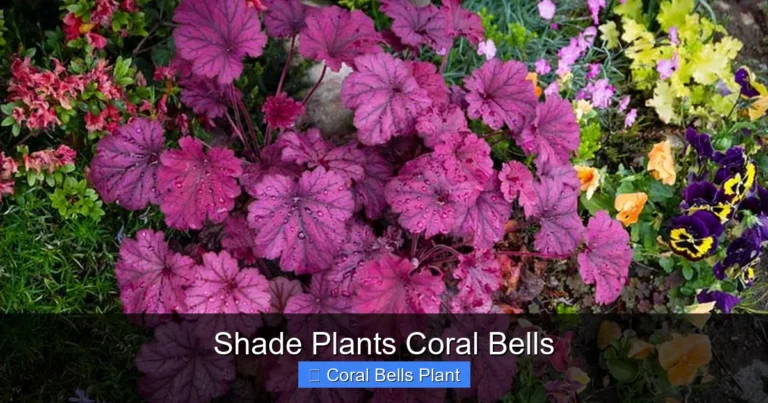
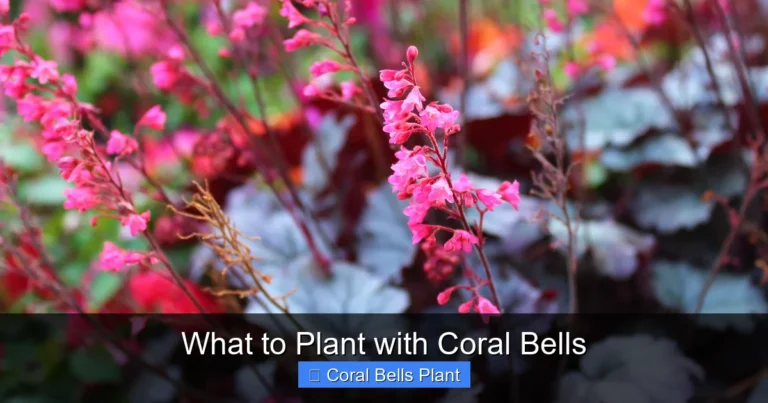
If you have ever walked through a garden center and spotted those gorgeous mounds of ruffled foliage in shades of purple, caramel, lime, and near-black, you have met coral bells. Botanically known as Heuchera, these North American natives have exploded in popularity over the last two decades. Plant breeders have given us hundreds of cultivars. The colors are stunning. The textures are rich. But one question stops many gardeners in their tracks. Can you plant coral bells in full sun?
The short answer is yes. The longer answer is that it depends on which coral bells you choose, where you live, and how much care you want to give them. Some varieties bake happily in six to eight hours of direct light. Others fry to a crisp by July. I have learned this the hard way. A beautiful chartreuse ‘Lime Rickey’ planted in a south-facing bed turned into a sad, bleached mound by midsummer. Meanwhile, a deep purple ‘Palace Purple’ three feet away looked flawless. Let me walk you through everything you need to know to get it right the first time.
Key Takeaways
- Variety matters most: Dark-leaved coral bells tolerate full sun better than chartreuse or silver varieties.
- Climate changes everything: Cool northern zones allow more sun exposure than hot southern regions.
- Afternoon shade is ideal: Morning sun with afternoon protection gives the best color without burn.
- Water consistently: Full sun plants need more frequent watering to prevent stress and crispy edges.
- Mulch helps retention: A two-inch layer of organic mulch keeps roots cool and moist in sunny spots.
- Watch for stress signs: Bleached patches, crispy edges, and faded color mean too much sun.
- Container flexibility: Pots let you move plants to find the perfect light balance.
Quick Answers to Common Questions
Can all coral bells varieties tolerate full sun?
No, dark-leaved varieties handle full sun best while chartreuse, silver, and variegated types need afternoon shade to prevent scorching.
How many hours of sun do coral bells need?
Most coral bells perform well with 4-6 hours of morning sun. Dark-leaved varieties can tolerate 6-8 hours in cooler climates.
Will coral bells die in full sun?
They won’t necessarily die, but the wrong variety in hot sun will develop bleached leaves, crispy edges, and faded color without adequate water and mulch.
What is the best coral bells for full sun in hot climates?
Villosa hybrids like ‘Caramel,’ ‘Georgia Peach,’ ‘Mocha,’ and ‘Brownies’ are bred for heat and humidity tolerance in southern gardens.
Can I grow coral bells in full sun in containers?
Yes, containers work well for full sun coral bells. Use light-colored pots, quality potting mix, daily watering in summer, and monthly fertilizer.
📑 Table of Contents
- Understanding Coral Bells And Their Natural Habitat
- Best Coral Bells Varieties For Full Sun
- Climate And Zone Considerations
- Site Selection And Soil Preparation
- Watering And Maintenance In Full Sun
- Signs Of Too Much Sun And How To Fix It
- Design Ideas For Sunny Coral Bells
- Common Mistakes To Avoid
- Companion Plants For Sunny Coral Bells
- Propagation And Expanding Your Collection
- Conclusion
Understanding Coral Bells And Their Natural Habitat
Where Heuchera Grows In The Wild
To understand what coral bells want, look at where they come from. Most Heuchera species are native to North America. They grow in woodlands, on rocky slopes, and along stream banks. They are accustomed to dappled light filtering through tree canopies. Their roots creep into cool, moist crevices. The soil is rich with leaf litter. This tells us something important. Coral bells evolved as understory plants. They expect some protection from the harshest sun.
How Breeding Changed The Game
Modern coral bells are not straight species anymore. They are complex hybrids. Breeders crossed Heuchera americana, Heuchera micrantha, Heuchera villosa, and Heuchera sanguinea to create the rainbow we see today. Some parent species, like villosa, come from the hot, humid Southeast. They bring heat and humidity tolerance. Others, like sanguinea, hail from the Southwest. They bring drought tolerance. This genetic mixing means some modern cultivars handle full sun far better than their wild ancestors ever could.
The Role Of Leaf Color In Sun Tolerance
Here is a rule of thumb that saves gardeners heartache. Dark leaves handle sun better than light leaves. Deep purple, near-black, and rich red cultivars contain more anthocyanins. These pigments act like sunscreen. They protect the chlorophyll underneath. Chartreuse, yellow, silver, and variegated varieties have less protection. They scorch faster. If you want coral bells in a blazing hot spot, reach for the darkest foliage you can find.
Best Coral Bells Varieties For Full Sun
Top Dark-Leaved Performers
‘Palace Purple’ is the classic. It has been around since the 1980s. The leaves are a rich bronze-purple with a metallic sheen. It takes full sun in zones 4 through 7 like a champ. ‘Obsidian’ is a newer introduction. The leaves are so dark they look black. The foliage stays clean and glossy even in strong light. ‘Black Pearl’ forms a dense, jet-black mound that refuses to fade. ‘Midnight Rose’ adds pink speckles to near-black leaves. The speckles brighten in spring sun. All of these hold their color without burning.
Red And Bronze Champions
‘Fire Alarm’ lives up to its name. Bright red spring foliage matures to deep mahogany. It handles heat and humidity better than most. ‘Southern Comfort’ offers cinnamon-peach leaves that turn amber in summer. It was bred for the Southeast. It laughs at full sun in Georgia. ‘Caramel’ is a villosa hybrid. The leaves are a warm butterscotch. It takes more sun than you would expect for such a light color. ‘Georgia Peach’ starts peachy-orange and deepens to rose. Another villosa star for hot climates.
Surprisingly Sun-Tolerant Lighter Varieties
‘Citronelle’ is a chartreuse standout. It keeps its electric color in full sun better than most yellows. ‘Lemon Love’ is newer. It resists bleaching remarkably well. ‘Guacamole’ has shiny, apple-green leaves with a silver overlay. It takes morning sun and afternoon shade beautifully. In cooler zones, it handles full day sun. ‘Electra’ shocks with blood-red veins on gold leaves. The veining intensifies in bright light. These exceptions prove the rule. Test them in your specific conditions.
Climate And Zone Considerations
Northern Gardens Get More Flexibility
If you garden in zone 4, 5, or 6, you have a secret advantage. The sun angle is lower. The intensity is gentler. Summer nights cool down. Many coral bells that need shade in Texas thrive in full sun in Minnesota. I have seen ‘Plum Pudding’ grown as a groundcover in open fields in Wisconsin. It looked incredible. The same plant in Virginia would need afternoon shade. Know your zone. It changes everything.
Southern Gardens Need Strategy
Zones 7, 8, and 9 present a different challenge. The sun is fierce. Humidity is high. Nights stay warm. This combination stresses plants. Even sun-tolerant varieties can struggle. In these regions, aim for morning sun only. Four hours of gentle eastern light. Then dappled or full shade during the brutal afternoon. If you must plant in full sun, choose villosa hybrids. ‘Caramel,’ ‘Georgia Peach,’ ‘Mocha,’ and ‘Brownies’ have the heat tolerance genes. Water religiously. Mulch deeply.
Western Gardens Face Dry Heat
In the intermountain West and Southwest, the challenge is different. Low humidity. Intense UV at elevation. Rapid temperature swings. Coral bells can work here, but they need consistent moisture. The villosa hybrids again shine. Sanguinea hybrids like ‘Snow Angel’ handle dry heat well. Avoid planting against south-facing walls. Reflected heat cooks roots. Use rocks or gravel mulch to keep soil cool. Drip irrigation is non-negotiable.
Site Selection And Soil Preparation
Finding The Sweet Spot
Walk your property at different times of day. Watch where the sun hits. Morning sun is kind. It dries dew off leaves. This prevents fungal issues. Afternoon sun is harsh. It hits when temperatures peak. If you have a spot with four to six hours of morning light and afternoon shade, that is the goldilocks zone. Most coral bells will be happy there. If you only have full sun, go with the dark-leaved varieties we discussed. If you only have deep shade, choose varieties bred for it like ‘Green Spice’ or ‘Mint Julep.’
Soil That Makes Roots Happy
Coral bells hate wet feet. Crown rot is the number one killer. In full sun, this risk increases because you water more. The soil must drain sharply. Amend heavy clay with compost, coarse sand, and fine bark. Aim for a texture like a wrung-out sponge. Moist but airy. The crown sits at soil level. Never bury it. Plant slightly high if your soil stays damp. A raised bed or berm works beautifully.
PH And Fertility Basics
Heuchera prefers slightly acidic to neutral soil. Somewhere between 6.0 and 7.0. A soil test takes the guesswork out. If your soil is alkaline, work in elemental sulfur or pine bark fines. Fertilize lightly. A slow-release balanced fertilizer in spring is plenty. Too much nitrogen produces soft, floppy growth that scorches easier. Compost top-dressing in fall feeds the soil food web. That is all they need.
Watering And Maintenance In Full Sun
Establishing New Plants
The first season is critical. Water deeply two to three times a week unless rain handles it. Check soil with your finger. Two inches down should feel moist. Not soggy. Not bone dry. Mulch with shredded leaves, pine straw, or bark. Two inches deep. Keep mulch away from the crown. This prevents rot and keeps roots cool. Cool roots are the secret to sun success.
Ongoing Water Wisdom
Established plants in full sun need about an inch of water per week. More during heat waves. Less in cool spells. Water at the base. Wet foliage in hot sun can magnify light and burn leaves. Drip irrigation or soaker hoses are ideal. They deliver water to roots without waste. If you hand water, do it early morning. This lets foliage dry before nightfall.
Seasonal Care Calendar
Spring: Clean up winter damage. Remove dead leaves. Apply slow-release fertilizer. Refresh mulch. Summer: Watch for stress. Water consistently. Deadhead flower spikes if you prefer foliage focus. Fall: Stop fertilizing. Let plants harden off. Leave foliage for winter protection. Winter: In cold zones, add extra mulch after ground freezes. In warm zones, enjoy evergreen presence. Divide every three to four years in spring to maintain vigor.
Signs Of Too Much Sun And How To Fix It
Reading The Leaves
Your plants will tell you if they are unhappy. Bleached patches on leaves mean sunburn. Crispy, brown edges mean dehydration stress. Faded, washed-out color means the pigments are breaking down. Stunted growth means the plant is in survival mode. Flower stems that flop or refuse to form mean energy deficit. If you see these signs, act fast.
Quick Interventions
Erect a temporary shade cloth. Thirty percent shade fabric on stakes works wonders. Increase watering frequency. Mulch deeper. If the plant is small enough, dig and move it to a shadier spot. Fall is the best time to transplant. Spring works too. Water well after moving. Trim off the worst damaged leaves. New growth will emerge adapted to the new location.
Long-Term Solutions
Plant a deciduous shrub or ornamental grass to the west. This casts afternoon shade in summer but lets winter sun through. Use a large container. Move it seasonally. Build a trellis with a climbing vine for dappled shade. Interplant with taller perennials like joe-pye weed or ornamental grasses. Create a microclimate that works.
Design Ideas For Sunny Coral Bells
Mass Plantings For Impact
Nothing beats a drift of dark coral bells in full sun. Space plants twelve to eighteen inches apart. They knit together into a living mulch. Weeds struggle to penetrate. The texture contrast with ornamental grasses is stunning. Try ‘Obsidian’ with blue fescue. Or ‘Palace Purple’ with Mexican feather grass. The movement of grass against the static mounds creates garden magic.
Container Combinations
Pots give you total control. Use a high-quality potting mix with perlite. Choose a container at least twelve inches wide. Dark pots heat up faster. Light colors keep roots cooler. Combine ‘Black Pearl’ with chartreuse creeping jenny and purple calibrachoa. The color echo is sophisticated. Or pair ‘Caramel’ with blue lobelia and white bacopa. Water daily in summer. Fertilize monthly with diluted liquid feed.
Rock Garden Stars
Coral bells love the sharp drainage of rock gardens. Tuck them between stones. The rocks keep roots cool. The reflected light intensifies leaf color. ‘Snow Angel’ with its variegated foliage glows in this setting. ‘Petite Pearl Fairy’ is a miniature for tight crevices. They bloom prolifically in the extra sun. Hummingbirds visit the airy flower wands.
Edging And Borders
Line a sunny path with ‘Fire Alarm’ or ‘Georgia Peach.’ The foliage stays neat all season. No flopping. The colors guide the eye. Pair with lavender, salvia, or catmint for a Mediterranean feel. The silver foliage of those companions highlights the coral bells’ richness. Deer and rabbits usually leave Heuchera alone. Bonus.
Common Mistakes To Avoid
Planting The Wrong Variety
This is the big one. Buying a pretty lime green coral bells for a baking hot patio. It will fry. Research before you buy. Read labels. Ask nursery staff. Check the breeder’s website. Most list sun tolerance. When in doubt, choose darker foliage.
Ignoring Microclimates
Your yard has microclimates. The spot by the driveway radiates heat. The corner by the fence traps humidity. The bed under the eaves stays dry. Map these. Match plants to pockets. A coral bells that fails in one spot may thrive ten feet away.
Overwatering In Heavy Soil
Full sun makes you want to water constantly. But if your soil is clay, you drown the roots. Crown rot sets in fast. Check drainage before planting. Dig a hole. Fill with water. If it does not drain in an hour, amend or choose another spot.
Neglecting Division
Coral bells get woody in the center after a few years. The crown rises above soil. Roots expose. The plant declines. Dig in spring. Pull apart. Replant the vigorous outer sections. Discard the woody center. You get free plants and renewed vigor.
Companion Plants For Sunny Coral Bells
Perennials That Share Conditions
Sedum ‘Autumn Joy’ loves the same sharp drainage. Its succulent foliage contrasts beautifully. Russian sage brings airy purple spires. It thrives in heat and poor soil. Yarrow offers flat flower heads in yellow, pink, or red. It handles drought like a champ. Catmint forms a soft gray mound. It blooms for months. All these play well with coral bells.
Grasses For Texture Contrast
Blue fescue stays small and blue. Perfect edging. Prairie dropseed forms a fountain of fine texture. It smells like popcorn in fall. Little bluestem turns copper in winter. It provides four-season interest. Feather reed grass stands tall and vertical. It anchors the planting.
Shrubs For Structure And Shade
Dwarf conifers give year-round bones. ‘Blue Star’ juniper stays low and blue. ‘Little Gem’ spruce is a perfect pyramid. Deciduous shrubs like spirea or potentilla cast summer shade. They let winter sun through. This dynamic light pattern mimics the woodland edge coral bells evolved in.
Propagation And Expanding Your Collection
Division Step By Step
Early spring. Dig the whole clump. Shake off soil. Look for natural divisions. Each piece needs roots and a growing point. Use a sharp knife if roots are tangled. Replant immediately at same depth. Water well. Mulch. Keep moist for three weeks. Success rate is high.
Seed Growing Adventures
Heuchera seeds are tiny. Like dust. Surface sow on moist seed starting mix. Do not cover. Light aids germination. Keep at seventy degrees. Germination takes two to eight weeks. Seedlings are variable. You might get something amazing. Or something plain. It is a fun experiment.
Leaf Cuttings For The Patient
Take a healthy leaf with a bit of petiole. Dip in rooting hormone. Stick in perlite. Cover with a dome. Keep bright but not direct sun. Roots form in four to six weeks. Pot up. Grow on. This works best with villosa types.
Conclusion
So, can you plant coral bells in full sun? Absolutely. But like most things in gardening, the devil is in the details. Choose dark-leaved varieties like ‘Obsidian,’ ‘Palace Purple,’ or ‘Black Pearl’ for the hottest spots. Pick villosa hybrids like ‘Caramel’ or ‘Georgia Peach’ for southern gardens. Give them sharp drainage, consistent moisture, and a thick mulch blanket. Watch for stress signals. Adjust as needed. And do not be afraid to move a struggling plant. Gardening is a conversation with your landscape. Listen. Respond. Enjoy the incredible foliage show these plants provide. Whether they form a dark river along a sunny path or shine like jewels in containers on a blazing patio, coral bells earn their keep. With the right variety in the right place, they are one of the most rewarding perennials you can grow.
Frequently Asked Questions
What happens if coral bells get too much sun?
Leaves develop white or tan bleached patches, edges turn brown and crispy, colors fade to a washed-out version, and growth slows. The plant enters survival mode and may not flower.
Do coral bells need more water in full sun?
Yes, coral bells in full sun need consistent moisture, typically 1-1.5 inches per week. Check soil daily during heat waves. Mulch heavily to reduce evaporation and keep roots cool.
Can I move coral bells from shade to sun?
Yes, but acclimate them gradually over 7-10 days. Start with 1-2 hours of morning sun, increasing daily. Water well during transition. Best done in spring or fall, not midsummer.
Why are my coral bells turning brown in the sun?
Brown edges indicate dehydration stress or sunburn. Increase watering, add mulch, and consider providing afternoon shade. Trim damaged leaves to encourage fresh growth.
Are there coral bells that bloom well in full sun?
Yes, Heuchera sanguinea varieties like ‘Snow Angel’ and ‘Firefly’ bloom prolifically in sun. Villosa hybrids also flower well. Deadhead spent stems to encourage rebloom.
Can coral bells survive afternoon sun in zone 9?
Only the most heat-tolerant villosa hybrids with consistent irrigation and deep mulch. Most coral bells need afternoon shade in zone 9. Consider containers you can move to shade during peak heat.