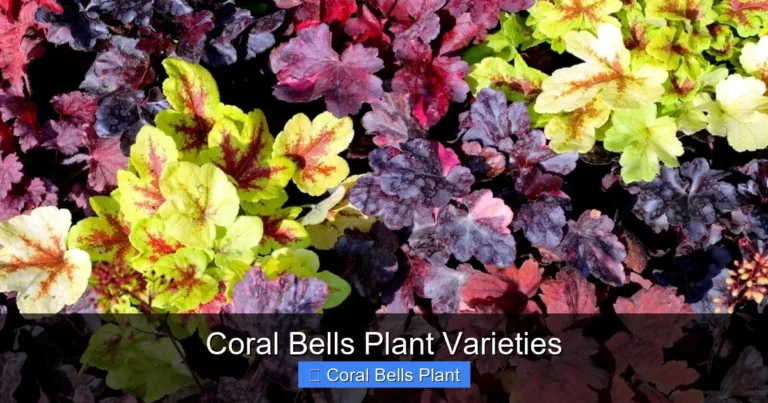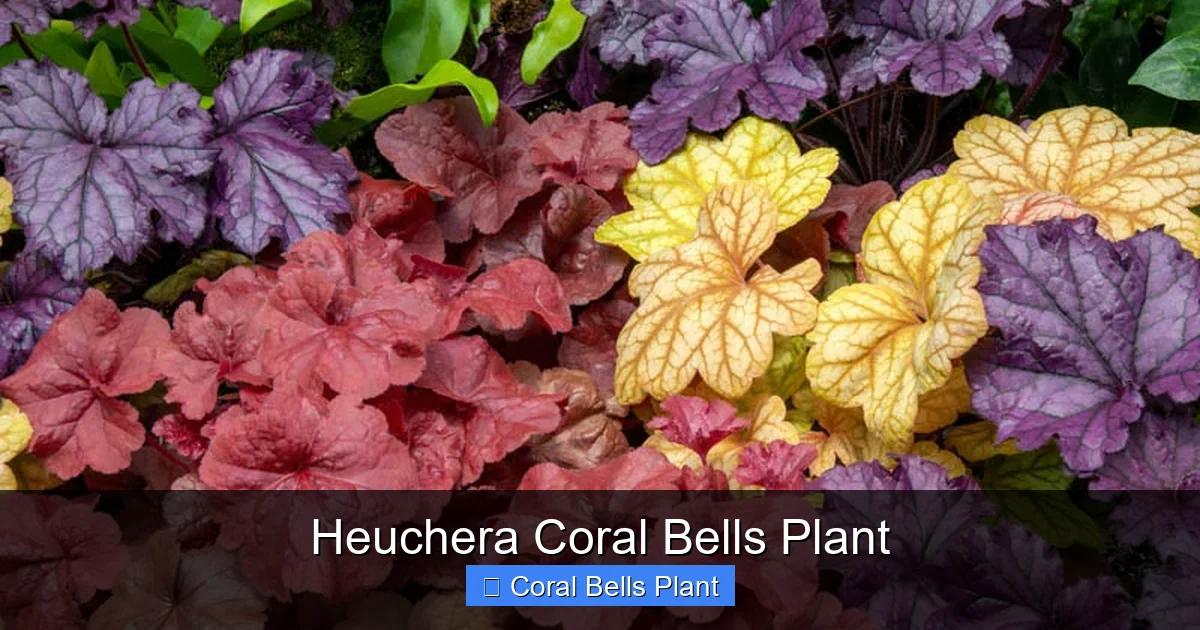
Heuchera Coral Bells Plant
Heuchera coral bells plant varieties offer incredible foliage color from deep purple to bright lime green. These low-maintenance perennials thrive in shade gardens and provide year-round interest with minimal care.
Key Takeaways
- Versatile shade plants: Heuchera coral bells plant varieties thrive in partial to full shade, making them perfect for difficult garden spots.
- Year-round foliage interest: Unlike many perennials, these plants keep their colorful leaves through winter in most climates.
- Low maintenance requirements: Once established, they need minimal watering and rarely require fertilization.
- Incredible color range: Foliage colors include purple, silver, chartreuse, caramel, red, and near-black varieties.
- Attract pollinators: The delicate bell-shaped flowers draw hummingbirds and bees to your garden.
- Deer and rabbit resistant: Their fuzzy leaves and bitter taste make them unappealing to common garden pests.
- Excellent container plants: Their compact size and shallow roots make them ideal for pots and mixed planters.
Quick Answers to Common Questions
How much sun can heuchera coral bells plant tolerate?
Most varieties prefer morning sun with afternoon shade. Dark-leaved types need some sun for best color, while light-colored varieties scorch more easily. Villosa hybrids handle more sun than other types.
When is the best time to divide heucheras?
Early spring is ideal for division, just as new growth emerges. Fall division works too, but do it at least six weeks before ground freeze so roots establish.
Why are my heuchera leaves turning brown and crispy?
Brown crispy edges usually indicate sun scorch or underwatering. Move to a shadier spot or increase watering. Mulch helps retain soil moisture.
Do heucheras need fertilizer?
They are light feeders. A spring application of compost or slow-release balanced fertilizer is plenty. Too much nitrogen causes weak, disease-prone growth.
Are heucheras deer resistant?
Yes, their fuzzy, bitter-tasting foliage makes them unappealing to deer and rabbits. However, starving animals may still browse them.
📑 Table of Contents
- What Makes Heuchera Coral Bells Plant Special
- Understanding the Different Types
- Ideal Growing Conditions
- Planting and Establishment
- Ongoing Maintenance
- Common Problems and Solutions
- Design Ideas and Companion Plants
- Propagation Methods
- Heuchera Through the Seasons
- Buying Guide: Selecting Healthy Plants
- Advanced Growing Tips
- Conclusion
What Makes Heuchera Coral Bells Plant Special
If you have ever walked through a garden center in spring, you have probably seen them. Those mounds of ruffled leaves in colors that seem almost painted. Purple so dark it looks black. Lime green so bright it glows. Caramel tones that catch the light. These are heuchera coral bells plant varieties, and they have taken the gardening world by storm.
Native to North America, these perennials belong to the Saxifragaceae family. The genus Heuchera contains around fifty species. But the plants we buy today are mostly complex hybrids. Plant breeders have worked magic with them. They have created varieties that would make the wild ancestors unrecognizable. The flowers are still there. Tiny bells on wiry stems. But the real show is the foliage. And what foliage it is.
Gardeners love these plants for good reason. They solve problems. That dry spot under the maple tree? Heuchera handles it. The north side of the house where nothing blooms? Heuchera thrives there. The container that needs something pretty all year? Heuchera delivers. They are the ultimate problem solvers for shade gardens.
Understanding the Different Types
Species vs. Hybrids
Let us start with the basics. The straight species have their charm. Heuchera americana offers green leaves with silver overlay. Heuchera villosa brings large, hairy leaves and great heat tolerance. Heuchera sanguinea gives us the classic coral red flowers that inspired the common name. But walk into any nursery today and you will find mostly hybrids.
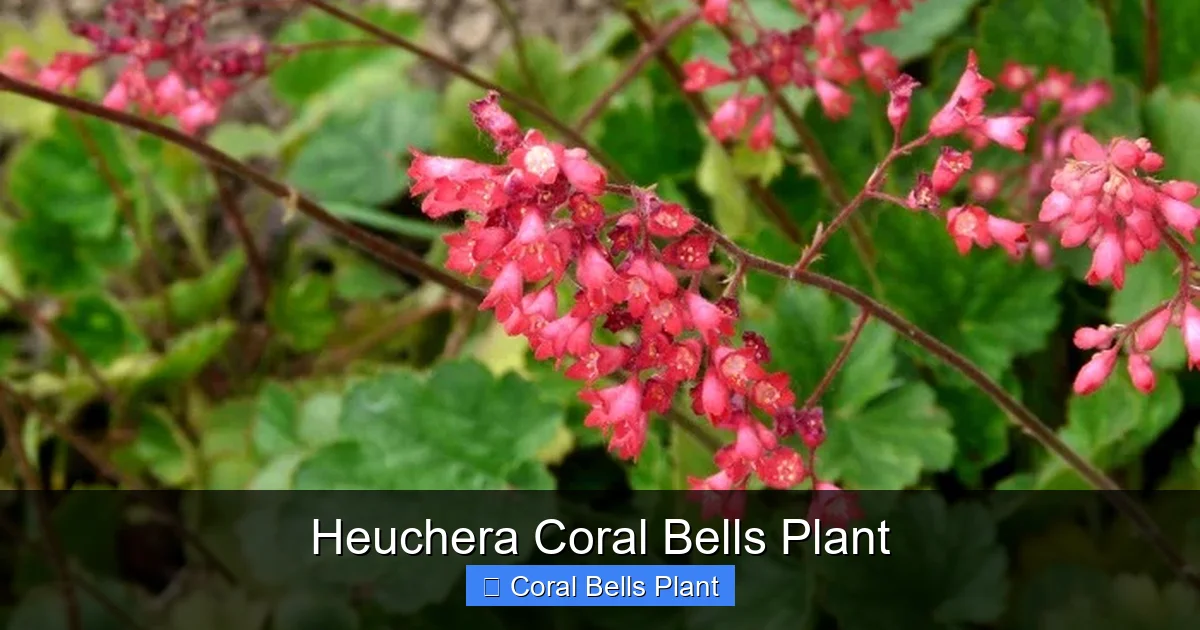
Visual guide about Heuchera Coral Bells Plant
Image source: thegardeningcook.com
Modern breeding has focused on foliage. Flowers became secondary. The result? Plants with leaves in colors nature never intended. Metallic silver. Electric orange. Deep burgundy. Some varieties even change color through the seasons. A single plant might emerge amber in spring, turn green in summer, and finish purple in fall. This chameleon quality adds another dimension to garden design.
Popular Series and Cultivars
Several breeding programs have produced distinct lines. The “City” series from Terra Nova Nurseries includes ‘Paris,’ ‘Milan,’ and ‘Shanghai.’ These bloom heavily and rebloom. The “Dolce” series from Proven Winners offers large leaves and vigorous growth. ‘Dolce Apple Twist’ shows chartreuse leaves with red centers. ‘Dolce Blackberry Ice’ displays purple leaves with silver overlay.
Then there are the standout individual cultivars. ‘Palace Purple’ started the purple leaf craze decades ago. It remains reliable. ‘Obsidian’ takes black foliage to new depths. ‘Caramel’ lives up to its name with warm amber tones. ‘Lime Rickey’ and ‘Electra’ light up dark corners with electric green. ‘Fire Alarm’ brings true red foliage that holds color all season.
Choosing the Right Variety for Your Climate
Not every heuchera coral bells plant performs equally everywhere. This matters. Villosa hybrids handle heat and humidity better. They thrive in the Southeast. Sanguinea types prefer cooler nights. They excel in the Pacific Northwest and mountain regions. Micrantha hybrids offer a middle ground. Read the plant tag. Ask your local nursery. Match the plant to your conditions.
Consider winter hardiness too. Most are hardy to zone 4. Some push to zone 3 with mulch. But winter wet kills more heucheras than winter cold. Good drainage is non-negotiable. In heavy clay, plant them high. Create raised beds. Amend with compost and grit. Your plants will thank you.
Ideal Growing Conditions
Light Requirements
Here is where many gardeners get confused. Heucheras are labeled “shade plants.” But what does that mean? Most varieties want morning sun and afternoon shade. Or dappled light all day. Deep shade makes them stretch and lose color. Full sun scorches leaves in hot climates. The villosa types tolerate more sun. The dark-leaved varieties need some sun to develop their best pigment. But they fry in August afternoon heat.
Watch your garden through the day. Note where shadows fall. That spot with four hours of gentle morning light? Perfect. The area under high-branched trees with filtered light? Ideal. The north wall that gets no direct sun but bright reflected light? Works well. The baking south-facing bed? Only for the toughest varieties with consistent moisture.
Soil Preferences
Heucheras want what many perennials want. Rich, well-drained soil. Slightly acidic to neutral pH. Around 6.0 to 7.0. They hate wet feet. Crown rot is the number one killer. Heavy clay is a death sentence unless amended. Sandy soil works if you add organic matter for moisture retention.
Before planting, work in compost. Lots of it. Two to three inches mixed into the top twelve inches of soil. This improves drainage in clay. It holds moisture in sand. It feeds beneficial microbes. It creates the loose, crumbly texture heuchera roots love. If your soil is truly terrible, build a raised bed. Eight inches of good soil above grade solves almost every problem.
Moisture Needs
Established heucheras are surprisingly drought tolerant. Their shallow roots search the top inches of soil. But consistent moisture produces the best foliage. Water deeply once a week during dry spells. More often in containers. Less in cool, cloudy weather. Mulch helps enormously. Two inches of shredded leaves or bark keeps roots cool and moist.
Watch for the telltale sign of underwatering. Leaves go limp. They feel soft instead of crisp. The plant looks tired. Water immediately and it usually bounces back. Overwatering is trickier. Yellowing lower leaves. Mushy crown. Foul smell from the soil. By the time you notice, it may be too late. Prevention through good drainage beats cure every time.
Planting and Establishment
When to Plant
Spring and fall are both excellent. Spring planting gives roots time to establish before summer heat. Fall planting lets roots grow in cool soil without top growth pressure. Avoid summer planting unless you can provide constant attention. Winter planting works only in mild climates where ground does not freeze.
If you buy plants in summer, keep them in pots. Place them in their future location. Water daily. Plant in early fall. This “holding pattern” lets you see how they perform in your conditions before committing. Smart gardeners do this. It prevents surprises.
Proper Planting Technique
This is critical. Heucheras have a crown. The point where leaves meet roots. This crown must sit at or slightly above soil level. Bury it and you invite rot. Plant too high and roots dry out. Dig a hole twice the pot width. Same depth. Loosen the root ball gently. Place the plant. Backfill with amended soil. Firm gently. Water thoroughly to settle soil.
Space plants according to mature width. Most varieties spread twelve to eighteen inches. Some reach two feet. Read the label. Crowding reduces air circulation. Poor air circulation invites fungal diseases. Give them room. They fill in fast.
First Season Care
The first year is about roots. Not flowers. Not even foliage. Roots. Water regularly. Do not let them dry out completely. Mulch well. Remove any flower spikes that appear. This directs energy to root and crown development. It feels wrong to pinch off blooms. But stronger plants result.
Fertilize lightly if at all. A slow-release balanced fertilizer at planting time is plenty. Too much nitrogen produces soft, disease-prone growth. Heucheras are light feeders. They evolved in lean soils. Resist the urge to pamper them with rich fertilizers.
Ongoing Maintenance
Seasonal Care Calendar
Spring brings new growth. Remove winter-damaged leaves. Cut them at the base. Apply fresh mulch. Check for heaving. Freeze-thaw cycles push plants up. If crowns are exposed, gently press them back down. Or add soil around them. Do not bury the crown.
Summer is maintenance mode. Deadhead spent flower stalks. This keeps plants tidy. It may encourage rebloom in some varieties. Water during dry spells. Watch for pests. Japanese beetles sometimes skeletonize leaves. Handpick them. Slugs and snails hide under leaves. Beer traps or diatomaceous earth help.
Fall is preparation time. Stop fertilizing by late summer. Let plants harden off. Leave foliage in place. It protects the crown. In cold zones, add extra mulch after ground freezes. Pine boughs work well. They trap snow for insulation. They do not mat down like leaves.
Winter is rest. In mild climates, heucheras stay evergreen. In cold zones, they may die to the ground. Both are normal. Do not panic if plants look dead in March. Scratch a stem. Green underneath means life. Wait. They emerge late.
Dividing and Rejuvenation
Every three to four years, heucheras need division. The center becomes woody. Flowering declines. Foliage gets smaller. The plant looks tired. Spring is the best time. Dig the whole clump. Wash off soil. You will see individual rosettes connected by woody stems. Pull or cut them apart. Each piece needs roots and a growing point.
Replant the vigorous outer sections. Discard the woody center. This is free plants. Share with friends. Fill new beds. Division also lets you check root health. Remove any rotted parts. It is like a reset button for your plants.
Container Growing Success
Heucheras shine in containers. Their shallow roots suit pots perfectly. Choose a container at least twelve inches wide. Ensure drainage holes. Use high-quality potting mix. Not garden soil. Add perlite for extra drainage. Plant at the same depth as in the nursery pot.
Container plants need more water. Check daily in summer. Fertilize monthly with dilute liquid fertilizer. Or use slow-release at planting. In winter, move pots to a protected spot. An unheated garage works. Or cluster against the house foundation. Water monthly if dry. Do not let them freeze solid in pots.
Common Problems and Solutions
Fungal Diseases
Powdery mildew appears as white dust on leaves. It loves humid, stagnant air. Space plants properly. Water at the base, not overhead. Morning watering lets leaves dry fast. Remove affected leaves. Serious cases may need fungicide. But prevention works better.
Rust shows as orange pustules on leaf undersides. Same conditions favor it. Same prevention works. Leaf spot diseases cause brown or black lesions. Usually cosmetic. Remove bad leaves. Improve air flow. Avoid overhead watering.
Crown rot is the big killer. Mushy, brown crown. Foul odor. Plant collapses. Caused by wet soil and buried crowns. Once established, rarely curable. Dig affected plants. Improve drainage. Replant healthy divisions in better spots. Learn from the loss.
Pest Issues
Black vine weevils are the worst pest. Adults notch leaf edges at night. Larvae eat roots. Plants wilt and die. Check for notching in spring. Apply beneficial nematodes to soil. They hunt larvae. Sticky traps catch adults. Systemic insecticides work but harm beneficials.
Foliar nematodes cause angular brown spots between leaf veins. Microscopic worms in leaf tissue. No good cure. Remove and destroy affected plants. Do not compost. Clean tools. Avoid overhead watering. They spread in water films.
Deer and rabbits usually ignore heucheras. The leaves are fuzzy and bitter. But hungry animals eat anything. If browsing occurs, spray repellent. Or fence. Usually not needed.
Environmental Stress
Sun scorch shows as bleached, crispy leaf patches. Move the plant. Or provide shade cloth. Frost heaving exposes roots. Mulch heavily in fall. Press plants back in spring. Salt damage from de-icers burns foliage. Plant away from salted walks. Flush soil with water in spring.
Nutrient deficiencies show in leaves. Yellowing between veins means iron. Purple tint means phosphorus. But usually, heucheras need little feeding. Compost mulch annually provides enough. Test soil before adding specific nutrients.
Design Ideas and Companion Plants
Color Combinations
This is where heucheras become addictive. Their foliage colors play off everything. Dark purple ‘Obsidian’ next to golden ‘Hakonechloa’ grass. Stunning. Silver ‘Looking Glass’ with blue hostas. Cool and sophisticated. Caramel ‘Caramel’ with burgundy ‘Redbor’ kale. Warm autumn palette.
Chartreuse varieties light up dark corners. They make nearby blues pop. They tone down hot reds. Use them as punctuation marks. A single ‘Lime Rickey’ in a sea of green ferns. The eye goes there first. Then explores.
Consider seasonal changes. Some varieties shift dramatically. ‘Autumn Bride’ starts green, turns gold, ends orange. ‘Midnight Rose’ emerges pink-spotted, matures to purple. Plan for the progression. Your garden becomes a changing tapestry.
Shade Garden Designs
Create a heuchera tapestry. Plant five varieties in a drift. Space them eighteen inches. Let them merge. The effect is a living quilt. Choose colors that harmonize. Purples, silvers, greens. Or warm tones. Caramel, amber, peach. Avoid mixing warm and cool unless you want high contrast.
Edge a woodland path. Alternate two varieties. Rhythm leads the eye. ‘Palace Purple’ and ‘Green Spice.’ Purple, green, purple, green. Simple. Effective. Low maintenance. The path becomes a destination.
Underplant trees and shrubs. Heucheras tolerate root competition better than most. Their shallow roots slip between tree roots. Plant in pockets of amended soil. Mulch well. Water until established. They create a finished look under mature trees.
Container Combinations
The “thriller, filler, spiller” formula works beautifully. Heucheras are perfect fillers. Mounded. Colorful. Long-lasting. Pair with a tall grass or fern as thriller. Add creeping jenny or ivy as spiller. Instant professional container.
Try monochromatic pots. All purple foliage. ‘Obsidian’ heuchera. Purple fountain grass. Sweet potato vine ‘Blackie.’ Purple pansies. Depth through texture, not color. Sophisticated and modern.
Or go complementary. Chartreuse heuchera. Purple trailing petunia. Blue lobelia. The color wheel comes alive. Change seasonally. Spring bulbs underneath. Summer annuals above. Fall kale and mums. Winter evergreen boughs. Four-season container.
Rock Garden and Alpine Uses
Small varieties excel in rock gardens. ‘Petite Pearl Fairy’ stays six inches. ‘Little Cutie’ series offers tiny rosettes. Tuck them between stones. They soften hard edges. They tolerate the sharp drainage rock gardens demand.
Alpine troughs showcase miniature varieties. Plant with sedums, sempervivums, and dwarf conifers. The trough becomes a miniature landscape. Heucheras add foliage interest when succulents are not blooming.
Propagation Methods
Division
We covered division for rejuvenation. It is also the easiest propagation. Spring or fall. Dig. Separate. Replant. Water. Done. Every piece with roots and a crown grows. Success rate approaches one hundred percent. This is how nurseries produce stock. This is how you multiply favorites.
Seed Growing
Heucheras grow easily from seed. But hybrids do not come true. Seedlings vary wildly. This is fun for experimenters. Not for replicating a specific variety. Sow fresh seed on moist surface. Do not cover. Light aids germination. Keep humid. Warm. Seedlings appear in two to three weeks. Transplant when they have true leaves. Grow on. Evaluate after first winter. You might discover something amazing. Or not.
Leaf Cuttings
Advanced gardeners try leaf cuttings. Take a leaf with a bit of petiole. Dip in rooting hormone. Stick in moist perlite. Cover with plastic. Bottom heat helps. Roots form at the petiole base. A tiny plantlet emerges. Pot it up. This works best with villosa types. It is slow. But it produces many plants from one leaf.
Tissue Culture
Commercial production uses tissue culture. Tiny plant pieces grown in sterile lab conditions. This produces thousands of identical plants. Disease-free. Uniform. Not practical for home gardeners. But it is why you can buy ‘Caramel’ at every garden center. Consistent quality. Reliable supply.
Heuchera Through the Seasons
Spring Awakening
New leaves emerge like folded umbrellas. Colors are often most intense now. The “spring flush” shows breeding at its best. ‘Fire Alarm’ is true red. ‘Electra’ is shocking gold with red veins. ‘Black Pearl’ is jet black. Photograph them weekly. The transformation is rapid.
Flower spikes rise. Tiny buds. Then open bells. Coral. Pink. White. Cream. Green. They hover above foliage like fairy wands. Hummingbirds visit. Bees work them. Cut some for tiny bouquets. They last surprisingly long in water.
Summer Steadiness
Flowers fade. Foliage carries the show. In heat, some colors mute. Dark varieties may green up. Light varieties may bleach. This is normal. Not a problem. The plant is conserving energy. Keep watered. Mulched. Happy.
Rebloomers push new spikes. ‘Paris’ does this. ‘Steel City’ too. Deadhead promptly. You might get three flushes. Even non-rebloomers look neat without spent stalks. Snip at the base. Clean look all summer.
Fall Transformation
Cooler nights trigger color changes. Many varieties deepen. Purples intensify. Reds glow. Oranges warm. Veining becomes prominent. This second act rivals spring. ‘Autumn Bride’ earns its name. ‘Caramel’ turns rich amber. The garden gets a finale.
Stop deadheading. Let the last flowers set seed. Birds eat them. Goldfinches especially. The seed heads add texture. Frost kisses the leaves. They sweeten. Colors saturate. This is many gardeners’ favorite season.
Winter Structure
In zones 6 and warmer, heucheras stay evergreen. Snow dusts the ruffled leaves. Ice crystals outline veins. They are garden jewelry. In colder zones, leaves may flatten. Or die back. The crown survives underground. Mulch protects it.
Do not cut back in fall. The foliage shields the crown. It catches snow for insulation. It marks the plant location. So you do not dig it up in spring enthusiasm. Wait until new growth appears. Then clean up.
Buying Guide: Selecting Healthy Plants
At the Nursery
Shop early in the season. Best selection. Healthiest stock. Look for full, symmetrical plants. Multiple crowns emerging. Avoid plants with only one growth point. They are young. They will catch up. But multi-crown plants establish faster.
Check the crown. It should be firm. Not mushy. Not buried. Gently brush back soil at the base. You want to see where leaves emerge. If you cannot find the crown, the plant was potted too deep. Pass on it. Or negotiate a discount and plan to replant higher.
Examine leaves. Both sides. No spots. No holes. No webbing. No sticky residue. Turn the pot over. Roots should be white or tan. Not brown and mushy. Not circling tightly. A few roots showing at drainage holes is good. It means active growth.
Mail Order Considerations
Reputable mail-order nurseries ship excellent plants. They are often larger than garden center plants. But they arrive bare root or in small plugs. Open immediately. Soak bare roots in water for an hour. Pot up plugs. Grow on for a few weeks before planting out. This “hardening off” reduces transplant shock.
Order early. Popular varieties sell out. Spring shipping windows are narrow. Fall shipping works too. Plants arrive ready to root before winter. Read reviews. Join gardening forums. Learn which nurseries deliver quality. Which substitute without notice. Which stand behind their plants.
Price vs. Value
New introductions cost more. Twenty to thirty dollars for a quart pot. Older varieties cost ten to fifteen. Is the new one worth it? Sometimes. Better disease resistance. Better color retention. Better heat tolerance. Read trials. University evaluations. Chicago Botanic Garden. Mt. Cuba Center. They test for years. Their recommendations carry weight.
But a ten-dollar ‘Palace Purple’ outperforms a thirty-dollar novelty in many gardens. Proven performers have value. Mix both. Anchor with reliable classics. Splurge on a few exciting new ones. Balance your garden budget.
Advanced Growing Tips
Forcing Early Growth
Want heucheras for an early garden tour? Pot them in fall. Overwinter in an unheated garage. Bring into a cool greenhouse in January. Fifty degrees. Light. They will leaf out weeks early. Harden off carefully. Plant out after frost. This trick works for containers too.
Creating Custom Hybrids
Adventurous gardeners make their own crosses. Transfer pollen with a small brush. Tag the pollinated flower. Harvest seed when pods split. Sow immediately. Label everything. In two years, you will see results. Most will be mediocre. A few might be extraordinary. Name your best. Share with friends. This is how the hobby advances.
Growing for Cut Foliage
Florists love heuchera leaves. They last two weeks in arrangements. Grow a dedicated cutting patch. Plant in rows. Harvest outer leaves regularly. The plant keeps producing. Choose long-petioled varieties. ‘Berry Smoothie.’ ‘Plum Pudding.’ ‘Grape Expectations.’ Cut in morning. Condition in deep water. Sell or share. A niche market for small growers.
Heuchera in Green Roofs
Shallow soil. Full sun. Wind. Drought. Green roofs are brutal. But villosa hybrids survive. ‘Autumn Bride’ thrives. ‘Brownies’ persists. They add biodiversity. They support pollinators. They look beautiful. Research continues. More varieties will qualify. This is a growing frontier.
Conclusion
Heuchera coral bells plant varieties have earned their place in modern gardens. They offer what few plants do. Stunning foliage color in shade. Year-round presence. Low maintenance. Pollinator support. Design versatility. Whether you tuck one into a container or mass fifty along a woodland path, they deliver.
Start small. Buy three varieties. Plant them where you will see them daily. Watch them through a full year. Learn their rhythms. Notice which thrives in your conditions. Which color sings to you. Then expand. The heuchera world is vast. New varieties appear every year. But the basics remain. Good drainage. Proper planting depth. Appropriate light. Mulch. Water. Divide occasionally.
Your shade garden will never be the same. Those dark corners become opportunities. The north foundation bed becomes a feature. The containers become conversation pieces. And you become the gardener who knows the secret. Heucheras. The plants that paint with leaves.
Happy growing. May your crowns stay high. Your drainage stay sharp. Your colors stay true. And your garden bring you joy in every season.
Frequently Asked Questions
How often should I water my heuchera coral bells plant?
Water deeply once a week during dry weather, more often for container plants. Established plants in the ground are fairly drought tolerant but look best with consistent moisture. Always check soil before watering.
Can heucheras grow in full shade?
They tolerate full shade but may become leggy and lose vibrant foliage color. Dappled shade or morning sun with afternoon shade produces the best growth and coloration for most varieties.
Why is the center of my heuchera plant woody and dying?
This is natural aging. Heucheras need division every 3-4 years. The woody center should be discarded when dividing, keeping only the vigorous outer rosettes with healthy roots.
What causes heuchera crown rot and how do I prevent it?
Crown rot results from buried crowns and poor drainage. Plant with the crown at or slightly above soil level, ensure excellent drainage, and avoid mulch touching the crown. Once established, it’s rarely curable.
Can I grow heucheras indoors as houseplants?
They can grow indoors temporarily but need cool temperatures, bright indirect light, and high humidity. They generally perform better as outdoor perennials where they get seasonal cues.
Do heuchera flowers need deadheading?
Deadheading spent flower stalks keeps plants tidy and may encourage reblooming in some varieties. Cut stems at the base when flowers fade. It’s not essential for plant health but improves appearance.