Heuchera Coral Bells Companion Plants
Heuchera coral bells companion plants thrive when paired with shade‑loving perennials that share similar moisture and soil needs. Choosing the right neighbors boosts color contrast, extends bloom time, and reduces maintenance.
Key Takeaways
- Match light needs: Choose companions that love the same dappled shade as heuchera coral bells companion plants.
- Share water habits: Pick plants that prefer consistent moisture without soggy roots.
- Contrast foliage: Combine bold heuchera leaves with fine ferns or grassy textures for visual interest.
- Plan for seasons: Select partners that bloom at different times to keep the bed lively all year.
- Mind soil pH: Most heuchera coral bells companion plants like slightly acidic to neutral soil.
- Avoid crowding: Give each plant enough space to spread and breathe.
Quick Answers to Common Questions
What are the best companion plants for heuchera coral bells?
Hostas, ferns, astilbe, Japanese forest grass, lungwort, bleeding heart, brunnera, and tiarella all make excellent partners.
How much sun do heuchera coral bells companion plants need?
They prefer dappled shade or morning sun with afternoon protection; full shade works in hot climates.
When should I divide heuchera coral bells companion plants?
Divide every three to four years in early spring or fall for best results.
Can heuchera coral bells companion plants grow in containers?
Yes, use a twelve‑inch pot with drainage, quality potting mix, and regular watering.
How do I prevent slugs on heuchera coral bells companion plants?
Hand‑pick at night, set beer traps, and keep mulch thin to reduce hiding spots.
📑 Table of Contents
Getting to Know Heuchera Coral Bells
What Are Heuchera Coral Bells?
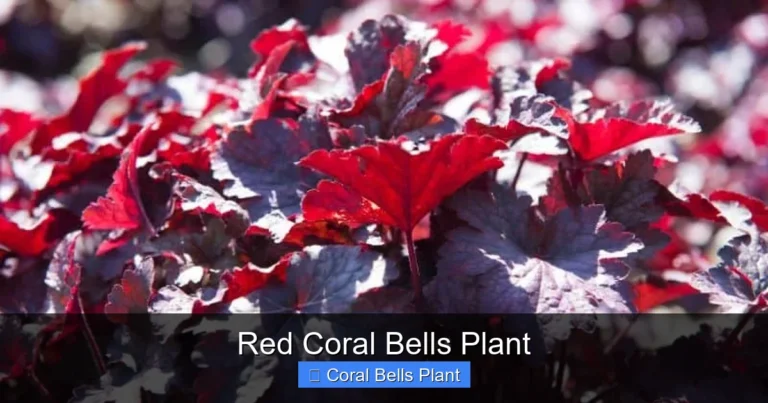
Heuchera coral bells companion plants are low‑growing perennials prized for their colorful foliage. They form tidy mounds that stay attractive from spring to frost. The leaves come in shades of purple, lime, silver, and red. I like them because they add instant color to shady spots. Heuchera coral bells companion plants also produce delicate bell‑shaped flowers in late spring.
Growth Habits and Preferences
Heuchera coral bells companion plants prefer moist, well‑drained soil that is rich in organic matter. They thrive in dappled shade or morning sun with afternoon protection. The roots like consistent moisture but hate standing water. A slightly acidic pH around 6.0 to 6.5 works best. Heuchera coral bells companion plants also benefit from a yearly mulch layer.
Seasonal Changes
In spring the new leaves emerge bright and fresh. Summer heat can deepen the colors or cause a slight fade. Autumn brings a second wave of vivid tones before the plant goes dormant. Winter leaves may stay evergreen in mild zones. Heuchera coral bells companion plants give you a changing palette all year.
Popular Varieties
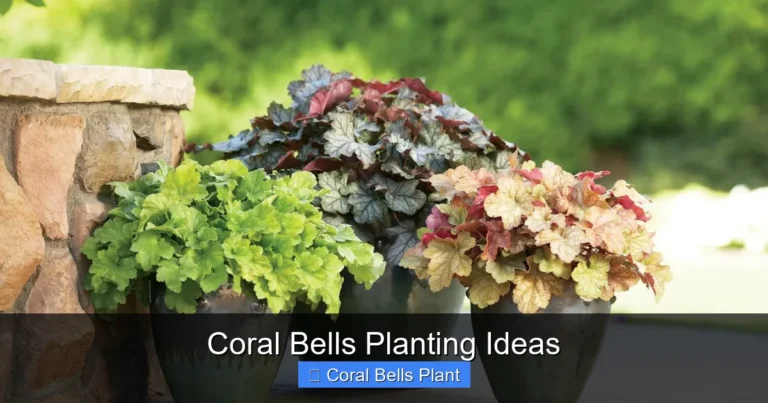
Popular varieties include ‘Palace Purple’, ‘Lime Rickey’, and ‘Caramel’. Each cultivar offers a unique leaf hue and texture. I often mix two or three varieties for a tapestry effect. The flowers are similar across types, but the foliage steals the show. Heuchera coral bells companion plants let you design with color like a painter.
Propagation Basics
You can propagate heuchera coral bells companion plants by division or leaf cuttings. Division is easiest in early spring when the plant is waking up. Cut the crown into sections with a sharp knife, ensuring each piece has roots. Replant immediately and water well. Heuchera coral bells companion plants establish quickly from divisions.
Container Growing Tips
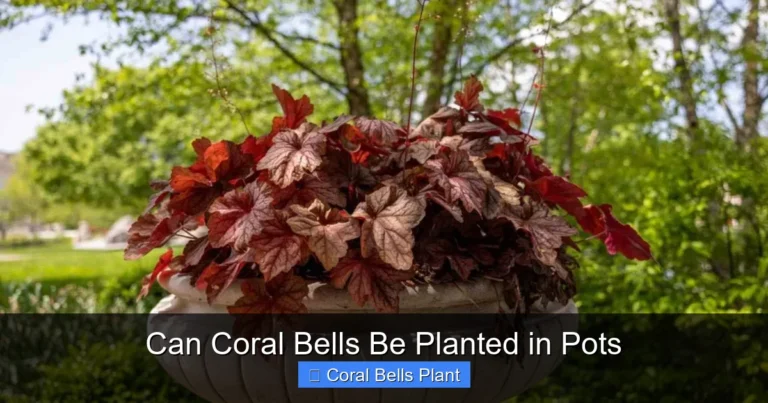
Growing heuchera coral bells companion plants in pots gives you flexibility on a patio. Choose a container at least twelve inches wide with drainage holes. Use a high‑quality potting mix amended with compost. Water when the top inch feels dry. Heuchera coral bells companion plants thrive in containers with regular feeding.
The Power of Companion Planting
Why Pair Plants?
Pairing heuchera coral bells companion plants with the right neighbors creates a healthier garden. Companion plants share water and nutrient needs, so you water once for the whole bed. They also shade each other’s roots, keeping soil cool. This reduces stress during hot spells. Heuchera coral bells companion plants thrive when they have supportive friends.
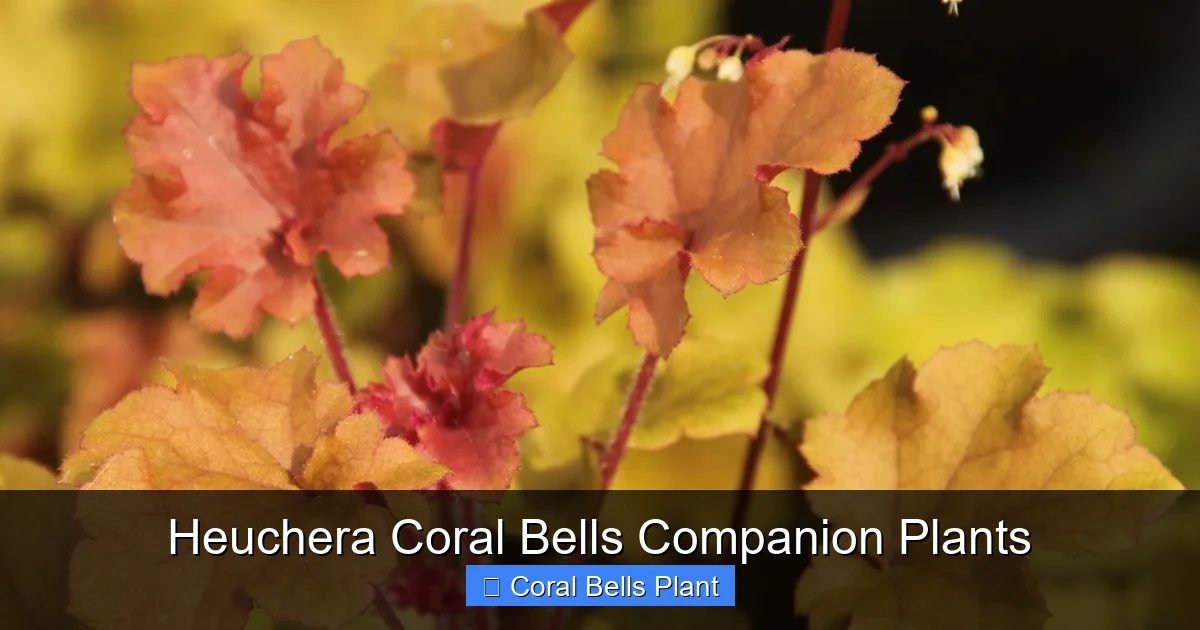
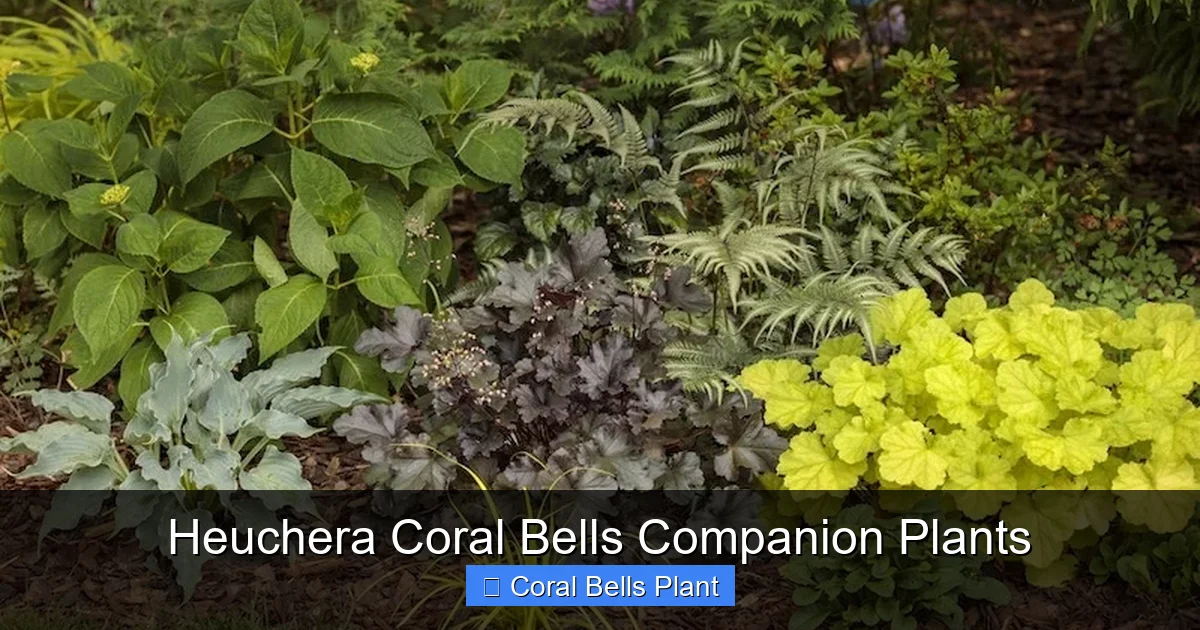
Visual guide about Heuchera Coral Bells Companion Plants
Image source: backyardgardenlover.com
Ecological Benefits
Beneficial insects love the mixed planting. Bees visit the heuchera flowers while predatory beetles hide in the foliage. This natural pest control means fewer chemicals. The diverse root zones improve soil structure over time. Heuchera coral bells companion plants help build a mini‑ecosystem in your shade border.
Design Synergy
Design synergy happens when textures and heights complement each other. Tall ferns rise behind the low heuchera mound. Mid‑height astilbe adds a soft plume at eye level. Ground‑covering lungwort fills the front edge. Heuchera coral bells companion plants become the anchor that ties the layers together.
Maintenance Reduction
Maintenance drops when plants share the same care routine. You fertilize once in early spring for the whole group. Mulch applied once a year protects all roots. Deadheading astilbe and bleeding heart is the only extra task. Heuchera coral bells companion plants make garden chores simple and enjoyable.
Seasonal Succession Planning
Plan a succession of bloom times around heuchera coral bells companion plants to keep color constant. Early bulbs like snowdrops start the show, followed by lungwort, then astilbe, and finally autumn foliage. This staggered schedule hides any gaps. Heuchera coral bells companion plants act as the steady backdrop.
Wildlife Corridor Benefits
A mixed planting of heuchera coral bells companion plants creates a mini corridor for beneficial insects. Bees, hoverflies, and predatory wasps move freely between flowers. This natural pest control reduces the need for sprays. Heuchera coral bells companion plants support a healthy garden ecosystem.
Best Companion Plants for Heuchera Coral Bells
Hostas
Hostas are classic partners for heuchera coral bells companion plants because they love the same shade and moisture. Their broad leaves contrast beautifully with the ruffled heuchera foliage. Choose blue‑green or gold varieties to echo the heuchera colors. Space each hosta about eighteen inches apart to avoid crowding. Heuchera coral bells companion plants and hostas together create a lush, layered look.
Ferns
Ferns add a delicate, feathery texture that highlights the bold leaves of heuchera coral bells companion plants. Maidenhair, Japanese painted, and ostrich ferns all thrive in the same cool, damp conditions. Plant them in groups of three for a natural drift. Their arching fronds catch light and add movement. Heuchera coral bells companion plants paired with ferns feel like a woodland scene.
Astilbe
Astilbe brings fluffy plumes of pink, red, or white that rise above heuchera coral bells companion plants in early summer. The flowers add vertical interest without stealing the foliage show. Astilbe likes the same moist, rich soil and benefits from the same mulch. Deadhead spent blooms to encourage a second flush. Heuchera coral bells companion plants and astilbe together extend the bloom season.
Japanese Forest Grass
Japanese forest grass, also called Hakonechloa, forms graceful arches of gold‑green blades that sway beside heuchera coral bells companion plants. It tolerates a bit more sun but still prefers the cool, damp soil. The movement adds a dynamic element to a static shade bed. Plant it in drifts of three to five clumps. Heuchera coral bells companion plants gain a soft, flowing neighbor.
Lungwort
Lungwort, or Pulmonaria, offers spotted leaves and early spring flowers in blue or pink that complement heuchera coral bells companion plants. It spreads slowly, forming a living mulch that suppresses weeds. The foliage stays attractive after bloom, adding silver‑green highlights. Lungwort likes humus‑rich, slightly acidic soil just like heuchera. Heuchera coral bells companion plants and lungwort make a low‑maintenance duo.
Bleeding Heart
Bleeding heart, known as Dicentra, produces heart‑shaped pink or white flowers that dangle above heuchera coral bells companion plants in late spring. Its arching stems add a romantic layer to the planting. The plant goes dormant in summer, so pair it with evergreen ferns for year‑round cover. It prefers the same cool, moist shade. Heuchera coral bells companion plants benefit from the seasonal drama.
Brunnera
Brunnera, often called Siberian bugloss, has heart‑shaped silver‑green leaves that echo the foliage of heuchera coral bells companion plants. In spring it sends up tiny blue flowers that look like forget‑me‑nots. It thrives in the same shade and moisture regime. The plant forms a neat clump that does not invade. Heuchera coral bells companion plants paired with brunnera create a cool, refined palette.
Tiarella
Tiarella, or foamflower, offers lobed leaves with dark veins that contrast nicely with heuchera coral bells companion plants. Its airy white or pink spikes appear in late spring, adding a light touch. Tiarella prefers the same well‑drained, humus‑rich soil. It spreads gently, filling gaps without crowding. Heuchera coral bells companion plants and tiarella together give a soft, woodland feel.
Heucherella Hybrids
Heucherella hybrids combine the best traits of heuchera and tiarella, making them perfect partners for heuchera coral bells companion plants. They offer colorful foliage and airy flower spikes. Their care needs match exactly. Plant them in drifts for a seamless look. Heuchera coral bells companion plants and heucherella blend effortlessly.
Coral Bells with Epimedium
Epimedium, also called barrenwort, adds heart‑shaped leaves and delicate spring flowers that complement heuchera coral bells companion plants. It tolerates dry shade once established. The foliage turns bronze in fall, extending interest. Heuchera coral bells companion plants paired with epimedium create a refined woodland vignette.
Planting and Care Strategies
Soil Preparation
Start by loosening the top twelve inches of soil for heuchera coral bells companion plants. Mix in compost or well‑rotted leaf mold to improve drainage and fertility. Aim for a slightly acidic pH between 6.0 and 6.5. Test the soil with a simple kit if you are unsure. Heuchera coral bells companion plants will reward you with vigorous growth.
Watering Strategies
Water deeply after planting to settle the roots of heuchera coral bells companion plants. Then keep the soil evenly moist, not soggy, throughout the growing season. A soaker hose or drip line works best for shade beds. Mulch with shredded bark to retain moisture and suppress weeds. Heuchera coral bells companion plants appreciate consistent hydration.
Mulching and Fertilizing
Apply a two‑inch layer of organic mulch each spring around heuchera coral bells companion plants. The mulch breaks down, feeding the soil slowly. Use a balanced slow‑release fertilizer in early spring. Avoid high‑nitrogen formulas that push leaf growth at the expense of flowers. Heuchera coral bells companion plants stay healthy with modest feeding.
Seasonal Care Calendar
In early spring, clean up old foliage and add fresh mulch for heuchera coral bells companion plants. Mid‑spring is the time to divide crowded clumps if needed. Summer requires regular watering during dry spells. Fall is ideal for planting new companions. Winter care is minimal; just ensure the crown stays protected. Heuchera coral bells companion plants follow a simple yearly rhythm.
Pest and Disease Management
Watch for slugs, snails, and aphids on heuchera coral bells companion plants. Hand‑pick pests early or use beer traps for slugs. Good air flow reduces fungal issues like powdery mildew. Remove any diseased leaves promptly. Heuchera coral bells companion plants stay trouble‑free with vigilant care.
Dividing and Replanting
Divide heuchera coral bells companion plants every three to four years to rejuvenate them. Lift the clump in early spring or fall. Separate the crowns with a sharp knife. Replant each division at the same depth. Water well and mulch. Heuchera coral bells companion plants bounce back quickly after division.
Winter Protection
In cold zones, add a thick layer of straw or shredded leaves over heuchera coral bells companion plants after the ground freezes. This insulates the crowns from freeze‑thaw cycles. Remove the cover gradually in early spring. Heuchera coral bells companion plants emerge stronger with this extra care.
Soil Testing Routine
Test the soil pH every two years for heuchera coral bells companion plants. A simple kit tells you if amendments are needed. Adjust with elemental sulfur or lime based on results. Consistent pH keeps foliage bright. Heuchera coral bells companion plants respond quickly to proper soil chemistry.
Design Ideas for Year‑Round Interest
Color Combinations
Combine deep purple heuchera coral bells companion plants with chartreuse hosta and silver fern for high contrast. Add a splash of pink astilbe for a warm accent. The mix stays lively from spring through fall. You can swap varieties each year for fresh looks. Heuchera coral bells companion plants let you play with color like a palette.
Texture and Form
Mix the ruffled leaves of heuchera coral bells companion plants with fine fern fronds and arching grass blades. The contrast of bold and delicate draws the eye. Add a low groundcover like lungwort for a carpet effect. This layering creates depth even in a small bed. Heuchera coral bells companion plants become the focal point of texture.
Seasonal Highlights
Plan for early spring lungwort blooms, then astilbe plumes in early summer, followed by heuchera foliage color shifts in autumn. Evergreen ferns keep structure in winter. This succession ensures something interesting every month. Heuchera coral bells companion plants anchor the seasonal show.
Container Combos
You can grow heuchera coral bells companion plants in containers with a trailing ivy and a compact hosta. Choose a pot with good drainage and a quality potting mix. Water regularly, as pots dry faster than ground beds. The container can move to follow the shade pattern. Heuchera coral bells companion plants thrive in portable gardens too.
Border Layouts
Design a border by placing tall ferns at the back, heuchera coral bells companion plants in the middle, and low lungwort at the front. This tiered arrangement maximizes light for each layer. Repeat the pattern along a pathway for rhythm. Heuchera coral bells companion plants give the border a cohesive color thread.
Wildlife Appeal
Birds and pollinators love the mixed planting around heuchera coral bells companion plants. Bees visit the tiny bell flowers. Hummingbirds sip from astilbe plumes. Butterflies rest on fern fronds. Providing habitat adds life to your shade garden. Heuchera coral bells companion plants help create a mini wildlife sanctuary.
Nighttime Glow
Plant white‑flowered astilbe or pale hosta near heuchera coral bells companion plants to catch evening light. The pale blooms glow in dusk, extending visual interest after sunset. Add a low‑voltage path light for safety. Heuchera coral bells companion plants shine in the twilight garden.
Fragrance Layers
While heuchera coral bells companion plants are not fragrant, you can layer scent with nearby plants. Plant sweet woodruff or lily of the valley at the front edge. Their perfume drifts through the shade bed. Heuchera coral bells companion plants provide the visual anchor for a fragrant retreat.
Pitfalls to Avoid and Final Thoughts
Overcrowding
Overcrowding is the most common mistake with heuchera coral bells companion plants. Plants compete for water, nutrients, and air. This leads to weak growth and disease. Follow the spacing guidelines on each label. Heuchera coral bells companion plants need room to spread their roots.
Mismatched Light Requirements
Mismatched light needs cause trouble for heuchera coral bells companion plants. Some companions want more sun and will outgrow the shade bed. The heuchera then gets scorched or stretched. Choose only shade‑tolerant or part‑shade partners. Heuchera coral bells companion plants stay happy when light matches.
Ignoring Soil pH
Ignoring soil pH can lock up nutrients for heuchera coral bells companion plants. Alkaline soil makes iron unavailable, causing yellow leaves. Test the pH before planting and amend with sulfur if needed. A target range of 6.0 to 6.5 works well. Heuchera coral bells companion plants show vibrant color when pH is right.
Long‑Term Monitoring
Long‑term monitoring keeps heuchera coral bells companion plants thriving year after year. Walk the bed each season and note any changes. Look for leaf discoloration, reduced vigor, or pest buildup. Early action prevents small issues from becoming big problems. Heuchera coral bells companion plants reward attentive gardeners.
Adapting to Climate Change
Adapting to climate change means adjusting care for heuchera coral bells companion plants. Hotter summers may require extra mulch and deeper watering. Milder winters can allow earlier division. Stay flexible and observe how plants respond. Heuchera coral bells companion plants are resilient when you adapt.
Final Checklist
Use this quick checklist for heuchera coral bells companion plants: match light, match water, check pH, space properly, mulch annually, divide every few years, and enjoy the show. Tick each item each season. Your shade garden will stay lush and colorful. Heuchera coral bells companion plants make it easy.
Record Keeping
Keep a simple garden journal for heuchera coral bells companion plants. Note planting dates, division times, and any pest issues. Over years you’ll see patterns that guide better decisions. Heuchera coral bells companion plants benefit from documented history.
Community Sharing
Share divisions of heuchera coral bells companion plants with neighbors or local plant swaps. This spreads genetic diversity and builds community. You may discover new companion ideas from fellow gardeners. Heuchera coral bells companion plants connect people through plants.
Frequently Asked Questions
What soil pH is ideal for heuchera coral bells companion plants?
A slightly acidic pH between 6.0 and 6.5 is ideal. Test the soil and amend with elemental sulfur if it is too alkaline.
Do heuchera coral bells companion plants need fertilizer?
They benefit from a balanced slow‑release fertilizer applied once in early spring. Avoid high‑nitrogen formulas that promote leaf growth over flowers.
How often should I water heuchera coral bells companion plants?
Keep the soil evenly moist throughout the growing season. Water deeply once a week, more often during hot, dry spells.
Are heuchera coral bells companion plants deer resistant?
They are generally deer resistant due to their textured foliage, but hungry deer may still nibble in severe conditions.
Can I plant heuchera coral bells companion plants under trees?
Yes, they thrive in the dappled shade beneath deciduous trees as long as the soil stays moist and well‑drained.
What is the best time to plant heuchera coral bells companion plants?
Early spring or early fall are optimal planting times, giving roots a chance to establish before extreme temperatures.