Red Coral Bells Plant
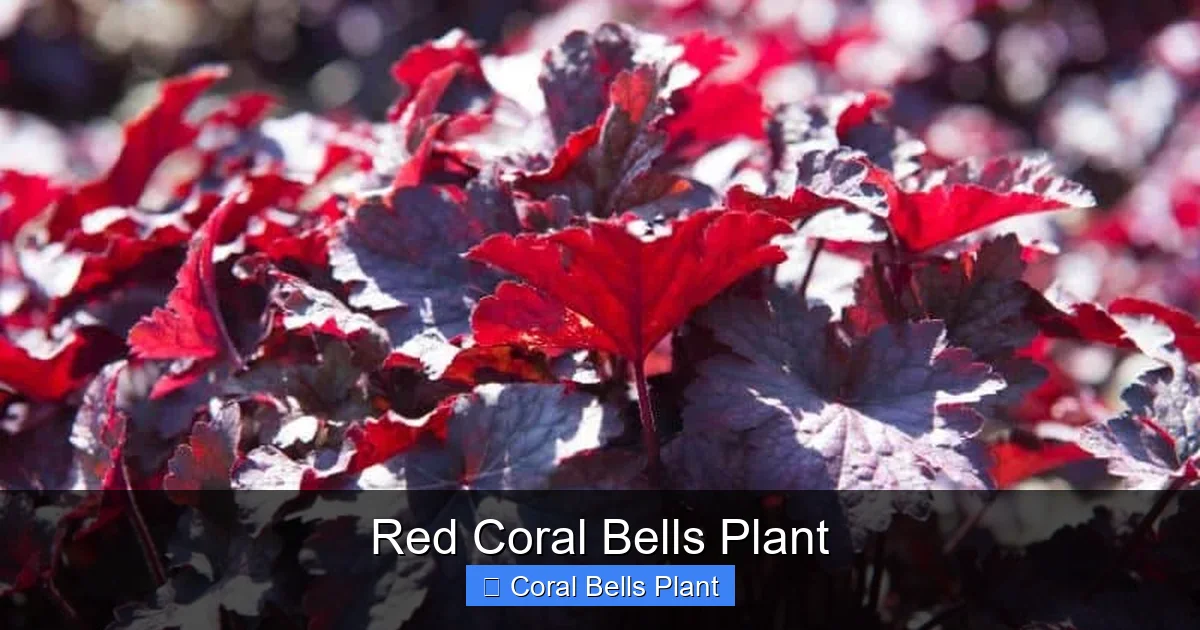
The red coral bells plant (Heuchera) is a versatile perennial prized for its stunning ruffled foliage in shades of crimson, burgundy, and ruby. Easy to grow in zones 4-9, these low-maintenance plants thrive in partial shade and provide year-round color with minimal care.
If you have ever walked through a garden center in early spring, you have probably spotted them. Those mounds of ruffled, jewel-toned leaves that seem to glow from within. The red coral bells plant stops people in their tracks. It is not just another green filler. It is a statement piece that works overtime in the landscape.
I remember the first time I planted a red coral bells plant in my own shady side yard. I was skeptical. Could something this colorful really thrive with only a few hours of morning sun? Three years later, that same clump has tripled in size. It has survived drought, a harsh winter, and my occasional neglect. It still looks like a bouquet of velvet ruffles every single day. That is the magic of Heuchera. It delivers high drama for low effort.
Key Takeaways
- Foliage First: Red coral bells are grown primarily for their spectacular leaves, not flowers, providing color from spring through winter.
- Shade Tolerant: These perennials perform best in partial shade, making them perfect for woodland gardens and north-facing beds.
- Low Maintenance: Once established, red coral bells require minimal watering, fertilizing, and pruning.
- Year-Round Interest: Evergreen in mild climates, the foliage persists through winter adding structure to dormant gardens.
- Versatile Design: Use in borders, containers, rock gardens, or as ground cover for consistent color impact.
- Deer Resistant: The fuzzy, bitter-tasting leaves deter deer and rabbits naturally.
- Many Varieties: Choose from dozens of cultivars like ‘Fire Alarm’, ‘Red Lightning’, and ‘Cherry Cola’ for different red tones.
Quick Answers to Common Questions
What zones does red coral bells grow in?
Red coral bells are hardy in USDA zones 4-9. They thrive in temperate climates with distinct seasons.
How big do red coral bells get?
Most varieties form mounds 10-14 inches tall and 12-18 inches wide. Some trailing types spread wider.
Do red coral bells bloom all summer?
No, they bloom for 3-4 weeks in late spring to early summer. The foliage provides color all season.
Can red coral bells grow in full shade?
They tolerate full shade but color is best with some morning light. Deep shade produces greener, leggier growth.
How often should I water red coral bells?
Water deeply once a week for established plants. New plants need 2-3 times weekly for the first month.
📑 Table of Contents
- Getting to Know the Red Coral Bells Plant
- Top Red Coral Bells Varieties to Grow
- Planting Your Red Coral Bells Plant for Success
- Essential Care Guide for Thriving Plants
- Designing with Red Coral Bells in the Landscape
- Common Problems and How to Solve Them
- Propagation: Making More Plants
- Seasonal Care Calendar
- Red Coral Bells Plant FAQ
Getting to Know the Red Coral Bells Plant
What Exactly Is a Coral Bells Plant?
The red coral bells plant belongs to the genus Heuchera. This is a group of North American native perennials. There are roughly 37 species. But the plants you buy at nurseries are almost always complex hybrids. Breeders have crossed species like Heuchera sanguinea, Heuchera americana, and Heuchera villosa. The goal? Better foliage color, stronger vigor, and improved heat tolerance.
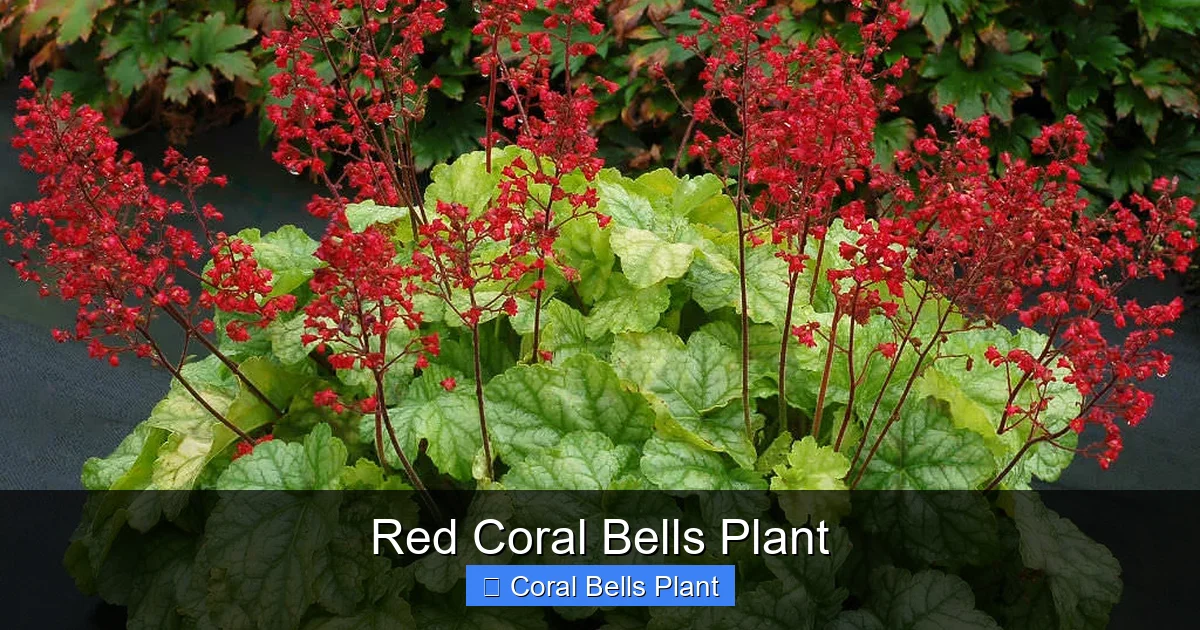
The common name “coral bells” comes from the flowers. Tiny, bell-shaped blooms dangle on wiry stems above the foliage in late spring to early summer. They are usually coral-pink, red, or white. Hummingbirds love them. But let us be honest. Most gardeners grow these plants for the leaves. The foliage forms a neat, mounding habit. Leaves are lobed, often ruffled or curled at the edges. Colors range from lime green to near-black. The red varieties are the showstoppers.
Why Red Varieties Stand Out
Red foliage plants are rare in the shade garden. Hostas give you blue-green or gold. Ferns give you texture. But a red coral bells plant? That gives you a beacon of warmth in the shadows. The red pigment comes from anthocyanins. These are the same compounds that make maples turn red in autumn. In Heuchera, the color is often most intense in spring and fall. Summer heat can cause some varieties to fade to bronze or green. Newer breeding has improved this dramatically.
Red varieties also play well with others. They echo the red tones in Japanese maples. They contrast beautifully with chartreuse hostas or golden creeping Jenny. They make purple-leaved heucheras look richer. A single clump can anchor an entire planting scheme.
Top Red Coral Bells Varieties to Grow
Fire Alarm
If you want true, stop-sign red, Fire Alarm is the gold standard. This variety holds its brilliant red color from spring through fall better than almost any other. The leaves are large, deeply lobed, and heavily ruffled. It forms a vigorous mound about 12 inches tall and 18 inches wide. White flowers appear in early summer. It handles heat and humidity better than older reds. This is my top pick for Southern gardens.
Visual guide about Red Coral Bells Plant
Image source: worldoffloweringplants.com
Red Lightning
Red Lightning offers a completely different look. The base leaf color is a deep, glossy mahogany-red. But the veins are electric gold. They look like lightning bolts frozen in the leaf. The contrast is stunning. In spring, new growth emerges almost orange-red. It matures to that deep red with gold veins. It stays relatively compact at 10 inches tall. The flowers are white. This one is a conversation starter.
Cherry Cola
Part of the popular Soda series, Cherry Cola has a cult following. The leaves are a rich, reddish-brown. Think of the color of a cherry cola bottle held up to the sun. The undersides are a bright, shocking pink. When the wind blows, you get flashes of that pink. It is playful and sophisticated at the same time. The habit is tidy. Red flowers match the foliage perfectly.
Forever Red
The name says it all. Forever Red was bred specifically for color retention. Many red heucheras turn muddy in summer heat. This one does not. The foliage stays a clear, bright ruby-red all season. The leaves are slightly smaller and very ruffled. It forms a dense, 14-inch mound. White flowers rise well above the foliage. It is one of the most reliable performers in trials across the country.
Wild Rose
For something softer, try Wild Rose. The leaves are a rosy-purple with charcoal veins. A silver overlay gives them a metallic sheen. It is not a screaming red. It is a sophisticated, complex color that changes with the light. The habit is vigorous and wide-spreading. It can reach 20 inches across. This makes it an excellent ground cover for shady slopes.
Other Notable Mentions
- Berry Smoothie: Large, rose-pink leaves with a metallic finish. Very heat tolerant.
- Paprika: Warm, paprika-red leaves with white flowers. Compact habit.
- Cajun Fire: Deep, smoky red leaves that darken to near-black in summer. White flowers.
- Redstone Falls: A trailing variety for hanging baskets and walls. Red leaves with silver veins.
Planting Your Red Coral Bells Plant for Success
Choosing the Right Spot
Location is everything with a red coral bells plant. These are woodland plants at heart. They evolved on forest floors and rocky slopes. They want dappled light. Morning sun with afternoon shade is ideal. In cooler climates (zones 4-6), they can handle more sun. In hot climates (zones 7-9), they need more shade. Too much sun bleaches the red color. Too much deep shade makes them leggy and dull.
Watch your proposed planting spot for a day. How many hours of direct sun does it get? When? If it gets blasted by western sun in July, move on. If it gets gentle eastern light until noon, you have a winner. Also consider reflected heat. A spot near a south-facing brick wall might be too hot even if it is technically “shady.”
Soil Preparation Is Key
Heucheras hate wet feet. Their crowns rot quickly in heavy clay. But they also hate bone-dry sand. The sweet spot is rich, well-draining soil with plenty of organic matter. Before planting, amend your soil. Work in 2-3 inches of compost. Add some coarse sand or fine grit if your soil is heavy. A handful of perlite in the planting hole helps too.
The ideal pH is slightly acidic to neutral (6.0-7.0). If you garden in alkaline soil, add some peat moss or elemental sulfur to the planting area. Good drainage is non-negotiable. If water pools after rain, build a raised bed or plant in a container. I cannot stress this enough. More coral bells die from crown rot than anything else.
Planting Depth Matters
This is the number one mistake gardeners make. They plant the crown too deep. The crown is where the leaves emerge from the roots. It must sit at or slightly above soil level. Not buried. Not mounded high. Right at the surface. If you bury it, the crown stays wet. Rot sets in. The plant dies.
Dig a hole twice as wide as the pot. No deeper. Gently loosen the roots. Place the plant so the crown sits at grade. Backfill with your amended soil. Firm it gently. Water well to settle the soil. Mulch around the plant with shredded bark or pine straw. Keep mulch away from the crown. A donut shape, not a volcano.
Spacing for Airflow
Give your red coral bells plant room to breathe. Space plants 12-18 inches apart depending on the variety’s mature width. Good airflow prevents fungal diseases like powdery mildew and rust. It also lets the ruffled foliage show off its form. Crowded plants compete for light and nutrients. They become leggy and prone to problems.
Container Planting Tips
Red coral bells are fantastic in pots. Use a high-quality potting mix. Not garden soil. Add extra perlite for drainage. Ensure the pot has drainage holes. Do not use a saucer that holds water. Plant at the same depth rule: crown at soil level. Water when the top inch of mix feels dry. Fertilize lightly with a slow-release fertilizer in spring. In winter, move pots to a protected spot in cold zones. An unheated garage works well.
Essential Care Guide for Thriving Plants
Watering Wisdom
Newly planted red coral bells plant needs consistent moisture. Water deeply 2-3 times a week for the first month. After that, they are surprisingly drought tolerant. Established plants have thick, fibrous roots that seek moisture. Water deeply once a week during dry spells. Avoid frequent shallow watering. That encourages surface roots.
The finger test works best. Stick your finger in the soil near the plant. If it is dry an inch down, water. If it is moist, wait. In containers, check daily in summer. The foliage will tell you too. Leaves that go limp in the morning need water. Leaves that are limp at noon but perky in the morning are just conserving moisture in heat.
Fertilizing: Less Is More
Heucheras are light feeders. Too much nitrogen produces lush green growth at the expense of red color. In spring, apply a balanced, slow-release fertilizer (like 10-10-10) at half the recommended rate. Or top-dress with an inch of compost. That is usually all they need. Skip fertilizing after July. You want the plant to harden off before winter.
If your plant looks pale or stunted, a liquid feed of fish emulsion or seaweed extract can give a quick boost. But do not overdo it. I fertilize my in-ground plants once a year with compost. My container plants get a slow-release pellet in spring. That is it.
Mulching for Moisture and Health
A 2-inch layer of organic mulch is your best friend. It keeps roots cool and moist. It suppresses weeds. It breaks down to feed the soil. Shredded leaves, pine bark, or straw all work. Keep it pulled back from the crown. Wet mulch against the crown invites rot. Refresh mulch annually in spring.
Pruning and Grooming
The red coral bells plant is low maintenance, not no maintenance. In early spring, remove any winter-damaged leaves. Cut them off at the base. This makes room for fresh growth. After flowering, you can cut the flower stalks down. Or leave them for seed and winter interest. I leave mine. The seed heads catch frost beautifully.
Every 3-4 years, the center of the clump may get woody and die out. The plant pushes new growth to the edges. This is the signal to divide. Dig the whole clump in early spring. Pull or cut apart the vigorous outer sections. Discard the woody center. Replant the divisions. Water well. They will establish quickly.
Winter Protection
In zones 4-6, a red coral bells plant benefits from winter mulch. After the ground freezes, apply a loose layer of straw or evergreen boughs. This prevents freeze-thaw cycles from heaving the crown out of the soil. Heaving exposes roots to killing cold. Remove the winter mulch gradually in early spring. In zones 7-9, no extra protection is needed. The plants stay evergreen.
Designing with Red Coral Bells in the Landscape
Shade Garden Combinations
A red coral bells plant is a design powerhouse in shade. Pair it with bold textures. The large, smooth leaves of hostas contrast perfectly with ruffled heuchera foliage. Try ‘Fire Alarm’ next to a blue hosta like ‘Halcyon’. The red-blue combo is electric. Add a fine-textured fern like Japanese painted fern. Its silver and burgundy fronds echo the heuchera’s colors.
For a monochromatic scheme, combine different red varieties. ‘Forever Red’ (bright ruby), ‘Cajun Fire’ (deep smoky red), and ‘Cherry Cola’ (reddish-brown). The subtle variations create depth. Underplant with red-tinted epimedium or tiarella. The result is a tapestry of red that feels intentional and sophisticated.
Sun-Tolerant Border Ideas
In cooler climates, use red coral bells at the front of a sunny border. They hide the bare legs of taller perennials. Plant them in drifts of 3, 5, or 7 for impact. Combine with silver-foliaged plants like artemisia, lamb’s ears, or dusty miller. The silver makes the red pop. Add purple salvia or catmint for a cool-warm contrast.
Or go for a hot color scheme. Pair ‘Paprika’ heuchera with orange geum, yellow coreopsis, and red hot poker. The red foliage bridges the flower colors. It keeps the bed looking good even when perennials are between bloom cycles.
Container Recipes
Red coral bells are the ultimate “thriller” or “filler” in container design. For a shade pot, use ‘Red Lightning’ as the centerpiece. Surround it with golden creeping Jenny spilling over the edge. Add a few white impatiens or begonias for flowers. The gold, The result: a glowing, layered pot that looks great all season.
For sun (in cool zones), try ‘Fire Alarm’ with purple sweet potato vine and orange calibrachoa. The red foliage ties the hot colors together. In a large trough, plant a row of ‘Forever Red’ along the back. Front with silver dichondra and white bacopa. Simple, modern, stunning.
Rock Gardens and Slopes
The red coral bells plant loves the sharp drainage of a rock garden. Tuck them between stones. Their roots will follow the cool, moist crevices. The ruffled foliage softens hard edges. On a shady slope, plant them in diagonal drifts. They help hold soil. The evergreen foliage prevents the “bare dirt” look in winter. Mix with sedums, creeping phlox, and dwarf conifers for a four-season tapestry.
Woodland and Naturalistic Plantings
Since Heuchera is native to North America, it belongs in woodland gardens. Plant it along a path edge where you can appreciate the foliage detail up close. Combine with native ferns, foamflower (Tiarella), wild ginger, and trilliums. Let it self-sow gently. The seedlings often have interesting color variations. It creates a living carpet that feels wild but curated.
Common Problems and How to Solve Them
Crown Rot: The Silent Killer
This is the big one. Crown rot is caused by soil-borne fungi (Phytophthora, Rhizoctonia). It strikes when the crown stays wet. Symptoms: leaves yellow, wilt, and pull away easily. The crown turns brown and mushy. Prevention is the only cure. Plant high. Ensure drainage. Do not overwater. Do not mulch over the crown. If you catch it early, you can sometimes save the plant. Dig it up. Cut away all rotted tissue. Dust with sulfur fungicide. Replant in fresh, well-draining soil. But honestly? It is usually faster to replace it.
Heaving in Winter
In cold climates, freeze-thaw cycles push the shallow crown out of the ground. The roots dry out and die. You will see the plant sitting proud of the soil with exposed roots. Fix: Apply winter mulch after ground freezes. If you see heaving in late winter, gently press the plant back down. Do not stomp. Water if soil is dry. Mulch heavily.
Powdery Mildew
This fungal disease looks like white talcum powder on leaves. It thrives in humid, stagnant air. It is unsightly but rarely fatal. Fix: Improve airflow. Space plants properly. Water at the base, not overhead. Remove badly affected leaves. Spray with neem oil or potassium bicarbonate if severe. Some varieties are more resistant. ‘Fire Alarm’ and ‘Forever Red’ show good resistance.
Rust
Rust appears as orange-brown pustules on leaf undersides. Leaves yellow and drop. It spreads in wet, cool weather. Fix: Remove infected leaves immediately. Do not compost them. Improve airflow. Avoid overhead watering. Copper fungicide can help if caught early. Clean up all fallen leaves in autumn.
Sun Scorch
Brown, crispy leaf edges or bleached patches mean too much sun. The red pigment cannot protect the leaf tissue from intense UV. Fix: Move the plant to a shadier spot in early spring or fall. Or provide a shade cloth during the hottest weeks. In containers, simply move the pot.
Pests: Weevils and Nematodes
Black vine weevil adults notch leaf edges at night. Larvae eat roots. Nematodes are microscopic worms that damage roots. Both cause decline. Fix for weevils: Apply beneficial nematodes (the good kind) to soil in spring and fall. They hunt the larvae. Hand-pick adults at night with a flashlight. For root-knot nematodes: Solarize soil or plant resistant varieties. Heuchera villosa hybrids have some resistance.
Fading Color
If your red coral bells plant turns green or bronze in summer, it is usually heat stress. Some varieties do this naturally. Others do it because they are getting too much afternoon sun. Fix: Ensure afternoon shade. Keep well-watered during heat waves. Choose heat-tolerant varieties like ‘Fire Alarm’, ‘Berry Smoothie’, or villosa hybrids. Accept that some seasonal color shift is normal.
Propagation: Making More Plants
Division: The Reliable Method
Division is the easiest way to propagate a red coral bells plant. It produces clones identical to the parent. Do it in early spring as new growth emerges. Or early fall (at least 6 weeks before frost). Dig the entire clump. Wash or shake off soil. You will see individual rosettes connected by woody stems. Pull or cut them apart. Each division needs roots and a growing point. Replant immediately. Water well. Keep shaded for a week. They establish fast.
Seed: The Lottery Method
Heucheras hybridize promiscuously. Seed from your ‘Fire Alarm’ will not grow true. You will get a mix of colors, mostly muddy. But it is fun. Collect seed when pods turn brown and split. Sow fresh on moist seed-starting mix. Do not cover. Light aids germination. Keep at 65-70°F. Germination takes 2-8 weeks. Transplant seedlings when they have true leaves. Grow on for a year before planting out. You might discover a gem. Or you might get green plants. It is a gamble.
Leaf Cuttings: The Advanced Method
You can root a single leaf. Take a healthy leaf with a short piece of petiole (stem). Dip in rooting hormone. Stick in moist perlite-vermiculite mix. Cover with a humidity dome. Keep bright but not sunny. Roots form in 4-6 weeks. A tiny plantlet emerges at the leaf base. This works best with villosa hybrids. It is slower than division but yields many plants from one leaf.
Seasonal Care Calendar
Spring (March – May)
- Remove winter mulch gradually.
- Cut off damaged leaves.
- Apply compost or slow-release fertilizer.
- Divide crowded clumps.
- Plant new purchases.
- Watch for weevil notching on new leaves.
Summer (June – August)
- Water deeply during dry spells.
- Deadhead flowers if desired (or leave for seed).
- Monitor for powdery mildew in humidity.
- Provide shade cloth if leaves scorch.
- Enjoy the foliage!
Fall (September – November)
- Plant new divisions or nursery plants.
- Stop fertilizing.
- Clean up fallen leaves to prevent disease.
- Apply fresh mulch (keep off crown).
- In cold zones, prepare winter mulch materials.
Winter (December – February)
- Apply winter mulch after ground freezes (zones 4-6).
- Check for heaving during thaws.
- Brush heavy snow off gently to prevent breakage.
- Plan next year’s combinations.
- Order new varieties for spring.
Red Coral Bells Plant FAQ
Do red coral bells plants come back every year?
Yes, the red coral bells plant is a hardy perennial that returns reliably in zones 4-9. In warmer zones, it stays evergreen through winter. In colder zones, the foliage may die back but the crown survives underground and resprouts in spring.
How much sun can a red coral bells plant tolerate?
Most red varieties prefer morning sun and afternoon shade. In northern zones (4-6), they can handle 4-6 hours of sun. In southern zones (7-9), limit direct sun to 2-3 hours of gentle morning light. Too much sun fades the red color and scorches leaves.
Why is my red coral bells plant turning green?
Summer heat and intense sun cause many red varieties to produce more chlorophyll, turning leaves bronze or green. This is normal for some cultivars. Ensure afternoon shade, consistent moisture, and choose heat-tolerant varieties like ‘Fire Alarm’ or ‘Forever Red’ for better color retention.
Can I grow red coral bells in containers?
Absolutely. They thrive in pots with good drainage. Use quality potting mix with added perlite. Water when the top inch feels dry. Fertilize lightly in spring. In winter, move containers to a protected spot in zones 4-6. They make stunning solo specimens or mixed container centerpieces.
When should I divide my red coral bells plant?
Divide every 3-4 years in early spring when new growth appears, or early fall (6+ weeks before frost). Signs it needs division: woody center dying out, reduced vigor, fewer leaves. Dig the clump, separate vigorous outer rosettes with roots, and replant immediately.
Are red coral bells plants deer resistant?
Yes, they are highly deer and rabbit resistant. The leaves have a fuzzy texture and bitter taste that animals avoid. However, desperate deer may nibble flowers. In heavy deer pressure areas, the foliage typically remains untouched.
Frequently Asked Questions
What is the best red coral bells variety for hot climates?
Fire Alarm and Berry Smoothie are the top choices for heat and humidity tolerance. They maintain vibrant red color through southern summers better than older varieties. Both are Heuchera villosa hybrids, giving them superior heat resistance.
Can I plant red coral bells under trees?
Yes, they are excellent under deciduous trees where they get spring sun before leaves emerge and dappled shade in summer. Avoid dense evergreen shade and aggressive tree roots. Add compost to planting holes to help them compete.
Do red coral bells attract pollinators?
The tiny bell-shaped flowers attract hummingbirds, bees, and butterflies in late spring. While not a major nectar source, they provide early-season food. The foliage does not attract pollinators but supports beneficial insects.
How do I keep my red coral bells red all summer?
Choose heat-tolerant varieties, provide afternoon shade, maintain consistent moisture, and avoid high-nitrogen fertilizers. Some color shift is natural. Spring and fall color is always most intense.
Are red coral bells toxic to pets?
Heuchera is generally considered non-toxic to dogs and cats. However, eating large amounts of any plant material can cause mild stomach upset. The bitter taste usually deters pets from chewing them.
Can red coral bells be grown as houseplants?
They can grow indoors temporarily but need a cold dormancy period to thrive long-term. They prefer cool temperatures (60-65°F), bright indirect light, and high humidity. Better to enjoy them as outdoor perennials.


