What Eats the Roots of Coral Bell Plants
Coral bells (Heuchera) are prized for their colorful foliage, but their roots can fall prey to a variety of soil‑dwelling pests. This guide explains the most common root feeders, how to spot damage, and practical steps to keep your plants healthy.
If you grow coral bells, you already know how striking their ruffled leaves can be in a shade garden. But beneath the surface a hidden battle often takes place. Understanding what eats the roots of coral bell plants is the first step to keeping those vibrant clumps thriving year after year.
Root damage is sneaky. You may notice yellowing leaves, stunted growth, or sudden wilting even when the soil feels moist. Those symptoms usually point to an underground attacker. In this article we’ll walk through the most common pests, the tell‑tale signs they leave behind, and a toolbox of cultural, biological, and chemical controls you can use.
Key Takeaways
- Root weevils are the most frequent culprits, chewing through root tissue and causing wilting.
- Wireworms and grubs tunnel through the soil, feeding on tender roots and reducing plant vigor.
- Nematodes such as root‑knot nematodes create galls that block water uptake.
- Fungal pathogens like Phytophthora thrive in wet conditions and rot roots from the inside.
- Cultural practices—proper watering, mulching, and crop rotation—greatly reduce pest pressure.
- Biological controls such as beneficial nematodes and predatory beetles offer effective, low‑toxicity options.
- Targeted chemical treatments should be a last resort and applied according to label directions.
Quick Answers to Common Questions
What are the most common root pests of coral bells?
Root weevils, wireworms, beetle grubs, and root‑knot nematodes are the primary culprits.
How can I tell if my coral bells have root damage?
Look for wilting despite moist soil, yellowing lower leaves, reduced vigor, and a shrunken root ball when you gently lift the plant.
Are beneficial nematodes safe for pets and pollinators?
Yes, entomopathogenic nematodes target only soil‑dwelling insect larvae and pose no risk to mammals, birds, or beneficial insects.
When should I apply a soil drench for root weevils?
Apply in early summer when larvae are actively feeding, typically after the first adult weevils are seen on foliage.
Can I prevent root rot without chemicals?
Improving drainage, avoiding overwatering, and using disease‑free compost are effective cultural methods to prevent fungal root rots.
📑 Table of Contents
Understanding Coral Bell Plants
Botanical background
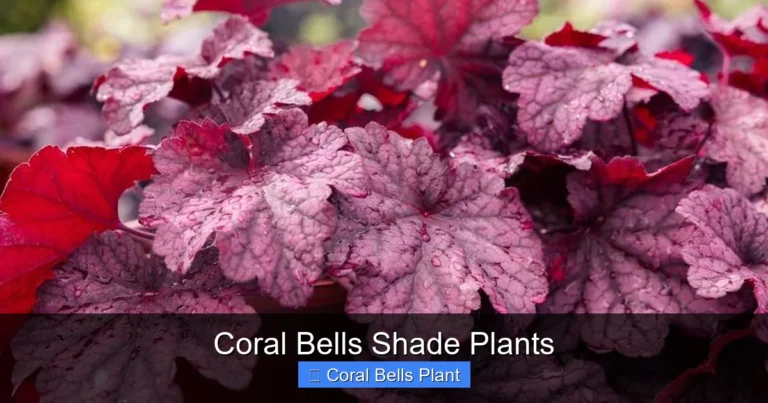
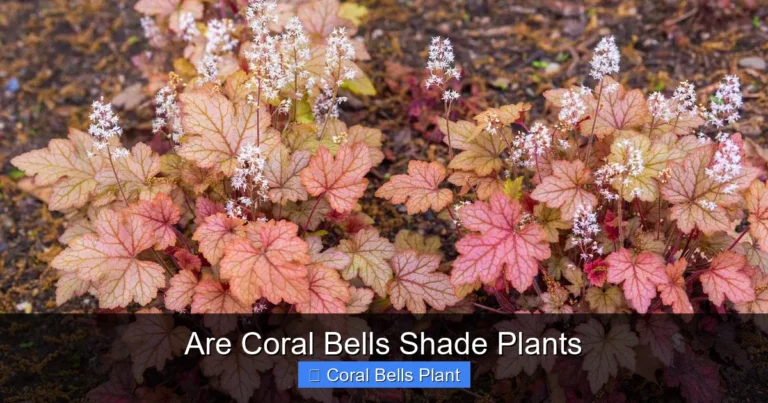
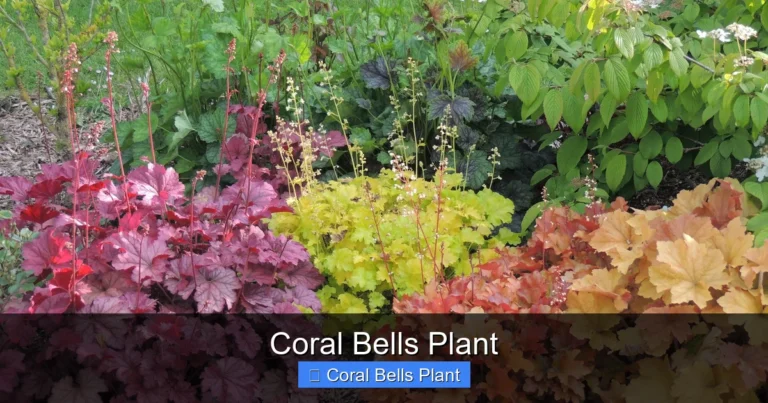
Coral bells belong to the genus Heuchera and are native to North America. They are herbaceous perennials prized for foliage that ranges from deep burgundy to lime green, often with striking veining. The plants form a compact mound of basal leaves and send up airy flower spikes in late spring to early summer.
Root system characteristics
Heuchera roots are relatively shallow and fibrous, spreading horizontally just below the soil surface. This architecture makes them efficient at capturing nutrients in the top few inches of soil, but it also places them within easy reach of many soil‑dwelling insects and pathogens. Because the roots are not deep, any disturbance in the upper soil layer can have an immediate impact on plant health.
Common Root Pests That Target Coral Bells
Root weevils
Adult root weevils are small, dark beetles that feed on foliage at night, but the real damage comes from their larvae. The white, C‑shaped grubs burrow into the root zone and chew through the cortex, severing the plant’s lifeline. Heavy infestations cause sudden wilting, especially during hot afternoons when the plant cannot replace lost water fast enough.
Wireworms and beetle grubs
Wireworms are the larvae of click beetles. They are slender, hard‑bodied, and can live in the soil for several years. Their feeding creates irregular tunnels in the root mass, leading to patchy dieback. Similarly, the grubs of Japanese beetles and June beetles feed on roots, reducing the plant’s ability to absorb nutrients.
Root‑knot nematodes
Microscopic roundworms such as Meloidogyne species invade root tips and induce gall formation. These galls disrupt the vascular tissue, causing stunted growth and a characteristic “knotted” appearance on the roots. Nematode populations build up slowly, so damage often goes unnoticed until the plant is severely weakened.
Fungal root rots
Pathogens like Phytophthora, Pythium, and Rhizoctonia thrive in overly wet, poorly drained soils. They infect the root cortex, turning it brown and mushy. Infected plants often show a gradual decline, with leaves turning yellow from the bottom up. Good drainage is the single most effective cultural defense against these diseases.
Signs Your Coral Bells Are Under Attack
Above‑ground symptoms
Watch for unexplained wilting during the heat of the day, even when the soil feels moist. Yellowing or browning of lower leaves, reduced vigor, and fewer flower spikes are classic red flags. If you gently tug a plant and it comes out with a significantly reduced root ball, you have strong evidence of root loss.
Below‑ground clues
Carefully dig around the base of a suspect plant. Look for chewed root tips, tunnels, or galls. Root weevil larvae leave clean, straight cuts, while wireworms create irregular, winding channels. Nematode galls appear as small, bead‑like swellings on the roots. Fungal rot shows as dark, water‑soaked tissue that easily sloughs off.
Timing of damage
Root weevil larvae are most active in late spring and early summer. Wireworms can feed throughout the growing season, especially in cool, moist soils. Nematode damage peaks in warm weather when soil temperatures favor their reproduction. Knowing the seasonal patterns helps you target monitoring efforts.
Natural and Cultural Controls
Soil health and drainage
Amend heavy clay soils with compost or coarse sand to improve aeration and drainage. Raised beds or mounded planting sites keep the root zone from staying soggy, which discourages both fungal pathogens and many soil insects.
Mulching wisely
Apply a thin layer of shredded bark or leaf mold around the crown, but keep mulch a few inches away from the stems. Excessive mulch can create a humid microclimate that favors root rot and provides shelter for weevil larvae.
Crop rotation and companion planting
If you have a dedicated Heuchera bed, rotate with non‑host plants such as ornamental grasses or ferns every two to three years. This breaks the life cycles of specialist pests like root weevils and nematodes.
Beneficial nematodes
Entomopathogenic nematodes (e.g., Steinernema feltiae) actively seek out and kill soil‑dwelling insect larvae. Apply them in the early evening when soil temperatures are between 55 °F and 85 °F, and water thoroughly afterward to help them move through the root zone.
Predatory beetles and birds
Ground beetles (Carabidae) and rove beetles are natural predators of weevil larvae and wireworms. Encourage them by providing a diverse habitat with leaf litter, stones, and a small water feature. Birds such as robins and wrens also forage for grubs in the soil.
Chemical Options and When to Use Them
Insecticidal drenches
Products containing imidacloprid or bifenthrin can be applied as a soil drench to target root weevil larvae and wireworms. Follow label rates precisely; over‑application can harm beneficial soil organisms and lead to resistance.
Nematicides
For severe nematode infestations, a targeted nematicide such as fluopyram may be warranted. These are usually restricted-use products, so consult your local extension service before purchasing.
Fungicide treatments
If a root rot pathogen is confirmed, a systemic fungicide like mefenoxam can suppress Phytophthora and Pythium. Apply as a preventive drench in early spring and again after heavy rains.
Integrated pest management (IPM) approach
Chemicals should be the last line of defense. Combine monitoring, cultural practices, and biological controls first. Only treat when pest thresholds are exceeded and damage is evident. This reduces environmental impact and preserves the natural enemies that keep pest populations in check.
Preventive Care for Healthy Roots
Regular inspection routine
Set a calendar reminder to check a few plants each month during the growing season. Gently loosen the soil around the crown and look for early signs of feeding or disease. Early detection makes any intervention far more effective.
Watering practices
Water deeply but infrequently to encourage roots to grow downward. Avoid overhead watering late in the day, which leaves foliage wet and can promote fungal spores splashing onto the soil surface.
Fertilization balance
Excess nitrogen encourages lush top growth at the expense of root development. Use a balanced, slow‑release fertilizer formulated for perennials, applied in early spring and again after flowering.
Sanitation
Remove and destroy any severely infected plants, including the root ball, to prevent pathogen spread. Clean tools with a 10 % bleach solution between beds.
Record keeping
Maintain a simple garden journal noting planting dates, pest observations, treatments applied, and outcomes. Over time this data reveals patterns and helps you refine your management plan.
By now you should have a clear picture of what eats the roots of coral bell plants and a toolbox of strategies to protect them. Healthy roots mean vibrant foliage, abundant blooms, and a garden that keeps delivering color season after season. Stay observant, act early, and your Heuchera will reward you with years of low‑maintenance beauty.
Frequently Asked Questions
What eats the roots of coral bell plants?
The main root feeders are root weevil larvae, wireworms, beetle grubs, and root‑knot nematodes. Fungal pathogens like Phytophthora also destroy roots in wet conditions.
How do I identify root weevil damage?
Root weevil larvae leave clean, straight cuts on roots and cause sudden wilting during hot afternoons. Adults notch leaf edges at night.
Are there organic controls for wireworms?
Beneficial nematodes (Steinernema feltiae) and encouraging ground beetles are effective organic options. Crop rotation also reduces wireworm populations.
Can nematodes be seen with the naked eye?
Root‑knot nematodes are microscopic; you cannot see them without a microscope. Their presence is inferred from galled, knotted roots.
What soil conditions favor fungal root rot?
Poor drainage, compacted soil, and frequent overhead watering create the moist, low‑oxygen environment that Phytophthora and Pythium thrive in.
Is it safe to use imidacloprid on coral bells?
Imidacloprid is labeled for ornamental perennials and can control root weevil larvae when applied as a soil drench. Follow label instructions and consider pollinator safety.