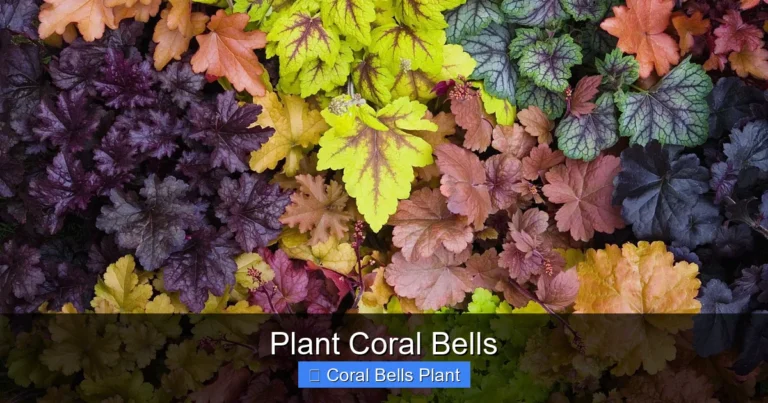
When to Plant Caramel Coral Bells
Caramel coral bells thrive when planted in early spring or early fall, giving roots time to establish before extreme temperatures. Proper timing ensures vibrant caramel-colored foliage and strong growth for years to come.
If you have ever walked through a shade garden in late spring and spotted those glowing, caramel-colored leaves catching the dappled light, you know exactly why gardeners fall hard for caramel coral bells. This stunning Heuchera cultivar brings warm, butterscotch tones to shady spots where few other plants offer such rich color. But here is the thing: getting that show-stopping display starts long before the leaves unfurl. It starts with knowing when to plant caramel coral bells for the strongest start possible.
Timing matters more than most gardeners realize. Plant too early in cold, soggy soil and the crown rots. Plant too late in scorching summer heat and the delicate roots fry before they can establish. Plant at just the right moment, though, and you set the stage for a perennial that returns bigger and more brilliant each year. In this guide, we will walk through everything you need to know about when to plant caramel coral bells in your specific climate, plus the preparation steps that make all the difference.
Key Takeaways
- Best planting windows: Early spring after last frost or early fall 6-8 weeks before first frost
- Soil temperature matters: Aim for 50-65°F soil for optimal root development
- Avoid summer heat: Planting in high heat stresses new transplants and causes leaf scorch
- Container plants offer flexibility: Potted caramel coral bells can be planted throughout the growing season with extra care
- Regional timing varies: Adjust planting dates based on your USDA hardiness zone
- Fall planting advantages: Cooler temperatures and autumn rains reduce watering needs
- Proper site prep ensures success: Well-draining soil amended with organic matter prevents crown rot
Quick Answers to Common Questions
What is the absolute best month to plant caramel coral bells?
There is no single best month for all regions. In most zones, April (spring) and September (fall) are ideal. Adjust based on your local frost dates and soil conditions.
Can I plant caramel coral bells in winter?
Only in zones 8-9 where the ground does not freeze. In colder zones, winter planting leads to frost heaving and root death. Wait for spring or plant in early fall.
How do I know if my soil is ready for spring planting?
Grab a handful of soil and squeeze. If it forms a tight ball that does not crumble, it is too wet. If it crumbles easily, it is ready. Soil temperature should be at least 45°F.
Should I fertilize when I plant caramel coral bells?
No. Freshly planted coral bells do not need fertilizer. The amended soil provides sufficient nutrients. Fertilizing stimulates top growth before roots can support it. Wait 4-6 weeks for spring plantings; skip entirely for fall plantings.
What if I missed the fall planting window?
If the ground has not frozen, you can still plant but mulch heavily (4 inches) after the ground freezes to prevent heaving. Better yet, hold the plant in a protected spot (cold frame, unheated garage) and plant first thing in spring.
📑 Table of Contents
- Understanding Caramel Coral Bells Growth Cycle
- Spring Planting: The Traditional Window
- Fall Planting: The Underrated Option
- Regional Considerations for Planting Timing
- Container vs. Bare Root: Does It Change Timing?
- Site Preparation: Setting the Stage for Success
- Step-by-Step Planting Process
- Post-Planting Care by Season
- Common Planting Mistakes to Avoid
- Companion Planting Considerations
- Troubleshooting Establishment Issues
- Long-Term Care for Maximum Impact
- Design Ideas for Caramel Coral Bells
- Frequently Asked Questions About Planting Timing
- Conclusion
Understanding Caramel Coral Bells Growth Cycle
Before we dive into specific planting dates, it helps to understand what this plant actually does throughout the year. Caramel coral bells (Heuchera ‘Caramel’) is a clump-forming perennial prized for its foliage rather than its flowers. The leaves emerge in spring with bright golden-caramel tones that deepen to rich amber as summer progresses. In fall, they often take on pinkish undertones. Come winter, the foliage may persist in mild climates or die back in colder zones.
Root Development Patterns
The root system of caramel coral bells is fibrous and relatively shallow. This means the plant is sensitive to both drought and waterlogged conditions. Most active root growth happens when soil temperatures sit between 50 and 65 degrees Fahrenheit. During the heat of summer, root growth slows dramatically. In winter, roots go largely dormant unless you garden in zones 8 or warmer.
This growth pattern directly informs when to plant caramel coral bells. You want to get them in the ground during those windows of active root growth so they can anchor themselves before facing temperature extremes.
Dormancy and Emergence
In zones 4 through 7, caramel coral bells typically die back to the crown in winter. New growth emerges from the center of the plant in early spring, often before the last frost date. In zones 8 and 9, the foliage may remain evergreen year-round, though it can look a bit tired by late winter. Understanding your zone’s typical behavior helps you recognize normal seasonal changes versus transplant shock.
Spring Planting: The Traditional Window
Ask most gardeners when to plant caramel coral bells and they will say spring. It is the classic planting season for good reason. Nurseries are fully stocked, the soil is workable, and the whole growing season stretches ahead. But “spring” is a broad term. Let us narrow it down.

Visual guide about When to Plant Caramel Coral Bells
Image source: marthastewart.com
Wait for Workable Soil
The number one rule for spring planting: do not rush it. Caramel coral bells hate cold, wet soil. If you dig a planting hole and the soil sticks to your shovel in heavy clumps, it is too wet. Wait until a handful of soil crumbles easily when squeezed. This usually coincides with soil temperatures reaching the mid-40s to low-50s Fahrenheit.
In most regions, this means planting 2 to 4 weeks before your average last frost date. The plant can handle light frost once established, but newly transplanted crowns are vulnerable to freeze-thaw cycles that heave them out of the ground.
Ideal Spring Planting Dates by Zone
Here is a general breakdown for when to plant caramel coral bells in spring across different hardiness zones:
- Zones 3-4: Late April to mid-May
- Zones 5-6: Mid-April to early May
- Zones 7-8: Late March to mid-April
- Zone 9: February to March (though fall is often better here)
These are guidelines, not rigid rules. A cold, wet spring in zone 6 might push planting into mid-May. A warm, dry spring in zone 7 might allow late February planting. Watch your soil, not just the calendar.
Spring Planting Advantages
Spring planting gives caramel coral bells the entire growing season to establish. The plant can develop a robust root system before facing its first winter. You also get to enjoy the foliage color show that same year. Spring-planted specimens often reach near-mature size by fall.
Another advantage: spring rains typically handle watering duties for you. Consistent moisture during establishment is critical for coral bells, and spring usually delivers.
Spring Planting Risks
The main risk with spring planting is a sudden heat wave. If temperatures spike into the 80s or 90s within weeks of planting, the shallow roots can dry out fast. You will need to monitor moisture closely and provide temporary shade if needed. Late spring frosts can also damage tender new growth, though the crown usually recovers.
Fall Planting: The Underrated Option
Many experienced gardeners actually prefer fall for when to plant caramel coral bells. The logic is simple: cool air temperatures reduce stress on the foliage while warm soil temperatures encourage root growth. The plant puts energy into roots rather than top growth, setting up a stronger start next spring.
The Fall Planting Window
Timing is everything with fall planting. You need to plant early enough for roots to establish before the ground freezes, but late enough that you avoid the heat of late summer. The sweet spot is typically 6 to 8 weeks before your average first hard frost date.
This translates to:
- Zones 3-4: Late August to mid-September
- Zones 5-6: Mid-September to early October
- Zones 7-8: October to early November
- Zone 9: November to early December
If you are unsure of your first frost date, check with your local extension office. They often have detailed historical data for your specific county.
Why Fall Often Wins
Fall planting offers several distinct advantages for caramel coral bells. First, the soil is warm from months of summer sun, which stimulates rapid root growth. Second, autumn rains are typically more reliable than spring rains in many regions. Third, weed pressure drops significantly in fall, meaning less competition for your new plant. Fourth, you avoid the spring rush at nurseries and often find end-of-season sales.
Perhaps most importantly, fall-planted caramel coral bells hit the ground running next spring. While spring-planted specimens are still settling in, your fall-planted ones are ready to explode with fresh growth at the first sign of warm weather.
Fall Planting Precautions
Fall planting is not without risks. The biggest danger is planting too late. If the ground freezes before roots have anchored, the plant can heave out of the soil during freeze-thaw cycles. This exposes the crown to drying winds and cold damage. Mulching heavily after the ground freezes helps prevent this.
Another consideration: fall-planted caramel coral bells will not look their best until the following spring. The foliage may decline after planting as the plant focuses on roots. Do not panic. This is normal. Resist the urge to fertilize, which would stimulate vulnerable top growth.
Regional Considerations for Planting Timing
The question of when to plant caramel coral bells changes dramatically depending on where you garden. A gardener in Minnesota faces very different constraints than one in Georgia. Let us break down the major climate regions.
Northern Climates (Zones 3-5)
In the north, the growing season is short and winters are brutal. Spring planting is generally safer here because it gives the maximum establishment time before winter. Fall planting works but carries higher risk of winter loss if an early cold snap hits.
For northern gardeners, the best strategy is often spring planting as soon as the soil is workable. Choose a site with good snow cover potential, as snow acts as insulation. Apply a thick winter mulch after the ground freezes in late November or December.
Midwest and Northeast (Zones 5-6)
This is prime caramel coral bells territory. Both spring and fall planting work well here. Spring offers the security of a full growing season. Fall offers the physiological advantages of cool-air-warm-soil conditions. Many gardeners in this region do both, planting different specimens each season to compare results.
If you choose fall planting here, aim for mid-September. This gives 6-8 weeks before the typical late October to early November hard freeze. Water thoroughly until the ground freezes.
Pacific Northwest (Zones 7-8)
The maritime climate of the Pacific Northwest creates a long planting window. Fall is absolutely excellent here. The rains return reliably in October, and the ground rarely freezes solid. You can plant from late September through November with great success.
Spring planting also works, but you must contend with cool, wet springs that can delay soil warming. Raised beds or mounded planting areas help with drainage in this climate.
Southern Climates (Zones 8-9)
In the South, the question of when to plant caramel coral bells flips entirely. Spring planting is risky because summer heat arrives fast and furious. A plant installed in April may face 90-degree temperatures within 6 weeks, before roots are established.
Fall is overwhelmingly the better choice in zones 8 and 9. Plant in October or November when temperatures moderate. The mild winter allows continued root growth, and the plant is ready to handle the heat by the following summer. Some gardeners in zone 9 even plant in January during mild winters.
Southwest and Arid Regions
In dry climates, the planting window depends on irrigation. With reliable drip irrigation, you can plant in spring or fall. Without it, fall is safer because winter rains (where they occur) help establishment. In low desert areas like Phoenix, plant in late fall (November) for best results. Provide afternoon shade regardless of planting season.
Container vs. Bare Root: Does It Change Timing?
Most caramel coral bells sold at nurseries are container-grown. However, mail-order specialists sometimes ship bare-root plants in early spring. The planting method affects when to plant caramel coral bells slightly.
Container-Grown Plants
Container plants have intact root systems and can be planted throughout the growing season with proper care. This gives you the most flexibility. You can plant in summer if you must, provided you shade the plant, water diligently, and accept some transplant shock.
That said, the ideal windows remain spring and fall. Summer-planted container specimens need daily monitoring. The potting mix they come in often dries faster than surrounding garden soil, creating a moisture gradient that pulls water away from the roots.
Bare-Root Plants
Bare-root caramel coral bells are typically only available in early spring while dormant. They must be planted immediately upon arrival, usually March through April depending on your zone. The timing is non-negotiable: they need to go in the ground before significant top growth begins.
Bare-root plants often establish faster than container plants because there is no potting mix interface to overcome. However, they are less forgiving of planting delays or poor technique.
Dividing and Transplanting Existing Plants
If you are moving or dividing an existing caramel coral bells clump, the timing rules are stricter. Do this only in early spring (just as new growth emerges) or early fall (6-8 weeks before frost). The plant loses a significant portion of its root system during division and needs optimal conditions to recover.
Never divide in summer. The combined stress of root loss and heat is usually fatal. Never divide in late fall. Insufficient root regrowth before winter leads to heaving and death.
Site Preparation: Setting the Stage for Success
Knowing when to plant caramel coral bells is only half the battle. Preparing the site properly ensures the timing actually pays off. Coral bells are particular about their growing conditions, and no amount of perfect timing compensates for poor site prep.
Soil Requirements
Caramel coral bells demand well-draining soil. Heavy clay that stays soggy after rain will rot the crown faster than anything else. If you have clay, amend it generously with compost, leaf mold, or aged bark fines. Aim for a soil that holds moisture but drains within a few hours.
The ideal pH range is slightly acidic to neutral: 6.0 to 7.0. In very alkaline soils (common in the West), the plant may develop chlorosis (yellowing between leaf veins). Elemental sulfur or acidifying fertilizers can help lower pH over time.
Light Conditions
Despite being marketed as shade plants, caramel coral bells actually perform best with morning sun and afternoon shade. The caramel color develops most intensely with some direct light. In full shade, the foliage tends toward lime green. In full sun (especially in zones 7+), the leaves scorch.
In northern zones (3-5), they can handle more sun, even full sun with consistent moisture. In southern zones, afternoon shade is non-negotiable. Observe your planting site throughout the day before committing.
Spacing and Air Circulation
Space plants 12 to 18 inches apart, depending on the mature size of your specific cultivar. Good air circulation prevents fungal issues like powdery mildew and rust, which coral bells can be prone to in humid conditions. Avoid planting right against walls or dense shrubs where air stagnates.
Pre-Planting Soil Amendment
Work 2 to 3 inches of compost into the top 8 to 10 inches of soil across the entire planting area, not just the hole. This encourages roots to explore beyond the original root ball. Avoid fresh manure or high-nitrogen fertilizers at planting time. These stimulate soft growth vulnerable to frost and pests.
Step-by-Step Planting Process
Now that you know when to plant caramel coral bells and have prepped the site, let us walk through the actual planting process. Doing it right the first time saves headaches later.
Water the Plant First
Whether container or bare root, hydrate the plant thoroughly before planting. For containers, water until it drains from the bottom. For bare root, soak the roots in a bucket of water for 30 to 60 minutes. Never plant dry roots into dry soil.
Dig the Right Hole
Dig a hole twice as wide as the root ball but no deeper. The crown (where stems meet roots) must sit at or slightly above soil level. Planting too deep is the number one killer of coral bells. The crown needs air circulation to prevent rot.
Position and Backfill
Place the plant in the hole. Check the crown level by laying a straight edge (a tool handle works) across the hole. The crown should touch or sit just above the straight edge. Backfill with your amended soil, firming gently with your fingers (not your foot) to eliminate air pockets.
Water In Thoroughly
Water slowly and deeply after planting. This settles the soil around roots and eliminates any remaining air pockets. If the soil settles and exposes the crown, add more soil to bring it back to level.
Mulch Properly
Apply 2 inches of shredded bark, leaf mold, or pine straw around the plant, keeping it pulled back 1 inch from the crown. Mulch conserves moisture, moderates soil temperature, and suppresses weeds. Never pile mulch against the crown. This creates a moist, dark environment perfect for crown rot.
Post-Planting Care by Season
The care your caramel coral bells need after planting depends heavily on when to plant caramel coral bells and what season follows. Here is what to expect and do.
Spring Planting Follow-Up
Spring-planted caramel coral bells need consistent moisture for the first 6 to 8 weeks. Check soil moisture every 2 to 3 days by sticking your finger 2 inches deep. Water if dry. Do not rely on rain alone unless you get a good soaking.
Watch for signs of stress: wilting despite moist soil (root damage), yellowing lower leaves (overwatering or poor drainage), or scorched leaf edges (too much sun or heat). Provide temporary shade cloth during heat waves.
Do not fertilize for the first 4 to 6 weeks. The amended soil provides enough nutrients. After that, a light application of balanced slow-release fertilizer (like 10-10-10) supports summer growth.
Fall Planting Follow-Up
Fall-planted specimens need water until the ground freezes. This is critical. Roots continue growing in cold soil as long as moisture is available. Water deeply once a week if rain does not provide an inch.
After the ground freezes (usually December in zones 5-6, January in zone 7), apply a winter mulch of 3 to 4 inches of straw, shredded leaves, or evergreen boughs. This prevents freeze-thaw heaving. Remove the heavy mulch gradually in early spring as new growth emerges.
Do not fertilize fall-planted caramel coral bells at all. You want roots, not top growth. Fertilize next spring when new growth appears.
Summer Planting Emergency Care
If you absolutely must plant in summer (maybe you found an irresistible sale or are moving), treat it like an ICU patient. Provide 50% shade cloth for 2 to 3 weeks. Water daily for the first week, then every other day for two weeks, monitoring closely. Mulch heavily. Expect some leaf loss. The plant may look terrible until fall. But with coddling, it can survive.
Common Planting Mistakes to Avoid
Even experienced gardeners make mistakes with when to plant caramel coral bells and how. Here are the most frequent errors and how to sidestep them.
Planting Too Deep
We mentioned this already, but it bears repeating. The crown must be at or slightly above soil level. Not below. Not buried under mulch. If you are unsure, err on the side of high. You can always add soil later. You cannot easily fix a buried crown without disturbing roots.
Planting in Poorly Drained Soil
No amount of timing fixes bad drainage. If water pools in the planting hole and takes hours to drain, do not plant there. Build a raised bed. Choose a different spot. Install drainage tile. Caramel coral bells will not tolerate wet feet.
Ignoring Microclimates
Your yard has microclimates. The south side of a fence warms earlier in spring. A low spot collects cold air and frost. A spot under a maple tree stays drier due to root competition. Observe these patterns and adjust when to plant caramel coral bells accordingly. A protected courtyard might allow planting 2 weeks earlier than an exposed bed.
Skipping the Hardening-Off Process
Plants from greenhouses or indoor growing areas need gradual exposure to outdoor conditions. Place them in a sheltered, shaded spot for a few hours daily, increasing exposure over 7 to 10 days before planting. Skip this, and tender leaves burn or freeze.
Overwatering After Planting
New gardeners often kill with kindness. Water deeply but infrequently to encourage deep roots. Daily light watering creates shallow, dependent roots. Check soil moisture before watering. The top inch can dry between waterings.
Companion Planting Considerations
Thinking about companions helps you visualize the garden and can influence when to plant caramel coral bells relative to neighbors.
Spring Bulbs
Caramel coral bells pair beautifully with spring bulbs like daffodils, species tulips, and grape hyacinths. The coral bells foliage emerges as bulb foliage fades, hiding the yellowing leaves. Plant bulbs in fall, then plant coral bells in spring between the bulb clusters. Or plant both in fall if your timing aligns.
Shade Perennials
Classic companions include hostas, ferns, astilbes, and foam flowers (Tiarella). These share similar moisture and light needs. Plant them at the same time for a cohesive establishment period. The varying textures and heights create a tapestry effect.
Woodland Natives
For a naturalistic planting, combine caramel coral bells with native woodlanders like wild ginger (Asarum), Solomon’s seal (Polygonatum), and bloodroot (Sanguinaria). These often prefer fall planting, which aligns perfectly with fall coral bells planting.
Troubleshooting Establishment Issues
Sometimes, despite perfect timing and technique, plants struggle. Here is how to diagnose and fix common establishment problems.
Wilting Despite Moist Soil
This usually indicates root damage or crown rot. Gently dig around the plant to inspect roots. Healthy roots are white or light tan and firm. Brown, mushy roots indicate rot. If rot is present, improve drainage immediately. You may need to lift and replant higher.
No New Growth After 3 Weeks
In spring, this could mean the plant is still establishing roots before pushing top growth. Be patient. In fall, no growth is normal. The plant should not push new leaves. If planted in summer, the plant may be in shock. Maintain consistent care and wait.
Leaf Scorch or Bleaching
Too much sun, especially afternoon sun. If the plant is new, provide temporary shade. If established, consider transplanting to a shadier spot in early spring or fall. Scorched leaves will not recover, but new growth will adapt.
Heaving Out of Ground
This happens in winter when freeze-thaw cycles push the shallow crown up. If you catch it early, gently press the plant back down and mulch heavily. If roots are exposed, replant at correct depth and mulch. Prevention: plant at correct depth initially and apply winter mulch after ground freezes.
Long-Term Care for Maximum Impact
Getting when to plant caramel coral bells right sets the foundation. Long-term care keeps them looking spectacular for years.
Annual Maintenance Calendar
Early Spring: Remove winter mulch gradually. Cut back any tattered evergreen foliage to the crown. Apply a light top-dressing of compost around (not on) the crown.
Late Spring: After flowering, remove spent flower stalks to redirect energy to foliage. This is also a good time to divide if clumps are crowded (every 3-4 years).
Summer: Water during dry spells. Monitor for pests like vine weevil larvae (they eat roots) and foliar nematodes (cause angular brown spots between veins).
Fall: Clean up debris to reduce disease overwintering. Apply winter mulch after ground freezes in cold zones.
Division and Renewal
Caramel coral bells benefit from division every 3 to 4 years. The center of the clump becomes woody and less vigorous. Division rejuvenates the plant and gives you more plants. Do this in early spring or early fall, following the same timing rules as initial planting.
Managing Flower Stalks
Caramel coral bells produce delicate, bell-shaped flowers on wiry stems in late spring to early summer. Some gardeners love them for cut flowers. Others remove them to keep the focus on foliage. Either is fine. Removing them does not harm the plant and may slightly increase foliage vigor.
Design Ideas for Caramel Coral Bells
Understanding the plant’s seasonal progression helps you design with it. The caramel color shifts through the year, offering different pairing opportunities each season.
Spring: Fresh Gold
New growth is bright, clear gold. Pair with blue-flowered bulbs like scilla or chionodoxa. The gold-blue combo is electric. Add emerging hosta shoots for texture contrast.
Summer: Deep Amber
Mature leaves turn rich caramel-amber. This bridges warm and cool colors beautifully. Pair with purple heucheras, blue hostas, or pink astilbes. The amber foliage makes nearby greens look greener.
Fall: Pink Undertones
Cool nights bring out pinkish highlights. Echo this with fall-blooming anemones, sedum ‘Autumn Joy’, or ornamental grasses like hakonechloa. The combination feels like autumn distilled.
Winter: Structure and Color
In mild zones, the evergreen foliage provides rare winter color. In cold zones, the mounded crown catches snow beautifully. Plant where you can see them from windows for winter interest.
Frequently Asked Questions About Planting Timing
Let us address some specific questions that come up often regarding when to plant caramel coral bells.
Can I plant caramel coral bells in summer if I water them constantly?
You can, but it is stressful for the plant. Even with constant watering, high soil temperatures inhibit root function. The plant may survive but will likely lose leaves and look poor until fall. If you must plant in summer, provide 50% shade, water deeply daily, and mulch heavily. Expect a 30-50% failure rate compared to spring or fall planting.
Is it better to plant in spring or fall in zone 6?
Both work well in zone 6. Spring gives a longer establishment period before winter. Fall gives the cool-air-warm-soil advantage. Many zone 6 gardeners prefer fall (mid-September) because autumn rains are reliable and the plants explode with growth the following spring. Spring planting (mid-April) is safer if you worry about early winter arrival.
How late in fall can I plant caramel coral bells?
The absolute cutoff is 4 weeks before the ground freezes solid. In practice, stop planting 6-8 weeks before your average first hard frost date. This gives roots time to anchor. Planting later risks frost heaving. If you buy plants late, heel them into a vegetable bed or hold in a cold frame until spring.
Do caramel coral bells need to be planted at a specific time to get the best color?
Planting time does not directly affect leaf color. Color depends on light exposure, genetics, and maturity. However, a well-timed planting produces a healthier plant, and healthy plants show better color. Stressed plants often revert to greener foliage. So indirectly, proper timing equals better color.
Can I plant caramel coral bells in containers year-round?
Container planting offers more flexibility because you control the soil and can move the pot. In zones 7+, you can plant containers almost any month. In zones 5-6, avoid mid-winter (frozen soil in pots kills roots) and mid-summer (pots overheat). Spring and fall remain ideal. Use a high-quality potting mix with perlite for drainage.
Conclusion
Knowing when to plant caramel coral bells transforms this stunning perennial from a gamble into a garden anchor. The sweet spots are clear: early spring after the soil warms and drains, or early fall with 6 to 8 weeks before hard frost. Your specific zone fine-tunes these windows, but the principles hold everywhere.
Remember that timing is just the first step. Site preparation, proper planting depth, and attentive follow-up care matter equally. A perfectly timed planting in poorly drained soil fails. A slightly mistimed planting in perfect soil with great care often succeeds.
The reward for getting it right is years of glowing, caramel-kissed foliage that catches light like nothing else in the shade garden. Whether you choose the spring rush or the fall advantage, your future self will thank you every time those leaves catch the morning sun. So check your calendar, feel your soil, and plant with confidence. Your shade garden is about to get a whole lot warmer.
Frequently Asked Questions
When is the best time to plant caramel coral bells in zone 5?
In zone 5, plant caramel coral bells in mid-April to early May for spring planting, or mid-September to early October for fall planting. Both windows work well, but fall planting often yields stronger plants the following spring.
Can caramel coral bells be planted in summer?
Summer planting is possible but not recommended. High heat and intense sun stress new transplants. If you must plant in summer, provide 50% shade cloth, water daily for two weeks, and mulch heavily. Expect some leaf loss and a longer establishment period.
How deep should I plant caramel coral bells?
Plant caramel coral bells with the crown (where stems meet roots) at or slightly above soil level. Planting too deep causes crown rot. The root ball should sit on firm soil so it does not settle lower after watering.
Do caramel coral bells need special soil preparation?
Yes. They require well-draining soil rich in organic matter. Amend heavy clay with 2-3 inches of compost worked 8-10 inches deep. Avoid wet spots. Slightly acidic to neutral pH (6.0-7.0) is ideal for nutrient uptake and color development.
How long does it take caramel coral bells to establish after planting?
Spring-planted caramel coral bells establish in 6-8 weeks with consistent moisture. Fall-planted ones establish roots over winter and show vigorous growth the following spring. Full mature size is typically reached by the second growing season.
What spacing do caramel coral bells need?
Space caramel coral bells 12-18 inches apart depending on the variety. Proper spacing ensures good air circulation, which prevents fungal diseases like powdery mildew. Closer spacing creates faster ground cover but requires earlier division.