When Should You Plant Pregrown Coral Bells
Plant pregrown coral bells in early spring or early fall for the best root establishment before extreme temperatures arrive. These versatile perennials need 4-6 weeks of mild weather to settle in, making timing crucial for long-term garden success.
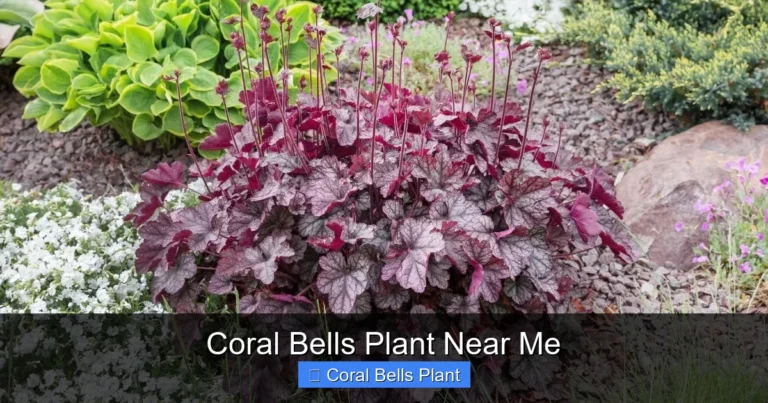
If you’ve ever stood in a garden center holding a beautiful pot of coral bells and wondered about the perfect moment to tuck it into your garden, you’re not alone. These stunning perennials, with their ruffled leaves in shades from lime green to deep purple, have become garden favorites for good reason. But timing makes all the difference between a plant that thrives and one that merely survives.
Understanding when should you plant pregrown coral bells isn’t just about checking a calendar date. It’s about reading your local conditions, knowing your soil, and giving these plants the gentle start they deserve. Let’s walk through everything you need to know to get your coral bells off to the strongest possible start.
Key Takeaways
- Spring planting window: Plant after the last frost when soil temperatures reach 50°F (10°C) for optimal root growth.
- Fall planting advantage: Early fall gives coral bells 6-8 weeks to establish before winter dormancy.
- Soil temperature matters more than air temperature: Use a soil thermometer to confirm ideal planting conditions.
- Avoid summer heat: Planting during hot months stresses pregrown plants and reduces survival rates.
- Water consistently after planting: New coral bells need regular moisture for the first 4-6 weeks.
- Mulch for protection: Apply 2-3 inches of organic mulch to regulate soil temperature and retain moisture.
- Choose the right location: Partial shade with morning sun produces the best foliage color and plant health.
Quick Answers to Common Questions
Can I plant coral bells in summer?
Summer planting is possible but risky. Only attempt it if you can provide consistent shade, daily watering, and protection from heat. Survival rates drop significantly above 85°F soil temperatures.
How late in fall can I plant coral bells?
Plant at least 6-8 weeks before your average hard freeze date (28°F). In zone 5, that’s early October. In zone 7, late October. When in doubt, plant earlier or wait for spring.
Do coral bells need full sun or shade?
Partial shade is ideal—morning sun with afternoon protection. In cool climates they tolerate more sun. In hot climates they need more shade. Deep shade reduces color intensity.
Should I fertilize when planting coral bells?
No. Fertilizer encourages top growth over roots. Wait until the following spring for a light compost top-dressing. Fall plantings especially should not be fertilized.
How often should I water newly planted coral bells?
Water when the top inch of soil feels dry. This means daily in hot weather, every 2-3 days in mild conditions. Continue for 4-6 weeks until established, then reduce to weekly during dry spells.
📑 Table of Contents
- Understanding Coral Bells Growth Cycles
- Spring Planting: The Traditional Window
- Fall Planting: The Secret Weapon
- Reading Your Local Conditions
- Preparing for Planting Success
- The Planting Process Step by Step
- Post-Planting Care Through the Seasons
- Common Planting Mistakes to Avoid
- Special Situations and Solutions
- Regional Planting Calendars
- Variety-Specific Considerations
- Troubleshooting Poor Establishment
- Conclusion
Understanding Coral Bells Growth Cycles
What Makes Coral Bells Unique
Coral bells, known botanically as Heuchera, are native to North America. They grow as low mounds of colorful foliage with delicate flower spikes that rise above the leaves in late spring to early summer. Unlike many perennials that die back completely in winter, coral bells are semi-evergreen in many climates. Their leaves persist through cold months, though they may look a bit tattered by spring.
This growth habit matters for planting timing. Because they maintain some foliage year-round, coral bells continue photosynthesizing whenever temperatures allow. Their roots also remain active at cooler temperatures than many other perennials. This means they can establish in conditions that would be too cold for heat-loving plants.
Root Development Patterns
The root system of coral bells is fibrous and relatively shallow. Most roots stay in the top 6-8 inches of soil. This makes them excellent for planting under trees and in shallow soils, but it also means they’re sensitive to both drought and waterlogging. When you plant pregrown coral bells, you’re essentially transplanting a root system that’s been confined to a pot. Those roots need time to explore their new home before facing stress.
Root growth happens primarily when soil temperatures range between 50°F and 75°F (10°C to 24°C). Below 50°F, root activity slows dramatically. Above 75°F, roots can suffer heat stress. This temperature window is your guide for when should you plant pregrown coral bells.
Spring Planting: The Traditional Window
Why Spring Works Well
Spring planting aligns with the natural growth cycle of coral bells. As days lengthen and soil warms, these plants want to grow. Planting in spring gives them a full growing season to establish before winter. The moderate temperatures and typically reliable rainfall create near-ideal conditions.
For most gardeners, the spring window opens after the last expected frost date. But don’t rush out the day after the last frost. Wait until soil temperatures consistently reach 50°F (10°C) at a 4-inch depth. This usually happens 2-3 weeks after the last frost date. A soil thermometer costs less than ten dollars and takes the guesswork out of timing.
Regional Spring Timing Guide
In zones 3-4, spring planting typically means late May to early June. The soil takes a long time to warm up after winter. Zones 5-6 usually see good planting conditions in mid to late April. Zones 7-8 can often plant in March or early April. In zones 9-10, spring planting happens as early as February, but fall becomes the preferred season.
Microclimates within your garden matter too. A south-facing bed against a stone wall warms weeks earlier than a north-facing bed in the open. Test soil in your actual planting spots, not just a general garden area.
Spring Planting Advantages
Spring-planted coral bells have the entire growing season ahead of them. They’ll produce fresh foliage, possibly bloom in their first year, and develop robust root systems before winter. Garden centers also have the best selection in spring. You’ll find the newest cultivars and healthiest plants.
Spring rains reduce your watering duties. The plants face minimal heat stress. Pests and diseases are less active in cool spring weather. All these factors stack up to make spring a very forgiving time for when should you plant pregrown coral bells.
Spring Planting Challenges
Spring weather can be unpredictable. A late cold snap after planting can damage tender new growth. Heavy spring rains can waterlog poorly drained soils. And if spring turns hot and dry early, you’ll need to water diligently. Spring-planted coral bells also face their first summer heat with less established root systems than fall-planted ones.
Fall Planting: The Secret Weapon
Why Experienced Gardeners Prefer Fall
Ask a seasoned gardener when should you plant pregrown coral bells, and many will say fall. Fall planting has distinct advantages that aren’t immediately obvious. The soil is warm from summer, often in the ideal 60-70°F range for root growth. Air temperatures are cooling, reducing stress on foliage. Rainfall often increases. And the plants focus energy on roots rather than top growth.
Fall-planted coral bells essentially get a head start on spring. While spring-planted ones are just settling in, fall-planted ones are ready to explode with growth at the first warm days. They’ve spent months developing roots in comfortable conditions.
The Critical Fall Timing Window
The fall window is narrower than spring. You need 6-8 weeks before the ground freezes for roots to establish. In zones 3-4, this means planting by early September. Zones 5-6 should plant by late September. Zones 7-8 have until mid-October. Zones 9-10 can plant into November.
Count backward from your average first hard freeze date (28°F or -2°C). Plant at least 8 weeks before that date. If you’re unsure, earlier is always safer. A coral bells planted in late August will establish better than one planted in late October.
Fall Planting Care Differences
Fall-planted coral bells need consistent water until the ground freezes. Don’t assume autumn rains are enough. Check soil moisture weekly. Apply 2-3 inches of mulch after planting, but keep it away from the crown. This mulch is extra important in fall—it prevents frost heaving, where freeze-thaw cycles push plants out of the ground.
Don’t fertilize fall plantings. You want roots, not tender new growth that winter will kill. If the plant looks a bit rough by late fall, that’s normal. The foliage may decline, but the roots are growing. Come spring, you’ll see the payoff.
Fall Planting Risks
Early hard freezes can damage fall plantings before they’re established. Heavy wet snow can crush plants. Voles and mice may nest in the mulch and chew roots. And garden center selection is more limited in fall. You’re choosing from what’s left after spring sales.
Reading Your Local Conditions
Soil Temperature vs. Air Temperature
Air temperature lies. A warm April day might reach 70°F while the soil sits at 45°F. A cool October day might be 55°F while the soil holds at 65°F. Coral bells respond to soil temperature. Always measure at 4 inches deep, mid-morning, for several days in a row before planting.
Different soil types warm and cool at different rates. Sandy soils warm faster in spring but cool faster in fall. Clay soils lag behind in spring but hold heat longer into fall. Raised beds warm earlier. Heavy mulch keeps soil cooler in spring but warmer in fall. Know your soil.
Microclimate Mapping
Walk your property with a soil thermometer throughout the year. You’ll discover warm pockets and cold spots. The south side of structures, areas with reflected heat from pavement, slopes with good sun exposure—these warm first. Low spots, north sides, shaded areas—these lag behind. Match your planting timing to the specific spot, not the general zone.
Weather Pattern Recognition
Learn your local patterns. Does spring typically bring a “false spring” warm spell followed by a hard freeze? Does fall usually stay mild through October or turn cold by mid-September? Does summer arrive gradually or with a sudden heat wave? Local knowledge beats generic advice every time.
Preparing for Planting Success
Site Selection and Preparation
Before you worry about when should you plant pregrown coral bells, get the site right. Coral bells prefer partial shade—morning sun with afternoon protection is ideal. In cooler climates, they tolerate more sun. In hot climates, they need more shade. Deep shade reduces foliage color intensity. Full sun in hot areas scorches leaves.
Soil should be rich, well-draining, and slightly acidic to neutral (pH 6.0-7.0). Amend heavy clay with compost and coarse sand. Amend sandy soil with compost and peat moss. Work amendments 8-10 inches deep. Coral bells hate wet crowns, so ensure the planting area doesn’t collect water.
Plant Selection at the Nursery
Choose plants with healthy, vibrant foliage. Avoid any with yellowing leaves, brown crispy edges, or signs of pests. Check the root ball—it should be firm, not falling apart, but not a solid mass of circling roots either. Gently pop the pot off to look. White, firm roots are good. Brown, mushy roots indicate problems.
Smaller plants in 4-inch pots often establish faster than large specimens in gallon pots. They’re less root-bound and adapt more quickly. But larger plants give immediate impact. Choose based on your patience and budget.
Hardening Off Nursery Plants
If your coral bells came from a greenhouse or protected nursery area, they need hardening off. Place them in their intended planting spot for a few hours daily, increasing exposure over 7-10 days. Bring them in at night if frost threatens. This prevents transplant shock and sunburn.
The Planting Process Step by Step
Timing the Day
Plant on a cloudy day if possible. Early morning or late afternoon works too. Avoid planting in midday sun, especially in spring. The less stress during the actual planting, the better.
Spacing and Layout
Space coral bells 12-18 inches apart depending on the variety’s mature size. Check the plant tag. Arrange them in their pots first to visualize the layout. Odd-numbered groups (3, 5, 7) look more natural than even numbers. Consider mature height when placing near other plants.
Planting Depth Critical
This is where many gardeners go wrong. Plant coral bells at the same depth they grew in the pot—or slightly higher. The crown (where leaves emerge from roots) must sit at or just above soil level. Burying the crown leads to rot. Planting too high exposes roots. Take your time with this step.
Backfilling and Watering In
Fill the hole with your amended soil. Firm gently—don’t compact. Create a shallow basin around the plant to hold water. Water thoroughly until the soil settles and no air pockets remain. Add more soil if settling exposes roots.
Mulching Right
Apply 2-3 inches of shredded bark, pine straw, or leaf mold. Keep mulch 2 inches away from the crown. This gap prevents crown rot and discourages pests. Mulch regulates temperature, conserves moisture, and suppresses weeds.
Post-Planting Care Through the Seasons
The Critical First Month
The first 4-6 weeks after planting are make-or-break. Water when the top inch of soil feels dry. This might mean daily watering in hot weather, every 2-3 days in mild conditions. Don’t let them dry out completely. Don’t keep them soggy. Check by sticking your finger in the soil.
Watch for signs of stress: wilting that doesn’t recover by morning, yellowing leaves, scorched edges. Adjust watering accordingly. A light application of liquid seaweed or root stimulator at planting and again in two weeks can help, but isn’t essential.
First Summer Care
Spring-planted coral bells face their first summer as juveniles. They need consistent moisture. Mulch heavily. Provide temporary shade cloth during heat waves if they’re in a sunny spot. Don’t fertilize heavily—light compost top-dressing is plenty.
Fall-planted coral bells wake up in spring ready to grow. They’ll need less coddling but still appreciate regular water during dry spells. Their established roots handle heat better.
First Winter Protection
In zones 3-5, add extra mulch after the ground freezes. Pine boughs or straw work well. This prevents frost heaving. Remove excess mulch gradually in spring as growth resumes. In warmer zones, normal mulch is sufficient.
Long-Term Maintenance
Coral bells benefit from division every 3-4 years. The center becomes woody and dies out. Divide in spring or fall—the same timing principles apply. Replant the vigorous outer sections, discard the woody center.
Remove tattered winter foliage in early spring before new growth emerges. Cut flower stems after blooming to redirect energy to foliage. Top-dress with compost annually. That’s basically it—coral bells are low-maintenance once established.
Common Planting Mistakes to Avoid
Planting Too Early in Spring
Eager gardeners plant when air feels warm but soil is cold. The plants sit sulking, roots inactive, vulnerable to rot. Wait for soil temperature. Patience pays.
Planting Too Late in Fall
Discount plants in late October tempt bargain hunters. But without establishment time, they often heave out of the ground or desiccate over winter. Pass on late deals unless you can provide exceptional protection.
Ignoring Drainage
Coral bells in wet clay rot quickly. If your soil drains poorly, build raised beds or plant in containers. No amount of timing fixes bad drainage.
Crown Burial
Mulch volcanoes kill coral bells. Keep the crown exposed. Check periodically—mulch migrates.
Underwatering After Planting
“It rained last week” isn’t enough. Check soil. New roots can’t reach deep moisture.
Special Situations and Solutions
Container Planting Timing
Containers offer flexibility. You can plant coral bells in pots almost anytime if you can protect them. Spring and fall are still best. Summer planting works if you provide consistent water and afternoon shade. Winter planting in zones 7+ works in protected containers. Move pots to unheated garages in extreme cold.
Mail-Order Plant Timing
Bare-root or small plug plants from mail order need extra care. Plant immediately upon arrival. If conditions aren’t right, pot them up temporarily. These smaller plants establish faster but are more vulnerable. Spring arrival is ideal. Fall arrival needs urgent planting.
Transplanting Established Plants
Moving existing coral bells? Same timing rules apply. Spring or fall. Dig widely to preserve roots. Replant immediately. Water religiously. Expect some setback—they’ll recover.
Planting Under Trees
Coral bells excel under deciduous trees. Plant in early spring before tree leaves emerge, giving them light to establish. Or plant in fall after leaf drop. Avoid dense evergreen shade. Compete with tree roots by watering and fertilizing more generously.
Regional Planting Calendars
Northern Tier (Zones 3-4)
Spring: Late May to mid-June. Fall: Late August to early September. Best bet: Spring. Fall window is tight. Mulch heavily for winter.
Upper Midwest and Northeast (Zones 5-6)
Spring: Mid-April to late May. Fall: Early September to early October. Best bet: Fall slightly edges out spring. Both work well.
Mid-Atlantic and Lower Midwest (Zones 6-7)
Spring: Early April to mid-May. Fall: Mid-September to late October. Best bet: Fall preferred. Long establishment window.
South and Southwest (Zones 8-9)
Spring: February to March. Fall: October to November. Best bet: Fall strongly preferred. Spring-planted faces brutal summer too soon.
Coastal and Tropical (Zones 9-10)
Spring: January to February. Fall: November to December. Best bet: Fall/winter. Heat-tolerant varieties essential. Afternoon shade mandatory.
Variety-Specific Considerations
Heat-Tolerant Cultivars
Varieties like ‘Caramel’, ‘Citronelle’, ‘Electra’, and ‘Southern Comfort’ handle warmer planting windows better. In marginal zones, these give you more flexibility. They still prefer spring or fall but tolerate slight mistiming.
Cold-Hardy Selections
‘Palace Purple’, ‘Obsidian’, ‘Plum Pudding’, and the villosa hybrids handle northern planting windows well. They establish quickly in cool soil. Good choices for pushing zone boundaries.
Species Differences
Heuchera villosa and its hybrids (the “hairy alumroot” group) are the most heat and humidity tolerant. Heuchera americana types prefer cooler conditions. Heuchera sanguinea needs excellent drainage. Know your species.
Troubleshooting Poor Establishment
Signs of Planting Time Issues
Plants that fail to put on new growth within 3-4 weeks of planting (during active season) likely have root issues. Yellowing lower leaves suggest wet feet. Crispy edges suggest drought or sun stress. Stunted, purplish foliage can indicate cold soil planting.
Recovery Strategies
If spring-planted coral bells struggle in summer heat, provide shade cloth and increase water. If fall-planted ones heave, gently press them back and mulch heavily. Struggling plants sometimes benefit from a temporary cloche or cold frame to create a microclimate.
When to Replace
If a plant shows no life by early summer (spring planting) or late spring (fall planting), it’s likely dead. Don’t guilt—replace it. Garden centers often have warranties. Learn from the timing and try again.
Conclusion
When should you plant pregrown coral bells? The answer lives in your soil thermometer, your local calendar, and your willingness to provide follow-up care. Spring offers a long growing season and great selection. Fall offers warm soil, cool air, and a head start on next year. Both work beautifully when you respect the conditions.
Remember the core principles: soil temperature between 50-75°F, 6-8 weeks before extreme cold or heat, consistent moisture after planting, crown at soil level, mulch but not on the crown. Master these, and your coral bells will reward you with years of stunning foliage and delicate blooms.
Your garden is unique. The perfect planting day for your neighbor might be wrong for you. Trust your observations over generic dates. Keep notes. Learn your land. And enjoy the process—gardening is supposed to be fun, after all.
Frequently Asked Questions
What is the absolute best month to plant coral bells?
There’s no single best month—it depends on your zone. In most regions, September (fall) or April-May (spring) are ideal. The key is soil temperature between 50-75°F and 6-8 weeks before extreme weather.
Can I plant coral bells in winter?
In zones 8-10, winter planting works during mild spells. In colder zones, the ground is frozen and plants are dormant. Wait for spring. Container plants can be held in a protected spot until conditions improve.
Why are my newly planted coral bells wilting?
Wilting usually means either too little or too much water. Check soil moisture 2 inches down. If dry, water deeply. If soggy, improve drainage. Temporary shade cloth helps reduce transpiration while roots establish.
Do coral bells spread on their own?
Coral bells form slowly expanding clumps but don’t run or spread aggressively. They may self-seed lightly. Divide clumps every 3-4 years to maintain vigor and create new plants.
Can I plant coral bells under pine trees?
Yes, coral bells tolerate the acidic, dry conditions under pines better than many plants. Plant at the drip line, not against the trunk. Water and fertilize more generously to compensate for tree root competition.
What happens if I plant coral bells too deep?
Burying the crown causes crown rot, which is usually fatal. The crown must sit at or slightly above soil level. If you’ve planted too deep, gently lift and replant at the correct depth as soon as you notice.