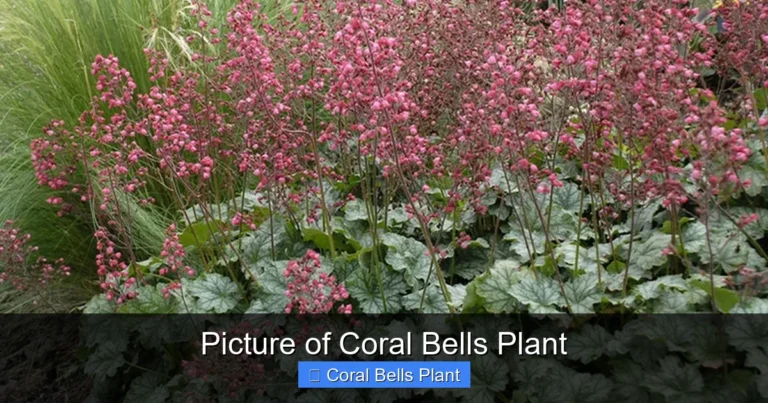
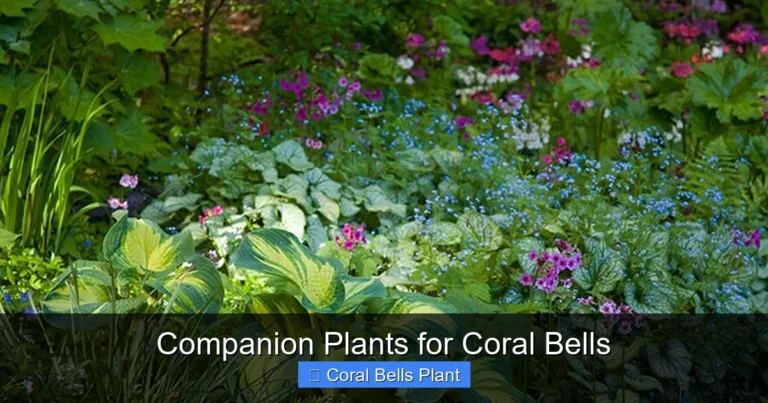
Silver Dust with Coral Bell Plant
Silver dust with coral bell plant creates a breathtaking foliage combination that adds year-round interest to any garden. This dynamic duo pairs the silvery-white, lacy leaves of dusty miller with the vibrant, ruffled foliage of heuchera for stunning contrast in shade gardens and containers alike.
There is something magical about combining plants with dramatically different foliage colors and textures. When you pair silver dust with coral bell plant, you create a garden vignette that looks professionally designed without requiring a landscape architecture degree. I discovered this combination by accident years ago when I tucked a few dusty miller plants between my heucheras to fill gaps. The result stopped me in my tracks every time I walked past that bed.
The silvery-white, deeply lobed leaves of dusty miller (often called silver dust) catch and reflect light in shady corners. Meanwhile, coral bells (heuchera) bring rich, saturated colors ranging from deep burgundy and purple to caramel, peach, lime green, and near-black. Together, they create a living tapestry that changes with the seasons and the angle of sunlight. This partnership works because both plants share similar growing requirements while offering completely different visual personalities.
Key Takeaways
- Perfect foliage contrast: Silver dust provides cool, silvery-white texture while coral bells offer warm, colorful leaves in shades of purple, caramel, and chartreuse
- Shade garden champions: Both plants thrive in partial to full shade, making them ideal for difficult garden spots under trees or on north-facing walls
- Year-round interest: This combination delivers visual appeal through all four seasons, even in winter when many perennials die back
- Low maintenance pairing: Once established, both plants are drought-tolerant and require minimal care beyond occasional watering and deadheading
- Versatile design options: Works beautifully in containers, borders, rock gardens, and as edging along pathways or garden beds
- Pollinator friendly: Coral bell flowers attract hummingbirds and bees, adding wildlife value to the ornamental foliage display
- Easy propagation: Both plants can be divided in spring or fall to expand your garden or share with fellow gardeners
Quick Answers to Common Questions
Can silver dust and coral bells grow in full sun?
Silver dust tolerates full sun well, but coral bells prefer partial shade, especially in hot climates. In cooler regions, some coral bell varieties handle more sun if kept consistently moist. Afternoon shade is ideal for the combination.
How often should I water silver dust with coral bell plant?
Water deeply once a week during the first growing season. Once established, both plants are drought-tolerant and need watering only during extended dry periods. Check soil moisture 2 inches down before watering.
Do I need to deadhead the flowers on both plants?
Remove coral bell flower spikes after blooming to encourage foliage growth. Silver dust produces yellow flowers that most gardeners remove to maintain the silver foliage effect. Deadheading is optional but recommended for best appearance.
Can I grow this combination in containers year-round?
In zones 6 and warmer, containers can overwinter outdoors with protection. In colder zones, move pots to an unheated garage or bury them in the ground. Water monthly during winter dormancy.
Why are my coral bells dying in the center?
This indicates the plant needs division. Coral bells become woody and die out in the center after 3-4 years. Dig and divide in spring or fall, replanting the healthy outer sections. Discard the woody center.
📑 Table of Contents
- Understanding Silver Dust and Coral Bells Individually
- Why This Combination Works So Well
- Designing with Silver Dust and Coral Bells
- Seasonal Care Calendar
- Best Coral Bell Varieties for Pairing with Silver Dust
- Troubleshooting Common Issues
- Propagation Methods for Both Plants
- Companion Plants to Complete the Scene
- Creating a Four-Season Garden with This Duo
- Budget-Friendly Ways to Build Your Collection
- Conclusion
Understanding Silver Dust and Coral Bells Individually
What Is Silver Dust (Dusty Miller)?
Silver dust belongs to the genus Jacobaea (formerly Senecio), with Jacobaea maritima being the most common garden species. Gardeners often call it dusty miller, silver ragwort, or silver dust. This Mediterranean native produces soft, woolly leaves covered in fine white hairs that give the plant its distinctive frosted appearance. The leaves are deeply divided, almost lace-like, creating wonderful textural interest.
Though technically a tender perennial hardy in zones 8-10, most gardeners grow silver dust as an annual or short-lived perennial. It reaches 6-18 inches tall and spreads 12-18 inches wide. In summer, it produces small yellow flowers, but most gardeners remove these to maintain the foliage focus. The plant thrives in full sun to partial shade and prefers well-drained soil. Once established, it tolerates drought remarkably well.
What Are Coral Bells (Heuchera)?
Coral bells belong to the genus Heuchera, native to North America. These hardy perennials (zones 4-9) form neat mounds of ruffled, lobed, or scalloped leaves in an astonishing array of colors. Modern breeding has exploded the palette beyond the traditional green to include purple, bronze, caramel, peach, chartreuse, silver, and near-black varieties. Many cultivars show different colors on upper and lower leaf surfaces.
In late spring to early summer, coral bells send up delicate flower spikes bearing tiny bell-shaped blooms in white, pink, or red. These flowers attract hummingbirds and pollinators. The plants typically reach 12-18 inches tall and wide, though some varieties grow larger. They prefer partial shade, especially in hot climates, and moist, well-drained soil rich in organic matter.
Why This Combination Works So Well
Complementary Color Theory in the Garden
Color theory isn’t just for painters. Garden designers use the same principles. Silver dust with coral bell plant demonstrates complementary and analogous color relationships beautifully. The cool, neutral silver of dusty miller acts as a universal harmonizer. It makes adjacent colors appear more vibrant and saturated. Place silver dust next to purple heuchera like ‘Palace Purple’ or ‘Obsidian’, and the purple deepens visually. Pair it with chartreuse varieties like ‘Lime Rickey’ or ‘Electric Lime’, and the lime green pops with electric intensity.
This works because silver reflects all wavelengths of light equally. It doesn’t compete with neighboring colors. Instead, it provides a resting point for the eye while amplifying whatever grows beside it. Coral bells, with their warm undertones in many varieties, gain richness against the cool silver backdrop. The combination never feels garish or clashing. It feels intentional and sophisticated.
Textural Contrast That Creates Depth
Beyond color, texture drives garden design. Silver dust offers fine, feathery, almost fern-like foliage. The deeply cut leaves create intricate patterns of light and shadow. Coral bells provide broader, more substantial leaves with ruffled or scalloped edges. Some varieties have pronounced veining or a metallic sheen. This textural interplay creates depth in shady beds where color alone might fall flat.
When sunlight filters through a canopy and hits this combination, the silver dust seems to glow from within. The coral bells catch light on their ruffled edges and veining. The entire planting moves gently in breezes, adding motion to the static garden. This dynamic quality separates professional-looking plantings from amateur ones. The eye keeps discovering new details.
Shared Cultural Requirements
Successful plant combinations need more than good looks. They need compatible growing needs. Silver dust with coral bell plant succeeds because both prefer similar conditions. Both tolerate partial shade, though silver dust handles more sun. Both demand excellent drainage. Both appreciate moderate moisture but withstand dry spells once established. Both benefit from compost-rich soil.
This compatibility means you can plant them together confidently. You won’t find yourself overwatering one to keep the other happy. You won’t need different soil amendments for each. They share a maintenance routine. This practical harmony makes the combination as smart as it is beautiful.
Designing with Silver Dust and Coral Bells
Container Combinations That Shine
Containers offer the perfect stage for this duo. Choose a pot at least 14 inches wide and deep. Use high-quality potting mix with added perlite for drainage. Plant one coral bell in the center or slightly off-center. Surround it with three to five silver dust plants spaced evenly around the edges. As they grow, the silver dust will spill over the pot rim while the coral bell maintains its mound shape.
For a three-plant thriller-filler-spiller recipe, use a tall heuchera variety like ‘Big Top Caramel’ as the thriller. Silver dust serves as filler. Add a trailing plant like creeping jenny or sweet potato vine as spiller. The silver dust bridges the height gap beautifully. Its neutral color ties the composition together without competing.
Try these specific container recipes:
- Heuchera ‘Forever Purple’ + Silver Dust + White Bacopa
- Heuchera ‘Caramel’ + Silver Dust + Purple Sweet Potato Vine
- Heuchera ‘Lime Rickey’ + Silver Dust + Blue Lobelia
- Heuchera ‘Berry Smoothie’ + Silver Dust + White Calibrachoa
Border and Edging Strategies
Along pathways and garden bed edges, silver dust with coral bell plant creates a polished, finished look. Plant coral bells 18 inches apart in a gentle curve or straight line. Intersperse silver dust between them, spacing 12 inches apart. The silver dust fills gaps quickly while coral bells establish. Within a month, you have a continuous ribbon of foliage.
For a more formal edge, alternate the plants in a repeating pattern: coral bell, silver dust, coral bell, silver dust. This rhythm guides the eye along the border. For a naturalistic look, group three to five coral bells of the same variety, then a drift of silver dust, then another coral bell grouping. This mimics natural plant communities.
Consider the viewing angle. If the border is viewed primarily from one side, place taller coral bell varieties toward the back and silver dust in front. If viewed from both sides, put coral bells in the middle with silver dust on both edges. The silver dust’s lower, spreading habit won’t obscure the coral bells.
Shade Garden Tapestries
Under trees or on north-facing walls, this combination transforms difficult shade into a design feature. Start with a backbone of coral bells in varying colors. Choose three to five varieties that harmonize. Good combinations include ‘Palace Purple’, ‘Caramel’, ‘Lime Rickey’, and ‘Midnight Rose’. Plant them in drifts of three to seven plants each.
Weave silver dust throughout as a unifying thread. Its neutral silver connects the different heuchera colors. Add companion shade plants like Japanese painted fern, brunnera, hosta, and foamflower. The silver dust echoes the silver markings on Japanese painted fern and brunnera. It lightens the heavy greens of hosta. It creates cohesion across diverse textures and forms.
Remember that shade varies. Deep shade under evergreens challenges both plants. Dappled shade under deciduous trees suits them perfectly. Morning sun with afternoon shade is ideal. Observe your site through the seasons before planting.
Rock Garden and Alpine Applications
In rock gardens, silver dust with coral bell plant softens hard edges. Tuck coral bells into crevices between stones where soil accumulates. Let silver dust cascade over rock faces. The silver foliage highlights stone textures and colors. Both plants appreciate the sharp drainage rock gardens provide.
Choose compact coral bell varieties for rock gardens. ‘Petite Pearl Fairy’, ‘Little Cutie’ series, and ‘Dolce’ series stay small. Silver dust naturally stays low and spreading. Plant in spring after danger of hard frost. Water regularly until established. Then enjoy the low-maintenance display.
Seasonal Care Calendar
Spring Awakening
As temperatures rise, both plants emerge from winter. Coral bells may look ragged after winter. Remove any dead or damaged leaves at the base. Silver dust often survives winter in zones 7 and warmer but may look tired. Trim it back by half to encourage fresh, compact growth. Apply a balanced, slow-release fertilizer around both plants. Top-dress with an inch of compost.
Divide overcrowded coral bells in early spring before vigorous growth begins. Dig the entire clump. Pull or cut apart into sections with healthy roots and crowns. Replant immediately at the same depth. Water well. Silver dust rarely needs division but can be trimmed to shape.
Summer Maintenance
Summer brings the main growing season. Water deeply but infrequently to encourage deep roots. Both plants prefer soil that dries slightly between waterings. Mulch with shredded leaves or bark to conserve moisture and suppress weeds. Keep mulch away from crowns to prevent rot.
Deadhead coral bell flower spikes after blooming to redirect energy to foliage. Some gardeners remove flower spikes before they bloom to maintain pure foliage focus. This is personal preference. Silver dust may produce yellow flower clusters. Remove these to maintain the silver foliage effect.
Watch for pests. Coral bells occasionally attract vine weevils (adults notch leaves, larvae eat roots). Silver dust rarely has pest issues. Good drainage prevents most disease problems. In humid climates, provide air spacing between plants to reduce fungal issues.
Fall Preparation
As temperatures cool, reduce watering. Stop fertilizing by early fall. Allow coral bell foliage to remain through winter. It protects the crown and adds winter interest. Silver dust in colder zones may die back. In zones 8+, it often persists. Apply a light mulch layer after ground freezes in cold climates.
Fall is the second division window for coral bells. Complete divisions at least six weeks before ground freeze. Plant divisions in prepared beds or pots for spring transplanting. Collect silver dust seeds if you want to propagate. Store in cool, dry conditions.
Winter Interest and Protection
In mild winters, this combination remains attractive. Coral bells hold their color. Silver dust keeps its silver glow. Snow dusting on the ruffled heuchera leaves and lacy silver dust creates magical scenes. In harsh winters (zones 4-6), coral bells may heave from freeze-thaw cycles. Check after thaws and gently press plants back into soil.
Container plantings need winter protection in cold zones. Move pots to an unheated garage or bury them in the ground. Water monthly if soil isn’t frozen. Remove winter protection gradually in spring.
Best Coral Bell Varieties for Pairing with Silver Dust
Deep Purple and Black Varieties
These create the most dramatic contrast with silver dust. ‘Obsidian’ offers glossy, near-black leaves that hold color all season. ‘Palace Purple’ is the classic, reliable choice with deep bronze-purple foliage. ‘Black Pearl’ forms a dense mound of intense black leaves with ruffled edges. ‘Forever Purple’ maintains vibrant purple without fading to bronze.
Plant any of these with silver dust for instant sophistication. The dark leaves make the silver appear brighter. The silver makes the dark leaves look deeper. This combination works in modern, formal, or cottage gardens. It photographs beautifully.
Warm Caramel and Amber Tones
Caramel-colored heucheras bring warmth that silver dust cools and balances. ‘Caramel’ is the standard-bearer with large, lobed leaves in shifting shades of peach, amber, and gold. ‘Georgia Peach’ offers intense peachy-orange spring color maturing to soft peach. ‘Citronelle’ brings bright chartreuse-gold that glows in shade.
These warm varieties prevent silver dust from looking cold or stark. The combination feels inviting and autumnal year-round. It pairs beautifully with brick, stone, and wood hardscaping.
Bright Chartreuse and Lime Green
For high-energy contrast, choose chartreuse coral bells. ‘Lime Rickey’ produces ruffled, lime-green leaves with white undersides. ‘Electric Lime’ lives up to its name with shocking chartreuse foliage. ‘Green Spice’ offers green leaves with silver overlay and dark veins.
Silver dust tones down the intensity just enough. The combination reads as fresh and contemporary. It brightens dark corners dramatically. Use sparingly as an accent, not a mass planting, unless you want a bold statement.
Variegated and Multi-Colored Options
Some coral bells offer built-in complexity. ‘Midnight Rose’ starts black with pink spots that age to cream. ‘Berry Smoothie’ shows rose-pink leaves with metallic sheen. ‘Delta Dawn’ has gold leaves with red centers. ‘Fire Alarm’ emerges bright red, maturing to brown-red.
These varieties already contain multiple colors. Silver dust provides a neutral frame that lets their complexity shine. Choose one variegated variety as a focal point surrounded by silver dust and simpler coral bells.
Troubleshooting Common Issues
Silver Dust Getting Leggy
If silver dust stretches and becomes sparse, it needs more light or a trim. In too much shade, it reaches for light. Move to a brighter spot or prune back by one-third in early summer. Regular pinching encourages bushier growth. Fertilize lightly after pruning to support new growth.
Coral Bells Heaving or Rotting
Crown rot kills coral bells faster than anything. Ensure excellent drainage. Plant crowns slightly high, not buried. Mulch away from crowns. In heavy clay, amend with compost and grit or plant in raised beds. Heaving occurs in freeze-thaw cycles. Mulch after ground freezes. Check and reset plants after winter thaws.
Color Fading or Burning
Some coral bell varieties bleach in too much sun. Purple varieties often tolerate more sun than chartreuse ones. Silver dust handles full sun but may need more water. If leaves scorch, provide afternoon shade. Move containers to shadier spots. Increase watering during heat waves.
Pest and Disease Management
Vine weevils damage coral bells. Adults notch leaf edges at night. Larvae eat roots. Apply beneficial nematodes in spring and fall. Check roots when dividing. Remove affected plants. Silver dust rarely suffers pests. Powdery mildew affects both in humid, crowded conditions. Space plants for air circulation. Water at soil level, not overhead.
Propagation Methods for Both Plants
Dividing Coral Bells
Division is the fastest way to multiply coral bells. Do it in spring or early fall. Water the plant well the day before. Dig around the clump 6-8 inches out. Lift the entire plant. Shake off excess soil. Pull apart natural divisions or cut with a clean knife. Each division needs healthy roots and at least 3-5 leaves. Replant immediately. Water well. Mulch lightly.
Divide every 3-4 years to maintain vigor. Older centers become woody and die out. Division rejuvenates the plant. Share extras with gardening friends.
Growing Silver Dust from Seed
Silver dust grows easily from seed. Start indoors 8-10 weeks before last frost. Sow on surface of moist seed-starting mix. Don’t cover seeds; they need light to germinate. Keep at 65-75°F. Germination takes 10-15 days. Transplant seedlings to individual pots when they have true leaves. Harden off before planting outside after frost danger passes.
Direct sow in warm climates after soil warms. Thin seedlings to 12 inches apart. Plants flower in first year from seed. Collect seeds from spent flowers in late summer. Store cool and dry.
Stem Cuttings for Both
Coral bells root from leaf cuttings with a bit of stem attached. Take cuttings in spring. Use rooting hormone. Place in moist perlite-vermiculite mix. Cover with plastic. Roots form in 4-6 weeks. Silver dust roots easily from stem cuttings. Take 3-4 inch cuttings in summer. Remove lower leaves. Root in moist sand or perlite. Both methods produce exact clones of the parent plant.
Companion Plants to Complete the Scene
Ferns for Texture
Japanese painted fern (Athyrium niponicum ‘Pictum’) echoes silver dust’s silver markings. Its arching fronds contrast with both plants’ mounding habits. Autumn fern (Dryopteris erythrosora) adds copper-new growth. Maidenhair fern (Adiantum) brings ultra-fine texture. Ferns share the same shade and moisture preferences.
Groundcovers for Carpet Effect
Creeping jenny (Lysimachia nummularia ‘Aurea’) adds golden threads. Sweet woodruff (Galium odoratum) creates white flower clouds in spring. Foamflower (Tiarella) offers maple-shaped leaves and foamy flower spikes. These low spreaders fill gaps without overwhelming the main duo.
Seasonal Color Accents
Spring bulbs like snowdrops, crocus, and species tulips bloom before coral bells fully leaf out. Summer annuals like impatiens, begonia, and coleus add flowers. Fall-blooming anemones and toad lilies extend the season. The silver dust and coral bells provide the constant framework.
Structural Elements
Add vertical accents with Japanese forest grass (Hakonechloa), coral bells’ cousin heucherella, or small hostas. Use stones, logs, or sculpture as focal points. The foliage combination frames and softens hardscape elements.
Creating a Four-Season Garden with This Duo
Spring Emergence
Watch coral bells unfurl fresh leaves in intense spring colors. Silver dust pushes new silver growth. Early bulbs bloom between them. The garden feels new and promising. Take photos weekly to track the transformation.
Summer Fullness
Both plants reach peak size. Coral bells send up delicate flower wands. Silver dust forms dense mounds. The combination handles summer heat with grace. Hummingbirds visit coral bell flowers. The shade garden feels cool and lush.
Autumn Transformation
Many coral bells intensify in cooler temperatures. ‘Caramel’ deepens to rich amber. ‘Palace Purple’ darkens. Silver dust remains steady. Fall anemones bloom above. The planting reaches its most sophisticated phase.
Winter Structure
In mild zones, both plants persist. Frost outlines silver dust leaves in crystals. Coral bell ruffles catch snow. The garden has bones. In cold zones, coral bells may flatten but rebound. Silver dust may die back but self-sows. Plan for spring return.
Budget-Friendly Ways to Build Your Collection
Start Small and Divide
Buy one coral bell of each variety you want. Grow them for a year. Divide in spring or fall. Within three years, you have dozens of plants for the price of a few. Silver dust grows quickly from inexpensive seed packets. One packet yields hundreds of plants.
Join Plant Swaps and Groups
Local gardening groups, online forums, and community plant swaps offer divisions free or cheap. Gardeners love sharing coral bell divisions. Bring labeled pots to swap. You’ll get varieties unavailable in nurseries.
Shop End-of-Season Sales
Nurseries discount perennials heavily in late summer and fall. Coral bells planted in fall establish roots before winter. Silver dust may look tired but recovers next spring. Check root health before buying. Avoid plants with mushy crowns or few roots.
Grow from Seed
Many coral bell varieties come true from seed, though hybrids vary. Silver dust seeds are cheap and reliable. Start a seed tray each spring. Transplant seedlings to nursery beds. Move to permanent locations in fall. Patience saves money.
Conclusion
Silver dust with coral bell plant represents garden design at its most accessible and rewarding. This combination delivers professional-looking results with beginner-friendly plants. The silvery lace of dusty miller and the jeweled ruffles of heuchera create a partnership greater than the sum of its parts. They share needs, complement each other’s beauty, and provide year-round interest in the challenging shade conditions that frustrate many gardeners.
Whether you tuck them into a container on a shaded porch, line a woodland path, or weave them through a mixed border, this duo adapts. It works in formal symmetry and wild informality. It bridges modern minimalism and cottage abundance. The color combinations possible with today’s heuchera varieties mean you can customize the mood from dramatic to subtle, warm to cool, bold to restrained.
Start with one coral bell and a few silver dust plants. Observe how they interact through seasons. Notice how light changes their appearance. Experiment with different heuchera colors. Share divisions with neighbors. Before long, you’ll understand why this combination appears in show gardens and humble yards alike. It simply works. And in gardening, as in life, the things that simply work are the ones we return to again and again.
Frequently Asked Questions
What is the best time to plant silver dust with coral bell plant?
Spring after the last frost date is ideal for both plants. Fall planting works well for coral bells in zones 5-8, giving roots time to establish before winter. Silver dust planted in fall may not survive harsh winters in cold zones.
How far apart should I space silver dust and coral bells?
Space coral bells 18 inches apart and silver dust 12 inches apart. When interplanting, place silver dust halfway between coral bells. This allows each plant room to reach mature size without overcrowding.
Will silver dust come back every year?
Silver dust is a tender perennial hardy in zones 8-10. In colder zones, it grows as an annual but often self-seeds. Coral bells are hardy perennials in zones 4-9 and return reliably each year with proper care.
Can I grow silver dust with coral bell plant indoors?
Both plants prefer outdoor conditions. Coral bells need winter dormancy triggered by cold temperatures. Silver dust needs bright light and air circulation. They make poor long-term houseplants but can overwinter in a cool, bright sunroom.
What fertilizer should I use for this combination?
Apply a balanced, slow-release fertilizer (10-10-10 or 14-14-14) in early spring. Top-dress with compost annually. Avoid high-nitrogen fertilizers that promote lush, weak growth. Both plants prefer lean soil over rich, heavy feeding.
Are silver dust and coral bells deer resistant?
Yes, both plants are generally deer resistant. Silver dust’s fuzzy, aromatic foliage deters browsing. Coral bells’ tough, sometimes bitter leaves are rarely eaten. However, hungry deer may sample anything, so no plant is completely deer-proof.