Sandia Coral Belles Plant
The Sandia Coral Belles plant is a breathtaking perennial that brings year-round color to shade gardens with its ruffled foliage and delicate coral-pink flower spikes. This low-maintenance Heuchera variety thrives in partial shade, attracts pollinators, and provides stunning contrast in borders, containers, and woodland settings.
If you’ve ever wandered through a shade garden in late spring and spotted clouds of tiny coral-pink bells dancing above mounds of ruffled foliage, you’ve likely met the Sandia Coral Belles plant. This charming perennial has been winning hearts in gardens across the country, and for good reason. It’s one of those rare plants that seems to have it all – stunning looks, easy care, and a personality that shines in the spots where other plants sulk.
I first discovered this beauty at a local nursery about five years ago. The label promised “coral-pink flowers” and “peachy foliage,” but nothing prepared me for how it actually performed in my own north-facing border. Three seasons later, it’s become the reliable star that ties my whole shade garden together. Whether you’re a seasoned gardener or just starting out, this Heuchera variety deserves a spot on your wish list.
Key Takeaways
- Vibrant Foliage: The Sandia Coral Belles plant features ruffled leaves that emerge peachy-coral and mature to deep green with silver veining, providing multi-season interest.
- Shade Tolerant: This Heuchera variety thrives in partial to full shade, making it perfect for difficult garden spots where other plants struggle.
- Pollinator Magnet: Delicate coral-pink bell-shaped flowers bloom from late spring through summer, attracting hummingbirds, bees, and butterflies.
- Low Maintenance: Once established, this perennial requires minimal care – just occasional watering, annual mulching, and division every 3-4 years.
- Versatile Design Element: Works beautifully in borders, rock gardens, containers, mass plantings, and as edging along woodland paths.
- Deer and Rabbit Resistant: The slightly fuzzy, bitter-tasting foliage naturally deters common garden pests without chemicals.
- Year-Round Appeal: Evergreen in mild climates, the foliage provides winter structure and color when most perennials have died back.
Quick Answers to Common Questions
How much sun does Sandia Coral Belles need?
This plant thrives in partial to full shade with 2-4 hours of morning sun or dappled light all day. In cooler climates it tolerates more sun; in hot climates it needs more shade.
When does Sandia Coral Belles bloom?
Bloom time is late spring through mid-summer (typically May-July depending on zone), with coral-pink bell-shaped flowers on 12-18 inch stems above the foliage.
Is Sandia Coral Belles deer resistant?
Yes, the slightly fuzzy, bitter-tasting foliage naturally deters deer and rabbits, making it an excellent choice for gardens with wildlife pressure.
How often should I divide Sandia Coral Belles?
Divide every 3-4 years in early spring or early fall when the center becomes woody and less productive. This rejuvenates the plant and prevents the “donut effect.”
Can Sandia Coral Belles grow in containers?
Absolutely! It performs beautifully in containers with well-draining potting mix. Use a 12-inch or larger pot, water more frequently than in-ground plants, and fertilize monthly during the growing season.
📑 Table of Contents
- Getting to Know the Sandia Coral Belles Plant
- Ideal Growing Conditions
- Planting and Establishment
- Seasonal Care Calendar
- Propagation and Division
- Design Ideas and Companion Plants
- Common Problems and Solutions
- Buying Guide: Selecting Healthy Plants
- The Sandia Coral Belles Plant Through the Seasons
- Advanced Tips for Enthusiasts
- Environmental Benefits
- Frequently Asked Questions From Gardeners
- Conclusion: Why This Plant Deserves Your Garden Space
Getting to Know the Sandia Coral Belles Plant
What Makes This Variety Special
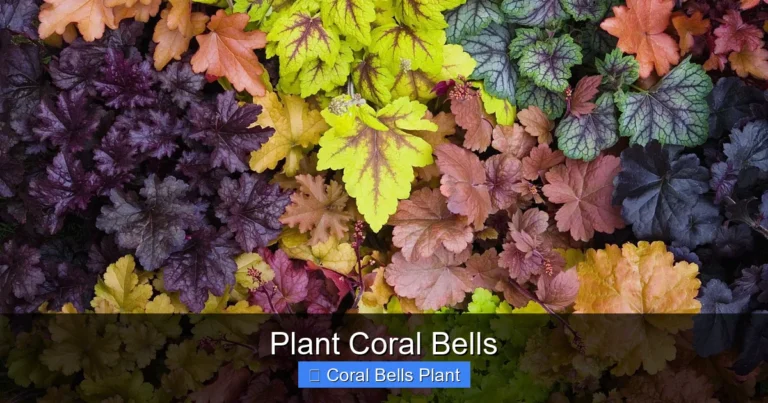
The Sandia Coral Belles plant (Heuchera ‘Sandia’) belongs to the Coral Belles series, a group of Heuchera hybrids bred specifically for their exceptional flower power and vibrant foliage. While many coral bells are grown primarily for their leaves, this series puts on a genuine floral show. The Sandia variety stands out with its unique color progression – new leaves emerge in shades of peach and coral, gradually maturing to a rich green overlaid with intricate silver veining.
The plant forms a neat, mounding habit reaching about 12-18 inches tall and wide. From late spring through mid-summer, slender stems rise another 12-18 inches above the foliage, carrying dozens of tiny bell-shaped flowers in a delicious coral-pink shade. These blooms last for weeks and make charming cut flowers for small arrangements.
Origins and Breeding History
Heuchera species are native to North America, with different species found in varied habitats from rocky cliffs to woodland floors. The Coral Belles series represents modern breeding work that combines the best traits of several species – particularly Heuchera sanguinea for flower production and Heuchera americana for foliage quality and heat tolerance.
Breeders selected Sandia for its exceptional vigor, clean foliage that resists common fungal issues, and that distinctive coral-to-green color shift. The name “Sandia” comes from the Spanish word for watermelon, a nod to the refreshing peachy-pink tones of the new growth.
Ideal Growing Conditions
Light Requirements
One of the biggest misconceptions about coral bells is that they need deep shade. The Sandia Coral Belles plant actually performs best in what gardeners call “bright shade” or “dappled light.” Think of the light filtering through a high tree canopy – bright enough to read a book, but no direct sun beating down during the hottest part of the day.
In cooler northern climates (zones 4-5), this plant can handle more sun – even morning sun with afternoon shade. In hot southern zones (7-9), it needs more protection from intense afternoon rays. The foliage color is also light-dependent: more sun brings out brighter coral tones in new growth, while deeper shade produces greener, larger leaves.
Soil Preferences
If there’s one non-negotiable for success with this plant, it’s drainage. The Sandia Coral Belles plant hates wet feet, especially in winter. Heavy clay soil is a recipe for crown rot. The ideal soil is rich, humusy, and well-draining with a slightly acidic to neutral pH (6.0-7.0).
Before planting, work in plenty of compost or well-rotted leaf mold. This improves drainage while adding the organic matter these woodland natives love. If your soil is heavy clay, consider planting in raised beds or mounding the soil slightly to encourage water to move away from the crown.
Water Needs
Consistent moisture is key, especially during the first growing season while roots establish. Water deeply once or twice a week rather than frequent shallow sprinklings. Once established, the Sandia Coral Belles plant has moderate drought tolerance but performs best with regular water during dry spells.
A 2-3 inch layer of organic mulch (shredded bark, leaf mold, or pine straw) helps retain moisture, suppress weeds, and keep roots cool. Just keep mulch pulled back slightly from the crown to prevent rot.
Hardiness Zones
This variety is reliably hardy in USDA zones 4-9. In zone 4, provide winter protection with a loose layer of evergreen boughs or straw after the ground freezes. In zones 8-9, the plant may remain evergreen year-round, though foliage can look a bit tired by late winter – a quick trim in early spring refreshes it beautifully.
Planting and Establishment
When to Plant
Spring and early fall are the ideal planting times for the Sandia Coral Belles plant. Spring planting gives roots all season to establish before winter. Fall planting (at least 6 weeks before ground freeze) takes advantage of cooler temperatures and autumn rains. Avoid planting during summer heat or when the ground is frozen.
Spacing and Layout
Space plants 14-18 inches apart for a filled-in look, or 20-24 inches apart if you want to see individual mounds. For mass plantings or groundcover effect, go tighter. For container combinations, one plant per 12-inch pot works well, or combine with trailing and upright companions in larger containers.
Planting Technique
Dig a hole twice as wide as the root ball but no deeper. The crown (where stems meet roots) should sit at or slightly above soil level – planting too deep is the number one cause of failure. Backfill with amended soil, firm gently, and water thoroughly to settle soil around roots.
Apply a root-stimulating fertilizer or mycorrhizal inoculant at planting time to encourage strong root development. Hold off on regular fertilizer until you see new growth.
Seasonal Care Calendar
Spring: Wake-Up and Clean-Up
As soon as new growth appears (usually March-April depending on zone), remove any winter-damaged foliage. Cut old leaves back to the base with clean scissors. This is also the perfect time to apply a balanced, slow-release fertilizer (something like 10-10-10 or a dedicated perennial formula) around the drip line.
If the center of the plant looks woody or bare, spring is division time (more on that below). Top-dress with an inch of compost and refresh mulch.
Summer: Bloom Time and Maintenance
The Sandia Coral Belles plant hits its stride in late spring to early summer. Deadhead spent flower stems by cutting them back to the basal foliage – this encourages rebloom and keeps plants tidy. Water during dry spells, aiming for the soil, not the foliage, to prevent fungal issues.
Watch for the occasional slug or snail, especially in wet springs. Beer traps, diatomaceous earth, or copper tape work well. Deer and rabbits typically leave this plant alone.
Fall: Prep for Winter
Stop fertilizing by late summer to avoid tender new growth that winter will kill. Leave foliage in place – it protects the crown and provides winter interest. In cold zones, apply winter mulch after the ground freezes (not before, or you’ll create a cozy rodent hotel).
Winter: Rest Period
In zones 6-9, the Sandia Coral Belles plant often stays semi-evergreen. In colder zones, it dies back to the crown. Either way, leave it alone until spring. The freeze-thaw cycle can heave plants slightly – if you notice exposed roots in late winter, gently firm them back and add a handful of soil.
Propagation and Division
Why and When to Divide
Every 3-4 years, the center of a coral bells plant becomes woody and less productive. Division rejuvenates the plant, gives you free plants, and prevents the “donut effect” where growth rings a dead center. Early spring (just as growth emerges) or early fall are the best times.
Step-by-Step Division
Water the plant well the day before. Dig up the entire clump, going wide to preserve roots. Shake or wash off excess soil to see the structure. Using a sharp knife or spade, cut the crown into sections, each with several healthy shoots and roots. Discard the woody center.
Replant divisions immediately at the same depth, water well, and mulch. Keep consistently moist for the first few weeks. Most divisions will bloom the following season.
Other Propagation Methods
Leaf cuttings can work but are slower and less reliable for home gardeners. Tissue culture is how nurseries produce large numbers of identical plants. Seed propagation is possible but seedlings won’t come true to the named variety – you’ll get variable results.
Design Ideas and Companion Plants
Shade Garden Combinations
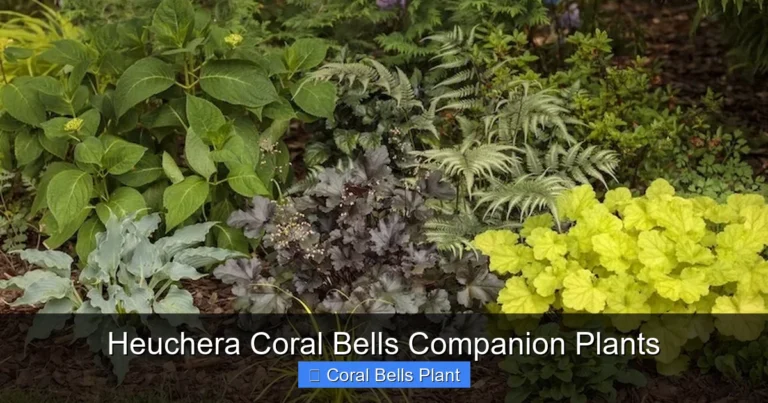
The Sandia Coral Belles plant plays well with others. Its mounding habit and textured foliage complement ferns beautifully – try Japanese painted fern (Athyrium niponicum ‘Pictum’) for silver-purple fronds that echo the leaf veining, or autumn fern (Dryopteris erythrosora) for coppery new growth.
Hostas provide bold leaf contrast. Choose blue or gold varieties to make the coral tones pop. Heucherella (foamy bells) and Tiarella (foamflower) share similar cultural needs and create a lovely tapestry effect when interplanted.
Container Recipes
For a stunning shade container, use the Sandia Coral Belles plant as the “filler” in a thriller-filler-spiller combo. Pair with:
- Thriller: Upright fern, hakone grass, or coral bells with darker foliage like ‘Palace Purple’
- Spiller: Creeping jenny (Lysimachia nummularia ‘Aurea’), sweet potato vine, or trailing lobelia
- Accent: White-flowering impatiens or begonias for brightness
Use a high-quality potting mix with added perlite for drainage. Container plants need more frequent water and fertilizer than in-ground plants.
Border and Edge Plantings
Plant in drifts of 3, 5, or 7 along a woodland path or shade border front edge. The consistent mounding habit creates a tidy line that holds its shape all season. Mix with spring bulbs (daffodils, species tulips) that bloom before the coral bells hit their stride – the emerging foliage hides dying bulb foliage perfectly.
Rock Garden and Slope Plantings
The Sandia Coral Belles plant excels on well-drained slopes and in rock gardens where its drainage needs are naturally met. Tuck between stones where roots can run cool and deep. Combine with sedums, creeping phlox, and dwarf conifers for a four-season tapestry.
Common Problems and Solutions
Crown Rot: The Number One Killer
Symptoms: Plant wilts despite moist soil, crown feels mushy, leaves yellow and collapse. Cause: Poor drainage, planting too deep, overwatering, heavy mulch against crown. Solution: Prevention is everything. Ensure excellent drainage, plant high, water at soil level, keep mulch off crown. If caught very early, dig up, cut away rotted tissue, dust with fungicide, and replant in better conditions.
Leaf Scorch
Symptoms: Brown, crispy leaf edges or patches, especially on afternoon sun side. Cause: Too much direct sun, especially combined with dry soil. Solution: Relocate to shadier spot, increase water, or provide temporary shade cloth during heat waves.
Fungal Leaf Spots
Symptoms: Small brown or black spots with yellow halos on leaves. Cause: Wet foliage, poor air circulation, humid conditions. Solution: Water at base, not overhead. Thin crowded plants. Remove affected leaves. Apply copper fungicide if severe.
Heaving
Symptoms: Plant pushed partially out of ground, roots exposed. Cause: Freeze-thaw cycles in winter. Solution: Apply winter mulch after ground freezes. If noticed in late winter, gently replant and mulch.
Nematodes
Symptoms: Stunted growth, yellowing, wilting despite good care. Cause: Microscopic root-feeding worms. Solution: Solarize soil, rotate planting areas, add beneficial nematodes. Rarely a major issue in home gardens.
Buying Guide: Selecting Healthy Plants
What to Look For
When shopping for Sandia Coral Belles plant at nurseries or garden centers:
- Choose plants with multiple crowns (growing points) rather than a single stem
- Foliage should be clean, turgid, and free of spots or holes
- Check roots – they should be white or light tan, not brown, mushy, or circling the pot
- Avoid plants with weeds growing in the pot – indicates poor nursery care
- Look for the Proven Winners or other branded tag to ensure you’re getting the true variety
Mail Order vs. Local Nursery
Local nurseries let you inspect before buying and plants are acclimated to your area. Mail order offers wider selection and often larger plants, but they arrive bare-root or in small plugs needing more TLC. Order early spring for best selection.
Size Options
Quart pots (4-5 inch) are economical but take a year to reach full size. Gallon pots give instant impact. Plugs (2-3 inch) are cheapest for mass plantings but need a full season in a nursery bed or pots before going in the ground.
The Sandia Coral Belles Plant Through the Seasons
Spring Awakening
April brings the most exciting show – new leaves unfurling in shades of peach, coral, and salmon. Each leaf looks like a tiny ruffled parasol. This color lasts 4-6 weeks before gradually shifting to green with silver highlights. Flower stems begin elongating.
Summer Glory
Late May through July (depending on zone), the coral-pink bells open in succession along wiry stems. Hummingbirds visit daily. The foliage mound is full and lush. This is the plant’s peak ornamental period.
Fall Transition
Flowers finish by August. Foliage remains handsome, often taking on richer tones as nights cool. In some years, a light rebloom occurs in early fall. This is a low-maintenance period – just enjoy.
Winter Structure
In mild climates, the mound persists all winter, frosted with silver on cold mornings. In cold zones, foliage collapses after hard freezes but the crown survives beneath. Either way, it’s a presence in the winter garden when little else shows.
Advanced Tips for Enthusiasts
Forcing Early Blooms
Want flowers for a spring event? Pot up divisions in fall, chill 8-10 weeks at 35-40°F (an unheated garage works), then bring into a cool bright room (55-60°F). Flowers appear in 6-8 weeks.
Creating a Heuchera Collection
The Sandia Coral Belles plant is just one of dozens of amazing varieties. Consider adding: ‘Caramel’ (golden-orange), ‘Obsidian’ (near-black), ‘Lime Rickey’ (chartreuse), ‘Berry Smoothie’ (rose-pink), or ‘Forever Purple’ (deep purple). They all share similar care needs but paint completely different pictures.
Breeding Your Own
Hand-pollinate different varieties when they bloom simultaneously. Collect seed when pods turn brown but before they split. Sow fresh on moist seed-starting mix, barely covered. Germination takes 2-4 weeks at 65-70°F. Seedlings take 2-3 years to flower and will be unique hybrids.
Environmental Benefits
Pollinator Support
The Sandia Coral Belles plant provides nectar for hummingbirds, native bees, bumblebees, and butterflies during a critical late-spring period when many woodland flowers have finished. The tubular flowers are perfectly shaped for long-tongued pollinators.
Erosion Control
The fibrous root system holds soil effectively on slopes. Plant in masses on banks where grass won’t grow. The evergreen foliage (in mild zones) provides year-round soil coverage.
Low-Input Landscaping
Once established, this plant needs no supplemental fertilizer, minimal water, no pesticides, and no deadheading if you don’t mind the spent stems. It’s a poster child for sustainable gardening.
Frequently Asked Questions From Gardeners
“My plant looks great in spring but declines by August. What’s wrong?”
This is often heat stress combined with dry soil. The Sandia Coral Belles plant goes semi-dormant in intense summer heat. Increase water, ensure afternoon shade, and don’t fertilize. It will perk up when temperatures drop.
“Can I grow this indoors as a houseplant?”
Not long-term. It needs winter chill and seasonal cues. You can overwinter pots in an unheated garage (water monthly) or sink pots in the ground. But it won’t thrive as a permanent indoor plant.
“The flowers are pretty but short. Can I get taller stems?”
Stem height is genetic. Rich soil and consistent moisture maximize what the variety does naturally, but you won’t get 3-foot stems. For taller flowers, look at Heuchera villosa hybrids.
“Is it toxic to pets?”
Heuchera is generally considered non-toxic to dogs and cats. However, any plant material can cause mild stomach upset if eaten in quantity. The bitter taste usually deters pets.
“How long does this plant live?”
With division every 3-4 years, a Sandia Coral Belles plant can live indefinitely – the original plant is essentially immortal through its divisions. Undivided plants may decline after 5-7 years as the center dies out.
“Can I plant it under black walnut trees?”
Yes! Heuchera is juglone-tolerant, making it one of the few perennials that thrives under black walnuts. Just ensure adequate light and moisture.
Conclusion: Why This Plant Deserves Your Garden Space
After years of growing the Sandia Coral Belles plant, I’m still amazed by how much this modest-sized perennial contributes to the garden. It asks for so little – decent soil, some shade, occasional water – and gives back months of flowers, year-round foliage interest, pollinator support, and design versatility.
Whether you tuck a single plant into a container, line a woodland path with a dozen, or build an entire shade border around it, this coral bells variety delivers. It’s the kind of plant that makes you look like a better gardener than you are, because it just performs.
If you’ve been hesitant about coral bells because of past failures, give Sandia a try. Its breeding gives it an edge in vigor and disease resistance that older varieties lack. Plant it this spring, give it a season to settle in, and I’m betting you’ll be planning where to put the next one by summer.
Your shade garden is waiting. The Sandia Coral Belles plant is ready to move in.
Frequently Asked Questions
What is the mature size of Sandia Coral Belles plant?
The Sandia Coral Belles plant forms a mounding clump 12-18 inches tall and wide, with flower stems reaching an additional 12-18 inches above the foliage during bloom season.
What USDA hardiness zones does Sandia Coral Belles tolerate?
This variety is hardy in USDA zones 4-9. In zone 4, provide winter mulch after ground freeze. In zones 8-9, it often remains evergreen year-round.
Does Sandia Coral Belles attract hummingbirds?
Yes, the tubular coral-pink flowers are a favorite nectar source for hummingbirds, as well as native bees, bumblebees, and butterflies throughout the bloom period.
What type of soil is best for Sandia Coral Belles?
Rich, humusy, well-draining soil with a pH of 6.0-7.0 is ideal. Heavy clay soils should be amended with compost or the plant should be grown in raised beds to prevent crown rot.
Why are the leaves on my Sandia Coral Belles turning brown at the edges?
Brown leaf edges typically indicate leaf scorch from too much direct sun or insufficient water. Move to a shadier location, increase watering, and ensure mulch is in place to retain soil moisture.
Can Sandia Coral Belles be grown from seed?
While possible, seed-grown plants will not come true to the named variety. The resulting seedlings will be variable hybrids. For reliable Sandia characteristics, purchase vegetatively propagated plants or divide existing clumps.