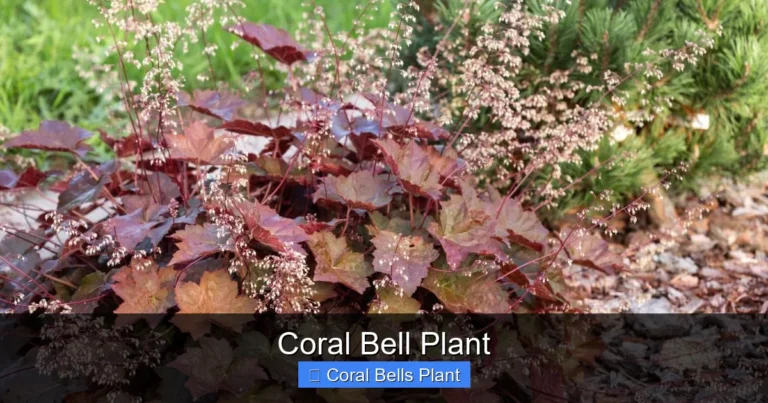
Mixed Colored Coral Bells Heuchera Live Bareroot Perennial Plants
Mixed colored coral bells heuchera live bareroot perennial plants offer vibrant foliage in shades of purple, lime, caramel, and silver for year-round garden interest. These hardy perennials arrive as dormant bareroot divisions, establishing quickly in shade to part-sun locations with well-drained soil. With proper planting and minimal maintenance, they’ll return bigger and more colorful each season.
If you’ve ever walked through a shade garden and wondered what those gorgeous mounds of ruffled, colorful leaves were, chances are you were admiring coral bells. Botanically known as Heuchera, these North American natives have exploded in popularity over the last two decades. Plant breeders have gone wild creating varieties with foliage in nearly every color imaginable. Deep purple, bright lime green, warm caramel, metallic silver, fiery orange, and even near-black leaves now grace garden centers.
When you order mixed colored coral bells heuchera live bareroot perennial plants, you’re getting a curated selection of different varieties shipped in their dormant state. This approach saves you money and gives you an instant color palette to work with. Bareroot plants might look unimpressive when they arrive — just a clump of roots with a few buds — but don’t let that fool you. These tough perennials bounce back quickly once planted, often outperforming their potted counterparts in the first season.
In this comprehensive guide, we’ll cover everything you need to know about selecting, planting, and caring for your mixed heuchera collection. Whether you’re a seasoned gardener or just starting out, you’ll find practical tips to help these stunning shade lovers thrive in your landscape.
Key Takeaways
- Bareroot advantage: Bareroot heuchera plants establish faster and cost less than potted specimens, making them ideal for mass plantings.
- Color variety: Mixed collections provide instant visual impact with complementary foliage hues that shift through seasons.
- Shade tolerance: These perennials thrive in dappled to full shade where few other colorful plants succeed.
- Low maintenance: Once established, coral bells require minimal care beyond occasional watering and division every few years.
- Year-round interest: Evergreen to semi-evergreen foliage provides winter structure in mild climates.
- Pollinator friendly: Delicate bell-shaped flowers attract hummingbirds and bees in late spring to early summer.
- Versatile design: Perfect for borders, containers, woodland gardens, and as groundcover under trees.
Quick Answers to Common Questions
How deep should I plant bareroot heuchera?
Plant with the crown (where roots meet stems) exactly at soil level. Too deep causes crown rot; too shallow exposes roots to drying out.
When is the best time to plant mixed colored coral bells heuchera live bareroot perennial plants?
Early spring (March-April) or early fall (September-October) are ideal. Fall planting gives roots a head start before winter; spring planting shows faster top growth.
How much sun can coral bells tolerate?
Most prefer morning sun with afternoon shade or dappled light all day. Dark-leaved varieties handle more sun than light-colored ones. In hot climates, more shade is better.
Do I need to fertilize heuchera regularly?
No. They’re light feeders. A light compost side-dressing in spring or slow-release fertilizer at quarter strength is plenty. Too much nitrogen reduces color intensity and winter hardiness.
How often should I divide my heuchera plants?
Every 3-4 years when the center becomes woody and bare. Early spring or early fall are best. Division rejuvenates plants and gives you free new plants.
📑 Table of Contents
- Understanding Coral Bells and the Bareroot Advantage
- Site Selection and Soil Preparation
- Planting Your Bareroot Heuchera
- Ongoing Care and Maintenance
- Designing with Mixed Color Collections
- Seasonal Care Calendar
- Propagation and Division
- Troubleshooting Common Problems
- Choosing Quality Bareroot Plants
- Heuchera Through the Seasons: What to Expect
- Advanced Tips for Heuchera Enthusiasts
- Environmental Benefits
- Frequently Asked Questions About Mixed Collections
- Conclusion
Understanding Coral Bells and the Bareroot Advantage
What Are Coral Bells?
Coral bells (Heuchera) belong to the Saxifragaceae family and are native to North America. The genus includes around 50 species, but most garden varieties are complex hybrids bred for their spectacular foliage. While they do produce delicate, bell-shaped flowers on tall wiry stems — hence the common name — it’s the leaves that steal the show. The foliage forms neat, mounding clumps that stay attractive from spring through fall, and often through winter in milder zones.
Modern breeding has focused on leaf color, pattern, ruffling, and heat tolerance. You’ll find varieties with veins that contrast dramatically with the leaf surface, leaves that change color with the seasons, and forms that tolerate more sun than older types. This diversity makes mixed colored coral bells heuchera live bareroot perennial plants an exciting purchase — you never know exactly which stunning combinations you’ll receive.
Why Choose Bareroot Plants?
Bareroot perennials are dug from growing fields while dormant, typically in late fall or early spring. The soil is washed or shaken from the roots, and the plants are stored in cool, humid conditions until shipping. This method offers several advantages:
- Cost savings: Bareroot plants cost significantly less than potted ones because you’re not paying for soil, pots, or the labor of potting them up.
- Easier shipping: Lighter weight means lower shipping costs and less packaging waste.
- Faster establishment: Without a pot-shaped root ball, bareroot plants send roots directly into your native soil, avoiding the “container effect” where roots circle and struggle to transition.
- Wider selection: Nurseries can offer more varieties as bareroot since they don’t need greenhouse space to maintain them.
- Environmental benefits: Less plastic, less shipping weight, and often field-grown with fewer inputs.
When your mixed colored coral bells heuchera live bareroot perennial plants arrive, they’ll look like a bundle of roots with a crown (the growing point) and perhaps some small buds or emerging leaves. This is perfectly normal. The plants are dormant and ready to wake up in your garden.
What to Expect in a Mixed Collection
Mixed collections typically include 3-5 different varieties chosen for complementary colors and similar growth habits. You might receive a deep purple like ‘Palace Purple’ or ‘Obsidian’, a bright chartreuse like ‘Lime Rickey’ or ‘Electra’, a warm caramel type like ‘Caramel’ or ‘Peach Flambe’, and a silvery variety like ‘Silver Scrolls’ or ‘Appletini’. Some collections also include veined varieties where dark veins contrast with lighter leaf surfaces.
The exact varieties are usually a surprise, which adds to the fun. Reputable sellers select varieties that play well together — similar mature sizes, compatible cultural needs, and colors that create harmony. This takes the guesswork out of designing a cohesive planting.
Site Selection and Soil Preparation
Light Requirements
One of the biggest misconceptions about coral bells is that they’re strictly shade plants. While most varieties prefer dappled shade or morning sun with afternoon protection, many modern hybrids tolerate more sun than you’d expect. The key is understanding your specific varieties and your climate.
In general:
- Dark-leaved varieties (purples, near-blacks, deep reds) often tolerate more sun, especially in cooler climates. The dark pigments protect against UV damage.
- Light-leaved varieties (chartreuse, yellow, pale silver) scorch easily in hot afternoon sun. They need more shade protection.
- Veined varieties fall somewhere in between.
- Northern gardeners (zones 3-5) can often give heuchera more sun than southern gardeners (zones 7-9).
For your mixed collection, aim for a site with morning sun and afternoon shade, or bright dappled light throughout the day. This “Goldilocks” condition satisfies the widest range of varieties. If you must choose, err on the side of more shade — heuchera will survive in deep shade (though colors may be less intense), but they’ll crisp up quickly in too much sun.
Soil Requirements
Heuchera hates wet feet. The number one killer of coral bells is poorly drained soil, especially in winter. They need soil that’s rich in organic matter but drains freely. Think of the forest floor — loose, humusy, moist but never soggy.
Ideal soil characteristics:
- pH: Slightly acidic to neutral (6.0-7.0)
- Texture: Loamy with good structure
- Drainage: Water should disappear within a few hours after heavy rain
- Organic matter: 5-10% or more
Before planting your mixed colored coral bells heuchera live bareroot perennial plants, test your drainage. Dig a hole 12 inches deep and fill with water. If it drains in under 4 hours, you’re good. If it takes longer, amend heavily with compost, coarse sand, or fine bark, or consider raised beds.
Preparing the Planting Area
Prepare your bed before the plants arrive. Remove weeds, loosen soil to 12-18 inches deep, and incorporate 2-3 inches of compost or well-rotted manure. If your soil is heavy clay, add coarse builder’s sand (not play sand) and compost in equal parts. For sandy soils, extra compost helps retain moisture.
Space plants 12-18 inches apart depending on mature size. Most heuchera reach 12-18 inches wide, but some varieties spread more. Check the specific varieties if known, or plan for 15-inch spacing as a safe middle ground. Arrange them in a pleasing pattern — triangles or drifts look more natural than straight rows.
Planting Your Bareroot Heuchera
When to Plant
Bareroot heuchera ship in two main windows: early spring (March-April) and fall (September-October). Both work well, but each has pros and cons.
Spring planting: Plants wake up with the season and have a full growing season to establish before winter. You’ll see foliage quickly. Risk: late frosts can damage emerging leaves, and summer heat stress if planting is delayed.
Fall planting: Cooler temperatures and reliable rainfall reduce transplant shock. Roots grow all winter in mild climates, giving a head start next spring. Risk: early hard freeze before roots establish (mulch heavily), and you won’t see much top growth until spring.
Plant as soon as possible after receipt. If you must delay, store bareroot plants in a cool (35-45°F), dark place with roots slightly moist in their packing material for up to 2 weeks. Don’t let them freeze or dry out completely.
Step-by-Step Planting Process
Follow these steps for successful establishment of your mixed colored coral bells heuchera live bareroot perennial plants:
- Soak the roots: Place bareroot plants in a bucket of lukewarm water for 1-2 hours before planting. This rehydrates tissues and wakes them from dormancy. Don’t soak longer than 4 hours.
- Dig the hole: Make a hole wide enough to spread roots horizontally (12-18 inches wide) and deep enough so the crown sits at soil level. Create a small mound of soil in the center.
- Position the plant: Spread roots over the mound, fanning them outward and downward. The crown — where roots meet stems — should sit exactly at ground level. This is critical. Too deep leads to crown rot; too high exposes roots.
- Backfill carefully: Fill with amended soil, gently firming around roots to eliminate air pockets. Don’t pack hard — just firm enough to support the plant.
- Water thoroughly: Apply water slowly until soil is saturated to root depth. This settles soil and ensures good root-to-soil contact.
- Mulch: Apply 1-2 inches of shredded bark, leaf mold, or pine straw. Keep mulch away from the crown to prevent rot.
Common Planting Mistakes to Avoid
- Planting too deep: The crown must be at soil level. Burying it causes crown rot, the #1 killer of newly planted heuchera.
- Planting too shallow: Exposed roots dry out and die. If roots are visible after watering, add more soil.
- Amending only the planting hole: This creates a “bathtub effect” where water collects in the amended hole but can’t drain into surrounding clay. Amend the whole bed.
- Skipping the soak: Dry roots take longer to rehydrate and establish.
- Overwatering after planting: Water deeply once, then wait until the top inch of soil is dry. Soggy soil suffocates new roots.
Ongoing Care and Maintenance
Watering
Newly planted mixed colored coral bells heuchera live bareroot perennial plants need consistent moisture for the first 6-8 weeks. Water deeply 2-3 times per week depending on rainfall and temperature. The goal is evenly moist soil — not wet, not bone dry.
Once established (after first season), heuchera are surprisingly drought tolerant. Their thick, somewhat fleshy roots store water. In average garden soil with mulch, they’ll need supplemental water only during extended dry spells. In containers or sandy soil, they’ll need more frequent watering.
Water at the base of the plant, avoiding the crown. Wet crowns invite fungal diseases. Drip irrigation or soaker hoses are ideal. If using overhead sprinklers, water early morning so foliage dries quickly.
Fertilizing
Heuchera are light feeders. Too much fertilizer, especially nitrogen, produces lush but weak growth prone to disease and winter damage. It can also mute the vibrant leaf colors that make these plants special.
Fertilizer regimen:
- At planting: Mix a balanced slow-release fertilizer (like 10-10-10 or 5-5-5) into the backfill soil at half the recommended rate. Or skip entirely if you amended with good compost.
- Spring: Apply a light side-dressing of compost around each plant, or a slow-release organic fertilizer at quarter strength.
- Summer: Only if plants look pale or stunted. Use liquid fertilizer at half strength.
- Fall: Stop fertilizing by late July (northern zones) or August (southern zones) to allow hardening off before winter.
Mulching
Maintain a 1-2 inch layer of organic mulch year-round. Mulch conserves moisture, suppresses weeds, moderates soil temperature, and slowly adds organic matter as it breaks down. Excellent choices:
- Shredded bark or hardwood mulch
- Leaf mold (partially decomposed leaves)
- Pine straw (especially good for slightly acidic preference)
- Cocoa hulls (smell great, but toxic to dogs)
Keep mulch pulled back 1-2 inches from the crown. Refresh annually in spring as old mulch decomposes.
Pruning and Grooming
Heuchera require minimal pruning. Remove any winter-damaged or tattered leaves in early spring before new growth emerges. Cut leaves at the base with clean scissors. During the growing season, snip off any damaged or diseased leaves promptly.
After flowering (late spring to early summer), you can remove spent flower stalks to tidy the plant and redirect energy to foliage. Or leave them — the seed heads have a delicate charm, and birds may eat the seeds.
Every 3-4 years, the center of the clump may become woody and bare, with all new growth at the edges. This signals it’s time to divide (see Division section below).
Designing with Mixed Color Collections
Color Theory in the Shade Garden
One of the joys of mixed colored coral bells heuchera live bareroot perennial plants is the instant color palette. But a little planning elevates the effect from “nice” to “wow.” Consider these approaches:
Monochromatic Harmony
Group varieties within the same color family but different intensities. For example, deep purple ‘Obsidian’, medium purple ‘Plum Pudding’, and silvery-purple ‘Silver Scrolls’ create depth and sophistication. The eye moves smoothly across the planting.
Complementary Contrast
Pair colors opposite on the color wheel for high drama. Chartreuse (‘Lime Rickey’, ‘Electra’) against deep purple (‘Palace Purple’, ‘Blackout’) is a classic combination. The bright lime makes the purple look richer; the purple makes the lime pop. Caramel/orange tones pair beautifully with silvery-blues.
Analogous Flow
Choose colors next to each other on the wheel for a serene, cohesive look. Caramel → peach → coral → pink creates a warm sunset gradient. Silver → blue-green → green → chartreuse flows cool and calming.
Triadic Balance
Three colors equally spaced on the wheel (e.g., purple, chartreuse, orange) create vibrant, balanced energy. This works well in larger plantings where each color has enough mass to hold its own.
Companion Plants
Heuchera play well with many shade lovers. Their mounding habit and colorful foliage complement vertical and spreading forms. Excellent companions:
- Ferns: Japanese painted fern, autumn fern, maidenhair fern — feathery texture contrasts with heuchera’s broad ruffled leaves.
- Hostas: Large-leaved hostas provide bold backdrop; heuchera fill in at their feet.
- Astilbe: Feathery plumes in pink, white, red rise above heuchera mounds in early summer.
- Hellebores: Early spring flowers and leathery evergreen foliage extend seasonal interest.
- Pulmonaria: Silver-spotted leaves and blue-pink flowers in spring.
- Tiarella (foamflower): Close relative with similar habit, often more deeply lobed leaves.
- Hakonechloa (Japanese forest grass): Cascading golden or green blades add movement.
- Epimedium: Heart-shaped leaves and delicate spring flowers; tough groundcover.
Container Designs
Heuchera are stellar container plants. Their shallow root systems adapt well to pots, and the drainage control prevents winter rot. For containers with your mixed collection:
- Use a high-quality potting mix with added perlite or coarse sand for drainage.
- Choose pots at least 12 inches wide and deep.
- Plant 3-5 plants per 14-16 inch pot for full look.
- Combine with trailing plants like creeping jenny, ivy, or sweet potato vine.
- Add a thriller (tall element) like a small fern or carex grass in center.
- Overwinter in protected location (unheated garage, against house wall) in zones 5 and colder.
Landscape Uses
- Border edging: Plant in a ribbon along paths or bed edges.
- Woodland garden: Naturalize in drifts under deciduous trees.
- Rock garden: Tuck into crevices with good soil pockets.
- Slope stabilization: Roots hold soil on shady banks.
- Underplanting: Beneath hydrangeas, rhododendrons, or small trees.
- Rain garden edges: Where soil stays moist but not wet.
Seasonal Care Calendar
Spring (March-May)
- Remove winter mulch from crowns as temperatures rise.
- Clean up dead/damaged leaves.
- Apply light compost side-dressing or slow-release fertilizer.
- Watch for emerging flower stalks — stake if needed in windy sites.
- Divide overcrowded clumps (early spring before full leaf-out).
- Water if spring is dry.
Summer (June-August)
- Deadhead spent flower stalks if desired.
- Monitor for pests (see troubleshooting section).
- Water deeply during dry spells.
- Provide afternoon shade cloth in extreme heat for light-colored varieties.
- Apply fresh mulch if layer has thinned.
Fall (September-November)
- Plant new bareroot divisions — ideal planting time.
- Stop fertilizing.
- Reduce watering as temperatures cool.
- Remove any diseased foliage (don’t compost).
- Apply winter mulch after ground freezes in cold zones (2-3 inches).
Winter (December-February)
- In zones 6-9: Evergreen foliage provides winter interest. Brush off heavy snow to prevent leaf damage.
- In zones 3-5: Plants may die back to ground. Mulch heavily after freeze.
- Check for heaving (freeze-thaw cycles pushing crowns up). Gently press back down if needed.
- Plan next year’s additions!
Propagation and Division
When and Why to Divide
Heuchera benefit from division every 3-4 years. Signs it’s time:
- Center of clump is woody and bare
- Flower production declines
- Plant looks less vigorous
- Clump has outgrown its space
Division rejuvenates the plant, gives you more plants for free, and lets you refresh the soil with compost. The best times are early spring (as new growth emerges) or early fall (4-6 weeks before ground freeze).
Division Process
- Water plant deeply the day before.
- Dig up entire clump with a garden fork, preserving as many roots as possible.
- Shake or wash off excess soil to see crown structure.
- Identify natural divisions — each should have several healthy roots and 3-5 growth buds (eyes).
- Pull apart by hand or cut with a clean, sharp knife. Each division should be roughly fist-sized.
- Trim any damaged or excessively long roots.
- Replant immediately at same depth, following planting steps above.
- Water well and mulch.
- Keep consistently moist for 4-6 weeks.
You can also propagate from leaf cuttings in spring, but division is faster and more reliable for home gardeners.
Troubleshooting Common Problems
Crown Rot
The most serious issue, caused by fungi (Phytophthora, Pythium) in wet, poorly drained soil. Symptoms: wilting despite moist soil, blackened mushy crown, leaves pull off easily. Prevention is key — perfect drainage, proper planting depth, avoid overwatering. If caught early, dig up, cut away rotted tissue, dust with fungicide, replant in better location. Often fatal once advanced.
Leaf Scorch
Brown, crispy leaf edges or patches from too much sun, heat, or wind. Most common on light-colored varieties in afternoon sun. Solution: move to shadier spot, provide temporary shade cloth, ensure adequate water. Damaged leaves won’t recover — remove them.
Heuchera Rust
Fungal disease (Puccinia heucherae) causing orange-brown pustules on leaf undersides, yellow spots on top. Favors humid, cool conditions. Remove affected leaves, improve air circulation, avoid overhead watering. Fungicides (copper-based) can help if applied early. Some varieties more resistant.
Root Weevils
Black vine weevil adults notch leaf edges at night; larvae eat roots. Notching is cosmetic; root damage kills plants. Control: beneficial nematodes (Heterorhabditis bacteriophora) applied to soil in spring/fall for larvae; sticky traps or hand-picking at night for adults. Neem oil deters adults.
Deer and Rabbits
Heuchera are not deer-proof, but they’re not a first choice either. Deer may browse flowers or new growth in spring. Rabbits sometimes nibble. Repellents, fencing, or interplanting with more deer-resistant plants (ferns, hellebores) helps.
Frost Heaving
In cold climates, freeze-thaw cycles push shallow-rooted heuchera out of the ground, exposing roots. Heavy winter mulch (applied after ground freezes) prevents this. If it happens, gently press crown back into soil in spring and mulch.
Color Fading
Some varieties, especially reds and oranges, fade to green in summer heat or deep shade. This is genetic, not a problem. Colors often return in cooler fall weather. For consistent color, choose varieties bred for color stability (‘Obsidian’, ‘Caramel’, ‘Lime Rickey’ are known for holding color).
Choosing Quality Bareroot Plants
What to Look For
When your mixed colored coral bells heuchera live bareroot perennial plants arrive, inspect them:
- Roots: Firm, light tan to white, fibrous. Not mushy, black, or bone-dry.
- Crown: Solid, with visible buds (eyes) — small pointed nubs where leaves will emerge.
- No mold: A little surface mold on packing material is okay; fuzzy mold on roots or crown is not.
- Weight: Should feel substantial for their size, not light and desiccated.
- Labels: Each variety should be labeled if possible, or at least the mix identified.
Red Flags
- Sour or rotten smell
- Roots that snap like dry twigs (too dry)
- Roots that are slimy and dark (too wet/rotting)
- No visible buds on crown
- Broken or damaged crowns
If plants arrive in poor condition, contact the seller immediately with photos. Reputable nurseries guarantee live delivery and will replace or refund.
Storing Before Planting
If you can’t plant within 24 hours:
- Open packaging to check condition.
- Mist roots lightly if dry.
- Store in original packing in refrigerator (35-45°F) or cool basement/garage.
- Check every few days — don’t let them freeze or dry out.
- Plant as soon as possible.
Heuchera Through the Seasons: What to Expect
First Year
Spring-planted bareroot heuchera spend their first season establishing roots. You’ll see modest foliage growth — perhaps 6-8 inches wide by fall. Flowers may be sparse or absent. Fall-planted ones may show little top growth until spring. Don’t worry — they’re building underground. Mulch well for first winter.
Second Year
Plants typically double in size. Foliage colors intensify. Flower display improves significantly. This is when the mixed collection really starts to shine — the color combinations you imagined become reality.
Mature Plants (Year 3+)
Full size reached (12-18 inches wide, sometimes more). Peak foliage color and flower production. Clumps may need division. These are long-lived perennials — 10-20 years or more with division.
Seasonal Color Changes
One of the delights of heuchera is watching leaves transform. Many varieties emerge one color in spring, shift in summer, and deepen or change entirely in fall. For example, ‘Peach Flambe’ emerges bright peach, turns plum in summer, then fiery red in fall. ‘Caramel’ starts gold, warms to peachy-caramel, then glows amber in autumn. Your mixed collection will choreograph its own color dance through the seasons.
Advanced Tips for Heuchera Enthusiasts
Creating Your Own Hybrids
If you’re adventurous, let your mixed collection cross-pollinate. Heuchera hybridize readily. Collect seed from spent flower stalks in summer, sow in winter, and see what unique seedlings emerge. Most won’t match parents, but you might discover a gem. Note: seedlings take 2-3 years to flower.
Forcing Early Growth
In late winter, pot up a division and bring indoors to a cool bright window (50-60°F). You’ll get early foliage for winter containers or indoor enjoyment. Return outdoors after frost danger passes.
Using Heuchera in Floral Arrangements
Both foliage and flowers work in cut arrangements. Leaves last 1-2 weeks in water. Cut stems at an angle, remove lower leaves, place in cool water. Flowers are delicate but charming in small bud vases.
Heuchera as Groundcover
Plant 12 inches apart in a grid for weed-suppressing groundcover. Choose vigorous, spreading varieties. In 2-3 years, they’ll knit together into a colorful carpet. Excellent under high-limbed trees where grass won’t grow.
Environmental Benefits
Beyond beauty, mixed colored coral bells heuchera live bareroot perennial plants offer ecological value:
- Pollinator support: Flowers provide nectar for native bees, bumblebees, and hummingbirds when few other shade plants bloom.
- Soil health: Fibrous roots prevent erosion, add organic matter, support soil microbes.
- Water conservation: Once established, low water needs reduce irrigation demand.
- No pesticides needed: Generally pest-resistant, reducing chemical use.
- Carbon sequestration: Perennial roots store carbon long-term.
- Habitat: Dense foliage shelters beneficial insects, amphibians, small mammals.
By choosing bareroot plants, you amplify these benefits — less plastic, lower shipping emissions, field-grown with typically fewer inputs than container production.
Frequently Asked Questions About Mixed Collections
Will the colors clash?
Reputable sellers curate mixes for harmony. They select varieties with compatible tones — either within a color family or using proven complementary pairs. If you’re concerned, you can always rearrange after seeing the first year’s colors.
Can I request specific varieties?
Usually not with mixed collections — that’s part of the value pricing. If you must have specific varieties, buy them individually. The surprise element is part of the fun and savings.
What if one variety dies?
It happens occasionally. Different varieties have slightly different tolerances. Replace with a similar color from a local nursery, or let neighbors fill the gap. Heuchera are forgiving.
Do they spread aggressively?
No. Heuchera are clump-formers, not runners. They slowly widen but don’t invade. Some varieties may self-seed lightly, but seedlings are easy to remove or transplant.
Are they toxic to pets?
Heuchera are generally considered non-toxic to dogs and cats. However, any plant material can cause mild stomach upset if eaten in quantity. The cocoa hull mulch sometimes used with them IS toxic to dogs — avoid it if you have pets.
Conclusion
There’s something deeply satisfying about opening a box of mixed colored coral bells heuchera live bareroot perennial plants — those humble bundles of roots holding the promise of a kaleidoscope of foliage color. Whether you’re filling a shady border, creating a container masterpiece, or naturalizing a woodland edge, these versatile perennials deliver exceptional value and beauty.
The bareroot approach makes it affordable to experiment with multiple varieties at once. You get an instant designer palette without the designer price tag. And because they’re field-grown and shipped dormant, they often establish more vigorously than greenhouse-raised potted plants.
Success comes down to a few fundamentals: well-drained soil, proper planting depth (crown at soil level!), appropriate light for your varieties, and patience during that first establishment year. After that, you’ll be rewarded with decades of low-maintenance color that shifts and deepens through the seasons.
Your mixed collection will become a living tapestry — chartreuse glowing against purple, silver catching moonlight, caramel warming a cool corner. Hummingbirds will dance among the flower wands. The winter garden will have structure and color when little else does. And every spring, as new leaves unfurl in fresh hues, you’ll remember why you fell in love with coral bells in the first place.
So prepare that shady spot, amend your soil, and get ready for one of gardening’s most rewarding investments. Your future self — the one sipping coffee while admiring a rainbow of ruffled leaves — will thank you.
Frequently Asked Questions
What does “bareroot” mean for coral bells plants?
Bareroot plants are dug from fields while dormant, with soil removed from their roots. They’re shipped without pots or soil, making them lighter, cheaper, and often quicker to establish than container-grown plants.
Will my mixed color heuchera collection look like the picture?
Mixed collections typically contain a surprise assortment of complementary varieties. While the exact varieties may vary, reputable sellers curate mixes for harmonious color combinations and similar growth habits.
Can coral bells grow in full shade?
Yes, heuchera tolerate full shade well, though foliage colors may be less intense and flowering reduced. They’re among the best colorful plants for deep shade conditions where few others thrive.
Why are my heuchera leaves turning brown and crispy?
Leaf scorch usually indicates too much sun, heat, or wind exposure — especially on light-colored varieties. Move to a shadier location, ensure consistent moisture, and remove damaged leaves.
Are coral bells deer resistant?
Heuchera are moderately deer resistant — not a first choice for browsing, but deer may eat flowers or new spring growth in high-pressure areas. Repellents or companion planting with more resistant species helps.
How long do bareroot heuchera take to establish?
Expect 6-8 weeks for root establishment with consistent moisture. Full mature size takes 2-3 years. Fall-planted roots grow through winter in mild climates, giving a spring head start.