Coral Bells Plant Spacing
Proper coral bells plant spacing ensures healthy growth, good air circulation, and stunning garden displays. Most varieties need 12 to 18 inches between plants, while larger cultivars require up to 24 inches. Follow our spacing guide for thriving Heuchera that fill in beautifully without overcrowding.
You just brought home a flat of gorgeous coral bells. Their ruffled leaves shimmer in shades of purple, caramel, lime, and near-black. You are ready to plant. Then comes the question that stops many gardeners in their tracks. How far apart do these go? Get it wrong and you face years of crowding, disease, or gaps that never fill. Get it right and you enjoy a lush, colorful carpet that looks better every season.
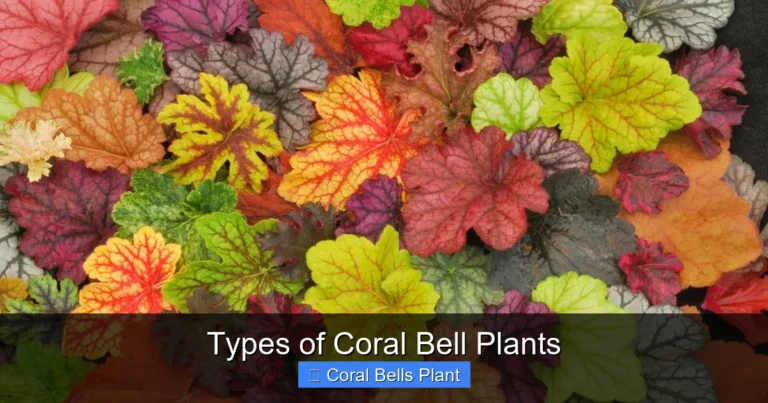
Coral bells, also known as Heuchera or alumroot, are among the most versatile perennials for shade and part-sun gardens. They offer year-round foliage interest, delicate flower spikes, and a neat mounding habit. But their success starts with one simple decision at planting time. Spacing. This guide walks you through everything you need to know about coral bells plant spacing. We cover standard distances, variety-specific needs, container rules, design strategies, and long-term maintenance. By the end, you will plant with confidence.
Key Takeaways
- Standard spacing is 12 to 18 inches: Most coral bells varieties thrive with this distance between plant centers.
- Large cultivars need more room: Varieties like ‘Big Top’ or ‘Mega Caramel’ require 18 to 24 inches of spacing.
- Dwarf types can be closer: Compact varieties such as ‘Petite Pearl Fairy’ do well at 8 to 10 inches apart.
- Air circulation prevents disease: Proper spacing reduces humidity around foliage, lowering risk of fungal issues.
- Container planting follows different rules: Use one plant per 10 to 12 inch pot for best results.
- Design intent affects spacing: Mass plantings use tighter spacing while specimen plants need more breathing room.
- Mature width guides your decision: Always check the plant tag for the specific variety’s mature spread.
Quick Answers to Common Questions
What is the standard spacing for most coral bells varieties?
Most coral bells varieties need 12 to 18 inches of spacing measured from crown center to crown center.
How far apart should I plant large coral bells like ‘Big Top Bronze’?
Large cultivars need 18 to 24 inches of spacing to accommodate their 24+ inch mature spread.
Can I plant coral bells closer together for faster coverage?
Planting closer than recommended causes crowding, poor air circulation, and disease. Use annuals to fill gaps while plants mature.
What spacing do coral bells need in containers?
Use one plant per 10 to 12 inch diameter pot. In mixed containers, allow 6 to 8 inches between root balls.
How do I measure spacing correctly?
Measure from the center of the crown (where leaves emerge) to the center of the next plant’s crown, not from leaf tips.
📑 Table of Contents
- Understanding Coral Bells Growth Habit
- Standard Coral Bells Plant Spacing Guidelines
- Spacing by Variety Size
- Spacing for Different Garden Designs
- Container Spacing Rules
- Common Spacing Mistakes to Avoid
- Soil Preparation and Planting Technique
- Long-Term Spacing Management
- Companion Planting and Spacing
- Regional and Climate Adjustments
- Troubleshooting Spacing Issues
- Buying and Planting Timeline
- Design Inspiration: Spacing in Action
- Frequently Asked Questions About Spacing
- Conclusion
Understanding Coral Bells Growth Habit
Before we talk numbers, let us look at how these plants grow. Coral bells form a basal rosette of leaves. This means all leaves radiate from a central crown at ground level. The crown slowly expands outward each year. New leaves push up from the center. Older leaves gracefully arch outward and down.
Most varieties reach a mature width of 12 to 18 inches. Some stay as small as 8 inches. Others spread to 24 inches or more. The flower spikes rise above the foliage in late spring to early summer. They add height but do not affect the ground-level footprint much. Understanding this mounding habit is key. You are spacing for the mature width of the foliage mound, not the flowers.
The Crown Matters Most
The crown is the heart of the plant. It sits right at soil level. If you bury it too deep, it rots. If you plant too high, it dries out. When spacing, imagine the crown as the center point. Measure from crown center to crown center. This gives you the true distance between plants.
Coral bells are relatively slow to moderate growers. They will not fill gaps overnight. A newly planted bed looks sparse for the first year. That is normal. Resist the urge to plant closer. Patience pays off with healthier plants.
Root System Considerations
These plants have fibrous root systems. They spread horizontally just below the surface. They do not have deep taproots. This means they compete for moisture and nutrients in the top few inches of soil. Crowded roots lead to stressed plants. Stressed plants show dull color, fewer flowers, and susceptibility to pests.
Good spacing lets roots explore freely. It also makes dividing easier down the road. Which you will want to do every three to four years to maintain vigor.
Standard Coral Bells Plant Spacing Guidelines
For the vast majority of coral bells varieties, the sweet spot is 12 to 18 inches on center. On center means measuring from the center of one plant to the center of the next. This range accommodates the typical mature spread of 14 to 16 inches with a little breathing room.
Why 12 to 18 Inches Works
At 12 inches, plants will touch at maturity. This creates a continuous groundcover effect. Weeds struggle to establish. Soil stays shaded and moist. At 18 inches, you see distinct individual mounds with a hint of mulch or soil between. Both approaches look great. It depends on your design goal.
If you are planting a row along a path, 12 to 14 inches creates a nice defined edge. If you are dotting them through a woodland garden, 16 to 18 inches lets each plant shine as a specimen.
Measuring Made Simple
Grab a tape measure or use a marked planting stick. Place your first plant. Measure the required distance. Place the next. Keep going. For curved beds, measure along the curve, not in a straight line. This keeps the visual spacing consistent from the viewing angle.
A handy trick. Use your foot. An average adult foot is about 12 inches. Two feet is roughly 18 inches. Not precise but great for quick layout.
Spacing by Variety Size
Not all coral bells are created equal. Breeders have developed an incredible range of sizes. You must adjust spacing based on the specific cultivar you bought. Always check the plant tag. It lists mature width. That number is your primary guide.
Dwarf and Compact Varieties (8 to 12 inches mature width)
These little gems include ‘Petite Pearl Fairy’, ‘Little Cutie’ series, ‘Cherry Cola’, and ‘Delta Dawn’. Space them 8 to 10 inches on center. They fill in fast and make adorable edging plants. Perfect for fairy gardens, troughs, and the very front of borders.
Because they are small, you can fit more in a given area. This increases cost per square foot but gives a dense, jewel-box effect.
Standard Varieties (12 to 18 inches mature width)
This is the largest group. It includes classics like ‘Palace Purple’, ‘Caramel’, ‘Lime Rickey’, ‘Obsidian’, ‘Plum Pudding’, and most of the popular series like ‘Dolce’, ‘Primo’, and ‘Forever’. Space these 12 to 18 inches on center.
If the tag says 16 inches wide, split the difference at 14 inches. If it says 14 inches, go with 12 to 13 inches. You want slight overlap at maturity, not a gap.
Large and Vigorous Varieties (18 to 24+ inches mature width)
Some coral bells get big. ‘Big Top Bronze’, ‘Mega Caramel’, ‘Brownies’, ‘Southern Comfort’, and ‘Villosa’ hybrids like ‘Autumn Bride’ can reach 24 inches across or more. Space these 18 to 24 inches on center.
Give them room. Crowding a large variety defeats its purpose. You lose the dramatic fountain shape. You invite center die-out from poor air flow.
Trailing and Spreading Types
A few varieties like ‘Redstone Falls’ or ‘Copper Cascade’ have a more spreading, semi-trailing habit. They work great in containers and walls. In the ground, space them 14 to 18 inches but expect them to creep a bit wider. They are not aggressive spreaders like mint. Just gentle creepers.
Spacing for Different Garden Designs
Your design intent changes the spacing math. Are you making a groundcover? A border edge? A focal point? A container combo? Each scenario has a slightly different approach.
Mass Planting and Groundcover
For a solid carpet of color, plant on the tight end. 10 to 12 inches for standard varieties. 8 inches for dwarfs. This speeds up coverage. You get the weed-suppressing, moisture-conserving benefits faster. The trade-off is you may need to divide sooner. Every two to three years instead of three to four.
Stagger the rows. Do not plant in a perfect grid. Offset each row by half the spacing distance. This creates a natural, seamless look. It also improves air flow compared to straight rows.
Border Edging
Along a path or bed edge, space 12 inches on center for standard types. This gives a clean, full line. For a looser, more relaxed edge, go to 15 inches. Plant in a gentle curve, not a straight line. Nature does not do straight lines.
Consider the viewer’s perspective. If the path is narrow, tighter spacing looks better. If the bed is viewed from a distance, slightly wider spacing reads as a softer edge.
Specimen and Accent Planting
When a coral bells is the star, give it space. 18 to 24 inches from neighbors. Let the mound develop its full symmetrical shape. This works beautifully for dark varieties like ‘Black Pearl’ or ‘Obsidian’ placed against light foliage plants.
Pair with companions that have different textures. Ferns, hostas, brunnera, or carex. The coral bells provides the color punch. The companions provide the backdrop.
Mixed Perennial Borders
In a diverse border, coral bells often play a supporting role. Space them 14 to 18 inches from other perennials. Consider the mature size of the neighbors too. A hosta that gets 3 feet wide will eventually swallow a coral bells planted 12 inches away.
Plan for the future. Draw a quick sketch with circles representing mature widths. Adjust on paper before you dig.
Woodland and Naturalistic Plantings
In a shade garden mimicking nature, avoid uniform spacing. Group three, five, or seven plants of the same variety. Space 12 to 16 inches within the group. Leave larger gaps of 2 to 3 feet between groups. This creates rhythm. It looks like they seeded themselves there.
Mix in native companions. Foamflower, wild ginger, and Solomon’s seal play well with coral bells.
Container Spacing Rules
Containers follow different logic. Roots are confined. Soil volume is limited. Nutrients deplete faster. You cannot rely on the plant spreading into surrounding earth.
Single Variety Pots
For a pot dedicated to coral bells, use one plant per 10 to 12 inch diameter pot. A 12 inch pot holds one standard plant beautifully. A 16 inch pot can take two or three if they are dwarf types. Do not crowd. A single happy plant looks better than three struggling ones.
Use high-quality potting mix. Not garden soil. Add slow-release fertilizer at planting. Water consistently. Containers dry out fast.
Mixed Containers
Coral bells are stellar container citizens. Their mounding habit fills the “filler” role perfectly. In a mixed pot, give each coral bells 6 to 8 inches of personal space from the next plant’s root ball. They play nice with others but need their own soil zone.
Pair with thrillers like ornamental grasses or upright ferns. Add spillers like creeping jenny or sweet potato vine. The coral bells anchors the middle.
Window Boxes and Troughs
Long narrow containers need linear spacing. Plant 8 to 10 inches on center for standard varieties. 6 to 8 inches for dwarfs. This creates a full, lush line. Ensure the box is at least 8 inches deep. Deeper is better for root health and winter survival in cold zones.
Common Spacing Mistakes to Avoid
Even experienced gardeners slip up. Here are the most frequent errors and how to dodge them.
Planting Too Close for “Instant Fullness”
We all want the garden to look done yesterday. Planting 6 inches apart achieves that. For about three months. Then the crowns collide. Air stops moving. Leaves stay wet. Fungal diseases like powdery mildew and rust move in. Centers die out. You end up with a ring of living leaves around a dead middle.
Fix: Trust the process. Mulch the gaps. Plant annuals between if you need color now. The coral bells will catch up.
Ignoring Mature Size on the Tag
That little tag is not marketing fluff. It is data. If it says 20 inches wide and you plant at 12 inches, you created a problem. Different series have vastly different sizes. The ‘Primo’ series is huge. The ‘Little Cutie’ series is tiny. Treat them accordingly.
Measuring from Leaf Tips Instead of Crowns
You set the plant in the hole. The leaves flop out 6 inches. You measure to the leaf tip. Wrong. Measure to the crown center. The leaves will reposition. The crown does not move. Crown-to-crown is the only accurate method.
Forgetting Neighbor Plants
You space coral bells perfectly from each other. But you put them 6 inches from a spreading groundcover like lamium or a vigorous fern. The neighbor wins. Coral bells are polite. They get bullied.
Space from all neighbors based on their mature widths too. Add the two radii together. That is your minimum distance.
Not Accounting for Slope
On a hillside, plants on the downhill side get more water and soil accumulation. They grow larger. Plants uphill stay smaller. Space downhill plants a few inches wider. Or terrace the bed to create level planting pockets.
Soil Preparation and Planting Technique
Spacing is only half the equation. How you plant determines if that spacing works long-term.
Amend the Whole Bed, Not Just the Hole
Digging a perfect hole in clay and filling it with compost creates a “bathtub effect.” Water collects in the amended hole. Roots circle inside. They never venture into native soil. Instead, amend the entire planting area. Work in 2 to 3 inches of compost over the whole bed. This encourages wide root exploration. It makes your spacing investment pay off.
Plant at the Right Depth
The crown must sit at soil level. Not below. Not above. Bare root plants show a clear color change between roots (white/tan) and crown (green/purple). Potted plants show the soil line. Match that line. Water well after planting to settle soil around roots.
Mulch Correctly
Apply 1 to 2 inches of shredded bark, leaf mold, or pine straw. Keep mulch pulled back 1 inch from the crown. Mulch against the crown causes rot. Mulch conserves moisture, suppresses weeds, and looks finished. It also hides the gaps while plants grow in.
Water Deeply at Planting
Soak the root zone. Not a sprinkle. A deep soak. This eliminates air pockets. It connects roots to soil. Continue regular watering for the first growing season. Even drought-tolerant established plants need help starting out.
Long-Term Spacing Management
You spaced perfectly. You planted perfectly. Now what? Coral bells are long-lived but not immortal. They need division to stay vigorous.
When to Divide
Every three to four years in spring or early fall. Signs it is time: center die-out, smaller leaves, fewer flowers, reduced color intensity, or the plant simply looks tired. Spring division lets roots establish before summer heat. Fall division gives a head start for next spring.
How to Divide
Dig the whole clump. Shake off soil. Pull or cut the crown into sections. Each division needs 3 to 5 healthy shoots and a good root piece. Discard the woody dead center. Replant divisions at your original spacing. Water well. Share extras with friends.
Rejuvenating Overcrowded Plantings
If you inherited a crowded bed or made a spacing mistake years ago, all is not lost. Dig the whole area in early spring. Divide everything. Amend the soil. Replant at correct spacing. It is a big job but transforms the planting. You essentially hit reset.
Winter Considerations
In cold zones (3 to 5), coral bells can heave out of the ground during freeze-thaw cycles. Proper spacing helps. Plants with room develop better root anchors. A 2 inch mulch layer applied after ground freezes prevents heaving. Do not mulch too early. Wait for frozen soil. Otherwise, you create a cozy rodent hotel.
Companion Planting and Spacing
Coral bells shine in community. Choosing the right neighbors and spacing them correctly creates a garden greater than the sum of parts.
Shade Companions
Hostas, ferns, astilbe, brunnera, hakonechloa, and hellebores. Space based on the largest plant’s mature width. A hosta at 3 feet needs 18 inches from a coral bells at 1 foot. (1.5 + 0.5 = 2 feet center to center). The coral bells tucks in at the hosta’s feet.
Sun Companions (for sun-tolerant varieties)
Salvia, sedum, ornamental grasses, daylilies, and coneflowers. Many coral bells handle more sun than you think. ‘Caramel’, ‘Citronelle’, ‘Southern Comfort’, and villosa hybrids take half-day sun. Space similarly. Consider the grass or daylily’s spread. They get wide.
Bulb Layering
Plant spring bulbs between coral bells. Daffodils, tulips, alliums. The coral bells foliage emerges as bulb foliage fades. It hides the yellowing leaves. Space bulbs 4 to 6 inches apart within the coral bells spacing. No extra room needed. Two seasons of interest in one footprint.
Groundcover Layering
Low creepers like ajuga, tiarella, or sweet woodruff can live at the feet of coral bells. Space coral bells 12 to 18 inches. Plant groundcover plugs 6 inches apart in the gaps. The taller coral bells rises above the carpet. Ensure the groundcover is not aggressive enough to climb the coral bells crowns.
Regional and Climate Adjustments
Where you garden changes how coral bells grow. And thus, how you space them.
Hot Humid Climates (Zones 7 to 9 Southeast)
Fungal diseases love humidity. Wider spacing is critical. Add 2 to 4 inches to standard recommendations. 14 to 20 inches for standard varieties. 20 to 26 inches for large ones. Prioritize air flow. Morning sun helps dry leaves. Avoid overhead irrigation. Drip or soaker hoses only.
Cool Climates (Zones 3 to 5 North)
Shorter growing season means slower fill-in. You might be tempted to plant closer. Do not. The plants still need the same root space. They just take longer to reach mature width. Standard spacing applies. Extra mulch for winter protection.
Arid Climates (West, Southwest)
Low humidity reduces disease pressure. You can plant slightly closer. 10 to 14 inches for standard types. But water is the limit. Closer spacing means more competition for limited water. Drip irrigation per plant is ideal. Mulch heavily. 3 inches of gravel or wood chip.
Coastal Climates
Salt spray and wind. Coral bells tolerate some salt but not direct spray. Space normally but site them behind a windbreak. Wind tears the large leaves of villosa hybrids. Compact varieties handle wind better.
Troubleshooting Spacing Issues
Problems appear. Here is how to read the signs and respond.
Plants Touching and Merging
If crowns are touching and foliage is a solid mass, you are at max capacity. This is fine for groundcover intent. If you wanted distinct mounds, dig and divide in spring. Replant at wider spacing.
Gaps Not Filling After Two Years
Something is wrong. Check soil, light, water, and variety vigor. Some varieties are just slow. ‘Palace Purple’ is vigorous. ‘Obsidian’ can be slower. If conditions are good and gaps persist, the variety may not suit your site. Replace with a better performer.
Center Die-Out
Classic sign of overcrowding or old age. The center crown woody and dead. Live growth only at edges. Dig the whole plant. Divide. Discard dead center. Replant vigorous divisions at proper spacing.
Powdery Mildew or Leaf Spot
Fungal issues almost always trace to poor air circulation. Thin the planting. Remove every other plant if needed. Increase spacing. Switch to drip irrigation. Apply preventive copper fungicide early next season.
Color Fading or Reverting
Some colored varieties revert to green in too much shade or when stressed by crowding. Ensure adequate light for the variety. Space properly. Fertilize lightly in spring with balanced organic fertilizer.
Buying and Planting Timeline
Timing affects spacing success. Here is a seasonal guide.
Spring Planting (Best for Most Regions)
Plant after last frost. Soil workable. Nurseries have best selection. Plants have full season to establish roots before winter. Space per guidelines. Water consistently all summer.
Fall Planting (Great for Zones 6 to 9)
Plant 6 weeks before ground freezes. Cooler temps reduce transplant shock. Roots grow while tops rest. Plants explode in spring. Space per guidelines. Mulch well after freeze.
Summer Planting (Avoid if Possible)
Heat stress. High water demand. If you must, plant on cloudy day. Shade cloth for two weeks. Water daily for first week. Space normally. Expect some leaf scorch.
Buying Tips
Buy plants in 1 quart or 1 gallon pots. Smaller plugs take longer. Larger pots cost more but fill faster. Check roots. White, firm, not circling. Avoid plants with weeds in the pot. Read the tag. Note mature width. Buy enough for your calculated spacing plus 10% for losses.
Design Inspiration: Spacing in Action
Let us visualize three real-world scenarios.
The Shade Border: 15 Feet by 4 Feet
Back row: Three ‘Autumn Bride’ (large, 24 inch spread). Spaced 24 inches. Center: Five ‘Caramel’ (standard, 16 inch spread). Spaced 16 inches. Front: Seven ‘Petite Pearl Fairy’ (dwarf, 10 inch spread). Spaced 10 inches. Staggered rows. Bulbs planted throughout. Result: Layered, colorful, four-season interest.
The Woodland Path: 30 Feet Long, 3 Feet Wide
Left edge: Groups of three ‘Obsidian’ spaced 14 inches within group, 3 feet between groups. Right edge: Groups of five ‘Lime Rickey’ same spacing. Middle: Scattered ‘Berry Smoothie’ and ‘Peach Flambe’ as accents. Native ferns and foamflower fill gaps. Result: Natural, flowing, low maintenance.
The Container Collection: Three Pots on a Shade Porch
Pot 1 (16 inch): One ‘Big Top Bronze’ center. Three ‘Golden Creeping Jenny’ spilling edges. Pot 2 (14 inch): Two ‘Delta Dawn’ spaced 8 inches. One ‘Blue Fescue’ grass center back. Pot 3 (12 inch): One ‘Black Pearl’. Three ‘White Nancy’ lamium around base. Result: High impact, easy care, movable color.
Frequently Asked Questions About Spacing
Let us address the questions that come up again and again.
Can I plant coral bells closer if I plan to divide every year?
You could. But why create extra work? Annual division stresses plants. It disrupts the soil food web. It costs you time. Proper spacing with triennial division is less work and healthier for the garden ecosystem.
Do flower spikes need extra spacing?
No. Flower spikes are narrow and vertical. They intermingle beautifully. They do not compete for light or air at ground level. Space for the foliage mound only.
What if I plant different varieties with different mature sizes next to each other?
Calculate from the center. Add the radius (half mature width) of variety A to the radius of variety B. That is your center-to-center distance. Example: 18 inch variety next to 12 inch variety. 9 + 6 = 15 inches apart.
Can I grow coral bells as a lawn substitute?
Not really. They tolerate light foot traffic but not regular walking. For a no-mow area you view but do not walk on, mass planting at 10 inch spacing works. Mix with carex or sedges for durability.
How does spacing affect winter survival?
Proper spacing lets each plant develop a robust root system. Strong roots anchor against heaving. They store more energy for spring. Crowded plants go into winter weak. They die more often.
Conclusion
Coral bells plant spacing is not a mystery. It is a simple calculation based on mature width, variety type, and design goal. The general rule of 12 to 18 inches on center serves you well for most situations. Adjust up for giants. Adjust down for dwarfs. Adjust wider for humidity. Adjust tighter for quick groundcover.
Remember the fundamentals. Measure crown to crown. Respect the mature size on the tag. Prepare the whole bed, not just the hole. Plant at crown level. Mulch away from the crown. Water deeply. Divide every few years.
Do these things and your coral bells will reward you with decades of vibrant, ruffled, colorful mounds. They become the reliable backbone of the shade garden. The plants visitors ask about. The ones you dig divisions from to share.
Grab your tape measure. Read your tags. Lay out your plants. Step back. Adjust. Then plant. Your future self, enjoying a glass of iced tea beside a perfect patch of Heuchera, will thank you.
Frequently Asked Questions
What happens if I plant coral bells too close together?
Overcrowded coral bells develop poor air circulation, leading to fungal diseases like powdery mildew and crown rot. Centers die out, leaves become smaller, and flower production decreases. Plants compete for water and nutrients, resulting in weaker growth overall.
Do different colored coral bells varieties need different spacing?
Color does not determine spacing. Mature width determines spacing. A purple variety and a lime variety of the same series need identical spacing. Always check the plant tag for the specific cultivar’s mature spread.
Can I plant coral bells under trees with surface roots?
Yes, coral bells tolerate root competition well. Space them normally but plant in pockets of amended soil between large roots. Water more frequently the first year. They make excellent understory plants for deciduous trees.
How long does it take coral bells to fill in at proper spacing?
At standard 12 to 18 inch spacing, most varieties touch and create a continuous look by the end of the second growing season. Full mature size is reached in three to four years. Dwarf varieties fill faster. Large varieties take longer.
Should I space coral bells differently for fall versus spring planting?
No. Spacing remains the same regardless of planting season. Fall-planted coral bells may appear smaller going into winter but will resume growth at the same rate in spring. Proper spacing ensures they have room for that spring flush.
Can I interplant annuals between newly spaced coral bells?
Absolutely. This is a great strategy. Plant shade-tolerant annuals like impatiens, begonias, or coleus in the temporary gaps. They provide color while coral bells establish. Remove annuals at frost or when coral bells need the space.