Coral Bells Plant Toxic to Dogs
Coral bells (Heuchera) are generally considered non-toxic to dogs, making them a safer choice for pet-friendly gardens. While not poisonous, eating large amounts may cause mild stomach upset like vomiting or diarrhea. Always monitor your dog around plants and contact your vet if unusual symptoms appear after ingestion.
If you are a dog owner who loves gardening, you have probably wondered about the safety of your favorite plants. Coral bells, also known by their botanical name Heuchera, are a staple in many shade gardens. Their colorful foliage and delicate flowers make them a popular choice. But the big question remains: is the coral bells plant toxic to dogs? The short answer brings relief to many pet parents. These plants are generally considered safe. However, there are nuances every responsible dog owner should understand. Let us dig into the details so you can garden with peace of mind.
We all know dogs explore the world with their mouths. A curious sniff often turns into a quick bite. Knowing which plants are safe and which are dangerous is a vital part of pet ownership. This guide covers everything you need to know about coral bells and dog safety. We will look at official toxicity classifications, potential risks, symptoms to watch for, and how to create a stunning garden that keeps your four-legged friend safe. By the end, you will feel confident adding these beautiful perennials to your landscape.
Key Takeaways
- Coral bells are non-toxic: The ASPCA lists Heuchera as non-toxic to dogs, cats, and horses, making them a pet-safe garden option.
- Mild digestive upset possible: Eating large quantities may cause temporary vomiting, diarrhea, or drooling due to plant fiber irritation.
- Pesticides pose greater risk: Chemical treatments on plants are more dangerous than the plant itself; choose organic gardening methods.
- Monitor for choking hazards: Tough stems and leaves can be difficult to chew and may cause choking in small dogs.
- Know the lookalikes: Some toxic plants resemble coral bells; proper identification is essential for garden safety.
- Contact your vet if concerned: Always seek professional advice if your dog shows persistent symptoms after eating any plant material.
- Create a dog-safe garden: Combine coral bells with other non-toxic plants like snapdragons, marigolds, and sunflowers for a beautiful, worry-free landscape.
Quick Answers to Common Questions
Are coral bells poisonous to dogs?
No, coral bells (Heuchera) are classified as non-toxic to dogs by the ASPCA. They do not contain poisonous compounds that cause organ damage or death.
What happens if a dog eats coral bells?
Most dogs experience no symptoms. Eating large amounts may cause mild, temporary vomiting or diarrhea due to fiber irritation. Serious illness is very rare unless chemicals were applied to the plant.
Are all varieties of coral bells safe for dogs?
Yes, all Heuchera species and cultivars, including popular varieties like ‘Palace Purple’ and ‘Caramel,’ share the same non-toxic classification.
Can coral bells cause a blockage in dogs?
Yes, the tough, fibrous stems and leaf stalks can pose a choking hazard or cause intestinal blockage if swallowed in large pieces, especially in small breeds.
Should I take my dog to the vet after eating coral bells?
Contact your vet if your dog ate a large amount, shows persistent vomiting, bloody stool, lethargy, or if the plant was treated with pesticides or slug bait. Otherwise, monitor at home for 24 hours.
📑 Table of Contents
- Understanding Coral Bells: What Are They?
- Official Toxicity Classification
- Potential Risks: Why “Non-Toxic” Does Not Mean “Risk-Free”
- Symptoms to Watch For After Ingestion
- What to Do If Your Dog Eats Coral Bells
- Creating a Dog-Safe Garden with Coral Bells
- Frequently Asked Questions About Coral Bells and Dogs
- Conclusion: Garden Confidently with Coral Bells
Understanding Coral Bells: What Are They?
Botanical Background
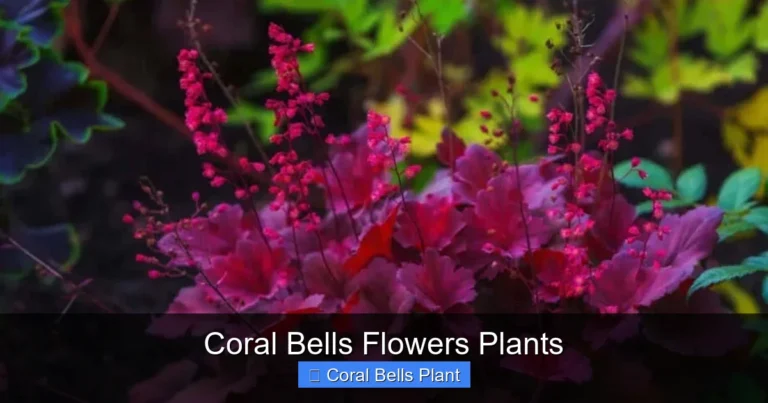
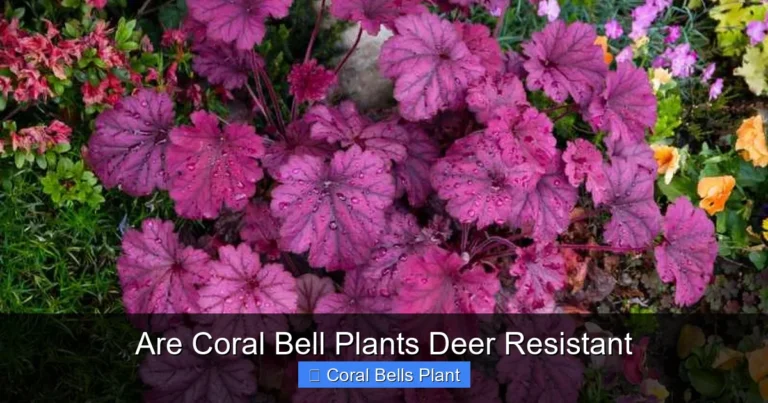
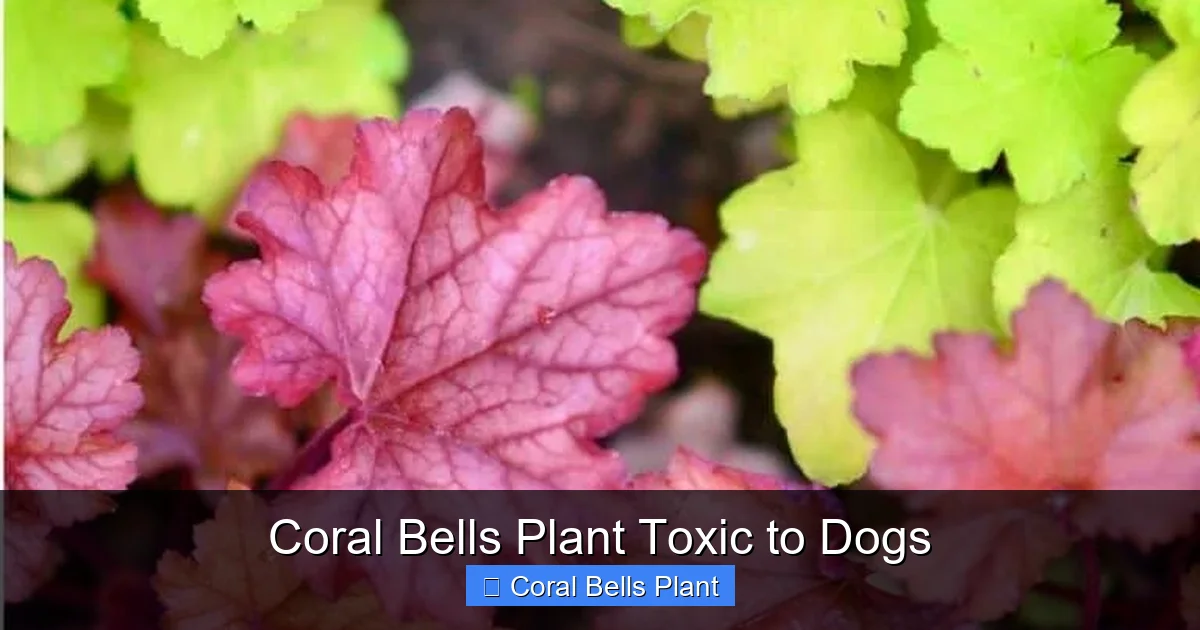
Coral bells belong to the genus Heuchera. They are native to North America. These herbaceous perennials are prized for their stunning foliage. Leaves come in shades of purple, chartreuse, silver, peach, and near-black. In late spring to early summer, they send up tall, wiry stems. These stems hold tiny bell-shaped flowers. The flowers attract hummingbirds and pollinators. There are dozens of species and hundreds of cultivars. Popular varieties include ‘Palace Purple,’ ‘Caramel,’ ‘Obsidian,’ and ‘Lime Rickey.’ They thrive in partial shade. They prefer well-drained soil. They are hardy in USDA zones 4 through 9.
Why Gardeners Love Them
Gardeners choose coral bells for their versatility. They work well in borders, containers, and rock gardens. Their foliage provides color all season long. Unlike flowers that bloom for two weeks, these leaves look great from spring to frost. They are low maintenance. Once established, they are drought tolerant. They are also deer resistant and rabbit resistant. This makes them a practical choice for many landscapes. Their non-toxic nature is just another bonus for pet owners.
Official Toxicity Classification
ASPCA Verdict
The American Society for the Prevention of Cruelty to Animals (ASPCA) maintains a comprehensive database of toxic and non-toxic plants. According to the ASPCA, Heuchera species are non-toxic to dogs. They are also listed as non-toxic to cats and horses. This is the gold standard for pet safety information. If a plant is on the non-toxic list, it means it does not contain known poisonous compounds. It means ingestion is not expected to cause serious illness or death. This classification applies to all parts of the plant. The leaves, stems, flowers, and roots are all considered safe.
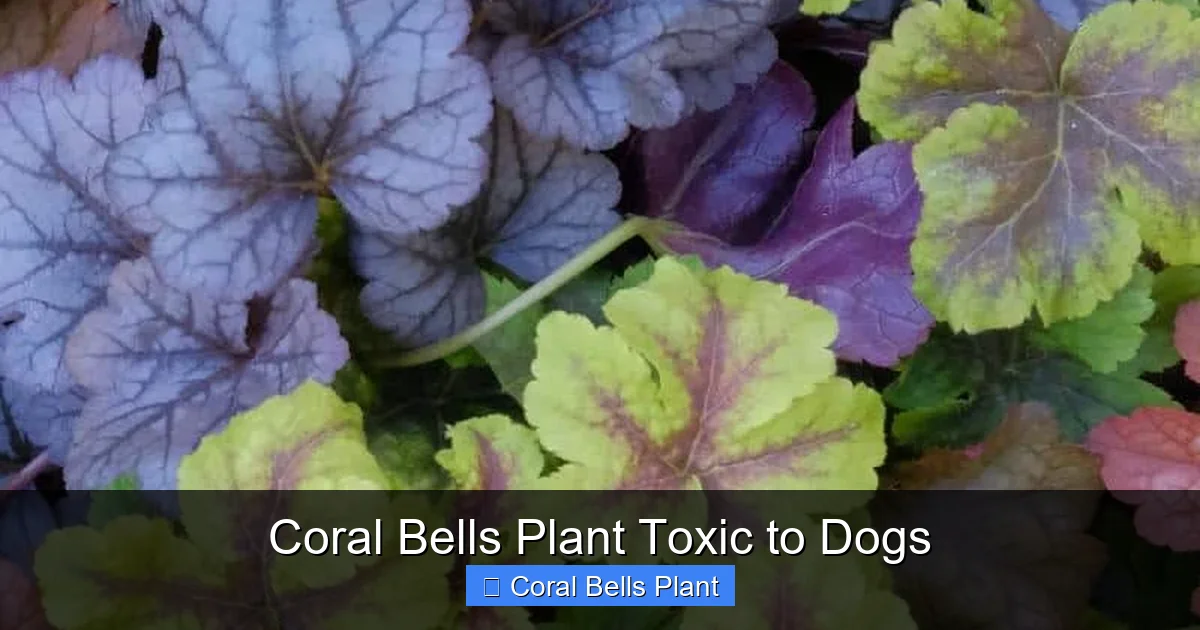
Visual guide about Coral Bells Plant Toxic to Dogs
Image source: doghowto.com
Other Veterinary Sources
Major veterinary schools and pet poison control centers agree with the ASPCA. The Pet Poison Helpline does not list coral bells as a toxin. University veterinary extensions often recommend Heuchera for pet-friendly landscaping. However, “non-toxic” does not mean “edible.” It means the plant lacks specific toxic principles like cardiac glycosides, alkaloids, or oxalates that cause organ damage. It is a safety classification, not a dietary recommendation.
Potential Risks: Why “Non-Toxic” Does Not Mean “Risk-Free”
Gastrointestinal Upset
Even safe plants can cause stomach trouble. Dogs are not herbivores. Their digestive systems are not designed to process large amounts of plant matter. If your dog eats a significant quantity of coral bells leaves, they may experience mild gastrointestinal upset. Symptoms usually include vomiting, diarrhea, or excessive drooling. This is a mechanical irritation. The fiber and plant sap irritate the stomach lining. It is similar to a person eating too much raw kale. The discomfort is usually self-limiting. It resolves within 24 hours without treatment.
Choking and Obstruction Hazards
This is a physical risk, not a chemical one. Coral bells have tough, fibrous stems. The leaf stems (petioles) can be stringy. The flower stalks are wiry and stiff. A dog that gulps down a mouthful without chewing could choke. Small breeds are at higher risk. In rare cases, a large mass of undigested plant material could form a gastrointestinal blockage. This is a surgical emergency. Always supervise your dog in the garden. Discourage them from treating plants as chew toys.
Chemical Contamination: The Hidden Danger
This is the most significant real-world risk. The plant itself is safe. But what is on the plant might not be. Many gardeners use fertilizers, herbicides, fungicides, or insecticides. Slug bait is commonly used around shade plants like coral bells. Metal-based slug baits (metaldehyde or iron phosphate) are highly toxic to dogs. Cocoa mulch, often used for its nice smell, contains theobromine. Theobromine is the compound in chocolate that poisons dogs. If your dog eats coral bells treated with chemicals, the toxicity comes from the treatment, not the Heuchera. Always use pet-safe gardening products. Read labels carefully. Keep dogs out of recently treated areas.
Misidentification Risks
Several plants share the common name “coral bells” or look similar. Some are toxic. Heuchera sanguinea is the true coral bells. But Penstemon species are sometimes called beardtongue or coral bells. Most Penstemon are non-toxic, but not all. Salvia species can look similar. Some Salvias are safe; others cause issues. Foxglove (Digitalis) has bell-shaped flowers. It is highly toxic to dogs. It affects the heart. Lily of the Valley has bells. It contains cardiac glycosides. It is deadly. Never assume a plant is safe based on a common name. Always verify the botanical name. If you are unsure, take a photo and ask your vet or a local nursery.
Symptoms to Watch For After Ingestion
Mild, Self-Limiting Signs
If your dog nibbles a few leaves, you will likely see no symptoms at all. If they eat a large amount, watch for these mild signs. They usually appear within a few hours. Vomiting: May contain undigested plant material. Diarrhea: Usually soft stool, not bloody. Drooling: Excess saliva production. Decreased appetite: Skipping a meal. Lethargy: Feeling a bit off for a few hours. These signs should resolve within 12 to 24 hours. Offer fresh water. Withhold food for a few hours if vomiting occurs. Then offer a bland diet like boiled chicken and rice.
Red Flags: When to Call the Vet Immediately
These symptoms suggest something more serious. It could be a reaction to chemicals on the plant. It could be a blockage. It could be a misidentified toxic plant. Persistent vomiting: More than 2-3 times or lasting over 24 hours. Bloody vomit or stool: Never normal. Severe lethargy or collapse: Unable to stand or respond. Abdominal pain: Whining, panting, praying position (rear up, front down). Difficulty breathing: Could indicate choking or allergic reaction. Tremors or seizures: Neurological signs. Pale gums: Sign of shock or internal bleeding. If you see any of these, call your veterinarian or an emergency clinic immediately. Do not wait.
Information to Give Your Vet
If you call the vet, be ready with details. What plant? Show a photo or bring a sample. How much? A few leaves? The whole plant? When? Time of ingestion. Any chemicals? Did you fertilize or spray recently? Bring the product label if possible. Symptoms? Timeline and severity. Dog’s info: Breed, age, weight, current medications. This information helps the vet make the best decision fast.
What to Do If Your Dog Eats Coral Bells
Step-by-Step Action Plan
Stay calm. Panic helps no one. Follow these steps. 1. Remove access. Move your dog away from the plant. 2. Check the mouth. Look for pieces stuck in teeth or throat. Remove carefully if safe to do so. 3. Identify the plant. Confirm it is Heuchera. Check for chemical residue. Smell for pesticides. Look for blue or green granules (slug bait). 4. Estimate amount. Was it a nibble or a feast? 5. Monitor closely. Watch for the symptoms listed above. 6. Call your vet. Even if symptoms are mild, a quick call is free advice. They know your dog’s history. They may say just watch. They may say come in. 7. Do not induce vomiting unless directed. Some things cause more damage coming up. Never use hydrogen peroxide without vet guidance.
Home Care for Mild Upset
If your vet says home monitoring is okay, here is how to help. Water: Ensure constant access to fresh water. Dehydration is the main risk with vomiting and diarrhea. Fasting: Withhold food for 12 hours (6 hours for puppies/small dogs). This rests the gut. Bland diet: After fasting, offer small meals of boiled white meat chicken (no skin, no bones) and white rice. 50/50 mix. Feed 4-6 small meals a day for 2-3 days. Probiotics: A canine probiotic paste or powder can help restore gut flora. Gradual transition: Slowly mix in regular food over 3-4 days. If symptoms return, call the vet.
Creating a Dog-Safe Garden with Coral Bells
Designing for Safety and Beauty
You can have a gorgeous garden and a safe dog. It takes planning. Zone your yard. Create a designated dog zone. Use fencing or raised beds for precious plants. Choose tough plants. Coral bells are great. They bounce back from light trampling. Avoid thorny plants. Roses and barberry can injure eyes and paws. Provide paths. Dogs patrol perimeters. Give them a mulch or stone path along the fence. They will stay off beds. Shade and water. Ensure your dog has a cool spot and fresh water outdoors. A happy dog digs less.
Companion Plants: Safe Neighbors for Coral Bells
Build a full pet-safe shade garden. Hostas: Non-toxic to dogs (toxic to cats, so skip if you have outdoor cats). Astilbe: Feathery plumes, loves shade, safe. Ferns: Most true ferns like Japanese painted fern or maidenhair are safe. Heucherella: A cross between Heuchera and Tiarella. Same safety profile. Tiarella (Foamflower): Native groundcover, safe. Brunnera (Siberian Bugloss): Heart-shaped leaves, blue flowers, safe. Lamium (Dead Nettle): Variegated groundcover, safe. Always double-check specific cultivars.
Plants to Avoid in a Dog Garden
Know the dangerous ones. Sago Palm: Highly toxic, liver failure. Oleander: Cardiac glycosides, deadly. Azalea/Rhododendron: Grayanotoxins, vomiting, heart issues. Foxglove: Digitalis, heart failure. Lily of the Valley: Cardiac glycosides. Yew: Taxines, sudden death. Autumn Crocus: Colchicine, multi-organ failure. Castor Bean: Ricin, extremely potent. Mushrooms: Many wild mushrooms are toxic. Remove them promptly. This list is not exhaustive. Research every plant before buying.
Pet-Safe Gardening Practices
How you garden matters as much as what you plant. Go organic. Use compost instead of synthetic fertilizer. Hand-pull weeds. Avoid herbicides. Use pet-safe slug control. Beer traps, copper tape, diatomaceous earth (food grade), or hand-picking at night. Avoid cocoa mulch. Use pine bark, cedar, straw, or leaves. Store chemicals securely. Garage or locked shed. Read labels. Look for “pet safe” or “safe for use around pets when dry.” Wait times. Keep dogs off treated lawns for the time specified on the label (usually 24-48 hours). Wash paws. Wipe paws after walks to remove residues from neighbors’ yards.
Frequently Asked Questions About Coral Bells and Dogs
Are all Heuchera varieties safe?
Yes, all species and cultivars within the genus Heuchera share the non-toxic classification. This includes hybrids like Heucherella. The foliage color does not change the safety profile. ‘Palace Purple,’ ‘Caramel,’ ‘Lime Rickey,’ ‘Obsidian,’ ‘Berry Smoothie’ — all are safe.
My dog ate a whole plant. Should I panic?
Do not panic. Call your vet. A whole plant is a large amount of fiber. The risk is GI upset or obstruction, not poisoning. Your vet may want to monitor for blockage. They may suggest feeding a bulky meal (like canned pumpkin or bread) to help pass the material. Follow their specific advice.
Are coral bells flowers toxic?
No. The flowers, stems, leaves, and roots are all non-toxic. The tiny bells on the wiry stems are safe. However, the flower stems are tough and wiry. They pose a higher choking risk than the soft leaves.
Can puppies eat coral bells?
Puppies are more sensitive. Their bodies are smaller. Their digestive tracts are more delicate. A small amount that causes no issue in an adult dog might cause vomiting in a puppy. Puppies also explore everything by mouth. Supervision is critical. Fence off new plantings until established.
What if my dog eats coral bells every day?
Chronic ingestion is not recommended. It suggests a behavioral issue (boredom, anxiety, pica) or a dietary deficiency. Daily plant eating can lead to chronic GI inflammation. It increases obstruction risk. Address the root cause. Increase exercise, mental enrichment, and check diet with your vet.
Is there any benefit to dogs eating coral bells?
No nutritional benefit exists. Dogs are facultative carnivores. They do not need plant roughage in their diet. Some dogs eat grass or plants to induce vomiting when nauseous. Others do it out of boredom. It is a behavior to redirect, not encourage.
Conclusion: Garden Confidently with Coral Bells
So, is the coral bells plant toxic to dogs? The evidence is clear. Coral bells (Heuchera) are non-toxic to dogs. They are a fantastic choice for pet-friendly landscapes. They bring season-long color, texture, and wildlife value without the worry of poisoning. You can plant them with confidence.
However, responsible ownership means understanding the full picture. Non-toxic does not mean hazard-free. Watch for gastrointestinal upset from overeating. Prevent choking on tough stems. Most importantly, eliminate chemical dangers. Pesticides, herbicides, and toxic mulches are far greater threats than the plants themselves. Practice organic gardening. Supervise your dog. Know the toxic lookalikes. Keep your vet’s number handy.
With these precautions, you and your dog can enjoy a beautiful garden together. Coral bells can be a starring player in that safe haven. Happy gardening. Give your pup an ear scratch from me.
Frequently Asked Questions
Are coral bells toxic to dogs if they eat the flowers?
No, the flowers of coral bells are non-toxic to dogs, just like the leaves and stems. However, the wiry flower stems can be a choking hazard if swallowed whole.
What is the difference between coral bells and toxic lookalikes?
True coral bells (Heuchera) have rounded, lobed leaves with ruffled edges and tiny bell flowers on wiry stems. Toxic lookalikes like Foxglove have tall spikes of tubular flowers, and Lily of the Valley has broad leaves with dangling white bells on a single arching stem.
Can dogs be allergic to coral bells?
While rare, dogs can have individual sensitivities or contact allergies to any plant. Signs include itching, redness, or hives around the mouth or paws after contact. Discontinue access and consult your vet if this occurs.
Is it safe to plant coral bells in a yard with puppies?
Yes, coral bells are safe to plant with puppies. However, puppies chew everything. Supervise them closely and consider fencing off new plants until the puppy outgrows the intense oral exploration phase.
What should I do if my dog ate coral bells treated with fertilizer?
Call your veterinarian or pet poison helpline immediately. Provide the fertilizer brand and ingredients. Many fertilizers contain iron, nitrogen, or herbicides that are toxic. Do not induce vomiting unless directed by a professional.
Do coral bells attract slugs that could harm my dog?
Coral bells can attract slugs. The danger is not the slug, but the slug bait. Metal-based slug baits are highly toxic to dogs. Use pet-safe alternatives like beer traps, copper barriers, or food-grade diatomaceous earth instead.