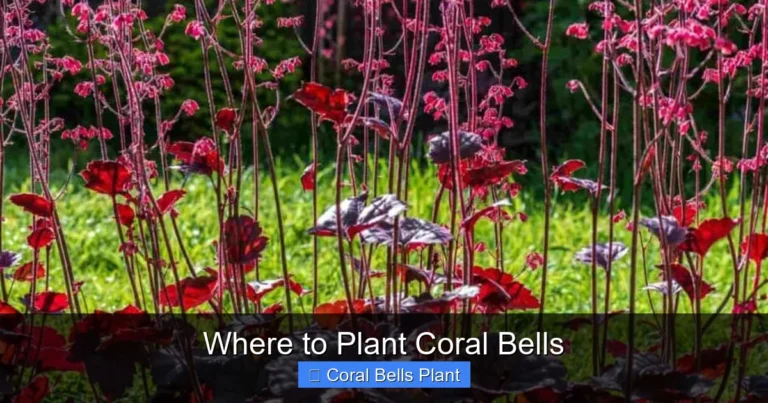
Coral Bells Plant Lowes
Coral bells (Heuchera) are versatile perennials that add stunning foliage color to shade gardens year-round. Lowes carries a wide selection of coral bells varieties from spring through fall, making it easy to find the perfect plants for your landscape.
Walking into the garden center at Lowes during peak season feels like stepping into a rainbow. Rows of coral bells plants catch the light with their ruffled leaves in shades of purple, caramel, lime green, and deep burgundy. If you have ever stood in that aisle wondering which variety to choose or how to keep them alive, you are not alone. Coral bells have exploded in popularity over the last decade, and Lowes has responded by stocking an impressive range of Heuchera varieties.
This guide walks you through everything you need to know about buying coral bells plant Lowes offerings. We will cover when to shop, how to pick the healthiest plants, which varieties thrive in different conditions, and exactly how to plant and care for them. Whether you are a first-time gardener or a seasoned pro looking to expand your shade garden, you will find practical advice you can use today.
Key Takeaways
- Best shopping time: Visit Lowes in early spring or early fall for the largest coral bells selection and healthiest plants
- Check plant health: Look for firm crowns, vibrant leaves without spots, and white healthy roots when selecting coral bells at Lowes
- Choose the right variety: Lowes carries sun-tolerant and shade-loving coral bells varieties — match the plant to your garden conditions
- Proper planting matters: Plant coral bells with the crown at soil level in well-draining soil amended with organic matter
- Low maintenance beauty: Once established, coral bells need minimal care — just occasional watering, spring cleanup, and division every 3-4 years
- Year-round interest: Many coral bells varieties keep their colorful foliage through winter, providing four-season garden appeal
- Great companion plants: Pair coral bells with hostas, ferns, astilbe, and foam flowers for beautiful shade garden combinations
Quick Answers to Common Questions
When is the best time to buy coral bells at Lowes?
Early to mid-spring (March through May) offers the largest selection and freshest stock. Fall (September-October) is also excellent for planting, with larger plants often available at lower prices.
How do I know if a coral bells plant at Lowes is healthy?
Check for vibrant foliage without spots or yellowing, a firm crown (not mushy), white healthy roots, and no signs of pests on leaf undersides. Avoid plants with circling roots or foul-smelling soil.
Can coral bells grow in full sun?
Some varieties tolerate more sun, especially dark-leaved types like Obsidian and Palace Purple, and sun-bred varieties like Citronelle and Georgia Peach. Most prefer part shade with protection from hot afternoon sun.
How often should I water newly planted coral bells?
Water deeply twice a week for the first growing season unless rainfall provides an inch. Once established, water during dry spells. Keep soil consistently moist but not soggy.
Do coral bells come back every year?
Yes, coral bells are hardy perennials in USDA zones 4-9. They return each spring with fresh foliage. In mild climates, they remain evergreen through winter. Divide every 3-4 years to maintain vigor.
📑 Table of Contents
- Understanding Coral Bells: What Makes Them Special
- When to Buy Coral Bells at Lowes
- How to Choose Healthy Coral Bells at Lowes
- Top Coral Bells Varieties at Lowes
- Planting Coral Bells for Success
- Ongoing Care: Keeping Coral Bells Beautiful
- Designing with Coral Bells
- Troubleshooting Common Coral Bells Problems
- Buying Coral Bells at Lowes: Pro Tips
- Coral Bells Through the Seasons
- Conclusion
Understanding Coral Bells: What Makes Them Special
The Basics of Heuchera
Coral bells belong to the genus Heuchera, a group of North American native perennials. Their common name comes from the tiny bell-shaped flowers that rise on slender stems above the foliage in late spring to early summer. But let us be honest — most gardeners grow them for the leaves. The foliage forms a neat mound that stays attractive from early spring until hard frost, and in mild climates, it persists through winter.
Modern breeding has transformed coral bells from a modest green plant into a foliage superstar. You can now find varieties with leaves in electric lime, deep chocolate, amber, peach, silver, and near-black. Some have dramatic veining. Others have ruffled edges that catch the light. The variety is staggering, and Lowes typically carries a curated selection of the most reliable performers.
Why Gardeners Love Coral Bells
Coral bells check almost every box for a perfect garden plant. They thrive in shade where many flowering plants struggle. They are deer resistant — a huge plus if you garden where deer browse. They work in containers, borders, rock gardens, and as ground cover. They play nicely with other shade lovers like hostas and ferns. And they ask for very little in return: decent soil, occasional water, and a bit of cleanup in spring.
Another reason coral bells plant Lowes selections are so popular? They are widely available at a reasonable price point. You can often find quart-sized plants for under ten dollars, and gallon pots in the fifteen to twenty dollar range. That makes it affordable to plant drifts of them for real impact.
When to Buy Coral Bells at Lowes
Spring: The Prime Selection Window
If you want the absolute best selection of coral bells plant Lowes has to offer, shop in early to mid-spring. This is when garden centers receive their biggest shipments. You will find the widest range of varieties, the freshest stock, and plants that have not been sitting in pots all summer. In most regions, late March through May is the sweet spot.
Shopping early also gives your plants the maximum time to establish roots before summer heat arrives. Coral bells planted in April or May will settle in nicely and often bloom their first year. They will enter winter with a strong root system, which improves survival.
Fall: The Smart Gardener’s Secret
Do not overlook fall shopping. Many experienced gardeners prefer buying perennials in September and October. The selection at Lowes may be smaller than in spring, but the plants are often larger and more mature. Fall-planted coral bells put their energy into root growth rather than top growth, giving them a head start for next spring.
Fall planting works best if you get plants in the ground at least six weeks before your average first frost date. This allows roots to establish before the ground freezes. Mulch well after planting to prevent frost heaving, which can push shallow-rooted coral bells out of the ground.
Summer and Winter Considerations
You can sometimes find coral bells at Lowes in summer, but selection dwindles and plants may be heat-stressed. If you must buy in summer, shop early in the morning when plants are less stressed, and plant immediately with extra attention to watering. Winter availability varies by region. In mild climates, Lowes may carry coral bells year-round. In colder zones, the perennial section shrinks dramatically after November.
How to Choose Healthy Coral Bells at Lowes
Inspect the Foliage First
Start your evaluation at the leaves. Healthy coral bells have vibrant, fully colored foliage appropriate for the variety. Avoid plants with yellowing leaves, brown crispy edges, or spots that could indicate fungal issues. Some varieties naturally have lighter centers or veining — know what the variety should look like before you judge.
Check both sides of the leaves for pests. Aphids, spider mites, and whiteflies sometimes hide on the undersides. A few insects are not a dealbreaker, but heavy infestation means pass. Also look for signs of powdery mildew — a white dusty coating on leaves. This is common in humid conditions and can spread to your garden.
Examine the Crown and Roots
The crown is the most critical part of a coral bells plant. This is where leaves emerge from the root system. Gently brush away the top layer of soil to check the crown. It should feel firm, not mushy or rotted. A healthy crown has multiple growing points — little buds where new leaves will emerge.
If the pot allows, carefully slide the plant out to inspect roots. Healthy roots are white or light tan and firm. Dark, mushy, or foul-smelling roots indicate rot. Circling roots that fill the pot mean the plant is root-bound. Root-bound plants can recover, but they need extra care at planting time — you must tease apart or score the root ball.
Read the Label Carefully
Lowes plant tags provide essential information. Note the variety name, mature size, light requirements, and hardiness zone. Some coral bells tolerate more sun than others. Varieties with lighter foliage (lime, yellow, peach) generally need more shade to prevent scorching. Dark-leaved varieties (purple, black, chocolate) often handle more sun.
Check the zone rating against your USDA hardiness zone. Most coral bells are hardy in zones 4-9, but some varieties are less cold-tolerant. If you are in zone 4 or 5, stick with varieties proven in your area. The tag should also indicate whether the plant is patented — this affects whether you can legally propagate it, though for personal garden use this rarely matters.
Size Matters: Quart vs. Gallon Pots
Lowes typically sells coral bells in quart (4-inch) and gallon (6-8 inch) pots. Quart pots cost less and establish quickly because the root-to-shoot ratio is balanced. Gallon pots give you instant impact — larger foliage mound, more presence in the garden immediately. For mass planting, quarts make economic sense. For a focal point container or filling a gap, a gallon plant saves a year of waiting.
There is a third option sometimes available: bare-root coral bells in early spring. These are dormant plants sold without soil. They are inexpensive and establish well if planted promptly, but they require more faith — you are buying a root clump with little top growth visible.
Top Coral Bells Varieties at Lowes
The Classics: Reliable Performers
Certain coral bells varieties appear at Lowes year after year because they simply work. Palace Purple is the old standby — deep bronze-purple leaves with a metallic sheen. It handles more sun than most, grows vigorously, and has stood the test of time. Caramel offers warm amber-gold foliage that brightens shade gardens. It is heat tolerant and holds color well through summer.
Obsidian delivers on its name with near-black, glossy leaves that hold their color without fading. It forms a tight, tidy mound and pairs beautifully with chartreuse plants. Lime Rickey brings electric lime-green foliage that practically glows in shade. The ruffled leaves add texture. These four varieties alone can create a stunning shade garden palette.
Newer Introductions Worth Seeking
Breeders release new coral bells every year, and Lowes often trials the most promising. The Primo series features extra-large leaves and vigorous growth. Primo Black Pearl has intensely black foliage with ruffled edges. Primo Pretty Pistachio offers chartreuse leaves with pink flowers — a rare combination.
The Dolce series focuses on compact habit and heat tolerance. Dolce Apple Twist has yellow-green leaves with red centers in spring. Dolce Cherry Truffles shows deep red foliage with a compact mound. These newer varieties often have better disease resistance and longer seasonal appeal than older cultivars.
Specialty Varieties for Specific Needs
If you have a sunny spot, look for Citronelle (bright yellow-green, sun tolerant), Georgia Peach (peachy-orange with silver overlay, handles heat), or Southern Comfort (cinnamon-peach, bred for southern gardens). For deep shade, Green Spice (green with silver veins and red venation) and Marmalade (rich amber with pink undersides) perform beautifully.
Some coral bells are grown primarily for flowers rather than foliage. Heuchera sanguinea varieties like Firefly or Snow Angel produce more prominent flower spikes in coral-red or white. These attract hummingbirds and add vertical interest. They tend to have greener, less dramatic foliage.
Planting Coral Bells for Success
Choosing the Right Location
Match your coral bells to the light conditions they prefer. Most varieties thrive in part shade — morning sun with afternoon shade, or dappled light under trees. Full shade works for many, but growth may be slower and colors less intense. Avoid hot afternoon sun unless you have chosen a specifically sun-tolerant variety.
Soil drainage is non-negotiable. Coral bells hate wet feet. Heavy clay soil that stays soggy will rot the crown. If your soil is clay, amend generously with compost, leaf mold, or pine bark fines. Raised beds or berms improve drainage. Sandy soil works well but may need organic matter to retain moisture.
Spacing and Layout
Space coral bells according to their mature width, typically 12-18 inches apart for most varieties. Larger varieties like Primo types need 18-24 inches. For a ground cover effect, plant closer — 10-12 inches — and they will knit together faster. When planting in drifts, use odd numbers (3, 5, 7) for a natural look.
Consider the viewing angle. Coral bells look best when you can see the foliage mound. Plant them at the front of borders, along pathways, or in containers at eye level. They work beautifully at the base of trees (outside the root zone), in rock gardens, and spilling over retaining walls.
Step-by-Step Planting Process
Water your coral bells thoroughly while still in the pot. This reduces transplant shock and makes removal easier. Dig a hole twice as wide as the pot but no deeper. The crown must sit at or slightly above soil level — planting too deep is the number one killer of coral bells.
Mix compost into the excavated soil at roughly a 1:3 ratio (one part compost to three parts native soil). Remove the plant from its pot. If roots are circling, gently tease them apart or make four vertical cuts down the root ball with a knife. This sounds harsh but encourages outward growth.
Place the plant in the hole. Check the crown level — it should be at the same height it was in the pot, or a fraction higher to allow for settling. Backfill with your amended soil, firming gently around the roots. Water deeply to settle soil and eliminate air pockets. Apply a two-inch layer of shredded bark or leaf mulch, keeping it away from the crown.
Container Planting Tips
Coral bells excel in containers. Choose a pot at least 12 inches wide with drainage holes. Use a high-quality potting mix — not garden soil — amended with perlite for drainage. Plant at the same crown level rule. Water when the top inch of soil feels dry. Containers dry faster than ground soil, so check daily in summer.
In cold climates (zones 5 and below), container-grown coral bells need winter protection. Move pots to an unheated garage, bury them in the ground, or insulate with bubble wrap and leaves. The roots are more exposed to freezing in pots than in the ground.
Ongoing Care: Keeping Coral Bells Beautiful
Watering Wisdom
Newly planted coral bells need consistent moisture for the first growing season. Water deeply twice a week unless rain provides an inch. Once established, they are moderately drought tolerant but perform best with regular water during dry spells. The key is consistent moisture — not wet, not bone dry.
Water at the base of the plant, not overhead. Wet foliage invites fungal diseases. Soaker hoses or drip irrigation work perfectly. Mulch helps maintain even soil moisture and keeps roots cool. In containers, you may need daily watering in July and August.
Fertilizing: Less Is More
Coral bells are light feeders. Too much fertilizer produces lush, weak growth that flops and attracts pests. A single application of slow-release balanced fertilizer (like 10-10-10) in early spring is plenty. Alternatively, top-dress with an inch of compost around the crown each spring. This feeds slowly and improves soil structure.
Avoid high-nitrogen fertilizers. They promote leaf growth at the expense of flowers and winter hardiness. If your coral bells look pale or stunted despite good conditions, a soil test may reveal a specific deficiency. But most often, poor performance stems from drainage or light issues, not nutrition.
Seasonal Maintenance
Spring cleanup is the main maintenance task. In late winter or early spring, before new growth emerges, remove any tattered, brown, or damaged leaves from the previous year. Cut them at the base with clean scissors. This prevents disease and makes room for fresh foliage.
After flowering, you can remove spent flower stalks to tidy the plant, or leave them for seed and winter interest. Some gardeners love the delicate seed heads. In fall, do not cut back the foliage — it protects the crown through winter. Wait until spring.
Every three to four years, coral bells benefit from division. The center of the clump becomes woody and dies out, leaving a donut shape. In early spring or fall, dig up the plant, pull or cut apart the healthy outer sections with roots attached, and replant the vigorous pieces. Discard the woody center.
Pest and Disease Management
Coral bells have few serious pests. Vine weevil larvae can eat roots, causing sudden wilting. If you see notched leaf edges (adult weevil damage), check roots. Beneficial nematodes applied to soil control larvae. Deer and rabbits usually avoid coral bells, but hungry animals may sample them.
Fungal issues include powdery mildew, rust, and leaf spot. Good air circulation, proper spacing, and base watering prevent most problems. Remove affected leaves promptly. Copper-based fungicides can help if caught early. Crown rot from poor drainage is the most fatal issue — prevention through proper planting is the only real cure.
Designing with Coral Bells
Color Combinations That Pop
Coral bells are color combination machines. Their foliage colors bridge seasons and tie plantings together. Pair purple-black varieties like Obsidian with chartreuse hostas or Japanese forest grass for high contrast. Combine Caramel with blue hostas and pink astilbe for a warm-cool interplay. Lime Rickey lights up dark corners next to deep green ferns.
Create a coral bells tapestry by planting three to five varieties together in a drift. Choose varieties with different leaf colors but similar growing needs. A combination of Palace Purple, Caramel, Lime Rickey, Green Spice, and Marmalade provides a season-long foliage show with zero flowers required.
Companion Plants for Shade Gardens
The best companions share coral bells’ cultural needs: part shade, well-drained soil, moderate moisture. Hostas are the classic partner — their broad leaves contrast beautifully with coral bells’ ruffled mounds. Ferns add fine texture. Astilbe contributes feathery plumes in early summer. Foam flower (Tiarella) offers similar foliage interest with different leaf shapes.
For spring bulbs, plant daffodils or species tulips among coral bells. The coral bells’ emerging foliage hides the bulbs’ dying leaves. In summer, add annual impatiens or begonias for flower color. In fall, the coral bells carry the show while other perennials fade.
Container Recipes
A coral bells container recipe: thriller, filler, spiller. Use a tall shade grass like Japanese forest grass (Hakonechloa) as the thriller. Fill with two coral bells varieties — one dark, one light. Spill with creeping jenny (Lysimachia nummularia ‘Aurea’) or sweet potato vine for chartreuse, or variegated ivy for white-green. This combination looks good April through November.
For a simpler pot, plant a single large coral bells variety in a decorative container. Primo Black Pearl in a glazed blue pot is stunning. Underplant with white pansies in spring, then switch to torenia for summer. The coral bells remains the constant anchor.
Troubleshooting Common Coral Bells Problems
Scorched or Bleached Leaves
If your coral bells develop white or brown patches on leaves, they are getting too much sun. This is common with light-colored varieties planted in afternoon sun. Solutions: move the plant to a shadier spot (best done in spring or fall), provide artificial shade with a shade cloth during hottest months, or accept some cosmetic damage if the plant is otherwise healthy.
New growth often adapts better to light conditions than mature leaves. If only older leaves are scorched but new growth looks good, the plant may be acclimating. Ensure adequate water during hot spells — hydrated plants resist scorching better.
Heaving Out of the Ground
Frost heaving pushes shallow-rooted coral bells out of the soil in winter, exposing roots to freezing air. You will see the crown sitting above soil level with roots visible. This is most common in clay soils and with fall-planted specimens that did not root deeply.
If you catch it early, gently press the plant back into the soil and mulch heavily. If roots are exposed and dried out, the plant may not recover. Prevention: plant at correct depth, mulch well after ground freezes, and ensure good drainage so soil does not expand/contract excessively.
Center Die-Out (The Donut Effect)
After several years, coral bells often develop a dead center with healthy growth only at the edges. This is natural aging. The woody center no longer produces leaves. The fix is division, as described earlier. Dig in spring or fall, separate the living outer portions, and replant. You will get multiple new plants from one old one.
Poor Flowering
If your coral bells produce few or no flower spikes, check these factors: too much shade (some varieties need a few hours of sun to bloom well), too much nitrogen fertilizer, immaturity (some varieties bloom sparsely first year), or the variety is simply grown for foliage. Many modern cultivars have insignificant flowers by design.
Buying Coral Bells at Lowes: Pro Tips
Timing Your Visit
Shop weekday mornings if possible. Weekend afternoons are crowded, and staff have less time to help. Early morning means plants have not been stressed by heat and foot traffic. The perennial section is usually fully stocked Monday through Wednesday after weekend sales.
Ask for Help
Lowes garden center associates can check inventory for specific varieties, tell you when the next shipment arrives, and sometimes pull plants from the back that have not hit the floor yet. If you are looking for a specific variety, call ahead or use the Lowes app to check local stock.
Check the Clearance Section
Late summer and fall often bring clearance deals on perennials. Coral bells marked down 50% or more can be bargains if they are healthy. Look past the tired top growth — check the crown and roots. A root-bound but healthy plant in September, divided and planted, often outperforms a fresh spring plant by next year.
Use the Lowes App and Website
The Lowes website and app show real-time inventory for your local store. You can filter by plant type, sun requirement, and price. The website also has customer reviews for many varieties — read them for real-world performance notes. You can order online for pickup or delivery, though selecting your own plants lets you inspect quality.
Coral Bells Through the Seasons
Spring: Fresh Growth and Flowers
Spring is coral bells’ showiest season. New leaves emerge in intense colors — often brighter than mature foliage. Flower spikes rise in May or June, bearing dozens of tiny bells that attract hummingbirds and pollinators. This is also the time for spring cleanup and dividing overgrown clumps.
Summer: Steady Foliage Presence
Through summer, coral bells provide reliable foliage color when many shade plants go green. Dark varieties hold their color best with some morning sun. Light varieties may need more shade to prevent fading. Water during dry spells. Deadhead flowers if desired, or leave for seed.
Fall: Color Intensifies
Cool nights often deepen coral bells colors. Reds become redder, purples more intense, oranges richer. This is a great planting time. The foliage mound remains full and attractive. No fall cleanup needed — leave leaves for winter protection.
Winter: Evergreen Structure
In zones 6 and warmer, coral bells are essentially evergreen. The foliage persists through winter, providing structure and color when the garden is brown. In colder zones, leaves may flatten or brown but often remain at the base. Do not cut back until spring. The winter foliage protects the crown.
Conclusion
Coral bells have earned their place as shade garden superstars, and Lowes makes them accessible to every gardener. Whether you choose the classic Palace Purple, the glowing Lime Rickey, or the dramatic Obsidian, you are getting a plant that delivers months of color with minimal fuss. The key to success is simple: buy healthy plants at the right time, plant them at the correct depth in well-drained soil, give them the light they prefer, and water consistently until established.
Next time you are at Lowes, take a slow walk through the perennial section. Look at the coral bells with new eyes. Check the crowns. Read the tags. Imagine how Caramel would glow next to your blue hostas, or how Black Pearl would anchor a container by your front door. Grab a cart. Your shade garden is about to get a serious upgrade.
Remember, gardening is a conversation with your site. Try a few varieties. See what thrives. Move what does not. Share divisions with neighbors. That is how gardens — and gardeners — grow. The coral bells plant Lowes selection gives you the palette. You create the masterpiece.
Frequently Asked Questions
What coral bells varieties does Lowes typically carry?
Lowes commonly stocks Palace Purple, Caramel, Obsidian, Lime Rickey, and varieties from the Primo and Dolce series. Selection varies by region and season, with the widest variety available in spring.
How deep should I plant coral bells from Lowes?
Plant coral bells with the crown at or slightly above soil level. The crown is where leaves emerge from the roots. Planting too deep causes crown rot, the most common reason coral bells fail.
Why are my coral bells leaves turning brown and crispy?
Brown crispy edges usually indicate too much sun, insufficient water, or both. Light-colored varieties scorch easily in afternoon sun. Move to a shadier location or increase watering, and ensure mulch is in place.
Can I grow coral bells in containers on my patio?
Yes, coral bells thrive in containers. Use a pot at least 12 inches wide with drainage holes, quality potting mix, and water when the top inch of soil is dry. In cold zones, protect containers in winter by moving to an unheated garage or insulating.
Do I need to cut back coral bells in the fall?
No, do not cut back coral bells in fall. The foliage protects the crown through winter. Remove only damaged leaves in late winter or early spring before new growth emerges.
How do I divide overgrown coral bells?
In early spring or fall, dig up the entire clump. Pull or cut apart the healthy outer sections with roots attached, discarding the woody dead center. Replant vigorous divisions at proper depth and water well.