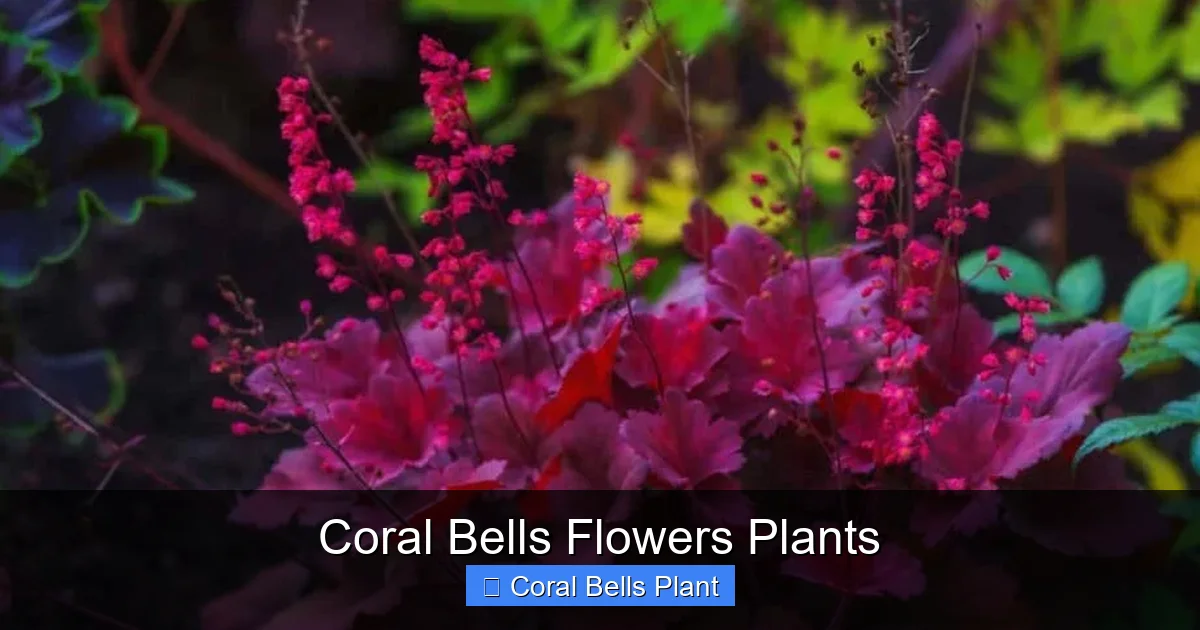
Coral Bells Flowers Plants
Coral bells flowers plants (Heuchera) are versatile perennials prized for their vibrant foliage and delicate bell-shaped blooms. These low-maintenance plants thrive in shade gardens and provide year-round interest with colors ranging from deep purple to bright lime green.
If you have ever wandered through a shade garden and spotted mounds of ruffled leaves in shades of caramel, plum, chartreuse, or near-black, you have likely met coral bells flowers plants. These perennials, botanically known as Heuchera, have exploded in popularity over the last two decades. Plant breeders have introduced hundreds of cultivars, each offering a unique leaf color, texture, or habit. Yet for all their variety, they share a common charm: they bring reliable color to the shady corners where many flowering plants struggle.
I remember the first time I tucked a ‘Palace Purple’ into a north-facing bed. I expected it to merely survive. Instead, it thrived, sending up wands of tiny pink bells that hovered above the foliage like a cloud. That experience taught me why gardeners fall for this genus. The flowers are lovely, yes, but the foliage carries the show from early spring until hard frost, and often straight through winter in milder zones. Whether you are a seasoned collector or a beginner looking for a tough, beautiful plant, this guide will walk you through everything you need to know.
Key Takeaways
- Foliage First: Coral bells are grown primarily for their stunning leaves, not just their flowers
- Shade Tolerant: Most varieties thrive in partial to full shade, making them perfect for difficult garden spots
- Year-Round Interest: Evergreen or semi-evergreen foliage provides color through winter in many climates
- Low Maintenance: Once established, these plants need minimal care beyond occasional watering and dividing
- Pollinator Friendly: The delicate flowers attract hummingbirds, bees, and butterflies to your garden
- Versatile Design: Works beautifully in containers, borders, rock gardens, and as ground cover
- Deer Resistant: Generally avoided by deer and rabbits, making them reliable in wildlife-prone areas
Quick Answers to Common Questions
What are coral bells flowers plants?
Coral bells (Heuchera) are North American native perennials grown for their colorful, ruffled foliage and delicate bell-shaped flowers on slender stems.
Do coral bells prefer sun or shade?
Most varieties prefer partial shade with morning sun. Dark-leaved types tolerate more sun; light-leaved types need protection from afternoon sun.
How often should I water coral bells?
Water deeply once or twice weekly during the first season. Established plants are drought-tolerant but look best with regular moisture during dry spells.
When should I divide coral bells?
Divide every 3-4 years in early spring as new growth emerges. This rejuvenates woody centers and prevents decline.
Are coral bells deer resistant?
Yes, coral bells are generally deer and rabbit resistant due to their astringent foliage, though desperate animals may sample flowers.
📑 Table of Contents
- Understanding Coral Bells: Botany and Background
- Choosing the Right Variety for Your Garden
- Planting Coral Bells for Success
- Ongoing Care and Maintenance
- Designing With Coral Bells
- Common Problems and Solutions
- Propagation Methods
- Seasonal Care Calendar
- Coral Bells in Ecological Gardening
- Frequently Asked Questions About Growing Coral Bells
Understanding Coral Bells: Botany and Background
What Are Coral Bells?
Coral bells flowers plants belong to the Saxifragaceae family and are native to North America. The genus Heuchera contains roughly 50 species, ranging from alpine dwellers in the Rockies to woodland natives in the Appalachians. The common name “coral bells” comes from the dainty, bell-shaped flowers that nod on slender stems above the foliage mound. Another common name, “alumroot,” hints at the astringent roots once used in folk medicine.
Species That Shaped Modern Hybrids
Most garden cultivars trace their lineage to a handful of key species. Heuchera sanguinea, native to the Southwest, contributes heat tolerance and vivid red flowers. Heuchera americana, from eastern woodlands, brings cold hardiness and striking leaf veining. Heuchera villosa, the hairy alumroot of the Southeast, offers large, fuzzy leaves and exceptional humidity tolerance. Heuchera micrantha, from the West Coast, adds ruffled leaf margins and a compact habit. Breeders mix these genetic pools to create plants that combine the best traits of each parent.
Foliage: The Real Star
While the flowers are charming, the leaves are why most gardeners grow coral bells flowers plants. Leaf colors span an incredible spectrum: deep purple, metallic silver, bright chartreuse, warm caramel, peachy orange, near-black, and variegated combinations. Textures vary from smooth and glossy to heavily ruffled or softly hairy. Many cultivars shift color with the seasons, emerging one shade in spring, deepening in summer, and flushing again in autumn’s cool temperatures. This chameleon-like quality keeps the garden interesting month after month.
Choosing the Right Variety for Your Garden
Classic Foliage Favorites
‘Palace Purple’ remains a benchmark for rich, bronzy-purple leaves with a metallic sheen. ‘Obsidian’ offers some of the darkest, almost black foliage available, holding its color even in full sun. ‘Caramel’ lives up to its name with warm amber leaves that glow in low light. ‘Lime Rickey’ and ‘Electra’ bring electric chartreuse to brighten shaded beds. ‘Silver Scrolls’ displays pewter leaves veined in charcoal. Each of these has proven itself across a wide range of climates.
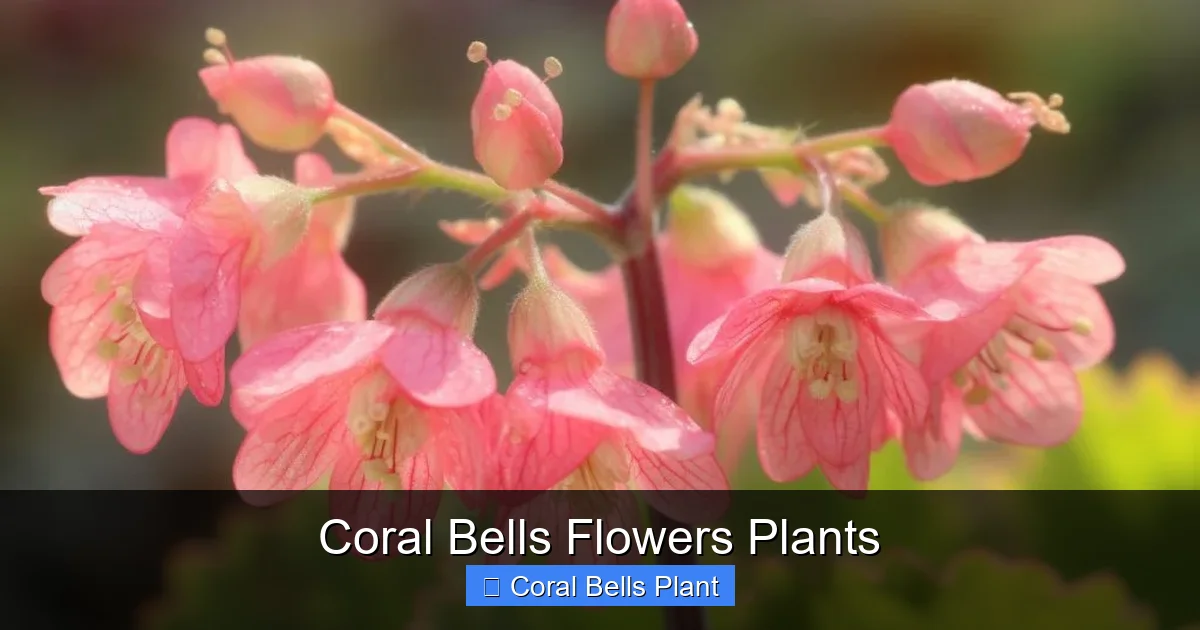
Visual guide about Coral Bells Flowers Plants
Image source: foliagefriend.com
Flowers That Steal the Show
If you want a heavier floral display, look to the Heuchera sanguinea derivatives. ‘Firefly’ produces masses of true coral-red bells on 18-inch stems. ‘Snow Angel’ pairs green-and-white variegated leaves with pure white flowers. The ‘Melting Fire’ series offers deep red blooms over ruffled maroon foliage. These selections bridge the gap between foliage plant and flowering perennial.
Heat and Humidity Champions
Gardeners in the Deep South or Midwest often struggle with coral bells that melt in summer humidity. Cultivars with H. villosa blood are the answer. ‘Brownies’ features huge, chocolate-brown leaves with a velvety texture. ‘Georgia Peach’ shifts from peach to rose to plum through the seasons. ‘Citronelle’ keeps its lime-green color without scorching. These villosa hybrids also tend to be larger, forming imposing mounds up to two feet across.
Miniatures for Containers and Edging
Small-space gardeners should explore the “Little” series and similar compact cultivars. ‘Little Cutie Blondie’ stays under eight inches with caramel leaves. ‘Petite Pearl Fairy’ forms a tight mound of purple leaves topped by pink flowers. These miniatures are perfect for troughs, fairy gardens, or the front edge of a border where they won’t be swallowed by larger neighbors.
Planting Coral Bells for Success
When to Plant
Spring and early fall are the ideal planting windows. Spring planting gives roots time to establish before summer heat. Fall planting, done at least six weeks before the ground freezes, allows roots to grow in cool soil while top growth pauses. Avoid planting during the hottest weeks of summer unless you can provide diligent shade and water.
Site Selection: Light Requirements
Most coral bells flowers plants prefer morning sun and afternoon shade, or dappled light throughout the day. Dark-leaved varieties generally tolerate more sun than light-leaved ones, which can scorch. In northern zones (3-5), many cultivars handle full sun if moisture is consistent. In southern zones (7-9), afternoon shade is non-negotiable. Villosa hybrids are the most adaptable, managing both deeper shade and brighter light better than average.
Soil Preparation
Well-drained, humus-rich soil is the gold standard. Coral bells hate wet crowns, which lead to rot. If your soil is heavy clay, amend generously with compost, leaf mold, or aged pine bark. Aim for a slightly acidic to neutral pH (6.0-7.0). A raised bed or berm improves drainage dramatically. Before planting, loosen the soil to a depth of 12-15 inches and mix in a balanced slow-release fertilizer or a handful of bone meal per plant.
Spacing and Planting Depth
Space plants 12-18 inches apart for most varieties; villosa hybrids may need 24 inches. The most critical detail is planting depth. Set the crown — where leaves emerge from roots — at or slightly above soil level. Burying the crown invites crown rot. Firm soil gently around roots, water deeply, and apply a thin layer of mulch, keeping it pulled back from the crown.
Container Planting Tips
Coral bells flowers plants excel in containers. Choose a pot at least 12 inches wide with drainage holes. Use a high-quality potting mix amended with perlite or coarse sand for extra drainage. Plant at the same crown-level rule. Containers dry faster than ground soil, so monitor moisture closely. In winter, move pots to a sheltered spot or sink them into the ground to protect roots from freeze-thaw cycles.
Ongoing Care and Maintenance
Watering Wisely
Newly planted coral bells need consistent moisture for the first growing season. Water deeply once or twice a week, depending on rainfall and temperature. Established plants are surprisingly drought-tolerant, especially villosa types, but they look best with regular water during dry spells. Avoid overhead watering late in the day; wet foliage overnight encourages fungal diseases. Drip irrigation or soaker hoses are ideal.
Fertilizing: Less Is More
These are not heavy feeders. A light application of balanced granular fertilizer (10-10-10 or similar) in early spring is sufficient. Alternatively, top-dress with an inch of compost each spring. Too much nitrogen produces lush, soft growth that is more prone to disease and winter damage. If leaves yellow between veins, a foliar spray of chelated iron can correct a pH-related deficiency.
Mulching for Health
A one- to two-inch layer of shredded leaves, pine straw, or bark mulch conserves moisture, suppresses weeds, and moderates soil temperature. Keep mulch away from the crown. In winter, a slightly deeper mulch layer (three inches) applied after the ground freezes helps prevent frost heaving, which can push crowns out of the soil.
Deadheading and Grooming
Remove spent flower stems at the base once blooms fade. This tidies the plant and may encourage a light rebloom. In late winter or early spring, cut away any tattered or winter-damaged leaves before new growth emerges. Use clean, sharp scissors to avoid tearing the crown. This simple grooming keeps plants looking fresh and reduces disease pressure.
Dividing: The Secret to Longevity
Over time, coral bells flowers plants develop woody centers and may heave out of the ground. Division every three to four years rejuvenates them. Early spring, just as new growth appears, is the best time. Dig the entire clump, shake off soil, and pull or cut apart into sections, each with healthy roots and several growth points. Discard the woody center. Replant divisions at proper depth, water well, and mulch. They will settle quickly and resume vigorous growth.
Designing With Coral Bells
Shade Garden Combinations
The mounded habit and colorful foliage make coral bells ideal companions for other shade lovers. Pair dark-leaved ‘Obsidian’ with the golden fronds of Japanese forest grass (Hakonechloa ‘Aureola’) for high contrast. Plant ‘Caramel’ alongside blue hostas and white-flowering astilbe for a sophisticated palette. Use ‘Lime Rickey’ to brighten a corner filled with ferns and hellebores. The key is contrasting leaf shape, texture, and color.
Sun-Tolerant Border Ideas
In cooler climates where coral bells handle more sun, they shine in mixed borders. ‘Fire Alarm’ (bright red leaves) echoes the flowers of nearby daylilies or coneflowers. ‘Peach Flambe’ bridges warm and cool tones between ornamental grasses and salvias. Plant them in drifts of three to five for impact, spacing them so mature mounds touch but don’t crowd.
Rock Gardens and Slopes
Compact varieties thrive in the sharp drainage of rock gardens. ‘Petite Pearl Fairy’ nestles between stones, its ruffled leaves softening hard edges. On a slope, the fibrous root system helps stabilize soil. Mix with sedums, creeping thyme, and dwarf conifers for a tapestry effect that looks good year-round.
Container Recipes
A single coral bells in a decorative pot makes an elegant statement. For mixed containers, use the “thriller, filler, spiller” formula. A tall fern or grass serves as thriller. Coral bells (filler) provides mounded color. Trailing lobelia, creeping jenny, or ivy (spiller) cascades over the edge. Ensure all plants share similar light and water needs. Refresh container soil annually to maintain vigor.
Woodland and Naturalistic Plantings
Because many Heuchera species are native woodlanders, they integrate beautifully into naturalistic designs. Scatter ‘Dale’s Strain’ (a H. villosa selection with silver-veined green leaves) among native ferns, trilliums, and foamflower (Tiarella). Allow them to self-sow gently; seedlings often exhibit charming variation. This approach supports pollinators and creates a garden that feels like a discovered place rather than a constructed one.
Common Problems and Solutions
Crown Rot: The Number One Killer
Crown rot, caused by soil-borne fungi (Phytophthora, Pythium), strikes when crowns stay wet. Prevention is everything: plant high, ensure excellent drainage, avoid mulch volcanoes, and water at soil level. If a plant collapses suddenly with blackened crown tissue, remove it immediately and do not replant coral bells in that spot for a year. Solarizing the soil in summer can reduce pathogen load.
Heuchera Rust
This fungal disease (Puccinia heucherae) appears as orange-brown pustules on leaf undersides, with yellow spots above. It thrives in humid, crowded conditions. Space plants for air circulation. Remove and destroy affected leaves at first sign. Fungicides labeled for rust (copper, sulfur, or chlorothalonil) can protect new growth if applied preventively. Resistant cultivars include many villosa hybrids.
Foliar Nematodes
Microscopic roundworms cause angular, water-soaked lesions between leaf veins, eventually turning brown. They spread via water splash. There is no cure for infected plants; remove and destroy them. Avoid overhead watering. Clean tools between plants. Source nematode-free stock from reputable nurseries.
Pests: Weevils, Slugs, and Deer
Black vine weevil adults notch leaf edges at night; larvae feed on roots, often killing plants. Beneficial nematodes (Heterorhabditis bacteriophora) applied to soil in spring and fall control larvae. Slugs and snails rasp holes in leaves; beer traps, copper tape, or iron phosphate baits help. Deer generally avoid coral bells, but desperate herds may browse flowers. Repellent sprays protect blooms during peak pressure.
Frost Heaving
In zones with freeze-thaw cycles, shallow-rooted crowns can be pushed out of the ground, exposing roots to drying wind. A late-fall mulch layer applied after the ground freezes prevents this. If you notice heaved plants in early spring, gently press them back into soil and water well.
Propagation Methods
Division: The Reliable Standard
As described in the care section, division is the easiest way to multiply coral bells flowers plants true to type. It also rejuvenates the parent plant. Do it every few years, and you will have plenty to share or expand your own beds.
Seed: For the Adventurous
Species coral bells come true from seed; hybrids do not. Seed-grown hybrids produce variable offspring, which can be fun if you enjoy surprise. Collect seed pods when they turn tan and split. Sow fresh seed on the surface of moist seed-starting mix; light aids germination. Keep at 65-70°F. Seedlings appear in 2-4 weeks. Transplant to individual pots when they have two true leaves. Expect flowering in year two.
Leaf Cuttings: A Grower’s Trick
Some nurseries propagate choice cultivars from leaf cuttings. Take a healthy leaf with a short petiole (stem) in spring. Dip the cut end in rooting hormone. Insert into a 50/50 perlite-peat mix. Cover with a humidity dome or plastic bag. Place in bright, indirect light. Roots and a tiny plantlet form at the petiole base in 4-8 weeks. Pot up and grow on. This method is slower than division but yields many plants from one leaf.
Tissue Culture: How New Cultivars Reach Market
Almost every new named variety you buy started in a tissue culture lab. Tiny meristem pieces are grown in sterile agar under controlled conditions, producing thousands of identical, disease-free plantlets. This is not a home-gardener method, but understanding it explains why new cultivars appear in such numbers and why they are virus-indexed for cleanliness.
Seasonal Care Calendar
Spring (March-May)
- Remove winter mulch gradually as temperatures rise
- Cut back tattered foliage before new growth emerges
- Apply balanced fertilizer or compost top-dressing
- Divide crowded clumps (early spring)
- Monitor for slugs and weevil notching
- Water new divisions consistently
Summer (June-August)
- Deadhead spent flower stems
- Water deeply during dry spells
- Scout for rust, especially in humid weather
- Apply beneficial nematodes for weevil control if needed
- Enjoy the pollinator show!
Fall (September-November)
- Plant new coral bells at least 6 weeks before ground freeze
- Divide if spring window was missed (early fall only)
- Stop fertilizing after September
- Reduce watering as temperatures cool
- Apply winter mulch after ground freezes
Winter (December-February)
- Leave foliage in place for crown protection
- Check for heaving during thaw periods; press plants back gently
- Brush heavy snow off if it threatens to crush crowns
- Plan next year’s additions from catalogs
Coral Bells in Ecological Gardening
Pollinator Support
The tubular flowers of coral bells flowers plants are perfectly shaped for hummingbirds, which are primary pollinators for several Heuchera species. Native bees, including small carpenter bees and mason bees, also visit. Butterflies occasionally nectar at the blooms. Planting a drift of coral bells near a seating area lets you watch the aerial acrobatics up close.
Native Plant Considerations
If your goal is a strictly native garden, choose straight species like H. americana, H. villosa, H. richardsonii, or H. sanguinea appropriate to your region. Cultivars selected for foliage color may offer less nectar or pollen than wild types, though research is ongoing. A balanced approach uses natives for ecological backbone and a few choice cultivars for design punch.
Ground Cover and Erosion Control
On shady slopes, mass-planted coral bells form a living mulch. Their fibrous roots knit the soil surface, reducing runoff. The evergreen foliage protects soil from winter rain impact. Space plants 12 inches apart in a staggered grid for fastest coverage. Combine with native sedges (Carex spp.) for a matrix planting that suppresses weeds and supports wildlife.
Frequently Asked Questions About Growing Coral Bells
Do coral bells spread aggressively?
No. They are clump-forming perennials that slowly widen over years. They do not run by rhizomes or stolons. Self-seeding occurs but is usually modest and seedlings are easily removed or transplanted.
Can coral bells grow in full sun?
In zones 3-5, many varieties tolerate full sun with consistent moisture. In zones 6-9, afternoon shade is essential. Dark-leaved and villosa hybrids handle more sun than light-leaved types. Always monitor for leaf scorch.
Why are my coral bells leaves turning brown and crispy?
Brown, crispy edges usually indicate drought stress, sun scorch, or salt buildup from fertilizer. Increase watering, provide more shade, and flush soil with deep watering. Trim damaged leaves; new growth will replace them.
How long do coral bells live?
With division every 3-4 years, a coral bells clump can persist indefinitely. Undivided plants often decline after 5-7 years as the center becomes woody and unproductive. Division resets the clock.
Are coral bells toxic to pets?
Heuchera is generally considered non-toxic to dogs and cats. However, ingestion of large amounts may cause mild gastrointestinal upset. As with any plant, discourage pets from chewing.
Can I grow coral bells indoors?
They are not ideal houseplants. They need a winter dormancy period triggered by cold temperatures and short days. Without it, they weaken and decline. Enjoy them outdoors where they belong.
There you have it — a complete roadmap to growing spectacular coral bells flowers plants. From selecting the perfect cultivar for your light conditions to mastering the crown-high planting technique that prevents rot, you now have the knowledge to make these perennials thrive. Remember that the foliage is the long-running show, the flowers are the seasonal bonus, and a little division every few years keeps the performance going for decades. Whether you tuck a single ‘Caramel’ into a pot or mass ‘Obsidian’ along a woodland path, coral bells deliver color, texture, and life to the garden’s shady stages. Happy planting!
Frequently Asked Questions
What is the best soil for coral bells?
Coral bells thrive in well-drained, humus-rich soil with a slightly acidic to neutral pH (6.0-7.0). Heavy clay should be amended with compost or aged pine bark to improve drainage and prevent crown rot.
Can coral bells be grown in containers?
Yes, coral bells excel in containers. Use a pot at least 12 inches wide with drainage holes and a well-draining potting mix. Keep the crown at soil level and water more frequently than in-ground plants.
Why are my coral bells dying in the center?
A woody, dying center indicates the plant needs division. Over time, the crown becomes woody and unproductive. Dig the clump in early spring, discard the dead center, and replant vigorous outer sections.
Do coral bells bloom all summer?
Most varieties bloom in late spring to early summer for 4-6 weeks. Deadheading spent stems may encourage a light rebloom. The foliage provides the main ornamental value from spring through frost.
What causes brown spots on coral bells leaves?
Brown spots can indicate fungal diseases like rust (orange pustules underneath) or bacterial leaf spot. Improve air circulation, avoid overhead watering, remove affected leaves, and apply appropriate fungicide if needed.
Will coral bells survive winter in zone 4?
Many cultivars are hardy to zone 4 with proper mulching. Apply 3 inches of mulch after the ground freezes to prevent frost heaving. Villosa hybrids and H. americana selections offer the best cold tolerance.