Coral Bells Plant Wiki
Coral bells (Heuchera) are stunning perennial plants prized for their colorful foliage and delicate bell-shaped flowers. This comprehensive guide covers everything from planting and care to popular varieties and troubleshooting common issues for thriving garden displays.
If you have ever wandered through a shade garden and spotted mounds of ruffled leaves in shades of caramel, purple, or electric green, you have likely met the coral bells plant. These charming perennials have become a staple in modern landscaping for good reason. They bring reliable color when flowers are scarce and ask for very little in return. This coral bells plant wiki guide will walk you through everything you need to know to grow them with confidence.
Whether you are a seasoned gardener or just starting your first bed, understanding the basics of Heuchera will save you time and money. We will cover the best planting practices, watering schedules, and design ideas. You will also learn how to propagate your favorites and troubleshoot the few problems that can arise. Let us dig in and explore the world of these foliage superstars together.
Key Takeaways
- Versatile perennials: Coral bells thrive in zones 4-9 and offer year-round foliage interest with colors ranging from deep purple to bright lime green.
- Shade tolerant: These plants perform beautifully in partial shade, making them perfect for woodland gardens and north-facing beds.
- Low maintenance: Once established, coral bells require minimal care with occasional watering and annual dividing every 3-4 years.
- Pollinator friendly: The delicate flowers attract hummingbirds, bees, and butterflies throughout the growing season.
- Excellent companions: Pair with hostas, ferns, and astilbe for stunning shade garden combinations with contrasting textures.
- Container adaptable: Coral bells grow well in pots with proper drainage, allowing for portable color on patios and balconies.
- Deer resistant: Their slightly fuzzy leaves and bitter taste make them unappealing to deer and rabbits in most regions.
Quick Answers to Common Questions
What is the best time to plant coral bells?
Spring and early fall are the best times to plant coral bells. These seasons offer cool temperatures and consistent moisture for root establishment.
How much sun do coral bells need?
Most coral bells prefer morning sun and afternoon shade. Dark-leaved varieties tolerate more sun than light-colored ones.
Why are my coral bells dying in the center?
This usually means the plant needs division. The woody center dies out after 3-4 years. Dig, divide, and replant healthy sections in spring.
Can coral bells grow in full shade?
They survive in full shade but become leggy and lose vibrant color. Dappled light or 2-4 hours of morning sun is ideal.
Are coral bells deer resistant?
Yes, coral bells are generally deer and rabbit resistant due to their slightly fuzzy leaves and bitter taste.
📑 Table of Contents
Understanding the Coral Bells Plant
Botanical Background and Origins
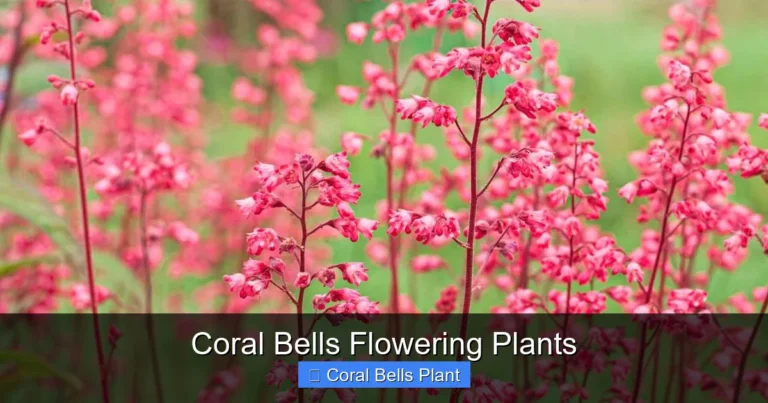
Coral bells belong to the genus Heuchera, a group of about 50 species native to North America. They are members of the Saxifragaceae family, which includes other shade lovers like foamflower and astilbe. The common name comes from the tiny bell-shaped flowers that dangle on wiry stems above the foliage in late spring to early summer.
In the wild, you will find them growing on rocky cliffs, in woodlands, and along stream banks from Canada down to Mexico. This diverse native range explains why different species have varying tolerances for heat, cold, and humidity. Modern breeding has combined these traits to create hybrids that thrive in a wide range of garden conditions.
Why Gardeners Love Heuchera
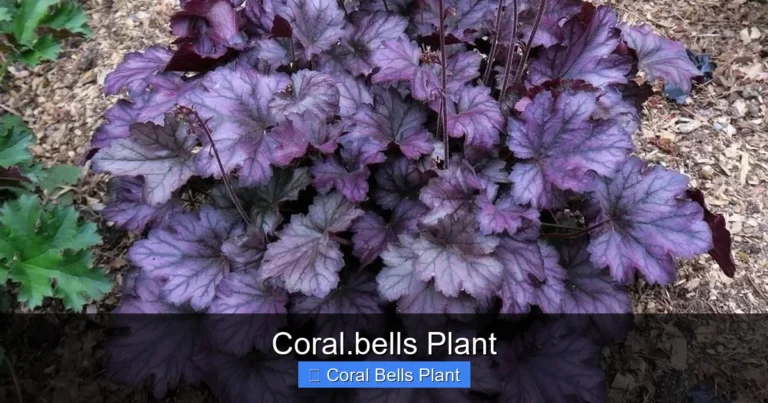
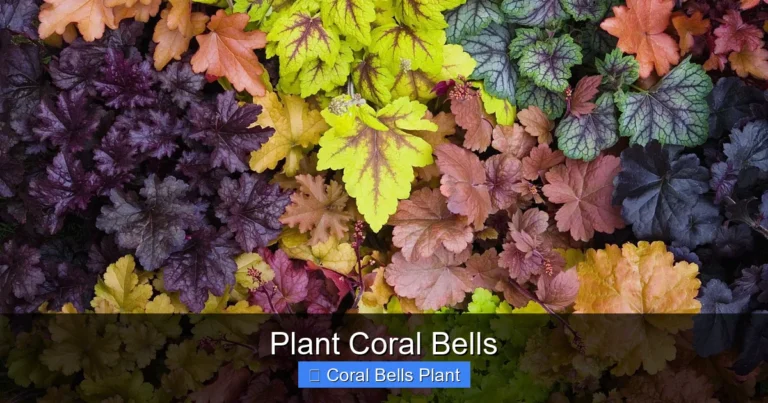
The primary appeal is the foliage. Leaves come in nearly every color imaginable. You can find deep near-black purples, bright chartreuse, warm caramels, silvery pewters, and variegated patterns with contrasting veins. The leaves are often ruffled or lobed, adding texture that catches the light beautifully.
Beyond looks, they are workhorses in the landscape. They form neat mounds that rarely need staking. They are largely pest-free and deer resistant. They also play well with others, weaving between hostas and ferns without becoming aggressive. For a coral bells plant wiki summary, think of them as the reliable friend who always shows up looking great.
Choosing the Right Variety for Your Garden
Classic Varieties That Stand the Test of Time
Some cultivars have earned their place in gardens for decades. ‘Palace Purple’ was a breakthrough in the 1980s with its large, maple-like leaves in a rich bronze-purple. It remains a tough, reliable choice for beginners. ‘Caramel’ offers large, fuzzy leaves in a warm amber tone that holds color well in heat and humidity.
‘Obsidian’ is a go-to for deep, glossy black foliage that does not fade to green in summer. ‘Lime Rickey’ brings a jolt of electric chartreuse that brightens the darkest corners. These classics are widely available and proven performers across many zones.
New Introductions Worth Trying
Breeders release exciting new selections every year. The Primo series features extra-large leaves and vigorous habits. ‘Black Pearl’ from this line has intensely ruffled, jet-black leaves with a pearlescent sheen. The Dolce series focuses on compact forms ideal for containers and small spaces.
Look for varieties bred for your specific climate. Southern gardeners should seek heat-tolerant lines like the Southern Comfort series. Northern growers can prioritize cold hardiness and early emergence. Reading plant tags and consulting your local extension office helps match the plant to your place.
Species Selection for Specific Conditions
If you garden in extreme conditions, consider the straight species. Heuchera villosa handles heat and humidity better than most hybrids. Its large, hairy leaves resist foliar diseases common in the South. Heuchera americana is exceptionally cold hardy and drought tolerant once established.
Heuchera sanguinea is the species behind the name coral bells, prized for its showy red flowers rather than foliage. It prefers cooler summers and sharp drainage. Matching the species to your site reduces maintenance and increases longevity.
Planting Coral Bells for Success
When to Plant
Spring and early fall are the ideal planting windows. Spring planting gives roots time to establish before summer heat. Fall planting takes advantage of cool temperatures and reliable rainfall. Avoid planting during the hottest weeks of summer or when the ground is frozen.
If you must plant in summer, choose a cloudy day and provide temporary shade. Water deeply after planting and mulch well to conserve moisture. Container-grown plants can be transplanted almost any time the soil is workable with extra attention to watering.
Site Selection and Light Requirements
Most coral bells prefer morning sun and afternoon shade. This light pattern brings out the best leaf color without scorching. Dark-leaved varieties tolerate more sun than light-leaved ones. In cool northern climates, full sun is often fine with adequate moisture.
Deep shade leads to leggy growth and muted colors. Aim for dappled light or two to four hours of direct morning sun. Observe your site through the seasons before planting. A spot that is sunny in April may be shady once trees leaf out.
Soil Preparation and Amendments
Good drainage is non-negotiable. Coral bells rot quickly in heavy, wet clay. Amend planting holes with compost, leaf mold, or fine bark to improve structure. A slightly acidic to neutral pH (6.0 to 7.0) is ideal. Test your soil if you are unsure.
Work organic matter into the top 12 inches of soil. This encourages deep rooting and improves moisture retention without waterlogging. Avoid fresh manure or high-nitrogen fertilizers at planting time. They promote soft growth vulnerable to disease and frost.
Spacing and Planting Depth
Space plants 12 to 18 inches apart depending on mature size. Check the tag for specific spread. Plant at the same depth they grew in the pot. The crown, where stems meet roots, should sit slightly above soil level. Burying the crown leads to crown rot, the number one killer of Heuchera.
Backfill with amended soil, firm gently, and water thoroughly. Apply a two-inch layer of shredded bark or leaf mulch keeping it away from the crown. Mulch conserves moisture, suppresses weeds, and moderates soil temperature.
Ongoing Care and Maintenance
Watering Wisely
New plantings need consistent moisture for the first growing season. Water deeply once or twice a week rather than frequent shallow sprinkling. Established plants are surprisingly drought tolerant but look best with regular water during dry spells.
Water at the base of the plant to keep foliage dry. Wet leaves invite fungal diseases like powdery mildew. Soaker hoses or drip irrigation are ideal. Reduce watering in fall as plants prepare for dormancy.
Fertilizing for Healthy Growth
Coral bells are light feeders. A single application of balanced slow-release fertilizer in early spring is usually sufficient. Alternatively, top-dress with an inch of compost around the crown each spring. This feeds the soil and the plant gently.
Avoid high-nitrogen fertilizers. They produce lush, weak growth that flops and attracts aphids. If leaves yellow despite good soil, a foliar feed of liquid seaweed or fish emulsion can provide a quick boost.
Pruning and Grooming
Remove spent flower stalks after blooming to redirect energy to foliage. Cut them at the base with clean scissors. In late winter or early spring, trim away any tattered or winter-damaged leaves. This freshens the plant and improves air circulation.
Every three to four years, the center of the clump may become woody and die out. This signals it is time to divide. Dig the whole plant in early spring, pull or cut apart healthy sections with roots attached, and replant the vigorous pieces.
Winter Protection
In zones 4 and 5, a light mulch of straw or evergreen boughs after the ground freezes prevents frost heaving. Do not apply heavy mulch over the crown. In milder zones, coral bells often remain semi-evergreen through winter providing off-season interest.
Container plants need extra protection. Move pots to an unheated garage or bury them in the ground for winter. Water sparingly during thaws. Do not fertilize until new growth appears in spring.
Designing with Coral Bells
Shade Garden Combinations
Coral bells shine in the shade border. Pair purple-leaved varieties with golden hostas like ‘Sum and Substance’ for high contrast. Plant chartreuse forms beside blue hostas or Japanese painted ferns for a cool, sophisticated palette.
Use them as edging along woodland paths. Their low mounds define the edge without blocking views. Repeat the same cultivar in drifts for a cohesive look. Interplant with spring bulbs like snowdrops and species tulips for early color before Heuchera fills in.
Container Recipes
They are stellar container plants. Choose a pot with drainage holes at least 12 inches wide. Use a high-quality potting mix with added perlite for drainage. Combine a bold foliage Heuchera with a trailing plant like creeping jenny and a thriller such as a small ornamental grass.
For a fall container, pair ‘Caramel’ coral bells with ornamental kale and pansies. In spring, try ‘Lime Rickey’ with violas and white alyssum. Containers let you move color where you need it and protect plants from poor soil or tree roots.
Rock Gardens and Slopes
Species like Heuchera sanguinea and Heuchera pulchella thrive in the sharp drainage of rock gardens. Their compact size fits perfectly between stones. Plant them where they can cascade over a ledge or tuck into a crevice.
On slopes, their fibrous roots help stabilize soil. Plant in staggered rows for erosion control. Mix with other shallow-rooted perennials like sedum and thyme for a tapestry effect that holds the bank.
Propagation Methods
Division: The Easiest Method
Division is the most reliable way to propagate coral bells and rejuvenate old plants. Do it in early spring as new growth emerges. Dig the entire clump with a garden fork. Shake off excess soil to see the crown structure.
Pull apart sections with your hands or cut with a clean knife. Each division needs several leaves and a healthy root system. Discard the woody center. Replant divisions immediately at the correct depth. Water well and shade for a week if the sun is strong.
Growing from Seed
Species coral bells come true from seed. Hybrids will not. Sow seeds indoors 8 to 10 weeks before last frost. Surface sow on moist seed starting mix. Do not cover; light aids germination. Keep at 65 to 70 degrees Fahrenheit.
Germination takes two to four weeks. Transplant seedlings to individual pots when they have two true leaves. Harden off and plant out after frost danger passes. Seed-grown plants take two years to reach flowering size.
Leaf Cuttings for the Adventurous
Leaf cuttings can produce new plants but success rates vary. Select a healthy mature leaf with a short piece of petiole. Dip the cut end in rooting hormone. Insert into a pot of moist perlite and peat mix. Cover with a plastic bag to maintain humidity.
Place in bright indirect light. Roots and a tiny plantlet may form at the base in six to eight weeks. This method is fun to try but division is faster and more dependable for most gardeners.
Common Problems and Solutions
Crown Rot: The Silent Killer
Crown rot caused by fungal pathogens is the most serious threat. It strikes when the crown stays wet, especially in heavy soil or humid weather. Symptoms include wilting, yellowing leaves, and a mushy crown. Prevention is far easier than cure.
Plant high with the crown slightly above grade. Ensure excellent drainage. Water at the base, not overhead. Mulch with coarse material that does not mat down. If rot appears, dig the plant, cut away all diseased tissue, dust with sulfur, and replant in a fresh, well-drained spot.
Foliar Diseases: Powdery Mildew and Rust
Powdery mildew appears as a white dusty coating on leaves. It thrives in humid conditions with poor air flow. Space plants properly. Water early in the day so leaves dry quickly. Remove badly affected leaves. Spray with neem oil or potassium bicarbonate if needed.
Rust shows as orange pustules on leaf undersides. It is less common but unsightly. Remove infected leaves promptly. Avoid overhead watering. Choose resistant varieties like those with Heuchera villosa parentage.
Pest Issues: Weevils and Nematodes
Black vine weevil adults notch leaf edges at night. Larvae feed on roots causing sudden wilting. Apply beneficial nematodes to soil in spring and fall to control larvae. Handpick adults at night with a flashlight. Use sticky barriers on pot rims.
Foliar nematodes cause angular brown spots between leaf veins. They spread via water splash. Remove affected leaves. Avoid overhead irrigation. There is no chemical cure for home gardeners. Destroy severely infected plants.
Environmental Stress: Scorch and Heaving
Leaf scorch shows as brown crispy edges. It happens in too much sun, wind, or drought. Move the plant to a shadier spot or increase watering. Temporary shade cloth helps during heat waves.
Frost heaving pushes plants out of the ground in freeze-thaw cycles. Exposed roots dry and die. Mulch after the ground freezes. If plants heave, gently press them back into the soil during a thaw and mulch heavily.
Seasonal Care Calendar
Spring: Wake Up and Divide
Early spring is the busiest time. Remove winter mulch gradually. Cut back old foliage to the crown. Apply compost or slow-release fertilizer. Divide overgrown clumps. Plant new purchases. Water well if spring is dry. Watch for slugs on tender new leaves.
Summer: Bloom and Maintain
Enjoy the flowers in late spring to early summer. Deadhead spent stalks. Water during dry spells. Scout for pests weekly. Mulch to keep roots cool. In hot climates, provide afternoon shade for stressed plants. Do not fertilize in summer heat.
Fall: Prepare for Rest
Stop fertilizing by late summer. Reduce watering as temperatures drop. Plant new divisions in early fall. Apply a light mulch after a few hard frosts. Leave foliage in place for winter protection and interest. Mark locations so you do not disturb dormant crowns.
Winter: Protect and Plan
In cold zones, add winter mulch after the ground freezes. Check containers monthly and water if thawed and dry. Browse catalogs for new varieties. Plan next year’s combinations. Dream of spring.
Conclusion
Coral bells offer an incredible return on a modest investment of time and space. Their foliage carries the garden through seasons when flowers fade. They ask only for decent drainage, a bit of shade, and an occasional division. In return, they give you color, texture, and pollinator activity for years.
Whether you tuck a single ‘Obsidian’ into a container or mass ‘Caramel’ along a woodland path, you are joining generations of gardeners who have fallen for these North American natives. Start with one variety that catches your eye. Learn its rhythms. Then add another. Before long, you will have your own living coral bells plant wiki growing right outside your door.
Frequently Asked Questions
How often should I water coral bells?
Water new plants deeply once or twice weekly during the first season. Established plants need water only during extended dry spells. Always water at the base to keep foliage dry and prevent disease.
Do coral bells spread aggressively?
No, coral bells form well-behaved clumps that slowly widen over time. They do not run or self-seed aggressively. Division every few years keeps them vigorous and contained.
Can I grow coral bells in containers year-round?
Yes, coral bells thrive in containers with good drainage. In zones 5 and colder, move pots to an unheated garage or bury them in the ground for winter protection. Water sparingly during winter thaws.
Why are my coral bells leaves turning brown and crispy?
Brown crispy edges usually indicate leaf scorch from too much sun, wind, or drought. Move the plant to a shadier location, increase watering, or provide temporary shade during heat waves.
When should I cut back coral bells for winter?
Leave foliage in place through winter for crown protection and visual interest. Cut back tattered leaves in early spring before new growth emerges. This timing protects the plant from freeze-thaw damage.
What fertilizer is best for coral bells?
Use a balanced slow-release fertilizer in early spring or top-dress with an inch of compost. Avoid high-nitrogen fertilizers which cause weak, floppy growth. Coral bells are light feeders and need very little supplemental nutrition.