Https Www.plantdelights.com Blogs Articles Coral-bells-heuchera-plant-varieties
Coral bells (Heuchera) are versatile shade perennials prized for their incredible foliage colors ranging from deep purple to bright lime green. This comprehensive guide explores top varieties, planting techniques, care requirements, and creative design ideas to help you grow these stunning plants successfully in your garden.
If you have ever wandered through a shade garden in late spring and spotted mounds of ruffled leaves in shades of caramel, plum, chartreuse, or near-black, you have likely met coral bells. These plants, botanically known as Heuchera, have undergone a renaissance in recent decades. Plant breeders have transformed a modest North American wildflower into a dazzling palette of foliage colors that can anchor a garden design from early spring until hard frost.
I remember the first time I planted a row of ‘Palace Purple’ along a shaded walkway. I chose it for the deep bronze leaves, but I stayed for the way the foliage caught the low morning light. That experience taught me something important: coral bells are not just filler plants. They are design tools. Whether you garden on a city balcony, a suburban lot, or a sprawling woodland property, there is a Heuchera variety that will solve a problem or create a moment of beauty. Let us dig into the world of coral bells and discover how to choose, grow, and design with these remarkable perennials.
Key Takeaways
- Incredible variety: Over 50 Heuchera species and hundreds of cultivars offer foliage in nearly every color imaginable
- Shade garden stars: Most varieties thrive in partial to full shade, making them perfect for difficult garden spots
- Year-round interest: Evergreen to semi-evergreen foliage provides color through winter in many climates
- Low maintenance: Once established, coral bells require minimal care beyond occasional division
- Pollinator friendly: Delicate bell-shaped flowers attract hummingbirds and bees in late spring to summer
- Versatile design element: Works beautifully in containers, borders, rock gardens, and woodland settings
- Deer resistant: Fuzzy foliage texture naturally deters browsing deer and rabbits
Quick Answers to Common Questions
What is the best time to plant coral bells?
Early spring or early fall are ideal planting times. Spring planting gives roots time to establish before summer heat. Fall planting allows root growth in cool soil before winter dormancy.
How often should I water coral bells?
Water deeply once or twice weekly during the first growing season. Established plants need watering only during extended dry spells. Always water at the base to keep foliage dry.
Do coral bells come back every year?
Yes, coral bells are hardy perennials that return reliably in USDA zones 4-9. They are evergreen to semi-evergreen, providing winter foliage interest in most climates.
Can coral bells grow in deep shade?
They tolerate full shade but flower less and may have less vibrant foliage color. Best performance is in partial shade with morning sun or dappled light throughout the day.
Why is the center of my coral bells plant dying out?
This indicates the plant needs division. The woody crown rises above soil level over time. Dig and divide in spring or fall, discarding the dead center and replanting healthy outer sections.
📑 Table of Contents
- Understanding the Heuchera Genus
- Top Coral Bells Varieties for Every Garden
- Planting Coral Bells for Success
- Ongoing Care and Maintenance
- Designing with Coral Bells
- Common Problems and Solutions
- Propagating Coral Bells
- Heuchera Through the Seasons
- Buying Guide: Selecting Healthy Plants
- Creative Uses Beyond the Border
- Frequently Asked Questions About Coral Bells
- Conclusion
Understanding the Heuchera Genus
Native Roots and Modern Breeding
Heuchera is a genus of about 50 species native to North America. They grow in diverse habitats, from rocky cliffs in the Appalachians to moist woodlands in the Pacific Northwest. The common name coral bells comes from the slender, bell-shaped flowers that hover on wiry stems above the foliage in late spring and early summer. For generations, gardeners valued the flowers more than the leaves. The species Heuchera sanguinea, with its bright coral-red blooms, was the classic garden plant.
Everything changed in the 1980s and 1990s when breeders began crossing species for foliage traits. Heuchera americana contributed ruffled leaves and cold hardiness. Heuchera villosa brought heat tolerance and large, hairy leaves. Heuchera micrantha added deep purple pigmentation. The resulting hybrids exploded the color range. Today you can find coral bells in silver, peach, amber, electric lime, chocolate, and near-black. Many modern varieties also produce showy flowers, giving you two seasons of interest.
Heuchera vs. Heucherella vs. Tiarella
You will often see three related names at the nursery. Heuchera is the true coral bells. Tiarella, or foamflower, is a close cousin with more deeply lobed leaves and foamy white or pink flower spikes. Heucherella (sometimes written as x Heucherella) is an intergeneric hybrid between the two. Heucherellas often combine the colorful foliage of Heuchera with the leaf shape and flowering habit of Tiarella. All three thrive in similar conditions, so you can mix them freely in a shade border.
Top Coral Bells Varieties for Every Garden
Classic Purples and Reds
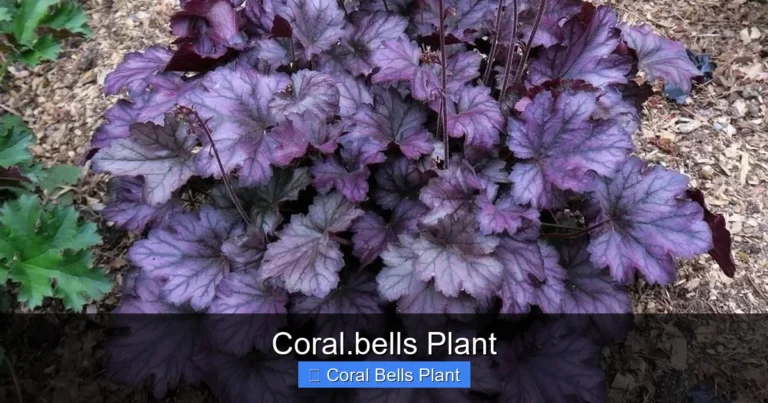
If you want drama, start with the dark-leaved cultivars. ‘Palace Purple’ is the old reliable. Its large, maple-shaped leaves emerge bronze-purple and deepen to rich mahogany. It handles heat better than many dark varieties. ‘Obsidian’ takes darkness further with shiny, nearly black leaves that hold color all season. ‘Black Pearl’ forms a dense, rounded mound of intensely black foliage with ruffled edges. For a redder tone, ‘Fire Alarm’ offers bright red spring growth that matures to deep burgundy. These dark varieties create stunning contrast when paired with chartreuse or silver plants.

Visual guide about Https Www.plantdelights.com Blogs Articles Coral-bells-heuchera-plant-varieties
Image source: epicgardening.com
Caramels, Peaches, and Ambers
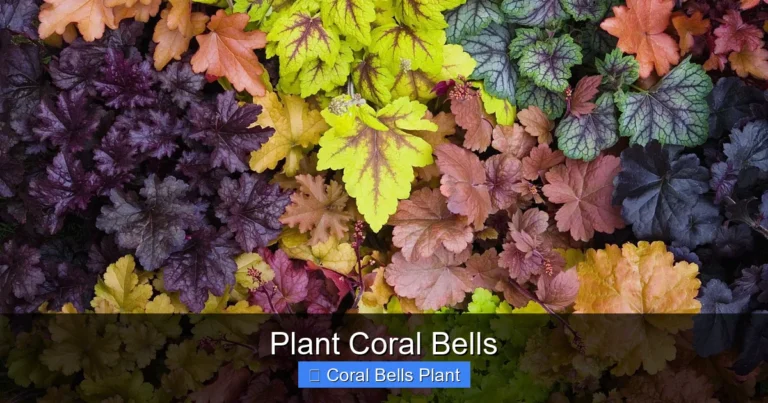
The warm-toned coral bells are some of the most versatile. ‘Caramel’ is a villosa hybrid with large, fuzzy leaves in a soft apricot-caramel shade. It tolerates more sun and humidity than most. ‘Georgia Peach’ displays large leaves that open peach-orange and age to a warm rose-pink with a silver overlay. ‘Marmalade’ has deeply lobed, shiny leaves in a rich amber-orange with pink undersides. ‘Citronelle’ (technically a Heucherella) glows electric lime-yellow and brightens the darkest corner. These warm tones bridge the gap between cool greens and hot reds in a planting scheme.
Silvers, Pewters, and Patterns
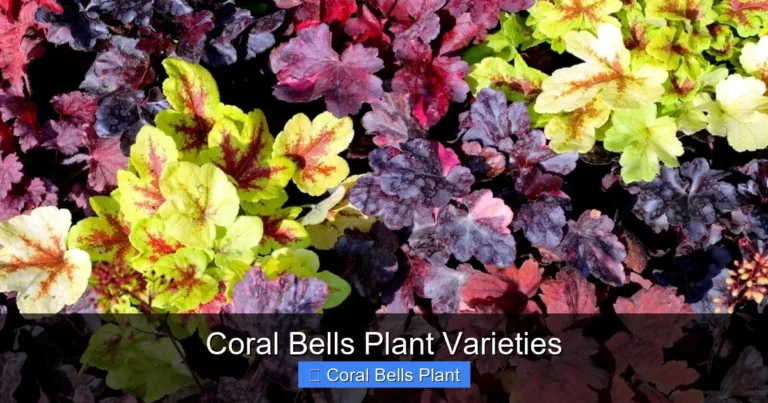
Silver-leaved varieties bring sophistication and light to shade. ‘Silver Scrolls’ features metallic silver leaves with deep purple veins and ruffled edges. ‘Plum Pudding’ shows plum-purple leaves frosted with silver. ‘Rave On’ offers silver leaves with dark veins and prolific pink flowers. For intricate patterning, ‘Berry Smoothie’ displays rose-pink leaves with a silver overlay and dark veins. ‘Electra’ shocks with blood-red veins on golden-lime leaves. These patterned varieties act like living stained glass when backlit by morning or evening sun.
Greens and Chartreuse for Brightness
Do not overlook green varieties. They provide a resting place for the eye among more colorful neighbors. ‘Green Spice’ has green leaves with a silver overlay and dark red veins. ‘Lime Rickey’ forms a tight mound of ruffled, bright lime-green leaves. ‘Appletini’ offers chartreuse foliage with red flower stems. ‘Guacamole’ (a Heucherella) has large, glossy apple-green leaves. Green and chartreuse varieties are often the most vigorous and sun-tolerant.
Miniatures for Containers and Edges
Small-space gardeners should look for compact cultivars. ‘Little Cutie’ series plants stay under eight inches tall and wide. Varieties like ‘Blondie’, ‘Coco’, and ‘Peppermint’ pack full-sized color into tiny mounds. ‘Petite Pearl Fairy’ is a charming dwarf with silver-veined green leaves and profuse pink flowers. These miniatures are perfect for troughs, fairy gardens, and the front of a border where they will not be swallowed by larger neighbors.
Planting Coral Bells for Success
Choosing the Right Site
Most coral bells prefer partial shade. This means morning sun and afternoon shade, or dappled light throughout the day. Dark-leaved varieties generally tolerate more sun if given adequate moisture. Light-leaved varieties, especially chartreuse and silver types, can scorch in hot afternoon sun. In cooler northern climates, many varieties handle full sun with consistent watering. In the deep South, afternoon shade is non-negotiable. Observe your garden through the day before planting. A spot that gets four hours of gentle morning light but is shaded by 1 PM is ideal for most cultivars.
Soil Preparation
Heucheras demand well-drained soil. They will rot in heavy clay that stays soggy. Before planting, amend the planting area with compost, leaf mold, or aged bark fines. Aim for a soil that holds moisture but drains freely within an hour after heavy rain. A slightly acidic to neutral pH (6.0 to 7.0) is perfect. If your soil is alkaline, incorporate elemental sulfur or pine bark mulch to lower the pH gradually. Raised beds or mounded planting areas are excellent solutions for poorly drained sites.
Spacing and Planting Depth
Space plants according to their mature width. Most standard varieties need 12 to 18 inches between centers. Miniatures can go 8 to 10 inches apart. This spacing allows air circulation, which prevents foliar diseases. The most critical planting rule: keep the crown at or slightly above soil level. The crown is where the leaves emerge from the roots. Burying it leads to crown rot. Plant high, then mulch around the crown, not over it. Water thoroughly after planting to settle the soil around the roots.
Container Planting
Coral bells are superb container plants. Choose a pot at least 12 inches wide and deep with drainage holes. Use a high-quality potting mix blended with perlite or coarse sand for extra drainage. Plant the crown slightly above the pot rim to allow for mulch. Container plants need more frequent watering and fertilizing than in-ground plants. In cold climates (zones 5 and colder), move pots to an unheated garage or bury them in the ground for winter protection. The roots are more exposed to freezing in containers.
Ongoing Care and Maintenance
Watering Wisely
Newly planted coral bells need consistent moisture for the first growing season. Water deeply once or twice a week, depending on rainfall and temperature. Established plants are surprisingly drought-tolerant, especially villosa hybrids. However, they look their best with regular water during dry spells. Water at the base of the plant to keep foliage dry. Wet leaves encourage fungal diseases like powdery mildew and rust. A soaker hose or drip irrigation is ideal. Mulch with two inches of shredded leaves, pine straw, or bark to conserve moisture and suppress weeds.
Fertilizing Lightly
Heucheras are light feeders. Too much nitrogen produces lush, soft growth that is prone to disease and winter damage. In early spring, apply a slow-release, balanced fertilizer (such as 10-10-10 or 5-5-5) at half the recommended rate. Alternatively, top-dress with an inch of compost around the crown. Avoid fertilizing after midsummer. You want the plant to harden off before winter. Container plants benefit from a dilute liquid fertilizer monthly during the growing season.
Deadheading and Grooming
After flowering, cut the spent flower stems down to the basal foliage. This tidies the plant and may encourage a light rebloom. In late winter or early spring, remove any tattered, brown, or damaged leaves. Grab the leaf stem near the base and pull gently. It should detach cleanly. This spring cleanup reveals fresh new growth and improves air circulation. In mild climates where plants stay evergreen, this grooming is mostly cosmetic. In cold climates, it removes winter-damaged foliage.
Dividing to Rejuvenate
Over time, the crown of a coral bells plant becomes woody and rises above the soil line. The center may die out, leaving a ring of growth. This is your signal to divide. The best time is early spring as new growth emerges, or early fall (at least six weeks before ground freeze). Dig the entire clump. Use a sharp knife or spade to cut the crown into sections, each with several leaves and a healthy root system. Discard the woody center. Replant divisions at the proper depth, water well, and mulch. Division every three to four years keeps plants vigorous and gives you free plants to share.
Designing with Coral Bells
Color Echoes and Contrasts
One of the joys of Heuchera is using foliage color to echo or contrast with nearby plants. Plant a purple-leaved variety like ‘Obsidian’ next to a golden hosta such as ‘Sum and Substance’. The purple echoes the hosta’s dark green veins, while the gold contrasts beautifully. Pair ‘Caramel’ with blue-leaved hostas or ferns for a warm-cool interplay. Use ‘Citronelle’ or ‘Lime Rickey’ to brighten a dark corner filled with deep green hellebores and black mondo grass. Silver varieties like ‘Silver Scrolls’ harmonize with white-flowering plants like astilbe or white bleeding heart.
Texture Play
Coral bells offer a unique leaf texture: slightly fuzzy, often ruffled, with prominent veins. Contrast this with smooth, glossy leaves (bergenia, epimedium), strappy leaves (carex, liriope), or delicate, lacy fronds (Japanese painted fern, maidenhair fern). A combination of ‘Marmalade’ (ruffled, shiny), ‘Ghost’ fern (lacy, silver), and ‘Aureola’ hakone grass (striped, arching) creates a tapestry of texture that remains interesting long after flowers fade.
Seasonal Sequences
Plan for a succession of interest. In early spring, coral bells emerge with fresh foliage alongside bulbs like daffodils and species tulips. As bulbs fade, the Heuchera foliage expands to cover the dying bulb leaves. Late spring brings the airy flower spikes. Summer showcases the mature foliage colors at their peak. Fall often intensifies the colors, especially in villosa hybrids. In winter, the evergreen mounds provide structure when most perennials have disappeared. Choose varieties with different peak seasons to extend the show.
Companion Plant Combinations
Here are three foolproof combinations:
- Woodland Glow: ‘Georgia Peach’ Heuchera + ‘Jack Frost’ Brunnera + Japanese painted fern + white foamflower (Tiarella)
- Bold & Beautiful: ‘Black Pearl’ Heuchera + ‘Sum and Substance’ Hosta + ‘All Gold’ Hakone grass + purple-leaved coral bells
- Container Recipe: ‘Electra’ Heuchera (thriller) + ‘Sweet Caroline Sweetheart’ lime ipomoea (spiller) + ‘Diamond Frost’ euphorbia (filler)
Using Coral Bells in Problem Areas
These plants solve common garden challenges. Dry shade under mature trees? Villosa hybrids like ‘Caramel’ and ‘Autumn Bride’ tolerate root competition once established. Slopes and banks? The fibrous root system holds soil. Plant in drifts of a single variety for erosion control and visual impact. Black walnut toxicity? Heuchera is juglone-tolerant. Deer pressure? The fuzzy, aThe hairy leaves are unpalatable to deer and rabbits. Salt exposure near roads or coasts? Many varieties handle salt spray reasonably well.
Common Problems and Solutions
Crown Rot
This is the number one killer of coral bells. It happens when the crown stays wet, usually from planting too deep, heavy soil, or excessive mulch piled against the crown. Prevention: Plant high. Ensure excellent drainage. Keep mulch pulled back from the crown. Treatment: If caught early, dig the plant, cut away rotted tissue, dust with sulfur fungicide, and replant higher in fresh soil. Often, by the time you notice wilting despite moist soil, it is too late.
Frost Heaving
In cold climates with freeze-thaw cycles, the shallow crowns can be pushed out of the ground, exposing roots to drying wind and cold. Prevention: Apply a loose, airy mulch (pine boughs, straw, shredded leaves) after the ground freezes in late fall. Do not use heavy bark mulch that holds moisture against the crown. In spring, check for heaved plants and gently press them back into the soil, then water.
Powdery Mildew and Rust
These fungal diseases appear as white powdery coating or orange pustules on leaves. They thrive in humid conditions with poor air circulation. Prevention: Space plants properly. Water at soil level. Choose resistant varieties (villosa hybrids show good resistance). Treatment: Remove affected leaves. Improve air flow. Apply a horticultural oil or neem oil spray early in the season as a preventative. Copper fungicides work for rust.
Vine Weevil Damage
Adult vine weevils notch the leaf edges at night. The real damage comes from larvae eating the roots and crown underground. Signs: Notched leaves plus wilting plant. Control: Apply beneficial nematodes (Steinernema kraussei) to the soil in spring and fall when soil temperatures are above 50°F. Encourage ground beetles and birds. Check roots of new plants before planting.
Sun Scorch
Bleached, crispy patches on leaves indicate too much sun. This is common on light-colored varieties planted in afternoon sun. Solution: Transplant to a shadier spot in early spring or fall. Or provide a temporary shade cloth during the hottest weeks. Remember that a site that is shady in spring may become sunny as the sun angle changes.
Propagating Coral Bells
Division
As described in the care section, division is the easiest and most reliable propagation method. It produces mature plants quickly and maintains the exact characteristics of the cultivar. Divide in spring or early fall. Each division needs a piece of crown with roots and leaves.
Seed
Heucheras hybridize readily. Seed from your garden will not come true to the parent plant. However, growing from seed is fun and can yield unique variations. Collect seed when the capsules turn brown and split. Sow fresh seed on the surface of moist seed-starting mix. Do not cover; light aids germination. Keep at 65-70°F. Germination takes 2-8 weeks. Transplant seedlings to individual pots when they have two true leaves. Grow on for a year before planting out.
Leaf Cuttings
Some gardeners propagate from leaf cuttings. Take a healthy leaf with a short piece of petiole (leaf stem). Dip the cut end in rooting hormone. Insert into moist perlite or sand. Cover with a humidity dome or plastic bag. Place in bright, indirect light. Roots and a tiny plantlet may form at the base of the petiole in 4-8 weeks. This method is less reliable than division but works for rare cultivars you cannot divide.
Heuchera Through the Seasons
Spring Awakening
Early spring is a tense time. The evergreen leaves from last year may look ratty. Resist the urge to clean up too early. Those old leaves protect the crown from late freezes. Wait until you see vigorous new growth at the center. Then remove the old foliage. Apply a light fertilizer. Watch for the first flower stems to emerge. This is also the prime time to divide if needed.
Summer Glory
Early summer brings the flowers. The wiry stems rise 12-30 inches above the foliage, bearing dozens of tiny bells in white, pink, coral, or red. They last for weeks and make charming cut flowers. Deadhead spent stems to keep the plant tidy. Water during dry spells. Enjoy the peak foliage color. Take photos for reference when planning fall plantings.
Fall Transformation
As nights cool, many varieties intensify in color. ‘Caramel’ deepens to burnished copper. ‘Plum Pudding’ darkens to rich purple. Villosa hybrids often put on a flush of fresh, vibrant leaves. This is a great time to plant new additions. The soil is warm, encouraging root growth before winter. Mulch new plantings well.
Winter Structure
In zones 6 and warmer, most coral bells remain evergreen. The mounds of foliage catch frost beautifully and provide winter interest. In colder zones, the foliage may flatten or brown but usually persists at the base. Do not cut it back. The dead leaves insulate the crown. In late winter, you may see the first brave new leaves pushing through the snow.
Buying Guide: Selecting Healthy Plants
At the Nursery
When shopping for coral bells, look beyond the pretty pot. Check the crown. It should be firm, not mushy. Gently brush away the top of the potting mix. You want to see the crown at or slightly above the soil line, not buried. Inspect the roots. Slide the plant partially out of the pot. Roots should be white or light tan, firm, and smell earthy. Avoid plants with brown, mushy, or foul-smelling roots. Examine the leaves. Look for even color (unless it’s a variegated variety). Avoid plants with yellowing lower leaves, spots, or notched edges. Check for pests. Look under leaves and at the crown for aphids, mealybugs, or vine weevil notches.
Mail Order Tips
Reputable mail-order nurseries ship bare-root or in small pots. Bare-root plants should have firm, moist roots packed in damp peat or newspaper. Plant immediately upon arrival. If you must wait, store in a cool, dark place for no more than a few days. Pot-grown mail-order plants may arrive slightly stressed. Water thoroughly, place in bright shade for a week, then plant. Avoid ordering during extreme heat or cold snaps.
Choosing the Right Variety for Your Zone
Most coral bells are hardy in USDA zones 4-9. However, heat tolerance varies. In zones 8-9, prioritize villosa hybrids (‘Caramel’, ‘Georgia Peach’, ‘Citronelle’, ‘Mocha’) and heat-tolerant selections like the ‘Primo’ series. In zones 3-4, choose varieties with H. americana or H. richardsonii parentage for maximum cold hardiness. ‘Palace Purple’, ‘Plum Pudding’, and the ‘Northern Exposure’ series are reliable northern performers. Always check the specific zone rating for each cultivar.
Creative Uses Beyond the Border
Living Mulch and Ground Cover
Plant coral bells 10-12 inches apart in a diamond pattern. In two to three years, they will knit together into a weed-suppressing carpet of color. This works beautifully under deciduous trees where grass struggles. Use a single variety for a calm, unified look, or mix two complementary colors for a tapestry effect. The dense foliage shades out weed seeds and conserves soil moisture for the tree.
Rock Gardens and Crevices
Species like Heuchera pulchella and Heuchera parviflora are native to rocky slopes. They thrive in the sharp drainage of a rock garden or tucked into stone walls. Their compact crowns and deep roots anchor them in minimal soil. Pair with sedums, sempervivums, and dwarf conifers for a miniature landscape that looks good year-round.
Cut Flowers and Arrangements
The flower stems last 7-10 days in a vase. Cut when the lower bells are open and the upper ones are still in bud. The foliage is also valuable in arrangements. A stem of ‘Silver Scrolls’ or ‘Marmalade’ leaves adds texture and color to a bouquet. Cut foliage stems at the base and condition in deep water for a few hours before arranging.
Fairy Gardens and Miniature Landscapes
The ‘Little Cutie’ series and other miniatures are made for this trend. Their tiny, perfect mounds look like miniature shrubs. Combine with miniature hostas, thyme, Irish moss, and tiny accessories. Because they are real perennials, the garden grows and changes with the seasons, unlike artificial fairy garden plants.
Frequently Asked Questions About Coral Bells
Do coral bells spread aggressively?
No, coral bells are clump-forming perennials. They slowly increase in width over years but do not run or self-sow aggressively. Some species may self-seed lightly, but the seedlings rarely resemble the parent. Division every few years controls the size and rejuvenates the plant.
Can I grow coral bells in full sun?
In cool climates (zones 4-6) with consistent moisture, many varieties tolerate full sun. Dark-leaved and green-leaved types handle sun best. Chartreuse, silver, and light-colored varieties scorch easily. In hot climates (zones 7+), afternoon shade is essential for all varieties. When in doubt, provide afternoon shade.
Why are my coral bells leaves turning brown and crispy?
This is usually sun scorch or drought stress. Check if the plant receives hot afternoon sun. Move it to a shadier spot in spring or fall. Ensure consistent moisture, especially during establishment. Brown leaf edges can also indicate fertilizer burn or salt buildup in containers. Flush the soil with water.
When is the best time to divide my Heuchera?
Early spring, just as new growth emerges, is ideal. The plant has the whole season to recover. Early fall (September in most areas) is the second-best time, allowing roots to establish before winter. Avoid dividing in summer heat or winter cold.
Are coral bells deer proof?
No plant is completely deer-proof. However, coral bells are highly deer-resistant. The fuzzy, somewhat astringent foliage is unpalatable. Deer may sample them in severe winters but rarely cause significant damage. Rabbits also tend to avoid them.
Do I need to cut back coral bells for winter?
No. Leave the foliage in place. It protects the crown from freeze-thaw cycles and provides winter interest. In early spring, remove any tattered or brown leaves as new growth appears. In very cold zones (3-4), a loose mulch of pine boughs applied after the ground freezes adds extra protection.
Conclusion
Coral bells have earned their place as shade garden royalty. Few perennials offer such a kaleidoscope of foliage color, such a long season of interest, and such adaptability to difficult sites. Whether you choose a single stunning specimen for a container, a drift of ‘Caramel’ under a maple tree, or a collector’s patch of the latest introductions, Heuchera delivers. The keys to success are simple: plant high in well-drained soil, give them the right light for their color, water consistently the first year, and divide when the crown gets woody. Do that, and these North American natives will reward you with years of low-maintenance beauty.
I encourage you to start small. Pick one variety that speaks to you. Plant it where you will see it daily. Watch it through the seasons. Notice how the color shifts, how the flowers dance, how the frost crystals cling to the ruffled edges in January. That connection, that attention, is what gardening is really about. And coral bells, with their endless variety and quiet resilience, are perfect companions for the journey.
Frequently Asked Questions
What are the most heat-tolerant coral bells varieties?
Villosa hybrids like ‘Caramel’, ‘Georgia Peach’, ‘Citronelle’, ‘Mocha’, and ‘Autumn Bride’ offer superior heat and humidity tolerance. The ‘Primo’ series is also bred for southern performance.
How do I prevent crown rot on my Heuchera?
Plant with the crown at or slightly above soil level. Ensure excellent drainage by amending soil with compost. Keep mulch pulled back from the crown. Avoid overwatering, especially in heavy clay soils.
Can I grow coral bells indoors as houseplants?
Coral bells are not ideal long-term houseplants. They require a winter dormancy period and higher humidity than most homes provide. They can be overwintered indoors in cold climates but prefer outdoor conditions.
Do coral bells attract pollinators?
Yes, the bell-shaped flowers attract hummingbirds, bees, and butterflies. Varieties with showy flowers like ‘Rave On’, ‘Paris’, and the species Heuchera sanguinea are particularly pollinator-friendly.
What causes brown edges on coral bells leaves?
Brown edges typically indicate sun scorch (too much afternoon sun), drought stress, or fertilizer burn. Move to a shadier location, ensure consistent moisture, and avoid over-fertilizing.
How deep do coral bells roots grow?
Heuchera has a fibrous root system that typically extends 6-12 inches deep. The crown sits at soil level with roots spreading horizontally. This shallow root system makes them susceptible to frost heaving in cold climates.