Ia There a Red Leaf Coral Bell Plant
Yes, red leaf coral bell plants exist and they are spectacular! These Heuchera varieties offer incredible foliage color from deep burgundy to bright cherry red, providing year-round garden interest. Popular cultivars like ‘Fire Alarm’, ‘Red Lightning’, and ‘Forever Red’ thrive in shade to part sun with minimal care.
If you have ever wandered through a garden center in spring, you have probably seen coral bells. They sit on tables looking like little jewels. Their leaves come in purple, caramel, lime green, and silver. But you might wonder: is there a red leaf coral bell plant? The answer is a big yes. In fact, red varieties are some of the most exciting plants you can add to a shade garden.
Breeders have been busy. Over the last twenty years, they have created Heuchera with leaves that look like they were dipped in red paint. Some start red in spring, turn darker in summer, then blaze again in fall. Others hold a true ruby color all season. These plants are not just pretty. They are tough, long-lived, and easy to care for. Whether you have a tiny city balcony or a sprawling woodland border, there is a red coral bell that will fit perfectly.
Key Takeaways
- Red leaf coral bells are real: Many Heuchera cultivars feature stunning red foliage ranging from ruby to deep mahogany.
- Top varieties include: ‘Fire Alarm’, ‘Red Lightning’, ‘Forever Red’, ‘Cherry Cola’, and ‘Wild Rose’ offer the most intense red coloring.
- Easy to grow: These perennials thrive in zones 4-9 with well-draining soil and partial shade conditions.
- Year-round interest: Evergreen in mild climates, red coral bells provide winter color when most plants are dormant.
- Versatile design plants: Perfect for borders, containers, woodland gardens, and as ground cover under trees.
- Low maintenance: Once established, they need minimal watering, occasional dividing, and little fertilizer.
- Attract pollinators: Delicate bell-shaped flowers on tall stems bring hummingbirds and bees to the garden in late spring.
Quick Answers to Common Questions
What is the reddest coral bell variety?
‘Fire Alarm’ and ‘Forever Red’ are considered the most intensely red varieties, with ‘Fire Alarm’ showing bright scarlet in spring and fall.
Do red coral bells need full sun to stay red?
No, they prefer part shade with morning sun. Too much shade makes them green; too much hot sun scorches them.
Are red coral bells perennial?
Yes, they are hardy perennials in USDA zones 4-9, returning year after year with proper care.
How often should I divide red coral bells?
Every 3-4 years in early spring or fall to rejuvenate the plant and prevent center die-out.
Can red coral bells grow in containers?
Yes, they are excellent container plants. Use well-draining potting mix and ensure the pot has drainage holes.
📑 Table of Contents
- What Makes Red Coral Bells So Special
- Top Red Leaf Coral Bell Varieties You Should Know
- How to Plant and Grow Red Coral Bells Successfully
- Seasonal Care Through the Year
- Design Ideas: Using Red Coral Bells in Your Garden
- Common Problems and How to Fix Them
- Propagating More Red Coral Bells
- Companion Plants for Red Coral Bells
- Buying Tips: Getting Healthy Plants
- Red Coral Bells in Different Climates
- Frequently Asked Questions About Red Coral Bells
- Conclusion
What Makes Red Coral Bells So Special
Coral bells belong to the genus Heuchera. They are native to North America. Wild species usually have green leaves with silver veining. Garden varieties, however, are a different story. Through careful crossing, plant breeders have unlocked a rainbow of foliage colors. Red is one of the most sought-after shades.
The Science Behind the Color
Red color in leaves comes from pigments called anthocyanins. These are the same compounds that make blueberries blue and autumn maples red. In Heuchera, anthocyanins act like sunscreen. They protect the leaf cells from too much light. This is why red varieties often color up best with some morning sun. In deep shade, they may turn greener. In hot afternoon sun, they can scorch. The sweet spot is part shade with a few hours of gentle light.
Seasonal Color Shifts
One of the joys of growing a red leaf coral bell plant is watching it change. Many cultivars are dynamic. ‘Fire Alarm’ emerges bright red in spring, deepens to burgundy in summer heat, then flares scarlet again in cool autumn weather. ‘Forever Red’ lives up to its name by holding a consistent deep red all season. ‘Red Lightning’ adds a twist with dark red leaves and electric gold veins. This changing show means your garden never looks the same from month to month.
Flowers Are a Bonus
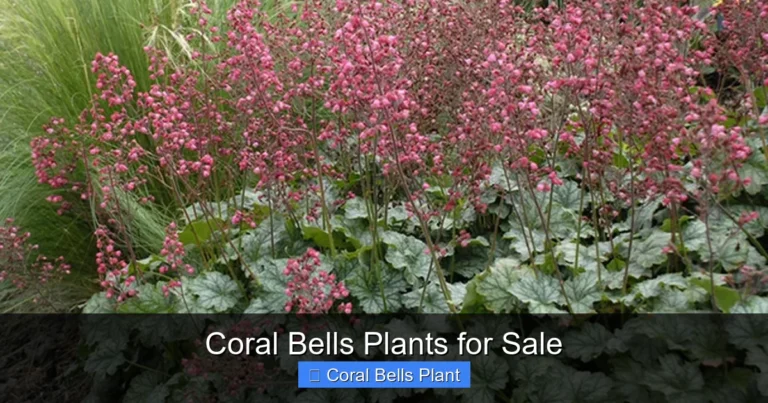
We grow these plants for foliage, but the flowers are charming. In late spring to early summer, thin wiry stems rise above the mound. They carry dozens of tiny bell-shaped blooms. Colors range from white to pink to coral red. Hummingbirds love them. The stems also make great cut flowers for small vases. They last a week or more in water. After blooming, you can cut the stems back to keep the plant looking tidy.
Top Red Leaf Coral Bell Varieties You Should Know
There are dozens of red Heuchera on the market. New ones appear every year. Here are the standouts that have proven themselves in gardens across the country.

Visual guide about Ia There a Red Leaf Coral Bell Plant
Image source: i.ytimg.com
Fire Alarm
‘Fire Alarm’ is arguably the most famous red coral bell. It was bred by Terra Nova Nurseries. The leaves are large, leathery, and deeply lobed. Spring color is a shocking bright red. Summer brings a rich mahogany tone. Fall coaxed it back to fiery scarlet. It forms a neat mound about twelve inches tall and wide. Flower spikes reach eighteen inches with pinkish-white bells. It handles heat and humidity better than many older varieties.
Forever Red
As the name promises, ‘Forever Red’ keeps its deep red color all season. It does not fade to green in summer heat. The leaves are ruffled and heavily textured. This gives them a almost velvet appearance. The plant stays compact, around ten inches tall. It is very vigorous and fills in quickly. White flowers appear in early summer. This variety is a top pick for gardeners who want reliable color without surprise fading.
Red Lightning
‘Red Lightning’ is a showstopper. Imagine dark red leaves with brilliant gold veins tracing every lobe. The contrast is electric. It looks like stained glass when backlit by the sun. This variety grows a bit larger, up to sixteen inches wide. It prefers a bit more shade to keep the gold veins from burning. The flowers are white. Plant it where morning light hits the leaves for a truly magical effect.
Cherry Cola
Part of the Soda series, ‘Cherry Cola’ has a unique brownish-red tone. Think of the color of cherry cola soda. The leaves are rounded and slightly ruffled. It forms a tight mound about twelve inches across. Cherry red flowers match the foliage perfectly. This variety has excellent heat tolerance. It keeps its color well in southern gardens where other reds might wash out.
Wild Rose
‘Wild Rose’ offers a softer take on red. The leaves are a rosy purple-red with charcoal veining. They have a lovely iridescent sheen. The plant is very floriferous, sending up masses of pink flowers. It grows about fourteen inches tall and wide. This variety blends beautifully with purple and silver foliage plants. It is a great choice for a more subtle, sophisticated red.
Other Notable Mentions
- ‘Redstone Falls’: A trailing variety perfect for containers and hanging baskets. Copper-red leaves cascade beautifully.
- ‘Paprika’: Bright spicy red leaves that mature to a warm paprika tone. Very heat tolerant.
- ‘Cajun Fire’: Deep black-red foliage with a glossy finish. White flowers contrast dramatically.
- ‘Berry Smoothie’: Large rose-pink leaves that deepen to burgundy. Very vigorous grower.
- ‘Midnight Rose’: Dark purple-black leaves speckled with hot pink spots. Unique and eye-catching.
How to Plant and Grow Red Coral Bells Successfully
Growing a red leaf coral bell plant is straightforward. But a few key details make the difference between a plant that survives and one that thrives.
Choosing the Right Spot
Light is the most important factor. Most red varieties need part shade. This means four to six hours of sun, preferably morning light. Avoid hot afternoon sun in zones 7 and warmer. It will bleach or burn the leaves. In cooler zones 4-6, they can handle more sun, even full sun with adequate moisture. Deep shade will make the leaves stretch and turn greener. Observe your garden through the day. Pick a spot with dappled light under a high canopy or morning sun with afternoon shade.
Soil Preparation
Heuchera hate wet feet. They need excellent drainage. Heavy clay soil is a killer. Before planting, amend the area generously. Mix in compost, leaf mold, or aged bark fines. Aim for a loose, crumbly texture that holds moisture but drains quickly. A slightly acidic to neutral pH (6.0-7.0) is ideal. If your soil is very alkaline, add some peat moss or elemental sulfur. Raised beds or mounded planting areas work wonderfully for coral bells.
Planting Steps
- Water the plant well while still in its pot.
- Dig a hole twice as wide as the root ball and just as deep.
- Gently loosen any circling roots.
- Place the plant so the crown sits at soil level. Not deeper, not shallower.
- Backfill with amended soil. Firm gently.
- Water thoroughly to settle soil around roots.
- Apply a thin layer of shredded bark mulch. Keep it away from the crown.
Space plants twelve to eighteen inches apart depending on the variety’s mature width. They will fill in within a year or two.
Watering Wisdom
New plants need consistent moisture for the first season. Water deeply twice a week unless it rains. Once established, they are surprisingly drought tolerant. But they look best with regular water during dry spells. Aim for about an inch of water per week. Water at the base. Wet foliage can encourage fungal diseases. A soaker hose or drip irrigation is perfect.
Fertilizing Lightly
Coral bells are light feeders. Too much fertilizer makes soft growth that flops and attracts pests. In spring, apply a slow-release balanced fertilizer (10-10-10 or similar) at half the recommended rate. Or top-dress with an inch of compost. That is all they need. Avoid high-nitrogen lawn fertilizers nearby.
Seasonal Care Through the Year
A red leaf coral bell plant asks for very little. But timely attention keeps it looking pristine.
Spring Wake-Up
As temperatures rise, new leaves emerge from the crown. This is the most colorful time for many varieties. Remove any tattered winter foliage. Cut it off at the base with clean scissors. Be careful not to damage the tender new growth. Apply your slow-release fertilizer now. Check for heaving. Freeze-thaw cycles can push plants out of the ground. If the crown is exposed, gently firm it back down and add a little soil around it.
Summer Maintenance
Summer is easy. Water during dry spells. Deadhead spent flower stems by cutting them to the base. This keeps the plant tidy and may encourage a light rebloom. Watch for pests. Vine weevil larvae eat roots. Adult notches leaf edges. Beneficial nematodes applied in late spring control larvae. Deer and rabbits usually ignore Heuchera, but they may nibble flowers.
Fall Preparation
Fall often brings a second flush of intense red color. Enjoy it! Stop fertilizing after August. You want the plant to harden off for winter. Keep watering if it is dry. Do not cut back foliage in fall. The leaves protect the crown through winter. In very cold zones (4-5), add a light mulch of straw or evergreen boughs after the ground freezes. This prevents heaving.
Winter Rest
In zones 6 and warmer, red coral bells are often evergreen. The leaves persist all winter, providing rare color. In colder zones, they may die back to the crown. Either way, leave them alone. Come spring, you will clean up whatever winter left behind.
Design Ideas: Using Red Coral Bells in Your Garden
The bold color of a red leaf coral bell plant makes it a design powerhouse. Here are ways to use them effectively.
Shade Garden Stars
Red breaks up the sea of green in a shade garden. Plant drifts of three, five, or seven for impact. Pair with contrasting foliage. Try silver-leaved Brunnera ‘Jack Frost’, golden Hakonechloa grass, or blue hostas. The red pops against cool tones. Add white-flowering astilbe or foamflower for a classic combination.
Container Combinations
Red coral bells are container superstars. They stay compact and look good all season. Use a high-quality potting mix with extra perlite for drainage. Combine with trailing plants like creeping Jenny or ivy. Add a thriller like a small Japanese maple or upright fern. In winter, the pot can stay outdoors in zones 6+. In colder zones, move it to an unheated garage.
Border Edging
Line a shady path with a single variety. The consistent color leads the eye. ‘Forever Red’ works well for this because it stays uniform. Space plants twelve inches apart for a quick fill. The low mound keeps the border neat without blocking sightlines.
Woodland Naturalizing
Heuchera are native to woodland edges. They naturalize beautifully under deciduous trees. Plant them in loose groups among ferns, wild ginger, and spring ephemerals like trillium. The red foliage adds unexpected color to a naturalistic planting. They will self-sow gently if happy, creating a living tapestry over time.
Rock Gardens and Slopes
The mounding habit and good drainage needs make red coral bells perfect for rock gardens. Tuck them between stones on a shady slope. Their roots help hold soil. The foliage spills softly over rocks. ‘Redstone Falls’ with its trailing habit is especially good here.
Common Problems and How to Fix Them
Even easy plants have issues. Here is how to handle the most frequent troubles.
Crown Rot
This is the number one killer. It happens when the crown stays wet. Symptoms: leaves yellow, wilt, and pull away easily. The base feels mushy. Prevention is everything. Plant high. Ensure drainage. Mulch away from crown. Water at base only. If caught early, dig the plant, cut away rot, dust with fungicide, and replant in a better spot.
Sun Scorch
Brown crispy patches on leaves mean too much sun. This often happens in July and August. The plant will recover but looks bad. Move it in fall to a shadier spot. Or provide a shade cloth during the hottest weeks. Morning sun is fine. Afternoon sun is the culprit.
Fading Color
If your red coral bell turns green, it usually turns green in summer, it may be getting too much shade or too much nitrogen fertilizer. Move to a brighter spot. Stop fertilizing. Some varieties naturally green up in heat. ‘Forever Red’ and ‘Fire Alarm’ resist this best.
Vine Weevil Damage
Notched leaf edges mean adult weevils. Wilting plant with no roots means larvae. Apply beneficial nematodes (Steinernema kraussei) in spring and fall when soil is above 50°F. They are safe and effective. You can also hand-pick adults at night with a flashlight.
Powdery Mildew
White powdery coating on leaves. Usually happens in humid, crowded conditions. Improve air circulation. Thin surrounding plants. Water at soil level. Remove badly affected leaves. Spray with potassium bicarbonate or neem oil if severe.
Heaving
Freeze-thaw pushes plants up. Roots get exposed and dry out. Check in late winter. Gently press plants back down. Mulch after ground freezes to prevent it next year.
Propagating More Red Coral Bells
You can multiply your favorites easily. Two main methods work well.
Division
This is the fastest way to get a mature plant. Do it in early spring or early fall. Dig up the whole clump. Pull or cut apart into sections. Each piece needs several leaves and healthy roots. Replant immediately. Water well. Divisions often bloom the same year.
Seed
Heuchera seed is tiny. Collect from dried seed pods in summer. Sow on the surface of moist seed-starting mix. Do not cover. Light aids germination. Keep at 65-70°F. Seedlings appear in two to four weeks. Grow under lights until ready to harden off. Note: named cultivars will not come true from seed. You will get variable seedlings. This is fun for experimenting but not for preserving a specific variety.
Leaf Cuttings
Advanced gardeners can try leaf cuttings. Take a leaf with a short petiole. Dip in rooting hormone. Stick in perlite. Cover with a humidity dome. Roots may form at the base. This is slower and less reliable than division.
Companion Plants for Red Coral Bells
Great partners make your red leaf coral bell plant shine. Think about color, texture, and bloom time.
Foliage Contrasts
- Silver: Brunnera ‘Jack Frost’, Pulmonaria ‘Silver Bouquet’, Athyrium ‘Ghost’
- Gold/Chartreuse: Hakonechloa ‘All Gold’, Hosta ‘Sum and Substance’, Carex ‘Everillo’
- Blue: Hosta ‘Halcyon’, Festuca ‘Elijah Blue’, Helleborus ‘Blue Metallic Lady’
- Deep Purple/Black: Heuchera ‘Obsidian’, Actaea ‘Black Negligee’, Ophiopogon ‘Nigrescens’
Flowering Companions
- Spring: Bleeding heart, foamflower, woodland phlox, trillium
- Summer: Astilbe, Japanese anemone, hosta flowers, cimicifuga
- Fall: Toad lily, Japanese anemone, autumn fern fronds
Structural Partners
- Ferns (Japanese painted fern, autumn fern, maidenhair fern)
- Ornamental grasses (Hakonechloa, Carex, Luzula)
- Small shrubs (hydrangea, rhododendron, pieris)
Buying Tips: Getting Healthy Plants
Start with quality plants for best results.
Local Nursery vs. Mail Order
Local nurseries let you see the plant. Check for full, symmetrical growth. Avoid plants with yellowing lower leaves or roots growing out the bottom. Mail order offers more varieties. Reputable sellers ship bare-root or in plugs. They arrive dormant in spring or fall. Pot them up immediately. They catch up quickly.
What to Look For
- Multiple growing points (crowns)
- Firm, white roots visible at drainage holes
- No signs of pests on leaf undersides
- Label with cultivar name and patent info
- Appropriate size for pot (not rootbound)
When to Buy
Spring offers the biggest selection. Fall planting gives roots time to establish before winter. Summer planting works with extra watering attention. Avoid buying in full bloom if you want the plant to focus on roots first.
Red Coral Bells in Different Climates
Your zone changes how you grow them.
Cool Climates (Zones 3-5)
Red coral bells thrive here. They can take more sun, even full sun with moisture. Winter mulch is essential. Snow cover is the best insulation. ‘Fire Alarm’ and ‘Forever Red’ are very hardy. Expect them to be semi-evergreen or deciduous.
Mid-Range (Zones 6-7)
The sweet spot. They are often fully evergreen. Part shade is perfect. Less winter protection needed. All varieties perform well. This is where you see the best year-round color.
Warm Climates (Zones 8-9)
Heat and humidity are challenges. Afternoon shade is non-negotiable. Excellent drainage and air flow prevent rot. ‘Cherry Cola’, ‘Paprika’, and ‘Cajun Fire’ handle heat best. They may stay evergreen but can look tired in August. A summer trim of bad leaves helps.
Container Growing Anywhere
Pots let you cheat your zone. In cold zones, move pots to an unheated garage for winter. In hot zones, move them to deeper shade in summer. Use large pots (at least twelve inches) for root insulation. Water more frequently than in-ground plants.
Frequently Asked Questions About Red Coral Bells
Do red coral bells stay red all year?
In mild climates, many varieties hold red color through winter. In cold climates, they may go dormant and lose leaves. Spring brings fresh red growth. Some varieties like ‘Forever Red’ hold color better than others through summer heat.
Can red coral bells grow in full sun?
In zones 4-6, yes, with consistent moisture. In zones 7+, afternoon sun will scorch them. Morning sun is ideal everywhere. More sun often means more intense red color but higher water needs.
Are red coral bells deer resistant?
Generally yes. Deer dislike the fuzzy, astringent foliage. They may eat flowers in spring. Rabbits usually leave them alone too. No plant is completely deer-proof in starvation conditions.
How long do coral bells live?
With good care, five to ten years or more. They benefit from division every three to four years to rejuvenate the crown. Old plants can get woody and die out in the center.
Why is my red coral bell turning green?
Too much shade, too much nitrogen fertilizer, or summer heat can cause greening. Some varieties naturally green up in heat. Move to brighter light, stop fertilizing, and choose heat-tolerant cultivars.
Can I grow red coral bells indoors?
Not as long-term houseplants. They need a winter dormancy period and brighter light than most windows provide. You can overwinter pots in a cool bright garage or sunroom.
Conclusion
So, is there a red leaf coral bell plant? Absolutely. And not just one. There are dozens, each with its own personality. From the blazing ‘Fire Alarm’ to the sophisticated ‘Wild Rose’, red Heuchera offer something for every shade garden. They are low-maintenance, long-lived, and endlessly versatile. Plant them in drifts, tuck them in containers, edge a path, or naturalize them under trees. Their foliage provides color when flowers are scarce. Their blooms feed hummingbirds. Their toughness rewards beginner and expert gardeners alike.
Start with one variety that catches your eye. Give it good drainage, part shade, and a little patience. Soon you will understand why gardeners become collectors. That first red coral bell leads to another, and another. Before you know it, you have a tapestry of red, burgundy, ruby, and rose lighting up the shady corners of your garden. Happy planting!
Frequently Asked Questions
What causes red coral bells to turn green in summer?
High temperatures, excessive shade, or too much nitrogen fertilizer can cause red varieties to green up. Some cultivars naturally lose intensity in heat. Choose heat-tolerant varieties like ‘Forever Red’ or ‘Cherry Cola’ for better color retention.
When is the best time to plant red coral bells?
Early spring or early fall are ideal. Spring planting gives roots time to establish before summer heat. Fall planting allows root growth before winter dormancy. Avoid planting in summer heat or winter freeze.
How do I prevent crown rot in coral bells?
Plant with the crown at soil level, not buried. Ensure excellent drainage by amending soil with compost and grit. Water at the base, not overhead. Keep mulch away from the crown. Avoid low spots where water collects.
Do red coral bells attract hummingbirds?
Yes, the bell-shaped flowers on tall wiry stems attract hummingbirds and bees in late spring to early summer. The flowers are typically white, pink, or coral and provide nectar for pollinators.
Can I grow red coral bells under pine trees?
Yes, they tolerate dry shade and acidic soil under pines well. Provide extra water during establishment. The dappled light through pine needles is ideal. Amend soil with compost to improve moisture retention.
Why are the leaves on my coral bell getting brown crispy edges?
Brown crispy edges usually indicate sun scorch or drought stress. Move the plant to a shadier location with only morning sun. Increase watering during hot dry periods. Ensure the soil drains well but retains some moisture.