Coral Bells Plants
Coral bells plants are versatile perennials prized for their stunning foliage colors and delicate bell-shaped flowers. These low-maintenance shade lovers thrive in zones 4-9 and offer year-round visual interest with minimal care.
If you have ever walked through a garden center in spring, you have likely seen coral bells plants stealing the show. Their ruffled leaves catch the light like stained glass. The colors range from deep plum to bright lime. Some look like they have been dusted with silver. Others glow like burnt caramel. These plants are not just pretty faces. They are tough, adaptable, and incredibly useful in the landscape. Whether you are a seasoned gardener or just starting out, coral bells plants deserve a spot in your yard.
Botanically known as Heuchera, these North American natives have come a long way from their wild ancestors. Plant breeders have worked magic over the last few decades. They have created hundreds of named varieties. Each one offers a unique color combination or leaf texture. Some are bred for heat tolerance. Others handle humidity better. A few even take full sun in cooler climates. The sheer variety means there is a perfect coral bells plant for almost every garden situation. Let us dig into everything you need to know to grow these superstars successfully.
Key Takeaways
- Foliage First: Coral bells plants are grown primarily for their colorful leaves, which come in shades of purple, silver, chartreuse, caramel, and near-black.
- Shade Tolerant: These perennials thrive in partial to full shade, making them perfect for difficult garden spots under trees or on north-facing walls.
- Year-Round Interest: Many varieties are evergreen or semi-evergreen, providing color even in winter when other plants have died back.
- Low Maintenance: Once established, coral bells plants need minimal care — just occasional watering, spring cleanup, and division every few years.
- Pollinator Friendly: The tiny bell-shaped flowers attract hummingbirds, bees, and butterflies throughout the blooming season.
- Versatile Design: Use coral bells plants in borders, containers, rock gardens, woodland settings, or as ground cover for maximum impact.
- Easy Propagation: Divide mature clumps in spring or fall to create new plants for free and rejuvenate older specimens.
Quick Answers to Common Questions
How much sun do coral bells plants need?
Most coral bells plants prefer morning sun and afternoon shade. Dark-leaved varieties tolerate more sun to maintain color, while light-leaved types need more shade to prevent scorching. In cool climates, many handle full sun with adequate moisture.
When should I divide my coral bells plants?
Divide coral bells plants every 3-4 years in early spring (cold climates) or early fall (mild climates). Signs they need division include woody centers, reduced flowering, or the plant heaving out of the ground.
Why are my coral bells plants turning green?
Purple and black coral bells plants turn green when they do not receive enough light. This is a natural response to low light conditions. Move them to a brighter location with morning sun to restore their deep coloration.
Can coral bells plants grow in containers?
Yes, coral bells plants are excellent container plants. Use well-draining potting mix, ensure the pot has drainage holes, and water when the top inch of soil feels dry. They provide season-long interest and are perfect for shaded porches and patios.
Are coral bells plants deer resistant?
Coral bells plants are highly deer and rabbit resistant due to bitter compounds in their leaves. While no plant is completely proof, they are rarely browsed and make excellent choices for gardens with wildlife pressure.
📑 Table of Contents
Understanding Coral Bells Plants
What Are Coral Bells Plants
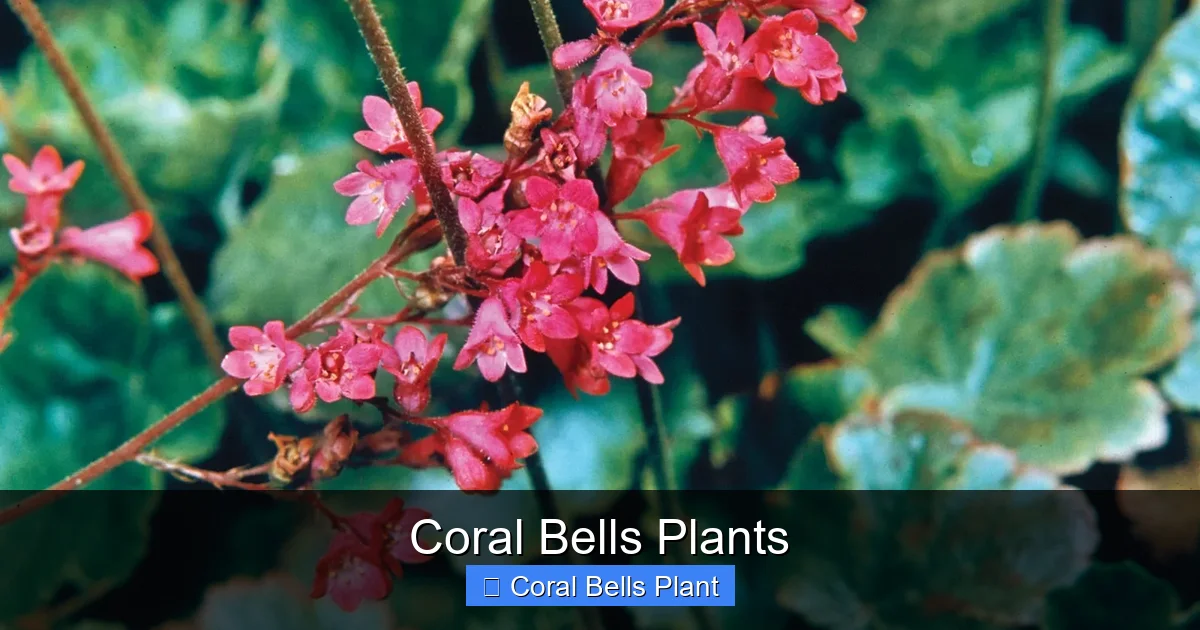
Coral bells plants belong to the Saxifragaceae family. The genus Heuchera contains around 50 species native to North America. They grow naturally in woodlands, rocky cliffs, and alpine meadows. This diverse native range explains their adaptability. The common name comes from the tiny bell-shaped flowers that bloom on tall wiry stems. These flowers are usually coral pink, red, or white. They hover above the foliage like a cloud. However, modern breeding has shifted the focus. Today, most gardeners grow coral bells plants for their spectacular leaves.
The foliage forms a neat mound. Leaves are rounded or lobed, often with ruffled edges. They emerge from a central crown. The crown sits at or just below soil level. This growth habit makes them excellent for edging paths. They also work well in mixed containers. Most coral bells plants reach 12 to 18 inches tall and wide. Flower stems can add another 12 to 24 inches of height. The overall form is tidy and compact. They rarely need staking or pruning to look good.
Why Gardeners Love Them
The popularity of coral bells plants has exploded for good reason. First, they solve the shade garden dilemma. Finding colorful plants for low light is a constant struggle. Hostas and ferns are great, but they are mostly green. Coral bells plants bring purple, silver, orange, and gold to dark corners. Second, they offer multi-season appeal. In mild climates, the leaves persist through winter. Even in cold zones, they are among the first to emerge in spring. Third, they play well with others. Their mounding habit and varied textures complement almost any plant partner.
Another big draw is their deer and rabbit resistance. The leaves contain compounds that taste bitter to browsing animals. While no plant is completely proof, coral bells plants are rarely damaged. They also have few serious pest or disease issues. Powdery mildew can appear in humid conditions with poor airflow. Crown rot happens in soggy soil. Both are preventable with proper siting and care. For busy gardeners, this low-maintenance nature is a huge plus.
Choosing the Right Variety
Color Categories
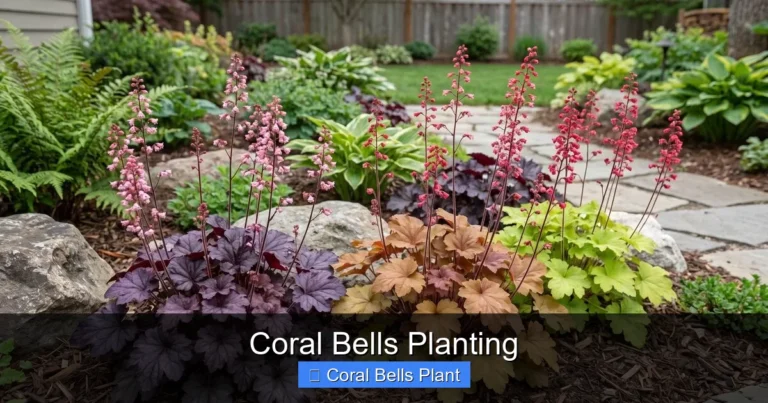
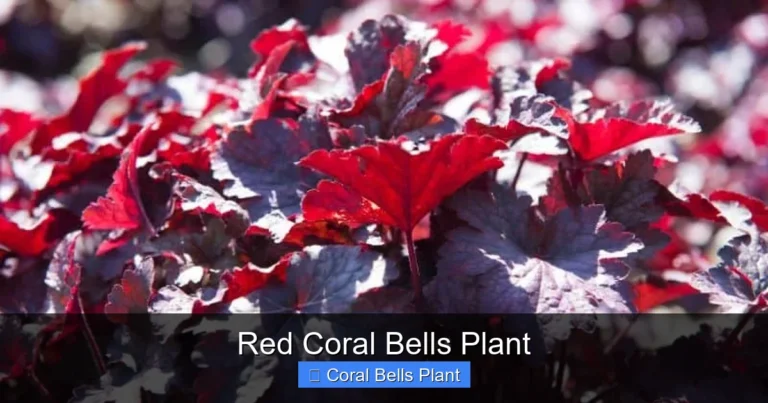
With hundreds of cultivars on the market, choosing can feel overwhelming. A good strategy is to shop by color family. Purple and near-black varieties create drama. Look for ‘Palace Purple’, ‘Obsidian’, or ‘Black Pearl’. These hold their dark color best with some morning sun. Silver and pewter types brighten shady spots. ‘Silver Scrolls’, ‘Appletini’, and ‘Twist of Lime’ practically glow in low light. Chartreuse and gold varieties act like spotlights. ‘Lime Rickey’, ‘Electra’, and ‘Caramel’ warm up cool shadows.
Caramel and amber tones bridge warm and cool palettes. ‘Georgia Peach’, ‘Peach Flambe’, and ‘Ginger Ale’ shift colors through the seasons. They often start peach in spring, turn amber in summer, and deepen to rose in fall. Variegated types add pattern. ‘Marmalade’, ‘Delta Dawn’, and ‘Fire Alarm’ show multiple colors on each leaf. Green-leaved varieties are the most sun-tolerant. They also tend to be the most vigorous. If you struggle with other colors, start with a green one like ‘Green Spice’.
Matching Variety to Conditions
Not all coral bells plants handle the same conditions. This is where knowing the parentage helps. Heuchera villosa hybrids tolerate heat and humidity. They have fuzzy leaves and larger stature. ‘Autumn Bride’, ‘Brownies’, and ‘Mocha’ thrive in the Deep South. Heuchera micrantha types handle cold well. They are compact and very hardy. ‘Palace Purple’ and ‘Plum Pudding’ survive zone 3 winters. Heuchera sanguinea varieties love dry, rocky soil. They are perfect for rock gardens and xeric landscapes.
For containers, choose compact varieties. ‘Petite Pearl Fairy’, ‘Little Cutie’ series, and ‘Coral Petite’ stay under 10 inches. They will not overwhelm a pot. For ground cover, pick vigorous spreaders. ‘Caramel’, ‘Citronelle’, and ‘Lime Rickey’ fill in quickly. If you want flowers that show well, select varieties bred for bloom. ‘Cherry Cola’, ‘Firefly’, and ‘Paris’ have showier flower stems. They also rebloom if deadheaded. Read plant tags carefully. Good labels list parentage, hardiness zone, and sun tolerance.
Planting Coral Bells Plants Successfully
When to Plant
Spring and fall are the ideal planting times for coral bells plants. Spring planting gives roots time to establish before summer heat. Aim for after the last frost date in your area. Fall planting works well in zones 6 and warmer. Plant at least six weeks before the ground freezes. This allows root growth before dormancy. Avoid summer planting unless you can provide consistent moisture and shade. Winter planting is only possible in frost-free climates.
Container-grown coral bells plants can technically go in the ground any time the soil is workable. However, you will water less and see better results if you stick to the optimal windows. If you must plant in summer, choose a cloudy day. Water the plant thoroughly before removing it from the pot. Provide temporary shade for the first week. Mulch heavily to keep roots cool. Check moisture daily. The extra effort pays off in survival rates.
Site Selection
Most coral bells plants prefer morning sun and afternoon shade. This means an east-facing bed or dappled light under deciduous trees. In cool summer climates (zones 4-6), many varieties take full sun with adequate moisture. In hot climates (zones 8-9), full shade is often necessary. The darker the foliage, the more sun it usually needs to maintain color. Purple and black types may turn greenish in deep shade. Chartreuse and gold types can scorch in too much sun. Silver varieties are the most adaptable.
Soil drainage is critical. Coral bells plants hate wet feet. Their crowns rot quickly in soggy conditions. Heavy clay soil needs amendment. Mix in compost, coarse sand, or fine pine bark. Aim for a light, humus-rich soil that holds moisture but drains freely. A slightly acidic to neutral pH (6.0-7.0) is ideal. Test your soil if unsure. Raised beds or berms solve drainage problems beautifully. They also showcase the foliage at eye level.
Spacing and Depth
Space coral bells plants 12 to 18 inches apart depending on mature size. Check the label for specific variety spread. Planting too close reduces airflow. This invites fungal issues. Planting too far leaves gaps that weeds fill. For a quick ground cover effect, space at the tight end. For specimen plants, give them room to show their form. When planting in groups, use odd numbers. Three, five, or seven plants create a natural drift.
Planting depth is the most common mistake. The crown must sit at soil level. Not buried. Not exposed. If the crown is buried, it rots. If exposed, it dries out and heaves in winter. Gently firm soil around roots. Water thoroughly to settle soil and eliminate air pockets. Apply a thin layer of mulch. Keep mulch away from the crown. Shredded leaves, pine straw, or bark fines work well. Avoid heavy wood chips that trap moisture against the stem.
Ongoing Care and Maintenance
Watering Needs
Newly planted coral bells plants need consistent moisture. Water deeply two to three times per week for the first month. Reduce to once weekly after that. Established plants are surprisingly drought tolerant. Their thick roots store water. However, they look best with regular moisture during dry spells. Aim for one inch of water per week from rain or irrigation. Water at the base. Wet foliage encourages disease. Soaker hoses or drip irrigation are ideal.
Container-grown coral bells plants dry out faster. Check them daily in hot weather. Water until it drains from the bottom holes. Reduce watering in fall as growth slows. In winter, water only during extended dry thaws. Never let pots freeze solid with dry soil. The roots will desiccate. A thick mulch layer helps regulate soil temperature and moisture. Group containers together for mutual shade and humidity.
Fertilizing Schedule
Coral bells plants are light feeders. Too much fertilizer produces lush, weak growth. It also reduces foliage color intensity. Apply a balanced slow-release fertilizer in early spring. A 10-10-10 or 14-14-14 formula works well. Scatter granules around the base. Avoid touching the crown. Water in thoroughly. Alternatively, top-dress with an inch of compost each spring. This feeds slowly and improves soil structure.
Skip fall fertilizing. You do not want tender new growth heading into winter. If leaves look pale or growth is stunted in summer, a liquid feed at half strength can help. Fish emulsion or seaweed extract are gentle options. Stop all feeding by late July in cold climates. In warm zones, a light fall feeding supports winter foliage. Always err on the side of less. These plants thrive in lean conditions.
Seasonal Cleanup
Spring is the main maintenance season for coral bells plants. Remove any winter-damaged leaves. Cut them off at the base with clean scissors. Do not pull. Pulling can damage the crown. If the plant looks ragged, you can shear the whole mound to 3 inches. Fresh growth will emerge quickly. This rejuvenation pruning works best in early spring before new leaves unfurl.
Deadhead spent flower stems after blooming. Cut them back to the base. This tidies the plant and may encourage rebloom. Some gardeners remove flower stems before they open. They prefer the clean foliage look. This also directs energy into leaf production. In fall, leave the foliage intact. It protects the crown over winter. Only remove leaves that are clearly diseased. Apply a light mulch after the ground freezes in cold zones.
Dividing Coral Bells Plants
Division keeps coral bells plants vigorous. Do it every three to four years. Signs it is time: the center becomes woody and bare, flowering decreases, or the plant heaves out of the ground. Spring division is best in cold climates. Fall works in mild areas. Water the plant well the day before. Dig up the entire clump. Shake off excess soil. You will see individual rosettes connected by woody stems.
Pull or cut apart the rosettes. Each division needs roots and a growing point. Discard the woody center. Replant healthy pieces immediately. Space them as new plants. Water well. Keep shaded for a week. Divisions may look sad at first. They bounce back quickly. You will often get five or more new plants from one old clump. Share extras with friends. Or fill new garden beds for free.
Designing with Coral Bells Plants
Companion Planting
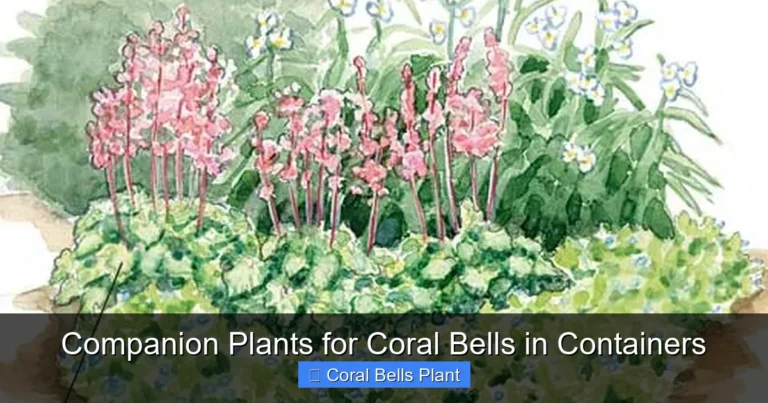
Coral bells plants shine in mixed plantings. Their mounding form and textured leaves contrast beautifully with vertical plants. Pair them with ferns for a classic woodland look. Japanese painted fern echoes silver tones. Ostrich fern provides tall backdrop. Hostas offer broad leaves in complementary colors. Blue hostas make purple coral bells plants pop. Gold hostas warm up silver varieties. The texture play is endless.
For seasonal interest, add spring bulbs. Snowdrops, crocus, and species tulips bloom before coral bells plants fully leaf out. The emerging foliage hides dying bulb leaves. Summer companions include astilbe, foamflower, and lungwort. All share similar cultural needs. Fall bloomers like Japanese anemone and toad lily extend the show. Evergreen partners such as hellebore, epimedium, and carex provide winter structure. The key is matching light and moisture requirements.
In sunny borders, coral bells plants work with ornamental grasses. Blue fescue mirrors silver foliage. Hakone grass echoes gold tones. Sedum and sempervivum share the drought tolerance. Salvia and catmint add vertical spikes. The combination creates a tapestry effect. In containers, use coral bells plants as the filler. Pair with a thriller like cordyline or canna. Add a spiller such as creeping jenny or sweet potato vine. The formula works every time.
Garden Styles
Coral bells plants fit almost any garden style. In cottage gardens, their ruffled leaves feel right at home. Mix pastel varieties with roses, peonies, and delphiniums. Let them self-sow gently. In modern landscapes, the bold foliage colors provide architectural interest. Plant drifts of a single variety for impact. Black or chartreuse types make strong statements. Use steel edging to keep lines clean.
Woodland gardens are their native habitat. Scatter them along paths. Tuck them between rocks. Let them mingle with native wildflowers. They naturalize beautifully. In rock gardens, choose compact, sun-tolerant varieties. Plant in crevices with gritty soil. Their evergreen foliage softens hard edges year-round. For formal gardens, use symmetrical plantings. Alternate two colors in a knot garden pattern. Clip edges neatly. The versatility is remarkable.
Container Combinations
Coral bells plants are container superstars. They look good from early spring to late fall. In mild zones, they are year-round container residents. Choose a pot with drainage holes. Use high-quality potting mix. Add perlite for extra drainage. Plant one variety per pot for a specimen look. Or mix three colors in a large trough. The foliage contrast is stunning. Underplant with spring bulbs for a layered effect.
For shade containers, combine coral bells plants with ferns, caladiums, and begonias. The texture mix is lush and tropical. For sun containers (in cool climates), pair with succulents, grasses, and dwarf conifers. The water needs align well. Water containers when the top inch of soil feels dry. Fertilize monthly with diluted liquid feed. Repot every two years in fresh mix. Divide at the same time if crowded.
Troubleshooting Common Problems
Foliage Issues
Leaf scorch appears as brown, crispy edges. It happens from too much sun or not enough water. Move the plant to a shadier spot. Increase watering. Mulch heavily. New growth will be fine. Sunscald shows as bleached patches on leaves. This is sunburn. It occurs when a shade-grown plant gets sudden intense light. Acclimate plants gradually when moving them. Provide temporary shade cloth.
Color fading is common. Purple leaves turn green in deep shade. Gold leaves turn chartreuse. This is not a health problem. It is a light response. Move to brighter conditions if color matters. Some varieties naturally shift through seasons. ‘Caramel’ goes from peach to amber to pink. This is a feature, not a bug. Enjoy the show. If new growth looks normal, the plant is healthy.
Holes in leaves usually mean slugs or snails. These pests love the tender foliage. Check at night with a flashlight. Handpick into soapy water. Use iron phosphate bait. Diatomaceous earth barriers help. Beer traps work too. Deer and rabbit damage shows as cleanly clipped stems. The bitter taste usually deters them. If they eat it anyway, apply repellent spray. Rotate products for effectiveness.
Root and Crown Problems
Crown rot is the number one killer of coral bells plants. Symptoms: wilting despite moist soil, blackened crown, foul smell. It is caused by fungi in wet, poorly drained soil. Prevention is everything. Plant high. Amend heavy soil. Do not overwater. Mulch away from crown. If caught early, dig up the plant. Cut away all rotten tissue. Dust with fungicide. Replant in fresh, well-drained soil. Success rate is low once advanced.
Heaving happens in freeze-thaw cycles. The crown pushes out of the ground. Roots are exposed to drying air. This is common in clay soil and new plantings. Fix it by gently pressing the plant back down. Do not step on it. Mulch heavily after the ground freezes. Pine boughs or straw work well. In spring, replant at correct depth if needed. Dividing old woody plants reduces heaving.
Root weevils are nocturnal beetles. Adults notch leaf edges. Larvae eat roots. Plants wilt and decline. Check for C-shaped white grubs in soil. Beneficial nematodes control larvae. Apply in spring and fall. Adults can be trapped under boards at night. Collect and destroy. Keep garden clean. Remove leaf litter where they hide. Healthy plants tolerate some damage.
Disease Management
Powdery mildew appears as white dust on leaves. It thrives in humid, still air. Space plants for airflow. Water at soil level. Remove affected leaves. Spray with neem oil or potassium bicarbonate. Resistant varieties help. ‘Caramel’, ‘Citronelle’, and villosa hybrids show good resistance. Rust shows as orange pustules on leaf undersides. Remove infected leaves. Improve airflow. Avoid overhead watering.
Bacterial leaf spot causes water-soaked lesions with yellow halos. It spreads in wet conditions. Remove affected leaves immediately. Sterilize tools between plants. Copper sprays may slow spread. There is no cure. Prevention through sanitation is key. Botrytis (gray mold) attacks in cool, damp weather. It looks like fuzzy gray growth. Remove infected parts. Increase spacing. Improve drainage. Fungicides are preventive only.
Propagation Methods
Division
Division is the easiest and most reliable way to propagate coral bells plants. We covered the basics earlier. Here are pro tips. Divide on a cool, cloudy day. Use a sharp spade or knife. Clean tools with alcohol between plants. Each division needs at least three rosettes for quick recovery. Smaller pieces work but take longer. Pot up divisions in nursery pots. Grow them in a protected spot for a month. Then plant out or share.
Fall divisions in cold zones need extra care. Pot them up. Keep in an unheated garage or cold frame. Water monthly. Plant out in early spring. This prevents heaving. Spring divisions establish faster in the ground. But fall divisions get a head start on root growth. Choose based on your climate and schedule. Either works if you follow through with care.
Seed Growing
Growing coral bells plants from seed is fun but unpredictable. Hybrid varieties do not come true from seed. Seedlings will vary. This is great if you want unique plants. It is frustrating if you want a specific cultivar. Species types like Heuchera sanguinea come relatively true. Collect seed when capsules turn brown and split. Sow fresh or store cool and dry. Surface sow on moist seed mix. Do not cover. Light aids germination.
Keep at 65-70 degrees Fahrenheit. Germination takes 10-60 days. Tiny seedlings need careful watering. Bottom water to avoid damping off. Provide bright indirect light. Fertilize weakly after true leaves appear. Transplant to individual pots at four-leaf stage. Grow on for a season before planting out. Expect first bloom in year two. The variation in foliage color is exciting. You might discover a new favorite.
Leaf Cuttings
Leaf cuttings are a lesser-known method. They work best with large-leaved varieties. Take a healthy leaf with a short petiole (stem). Dip the cut end in rooting hormone. Insert into moist perlite or sand. Cover with a plastic bag. Place in bright indirect light. Roots and a tiny plantlet form at the base in 4-8 weeks. Pot up the plantlet. This method produces clones of the parent. It is slower than division but useful for rare varieties.
Seasonal Interest Throughout the Year
Spring Awakening
Spring is the most dramatic season for coral bells plants. Fresh leaves emerge in intense colors. The new growth often differs from mature foliage. ‘Peach Flambe’ starts bright coral. ‘Midnight Rose’ emerges pink-flecked black. ‘Lime Rickey’ glows electric green. This show lasts four to six weeks. Flower stems begin rising in late spring. Tiny buds promise summer blooms. It is the best time to evaluate your collection. Take photos. Note which varieties perform best.
Spring is also planting and dividing season. Garden centers have the best selection now. Buy plants in bud for instant color. Check crowns for health. Avoid plants with yellowing lower leaves. Plant as soon as soil is workable. Water well. Mulch. Watch them take off. Spring rains usually handle watering. If it is dry, supplement. The investment pays off all season.
Summer Bloom
Summer brings the flowers. Wiry stems rise above the mound. They sway in the slightest breeze. Hummingbirds visit constantly. Bees work the tiny bells. The bloom period lasts four to eight weeks depending on variety. Deadheading extends it. Some varieties rebloom in fall. ‘Paris’, ‘Cherry Cola’, and ‘Rave On’ are bred for repeat flowering. Cut stems for tiny bouquets. They last a week in water.
Summer is stress season in hot climates. Watch for scorch. Water deeply during drought. Mulch conserves moisture. Afternoon shade is crucial. In cooler zones, full sun plants may need extra water. Container plants need daily checks. Fertilize lightly if growth slows. Remove any diseased leaves promptly. Summer is also when you see the mature foliage colors. They deepen and richen in the heat.
Fall Transformation
Fall brings a second color show for many coral bells plants. Cooler temperatures intensify pigments. Veining becomes more pronounced. Silver overlays develop. ‘Caramel’ turns deep amber. ‘Georgia Peach’ glows rose-gold. ‘Plum Pudding’ darkens to purple-black. This transformation rivals any maple tree. It lasts until hard frost. In mild zones, the color holds all winter.
Fall is the second planting window. Divisions establish well now. Plant six weeks before ground freeze. Water until frost. Mulch heavily after freeze. Do not fertilize. Clean up flower stems. Leave foliage. It insulates the crown. Fall is also seed collection time. Watch for splitting capsules. Sow immediately or store. Plan next year’s additions. The garden centers clear out stock. Bargains await.
Winter Structure
In zones 6 and warmer, coral bells plants are essentially evergreen. The foliage persists beautifully. Frost crystals on ruffled leaves are magical. Snow highlights the mound shapes. They provide rare winter color. In colder zones, leaves may flatten or brown. But the crown survives underground. New growth emerges early. Often before crocus. This early start is valuable.
Winter is planning time. Review photos. Note gaps. Dream of new varieties. Order from specialty nurseries. Many ship bare-root in early spring. Read catalogs for new introductions. Breeders release exciting plants yearly. Recent trends: larger leaves, more ruffles, better sun tolerance, brighter flowers. The innovation never stops. Your wish list grows. The garden evolves.
Buying and Selecting Healthy Plants
Where to Shop
Local independent nurseries offer the best selection of coral bells plants. Staff know what grows well in your area. They carry regionally appropriate varieties. You can inspect plants before buying. Farmers markets sometimes have divisions from local growers. These are acclimated to your conditions. Big box stores have limited variety but good prices. Check plant health carefully. Online specialists ship amazing varieties. Read reviews. Check guarantees. Bare-root plants establish well if planted promptly.
Plant swaps and garden club sales are treasure troves. Members divide proven performers. You get local advice free. Botanical garden sales offer unusual types. Proceeds support the garden. Mail-order catalogs arrive in winter. Order early for best selection. Specialty nurseries like Terra Nova, Walters Gardens, and Proven Winners drive breeding. Their websites list retailers. Some ship direct. Compare prices. Factor in shipping.
What to Look For
Healthy coral bells plants have firm, colorful leaves. No yellowing. No brown edges. No holes. Check the crown. It should be at soil level. Not buried. Not exposed. Gently tug the plant. It should hold in the pot. Loose plants may have root rot. Look for white roots at drainage holes. Brown mushy roots are bad. Smell the soil. Sour smell means anaerobic conditions. Avoid.
Check for pests. Turn leaves over. Look for aphids, spider mites, scale. Check crown for weevil notches. Flowers are nice but not necessary. A plant in bud gives instant color. A plant not in bloom puts energy into roots. Both are fine. Avoid plants forced into early bloom with heavy fertilizer. They often crash after planting. Choose compact, well-branched specimens. Leggy plants were crowded or light-starved.
Reading Labels
Plant tags contain vital information. The cultivar name is in single quotes. ‘Caramel’, ‘Obsidian’, etc. The patent number (PP#) indicates a protected variety. You cannot legally propagate it for sale. Hardiness zone range is critical. Sun exposure icons: sun, part sun, shade. Most coral bells plants show part shade to shade. Mature height and width. Spacing recommendation. Bloom time. Special features: deer resistant, attracts hummingbirds, heat tolerant.
QR codes on newer tags link to care videos. Scan them. Some tags list parentage. ‘Villosa hybrid’ means heat tolerance. ‘Micrantha hybrid’ means cold hardiness. ‘Sanguinea hybrid’ means sun and drought tolerance. This helps you match plant to site. If the tag is minimal, ask staff. Or look up the variety online. Knowledge prevents disappointment. A few minutes of research saves years of frustration.
Coral bells plants have earned their place in the garden spotlight. They offer an unbeatable combination of beauty, versatility, and ease. From the deepest shade to the rock garden, there is a variety that will thrive. Their foliage paints the garden in colors no flower can match. Their flowers feed pollinators on delicate stems. Their evergreen presence anchors the winter landscape. And their willingness to multiply means your investment grows.
Start with one or two varieties that catch your eye. Plant them well. Care for them simply. Watch them perform. You will soon understand the obsession. The collector’s itch is real. There are always new colors to try. New combinations to imagine. New garden spots to fill. But even a single coral bells plant makes a difference. It turns a dull corner into a jewel box. It makes you look forward to spring. It makes gardening feel like art. And really, is not that why we garden?
Frequently Asked Questions
What is the best soil for coral bells plants?
Coral bells plants thrive in well-draining, humus-rich soil with a slightly acidic to neutral pH (6.0-7.0). Heavy clay soil should be amended with compost, coarse sand, or pine bark to improve drainage and prevent crown rot.
How often should I water coral bells plants?
Newly planted coral bells plants need watering 2-3 times per week for the first month. Established plants are drought-tolerant but perform best with about 1 inch of water weekly during dry periods. Water at the base to keep foliage dry.
Do coral bells plants come back every year?
Yes, coral bells plants are hardy perennials that return reliably in zones 4-9. Many varieties are evergreen or semi-evergreen in mild climates, providing year-round foliage interest. In colder zones, they die back but re-emerge early in spring.
Should I cut back coral bells plants in fall?
No, do not cut back coral bells plants in fall. The foliage protects the crown during winter. Remove only diseased leaves. In early spring, clean up winter-damaged foliage and shear the plant to 3 inches if it looks ragged.
Why is the center of my coral bells plant dying?
A woody, bare center indicates the plant needs division. This typically happens every 3-4 years. Dig up the clump in spring or fall, separate the healthy outer rosettes, discard the woody center, and replant the divisions.
Can coral bells plants grow in full shade?
Yes, coral bells plants tolerate full shade, especially silver and green-leaved varieties. However, deep shade may reduce foliage color intensity in purple, gold, and variegated types. They will survive but may not display their most vibrant colors.