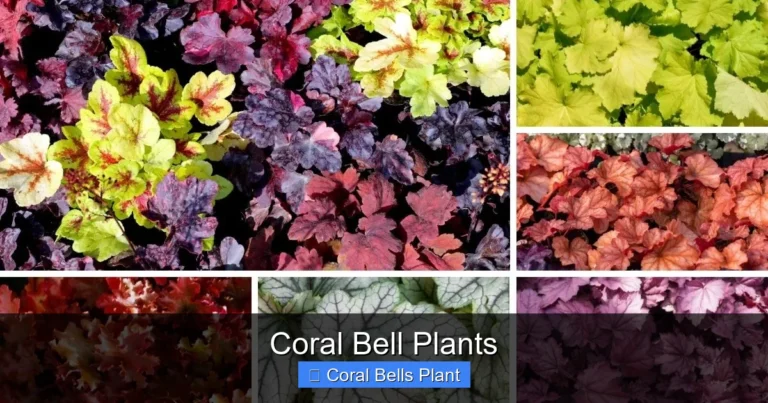
Images of Coral Bell Plants
Images of coral bell plants showcase the dazzling foliage colors and delicate flower spikes that make Heuchera a garden favorite. This guide walks you through identifying varieties, capturing great photos, and using the plants in landscape design.
When you first see a coral bell plant, the bright leaves catch your eye. The foliage can be lime green, deep purple, silver, or even bright orange. Those colors make the plant a star in any garden bed. Photographers love to capture that drama. In this article we explore why images of coral bell plants are so popular and how you can take your own stunning shots.
Heuchera, the scientific name for coral bells, is a perennial that returns year after year. It thrives in partial shade and well‑drained soil. Because the leaves stay attractive through the seasons, gardeners often use them as ground cover or accent plants. The flowers are small but appear on tall, airy spikes that add vertical interest. All of these features make images of coral bell plants a great resource for design inspiration.
Key Takeaways
- Variety matters: Different Heuchera cultivars offer unique leaf hues and textures that shine in photos.
- Lighting is key: Soft morning or late afternoon light brings out the best color in images of coral bell plants.
- Background simplicity: A clean backdrop helps the foliage stand out in every shot.
- Seasonal interest: Spring blooms, summer foliage, and fall color changes give year‑round photo opportunities.
- Design integration: Use photos to plan companion plantings and garden layouts.
- Organization helps: Tag and store images of coral bell plants by variety and season for easy reference.
- Share wisely: Credit sources and use appropriate licenses when posting images online.
Quick Answers to Common Questions
What is the best time of day to photograph coral bell plants?
Early morning or late afternoon provides soft light that reveals true leaf color without harsh shadows.
Which coral bell variety has the most dramatic color change through the seasons?
Heuchera ‘Caramel’ shifts from bright orange to deep copper, offering a striking seasonal transition.
How can I use photos of coral bell plants to plan a garden bed?
Create a digital mood board with images of each variety, then arrange them virtually to test spacing, color combos, and seasonal interest.
Do I need a macro lens for good images of coral bell plants?
A macro lens helps capture fine leaf texture, but a standard lens with a close‑focus setting works well for most garden shots.
What file naming system keeps my coral bell photos organized?
Use Variety_Season_Date.jpg (e.g., LimeRickey_Summer_2024-07-10.jpg) for quick sorting and retrieval.
📑 Table of Contents
Why Images of Coral Bell Plants Matter
Visual reference for plant selection
Before you buy a new cultivar, you want to see how it looks in real life. Nursery tags can be small and colors may differ on a screen. High‑quality images of coral bell plants give you a true sense of leaf hue, texture, and size. You can compare several varieties side by side without leaving your desk.
Inspiration for garden design
Designers often build mood boards using photos. A collection of images of coral bell plants lets you test color combos with hostas, ferns, or ornamental grasses. You can see how the foliage plays against stone, mulch, or water features. This visual planning saves time and reduces costly trial‑and‑error planting.
Educational tool for beginners
New gardeners learn faster when they can see the plant at different stages. Images of coral bell plants that show spring emergence, summer fullness, and fall color change teach the life cycle in a glance. Clear photos also help identify pests or diseases early.
Popular Varieties to Photograph
Heuchera ‘Palace Purple’
This classic cultivar has deep burgundy leaves that almost look black in low light. The contrast with its pale pink flowers is striking. When you shoot images of coral bell plants like ‘Palace Purple’, try a dark background to make the leaves pop.
Heuchera ‘Lime Rickey’
Bright chartreuse foliage makes ‘Lime Rickey’ a standout in shady corners. The leaves have a subtle ruffle that catches light beautifully. Capture images of coral bell plants in the morning when dew adds sparkle.
Heuchera ‘Caramel’
Warm amber tones give ‘Caramel’ a cozy feel. The leaves shift from orange to copper as the season progresses. A series of images of coral bell plants taken weekly shows this transformation dramatically.
Heuchera ‘Silver Scrolls’
Silvery‑white leaves with dark veins create a lace‑like pattern. This variety photographs well in black‑and‑white because the texture becomes the focal point. Try macro shots to highlight the vein network.
Heuchera ‘Fire Alarm’
True to its name, ‘Fire Alarm’ blazes with bright red foliage. The color holds well in full sun, unlike many other cultivars. Use a polarizing filter when shooting images of coral bell plants in harsh light to reduce glare.
Tips for Capturing Stunning Images of Coral Bell Plants
Choose the right time of day
Early morning or late afternoon provides soft, directional light. Midday sun creates harsh shadows and washes out color. If you must shoot at noon, use a diffuser or shoot in open shade.
Mind the background
A cluttered background distracts from the foliage. Position the plant against a plain fence, a sheet of neutral fabric, or a blurred garden bed. A shallow depth of field (wide aperture) helps isolate the subject.
Use a tripod for stability
Even slight camera shake blurs fine leaf details. A sturdy tripod lets you use slower shutter speeds without raising ISO. This is especially useful for macro images of coral bell plants where depth of field is razor thin.
Experiment with angles
Don’t just shoot from standing height. Get low to capture the leaf rosette from the side. Try a top‑down view to show the symmetrical pattern. Each angle reveals a different personality of the plant.
Include a sense of scale
Place a garden tool, a hand, or a known object next to the plant. Viewers can then gauge the actual size. This is helpful when you share images of coral bell plants with fellow gardeners planning spacing.
Post‑process with care
Adjust white balance to match the true leaf color. Boost contrast slightly to enhance texture. Avoid over‑saturation; the goal is a faithful representation that still looks vibrant.
Using Images of Coral Bell Plants in Garden Design
Create a color palette
Gather a set of images of coral bell plants that span the color range you like. Use a digital tool to extract hex codes from the leaves. Build a palette that guides your choice of companion plants, mulch, and hardscape materials.
Plan spacing and layout
Print or display the photos on a tablet while you walk the garden bed. Visualizing the mature size helps you space plants correctly. Remember that most Heuchera spread 12 to 18 inches wide.
Design for seasonal interest
Select varieties that peak at different times. Combine a spring‑blooming type with a summer‑foliage star and a fall‑color changer. A timeline of images of coral bell plants shows the garden’s evolution across months.
Incorporate into container arrangements
Coral bells thrive in pots. Use photos to test combinations with trailing vines, upright grasses, or flowering annuals. Container images of coral bell plants are great for patio design inspiration.
Share with landscape professionals
If you hire a designer, send them a curated folder of images of coral bell plants you love. Clear visual references reduce miscommunication and ensure the final plan matches your vision.
Seasonal Changes and Photo Opportunities
Spring emergence
New leaves unfurl in fresh, vivid tones. Morning dew adds a magical sparkle. Capture images of coral bell plants as they push through the soil for a sense of renewal.
Summer fullness
Leaves reach maximum size and color intensity. Flower spikes rise above the foliage. This is the best time for wide‑angle shots that show the plant’s overall habit.
Fall transformation
Many cultivars deepen to richer reds, purples, or bronzes. The contrast with autumn foliage creates dramatic scenes. A series of images of coral bell plants taken weekly documents the shift.
Winter structure
In milder climates the leaves persist, offering texture against snow or frost. Even when dormant, the crown remains visible. Winter images of coral bell plants highlight the plant’s architectural quality.
Sharing and Organizing Your Images of Coral Bell Plants
File naming conventions
Use a consistent format: Variety_Season_Date.jpg (e.g., PalacePurple_Spring_2024-04-15.jpg). This makes searching effortless later.
Metadata and tags
Add keywords like “Heuchera”, “shade garden”, “foliage color” in the image metadata. Most photo managers let you filter by tags, so you can pull all images of coral bell plants for a specific project instantly.
Backup strategy
Store copies on an external drive and a cloud service. A 3‑2‑1 rule (three copies, two media types, one off‑site) protects your work from loss.
Licensing and credit
If you download images from a stock site, note the license type. For your own photos, consider adding a subtle watermark if you plan to share publicly. Always credit the photographer when required.
Community sharing
Join gardening forums or social media groups. Post your best images of coral bell plants with care tips. Engagement often leads to valuable feedback and new variety discoveries.
Conclusion
Images of coral bell plants are more than pretty pictures. They are practical tools for selection, design, education, and communication. By learning a few photography basics and organizing your shots, you build a personal library that serves you season after season. Whether you are a weekend gardener or a professional designer, a well‑curated collection of images of coral bell plants will inspire better gardens and happier plants. Grab your camera, head to the shade, and start capturing the color magic today.
Frequently Asked Questions
Can coral bell plants grow in full sun?
Most Heuchera prefer partial shade, but a few cultivars like ‘Fire Alarm’ tolerate more sun if kept moist.
How often should I water coral bells?
Water when the top inch of soil feels dry; consistent moisture without soggy conditions promotes healthy foliage.
Are coral bell plants deer resistant?
Yes, the bitter taste of the leaves usually deters deer, making them a good choice for wildlife‑prone areas.
When do coral bells bloom?
Flower spikes typically appear in late spring to early summer, depending on the variety and climate.
Can I divide coral bell plants?
Divide clumps every three to four years in early spring or fall to rejuvenate growth and create new plants.
What soil pH do coral bells prefer?
They thrive in slightly acidic to neutral soil, ideally between pH 6.0 and 7.0.