Coral Bells Where to Plant
Coral bells thrive in partial shade with well‑drained soil. Choose a spot that gets morning sun and afternoon shade for the best color. Water regularly and mulch to keep roots cool.
Coral bells are a favorite for shade gardens. They bring color and texture all season.
This guide shows you coral bells where to plant for the best results.
Key Takeaways
- Light Needs: Plant coral bells where they receive morning sun and afternoon shade.
- Soil Preference: Use loose, fertile soil that drains well.
- Watering: Keep soil evenly moist but not soggy.
- Mulching: Apply a thin layer of organic mulch to retain moisture.
- Companion Plants: Pair with hostas, ferns, and astilbes for a layered look.
- Seasonal Care: Cut back dead foliage in early spring and divide clumps every few years.
Quick Answers to Common Questions
What light is best for coral bells?
Morning sun with afternoon shade gives the best color and health.
How often should I water coral bells?
Water deeply once a week during dry periods, keeping soil evenly moist.
What soil do coral bells prefer?
Loose, well‑drained soil rich in organic matter with a slightly acidic pH.
When should I divide coral bells?
Divide clumps every three years in early fall for vigorous growth.
Which pests attack coral bells?
Slugs, snails, and fungal leaf spots are the most common problems.
📑 Table of Contents
Understanding Coral Bells Basics
What Are Coral Bells
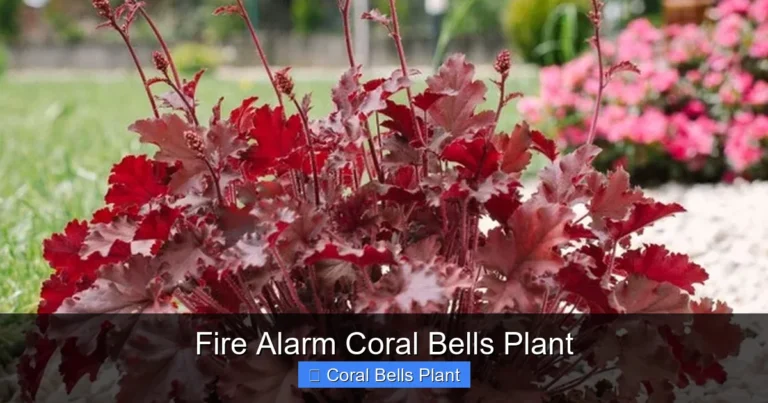
Coral bells are small perennials with bright leaves. They grow in clumps and return each year. Gardeners love them for color. Think about coral bells where to plant when you pick a site.
These plants stay low and spread slowly. They need little space to thrive. A good rule for coral bells where to plant is twelve inches between each plant.
Coral bells thrive in zones four through nine. They tolerate cold winters and hot summers. Check your zone before you decide coral bells where to plant.
Growth Habit
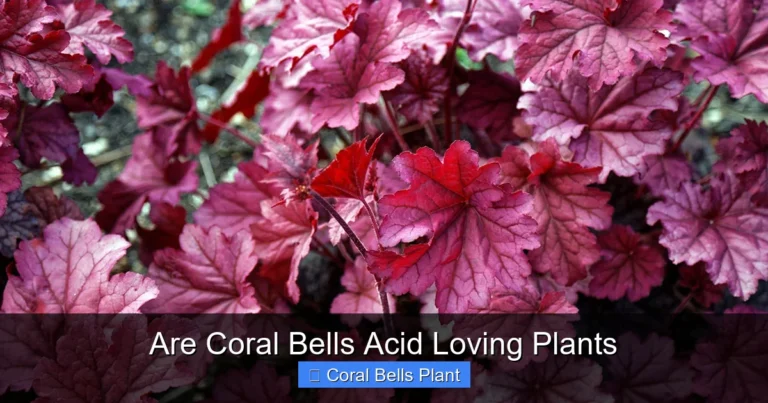
Coral bells form tidy mounds of foliage. They rarely need staking. The leaves change color through the season. Consider coral bells where to plant for a long lasting display.
New growth emerges in early spring. Old leaves die back in winter. This cycle repeats each year. Plan coral bells where to plant with this rhythm in mind.
Clumps can be divided to make more plants. Division is easy and quick. It helps keep the plants vigorous. Use coral bells where to plant as a guide for spacing divisions.
Hardiness Zones
Zone four is the coldest limit for coral bells. Zone nine is the warmest limit. In extreme zones provide extra mulch. Remember coral bells where to plant when you choose a zone.
Microclimates can shift the effective zone. A sheltered spot may act like a warmer zone. Observe your garden before you set coral bells where to plant.
Local extension services can confirm your zone. They also give planting dates. Follow their advice for coral bells where to plant.
Ideal Light Conditions for Coral Bells
Morning Sun Is Best
Morning sun gives bright color without burning leaves. Afternoon shade protects the plant from heat. This balance is key for coral bells where to plant.
Place the plant where it gets three to four hours of morning light. Too much sun fades the foliage. Watch the light pattern before you fix coral bells where to plant.
If morning sun is limited, bright indirect light works. The plant will still show good color. Adjust coral bells where to plant based on available light.
Full Shade Works Too
Deep shade can work but colors may be less vivid. Light shade still supports healthy growth. Choose a spot with dappled light for coral bells where to plant.
Under a tree canopy is a classic spot. The filtered light mimics forest floor conditions. This is a natural coral bells where to plant location.
Too much darkness slows growth. Leaves may become thin. Ensure some light reaches the plant for coral bells where to plant.
Avoid Harsh Afternoon Sun
Strong afternoon sun can scorch the foliage. Leaves may turn brown at the edges. Protect plants from intense rays when you plan coral bells where to plant.
Use a shade cloth or taller companions to block late sun. This simple step saves the leaves. It is a practical tip for coral bells where to plant.
Observe the garden at midday. Note where shadows fall. Use that data to set coral bells where to plant.
Soil Requirements and Preparation
Well Drained Soil Is Essential
Heavy clay holds water and can rot roots. Add compost or sand to improve drainage. Good drainage is a top tip for coral bells where to plant.
Test drainage by digging a hole and filling with water. If it drains in an hour the soil is ready. This test guides coral bells where to plant.
Raised beds solve drainage problems quickly. They also warm faster in spring. Consider raised beds for coral bells where to plant.
Rich Organic Matter Helps
Mix in leaf mold or well rotted manure. This feeds the plant and holds moisture. Fertile soil supports strong growth for coral bells where to plant.
Spread a two inch layer of compost over the planting area. Work it into the top six inches. This preparation helps coral bells where to plant thrive.
Organic matter also improves soil structure. It creates air pockets for roots. Good structure is vital for coral bells where to plant.
Soil pH Preference
Coral bells prefer slightly acidic to neutral pH. Test your soil and amend if needed. Proper pH makes a difference for coral bells where to plant.
Add sulfur to lower pH or lime to raise it. Follow package rates carefully. Small adjustments keep coral bells where to plant happy.
Re‑test pH each year. Soil changes over time. Ongoing monitoring benefits coral bells where to plant.
Watering Mulching and Feeding
Consistent Moisture
Water deeply once a week during dry spells. Keep the soil evenly moist but not soggy. Regular watering is vital for coral bells where to plant.
Use a soaker hose to avoid wet leaves. Wet foliage invites disease. This method protects coral bells where to plant.
Check soil with your finger. If the top inch feels dry it is time to water. Simple checks guide coral bells where to plant care.
Mulch To Conserve Water
Apply a two inch layer of shredded bark. Mulch keeps roots cool and reduces weeds. Mulching is a simple step for coral bells where to plant.
Refresh mulch each spring as it breaks down. Fresh mulch adds nutrients slowly. This cycle supports coral bells where to plant.
Avoid piling mulch against the crown. Keep a small gap to prevent rot. Proper mulch placement helps coral bells where to plant.
Light Feeding In Spring
Use a balanced slow release fertilizer in early spring. Too much nitrogen can cause weak stems. Light feeding helps coral bells where to plant thrive.
Apply fertilizer according to label rates. Overfeeding harms more than helps. Follow directions for coral bells where to plant.
Organic options like fish emulsion work well. They release nutrients gently. Choose organic for coral bells where to plant if you prefer.
Companion Planting and Garden Design
Pair With Hostas
Hostas share similar light and water needs. Their broad leaves contrast with coral bells foliage. This combo works well for coral bells where to plant.
Plant hostas behind coral bells for a layered look. The height difference adds depth. Design with coral bells where to plant in mind.
Both plants enjoy rich soil. Amend the bed once for both. Shared care simplifies coral bells where to plant maintenance.
Add Ferns For Texture
Ferns bring fine texture and love shade. They fill gaps between clumps. Ferns are great partners for coral bells where to plant.
Choose native ferns for best adaptation. They require little extra care. This synergy benefits coral bells where to plant.
Ferns also help keep soil moist. Their fronds shade the ground. Moisture retention aids coral bells where to plant.
Use Astilbes For Color
Astilbes bloom in early summer with feathery plumes. Their flowers add height and color. They complement coral bells where to plant nicely.
Plant astilbes in front of coral bells for a color wave. The bloom time overlaps with coral bells foliage peak. This timing enhances coral bells where to plant.
Both plants like moist soil. Water them together. Shared watering simplifies coral bells where to plant routine.
Seasonal Maintenance and Troubleshooting
Spring Clean Up
Remove dead leaves in early spring. Cut back any damaged stems. This encourages fresh growth for coral bells where to plant.
Rake away old mulch and replace with fresh. Clean beds reduce disease pressure. A tidy start helps coral bells where to plant.
Inspect crowns for rot. Healthy crowns are firm and white. Early detection saves coral bells where to plant.
Divide Every Three Years
Lift clumps and split them in early fall. Replant divisions with space. Division keeps plants vigorous for coral bells where to plant.
Use a sharp spade to cut the root ball. Each piece needs roots and shoots. Proper division ensures coral bells where to plant success.
Water new divisions well after planting. Keep them moist until established. Careful aftercare supports coral bells where to plant.
Watch For Pests And Disease
Slugs and snails love the tender leaves. Use beer traps or copper tape. Fungal spots appear in wet weather. Good air flow helps prevent problems for coral bells where to plant.
Inspect leaves weekly for holes or discoloration. Early action stops spread. Vigilance protects coral bells where to plant.
Remove affected foliage promptly. Dispose of it away from the garden. Sanitation keeps coral bells where to plant healthy.
Conclusion: Plant coral bells where to plant with the right light, soil, and water. Follow these simple steps and enjoy vibrant foliage all season.
Frequently Asked Questions
Can coral bells grow in full shade?
Yes, coral bells tolerate full shade but their foliage color may be less intense.
Do coral bells need fertilizer?
A light application of balanced slow‑release fertilizer in spring is sufficient.
How far apart should I space coral bells?
Space plants about twelve inches apart to allow air flow and mature size.
Are coral bells deer resistant?
Coral bells are generally deer resistant due to their bitter foliage.
Can I grow coral bells in containers?
Yes, use a well‑draining potting mix and keep the container in partial shade.
When do coral bells bloom?
Coral bells produce small bell‑shaped flowers in late spring to early summer.