Coral Bells When to Plant
Coral bells (Heuchera) thrive when planted in spring or fall, giving roots time to establish before extreme temperatures. Spring planting after the last frost allows a full growing season, while fall planting 6-8 weeks before first frost promotes strong root development for next year’s growth.
Key Takeaways
- Best planting windows: Early spring after frost or early fall 6-8 weeks before first frost for optimal root establishment
- Zone matters: Cooler zones (3-6) favor spring planting; warmer zones (7-9) can plant in fall or even winter
- Soil temperature is key: Aim for 50-65°F soil temperature for fastest root growth and reduced transplant shock
- Avoid summer heat: Mid-summer planting stresses plants and requires constant watering to prevent failure
- Container flexibility: Potted coral bells can be planted nearly anytime with proper care and watering
- Division timing: Divide established clumps in early spring or fall when plants are dormant or just waking up
- Mulch after planting: Apply 2-3 inches of mulch to regulate soil temperature and retain moisture during establishment
Quick Answers to Common Questions
What is the absolute best month to plant coral bells?
There is no single best month. It depends on your zone. In zones 3-6, May or September. In zones 7-9, October or March. The universal rule: plant when soil is 50-65°F and extreme weather is 6-8 weeks away.
Can I plant coral bells in summer if I water them daily?
You can, but success rates drop dramatically. Even with daily watering, heat stress damages tender new roots. If you must plant in summer, use container-grown plants, provide afternoon shade, mulch heavily, and expect some leaf scorch.
How late in fall can I plant coral bells?
Plant at least 6 weeks before your average first hard frost date. In zone 5, that means mid-September. In zone 7, late October. In zone 8, November works. Roots need time to anchor before the ground freezes.
Should I fertilize coral bells when planting?
No. Fertilizer burns tender new roots. Wait 4-6 weeks until you see active new growth. Then apply a slow-release balanced fertilizer at half strength. Better yet, amend soil with compost before planting for gentle, long-term nutrition.
Can coral bells be planted in winter?
In zones 8-10, yes. Winter planting works well because soil stays warm enough for root growth while air temperatures stay cool. In zones 3-7, winter planting fails because frozen soil prevents root establishment and freeze-thaw cycles heave plants out.
📑 Table of Contents
- Understanding Coral Bells and Their Planting Needs
- Why Timing Matters for Coral Bells Success
- Spring Planting: The Classic Choice
- Fall Planting: The Underrated Gem
- Planting by Hardiness Zone: A Detailed Guide
- Special Situations: Containers, Divisions, and Bare Root
- Soil Preparation: The Foundation of Success
- Post-Planting Care: The First Critical Weeks
- Common Mistakes and How to Avoid Them
- Variety-Specific Planting Considerations
- Seasonal Calendar: Month-by-Month Planting Guide
- Conclusion: Your Coral Bells Journey Starts Now
Understanding Coral Bells and Their Planting Needs
Coral bells bring incredible color to shade gardens. Their ruffled leaves come in purple, caramel, lime green, and near-black shades. These perennials are tough, versatile, and long-lived. But timing makes all the difference. Getting coral bells when to plant right means the difference between struggling plants and a thriving display.
Heuchera species are native to North America. They grow in woodlands, rocky slopes, and alpine meadows. This tells us they like well-drained soil and dappled light. They hate wet feet. They also hate baking heat. Understanding their natural preferences helps you choose the perfect planting window.
Why Timing Matters for Coral Bells Success
Roots need time to anchor before weather extremes hit. Spring planting gives roots a full season to grow deep. Fall planting lets roots establish in cool, moist soil without top-growth demands. Both work well. The worst time? Mid-summer. Heat and drought stress new transplants terribly.
Transplant shock is real. When you move a plant, roots get damaged. They cannot uptake water efficiently. Hot sun increases water loss through leaves. The plant wilts, declines, and may die. Cool temperatures reduce this stress dramatically. That is why coral bells when to plant focuses on shoulder seasons.
The Science Behind Root Establishment
Root growth happens at specific soil temperatures. For coral bells, the sweet spot is 50 to 65 degrees Fahrenheit. Above 75 degrees, root growth slows. Below 40 degrees, it nearly stops. Spring and fall soils sit in this goldilocks zone naturally. This biological fact drives all planting recommendations.
New roots explore surrounding soil. They seek water and nutrients. They anchor the plant against wind. This takes weeks. A spring-planted coral bell has months before winter. A fall-planted one has weeks before freeze. Both work if timed correctly. Summer planting? Roots bake before they can grow.
Signs of Poor Timing
Watch for these red flags. Plants that wilt daily despite watering. Leaves that scorch at edges. No new growth after three weeks. Yellowing lower leaves. These signal root failure. The plant cannot support its top growth. Proper timing prevents most of these issues entirely.
Spring Planting: The Classic Choice
Spring is the most popular time for coral bells when to plant decisions. Nurseries stock up. Selection is best. Soil warms steadily. Rainfall is usually reliable. Plants get a full growing season to bulk up before winter. This is especially important in cold climates.
Wait until danger of hard frost passes. In zone 5, that is usually late April to early May. In zone 7, mid-March works. Check your local frost dates. Soil should be workable, not soggy. A handful of soil should crumble, not form a mud ball. This indicates good planting conditions.
Advantages of Spring Planting
Spring offers several clear benefits. First, maximum growing time. Your coral bells get six to seven months of active growth. They build substantial crowns and root systems. This translates to better winter survival. Second, nursery availability peaks. You find the newest cultivars and best selection. Third, natural rainfall reduces watering chores. Fourth, you see immediate results. Plants leaf out and often bloom the same year.
Spring Planting Step by Step
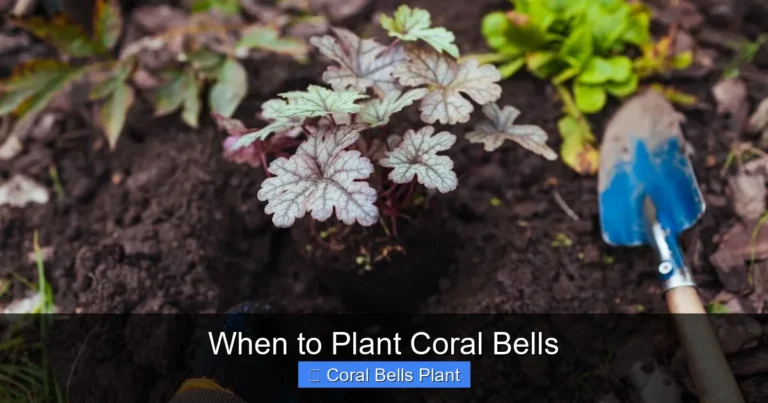
Prepare your site first. Choose dappled shade or morning sun. Amend heavy clay with compost. Dig a hole twice the pot width. Same depth as the container. Gently loosen circling roots. Place plant so crown sits at soil level. Backfill with amended soil. Water thoroughly. Mulch with shredded leaves or bark. Keep evenly moist for the first month.
Spring Pitfalls to Avoid
Do not rush. Cold, wet soil rots roots. Wait for warmth. Do not plant during a heat wave. If 80-degree days hit in May, delay a week. Do not fertilize at planting. It burns tender new roots. Wait until you see active growth. Then use a slow-release balanced fertilizer at half strength.
Fall Planting: The Underrated Gem
Savvy gardeners often prefer fall for coral bells when to plant. Cool air reduces water loss. Warm soil drives root growth. Weeds are less competitive. Rainfall often increases. Plants focus energy below ground. By spring, they are ready to explode with growth.
The window is specific. Plant six to eight weeks before your average first frost date. In zone 5, that means late August to mid-September. In zone 7, October works. In zone 8, even November is fine. The goal is root establishment before dormancy. Not top growth.
Why Fall Often Beats Spring
Fall planting has hidden advantages. Root growth continues until soil hits 40 degrees. That can be November or December in many zones. Meanwhile, the plant feels zero heat stress. No scorching sun. No 90-degree days. Watering needs drop dramatically after the first two weeks. And spring brings instant gratification. Your plants wake up huge and ready.
Fall Planting Best Practices
Choose healthy, non-rootbound plants. Avoid clearance rack specials with circled roots. Plant at the same depth as the pot. Do not plant deeper. Crowns rot easily. Water deeply at planting. Then water weekly if rain fails. Mulch heavily after the ground freezes. This prevents frost heave. Do not fertilize. You want roots, not leaves.
Fall Risks and How to Manage Them
Early cold snaps can damage unestablished plants. Watch forecasts. If a hard freeze threatens new plantings, cover with frost cloth. Remove during the day. Heaving is another risk. Freeze-thaw cycles push plants up. Heavy mulch after freeze prevents this. Check plants in late winter. Gently press any heaved crowns back down.
Planting by Hardiness Zone: A Detailed Guide
Your USDA zone dictates the ideal coral bells when to plant timeline. What works in Seattle fails in Atlanta. What works in Minneapolis fails in Miami. Let us break it down by zone groups. Remember, microclimates matter. Urban heat islands shift dates. North-facing slopes stay cooler.
Zones 3-4: Short Season Strategy
Spring is king here. Plant late May to early June. Soil must be 50 degrees minimum. Fall planting is risky. You need six weeks before hard freeze. That window barely exists. If you must plant fall, do it by late August. Mulch heavily for winter. Expect some winter dieback. Plants recover in spring.
Zones 5-6: The Sweet Spot
Both spring and fall work beautifully. Spring: mid-April to late May. Fall: late August to early October. Spring gives more growing time. Fall gives easier establishment. Choose based on your schedule. Summer planting fails here. Heat and humidity stress plants terribly.
Zones 7-8: Fall Preferred
Fall is actually better than spring here. Plant October through November. Even December works in zone 8. Spring planting works too (March-April). But summer arrives fast. New plants face heat stress quickly. Fall gives six months of cool root growth. Winter is mild. Spring explosion follows.
Zones 9-10: Winter Planting Works
In warm zones, coral bells when to plant shifts to winter. November through February is ideal. Summer is impossible. Plants melt in heat and humidity. Choose heat-tolerant varieties like ‘Caramel’ or ‘Citronelle’. Provide afternoon shade. Mulch heavily. Water during dry winter spells.
Zone 11 and Tropical: Container Only
True coral bells struggle in frost-free tropics. They need winter chill. Grow in containers instead. Plant in fall. Use light potting mix. Place in bright shade. Treat as annuals or short-lived perennials. Some gardeners refrigerate pots for six weeks to simulate dormancy.
Special Situations: Containers, Divisions, and Bare Root
Not all coral bells when to plant scenarios involve nursery pots in spring. Containers offer flexibility. Divisions follow different rules. Bare root plants have unique needs. Mail-order timing matters. Let us cover each situation.
Container-Grown Plants: Maximum Flexibility
Potted coral bells can go in the ground almost anytime. The root ball stays intact. Transplant shock is minimal. Summer planting works if you water diligently. Morning shade is essential. Water daily for two weeks. Then taper to every three days. Mulch heavily. Afternoon shade cloth helps in July-August.
Dividing Established Clumps
Divide every three to four years. Centers get woody and die out. Spring division works as growth emerges. Fall division works after flowering. Dig the whole clump. Pull apart by hand or cut with a knife. Each division needs roots and 3-5 shoots. Replant immediately. Water well. Mulch. Spring divisions may bloom same year. Fall divisions bloom next year.
Bare Root Planting: Timing Critical
Mail-order bare root plants arrive dormant. Plant immediately upon arrival. If ground is frozen, pot them up. Keep cool and moist. Plant in spring as soon as soil works. Fall bare root is risky. Roots need time to grow before freeze. If you must plant fall bare root, do it early (September) and mulch heavily.
Mail Order Timing Strategies
Order for spring delivery in zones 3-6. Request April-May shipping. In zones 7-9, request October shipping. Avoid summer shipping entirely. Plants cook in boxes. Avoid winter shipping to cold zones. Plants freeze in transit. Reputable nurseries schedule correctly. But confirm your ship week.
Soil Preparation: The Foundation of Success
Timing gets attention. Soil gets results. Coral bells demand excellent drainage. They rot in clay. They dry in sand. The perfect soil is loose, rich, and moisture-retentive but never soggy. Preparation before planting determines long-term performance more than the exact planting week.
Testing and Amending Your Soil
Dig a test hole. Fill with water. It should drain in one hour. If it takes four hours, you have drainage issues. Amend with compost, not sand. Sand plus clay makes concrete. Compost improves both clay and sand. Work in three inches of compost to twelve inches depth. Add peat moss for acidity. Coral bells prefer pH 6.0 to 7.0.
Raised Beds and Mounds
Heavy clay? Build raised beds. Eight to twelve inches high. Fill with 50% native soil, 30% compost, 20% coarse sand or perlite. Or plant on mounds. Eighteen inches wide, six inches high. This elevates crowns above wet soil. Critical for winter survival in wet climates.
Container Soil Mixes
Pots need special mix. Never use garden soil. Use 2 parts quality potting mix, 1 part perlite, 1 part compost. Add slow-release fertilizer. Ensure drainage holes. Elevate pots on feet. This prevents waterlogging. Repot every two years as mix breaks down.
Post-Planting Care: The First Critical Weeks
You nailed coral bells when to plant. Now what? The first month determines survival. Water management is everything. Mulch is your best friend. Observation catches problems early. Let us walk through the establishment period.
Watering Regimen for New Plantings
Water deeply at planting. Soak the root zone. Then water every two days for week one. Every three days for week two. Twice weekly for month one. Adjust for rain. Check soil with your finger. Two inches down should be moist, not wet. Not dry. Consistent moisture drives root growth. Fluctuation kills tender roots.
Mulching Techniques
Apply two to three inches of mulch. Keep it away from crowns. One inch clearance prevents rot. Shredded leaves are perfect. They break down and feed soil. Pine bark works. Straw works. Avoid wood chips. They tie up nitrogen. Replenish mulch as it settles. Winter mulch should be deeper. Four inches after ground freezes.
Monitoring for Problems
Check daily for two weeks. Look for wilting that does not recover by morning. That signals root failure. Check for slug damage. They love new growth. Beer traps work. Check for deer browsing. Fencing may be needed. Watch for crown rot. Soft, mushy crown means too wet. Improve drainage immediately.
First Season Expectations
Spring-planted coral bells often bloom year one. Fall-planted wait until next spring. Both focus on roots first. Do not worry if top growth seems slow. Underground, magic happens. By year two, plants double in size. Year three, they are mature specimens. Divide at year three or four.
Common Mistakes and How to Avoid Them
Even experienced gardeners mess up coral bells when to plant. Learning from others’ mistakes saves you time, money, and heartache. Here are the top errors and their fixes.
Planting Too Deep
This kills more coral bells than anything else. The crown must sit at soil level. Not below. Not above. At. Planting deep causes crown rot. Planting high exposes roots. Check after watering. Soil settles. Adjust if needed. This applies to divisions too. Crown at soil level. Always.
Choosing the Wrong Site
Full sun in zone 8 fries them. Deep shade makes them leggy. Wet clay rots them. Dry sand desiccates them. Match the plant to the spot. Morning sun, afternoon shade is ideal. Dappled shade all day works. Good drainage is non-negotiable. Fix the site or choose a different plant.
Ignoring Soil Temperature
Air temperature lies. Soil temperature tells truth. Use a soil thermometer. Fifty degrees minimum. Sixty-five ideal. Seventy-five too hot. Planting in cold soil stunts roots. Planting in hot soil cooks roots. Wait for the window. Patience pays.
Overwatering or Underwatering
Both kill. Soggy soil suffocates roots. Dry soil desiccates them. The finger test never lies. Two inches down. Moist like a wrung sponge. Not dripping. Not dusty. Mulch reduces evaporation. Drip irrigation delivers consistency. Hand watering works if you are diligent.
Fertilizing Too Soon
New roots are tender. Fertilizer salts burn them. Wait four to six weeks. Until you see new growth. Then use half-strength balanced fertilizer. Or slow-release at planting but only if coated for delayed release. Better yet, compost annually. It feeds slowly and improves soil.
Variety-Specific Planting Considerations
Not all coral bells are created equal. Species and cultivars vary in heat tolerance, cold hardiness, and growth rate. This affects coral bells when to plant decisions. Knowing your variety helps fine-tune timing.
Heat-Tolerant Varieties for Southern Gardens
Villosa hybrids handle humidity. ‘Caramel’, ‘Citronelle’, ‘Mocha’, ‘Brownies’ thrive in zones 7-9. Plant these in fall. They establish before summer heat. Spring works too but fall is safer. They also tolerate more sun than other types. Four to six hours morning sun is fine.
Cold-Hardy Varieties for Northern Gardens
Sanguinea and micrantha hybrids lead here. ‘Palace Purple’, ‘Plum Pudding’, ‘Obsidian’ survive zone 3. Spring planting essential. Fall is too risky. These need maximum growing season. Mulch heavily first winter. They emerge late in spring. Do not panic.
Large vs. Small Cultivars
Big varieties like ‘Big Top’ or ‘Mega Caramel’ need more establishment time. Plant them earlier in spring. Or earlier in fall. Small varieties like ‘Petite Pearl Fairy’ establish faster. They tolerate later planting. But all benefit from optimal timing.
Fancy Leaf vs. Flower-Focused Types
Foliage types (most modern hybrids) are grown for leaves. Flowers are bonus. Flower-focused types like ‘Coral Cloud’ or ‘Green Spice’ put energy into blooms. Plant these in spring to enjoy flowers year one. Fall planting delays flowering until year two.
Seasonal Calendar: Month-by-Month Planting Guide
Let us put it all together in a practical calendar. This coral bells when to plant reference works for most temperate zones. Adjust for your specific dates.
January-February
Plan and order. Research varieties. Prepare beds if soil workable. In zones 8-10, plant container-grown. In zones 3-7, keep plants in cold frame or garage. Water monthly if dry.
March
Zones 7-9: Prime spring planting begins. Zones 5-6: Prepare soil. Order plants. Zones 3-4: Still too early. Watch for heaving on established plants. Press crowns down.
April
Zones 5-6: Prime planting window opens. Zones 3-4: Late April if warm. Zones 7-9: Still good but hurry. Summer approaches. Water new plantings consistently.
May
Zones 3-4: Prime planting. Zones 5-6: Last call for spring. Zones 7-9: Avoid planting. Heat stress risk high. Zones 10-11: Do not plant.
June-July-August
Planting window closed for most. Only container plants with daily watering. Focus on care. Water deeply. Mulch. Deadhead. Watch for pests. Plan fall planting.
September
Zones 3-6: Prime fall planting. Zones 7-8: Beginning of window. Order fall plants. Prepare beds. Plant divisions. Water well. Mulch after planting.
October
Zones 5-7: Prime fall planting continues. Zones 3-4: Last call. Zones 8-9: Excellent planting time. Zones 10-11: Best planting month. Mulch heavily in cold zones.
November
Zones 7-10: Still planting. Zones 3-6: Too late. Mulch established plants heavily. Four inches after ground freezes. Clean up debris. Prevent crown rot.
December
Zones 8-10: Planting continues. Zones 3-7: Dormant season. Plan next year. Review what worked. Order early for best selection. Dream of spring.
Conclusion: Your Coral Bells Journey Starts Now
You now know everything about coral bells when to plant. Spring or fall. Your zone. Your soil. Your variety. The science of root growth. The art of observation. The patience to wait for the right window. This knowledge transforms guesswork into success.
Remember the core principles. Cool soil drives roots. Heat stresses transplants. Crown at soil level. Drainage is life. Mulch is insurance. Water consistently. Observe daily. Adjust as needed. These rules apply whether you plant one pot or fifty.
Your garden deserves these incredible plants. Their foliage paints the shade garden year-round. Their flowers dance above in spring. Their toughness rewards minimal care. But it all starts with timing. Choose your window. Prepare your soil. Plant with confidence. Watch them thrive.
The best time to plant coral bells was twenty years ago. The second best time is the next correct seasonal window for your zone. That window is coming. Or it is here. Grab your trowel. Your coral bells adventure begins today.
Frequently Asked Questions
What happens if I plant coral bells too deep?
Planting coral bells too deep causes crown rot, which is usually fatal. The crown (where leaves meet roots) must sit exactly at soil level. If buried, moisture collects against the crown and fungal pathogens destroy the growing point within weeks.
Do coral bells need full sun or full shade?
Coral bells prefer morning sun with afternoon shade, or dappled shade all day. In northern zones (3-5), they tolerate more sun (4-6 hours). In southern zones (7-9), they need protection from intense afternoon sun. Deep shade makes them leggy and reduces foliage color intensity.
How often should I water newly planted coral bells?
Water deeply every 2 days for the first week, every 3 days for the second week, then twice weekly for the first month. Adjust for rainfall. Check soil moisture 2 inches down – it should feel like a wrung sponge. Consistent moisture is critical for root establishment.
Can I divide coral bells in the summer?
Summer division is not recommended. High temperatures and active growth make recovery difficult. Divide in early spring as new growth emerges, or in early fall after flowering. Each division needs 3-5 shoots with attached roots. Replant immediately and water well.
Why are my coral bells not coming back in spring?
Common causes include crown rot from planting too deep or poor drainage, winter heaving from freeze-thaw cycles (prevented by heavy mulch), extreme cold without snow cover in zones 3-4, or vole damage. Check for mushy crowns or plants pushed out of the ground.
What soil pH do coral bells prefer?
Coral bells thrive in slightly acidic to neutral soil, pH 6.0-7.0. They struggle in highly alkaline soils (above 7.5) where nutrient uptake is impaired. Test your soil and amend with peat moss or elemental sulfur to lower pH, or lime to raise it. Compost buffers pH naturally.