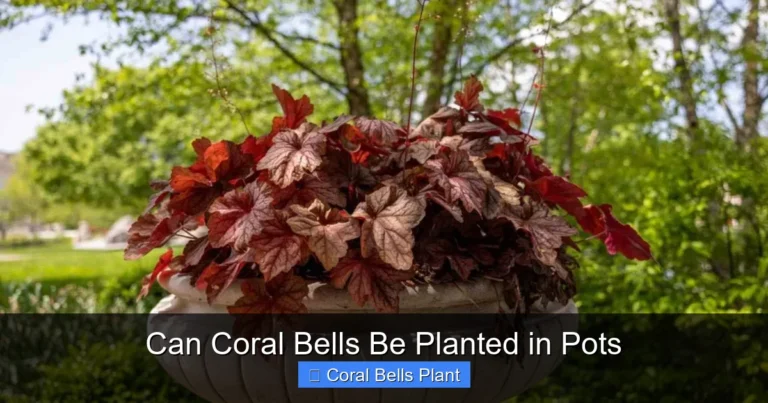
When Is the Best Time to Plant Coral Bells
The best time to plant coral bells is early spring or early fall when temperatures are mild and rainfall is consistent. These versatile perennials establish strong roots before extreme weather arrives, rewarding you with vibrant foliage and delicate blooms for years to come.
If you have ever walked through a shade garden and spotted those gorgeous ruffled leaves in shades of purple, caramel, lime green, or deep burgundy, you have likely met coral bells. These plants are garden superstars. They bring color to shady spots where flowers often struggle. They are low maintenance. They come back year after year. But here is the thing. Timing matters. Planting at the right time makes the difference between a plant that sulks and a plant that thrives. Let us talk about when to get these beauties in the ground.
Coral bells, known botanically as Heuchera, are native to North America. They grow in woodlands, on rocky cliffs, and in alpine meadows. This tells us a lot about what they like. They prefer cool roots. They like well drained soil. They handle shade but appreciate some morning sun. Understanding their native habitat helps us understand the best planting window. We want to mimic nature. Nature plants seeds in fall or early spring. We should do the same with our nursery starts.
Key Takeaways
- Spring planting window: Plant coral bells in early spring after the last frost for optimal root establishment before summer heat.
- Fall planting advantage: Early fall planting gives roots 6-8 weeks to establish before winter dormancy, often yielding stronger spring growth.
- Soil temperature matters: Ideal soil temperatures range from 50-65°F for successful coral bells transplantation and root development.
- Regional timing varies: Adjust planting schedule based on your USDA hardiness zone and local climate patterns for best results.
- Container flexibility: Potted coral bells can be planted throughout the growing season with proper watering and shade protection.
- Division timing: Divide mature clumps in early spring or fall when plants are not actively flowering for healthiest divisions.
- Winter protection: Late fall plantings need mulch protection to prevent frost heaving and ensure winter survival.
Quick Answers to Common Questions
Can I plant coral bells in summer?
You can plant coral bells in summer but it requires extra care. Provide shade, water daily, and avoid fertilizing until temperatures cool down.
How late in fall can I plant coral bells?
Plant coral bells at least 6-8 weeks before your ground freezes solid. This gives roots time to establish before winter dormancy.
Do coral bells need full sun or shade?
Most coral bells prefer morning sun with afternoon shade. Dark-leaved varieties tolerate more sun; light-leaved varieties need more shade.
Should I fertilize newly planted coral bells?
No, do not fertilize newly planted coral bells. Wait until the following spring and apply a light topdressing of compost instead.
How often should I water new coral bells plantings?
Water new coral bells every 2-3 days for the first month, then weekly. Check soil moisture 2 inches down before watering.
📑 Table of Contents
- Understanding Coral Bells Growth Cycles
- Spring Planting: The Classic Choice
- Fall Planting: The Secret Weapon
- Regional Planting Guides by Zone
- Container Planting Flexibility
- Special Situations and Problem Solving
- Soil Preparation: The Foundation of Success
- Watering Strategies for Establishment
- Variety Selection for Your Timing
- Common Planting Mistakes to Avoid
- Companion Planting Timing
- Long Term Care Calendar
- Conclusion
Understanding Coral Bells Growth Cycles
Before we pick a date on the calendar, we need to understand how these plants grow. Coral bells are herbaceous perennials. This means their tops die back in winter in cold climates. In mild climates, they may stay evergreen. Their energy is stored in a woody crown at the base. Roots grow outward from this crown. New leaves push up from the center each spring. Flower stalks rise in late spring to early summer.
Root Growth vs. Top Growth
Here is a key insight. Root growth happens at different temperatures than leaf growth. Roots grow best in cool soil. Specifically, soil temperatures between 50 and 65 degrees Fahrenheit are ideal. Leaves grow when air temperatures warm up. If you plant in hot summer weather, the plant tries to grow leaves. The roots cannot keep up. The plant stresses. If you plant in cool weather, roots grow first. The plant builds a strong foundation. Then when warm weather hits, the plant is ready to push vigorous top growth.
Dormancy Periods
Coral bells have two main dormancy triggers. Cold winter temperatures trigger winter dormancy. Hot, dry summer conditions can trigger summer dormancy. In the deep south, summer dormancy is a real issue. The plants essentially shut down to survive heat. They stop growing. They may look a bit tired. This is normal. Planting right before a dormancy period is risky. The plant needs active growing time to establish. This is why we avoid mid summer and mid winter planting in most zones.
Spring Planting: The Classic Choice
Ask any old school gardener and they will say spring. Spring planting is traditional for good reason. The soil is warming up. Spring rains keep things moist. The whole growing season stretches ahead. For coral bells, early spring is the sweet spot. Let us break down why this works so well.
Timing Your Spring Planting
Wait until the danger of hard frost has passed. A light frost will not hurt established coral bells. But new transplants are tender. Their roots have not gripped the soil. A hard freeze can heave them right out of the ground. Check your local last frost date. Plan to plant two to three weeks after that date. In zone 5, this might be early May. In zone 7, late March. In zone 9, you might plant in February.
Watch the soil, not just the calendar. Grab a handful of soil. Squeeze it. If it forms a mud ball, wait. If it crumbles nicely, it is ready. Cold wet soil rots coral bells roots. They need oxygen in the soil. Spring rains can waterlog heavy clay. If your soil is heavy, consider raising the planting area. Add compost. Create a slight mound. This helps drainage tremendously.
Benefits of Spring Planting
Spring planted coral bells get a full growing season. They develop deep roots before winter. They often bloom in their first year. You get to enjoy the flowers that same season. The selection at nurseries is best in spring. You will find the newest varieties. The plants are fresh. They have not sat in hot parking lots all summer. Spring planting also lets you see the foliage color in real time. Some varieties change color through the seasons. Spring shows you the fresh new growth.
Spring Planting Challenges
Spring weather can be fickle. A late cold snap can damage tender new leaves. Hot spells in May can stress new plants. You must water consistently. Spring winds dry out the soil fast. New plants have tiny root systems. They cannot reach deep moisture. You become the lifeline. Mulch helps. Two inches of shredded bark keeps soil moist and cool. Keep mulch away from the crown. Wet mulch against the crown causes rot.
Fall Planting: The Secret Weapon
Many experienced gardeners prefer fall planting. I am one of them. Fall planting has distinct advantages for coral bells. The soil is still warm from summer. Roots love warm soil. The air is cooling down. This reduces transpiration. The plant loses less water through leaves. Rainfall often increases in fall. Nature does the watering for you. And weeds are slowing down. Less competition.
The Fall Planting Window
Timing is critical in fall. You need six to eight weeks before the ground freezes. This gives roots time to anchor. In zone 4, plant by early September. In zone 6, late September to early October. In zone 8, you can plant into November. The key is soil temperature. As long as soil stays above 50 degrees, roots grow. Once soil drops below 40, root growth stops. Check soil temperature with a simple probe thermometer. They cost ten dollars. Best garden tool you will ever buy.
Why Fall Often Wins
Fall planted coral bells often outperform spring planted ones. They skip the stress of summer heat. They wake up in spring with established roots. They explode with growth. They are more drought tolerant that first summer. They often bloom heavier. The plant spent fall building roots, not flowers. That energy goes into spring show. Fall also means end of season sales. Nurseries discount perennials. You get more plants for your money. Just inspect roots before buying. Avoid pot bound plants with circling roots.
Fall Planting Precautions
Do not fertilize fall plantings. Fertilizer encourages tender new growth. That growth will freeze and die. Waste of energy. Just add compost to the planting hole. Water well at planting. Then water weekly if rain fails. Mulch heavily after the ground freezes. Three to four inches of straw or shredded leaves. This prevents frost heaving. Frost heaving pushes plants out of the ground. Exposed roots die. The mulch keeps soil temperature stable. Remove heavy mulch in early spring. Pull it back from the crown.
Regional Planting Guides by Zone
The United States spans many climates. What works in Maine fails in Florida. The USDA hardiness zone map is your starting point. But microclimates matter too. Urban heat islands. Elevation changes. Proximity to water. Let us look at general guidelines by zone range.
Zones 3-4: Short Season Strategies
In the far north, the growing season is compressed. Spring planting is often safer. The fall window is very narrow. Ground freezes early. Snow cover is unreliable. If you plant in fall, do it by Labor Day. Mulch heavily. Spring planting should wait until soil warms. Late May is realistic. Choose cold hardy varieties. Heuchera americana and Heuchera richardsonii are natives. They handle zone 3. Hybrids with these species in their lineage are tougher. Look for Northern Exposure series. They are bred for cold.
Zones 5-6: The Sweet Spot
This is coral bells heaven. Both spring and fall work beautifully. Spring plant April to early May. Fall plant September to early October. You get great root establishment either way. Summer heat is usually moderate. Winter cold is reliable but not extreme. Snow cover insulates. Most varieties thrive here. This is where you see the biggest selection. Fancy ruffled types. Bright chartreuse. Deep black purple. They all perform.
Zones 7-8: Heat Management
Here the challenge shifts. Summer heat stresses coral bells. Spring planting must happen early. March to early April. Roots must establish before June heat. Fall planting is often superior. October to November. The plant avoids summer entirely. Winter is mild. Roots grow all winter. Choose heat tolerant varieties. Heuchera villosa hybrids handle humidity and heat. The Primo series. The Dolce series. These have villosa blood. They have hairy leaves. The hairs reduce water loss. They thrive in the southeast.
Zones 9-10: Special Considerations
In frost free zones, coral bells can be planted almost year round. But avoid the hottest months. June through August is risky. Best windows are February to April and October to December. In these zones, coral bells may stay evergreen. They do not get a true dormancy. This can exhaust them. They may need division more often. Every two to three years. Refresh soil. Give them a break. Provide afternoon shade. Morning sun only. Mulch year round to keep roots cool.
Container Planting Flexibility
What if you buy a coral bells in July? Or January? Container planting changes the rules. You control the soil. You control the water. You can move the pot. This gives you flexibility. But containers bring their own challenges.
Planting Coral Bells in Pots
You can pot up coral bells any time the ground is not frozen. Use a high quality potting mix. Not garden soil. Garden soil compacts in pots. Roots suffocate. Choose a pot with drainage holes. Coral bells hate wet feet. The crown sits at soil level. Not buried. Not exposed. Water thoroughly after planting. Place in appropriate light. Morning sun, afternoon shade is ideal for most varieties.
Seasonal Container Care
Spring potted plants need hardening off. If they came from a greenhouse, they are soft. Introduce them to outdoor conditions gradually. One hour more sun each day. Over a week. Summer potted plants need daily water checks. Pots dry fast. Terra cotta dries fastest. Glazed ceramic holds moisture longer. Group pots together. This creates humidity. Reduces watering frequency. Fall potted plants can stay out until hard freeze. Then move to unheated garage. Or sink pot in ground. Mulch heavily. Winter water monthly if soil thaws.
Overwintering Containers
In zones 6 and colder, pots need protection. Roots in pots freeze faster than roots in ground. The pot is above ground. Cold hits from all sides. Options: bury pot in vegetable garden. Mulch heavily. Move to unheated attached garage. Keep barely moist. Do not let soil freeze solid for weeks. In zones 7-8, pots usually survive on patio. Group against house wall. Mulch around pots. In zones 9+, no special care needed. Just avoid waterlogging in winter rains.
Special Situations and Problem Solving
Real gardens throw curveballs. You inherit a garden in August. You find a clearance plant in November. You need to move an established clump. Let us address these scenarios.
Summer Planting Emergency
Sometimes you must plant in summer. Maybe a construction project finished. Maybe a gift plant arrived. You can do it. But you must baby the plant. Plant in early morning or evening. Cloudy day is best. Water the plant in its pot an hour before. Dig hole twice as wide. Same depth. Amend soil with compost. Plant. Water deeply. Shade the plant for two weeks. Use shade cloth. Or a lawn chair. Or a bushel basket. Check soil daily. Water when top inch is dry. Mist foliage in heat. Do not fertilize. Wait until fall.
Late Fall Clearance Finds
Nurseries discount heavily in late fall. November in zone 6. December in zone 7. Can you plant these? Yes, if the ground is workable. But it is risky. Roots have little time. Plant immediately. Do not let pots sit. Water well. Mulch heavily immediately. Use evergreen boughs after Christmas. They trap snow. Snow is the best insulation. Cross your fingers. Spring will tell. If the crown is firm in April, you won. If mushy, you lost. Lesson learned.
Transplanting Established Plants
Moving a mature coral bells? Best in early spring. Just as new growth emerges. Or early fall. Water well the day before. Dig wide. Get as much root ball as possible. Replant immediately. Same depth. Water deeply. Trim any damaged leaves. Shade for a week. The plant may sulk. It may not bloom that year. But it will recover. Division is similar timing. Spring or fall. Each division needs roots and a crown section. Replant promptly.
Soil Preparation: The Foundation of Success
Timing matters. But soil matters more. Coral bells in perfect soil at wrong time beat coral bells in bad soil at perfect time. Let us talk dirt. These plants are woodlanders. They want humus rich, well drained, slightly acidic soil. pH 6.0 to 7.0 is ideal. Heavy clay kills them. Pure sand starves them. The fix is organic matter. Compost. Leaf mold. Aged manure. Work it in deep. Twelve inches if you can.
Testing and Amending
Do a soil test. Your extension office does them cheap. Or buy a kit. Know your pH. Know your nutrient levels. Coral bells are not heavy feeders. Too much nitrogen makes soft growth. Soft growth gets diseases. Compost provides slow release nutrition. It improves structure. It holds moisture but drains excess. It feeds soil life. Healthy soil life protects roots. Mycorrhizal fungi partner with coral bells roots. They extend the root reach. They access nutrients. Compost encourages them.
Drainage Solutions
If you have clay, you have options. Raised beds work great. Eight inches high. Fill with good mix. Berms work. Mound the planting on a slope works. If you must plant in flat clay, dig wide not deep. Wide hole lets roots spread horizontally. They find oxygen near surface. Add coarse sand or fine gravel to planting hole. Not a layer at bottom. That creates a bathtub. Mix it throughout. Perlite works too. Or expanded shale. These create permanent air pockets.
Watering Strategies for Establishment
Water makes or breaks new plantings. Coral bells have fibrous roots. They dry out fast. They also rot fast. The Goldilocks zone is moist but not wet. How do you achieve this? Water deeply. Infrequently. This trains roots to go deep. Shallow frequent watering keeps roots at surface. Surface roots fry in heat. They freeze in cold.
The First Month
Week one: water every other day. Unless it rains half inch. Week two: every third day. Week three: twice a week. Week four: once a week. Adjust for weather. Hot windy days need more. Cool cloudy days need less. Stick your finger in soil. Two inches down. If dry, water. If moist, wait. Mulch makes this easier. It buffers moisture swings. It keeps soil cooler. Two inches of shredded hardwood. Or pine straw. Or cocoa hulls. Not rock. Rock heats soil.
Long Term Watering
Established coral bells are fairly drought tolerant. But they look best with regular moisture. In summer, one inch per week. Rain or irrigation. In fall, taper off. Let them harden for winter. Wet crowns in winter rot. In spring, resume when growth starts. Container plants always need more water. Check daily in summer. The finger test works in pots too.
Variety Selection for Your Timing
Different coral bells varieties have different tolerances. This affects planting timing success. Species heritage matters. Let us look at the main groups.
Heuchera americana Types
These are the tough natives. Alabama, Appalachian mountains. They handle heat and humidity. They handle cold. They are the backbone of many hybrids. Varieties like Dale’s Strain, Green Spice. They are adaptable. Plant spring or fall. They forgive timing mistakes. Good for beginners.
Heuchera villosa Types
Hairy alumroot. Native to southeast. Large fuzzy leaves. Heat and humidity champions. Autumn Bride is famous. White flowers in fall. The Dolce and Primo series from Proven Winners have villosa blood. They thrive in southern gardens. Fall planting is excellent for these. They root in warm fall soil. They handle southern winters easily.
Heuchera sanguinea Types
Coral bells classic. The species with red flowers. Native to southwest. They want sharp drainage. They want less humidity. They can rot in wet eastern summers. Plant in spring in well drained spots. Gravel mulch helps. They are shorter lived in humid climates. But oh those flowers. Hummingbirds love them.
Heuchera micrantha Types
Crevice alumroot. Native to northwest. Rocky slopes. Cool moist climate. Palace Purple came from this species. It started the purple leaf craze. These like cooler nights. They struggle in deep south heat. Spring planting in north. Fall planting in mild zones. They need consistent moisture.
Hybrid Complexes
Most garden varieties are complex hybrids. Breeders cross species for best traits. Fancy foliage. Compact habit. Flower power. Disease resistance. The Terra Nova introductions. The Heuchera hybrids from Walters Gardens. These are bred for garden performance. They generally follow the spring/fall rule. But check the tag. Some have specific needs. Dark leaved types often want more sun. Light leaved types often want more shade. Sun affects color intensity.
Common Planting Mistakes to Avoid
Even with perfect timing, mistakes happen. I have made them all. Learn from my errors.
Planting Too Deep
This is the number one killer. The crown must sit at soil level. Not below. Not above. The crown is where leaves meet roots. Buried crowns rot. Exposed crowns dry out. Plant at the same depth as the pot. If the plant is root bound, tease roots out. Do not bury the crown to hide roots. Make the hole wider instead.
Ignoring Mature Size
That cute four inch pot becomes a two foot clump. Space accordingly. Most need 12 to 18 inches. Some giants need 24 inches. Crowding causes poor air flow. Poor air flow causes fungal diseases. Powdery mildew. Rust. Leaf spot. Give them room. Fill gaps with annuals while they grow.
Wrong Light Conditions
Tags say part shade. But what does that mean? Morning sun, afternoon shade is ideal for most. Full shade makes leggy plants. Dull color. Few flowers. Full sun in north may work. Full sun in south burns leaves. Watch your site. Track sun hours. Match plant to place. Some varieties tolerate more sun. Check the label.
Skipping Mulch
Bare soil is bad soil. It crusts. It erodes. It temperature swings. Mulch fixes this. But keep it off the crown. A mulch volcano kills plants. Pull it back two inches from center. Refresh annually. It breaks down. It becomes soil. This is good. It feeds the plant.
Companion Planting Timing
Coral bells play well with others. But companions have their own timing needs. Plan your bed holistically.
Spring Bulb Partners
Plant coral bells among daffodils. The coral bells hide dying bulb foliage. Bulbs go in fall. Coral bells go in spring or fall. If fall planting both, do bulbs deeper. Coral bells shallow. Mark bulb locations. Don’t slice bulbs digging coral bells holes. Spring planting coral bells among emerged bulbs works. Just be gentle.
Shade Perennial Neighbors
Hostas. Ferns. Astilbe. Brunnera. Hellebores. These share similar conditions. Hostas emerge late. Plant coral bells early spring. They fill space before hostas wake. Ferns spread. Give them room. Astilbe needs more moisture. Group water lovers together. Hellebores are evergreen. They anchor winter garden. Coral bells add spring color.
Groundcover Combinations
Creeping jenny. Sweet woodruff. Foamflower. These weave around coral bells. Plant groundcovers same time as coral bells. They knit together. Suppress weeds. Keep soil cool. Living mulch. But monitor. Aggressive spreaders can smother coral bells crowns. Edit ruthlessly.
Long Term Care Calendar
Planting is day one. Year one is establishment. Year three is maturity. Year five may need division. Here is the long view.
Year One: Establishment
Focus on roots. Water consistently. Deadhead flowers if you want energy to roots. Or leave them for seeds. Remove any diseased leaves promptly. Mulch winter. Watch for heaving. Push plants back gently if they pop up. Do not step on them.
Year Two: Bulking Up
Plant should double in size. Flower well. You can divide now if huge. But wait if average. Fertilize lightly in spring. Compost topdressing. Half inch around plant. Not on crown. Water in dry spells. Enjoy the show.
Year Three to Five: Prime Time
Peak performance. Full clumps. Heavy bloom. Best foliage color. Divide in spring or fall if center gets woody. Woody centers die out. Division rejuvenates. Share divisions. Swap with friends. Expand your garden.
Beyond Five Years: Renewal
Old clumps get woody. Centers die. Flowers decrease. Foliage gets smaller. Time for division. Dig whole plant. Wash soil off. See the structure. Cut into sections. Each needs roots and crown. Replant best pieces. Compost the woody center. Start the cycle fresh.
Conclusion
So when is the best time to plant coral bells? Early spring. Early fall. Both work. Both have fans. Spring gives you a full season. Fall gives you a head start. Your zone decides the exact weeks. Your soil decides the success. Your watering decides the survival. But here is the truth. A healthy plant in decent soil at a reasonable time will probably make it. These are tough plants. They survived on cliffs. They survive in our gardens. Do not overthink it. Pick a mild day. Prepare the soil. Plant at crown level. Water well. Mulch. Walk away. Come back in a week. Water again. That is it. That is gardening. The coral bells will do the rest. They will paint your shade garden with colors you did not know leaves could be. They will bloom for hummingbirds. They will persist for years. All because you gave them a good start. Happy planting.
Frequently Asked Questions
What is the absolute best month to plant coral bells?
There is no single best month nationwide. In most zones, April and September are ideal. The key is soil temperature between 50-65°F and 6-8 weeks before extreme weather.
Can coral bells be planted in winter?
In zones 8-10, winter planting works during mild spells. In zones 7 and colder, wait for spring. Frozen ground prevents root establishment and causes frost heaving.
Do I need to amend soil before planting coral bells?
Yes, coral bells thrive in humus-rich, well-drained soil. Amend heavy clay or sandy soil with 2-3 inches of compost worked in 12 inches deep for best results.
How deep should I plant coral bells?
Plant coral bells at the same depth they grew in their nursery pot. The crown where leaves meet roots should sit exactly at soil level, not buried or exposed.
Will coral bells bloom the first year after planting?
Spring-planted coral bells often bloom their first summer. Fall-planted ones typically bloom the following spring. Both need proper establishment to flower well.
Can I divide and replant coral bells in the same season?
Yes, divide coral bells in early spring or early fall. Replant divisions immediately at the same depth, water well, and provide shade for 7-10 days while they recover.