When Do You Plant Coral Bells
The best time to plant coral bells is early spring or early fall when temperatures are mild and soil is workable. Spring planting gives roots time to establish before summer heat, while fall planting allows root development before winter dormancy.
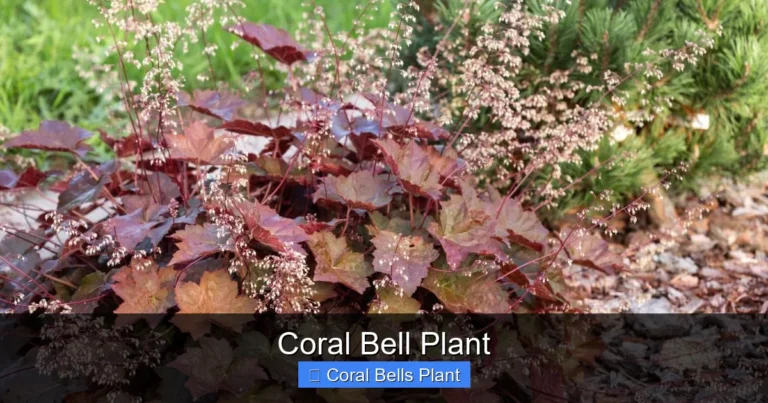
If you have ever wandered through a shade garden and spotted those gorgeous ruffled leaves in shades of purple, caramel, lime green, or near-black, you have likely met coral bells. These stunning perennials, also known as heuchera, have become garden superstars for good reason. They offer year-round foliage color, delicate bell-shaped flowers that attract hummingbirds, and they thrive in those tricky shady spots where other plants struggle. But here is the thing: knowing when do you plant coral bells can make the difference between a plant that merely survives and one that absolutely thrives.
I have seen gardeners plant these beauties in the heat of July and wonder why they crisp up. I have also watched fall-planted coral bells explode with growth come spring. Timing really is everything with these plants. The good news? Once you understand the ideal planting windows for your specific region, coral bells are surprisingly forgiving. They just need a little strategic timing to get their roots established before facing extreme weather. Let me walk you through everything you need to know about when do you plant coral bells for the best possible results.
Key Takeaways
- Prime planting windows: Early spring (March to May) and early fall (September to October) offer the best conditions for coral bells establishment
- Soil temperature matters most: Aim for soil temperatures between 45°F and 65°F for optimal root development when do you plant coral bells
- Regional timing varies: Northern zones should prioritize spring planting, while southern zones can plant in fall or even winter
- Avoid extreme temperatures: Never plant during summer heat waves or when ground is frozen solid
- Container plants offer flexibility: Potted coral bells can be planted almost anytime with proper care and watering
- Prepare soil before planting: Amend with organic matter and ensure good drainage for long-term plant health
- Water consistently after planting: Keep soil evenly moist for the first 4 to 6 weeks to help roots establish
Quick Answers to Common Questions
What is the absolute best month to plant coral bells?
There is no single best month for all regions, but April and September are ideal for most gardeners. April works well in zones 5 to 7, while September is perfect for zones 6 to 8. Always base timing on your local frost dates and soil temperature rather than the calendar alone.
Can I plant coral bells in summer if I keep them watered?
You can plant coral bells in summer with diligent care, but success rates drop significantly. If you must plant in summer, provide daily watering, temporary shade cloth, and anti-transpirant spray. Expect some leaf scorch and delayed establishment. Fall planting is strongly preferred over summer.
How late in fall can I plant coral bells?
Plant coral bells at least 6 weeks before your average first hard frost date. This allows roots to establish before the ground freezes. In zone 5, this means mid-September. In zone 7, late October works. In zones 8 to 9, you can plant through November. Mulch heavily after the ground freezes.
Do coral bells need to be planted at a specific depth?
Yes, planting depth is critical for coral bells. The crown where leaves meet roots must sit at or slightly above soil level. Planting too deep causes crown rot, which is the leading cause of coral bells failure. If unsure, plant slightly high and mulch to cover any exposed roots.
Should I fertilize coral bells when I plant them?
No, do not fertilize coral bells at planting time. The amended soil provides sufficient nutrients. Fertilizing stimulates tender top growth that is vulnerable to stress. Wait until early summer for spring plantings or the following spring for fall plantings to apply a balanced slow-release fertilizer.
📑 Table of Contents
- Understanding Coral Bells and Their Growing Needs
- When Do You Plant Coral Bells: The Best Seasons
- Spring Planting: Why It Works So Well
- Fall Planting: The Hidden Gem for Coral Bells
- Regional Considerations for Planting Time
- Preparing Your Garden for Coral Bells
- After Planting Care for Success
- Common Mistakes When Planting Coral Bells
- Special Situations: Transplanting and Dividing
- Choosing the Right Variety for Your Timing
- Conclusion
Understanding Coral Bells and Their Growing Needs
Before we dive into the specifics of when do you plant coral bells, it helps to understand what these plants actually need. Coral bells are native to North America, growing naturally in woodlands, rocky cliffs, and alpine meadows. This tells us a lot about their preferences. They evolved in places with dappled light, well-draining soil, and consistent moisture. Their roots are relatively shallow and fibrous, which means they dry out faster than deep-rooted plants but also establish quickly when conditions are right.
What Makes Coral Bells Unique
Unlike many perennials that die back completely in winter, coral bells are evergreen or semi-evergreen in most climates. Their foliage persists through winter, adding color to the dormant garden. This characteristic influences when do you plant coral bells because the plant is actively photosynthesizing and using energy year-round in mild climates. The roots continue growing whenever soil temperatures are above freezing, which gives us a wider planting window than you might expect.
Hardiness Zones and Coral Bells
Most coral bells varieties are hardy in USDA zones 4 through 9, with some cultivars stretching to zone 3 or 10. This wide range means when do you plant coral bells varies significantly depending on where you garden. A gardener in Minnesota faces very different timing constraints than one in Georgia. Understanding your specific zone, including your average first and last frost dates, is the foundation of good planting timing.
When Do You Plant Coral Bells: The Best Seasons
The short answer to when do you plant coral bells is spring or fall. But not just any spring or fall day will do. The sweet spot in spring comes after the danger of hard frost has passed but before summer heat arrives. In fall, you want to plant early enough that roots can establish before the ground freezes, but late enough that you avoid late summer heat waves. Let me break down each season in detail.
Why Timing Matters for Root Establishment
Coral bells have a fibrous root system that spreads horizontally more than vertically. When you plant at the right time, these roots can explore the surrounding soil before the plant faces stress from heat, drought, or freezing. A well-established root system means better drought tolerance, more vigorous growth, and more abundant flowering. Poor timing forces the plant to divide energy between root growth and survival, often resulting in a weaker plant long-term.
The General Rule of Thumb
If you remember nothing else about when do you plant coral bells, remember this: plant when you would be comfortable sitting outside in a light jacket. That typically means air temperatures between 50°F and 70°F, soil temperatures between 45°F and 65°F, and no extreme weather in the forecast for at least two weeks. This comfortable window happens twice a year in most regions: spring and fall.
Spring Planting: Why It Works So Well
Spring is the most popular time for when do you plant coral bells, and for good reason. The soil is warming up, rainfall is usually reliable, and the plant has a full growing season ahead to establish before winter. But spring planting has its nuances depending on your climate.
Early Spring vs. Late Spring Planting
Early spring planting, as soon as the soil can be worked, gives coral bells the longest possible establishment period. In zones 5 to 7, this often means late March through April. The risk is a late hard freeze, which can damage tender new growth. However, established coral bells can handle light frost without issue. Late spring planting, in May or even early June, avoids freeze risk but gives less time before summer heat. If you must plant in late spring, provide extra water and temporary shade during heat spells.
Spring Planting by Zone
In zones 3 and 4, wait until late April or early May when do you plant coral bells. The soil needs to be thoroughly thawed and workable. Zones 5 and 6 can plant in mid to late April. Zone 7 gardeners can plant in early to mid-April. Zones 8 and 9 should aim for March planting to beat the heat. Zone 10 gardeners often treat coral bells as cool-season annuals, planting in late winter for spring enjoyment.
Advantages of Spring Planting
Spring planting aligns with the plant’s natural growth cycle. Coral bells push new growth in spring, so planting then means the plant can immediately direct energy into both roots and foliage. Nurseries also have the best selection in spring. You will find the newest cultivars and the healthiest plants. Plus, spring rains reduce your watering duties during those critical first weeks.
Fall Planting: The Hidden Gem for Coral Bells
Many experienced gardeners actually prefer fall when do you plant coral bells. Fall planting has distinct advantages that often produce stronger plants by the following spring. The soil is still warm from summer, encouraging rapid root growth, while cooler air temperatures reduce stress on foliage. Weed pressure is lower, and fall rains often provide consistent moisture.
The Fall Planting Window
The ideal fall planting window for when do you plant coral bells is typically 6 to 8 weeks before your average first hard frost date. This gives roots time to establish before the ground freezes. In zone 5, this means late August through September. Zone 6 gardeners can plant through September into early October. Zone 7 extends to mid-October. Zones 8 and 9 can plant well into November. The key is watching soil temperature, not just the calendar.
Why Fall Often Beats Spring
Fall-planted coral bells often outperform spring-planted ones because they skip the stress of summer heat entirely. The plant focuses entirely on root development in fall, then hits the ground running when spring arrives. You will often see larger, more floriferous plants the first summer from fall plantings. Just be sure to mulch well after the ground freezes to prevent frost heaving, which can push shallow-rooted coral bells out of the ground.
Fall Planting Precautions
If you choose fall when do you plant coral bells, avoid fertilizing. You want root growth, not tender new foliage that will freeze. Water deeply at planting and weekly thereafter unless rain provides an inch. Apply 2 to 3 inches of shredded leaf mulch after the ground freezes, not before. This prevents the freeze-thaw cycles that heave plants. Remove heavy mulch in early spring to prevent crown rot.
Regional Considerations for Planting Time
Your specific region dictates the finer points of when do you plant coral bells. Microclimates, elevation, proximity to large bodies of water, and urban heat islands all shift planting windows. Let me break down the major regions.
Northeast and Midwest
These regions have distinct seasons with cold winters and warm summers. Spring planting is generally safer here when do you plant coral bells. The spring window is clear: after last frost, before summer heat. Fall planting works but requires careful timing. Plant by mid-September in zone 5, early October in zone 6. Winter wetness kills more coral bells than winter cold in these regions, so excellent drainage is non-negotiable.
Southeast
The Southeast offers a long fall planting window when do you plant coral bells. Spring planting must happen early, in March, before heat and humidity arrive. Fall is often better here, with planting possible through November in zones 7 and 8. The challenge is summer survival. Choose heat-tolerant cultivars like ‘Caramel’ or ‘Citronelle’ and provide afternoon shade. Fall-planted coral bells avoid the worst heat stress entirely.
Pacific Northwest
This region is coral bells paradise. Mild winters and cool summers mean you can plant almost any time when do you plant coral bells, except during rare freezes or heat waves. Fall through spring is all fair game. The main concern is winter wetness. Plant on mounds or in raised beds for drainage. The long, cool growing season means fall-planted specimens establish beautifully.
Southwest and Mountain West
High elevation and desert regions require special timing when do you plant coral bells. Spring planting after last frost but before intense sun is narrow, often just April. Fall planting in September works well at lower elevations. At high elevations, stick to spring. Intense UV radiation damages foliage, so afternoon shade is mandatory. Mulch heavily to conserve moisture and moderate soil temperature.
Coastal California
Mediterranean climates blur the lines of when do you plant coral bells. With no hard freezes and mild summers, planting can happen year-round near the coast. Inland areas follow more traditional spring/fall windows. The wet winter/dry summer cycle means fall planting aligns with the rainy season, giving free irrigation during establishment. Avoid planting during Santa Ana wind events.
Preparing Your Garden for Coral Bells
Knowing when do you plant coral bells is only half the battle. Preparing the site properly ensures your perfectly timed planting actually succeeds. Coral bells are not demanding, but they have specific preferences that, when met, reward you with years of beauty.
Choosing the Right Location
Most coral bells prefer morning sun and afternoon shade, or dappled shade all day. Dark-leaved varieties tolerate more sun than light-leaved ones. In cooler zones, full sun works with consistent moisture. In hot zones, full shade is often necessary. When scouting locations for when do you plant coral bells, observe the site at different times of day. Remember that sun patterns change seasonally.
Soil Preparation Steps
Coral bells need well-draining soil rich in organic matter. Heavy clay kills them faster than anything except standing water. Before you plant, amend the planting area (not just the hole) with 2 to 3 inches of compost, leaf mold, or aged manure. Work it in 8 to 10 inches deep. This creates a transition zone that encourages roots to spread beyond the original root ball. Test drainage by filling a 12-inch hole with water. It should drain within an hour.
Spacing for Long-Term Health
When do you plant coral bells, space them according to mature width, not current pot size. Most varieties need 12 to 18 inches between plants. Some large cultivars like ‘Big Top’ need 24 inches. Proper spacing prevents fungal issues by allowing air circulation. It also reduces competition for water and nutrients. If planting in groups for impact, stagger plants in a triangle pattern rather than straight rows.
Container Planting Considerations
Coral bells excel in containers, which expands when do you plant coral bells significantly. Container plants can be planted almost anytime if you can control their environment. Use a high-quality potting mix with added perlite for drainage. Ensure pots have drainage holes. Container plants need more frequent watering and fertilizing but offer the flexibility to move plants to optimal conditions seasonally.
After Planting Care for Success
The weeks after planting are critical regardless of when do you plant coral bells. Proper aftercare ensures your timing efforts pay off. Think of this as the establishment phase, typically lasting 4 to 6 weeks for spring planting and until ground freeze for fall planting.
Watering Regimen
Water deeply at planting to settle soil around roots. For the first two weeks, check soil moisture daily. Water when the top inch feels dry. This might mean daily watering in warm weather, every few days in cool weather. After two weeks, transition to deeper, less frequent watering to encourage deep roots. Aim for 1 inch of water per week from rain or irrigation. Mulch with 2 inches of shredded bark or leaves to conserve moisture, keeping mulch away from the crown.
Fertilizing Timeline
Do not fertilize at planting time when do you plant coral bells. The amended soil provides sufficient nutrients. For spring plantings, apply a balanced slow-release fertilizer in early summer after the first flush of growth. For fall plantings, wait until spring. Avoid high-nitrogen fertilizers, which promote soft growth susceptible to disease and winter damage. A light application of compost around the crown in spring is often all established plants need.
Monitoring for Stress
Watch for signs of transplant stress: wilting despite moist soil, yellowing leaves, scorched leaf margins. These indicate root damage or environmental stress. Provide temporary shade with a shade cloth or lattice if planted too if plants struggle in unexpected heat. Remove damaged foliage to prevent disease. Most coral bells recover from transplant shock within 2 to 3 weeks with proper care.
Winter Protection for Fall Plantings
If you planted in fall when do you plant coral bells, winter protection is essential in zones 5 and colder. After the ground freezes, apply 3 to 4 inches of loose mulch like straw, pine needles, or shredded leaves. This prevents freeze-thaw cycles that heave shallow roots. Do not apply heavy mulch before the ground freezes, as this attracts rodents. Remove mulch gradually in early spring as temperatures moderate.
Common Mistakes When Planting Coral Bells
Even experienced gardeners make mistakes with when do you plant coral bells. Learning from these common errors can save you time, money, and disappointment.
Planting Too Deep
The number one killer of coral bells is planting too deep. The crown, where leaves emerge from roots, must sit at or slightly above soil level. Buried crowns rot. When do you plant coral bells, position the plant so the top of the root ball is level with the surrounding soil. If in doubt, plant slightly high and mulch to cover exposed roots. The plant will settle slightly over time.
Ignoring Soil Drainage
Coral bells will not tolerate wet feet. Heavy clay, low spots, and areas near downspells are death traps. If your soil drains poorly, create raised beds or mounds 6 to 8 inches above grade when do you plant coral bells. Amend heavily with coarse organic matter. Consider container planting as an alternative. No amount of perfect timing compensates for poor drainage.
Planting During Heat Waves
Impulse buys at the nursery in July often lead to disappointment. If you must plant in summer when do you plant coral bells, provide rigorous aftercare: daily watering, temporary shade, anti-transpirant spray, and close monitoring. Even then, success rates drop significantly. It is almost always better to hold plants in a shaded, protected spot and wait for fall.
Skipping Mulch
Mulch is not optional for coral bells. Their shallow roots dry out quickly and are sensitive to temperature extremes. Apply 2 inches of organic mulch immediately after planting when do you plant coral bells. Replenish annually. Mulch moderates soil temperature, conserves moisture, suppresses weeds, and slowly improves soil as it breaks down. Keep it pulled back from the crown to prevent rot.
Special Situations: Transplanting and Dividing
Sometimes when do you plant coral bells refers not to new plants but to moving or dividing existing ones. The timing principles are similar but with added considerations.
Transplanting Established Plants
If you need to move a coral bells, the best time is early spring as new growth emerges, or early fall. Dig widely to preserve as many roots as possible. Replant immediately at the same depth. Water thoroughly and treat like a new planting. Expect some transplant shock. The plant may not flower well the first year after moving.
Dividing Coral Bells
Coral bells benefit from division every 3 to 4 years when the center becomes woody and flowering declines. Early spring is ideal for division when do you plant coral bells divisions. Dig the entire clump, shake off soil, and pull or cut apart into sections with healthy roots and several growth points. Replant divisions immediately. Fall division works in mild climates but risks winter loss in cold zones.
Rescuing Struggling Plants
If a coral bells is declining due to poor location, do not wait for the “perfect” time to move it. A struggling plant in the wrong spot will likely die. Move it as soon as you recognize the problem, providing extra care. When do you plant coral bells in rescue situations, prioritize getting it into better conditions over calendar timing.
Choosing the Right Variety for Your Timing
Different coral bells cultivars have slightly different tolerances, which can influence when do you plant coral bells for best results with specific varieties.
Heat-Tolerant Varieties for Late Spring Planting
If you must plant in late spring or early summer, choose heat-tolerant varieties. ‘Caramel’, ‘Citronelle’, ‘Electra’, and ‘Fire Alarm’ handle warmth better than most. These have H. villosa genetics, a species native to the southeastern US. They also tolerate more humidity. When do you plant coral bells in challenging timing, variety choice becomes part of your strategy.
Cold-Hardy Varieties for Early Spring or Late Fall
For zone 4 and colder, or for pushing the fall planting window, select extra-hardy varieties. The ‘Northern Exposure’ series, ‘Berry Smoothie’, ‘Black Pearl’, and ‘Forever Purple’ have proven cold tolerance. These can be planted earlier in spring and later in fall when do you plant coral bells in cold climates. They also emerge earlier in spring, extending the season.
Sun-Tolerant Varieties for Brighter Spots
If your only planting spot gets more sun than ideal, choose sun-tolerant varieties when do you plant coral bells. ‘Palace Purple’, ‘Plum Pudding’, ‘Chocolate Ruffles’, and most villosa hybrids handle more sun with adequate moisture. Darker foliage generally tolerates more sun than chartreuse or yellow varieties. Still, provide afternoon shade in hot climates regardless of variety.
Conclusion
Understanding when do you plant coral bells transforms these already wonderful plants from hit-or-miss to reliably spectacular. The core principle is simple: plant when conditions support root growth without stressing foliage. For most gardeners, that means early spring after the last hard frost or early fall 6 to 8 weeks before the ground freezes. Your specific zone, microclimate, and the variety you choose fine-tune this timing.
Remember that coral bells want to succeed. They are tough, adaptable plants that have survived across a continent for millennia. Give them well-draining soil, appropriate light, consistent moisture during establishment, and the right planting timing, and they will reward you with years of stunning foliage and delicate blooms. Whether you choose the spring rush of new growth or the quiet root-building of fall, you are now equipped to make the best decision for your garden.
So grab that trowel, check your soil temperature, and plant with confidence. Your shade garden is about to get a whole lot more colorful. And if you are still unsure about when do you plant coral bells in your specific situation, err on the side of spring in cold climates and fall in hot climates. Nature is forgiving when we work with her rhythms rather than against them.
Frequently Asked Questions
When do you plant coral bells in zone 5?
In zone 5, plant coral bells in late April to early May after the last hard frost, or in early September for fall planting. Spring planting gives a full growing season for establishment. Fall planting must be completed by mid-September to allow 6 weeks of root growth before the ground typically freezes in November.
When do you plant coral bells in zone 7?
Zone 7 gardeners have excellent flexibility. Spring plant in March to early April before heat arrives. Fall plant from late September through October. The long, mild fall makes autumn planting particularly successful in zone 7. Winter planting is possible during mild spells but offers no advantage over fall.
Can you plant coral bells in winter?
In zones 8 to 10 where the ground does not freeze solid, you can plant coral bells during mild winter periods. Avoid planting when soil is frozen or waterlogged. Winter-planted coral bells establish roots slowly and are ready for vigorous spring growth. In zones 7 and colder, wait for spring.
How do I know if my soil is ready for planting coral bells?
Soil is ready when it is workable (not frozen or soggy) and between 45°F and 65°F. Squeeze a handful: it should crumble, not form a mud ball. A soil thermometer gives the most accurate reading. If soil sticks to your tools in clumps, wait a few days for it to dry slightly.
What happens if I plant coral bells too early in spring?
Planting too early in cold, wet soil risks root rot and frost damage to new growth. The plant sits dormant until soil warms, gaining no advantage. A late hard freeze can kill tender foliage. Wait until after your average last frost date and when soil reaches at least 45°F for best results.
Do different coral bells varieties need different planting times?
Most coral bells varieties share the same planting windows. However, villosa hybrids (like ‘Caramel’) tolerate later spring planting in heat better than other types. Northern Exposure series handles earlier spring and later fall planting in cold zones. When pushing seasonal boundaries, variety choice matters.