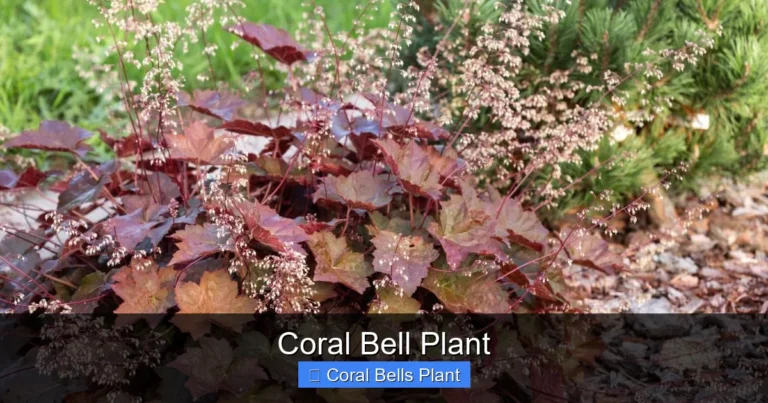
Coral Bells Plants Care
Coral bells plants care is straightforward when you give them partial shade, well‑drained soil, and regular watering. Feed them lightly in spring, prune spent blooms, and protect roots with mulch in winter. Follow these steps for healthy, colorful foliage all season.
coral bells plants care begins with a good planting site. Choose a spot with morning light and afternoon shade. The leaves stay bright in gentle light. Avoid deep shade or hot sun. Good soil drainage is essential for healthy roots.
coral bells plants care also means preparing the soil before you plant. Mix compost into the native earth to improve texture. A loose rich bed helps water move freely. This step reduces the risk of root rot later.
coral bells plants care is easy when you follow these first steps. A strong start leads to vigorous growth and vivid color all season.
Key Takeaways
- Light: Provide morning sun and afternoon shade for best color.
- Soil: Use rich, well‑drained soil amended with compost.
- Water: Keep soil evenly moist but never soggy.
- Fertilize: Apply a balanced slow‑release fertilizer in early spring.
- Prune: Remove dead leaves and spent flowers to encourage new growth.
- Winter: Mulch heavily and move containers to a sheltered spot.
Quick Answers to Common Questions
How much sun do coral bells need?
Coral bells thrive with morning sun and afternoon shade. Four to six hours of gentle light is ideal.
When should I water coral bells?
Water when the top inch of soil feels dry. Check daily in hot weather and every few days in cool weather.
What fertilizer works best for coral bells?
A balanced slow‑release 10‑10‑10 fertilizer applied in early spring works well. A light midsummer feed can boost blooms.
How do I prevent pests on coral bells?
Inspect weekly, use water sprays for aphids, set slug traps, and apply neem oil for mites. Good air flow also helps.
Can coral bells survive winter in containers?
Yes, move pots to a sheltered spot, wrap with burlap, mulch the soil, and water sparingly until spring.
📑 Table of Contents
- Coral Bells Plants Care: Choosing the Right Spot
- Coral Bells Plants Care: Watering Guidelines
- Coral Bells Plants Care: Feeding and Fertilizing
- Coral Bells Plants Care: Pruning and Maintenance
- Coral Bells Plants Care: Pest and Disease Management
- Coral Bells Plants Care: Winter Care and Overwintering
- Coral Bells Plants Care: Conclusion
Coral Bells Plants Care: Choosing the Right Spot
Coral Bells Plants Care: Light Requirements
coral bells plants care thrives in partial shade. Morning sun gives energy for bright foliage. Afternoon shade protects leaves from scorch. Too much sun fades the color. Too little sun makes plants leggy. Aim for four to six hours of gentle light each day.
coral bells plants care benefits from a light meter if you are unsure. Place the meter at leaf level for accurate reading. Adjust nearby structures to increase morning exposure. Simple changes can improve leaf color quickly.
Coral Bells Plants Care: Soil Preferences
coral bells plants care prefers well‑drained humus rich soil. Heavy clay holds water and harms roots. Sandy soil dries too fast. Add organic matter to balance texture. A pH near neutral works best. Test the soil if you are unsure.
coral bells plants care improves with a yearly top dressing of compost. Spread a thin layer around the base each spring. This feeds the soil and keeps moisture even. Avoid piling compost against the crown.
Coral Bells Plants Care: Site Preparation
coral bells plants care starts with clearing weeds and debris. Loosen the top twelve inches of soil with a fork. Mix in two inches of compost evenly. Water the bed lightly to settle the mix. Let the area rest a day before planting.
- Clear weeds and old mulch
- Loosen soil to twelve inches
- Add two inches compost
- Water lightly and wait
Coral Bells Plants Care: Watering Guidelines
Coral Bells Plants Care: How Often to Water
coral bells plants care needs consistent moisture. Water when the top inch of soil feels dry. In hot weather check daily. In cool weather check every few days. Deep soaking encourages deep roots. Avoid frequent light sprinkles.
coral bells plants care can use a soaker hose for even coverage. Lay the hose along the row and run for twenty minutes. This method wets the root zone without wetting leaves. It saves water and reduces disease risk.
Coral Bells Plants Care: Signs of Overwatering
coral bells plants care shows yellow leaves when roots sit in water. Stems may become soft and mushy. Fungal spots can appear on foliage. Reduce watering immediately if you see these signs. Improve drainage by adding grit or raising the bed.
coral bells plants care also warns of a sour smell from the soil. This odor indicates anaerobic conditions. Aerate the soil with a garden fork. Add coarse sand to improve airflow.
Coral Bells Plants Care: Watering Techniques
coral bells plants care benefits from morning watering. Early water lets leaves dry before night. Use a watering can with a fine rose for small beds. For larger areas a drip system works well. Mulch after watering to retain moisture.
- Water in the morning
- Use soaker or drip
- Mulch after watering
- Check soil daily in heat
Coral Bells Plants Care: Feeding and Fertilizing
Coral Bells Plants Care: Best Fertilizers
coral bells plants care benefits from a balanced slow release fertilizer. Look for an N‑P‑K ratio like 10‑10‑10. Organic options such as compost tea also work well. Avoid high nitrogen formulas that promote leaf growth at the expense of flowers.
coral bells plants care can also use a granular fertilizer with micronutrients. Apply according to package rates. Too much fertilizer burns roots and reduces bloom. A light hand keeps plants healthy.
Coral Bells Plants Care: Application Timing
coral bells plants care should be fed in early spring as new growth emerges. A second light feeding in midsummer can boost bloom. Do not fertilize in late fall. Late feeding encourages tender growth that winter can kill.
coral bells plants care follows a simple calendar. Mark the first feed on the first week of March. Mark the second feed on the first week of July. Skip feeding after September.
Coral Bells Plants Care: Organic Options
coral bells plants care thrives with organic amendments. Well rotted manure adds slow nutrients. Worm castings improve soil biology. Fish emulsion gives a quick nitrogen boost. Rotate organic sources each year for balance.
- Compost tea every four weeks
- Worm castings in spring
- Fish emulsion mid summer
- Manure top dress annually
Coral Bells Plants Care: Pruning and Maintenance
Coral Bells Plants Care: When to Prune
coral bells plants care includes pruning in late winter before new shoots appear. Remove any dead or damaged leaves at the base. Cut back old flower stems to the crown. This cleanup improves air flow and reduces disease risk.
coral bells plants care also benefits from a light trim after the first flush of flowers. Snip just above a healthy leaf node. This encourages a second bloom cycle. Do not cut into the woody crown.
Coral Bells Plants Care: Deadheading Tips
coral bells plants care encourages more blooms when spent flowers are removed. Pinch off the faded blossom just above a leaf node. Do this regularly through the flowering period. The plant redirects energy to fresh buds.
coral bells plants care can use clean scissors for precision. Sterilize tools with rubbing alcohol between plants. This prevents spreading pathogens. A quick wipe keeps the garden healthy.
Coral Bells Plants Care: Seasonal Cleanup
coral bells plants care requires a fall cleanup before frost. Remove all dead foliage and fallen leaves. Apply a thin layer of mulch to protect crowns. This reduces overwintering pests and diseases.
- Cut back dead leaves in fall
- Remove spent flower stems
- Mulch crowns lightly
- Inspect for pests before winter
Coral Bells Plants Care: Pest and Disease Management
Coral Bells Plants Care: Common Pests
coral bells plants care may attract aphids slugs and spider mites. Inspect leaves weekly for tiny insects. A strong spray of water can dislodge aphids. Slug traps or copper tape protect against slugs. Neem oil works for mites if needed.
coral bells plants care also watches for leafhoppers and thrips. Sticky traps catch flying adults early. Insecticidal soap treats soft bodied pests safely. Rotate treatments to avoid resistance.
Coral Bells Plants Care: Preventing Disease
coral bells plants care stays healthy with good air circulation. Space plants at least twelve inches apart. Water at the base to keep foliage dry. Remove any infected leaves promptly. A copper based fungicide can treat early leaf spot.
coral bells plants care benefits from a weekly foliar spray of diluted potassium bicarbonate. This raises leaf pH and discourages fungal spores. Apply in the morning for best coverage. Stop spraying two weeks before harvest.
Coral Bells Plants Care: Natural Remedies
coral bells plants care can use homemade garlic spray for aphids. Blend two cloves garlic with water and strain. Spray on affected leaves every three days. Companion planting with marigolds repels many pests.
- Garlic spray for aphids
- Marigold border for nematodes
- Neem oil for mites
- Copper tape for slugs
Coral Bells Plants Care: Winter Care and Overwintering
Coral Bells Plants Care: Mulching for Protection
coral bells plants care in cold climates needs a thick mulch layer. Apply three inches of shredded leaves or straw after the ground freezes. Mulch insulates roots from freeze thaw cycles. Keep mulch away from the crown to prevent rot.
coral bells plants care also uses evergreen boughs as a windbreak. Lay boughs over the bed before snow falls. This reduces desiccation from drying winds. Remove boughs in early spring.
Coral Bells Plants Care: Container Care in Cold
coral bells plants care for pots means moving containers to a sheltered spot. A garage or unheated porch works well. Wrap the pot with burlap for extra insulation. Water sparingly during dormancy. Return pots outdoors after the last frost.
coral bells plants care can also group pots together for shared warmth. Place a thick blanket over the group at night. Check moisture weekly and water if soil is dry. Avoid fertilizing until spring growth appears.
Coral Bells Plants Care: Early Spring Wake Up
coral bells plants care signals the start of the season when new shoots emerge. Remove winter mulch gradually as temperatures rise. Apply a light feed of balanced fertilizer. Water gently to settle the soil around new roots.
- Remove mulch slowly
- Feed with balanced fertilizer
- Water gently after feeding
- Watch for late frost warnings
Coral Bells Plants Care: Conclusion
coral bells plants care is simple when you remember a few key steps. Choose the right light soil and water routine. Feed lightly prune wisely and watch for pests. Protect roots in winter with mulch or shelter. Follow this guide and enjoy vibrant foliage and charming blooms year after year.
coral bells plants care rewards patience and observation. Each season teaches you more about your plants. Share successes with fellow gardeners. Happy growing.
Frequently Asked Questions
What is the best soil for coral bells?
Coral bells prefer rich, well‑drained soil with a neutral pH. Amend heavy clay or sandy soil with compost for optimal growth.
How often should I fertilize coral bells?
Fertilize once in early spring and optionally again in midsummer. Avoid fertilizing in late fall to prevent tender growth.
When is the right time to prune coral bells?
Prune in late winter before new growth starts. Remove dead leaves and old flower stems to improve air circulation.
What are common diseases of coral bells?
Leaf spot and crown rot are the most common. Keep foliage dry, space plants properly, and remove infected tissue promptly.
Can I grow coral bells indoors?
Coral bells can grow indoors with bright indirect light, consistent moisture, and good humidity. Use a well‑draining potting mix.
How do I propagate coral bells?
Divide mature clumps in early spring or fall. Replant divisions at the same depth and water well until established.