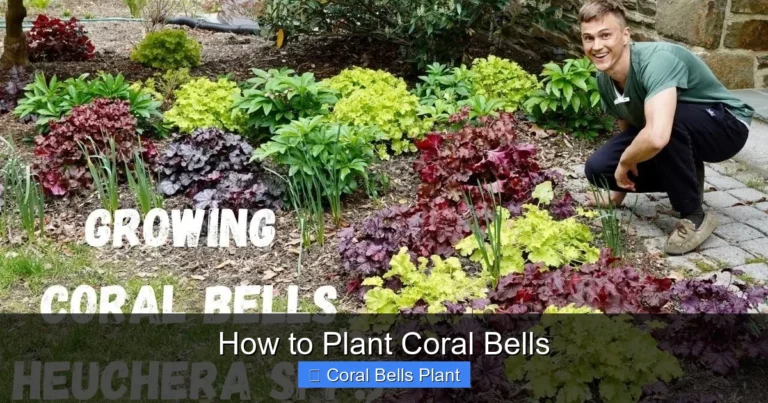
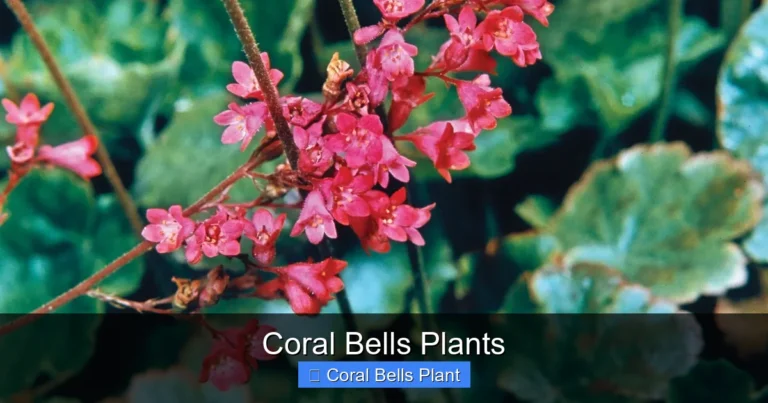
Can You Plant Coral Bells with a Rhododendren Plant
Yes, you can plant coral bells with rhododendrons successfully. Both plants love partial shade, acidic soil, and consistent moisture, making them ideal companions. This guide covers spacing, soil prep, care tips, and design ideas for a thriving shade garden.
Key Takeaways
- Shared Growing Conditions: Coral bells and rhododendrons both prefer partial shade, acidic soil (pH 5.5-6.5), and consistent moisture with good drainage.
- Proper Spacing Matters: Space coral bells 12-18 inches apart and keep them 2-3 feet from rhododendron trunks to prevent root competition and allow air flow.
- Soil Preparation Is Key: Amend planting areas with compost, peat moss, or pine bark to improve drainage and maintain acidity for both plants.
- Mulch Benefits Both Plants: Apply 2-3 inches of pine bark, pine needles, or shredded leaves to retain moisture, regulate temperature, and slowly acidify soil.
- Seasonal Care Differs Slightly: Rhododendrons need post-bloom pruning and spring fertilizing; coral bells benefit from division every 3-4 years and dead leaf removal in spring.
- Design With Foliage Contrast: Pair colorful coral bells varieties like ‘Caramel’ or ‘Palace Purple’ with rhododendron’s glossy green leaves for year-round visual interest.
- Watch For Common Issues: Monitor for root weevils on rhododendrons and crown rot on coral bells; both can be prevented with proper spacing and drainage.
Quick Answers to Common Questions
Can you plant coral bells with a rhododendren plant in full shade?
Both plants prefer partial shade with some morning light. Deep full shade may reduce rhododendron flowering and dull coral bells foliage color. Aim for dappled light or 2-4 hours of morning sun.
How far apart should coral bells be planted from a rhododendron?
Space coral bells 2-3 feet from the rhododendron trunk. This prevents root competition, allows air circulation, and gives you access for rhododendron maintenance.
Do coral bells and rhododendrons need the same fertilizer?
Rhododendrons need acid-forming fertilizer after blooming. Coral bells only need a light compost top-dressing in spring. Avoid high-nitrogen fertilizers for both plants.
What mulch is best for coral bells and rhododendrons together?
Pine bark nuggets, pine needles, or shredded oak leaves are ideal. They maintain soil acidity, retain moisture, and break down slowly to feed the soil.
Can I grow coral bells and rhododendrons in containers together?
Yes, use a large pot with acidic potting mix. Choose a dwarf rhododendron variety and 3-4 coral bells. Water frequently and fertilize monthly at quarter strength.
📑 Table of Contents
- Introduction
- Why Coral Bells and Rhododendrons Make Great Companions
- Choosing the Right Varieties for Your Combination
- Preparing the Planting Site
- Step-by-Step Planting Guide
- Ongoing Care for a Thriving Partnership
- Design Ideas for Maximum Impact
- Common Mistakes and How to Avoid Them
- Seasonal Care Calendar
- Troubleshooting Common Problems
- Conclusion
Introduction
If you have a shady spot in your garden and love the idea of layered, textural planting, you might wonder can you plant coral bells with a rhododendren plant. The short answer is yes. These two plants are natural partners. They share a love for dappled light, acidic soil, and steady moisture. When planted together, they create a beautiful tapestry of foliage and flower that lasts from early spring through late fall.
I have seen this combination work in countless woodland gardens. The rhododendron provides structure and spring blooms. The coral bells fill the ground level with colorful leaves that persist all season. Together they solve the problem of what to plant under large shrubs. They also reduce maintenance because they suppress weeds and share the same watering schedule. In this guide, I will walk you through everything you need to know. We will cover soil preparation, spacing, variety selection, seasonal care, and design ideas. By the end, you will feel confident creating this classic shade garden pairing.
Why Coral Bells and Rhododendrons Make Great Companions
Shared Light Requirements
Both plants thrive in partial shade. Rhododendrons prefer morning sun with afternoon shade or dappled light all day. Coral bells, also known as heuchera, handle similar conditions. They can take a bit more sun in cooler climates, but in hot regions they need protection from harsh afternoon rays. This overlap means you can plant them in the same bed without one suffering from too much or too little light.
Matching Soil Preferences
Acidic soil is the foundation of success for both plants. Rhododendrons need a pH between 4.5 and 6.0. Coral bells prefer a slightly wider range, roughly 5.5 to 7.0, but they perform best in mildly acidic conditions. If your soil is neutral or alkaline, you will need to amend it. We will discuss how to do that in the soil preparation section. The key takeaway is that you do not have to compromise. One soil treatment serves both plants well.
Similar Moisture Needs
Consistent moisture with good drainage defines the happy zone for both. Rhododendrons have shallow, fibrous root systems that dry out quickly. Coral bells also dislike soggy crowns but need steady moisture for lush foliage. A thick layer of organic mulch solves this for both. It keeps roots cool, retains water, and breaks down to feed the soil. Water deeply once or twice a week during dry spells rather than light daily sprinkling.
Complementary Growth Habits
Rhododendrons are woody shrubs that grow upright and spread over time. They can reach 4 to 10 feet tall and wide depending on the variety. Coral bells form low mounds, typically 12 to 18 inches tall and wide. This vertical layering creates a full, lush look. The rhododendron anchors the space. The coral bells carpet the ground. There is no competition for the same aerial space.
Extended Seasonal Interest
Rhododendrons put on a spectacular flower show in spring. Their evergreen leaves provide structure year-round. Coral bells shine with foliage color from spring through fall. Many varieties hold their leaves well into winter in mild climates. Some even send up delicate flower spikes in early summer that attract hummingbirds. Together, they ensure your shade bed never looks bare.
Choosing the Right Varieties for Your Combination
Rhododendron Selection Tips
Not all rhododendrons are created equal. For smaller gardens, choose compact varieties like ‘PJM Elite’ or ‘Yaku Princess’. These stay under 4 feet tall and wide. For larger spaces, classic varieties like ‘Nova Zembla’ or ‘Roseum Elegans’ make bold statements. Consider bloom time too. Early, mid, and late-season bloomers can extend the flower show over several weeks. Always check the mature size on the plant tag. You want enough room for the coral bells to spread beneath without being smothered.
Coral Bells Varieties That Shine Under Rhododendrons
With hundreds of heuchera cultivars available, you can pick colors that contrast or harmonize with your rhododendron foliage. Here are a few standouts:
- ‘Palace Purple’: Deep bronze-purple leaves with a metallic sheen. Classic and reliable.
- ‘Caramel’: Warm gold-to-apricot foliage that glows in shade. Heat and humidity tolerant.
- ‘Lime Rickey’: Bright chartreuse leaves that light up dark corners. Ruffled edges add texture.
- ‘Obsidian’: Near-black, glossy leaves. Dramatic against green rhododendron leaves.
- ‘Berry Smoothie’: Rose-pink leaves that mature to burgundy. Large, bold foliage.
- ‘Green Spice’: Green leaves with silver overlay and dark veins. Subtle and elegant.
Mix two or three varieties for a tapestry effect. Repeat each variety in drifts of three to five plants for the most natural look.
Consider Foliage Texture and Shape
Rhododendron leaves are large, leathery, and smooth. Coral bells offer ruffled, lobed, or smooth leaves in various sizes. Pairing bold rhododendron leaves with finely cut coral bells like ‘Crème Brûlée’ or ‘Electra’ adds textural contrast. This keeps the planting interesting even when nothing is in bloom.
Preparing the Planting Site
Test Your Soil First
Before you buy plants, test your soil pH. You can buy an inexpensive kit at any garden center or send a sample to your local extension service. If your pH is above 6.5, you will need to lower it. Elemental sulfur works slowly but effectively. Aluminum sulfate acts faster but can burn roots if overapplied. Follow package rates carefully. Aim for a pH between 5.5 and 6.0. This sweet spot keeps both plants happy.
Improve Drainage and Organic Matter
Heavy clay soil is the enemy of both plants. Rhododendron roots suffocate in waterlogged clay. Coral bells crowns rot. If you have clay, do not just dig a hole and plant. Amend the entire bed. Mix in 3 to 4 inches of compost, peat moss, or finely ground pine bark. Work it into the top 12 inches of soil. This creates a raised planting zone that drains well but holds moisture. In sandy soil, add the same organic matter to improve water retention.
Create a Planting Plan on Paper
Sketch your bed to scale. Mark the rhododendron’s mature spread as a circle. Then place coral bells in a ring 2 to 3 feet from the trunk. Space them 12 to 18 inches apart on center. This gives each coral bells room to form a full mound. It also leaves space for you to reach the rhododendron for pruning or deadheading. If you are planting multiple rhododendrons, stagger the coral bells between them.
Timing Your Planting
Spring and early fall are the best times to plant. In spring, the soil is warming but summer heat has not arrived. In fall, roots establish before winter dormancy. Avoid planting in the heat of summer or when the ground is frozen. If you must plant in summer, provide temporary shade cloth and water daily for the first two weeks.
Step-by-Step Planting Guide
Plant the Rhododendron First
Dig a hole twice as wide as the root ball but no deeper. The top of the root ball should sit slightly above grade, about 1 to 2 inches. Rhododendrons are shallow-rooted. Planting too deep is a common cause of failure. Backfill with your amended soil. Firm gently. Water thoroughly to settle soil and eliminate air pockets.
Add the Coral Bells
For each coral bells, dig a hole the same depth as the pot and twice as wide. Gently loosen the root ball if it is pot-bound. Set the plant so the crown sits at soil level. Do not bury the crown. This is critical. Buried crowns lead to rot. Backfill, firm lightly, and water each plant as you go.
Mulch Immediately
Apply 2 to 3 inches of mulch over the entire bed. Pine bark nuggets, pine needles, or shredded leaves are ideal. They break down slowly and maintain acidity. Keep mulch 2 inches away from the rhododendron trunk and coral bells crowns. Piling mulch against stems invites pests and disease.
Water Deeply After Planting
Give the whole bed a long, slow soak. A soaker hose or drip irrigation works best. Water until the soil is moist 12 inches down. Check with a screwdriver or soil probe. This initial deep watering encourages roots to grow downward.
Ongoing Care for a Thriving Partnership
Watering Schedule
Both plants need consistent moisture, especially in the first two years. Water deeply once a week during dry periods. In hot summers, you may need twice weekly. Check soil moisture by sticking your finger 2 inches down. If it feels dry, water. Reduce watering in fall as temperatures cool. Do not let the bed dry out completely before winter freeze.
Fertilizing Routine
Rhododendrons benefit from a spring application of acid-forming fertilizer. Look for products labeled for azaleas, camellias, and rhododendrons. Apply after flowering, usually in late spring. Coral bells are light feeders. A top-dressing of compost in spring is usually enough. If growth seems slow, use a balanced slow-release fertilizer at half strength. Avoid high-nitrogen fertilizers. They promote soft growth that is prone to winter damage.
Pruning and Deadheading
Rhododendrons need minimal pruning. Remove dead or damaged branches anytime. Shape the plant right after flowering by cutting back to a leaf whorl. Do not prune in late summer or fall. You will remove next year’s flower buds. Deadhead spent flowers by snapping them off at the base. This redirects energy to growth rather than seed production.
Coral bells need even less pruning. In early spring, remove any tattered or dead leaves from the previous season. Cut flower stalks back to the base after blooming if you prefer a tidy look. Every 3 to 4 years, divide clumps in spring or fall to rejuvenate them. Dig the plant, pull apart into sections with roots, and replant.
Mulch Maintenance
Refresh mulch annually in spring. Rake back old mulch, add a thin layer of compost, then apply fresh mulch. This mimics the natural forest floor. It feeds soil microbes, maintains acidity, and suppresses weeds. Over time, this practice builds incredible soil structure.
Pest and Disease Monitoring
Rhododendrons can attract root weevils, lace bugs, and spider mites. Check leaf undersides monthly. Root weevil adults notch leaf edges at night. Beneficial nematodes applied to soil in spring control larvae. Lace bugs cause stippled, yellow leaves. Insecticidal soap or horticultural oil works if caught early.
Coral bells are generally trouble-free. Crown rot is the main risk in poorly drained soil. Heaving can occur in freeze-thaw cycles. A thick mulch layer prevents this. Foliar nematodes cause brown wedges between leaf veins. Remove affected leaves and avoid overhead watering.
Design Ideas for Maximum Impact
Create a Woodland Vignette
Plant a single large rhododendron as an anchor. Surround it with a sweep of three coral bells varieties. Add spring bulbs like snowdrops or scilla between the coral bells for early color. Edge the bed with a low fern like Japanese painted fern. This creates a mini woodland scene that looks established from year one.
Line a Shady Path
Plant a row of compact rhododendrons along a north-facing walkway. Underplant with alternating drifts of ‘Caramel’ and ‘Obsidian’ coral bells. The contrasting foliage guides the eye down the path. Add a few hostas at the back for height variation. This works beautifully along the side of a house or garage.
Build a Color-Themed Bed
Choose a rhododendron with pink flowers. Underplant with coral bells in burgundy, silver, and chartreuse. Add a Japanese maple with red foliage for a third layer. The pink flowers echo the burgundy coral bells. The chartreuse provides a jolt of light. The silver cools the palette. This sophisticated scheme looks intentional and designer-driven.
Container Combination for Small Spaces
If you lack garden space, try a large container. Use a dwarf rhododendron like ‘Ginny Gee’ or ‘Patty Bee’. Plant three coral bells around the base. Use a high-quality acidic potting mix. Water more frequently than in-ground plants. Fertilize monthly at quarter strength. Overwinter the pot in a protected spot or sink it into the ground.
Layer With Other Shade Lovers
Expand the palette with compatible companions. Foamflower (Tiarella) offers similar foliage with airy spring spikes. Lungwort (Pulmonaria) adds silver-spotted leaves and early blue-pink flowers. Hellebores bloom in late winter before rhododendrons wake up. Ferns add fine texture. All share the same cultural needs.
Common Mistakes and How to Avoid Them
Planting Too Deep
This is the number one killer of rhododendrons. The root flare must be visible. If you cannot see where the trunk widens into roots, the plant is too deep. Coral bells crowns must sit at soil level. Burying them causes crown rot. Always plant high and mulch to cover exposed roots.
Ignoring Soil pH
Yellow leaves with green veins signal iron chlorosis from high pH. This affects both plants. Test annually and amend as needed. It is easier to maintain acidity than to correct it later. Pine needle mulch helps naturally.
Overcrowding
It is tempting to plant close for instant fullness. Resist. Crowded plants compete for water and nutrients. Air flow decreases, inviting fungal diseases. Follow spacing guidelines. Fill gaps with annuals like impatiens the first year if you want immediate coverage.
Using the Wrong Mulch
Hardwood mulch breaks down to neutral or alkaline pH. It also compacts and sheds water. Stick with pine products. They are worth the extra cost. Avoid rubber mulch, stone, or landscape fabric. They do not feed the soil and can trap heat.
Watering Incorrectly
Frequent shallow watering creates shallow roots. Deep, infrequent watering creates drought-resistant plants. Water at the base, not overhead. Wet foliage promotes leaf spot and powdery mildew. Drip irrigation is the gold standard.
Seasonal Care Calendar
Early Spring (March-April)
- Remove winter mulch from crowns gradually
- Clean up dead coral bells leaves
- Apply acid fertilizer to rhododendrons
- Top-dress coral bells with compost
- Refresh mulch layer
- Check for heaved plants, firm back in
Late Spring (May-June)
- Deadhead rhododendrons after bloom
- Prune rhododendrons for shape if needed
- Watch for lace bugs and root weevils
- Water deeply as temperatures rise
- Remove coral bells flower stalks if desired
Summer (July-August)
- Monitor soil moisture closely
- Water deeply during dry spells
- Check for spider mites in hot, dry weather
- Remove any diseased foliage promptly
- Enjoy the foliage show
Fall (September-October)
- Plant new additions or divide coral bells
- Reduce watering as rain returns
- Apply winter mulch after ground freezes
- Protect young rhododendrons with burlap screen if exposed
- Remove fallen leaves from crowns
Winter (November-February)
- Check mulch after storms
- Brush heavy snow off rhododendron branches
- Avoid walking on frozen beds
- Plan next year’s additions
- Order new varieties for spring
Troubleshooting Common Problems
Rhododendron Leaves Turning Yellow
If veins stay green but tissue yellows, it is likely iron deficiency from high pH. Test soil and apply chelated iron as a quick fix. Long term, lower pH with sulfur. If older leaves yellow and drop uniformly, it may be natural shedding or nitrogen deficiency. Fertilize lightly in spring.
Coral Bells Center Dying Out
This is called “heaving” or crown rot. In winter, freeze-thaw cycles push plants up. Roots dry out and die. In wet soil, crowns rot. Solution: mulch heavily in fall. Divide congested clumps every few years. Replant divisions at correct depth.
Rhododendron Not Blooming
Common causes: too much shade, pruning at wrong time, frost damage to buds, or excess nitrogen. Ensure at least 4 hours of dappled light. Prune only after flowering. Protect from late frosts with frost cloth. Use low-nitrogen fertilizer.
Coral Bells Colors Fading
Many varieties need some morning sun for best color. Deep shade can make purple varieties turn green. Chartreuse varieties may scorch in too much sun. Move plants in spring or fall if color is disappointing. ‘Caramel’ and ‘Citronelle’ hold color well in shade.
Holes in Rhododendron Leaves
Notched edges at night = root weevils. Apply beneficial nematodes to soil in April-May. Lacy, skeletonized leaves = lace bugs. Spray insecticidal soap on leaf undersides. Shot-hole pattern = fungal leaf spot. Improve air flow, avoid overhead water, remove affected leaves.
Conclusion
So, can you plant coral bells with a rhododendren plant? Absolutely. This is one of the most rewarding combinations for shade gardens. The rhododendron brings structure, spring flowers, and evergreen presence. The coral bells bring season-long foliage color, texture, and ground coverage. They speak the same language: acidic soil, partial shade, consistent moisture, and organic mulch.
Success comes down to a few key practices. Prepare the soil well. Plant at the correct depth. Space for mature size. Mulch generously with pine products. Water deeply. Fertilize appropriately. Monitor for pests. Divide coral bells periodically. Follow these steps and your planting will look better each year.
I encourage you to start small if you are new to this pairing. Choose one rhododendron and three to five coral bells. Watch how they interact through the seasons. Notice which colors sing together. Observe how the light moves across the bed. Gardening is a conversation with your site. This combination is one of the most forgiving and beautiful conversations you can have. Happy planting.
Frequently Asked Questions
Will coral bells survive under a large, established rhododendron?
Yes, coral bells thrive under established rhododendrons if planted at the drip line or beyond. The key is amending the planting pockets with compost and ensuring regular water since the rhododendron’s dense roots will compete for moisture.
Do coral bells and rhododendrons bloom at the same time?
Rhododendrons bloom in spring (April-June depending on variety). Coral bells send up flower spikes in late spring to early summer. Their bloom times often overlap slightly, creating a layered floral display.
Can I plant coral bells right up against the rhododendron trunk?
No, keep coral bells at least 2 feet from the trunk. Planting too close damages rhododendron surface roots during digging and creates excessive competition for water and nutrients.
What coral bells varieties are best for hot, humid climates under rhododendrons?
‘Caramel’, ‘Citronelle’, ‘Southern Comfort’, and ‘Georgia Peach’ are bred for heat and humidity tolerance. They maintain vibrant color better than many purple varieties in southern gardens.
How often should I divide coral bells growing near rhododendrons?
Divide coral bells every 3-4 years in early spring or fall. This prevents center die-out, rejuvenates foliage color, and gives you free plants to expand the planting.
Are there any plants I should avoid planting with this combination?
Avoid aggressive spreaders like mint, bishop’s weed, or English ivy that will smother coral bells. Also avoid plants needing alkaline soil like lilacs or clematis, as they conflict with the acidic requirements.