Coral Bells Fire Plants
Coral bells fire plants offer spectacular foliage color ranging from deep burgundy to bright lime green, making them perfect for shaded garden spots. These low-maintenance perennials thrive in zones 4-9 and provide year-round visual interest with minimal care requirements.
When I first discovered coral bells fire plants at my local nursery, I was immediately drawn to their incredible range of foliage colors. Those ruffled leaves in shades of amber, coral, deep purple, and chartreuse seemed almost too vibrant to be real. Little did I know these tough little perennials would become the backbone of my shade garden for years to come.
If you are looking to add serious visual impact to those tricky shaded areas of your yard, coral bells fire plants might be exactly what you need. These North American natives have been bred into an astonishing array of cultivars, each offering unique leaf colors, textures, and growth habits. Best of all, they ask for very little in return.
Key Takeaways
- Versatile shade plants: Coral bells fire plants excel in partial to full shade conditions where many other plants struggle
- Year-round foliage: These perennials maintain colorful leaves through all seasons, even in winter in milder climates
- Low maintenance: Once established, they require minimal watering and fertilizing
- Deer resistant: Most varieties naturally deter deer and rabbit browsing
- Perfect companions: Pair beautifully with hostas, ferns, and astilbe for stunning shade garden combinations
- Multiple varieties: Choose from dozens of cultivars with colors ranging from near-black to electric lime
- Easy propagation: Divide clumps every 3-4 years to maintain vigor and create new plants
Quick Answers to Common Questions
How much sun do coral bells fire plants need?
Most coral bells fire plants prefer partial shade with 2-4 hours of morning sun. Some varieties tolerate more sun in cooler climates, but afternoon shade is essential in hot regions.
When is the best time to divide coral bells fire plants?
Early spring is ideal for division, just as new growth emerges. This gives divisions the entire growing season to establish before winter.
Why are my coral bells fire plants turning green?
Foliage color fades to green due to excessive shade, too much nitrogen fertilizer, or natural seasonal changes. Ensure adequate light and avoid over-fertilizing.
Are coral bells fire plants deer resistant?
Yes, most coral bells fire plants are deer and rabbit resistant due to astringent compounds in their leaves. However, hungry animals may sample them in severe winters.
Can coral bells fire plants grow in full shade?
They survive in full shade but foliage color intensity diminishes. For best color, provide at least dappled light or 2 hours of morning sun.
📑 Table of Contents
Understanding Coral Bells Fire Plants
What Are Coral Bells Fire Plants
Coral bells fire plants belong to the genus Heuchera, a group of perennial plants native to North America. The common name “coral bells” comes from the tiny bell-shaped flowers that appear on tall, wiry stems in late spring to early summer. However, most gardeners grow these plants primarily for their spectacular foliage rather than their blooms.
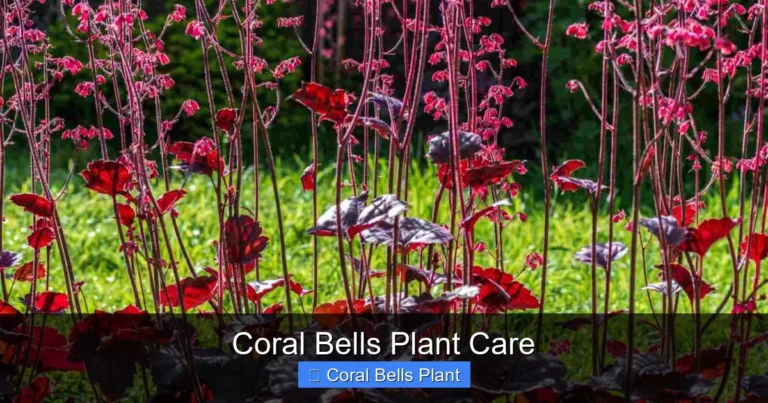
The “fire” designation typically refers to cultivars with particularly intense, warm-toned foliage colors. Think deep reds, bright oranges, glowing ambers, and rich burgundies. These varieties create a fiery display in the garden that seems to glow from within, especially when backlit by morning or evening sun.
Botanical Background
Heuchera species naturally grow in diverse habitats across North America, from rocky cliffs to woodland floors. This adaptability explains why coral bells fire plants thrive in such a wide range of garden conditions. Modern breeding programs have crossed various species to create hybrids with improved heat tolerance, better color retention, and more vigorous growth habits.
The genus includes over 50 species, but most garden cultivars derive from just a few key species. Heuchera americana contributes cold hardiness and attractive veining. Heuchera sanguinea brings the classic coral-red flowers. Heuchera villosa adds heat and humidity tolerance along with large, fuzzy leaves. Heuchera micrantha provides ruffled leaf margins and compact growth.
Choosing the Right Varieties
Top Fire-Colored Cultivars
When shopping for coral bells fire plants, you will encounter dozens of named varieties. Here are some standout performers that consistently deliver that fiery color punch.
Fire Alarm lives up to its name with brilliant red leaves that hold their color exceptionally well through summer heat. The leaves have a slightly ruffled texture and form a neat mound about 12 inches tall and wide.
Fire Chief offers deep wine-red foliage with a slightly more upright habit. This variety shows excellent heat tolerance and maintains rich color even in warmer zones.
Georgia Peach displays large, peachy-orange leaves with a subtle silver overlay. The color intensifies in cooler weather, turning deeper coral in fall. This one handles more sun than many other varieties.
Caramel features warm amber-gold foliage that seems to glow in shaded spots. The leaves have a gentle ruffle and the plant forms a tidy clump. It pairs beautifully with blue hostas or purple-leaved companions.
Citronelle brings electric lime-green foliage that brightens the darkest corners. While not a “fire” color per se, its intense brightness creates the same visual excitement. This variety is exceptionally vigorous.
Obsidian offers near-black foliage that provides dramatic contrast. The glossy leaves hold their dark color well and make surrounding plants pop. It creates a sophisticated backdrop for brighter coral bells fire plants.
Matching Varieties to Your Conditions
Not every coral bells fire plant performs equally in all conditions. Consider your specific garden situation when selecting varieties.
For hot, humid southern gardens, prioritize varieties with Heuchera villosa parentage. These include ‘Caramel,’ ‘Citronelle,’ ‘Mocha,’ and the ‘Southern Comfort’ series. They resist the leaf scorch and crown rot that can plague other varieties in steamy summers.
For cold northern climates (zones 3-4), look for varieties with strong Heuchera americana genetics. ‘Palace Purple,’ ‘Plum Pudding,’ and ‘Chocolate Ruffles’ have proven their cold hardiness over decades.
If your planting site receives more sun (4-6 hours), choose varieties known for sun tolerance. ‘Georgia Peach,’ ‘Southern Comfort,’ ‘Peach Flambe,’ and ‘Electra’ handle brighter conditions better than most. However, even sun-tolerant varieties appreciate afternoon shade in hot climates.
For containers, select compact varieties that won’t outgrow their pots quickly. ‘Delta Dawn,’ ‘Cherry Cola,’ and ‘Lime Marmalade’ maintain neat proportions and look fabulous in mixed planters.
Planting for Success
Ideal Planting Time
Spring and fall both work well for planting coral bells fire plants. Spring planting gives roots time to establish before summer heat. Fall planting allows root development during cool, moist conditions before winter dormancy. Avoid planting during summer heat or when the ground is frozen.
In zones 7 and warmer, fall planting is often ideal. The plants establish roots through winter and explode with growth in spring. In zones 6 and colder, spring planting is safer to prevent frost heaving of newly planted crowns.
Site Selection and Preparation
Most coral bells fire plants prefer partial shade, meaning 2-4 hours of morning sun or dappled light throughout the day. Deep shade reduces foliage color intensity. Full sun in hot climates causes leaf scorch. Observe your planting site throughout the day before committing.
Soil drainage is critical. These plants hate wet feet, especially in winter. Heavy clay soil should be amended with compost, aged bark fines, or coarse sand to improve drainage. Aim for a soil pH between 6.0 and 7.0, slightly acidic to neutral.
Before planting, work 2-3 inches of organic matter into the top 8-10 inches of soil. This improves both drainage and moisture retention. A handful of bone meal or balanced slow-release fertilizer in the planting hole gives new plants a gentle start.
Proper Planting Technique
Space plants 12-18 inches apart depending on mature size. Dig holes twice as wide as the root ball but no deeper. The crown (where stems meet roots) should sit at or slightly above soil level. Planting too deep leads to crown rot, the number one killer of coral bells fire plants.
Gently loosen circling roots before placing the plant. Backfill with amended soil, firming gently to eliminate air pockets. Water thoroughly to settle soil around roots. Apply a 1-2 inch layer of shredded bark or leaf mulch, keeping it away from the crown.
Container Planting Tips
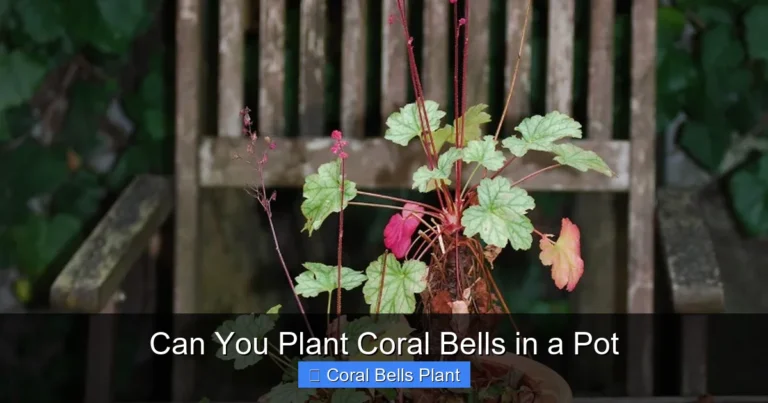
Coral bells fire plants thrive in containers with proper care. Choose pots at least 12 inches wide with drainage holes. Use high-quality potting mix amended with perlite or coarse sand for extra drainage. Avoid garden soil in containers.
Container plants need more frequent watering and fertilizing than in-ground plants. Check moisture daily during hot weather. Feed with diluted liquid fertilizer every 2-3 weeks during the growing season. In cold climates, move pots to a protected location or sink them in the ground for winter.
Ongoing Care and Maintenance
Watering Requirements
Newly planted coral bells fire plants need consistent moisture for the first growing season. Water deeply 2-3 times per week during dry spells, allowing the top inch of soil to dry between waterings. Established plants are surprisingly drought tolerant but perform best with regular moisture.
The key is avoiding extremes. Bone-dry soil causes leaf crisping and decline. Soggy soil invites crown rot. Mulch helps maintain even moisture. Water at the base of plants rather than overhead to keep foliage dry and reduce disease risk.
In containers, the finger test works best. Stick your finger into the soil up to the second knuckle. If it feels dry at that depth, water thoroughly until it drains from the bottom. During peak summer heat, daily watering may be necessary.
Fertilizing Schedule
Coral bells fire plants are light feeders. Too much fertilizer produces lush green growth at the expense of those vibrant foliage colors. A single application of balanced slow-release fertilizer in early spring is usually sufficient for in-ground plants.
For container plants, use half-strength liquid fertilizer every 3-4 weeks from spring through early fall. Stop fertilizing by late summer to allow plants to harden off before winter. Organic options like compost tea or fish emulsion work well and reduce salt buildup.
If foliage color seems dull, a foliar spray of seaweed extract or chelated iron can help. But first check soil pH. Alkaline soil (above 7.0) can lock up nutrients and fade colors. Elemental sulfur or acidifying fertilizer can lower pH gradually.
Seasonal Maintenance Tasks
Spring cleanup involves removing any winter-damaged leaves. Cut them off at the base with clean scissors. This improves air circulation and reduces disease pressure. If plants have heaved out of the ground during freeze-thaw cycles, gently firm them back in place.
Deadheading spent flower stalks keeps plants tidy and may encourage a light rebloom. Cut stems back to the basal foliage. Some gardeners remove flower stalks entirely to direct energy into foliage production. This is purely aesthetic preference.
Fall care is minimal. Leave foliage in place for winter protection. In very cold zones, apply extra mulch after the ground freezes. Do not cut back foliage in fall. The leaves protect the crown and provide winter interest.
Division and Rejuvenation
Every 3-4 years, coral bells fire plants benefit from division. Signs include reduced vigor, dying out in the center, or diminished foliage color. Spring is the ideal time, just as new growth emerges.
Dig up the entire clump. Shake or wash off soil to reveal the crown structure. Using a sharp knife or spade, divide into sections, each with several healthy shoots and roots. Discard woody, unproductive centers. Replant divisions at proper depth, water well, and mulch.
Division also gives you free plants to expand your collection or share with friends. A single mature clump can yield 4-6 new plants. This is the most reliable propagation method since seeds rarely come true to type.
Designing with Coral Bells Fire Plants
Shade Garden Combinations
The real magic happens when you combine coral bells fire plants with complementary companions. Their mounded habit and colorful foliage create endless design possibilities.
Pair deep purple varieties like ‘Obsidian’ or ‘Palace Purple’ with chartreuse hostas such as ‘Sum and Substance’ or ‘Guacamole.’ The color contrast is electric. Add Japanese painted fern for silver highlights and you have a professional-looking combination.
For a warm-toned theme, group ‘Georgia Peach,’ ‘Caramel,’ and ‘Peach Flambe’ with golden Japanese forest grass (Hakonechloa ‘Aureola’) and orange-flowered epimedium. The effect is like a perpetual autumn glow in the shade garden.
Create a “coral bells tapestry” by planting 5-7 different varieties in a drift. Choose colors that flow together: deep red, coral, peach, amber, gold, lime, and near-black. Space them 12 inches apart in a loose triangle pattern. The result resembles a living quilt.
Container Recipes
Coral bells fire plants shine in container designs. Their compact size and year-round foliage make them perfect thriller or filler components.
For a shade container, try ‘Fire Alarm’ as the centerpiece surrounded by ‘Citronelle’ and trailing variegated ivy. Add white-flowered begonia for bloom contrast. The red-lime-white combination pops in low light.
For a sun-tolerant container, combine ‘Georgia Peach’ with purple fountain grass, orange calibrachoa, and trailing sweet potato vine ‘Marguerite.’ This combination handles 6 hours of sun and provides months of color.
Winter containers benefit from evergreen coral bells fire plants. Pair ‘Obsidian’ or ‘Midnight Rose’ with dwarf conifers, wintergreen (Gaultheria), and early-blooming hellebores. The dark foliage provides structure when little else is happening.
Border and Edging Uses
Plant coral bells fire plants along pathway edges where their foliage can be appreciated up close. Their neat mounds create a tidy border that never needs shearing. Space plants 12 inches apart for a continuous edge.
Use them to transition between lawn and shade garden. The colorful foliage draws the eye into the planting bed. They also work well at the front of shrub borders, hiding bare legs of larger plants.
On slopes, coral bells fire plants help stabilize soil with their fibrous root systems. Plant in staggered rows for erosion control. Their evergreen foliage provides year-round coverage.
Troubleshooting Common Problems
Crown Rot Prevention and Treatment
Crown rot is the most serious threat to coral bells fire plants. It occurs when the crown sits in wet soil, especially during winter. Symptoms include wilting despite moist soil, blackened crown tissue, and easy separation of leaves from the crown.
Prevention starts at planting. Ensure excellent drainage. Plant crowns slightly high. Mulch away from crowns. Avoid heavy clay soils without amendment. In wet climates, consider raised beds or berms.
If caught early, you can sometimes save affected plants. Dig up the plant, wash roots, and cut away all rotted tissue with a sterile knife. Dust cuts with fungicide or cinnamon. Replant in fresh, well-draining soil. Keep barely moist until new growth appears.
Leaf Scorch and Sun Damage
Brown, crispy leaf edges indicate too much sun or insufficient water. Afternoon sun is particularly damaging. If only a few leaves are affected, remove them. The plant will produce new growth.
For chronic sun issues, transplant to a shadier location in fall or early spring. Alternatively, provide artificial shade with a shade cloth or strategic placement of taller plants. Increase watering frequency during hot spells.
Some varieties naturally show more sun tolerance. If you must plant in brighter conditions, choose ‘Georgia Peach,’ ‘Southern Comfort,’ ‘Electra,’ or ‘Berry Smoothie.’ Even these appreciate afternoon shade in zones 8+.
Pest Issues
Coral bells fire plants are remarkably pest-resistant. Deer and rabbits typically avoid them due to astringent compounds in the leaves. However, a few pests occasionally appear.
Vine weevil larvae feed on roots, causing sudden wilting. Adults notch leaf edges at night. Beneficial nematodes applied to soil in spring and fall control larvae. Sticky traps catch adults.
Foliar nematodes cause angular brown spots between leaf veins. Remove affected leaves. Avoid overhead watering. No chemical controls exist for home gardeners.
Mealybugs sometimes hide in crown crevices. Look for white cottony masses. Treat with insecticidal soap or neem oil, ensuring contact with pests. Systemic insecticides work for severe infestations.
Fungal Diseases
Powdery mildew appears as white dusty coating on leaves. It thrives in humid conditions with poor air circulation. Space plants properly. Water at soil level. Remove affected leaves. Fungicides containing sulfur or potassium bicarbonate help.
Rust shows as orange pustules on leaf undersides. Remove infected leaves promptly. Avoid wetting foliage. Copper-based fungicides can prevent spread.
Botrytis (gray mold) affects flowers and damaged tissue in cool, damp weather. Deadhead spent blooms. Improve air circulation. Remove plant debris.
Seasonal Interest Throughout the Year
Spring Awakening
Early spring brings fresh new growth in the most intense colors of the year. Coral bells fire plants emerge with clean, vibrant foliage before many other perennials even break dormancy. This is their showiest season.
Flower stalks begin elongating in mid to late spring. The tiny bells open sequentially along wiry stems, attracting hummingbirds and pollinators. Flower color ranges from white to pink to coral red depending on variety.
Spring is also the ideal time for division, fertilizing, and planting new additions. The cool, moist conditions support rapid establishment.
Summer Performance
Summer tests coral bells fire plants, especially in hot climates. Some varieties maintain brilliant color all season. Others may green out or fade slightly. Consistent moisture and afternoon shade help preserve color intensity.
Deadhead spent flower stalks to maintain neat appearance. Monitor for pests and diseases during humid periods. Container plants need daily attention during heat waves.
In cooler climates, summer is prime season. The plants look lush and colorful with minimal care. This is a great time to evaluate combinations and plan fall divisions.
Fall Transformation
Many coral bells fire plants intensify in color as temperatures drop. Reds deepen. Oranges glow brighter. Chartreuse turns golden. This fall color change rivals any tree or shrub.
Fall is planting and division season. The soil is warm, air is cool, and rainfall typically increases. New plantings establish roots before winter.
Leave foliage intact for winter protection. Apply winter mulch after ground freezes in cold zones.
Winter Structure
In zones 6 and warmer, coral bells fire plants remain evergreen, providing crucial winter structure. Dark varieties like ‘Obsidian’ and ‘Black Pearl’ stand out against snow. Lime varieties like ‘Citronelle’ brighten gray days.
In colder zones, foliage may flatten or brown but usually persists at the base. Do not clean up until spring. The old leaves protect the crown.
Winter is planning time. Browse catalogs. Note which varieties performed best. Dream of spring combinations.
Advanced Growing Techniques
Creating Custom Color Blends
Advanced gardeners create custom coral bells fire plant blends by growing multiple varieties together in a single large container or planting pocket. The key is selecting varieties with similar growth rates and cultural needs.
Start with 3-5 varieties in a 18-24 inch container. Choose a color theme: all warm tones, all cool tones, or high contrast. Plant them close together, 6-8 inches apart. As they grow, they knit into a single multi-colored mound.
This technique works beautifully for patio displays where space is limited. It also allows you to test combinations before committing to garden space.
Forcing Early Growth
For early spring color, pot up divisions in fall and overwinter in a cold frame or unheated garage. Bring them into a cool, bright location (40-50°F) in late winter. They will break dormancy weeks early.
This works well for spring container displays or garden shows. Harden off gradually before placing outside permanently. Water sparingly until active growth resumes.
Seed Collection and Sowing
While coral bells fire plants rarely come true from seed, collecting and sowing can produce interesting variations. Allow a few flower stalks to set seed. Collect when capsules turn brown and split.
Sow fresh seed on the surface of moist seed-starting mix. Do not cover. Light aids germination. Keep at 65-70°F. Germination takes 2-8 weeks. Transplant seedlings when they have true leaves.
Expect variability. Seedlings may resemble parents, revert to species traits, or show novel combinations. This is how new cultivars are discovered.
Conclusion
After years of growing coral bells fire plants, I remain amazed by their versatility and impact. Few perennials offer so much color for so little effort. Whether you have a sprawling shade garden or a single patio container, there is a place for these remarkable plants.
Start with one or two varieties that catch your eye. Plant them in well-draining soil with appropriate light. Water consistently the first year. Then step back and watch them perform. Before long, you will find yourself making room for just one more variety, then another.
The world of coral bells fire plants keeps expanding. Breeders introduce new colors and improved traits every year. Yet the classic varieties remain garden stalwarts for good reason. They work. They last. They bring joy.
Your shade garden is waiting. Those dark corners under trees, the north side of the house, the patio that never sees direct sun. Coral bells fire plants can transform them all into showcases of foliage artistry. Happy planting.
Frequently Asked Questions
How often should I water coral bells fire plants?
Water deeply 2-3 times per week during the first growing season. Established plants need watering only during extended dry periods. Container plants require daily checking in hot weather.
Do coral bells fire plants spread aggressively?
No, coral bells fire plants form neat clumps that slowly expand. They do not run or self-seed aggressively. Division every 3-4 years maintains vigor and prevents center die-out.
What causes brown edges on coral bells leaves?
Brown leaf edges typically indicate sun scorch, drought stress, or salt buildup from fertilizer. Move to shadier location, increase watering, and flush soil with water if over-fertilized.
Can I grow coral bells fire plants indoors?
They can grow indoors temporarily but prefer outdoor conditions. Provide bright indirect light, cool temperatures (60-65°F), high humidity, and excellent drainage. They decline long-term indoors.
Why did my coral bells fire plants die over winter?
Winter death usually results from crown rot in wet soil, frost heaving of shallow crowns, or extreme cold without snow cover. Ensure drainage, plant crowns slightly high, and mulch after ground freezes.
How do I propagate coral bells fire plants?
Division is the easiest and most reliable method. Dig clumps in spring, separate into sections with roots and shoots, and replant. Seed propagation is possible but results vary widely from parent plants.