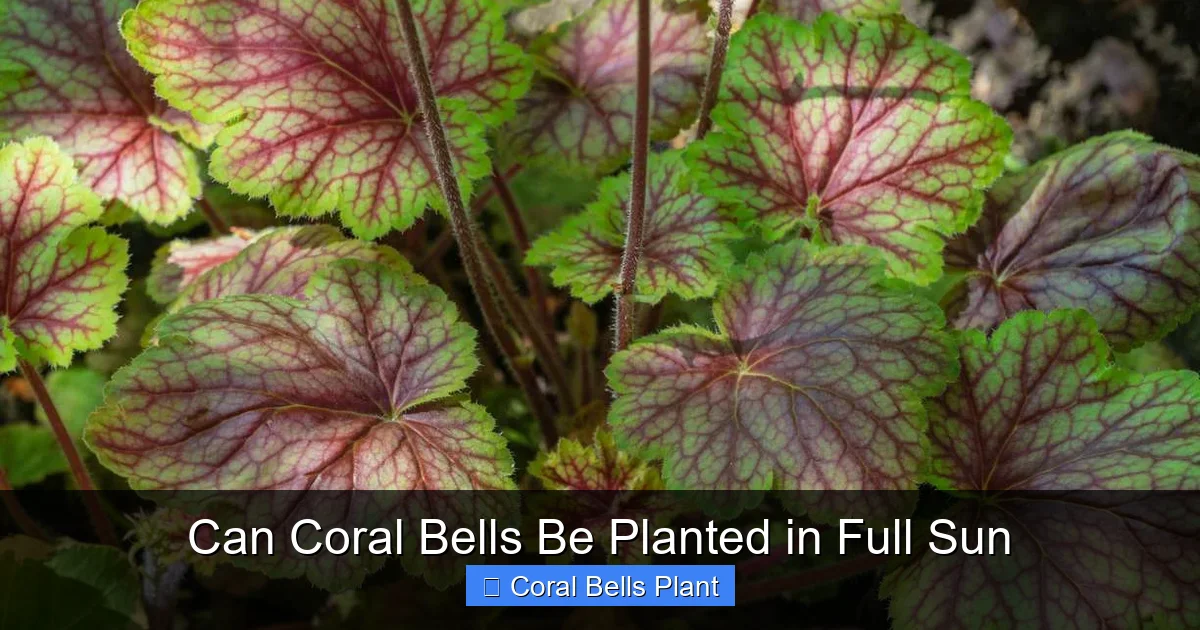
Can Coral Bells Be Planted in Full Sun
Coral bells can be planted in full sun, but success depends on your climate, soil moisture, and the specific variety you choose. Dark-leaved cultivars like ‘Palace Purple’ and ‘Obsidian’ handle sun better than light-colored types, especially in cooler northern zones.
You stand at the garden center holding a gorgeous coral bells plant. The tag says “part shade to full shade.” But that sunny spot by your front porch is calling its name. You wonder: can coral bells be planted in full sun? The short answer is yes. The longer answer involves knowing your zone, picking the right variety, and committing to a watering routine. I have grown coral bells in full sun for years. Some thrived. Others fried. Let me share what I learned so you can skip the heartbreak.
Coral bells, or Heuchera, are native to North American woodlands. In nature, they grow under dappled tree canopy. That tells you their preference. But plant breeders have worked magic. Modern hybrids handle more light than their wild ancestors. The key is matching the plant to your conditions. A coral bells in full sun in Minnesota behaves differently than one in Georgia. Soil matters. Wind matters. Even the color of the leaves matters. Let us dig into the details.
Key Takeaways
- Variety matters most: Dark-foliaged coral bells tolerate full sun better than chartreuse or silver varieties.
- Climate changes everything: Full sun works in zones 3-6 but causes scorching in zones 7-9 without afternoon shade.
- Consistent moisture is non-negotiable: Sun-grown coral bells need regular watering and mulch to prevent stress.
- Morning sun beats afternoon sun: Eastern exposure with afternoon shade gives the best color without burn.
- Watch for warning signs: Bleached leaves, crispy edges, and stunted growth mean too much sun.
- Container growing offers flexibility: Pots let you move plants to ideal light as seasons change.
- Establishment takes time: New plants need gradual sun exposure over several weeks.
Quick Answers to Common Questions
Can coral bells tolerate full sun in hot climates?
In zones 7-9, full sun often causes leaf scorch unless you choose heat-tolerant varieties like ‘Caramel’ or ‘Southern Comfort’ and provide consistent irrigation with afternoon shade.
Which coral bells varieties handle full sun best?
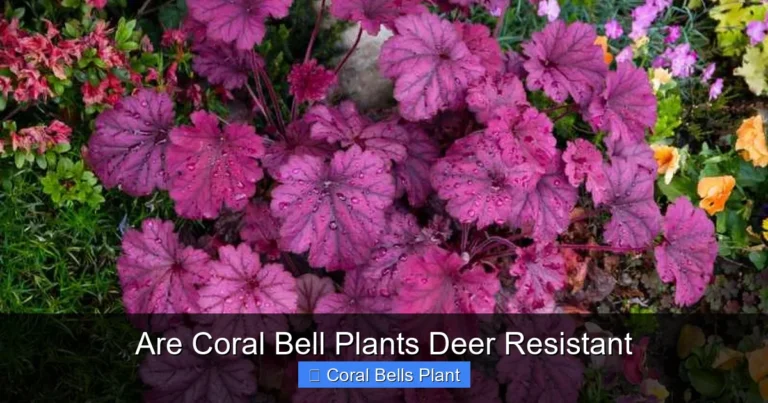
Dark-foliaged cultivars like ‘Obsidian’, ‘Black Pearl’, ‘Palace Purple’, and ‘Forever Purple’ tolerate sun best due to protective anthocyanin pigments in their leaves.
How often should I water coral bells in full sun?
Water deeply when the top two inches of soil feel dry. In summer heat, this may mean every 2-3 days. Drip irrigation and thick mulch reduce frequency.
Will coral bells grown in full sun produce more flowers?
Yes, in cool climates full sun increases blooming. In hot climates, heat stress may reduce flowers. Part sun often gives the best balance of foliage color and flower production.
Can I move sunburned coral bells to shade?
Yes, transplant in early fall or spring. Water well, mulch, and they typically recover fully. Remove only completely dead foliage; partially damaged leaves still feed the plant.
📑 Table of Contents
- Understanding Coral Bells and Sun Exposure
- Climate Zones Change the Rules
- Best Coral Bells Varieties for Full Sun
- Soil Preparation for Sun-Planted Coral Bells
- Watering Strategies for Sunny Locations
- Seasonal Care Calendar for Sun-Grown Coral Bells
- Common Problems in Full Sun and Solutions
- Designing with Coral Bells in Sunny Gardens
- Companion Plants for Sunny Coral Bells
- Propagation: Making More Sun-Tolerant Plants
- Frequently Asked Questions About Coral Bells in Sun
- Conclusion: Your Sunny Coral Bells Success Plan
Understanding Coral Bells and Sun Exposure
First, let us clear up terminology. Full sun means six or more hours of direct sunlight daily. Part sun means four to six hours. Part shade means two to four hours. Full shade means less than two hours. Coral bells traditionally fall in the part shade to full shade category. But “traditionally” is the operative word. New introductions change the game every year.
Why Leaf Color Predicts Sun Tolerance
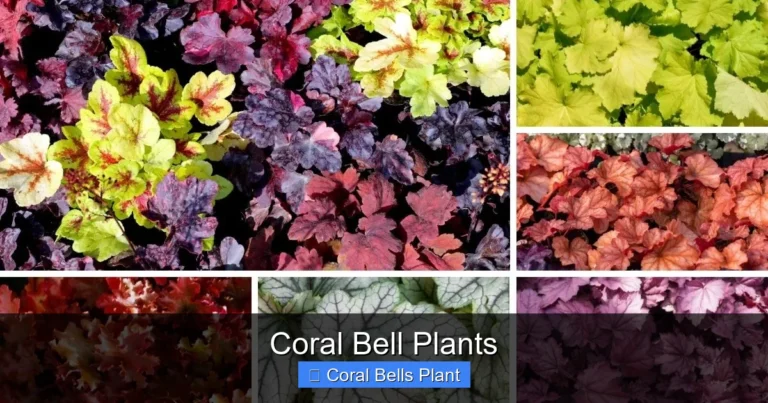
Leaf pigment acts like sunscreen. Dark purple, near-black, and deep red leaves contain anthocyanins. These pigments protect chlorophyll from intense light. Varieties like ‘Obsidian’, ‘Black Pearl’, and ‘Palace Purple’ wear this natural armor. Chartreuse, yellow, and silver leaves lack this protection. They scorch faster. Green-leaved types sit in the middle. They handle more sun than light colors but less than dark ones.
The Role of Leaf Texture and Thickness
Thick, leathery leaves resist sun damage better than thin, papery ones. Run your fingers over the foliage. ‘Caramel’ feels substantial. ‘Lime Rickey’ feels delicate. That thickness correlates with drought tolerance too. Breeders select for substance when developing sun-tolerant lines. The villosa species, native to rocky slopes, contributes thick leaves to many modern hybrids. Look for “villosa heritage” on plant tags.
Climate Zones Change the Rules
Your USDA hardiness zone dictates how much sun coral bells can take. This is where many gardeners go wrong. They read “full sun tolerant” on a tag and plant in July in Atlanta. The tag was written for Oregon.
Zones 3-6: Cool Climates Welcome More Sun
In northern zones, the sun sits lower. Intensity stays gentler. Summer nights cool down. Coral bells in full sun here often perform beautifully. They produce tighter growth, more flowers, and richer color. I grow ‘Midnight Rose’ in six hours of direct sun in zone 5. It looks spectacular. The cool nights let it recover from daytime stress. Mulch heavily. Water deeply. You will likely succeed.
Zones 7-8: Proceed with Caution
Middle zones require strategy. Morning sun with afternoon shade works well. Full all-day sun risks damage during heat waves. If you must plant in full sun here, choose the toughest varieties. ‘Citronelle’ surprises people with sun tolerance despite its chartreuse color. But it needs constant moisture. Drip irrigation becomes essential. Watch for leaf scorch in July and August. Be ready to rig temporary shade cloth.
Zones 9-10: Full Sun Is Usually a Mistake
In the deep south and southwest, full sun bakes coral bells. Even “sun tolerant” varieties struggle. The combination of intense UV, high heat, and low humidity overwhelms them. If you garden here, treat coral bells as shade plants. Bright dappled light under high tree canopy works. North-facing walls work. Full sun does not. I know gardeners in zone 9 who grow them in pots and move them seasonally. That level of dedication works. Planting in ground in full sun? Not recommended.
Best Coral Bells Varieties for Full Sun
Not all coral bells are created equal. Here are the top performers for sunny spots, based on university trials and gardener reports.
Dark-Foliaged Champions
‘Obsidian’ sets the standard. Its glossy, near-black leaves hold color in full sun. It forms a tidy mound about twelve inches tall. Flowers are cream-colored on dark stems. Very reliable.
‘Black Pearl’ improves on ‘Obsidian’ with larger leaves and better vigor. The ruffled foliage catches light beautifully. It handles heat better than older dark varieties.
‘Palace Purple’ is the classic. It seeded itself into gardens for decades. The metallic purple leaves take sun well in cool climates. In heat, it may green up by midsummer. Still a solid choice.
‘Forever Purple’ lives up to its name. The color holds all season without fading. Vigorous growth fills in fast. Good disease resistance too.
Unexpected Sun Lovers
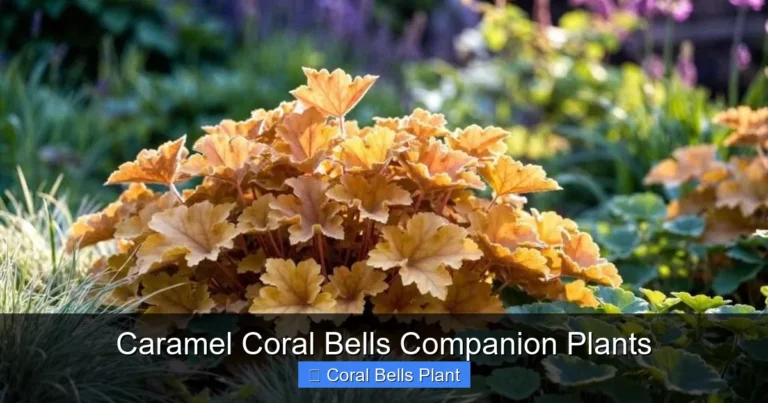
‘Caramel’ shocks people. Apricot-gold leaves suggest shade preference. But its villosa parentage gives it thick leaves and heat tolerance. It handles more sun than any other light-colored variety I have tried.
‘Citronelle’ brings chartreuse to sunny spots. It needs consistent moisture. Given that, it glows like a beacon. The color brightens shady corners but holds in sun too.
‘Southern Comfort’ offers cinnamon-peach leaves that shift through seasons. Bred for heat and humidity tolerance. Performs well in zone 7-8 sun with irrigation.
Green Varieties That Cope
‘Green Spice’ has silver-overlaid green leaves with dark veins. Tough as nails. Takes sun in stride.
‘Autumn Bride’ is a villosa species selection. Large, fuzzy green leaves. White flowers in fall. Extremely drought tolerant once established. Handles full sun in zones 3-7.
Soil Preparation for Sun-Planted Coral Bells
Sun increases water loss. Your soil must hold moisture without staying soggy. This balance determines success more than variety choice.
Organic Matter Is Your Insurance Policy
Work two to three inches of compost into the top twelve inches of soil. Do this before planting. Compost acts like a sponge. It holds water near roots but drains excess. It also feeds soil microbes that help plants handle stress. Skip this step and you will water daily in summer. Do it and you might water twice a week.
Drainage Test Before You Plant
Dig a hole twelve inches deep. Fill with water. Let it drain. Fill again. If the second fill drains in under four hours, you are good. If it takes longer, you have clay. Amend heavily with compost and coarse sand. Or build a raised bed. Coral bells rot in wet clay. Sun exposure makes them thirsty, but wet feet kill them faster than dry feet.
Mulch: Non-Negotiable in Full Sun
Apply two inches of shredded bark, pine straw, or leaf mold. Keep mulch away from the crown. Mulch cools soil, reduces evaporation, and suppresses weeds. In full sun, soil temperatures can exceed one hundred degrees at the surface. Mulch drops that by ten to fifteen degrees. Refresh annually as it breaks down.
Watering Strategies for Sunny Locations
Water makes or breaks coral bells in full sun. They have shallow root systems. The top six inches of soil must stay evenly moist. Not wet. Not bone dry. Evenly moist.
Deep Watering Beats Frequent Sprinkling
Water until soil is moist six inches down. Check with a trowel. This encourages roots to chase moisture deeper. Shallow watering creates shallow roots that fry in heat. In spring, once a week may suffice. In July, every two to three days. Adjust for rain. A rain gauge helps.
Drip Irrigation Saves Plants and Time
Soaker hoses or drip lines deliver water to soil, not leaves. Wet foliage in sun invites fungal disease. Drip also reduces evaporation loss. Run it early morning. Set a timer. Your plants get consistent moisture even when you forget.
The Finger Test Never Lies
Stick your finger two inches into soil near the plant. If dry at your fingertip, water. If moist, wait. Do this daily in hot spells. Coral bells wilt dramatically when thirsty. They recover fast if caught early. But repeated wilting weakens them. Prevent the wilt.
Seasonal Care Calendar for Sun-Grown Coral Bells
Full sun changes the maintenance rhythm. Here is what to do when.
Spring: Establish and Multiply
Plant new coral bells after frost danger passes. Space fifteen to eighteen inches apart. Water in well. Apply starter fertilizer with phosphorus for root growth. Divide established clumps every three to four years in early spring. Discard woody centers. Replant vigorous outer sections. Spring divisions establish before summer stress hits.
Summer: Monitor and Protect
This is the danger season. Check soil moisture daily during heat waves. Remove spent flower stalks to redirect energy to foliage. Watch for leaf scorch: brown, crispy edges starting at tips. If you see it, rig temporary shade cloth during peak afternoon hours. Do not fertilize in July-August. Stressed plants cannot process nutrients.
Fall: Prepare for Winter
Stop fertilizing by early September. Keep watering until ground freezes. Apply fresh mulch after first hard frost. Do not cut back foliage. The leaves protect the crown. In zones 3-5, add evergreen boughs over plants after ground freezes. This prevents freeze-thaw cycles that heave shallow roots.
Winter: Minimal Intervention
Leave plants alone. Snow cover is the best insulation. In snowless winters, check for heaved plants during thaws. Gently press them back. Do not walk on frozen beds. Plan next year’s additions while browsing catalogs.
Common Problems in Full Sun and Solutions
Even with perfect variety and care, issues arise. Here is how to diagnose and fix them.
Leaf Scorch: The Number One Complaint
Symptoms: Brown, papery leaf edges. Bleached patches between veins. Leaves feel crisp. Cause: Too much light, not enough water, or both. Solution: Increase watering. Add shade cloth. Mulch deeper. If severe, dig and move to shadier spot in fall. The plant will recover next spring.
Crown Rot: The Silent Killer
Symptoms: Plant collapses at soil line. Leaves yellow and pull away easily. Black, mushy crown. Cause: Poor drainage combined with frequent watering. Solution: Prevention only. Ensure excellent drainage at planting. Never bury crown. Mulch away from center. Once rot starts, the plant is usually lost.
Faded Color: Disappointment Without Death
Symptoms: Purple leaves turn green. Chartreuse turns lime. Silver turns gray-green. Cause: Insufficient light for pigment production, or heat breaking down pigments. Some varieties color best in part shade. Ironically, full sun can wash out color in hot climates. Solution: Accept seasonal color shift. Or move to ideal light for that variety.
Japanese Beetles and Other Pests
Sun-stressed plants attract pests. Japanese beetles skeletonize leaves. Slugs hide in mulch by day, feed by night. Deer browse flowers. Solution: Hand-pick beetles into soapy water. Use slug bait if needed. Deer repellent on flowers. Healthy, unstressed plants resist pests better.
Designing with Coral Bells in Sunny Gardens
Full sun coral bells play specific roles in garden design. Their low mounding habit and season-long foliage color solve problems.
Front-of-Border Anchors
Plant in drifts of three, five, or seven along sunny paths. Dark varieties create depth. Light varieties draw the eye forward. Mix with low sedums, dwarf catmint, and perennial geraniums. The foliage contrast carries the bed when nothing blooms.
Rock Garden Stars
Coral bells love the sharp drainage of rock gardens. Tuck them between stones. Their evergreen foliage (in mild winters) provides winter interest. ‘Autumn Bride’ and villosa types excel here. They naturalize in crevices over time.
Container Combinations
Pots let you cheat zones. Move containers to afternoon shade in July. Feature coral bells as the “filler” in thriller-filler-spiller designs. Pair dark ‘Obsidian’ with chartreuse sweet potato vine and purple fountain grass. Water daily in summer. Fertilize monthly with dilute liquid feed.
Edging and Path Softeners
Line a sunny sidewalk with a single variety. The repetition creates rhythm. ‘Caramel’ glows against concrete. ‘Green Spice’ adds texture. Keep them watered. The heat reflected off pavement increases their thirst.
Companion Plants for Sunny Coral Bells
Choose neighbors with similar needs. Full sun. Well-drained soil. Moderate water. Here are winning combinations.
Perennial Partners
Sedum ‘Autumn Joy’ – Same drainage needs. Late flowers extend season.
Perovskia (Russian Sage) – Airy purple spikes above coral bells mounds.
Echinacea (Coneflower) – Pollinator magnet. Deep roots don’t compete.
Salvia nemorosa – Reblooms if sheared. Similar height.
Dianthus – Fragrant, low, evergreen. Great front edge.
Grass Companions
Festuca glauca (Blue Fescue) – Steel blue tufts contrast with any coral bells color.
Pennisetum ‘Hameln’ – Fountain grass adds movement.
Schizachyrium (Little Bluestem) – Native, upright, fall color.
Annual Fillers for First Year
While perennials establish, tuck in heat-tolerant annuals: zinnias, gomphrena, angelonia. They shade soil, reducing coral bells water needs. Remove when perennials fill in.
Propagation: Making More Sun-Tolerant Plants
Once you find a variety that thrives in your sun, multiply it. Division is easiest. Seed is fun but variable. Tissue culture is for pros.
Division Step by Step
Do this in early spring or early fall. Water plant well the day before. Dig up entire clump. Shake off soil. Pull apart crowns with your hands. Each division needs roots and at least three leaves. Replant immediately at same depth. Water well. Mulch. Shade for a week if in full sun. They root fast in cool weather.
Seed Collection and Sowing
Let flower stalks dry on plant. Collect tiny seeds. Sow on moist seed mix. Do not cover. Light aids germination. Bottom heat speeds it. Transplant seedlings to pots when they have true leaves. Grow a season before planting out. Expect variation. That is the fun.
Frequently Asked Questions About Coral Bells in Sun
Let me address the questions I hear most often.
Will coral bells bloom more in full sun?
Yes, usually. More light means more energy for flowers. But in hot climates, heat stress reduces blooming. You get the most flowers in cool-summer full sun or warm-summer part sun.
Can I plant coral bells in full sun in a container?
Absolutely. Containers offer control. Use large pots (twelve inches minimum). Quality potting mix. Daily watering in summer. Move to afternoon shade during heat waves. Fertilize monthly. Repot every two years.
Do coral bells need fertilizer in full sun?
Light feeding only. Compost at planting. Slow-release balanced fertilizer in spring. Stop by July. Too much nitrogen creates soft growth that burns easily.
Why did my coral bells turn green in summer?
Heat causes dark pigments to break down. Many purple varieties green up in July-August. They re-color in fall. This is normal, not a problem.
Can coral bells survive afternoon sun only?
Afternoon sun is the harshest. Four hours of 2 PM sun beats six hours of 9 AM sun. If afternoon sun is your only option, choose the toughest varieties and water religiously. Morning sun is always preferable.
How do I revive sunburned coral bells?
Water deeply. Apply liquid seaweed extract (reduces stress). Rig shade cloth. Do not fertilize. Remove only completely dead leaves. Wait. Most recover if crown survives.
Conclusion: Your Sunny Coral Bells Success Plan
So, can coral bells be planted in full sun? Yes. But success demands honesty about your conditions. Start with your zone. If you garden in zone 5, you have many choices. Zone 8? Narrow list. Zone 10? Look elsewhere. Pick dark-leaved, thick-leaved, villosa-derived varieties. Prepare soil like you mean it. Compost deep. Mulch deep. Install drip irrigation before planting. Water consistently. Watch for stress. Adapt as needed.
I have lost coral bells to sun. I have watched them thrive in the same bed. The difference was never luck. It was variety selection, soil prep, and watering discipline. You control all three. Your garden center sells the plants. You create the success. Start with one ‘Obsidian’ in a sunny spot. Treat it right. Watch it glow. Then add more. That is how gardens grow. One good decision at a time.
Your sunny spot deserves coral bells. Their foliage color pays rent twelve months a year. Flowers are a bonus. Hummingbirds agree. With the right variety and care, that “part shade” plant becomes your full sun star. Go plant something beautiful.
Frequently Asked Questions
Can coral bells be planted in full sun in zone 5?
Yes, coral bells thrive in full sun in zone 5 and cooler zones. The lower sun intensity and cool nights allow varieties like ‘Obsidian’, ‘Palace Purple’, and ‘Autumn Bride’ to flourish with proper watering and mulch.
What happens if coral bells get too much sun?
Excessive sun causes leaf scorch: brown crispy edges, bleached patches, and faded color. The plant may stunt and decline. Dark varieties resist this better than light-colored ones. Afternoon shade prevents damage in warm zones.
Do coral bells need special soil for full sun planting?
Amend soil with 2-3 inches of compost to improve moisture retention and drainage. Test drainage first. Heavy clay needs coarse sand added. Mulch 2 inches deep to keep roots cool and moist in sunny locations.
Can I grow coral bells in full sun in containers?
Containers work well for sunny spots. Use 12+ inch pots with quality potting mix. Water daily in heat. Move pots to afternoon shade during heat waves. Fertilize monthly with dilute liquid feed. Repot every two years.
Why are my coral bells turning green in summer?
Heat breaks down anthocyanin pigments in purple/red varieties, causing temporary greening. This is normal in summer. Color returns in cooler fall temperatures. It does not indicate poor health.
How do I know if my coral bells variety is sun-tolerant?
Check leaf color and texture. Dark purple, black, or red leaves with thick, leathery texture indicate sun tolerance. Villosa species heritage on the tag also signals heat and sun resistance. Avoid thin, chartreuse, or silver types for full sun.