Coral Bells Outdoor Plants
Coral bells (Heuchera) are versatile perennial plants prized for their colorful foliage and delicate bell-shaped flowers. These shade-loving perennials thrive in USDA zones 4-9, offering year-round visual interest with minimal maintenance once established.
If you have ever walked through a garden center in spring and spotted those mounds of ruffled leaves in impossible shades of caramel, lime green, deep purple, or frosted silver, you have met coral bells. These plants stop people in their tracks. They look like someone took a paintbrush to a shade garden and decided to have fun with it.
I remember the first time I planted coral bells outdoor plants in my own yard. I had a stubborn patch under a maple tree where grass refused to grow. Hostas got eaten by slugs. Ferns looked tired by August. Then I tucked in a few Heuchera ‘Palace Purple’ and ‘Caramel.’ That was five years ago. Those original plants are still there, bigger and better every year, asking for almost nothing in return. That is the magic of coral bells. They solve problems. They look gorgeous doing it. And they stick around.
Key Takeaways
- Foliage First: Coral bells are grown primarily for their stunning leaves in shades of purple, silver, gold, and green rather than their flowers.
- Shade Tolerance: Most varieties thrive in partial to full shade, making them perfect for difficult garden spots under trees or on north-facing walls.
- Year-Round Interest: Evergreen in mild climates, coral bells provide color through winter when most perennials have died back.
- Low Maintenance: Once established, these plants require minimal care beyond occasional watering and division every few years.
- Versatile Design: Use coral bells in borders, containers, rock gardens, and as ground cover for texture and color contrast.
- Pollinator Friendly: The delicate flower spikes attract hummingbirds, bees, and butterflies to your garden.
- Deer Resistant: Most varieties resist deer and rabbit browsing, making them ideal for wildlife-prone areas.
Quick Answers to Common Questions
How much sun can coral bells tolerate?
Most coral bells prefer morning sun and afternoon shade. Light-colored varieties (gold, lime, silver) tolerate more sun than dark purple or black types. In cool climates (zones 4-6), many handle full sun with consistent moisture. In hot climates (zones 7-9), afternoon shade is essential to prevent leaf scorch.
When is the best time to divide coral bells?
Early spring, just as new growth emerges, is the ideal time to divide coral bells. Early fall (September in most zones) works well too, giving divisions 6 weeks to root before frost. Divide every 3-4 years when centers become woody and vigor declines.
Why are my coral bells leaves turning brown and crispy?
Brown crispy edges usually indicate sun scorch, heat stress, or underwatering. Dark-leaved varieties in afternoon sun are most susceptible. Increase watering, provide afternoon shade, or move to a shadier spot. Ensure mulch is in place to keep roots cool and moist.
Do coral bells come back every year?
Yes, coral bells are hardy perennials in USDA zones 4-9. They return reliably each spring. In zones 6-9, foliage often stays evergreen through winter. In colder zones, leaves may die back but the crown survives underground and resprouts in spring.
Can coral bells grow in full shade?
Coral bells tolerate full shade but perform best with some morning light or dappled shade. In deep shade, foliage colors fade toward green, flowering decreases, and plants may become leggy. Varieties like ‘Green Spice’ and ‘Berry Smoothie’ handle heavy shade better than most.
📑 Table of Contents
- Understanding Coral Bells: What Makes Heuchera Special
- Choosing the Right Variety for Your Garden
- Planting Coral Bells for Long-Term Success
- Essential Care: Watering, Feeding, and Maintenance
- Propagation: Multiplying Your Collection
- Designing with Coral Bells: Garden Ideas and Combinations
- Common Problems and Solutions
- Seasonal Interest: What to Expect Year-Round
- Companion Planting: Best Partners for Coral Bells
- Growing Coral Bells in Challenging Conditions
- Buying Guide: What to Look For
- Conclusion: Why Every Garden Needs Coral Bells
Understanding Coral Bells: What Makes Heuchera Special
The Botany Behind the Beauty
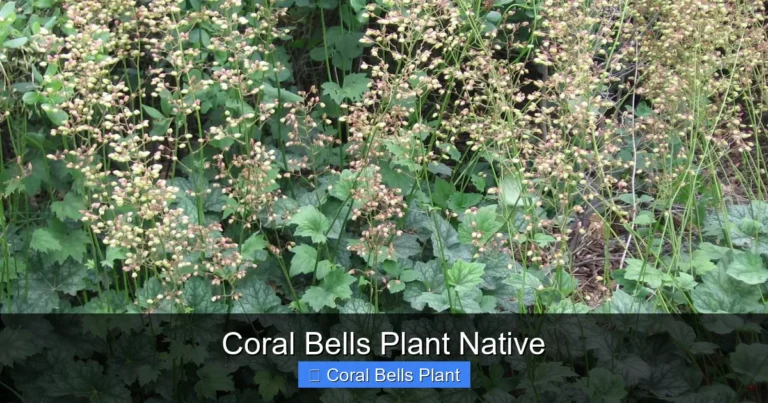
Coral bells belong to the genus Heuchera, part of the Saxifragaceae family. Native to North America, these perennials naturally grow in woodland settings, rocky outcrops, and alpine meadows from Canada down to Mexico. The common name “coral bells” comes from the tiny, bell-shaped flowers that dangle on wiry stems above the foliage in late spring to early summer. But let us be honest. Most gardeners grow them for the leaves.
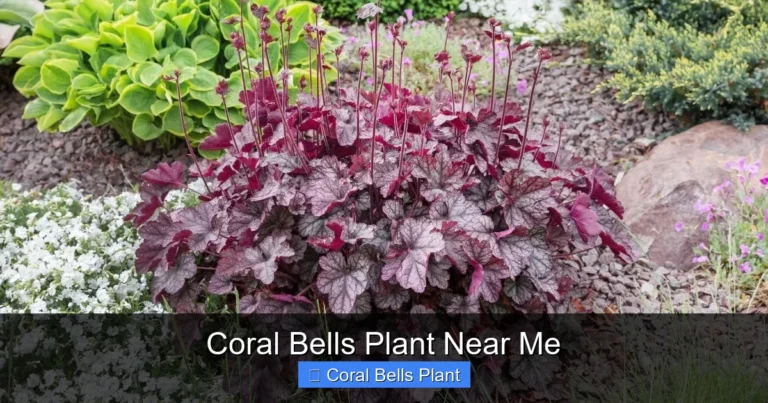
The foliage forms a basal mound, typically 8 to 18 inches tall and 12 to 24 inches wide depending on the variety. Leaves are lobed, often with ruffled or scalloped edges, and come in an astonishing range of colors. You will find deep burgundy, bright chartreuse, peachy orange, silvery pewter, chocolate brown, and near-black. Many varieties shift color with the seasons, offering a dynamic display from spring through frost.
Why Gardeners Love Them
Beyond their good looks, coral bells outdoor plants earn their keep in practical ways. They are one of the few perennials that genuinely thrive in dry shade, that notorious gardening challenge zone under mature trees where roots hog moisture and canopy blocks light. Their semi-evergreen nature means they hold presence through winter in zones 6 and warmer, and even in colder zones they often keep basal foliage under snow cover.
They also play well with others. The mounded habit and textural foliage make coral bells excellent companions for ferns, hostas, astilbes, Japanese forest grass, and spring bulbs. Because they stay relatively compact, they fit into tight spaces, container gardens, and the front of borders without overwhelming neighbors.
Choosing the Right Variety for Your Garden
Classic Foliage Standouts
The variety boom of the last two decades means there is a coral bells for every color scheme. ‘Palace Purple’ started the craze in the 1980s with its glossy, maple-shaped leaves in deep bronze-purple. It remains a tough, reliable choice. ‘Caramel’ offers large, fuzzy leaves that emerge gold and mature to peachy amber with pink undersides. It handles more sun than many purple varieties.
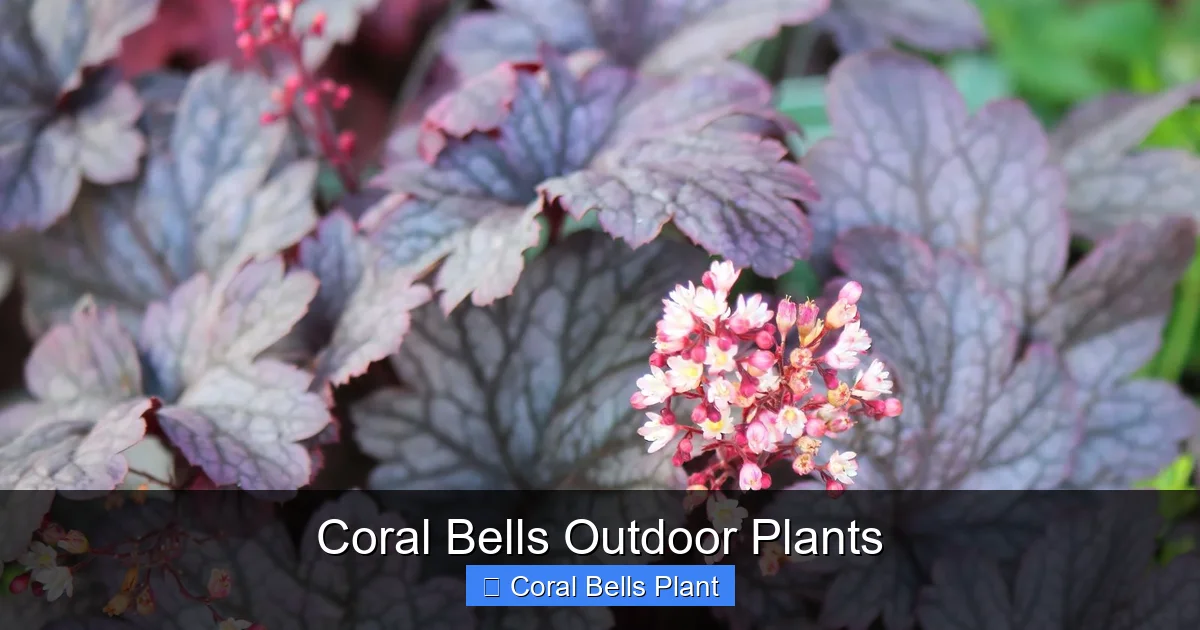
For silver lovers, ‘Silver Scrolls’ delivers metallic pewter leaves with dark veins and purple reverses. ‘Citronelle’ and ‘Lime Rickey’ bring electric chartreuse to dark corners. If you want drama, ‘Obsidian’ and ‘Black Pearl’ offer near-black foliage that makes surrounding plants pop. ‘Fire Alarm’ lives up to its name with bright red spring foliage that deepens to burgundy.
Flower-Focused Selections
While foliage steals the show, some cultivars put on a notable floral display. The Heuchera sanguinea species and its hybrids produce showier coral-red to pink flowers on taller stems. ‘Cherry Cola’ combines red-brown leaves with cherry-red blooms. ‘Paris’ reblooms throughout summer with rose-pink flowers. If hummingbirds are a priority, lean toward these heavier bloomers.
Sun-Tolerant vs. Shade-Loving Types
Here is a critical detail many plant tags oversimplify. Leaf color often dictates sun tolerance. Generally, lighter leaves (yellow, gold, lime, silver) tolerate more sun than dark purple or black varieties, which can scorch in afternoon heat. However, all coral bells outdoor plants prefer morning sun and afternoon shade, especially in zones 7 and warmer. In cool northern climates, many varieties handle full sun with adequate moisture.
Varieties bred from Heuchera villosa (like ‘Caramel,’ ‘Citronelle,’ ‘Mocha’) tend to be more heat and humidity tolerant. Those with Heuchera americana parentage often handle cold better. Check the specific breeding line if you garden in extreme conditions.
Planting Coral Bells for Long-Term Success
When to Plant
Spring and early fall are ideal planting windows. Spring planting gives roots time to establish before summer heat. Fall planting (at least six weeks before ground freeze) lets roots settle in cool, moist soil for a strong spring start. Avoid planting during summer heat waves or when soil is soggy.
Site Selection and Soil Prep
Choose a spot with dappled shade, morning sun, or bright indirect light. Heavy shade reduces foliage color intensity and flower production. Soil should be well-draining, rich in organic matter, and slightly acidic to neutral (pH 6.0-7.0). Coral bells hate wet crowns. If your soil is heavy clay, amend generously with compost, leaf mold, or aged bark. Raised beds or mounded planting areas improve drainage significantly.
Before planting, loosen soil to 12 inches deep. Mix in 2-3 inches of compost. If planting under trees, be careful not to damage large roots. Create a planting pocket between roots rather than chopping through them.
Step-by-Step Planting Guide
- Water the potted plant thoroughly an hour before planting.
- Dig a hole twice as wide as the root ball and just as deep.
- Gently remove the plant. Tease circling roots apart with your fingers.
- Set the plant so the crown (where leaves meet roots) sits slightly above soil level. This prevents crown rot.
- Backfill with amended soil. Firm gently to eliminate air pockets.
- Water deeply to settle soil around roots.
- Apply 1-2 inches of shredded bark or leaf mulch, keeping it away from the crown.
Spacing Guidelines
Space plants 12-18 inches apart for most varieties. Larger cultivars like ‘Caramel’ or ‘Big Top’ need 18-24 inches. For ground cover effect, plant closer (10-12 inches) and plan to divide sooner. In containers, one plant per 10-12 inch pot works well, or combine three in a 16-inch container for instant impact.
Essential Care: Watering, Feeding, and Maintenance
Watering Wisdom
Newly planted coral bells need consistent moisture for the first 6-8 weeks. Water deeply 2-3 times per week depending on rainfall. Once established, they are surprisingly drought tolerant, especially villosa types. However, “drought tolerant” does not mean “desert plant.” In summer heat, weekly deep watering keeps foliage lush and prevents crispy edges.
The golden rule: water at the base, not overhead. Wet foliage invites fungal issues. Soaker hoses or drip irrigation are ideal. Mulch conserves moisture and keeps soil cool. Check soil moisture by sticking your finger 2 inches deep. If dry, water. If moist, wait.
Fertilizing: Less Is More
Coral bells are light feeders. Too much nitrogen produces lush green leaves at the expense of those signature colors. In spring, apply a slow-release balanced fertilizer (10-10-10 or similar) at half the recommended rate. Or top-dress with an inch of compost around the base. That is usually enough for the whole season.
Container-grown plants need more frequent feeding since nutrients leach out. Use a diluted liquid fertilizer monthly during the growing season, or incorporate slow-release pellets at planting time.
Seasonal Maintenance Tasks
Spring: Remove any winter-damaged leaves. Cut back old flower stalks. Apply compost top-dressing. Divide crowded clumps (see division section).
Summer: Deadhead spent flower stems to encourage rebloom on repeat-flowering varieties. Watch for leaf scorch in heat waves. Water deeply during dry spells.
Fall: Stop fertilizing by early August to let plants harden off. Leave foliage in place for winter protection. In cold zones, add extra mulch after ground freezes.
Winter: In zones 5-6, evergreen foliage may look ratty by March. That is normal. Wait for new growth before cleaning up. The old leaves protect the crown.
Propagation: Multiplying Your Collection
Division: The Reliable Method
Division is the easiest way to propagate coral bells outdoor plants and rejuvenate aging clumps. Do it in early spring as new growth emerges, or early fall. Dig up the entire clump. Wash or shake off soil to see the structure. You will find a woody crown with multiple growth points (eyes) and fibrous roots.
Using a sharp knife or spade, cut the crown into sections, each with 2-3 eyes and healthy roots. Discard the woody, unproductive center. Replant divisions immediately at the same depth. Water well. Keep shaded and moist for a few weeks. Divisions often bloom the first year.
Plan to divide every 3-4 years. Signs it is time: center die-out, reduced vigor, smaller leaves, fewer flowers.
Seed Starting: For the Patient Gardener
Growing from seed lets you explore genetic variation, but seedlings will not come true to named cultivars. Collect seeds from dried flower pods in late summer. Sow fresh or store cool and dry. Surface-sow on moist seed-starting mix. Light aids germination. Keep at 65-70°F. Germination takes 2-8 weeks. Transplant seedlings to individual pots when they have true leaves. Grow on for a year before planting out.
Leaf Cuttings: Advanced Technique
Some enthusiasts propagate from leaf cuttings. Take a healthy leaf with a short petiole (stem). Dip in rooting hormone. Insert into moist perlite-vermiculite mix. Cover with a humidity dome. Bottom heat helps. Roots and a tiny plantlet form at the base in 6-8 weeks. This works best with villosa hybrids. It is slower than division but yields many plants from one leaf.
Designing with Coral Bells: Garden Ideas and Combinations
Shade Garden Stars
In a woodland border, plant coral bells in drifts of 5-7 for impact. Mix foliage colors: deep purple ‘Obsidian’ next to chartreuse ‘Citronelle’ creates electric contrast. Edge a path with silver ‘Silver Scrolls’ to glow in twilight. Underplant with spring bulbs (snowdrops, scilla, species tulips) that bloom before coral bells leaf out fully.
Combine with fine-textured partners: Japanese painted fern, maidenhair fern, or carex ‘Ice Dance.’ Add vertical accents with astilbe, foxglove, or Solomon’s seal. The mounded coral bells foliage hides the bare legs of taller plants.
Container Magic
Coral bells are container superstars. Their shallow root systems suit pots perfectly. Use a high-quality potting mix with added perlite. Ensure drainage holes. In a 14-inch pot, plant one coral bells as the “filler” with a trailing plant like creeping jenny or ivy, and a thriller like a small ornamental grass or upright fern.
Try a monochromatic silver container: ‘Silver Scrolls’ coral bells, dusty miller, licorice plant, and white caladium. Or a “sunset” pot with ‘Caramel,’ ‘Fire Alarm,’ and orange calibrachoa. Containers let you move plants to optimal light seasonally and bring them onto patios for close-up enjoyment.
Rock Gardens and Slopes
Many Heuchera species hail from rocky habitats, making them natural rock garden plants. Tuck them into crevices between stones where soil drains sharply. Their evergreen mounds soften hard edges year-round. On slopes, they help stabilize soil with their fibrous roots. Plant in staggered rows, not straight lines, for a natural look.
Border Front and Edging
Use coral bells to define bed edges. Their neat mounds stay in bounds. Plant 12 inches apart along a sidewalk or driveway (where salt tolerant). The foliage takes foot traffic better than hostas. In mixed borders, they bridge the gap between taller perennials and ground covers.
Common Problems and Solutions
Crown Rot: The Number One Killer
Crown rot strikes when the crown stays wet. Symptoms: mushy crown, yellowing leaves, plant collapse. Prevention is everything. Plant high. Mulch away from crown. Improve drainage. Water at base. If caught early, dig up, cut away rot, dust with fungicide, replant in fresh, well-draining soil. Often, by the time you notice, it is too late.
Heuchera Rust
This fungal disease appears as orange-brown pustules on leaf undersides, with yellow spots on top. It thrives in humid, crowded conditions. Remove affected leaves immediately. Improve air circulation. Avoid overhead watering. Fungicides containing copper or chlorothalonil help if applied early. Resistant varieties include most villosa hybrids.
Vine Weevil Damage
Adult weevils notch leaf edges at night. Larvae eat roots underground, causing sudden wilting. Check roots if a plant collapses inexplicably. Beneficial nematodes (Steinernema kraussei) applied in spring and fall control larvae biologically. Sticky traps catch adults. Diatomaceous earth around plants deters them.
Sun Scorch and Heat Stress
Bleached, crispy leaf edges mean too much sun or heat. Move the plant or provide afternoon shade. Dark-leaved varieties show damage first. In extreme heat, even shade plants may need extra water and temporary shade cloth.
Frost Heaving
In freeze-thaw cycles, shallow-rooted coral bells can push out of the ground, exposing roots. This is common in heavy clay soils. Fix by planting deep enough (crown slightly high but roots deep), mulching well after ground freezes, and gently pressing plants back in place during winter thaws.
Seasonal Interest: What to Expect Year-Round
Spring Awakening
New leaves emerge in fresh, intense colors. This is often the most vibrant foliage period. Flower spikes begin rising in late spring. Remove any winter-damaged foliage. Apply compost. Divide if needed.
Summer Bloom and Foliage
Flowers peak in early summer. Deadhead for rebloom. Foliage colors may mellow or shift. ‘Caramel’ turns more amber. ‘Palace Purple’ greens up in heat. Water consistently. Watch for pests.
Fall Transformation
Cooler temperatures often bring a second flush of intense color. Many varieties develop red, orange, or purple tones. ‘Autumn Bride’ blooms white in fall. This is a great planting time. Stop fertilizing.
Winter Presence
In zones 6-9, foliage persists all winter. Colors deepen. Frost outlines ruffled edges beautifully. In zones 4-5, leaves may flatten but often survive under snow. Do not cut back until spring. The crown needs that insulation.
Companion Planting: Best Partners for Coral Bells
Shade Perennials
- Hostas: Broad leaves contrast with ruffled coral bells. Choose slug-resistant hostas.
- Ferns: Japanese painted fern, autumn fern, maidenhair fern add fine texture.
- Astilbe: Feathery plumes rise above mounded foliage.
- Hellebores: Early bloomers with leathery evergreen leaves.
- Brunnera: Silver-patterned leaves echo silver coral bells.
- Pulmonaria: Spotted foliage and spring flowers.
- Tiarella: Foamflower, a close relative, similar habit.
Grasses and Grass-Like Plants
- Hakonechloa (Japanese forest grass): Cascading gold or green blades.
- Carex ‘Ice Dance’ or ‘Evergold’: Variegated sedge for year-round structure.
- Ophiopogon (mondo grass): Black or green strappy leaves.
Spring Bulbs (Plant Among Coral Bells)
- Snowdrops (Galanthus)
- Species tulips (Tulipa kaufmanniana, T. tarda)
- Scilla siberica
- Chionodoxa (glory-of-the-snow)
- Anemone blanda
Annuals for Seasonal Color
- Impatiens (shade)
- Begonias (wax or tuberous)
- Coleus (for foliage echo)
- Fuchsia (hanging baskets nearby)
- Torenia (wishbone flower)
Growing Coral Bells in Challenging Conditions
Deep Shade
In very low light, foliage color fades toward green. Flowering decreases. Choose varieties known for shade tolerance: ‘Green Spice,’ ‘Berry Smoothie,’ ‘Plum Pudding.’ Focus on texture over color. Ensure excellent drainage since soil stays wet longer.
Dry Shade (Under Trees)
This is where coral bells shine. Villosa hybrids excel here. Plant in pockets between roots. Water deeply but infrequently to encourage deep roots. Mulch heavily. Expect slower growth.
Hot, Humid Climates (Zones 8-9)
Heat and humidity cause melting out. Choose villosa and sanguinea hybrids: ‘Caramel,’ ‘Citronelle,’ ‘Mocha,’ ‘Georgia Peach,’ ‘Southern Comfort.’ Provide afternoon shade. Ensure air circulation. Avoid overhead irrigation.
Cold Climates (Zones 3-4)
Select cold-hardy varieties: ‘Palace Purple,’ ‘Plum Pudding,’ ‘Purple Petticoats,’ northern exposures of americana species. Mulch heavily after freeze. Plant in protected microclimates. Snow cover is your friend.
Coastal Gardens
Salt spray tolerance varies. Villosa types generally handle salt better. Rinse foliage after storms. Plant behind windbreaks. Ensure sharp drainage in sandy soil.
Buying Guide: What to Look For
At the Nursery
Inspect plants carefully. Healthy coral bells have firm, turgid leaves with no yellowing, spots, or holes. Check the crown. It should be at soil level, not buried. Gently lift the pot. Roots should be white or light tan, filling the pot but not circling tightly. Avoid plants with weeds growing in the pot (signs of neglect).
Buy in spring for best selection. Fall purchases can be bargains but check for root binding. Larger pots (1 gallon) establish faster than 4-inch pots but cost more.
Reading Plant Tags
Tags list mature size, zone hardiness, light needs, and sometimes parentage. Look for “PP” or “PPAF” indicating patented cultivars. These are often newer introductions with improved traits. Species name matters: villosa = heat tolerant, americana = cold hardy, sanguinea = showy flowers, micrantha = compact.
Mail Order Tips
Reputable online nurseries ship bare-root or in plugs in spring. Order early for best variety selection. Upon arrival, soak roots in water for an hour. Pot up or plant immediately. Keep shaded and moist for two weeks. Expect some transplant shock.
Conclusion: Why Every Garden Needs Coral Bells
After years of growing coral bells outdoor plants, I am convinced they belong in almost every garden. They ask so little and give so much. Four-season foliage. Flowers for pollinators. Solutions for shade, slopes, containers, and edges. Colors that make you stop and look closer. And that quiet satisfaction of a plant that just works, year after year, asking only for a drink in a drought and a division every few years.
Start with one. Maybe ‘Caramel’ for warmth, ‘Obsidian’ for drama, or ‘Citronelle’ to light a dark corner. Plant it well. Water it in. Then watch. By next spring, you will be planning where to put the next three. That is how it goes with coral bells. They are gateway plants to a more beautiful, interesting, and manageable garden. Your shade beds will thank you. Your containers will thank you. The hummingbirds will definitely thank you.
Happy planting.
Frequently Asked Questions
How often should I water coral bells?
Water newly planted coral bells 2-3 times per week for the first 6-8 weeks. Once established, water deeply once per week during dry periods. Check soil moisture 2 inches down; water when dry. Reduce frequency in cool, rainy weather. Container plants need more frequent watering.
What fertilizer is best for coral bells?
Use a slow-release balanced fertilizer (10-10-10) at half strength in early spring. Alternatively, top-dress with 1 inch of compost around the base. Avoid high-nitrogen fertilizers which promote green growth at the expense of colorful foliage. Container plants benefit from monthly diluted liquid feed.
Are coral bells deer resistant?
Yes, coral bells are generally deer and rabbit resistant. Their fuzzy or leathery leaves and slightly bitter taste deter browsing. However, hungry deer may sample anything. In high-pressure areas, use repellents or fencing for guaranteed protection.
Can I grow coral bells indoors as houseplants?
Coral bells can grow indoors temporarily but prefer outdoor conditions. They need cool temperatures, high humidity, and bright indirect light. Indoor air is often too dry and warm. If overwintering pots inside, keep in an unheated garage or cool sunroom (40-50°F) and water sparingly.
Why is the center of my coral bells plant dying out?
Center die-out (crown rot or woody center) is natural as plants age, usually after 3-4 years. The woody crown stops producing new leaves. Fix by dividing the plant in spring: dig up, discard the dead center, and replant healthy outer sections with roots and growth buds.
Do coral bells spread aggressively?
No, coral bells are clump-forming perennials that do not spread by runners or rhizomes. They slowly widen at the base but stay contained. They may self-seed lightly in ideal conditions, but seedlings rarely match the parent plant. Division every few years controls size and rejuvenates the clump.