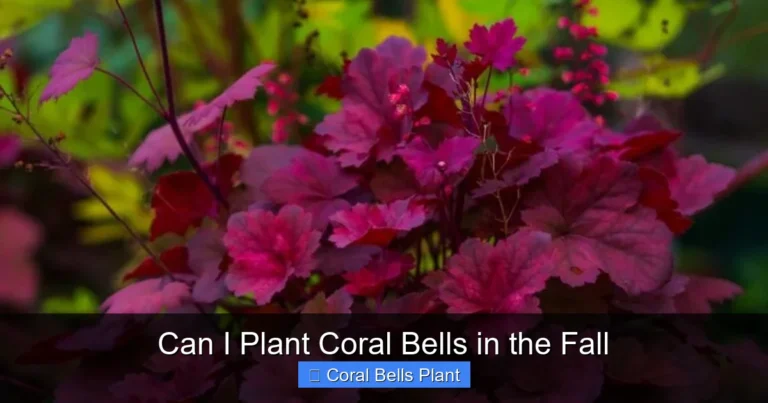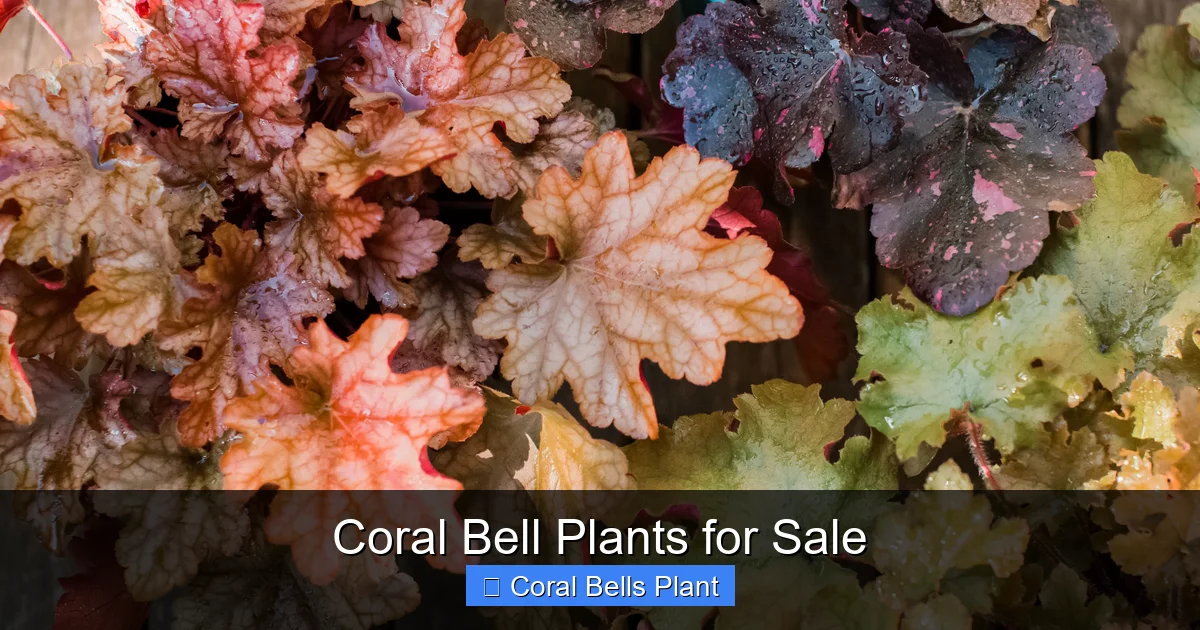
Coral Bell Plants for Sale
Coral bell plants for sale offer incredible variety with colorful foliage and delicate blooms that transform any shade garden. This guide covers everything you need to know before buying, from choosing the right variety to finding reputable sellers and ensuring your new plants thrive.
Walking through a garden center in spring feels like stepping into a rainbow. Among the hostas and ferns, you will spot them. Those ruffled leaves in shades of caramel, purple, lime, and near-black. They catch the light. They hold dew like jewels. These are coral bells, also known as Heuchera. They are the unsung heroes of the shade garden.
If you are hunting for coral bell plants for sale, you have picked a winner. These perennials are tough, versatile, and stunning year-round. But not all plants are created equal. A bargain bin find might struggle. A mislabeled variety might clash with your design. This guide walks you through everything. We cover varieties, where to shop, what to look for, and how to help them settle in. Let us dig in.
Key Takeaways
- Variety matters: Coral bells come in dozens of colors from deep purple to bright lime green, so match your choice to your garden design.
- Buy from reputable sources: Local nurseries, specialty growers, and trusted online retailers offer the healthiest coral bell plants for sale.
- Check hardiness zones: Most varieties thrive in zones 4-9, but always verify your specific zone before purchasing.
- Inspect before buying: Look for firm crowns, healthy roots, and vibrant foliage without spots or wilting.
- Plant at the right time: Spring and early fall give coral bells the best start before extreme temperatures arrive.
- Consider mature size: Varieties range from 8-24 inches tall and wide, so plan spacing accordingly.
- Price reflects quality: Expect to pay $8-25 per plant depending on variety, size, and seller reputation.
Quick Answers to Common Questions
What are the best coral bell varieties for beginners?
‘Caramel,’ ‘Palace Purple,’ and ‘Lime Rickey’ are tough, widely available, and forgiving of imperfect conditions.
When is the best time to buy coral bell plants for sale?
Spring offers the largest selection. Fall offers discounts. Both are good planting times if done 6 weeks before extreme temperatures.
How much do coral bells typically cost?
Expect $8-15 for quart pots, $12-25 for 1-gallon containers. Rare varieties and larger sizes cost more.
Can I buy coral bells online safely?
Yes, from specialty nurseries like Plant Delights or Bluestone Perennials. Avoid random marketplace sellers with no plant-specific reviews.
Do coral bells come back every year?
Yes, they are hardy perennials in zones 4-9. They return reliably with proper drainage and winter crown protection.
📑 Table of Contents
- Understanding Coral Bells: The Basics
- Top Varieties of Coral Bell Plants for Sale
- Where to Find Coral Bell Plants for Sale
- What to Look for When Buying Coral Bells
- Planting and Early Care for Success
- Seasonal Maintenance Through the Year
- Common Problems and Solutions
- Designing with Coral Bells
- Buying Coral Bells on a Budget
- Frequently Asked Questions About Buying Coral Bells
- Conclusion
Understanding Coral Bells: The Basics
Before you buy, know what you are getting. Coral bells belong to the genus Heuchera. They are native to North America. You find them on rocky cliffs and in woodlands from Canada to Mexico. This heritage tells you a lot. They like drainage. They handle shade. They are cold hardy.
Foliage First, Flowers Second
Gardeners grow coral bells mainly for leaves. The foliage forms a neat mound. Leaves are lobed, ruffled, or smooth. Colors run the gamut. You see deep burgundy, electric lime, peachy amber, silver, and chocolate. Some leaves have contrasting veins. Others shift color with the seasons.
The flowers are a bonus. In late spring to early summer, wiry stems rise above the mound. Tiny bell-shaped blooms open in white, pink, or red. They attract hummingbirds and bees. They last for weeks. You can cut them for bouquets. But the leaves are the real show. They persist through winter in many zones.
Botanical Background
There are roughly 50 species of Heuchera. Plant breeders have crossed them for decades. Modern hybrids offer better heat tolerance. They offer brighter colors. They offer more compact habits. You will see names like Heuchera villosa (hairy alumroot) and Heuchera americana (American alumroot) in parentage. These species bring toughness. Heuchera sanguinea brings the classic red flowers.
You may also see “Heucherella.” This is a cross between Heuchera and Tiarella (foamflower). They often have more dissected leaves. They tolerate more shade. They are worth a look if you have deep shade.
Top Varieties of Coral Bell Plants for Sale
The market is flooded with options. New cultivars launch every year. It helps to know the standouts. Here are the heavy hitters you will see most often.
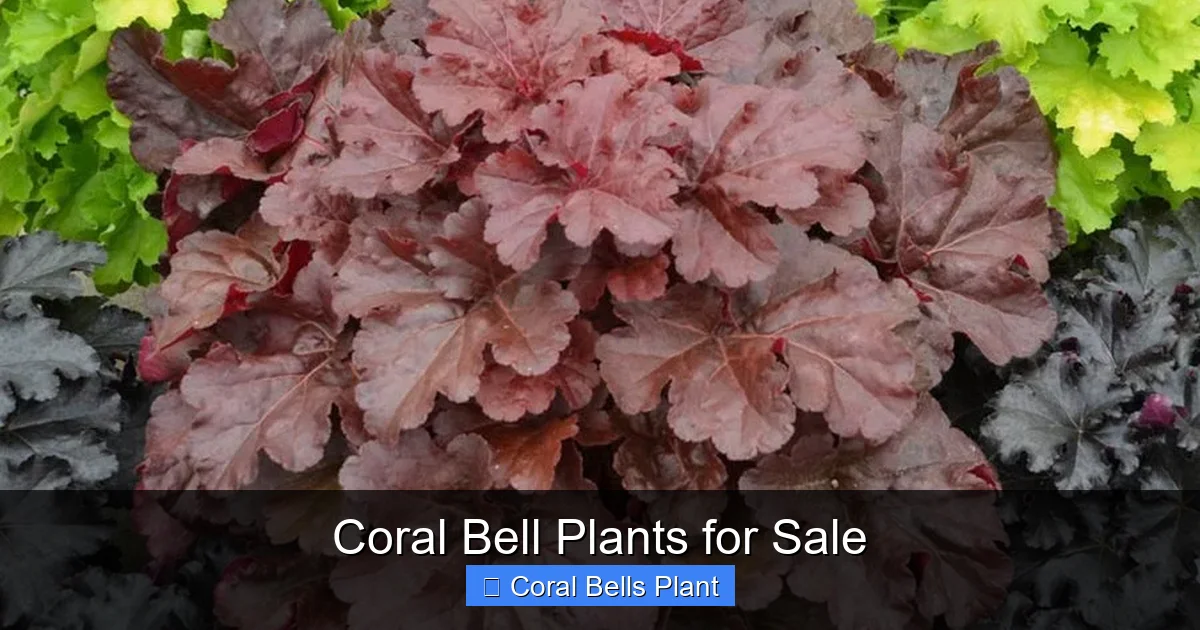
Visual guide about Coral Bell Plants for Sale
Image source: gardendesign.com
Classic Purples and Blacks
‘Palace Purple’ started the craze in the 1980s. It has large, maple-like leaves in bronze-purple. It is seed-grown, so plants vary. It is tough and affordable.
‘Obsidian’ is a modern standard. Jet black leaves hold color all season. It has a shiny, almost lacquered look. It handles heat better than older dark types.
‘Black Pearl’ forms a dense, rounded mound. Leaves are intensely black with ruffled edges. It is part of the Pristine series, bred for vigor.
Bright Chartreuse and Gold
‘Lime Rickey’ glows in shade. Ruffled lime-green leaves keep their color. It does not scorch easily. It brightens dark corners instantly.
‘Citronelle’ is a sport of ‘Caramel.’ It has electric yellow foliage. It forms a tight mound. It needs afternoon shade to stay vibrant.
‘Electra’ offers gold leaves with shocking red veins. The contrast is high drama. It is a smaller plant, great for containers.
Warm Tones: Caramel, Peach, Amber
‘Caramel’ is a giant in the trade. Large, fuzzy leaves emerge peach and mature to amber-gold. It handles sun and heat exceptionally well. It is a villosa hybrid.
‘Georgia Peach’ has huge leaves in peach with a silver overlay. It forms a wide, low mound. Fall color intensifies to rose-purple.
‘Fire Alarm’ lives up to its name. Bright red leaves in spring and fall. Summer brings a bronzy tone. It is compact and floriferous.
Silver and Patterned Foliage
‘Silver Scrolls’ has metallic silver leaves with deep purple veins. The undersides are purple. It is elegant and refined.
‘Berry Smoothie’ opens rose-pink and matures to berry-purple with silver overlay. It is large and vigorous.
‘Forever Purple’ keeps its intense purple color all year. It does not fade to green in heat. It is ultra-hardy.
Miniatures for Containers
‘Petite Pearl Fairy’ stays under 8 inches. Tiny ruffled leaves are silver with purple centers. Perfect for troughs and fairy gardens.
‘Little Cutie’ series includes ‘Blondie,’ ‘Coco,’ and ‘Peppermint.’ They are bred for small pots. They keep their cute factor all season.
Where to Find Coral Bell Plants for Sale
You have three main avenues. Each has pros and cons. Your choice depends on budget, patience, and risk tolerance.
Local Nurseries and Garden Centers
This is the best place for beginners. You see the plant before you buy. You check the roots. You ask staff questions. Local nurseries stock varieties suited to your climate. They often grow their own or source from regional wholesalers.
Visit in spring for the biggest selection. Fall is good for discounts. Independent nurseries usually carry better varieties than big box stores. Ask when their next shipment arrives. Popular cultivars sell fast.
Specialty Mail-Order Nurseries
Plant nerds swear by specialist growers. These nurseries focus on Heuchera. They offer the newest introductions. They sell true-to-name plants. They ship at proper planting times.
Names to know: Terra Nova Nurseries (wholesale but lists retailers), Walters Gardens (Proven Winners partner), Plant Delights Nursery, and Bluestone Perennials. Many have websites. You order in winter for spring delivery. Plants arrive as plugs or bare root. They are small but establish fast.
Online Marketplaces and Big Retailers
Amazon, Etsy, Home Depot, Lowe’s, and Walmart sell coral bells. Convenience is the draw. Prices can be lower. But risks are higher. Plants may be mislabeled. They may be stressed from shipping. They may be older, root-bound stock.
If you buy here, read reviews carefully. Look for sellers with high ratings and plant-specific feedback. Avoid “seed grown” listings unless you want variation. Named cultivars must be vegetatively propagated to stay true.
What to Look for When Buying Coral Bells
Whether you shop in person or unbox a shipment, use this checklist. Healthy plants establish faster. They resist pests. They look better sooner.
Inspect the Crown
The crown is where leaves meet roots. It should feel firm, not mushy. No rot. No foul smell. Gently brush away soil at the base. You want to see multiple growth points. A single stem means a younger plant. That is fine, but it will take longer to fill out.
Check the Roots
Tip the pot. Slide the root ball out. Roots should be white or tan. They should hold the soil together. They should not circle the bottom tightly. Circling roots indicate the plant has been in the pot too long. You can tease them apart at planting, but severe binding sets the plant back.
Evaluate the Foliage
Leaves should be turgid, not limp. Color should match the label. Some varieties emerge green and color up later. Ask staff or check the tag. Avoid plants with yellowing lower leaves. That signals stress or nutrient deficiency. Check for spots, holes, or webbing. Those mean disease or pests.
Read the Label
A good tag lists: cultivar name, patent number (if applicable), hardiness zone, mature size, light needs, and bloom time. Patent numbers mean it is illegal to propagate for sale. That is normal for newer varieties. Zone info is critical. If the tag says zone 5 and you are in zone 4, it is a gamble.
Pot Size vs. Price
Common sizes: 4-inch, quart, 1-gallon, 2-gallon. Smaller pots cost less. They catch up fast. Quart and 1-gallon are the sweet spot. You get a decent root system without paying for nursery overhead. Two-gallon plants give instant impact but cost 2-3 times more.
Planting and Early Care for Success
You brought your treasures home. Now what? Proper planting makes all the difference. Coral bells are not fussy, but they have preferences.
Timing Matters
Spring is ideal. Soil is warming. Rain helps. Roots establish before summer heat. Early fall works too. Plant at least 6 weeks before ground freezes. This lets roots anchor. Avoid planting in summer heat. If you must, provide shade and water daily.
Site Selection
Most coral bells want part shade. Morning sun, afternoon shade is perfect. Dark-leaved varieties tolerate more sun. Light-leaved varieties scorch in hot sun. In cool climates, full sun works with ample moisture. In hot climates, full shade is safer.
Drainage is non-negotiable. Crown rot kills more coral bells than cold. If your soil is heavy clay, amend heavily. Mix in compost, coarse sand, or fine bark. Plant slightly high. The crown should sit at or just above soil level. Never bury the crown.
Spacing
Check the tag for mature width. Space plants accordingly. Crowding reduces air flow. That invites foliar diseases. It also makes plants stretch and look leggy. For a groundcover effect, plant at 75% of mature width. They will knit together in 2-3 years.
Planting Steps
- Water the plant in its pot an hour before planting.
- Dig a hole twice as wide as the root ball. Same depth.
- Mix compost into the excavated soil. 1 part compost to 3 parts native soil.
- Gently loosen circling roots.
- Place plant in hole. Check crown level.
- Backfill. Firm soil gently. Do not stomp.
- Water thoroughly. Settle soil.
- Apply 1-2 inches of mulch. Keep mulch off the crown.
Watering Regime
New plants need consistent moisture. Water deeply 2-3 times per week for the first month. Then taper to once a week. Established plants are drought tolerant. But they look best with regular water. Never let them sit in soggy soil. Feel the soil 2 inches down. If dry, water.
Fertilizing
Coral bells are light feeders. Too much nitrogen makes soft growth. That attracts aphids. It also reduces winter hardiness. Apply a slow-release balanced fertilizer in spring. Or top-dress with compost. That is plenty. Skip fertilizer after July.
Seasonal Maintenance Through the Year
Low maintenance does not mean no maintenance. A little attention keeps coral bells looking sharp.
Spring Cleanup
In late winter or early spring, remove old foliage. Leaves from last year will be tattered. Cut them at the base. Be careful not to damage new growth emerging from the crown. This is also the time to divide if needed. Apply fresh mulch. Check for heaving. Freeze-thaw cycles can push crowns up. Gently press them back down.
Summer Grooming
Deadhead flower stems after bloom. Cut them to the base. This tidies the plant. It may encourage a light rebloom. Remove any damaged or diseased leaves. Watch for sunscald on pale varieties. Move pots if needed. Water during dry spells.
Fall Preparation
Do not cut back in fall. The leaves protect the crown over winter. They also look great with frost. In very cold zones (4-5), add a light layer of evergreen boughs or straw after ground freezes. This prevents heaving. Remove it gradually in spring.
Division
Divide every 3-4 years. Centers get woody. Flowering declines. Spring is best. Dig the whole clump. Pull or cut into sections. Each piece needs roots and a growth point. Replant immediately. Water well. Divisions may sulk for a week. They bounce back.
Common Problems and Solutions
Coral bells are tough. But they have enemies. Know the signs.
Crown Rot
This is the big one. Symptoms: wilting despite wet soil, blackened crown, foul smell. Cause: poor drainage, buried crown, overwatering. Fix: improve drainage. Replant higher. Remove mulch from crown. Fungicides rarely help once rot starts. Prevention is everything.
Heuchera Rust
Orange pustules on leaf undersides. Yellow spots on top. It spreads in humid weather. Remove affected leaves. Improve air flow. Avoid overhead watering. Some varieties resist rust better. ‘Caramel’ and villosa hybrids show good resistance.
Vine Weevils
Adults notch leaf edges at night. Larvae eat roots. Plants wilt and detach at crown. Check roots if a plant fails suddenly. Nematodes (Steinernema kraussei) control larvae biologically. Apply in spring and fall. Sticky traps catch adults.
Foliar Nematodes
Microscopic worms in leaves. Cause angular brown patches between veins. Hard to control. Remove infected leaves. Avoid overhead watering. Space plants for air flow. Hot water treatment (115°F for 5 minutes) works for valuable stock but risks plant damage.
Deer and Rabbits
They usually leave coral bells alone. But hungry animals eat anything. Repellents help. Fencing works best. Interplant with strong-smelling herbs like lavender or catmint.
Designing with Coral Bells
These plants are design chameleons. They fit many styles.
Shade Garden Stars
Combine with hostas, ferns, astilbes, and brunnera. Contrast textures. Pair ruffled coral bells with smooth hosta leaves. Echo colors. A purple coral bell near a purple-leaf Japanese maple ties the bed together.
Container Combinations
Coral bells are container superstars. They hold shape all season. Use them as “filler” in thriller-filler-spiller recipes. Pair with trailing ivy or creeping jenny. Add a tall grass or canna for height. Use quality potting mix. Ensure drainage holes.
Rock Gardens and Slopes
Species types like Heuchera sanguinea love sharp drainage. Plant in rock crevices. On slopes, they prevent erosion. Their evergreen foliage covers ground year-round.
Woodland Edges
Naturalize at the woods edge. Mix with native spring ephemerals. Virginia bluebells, trillium, and bloodroot bloom early. Coral bells cover the fading foliage later.
Color Echoes
Repeat a color through the garden. A line of ‘Caramel’ leads the eye. A cluster of ‘Obsidian’ anchors a corner. Use pots to move color where you need it.
Buying Coral Bells on a Budget
Gardening adds up. Here are ways to save.
Shop Sales
Nurseries discount in July and September. Plants may look tired. They recover fast. Avoid clearance plants with disease signs.
Buy Small
Plugs and 4-inch pots cost a fraction of gallons. Order from mail-order specialists in winter. Grow them on a windowsill or under lights. Plant out in spring. You get more varieties for less money.
Divide and Share
Join a garden club. Plant swaps are gold. You trade divisions. You get proven local performers. You make friends.
Grow from Seed
Species coral bells come true from seed. Hybrids do not. But seed strains like ‘Palace Purple’ or ‘Melting Fire’ are cheap. Sow indoors 8-10 weeks before last frost. Transplant after danger of frost. You get dozens of plants for pennies.
Frequently Asked Questions About Buying Coral Bells
Let us tackle the questions I hear most.
Are coral bells deer resistant?
Generally yes. Deer dislike the fuzzy, astringent foliage. But starving deer eat anything. Use repellent in high-pressure areas.
Can coral bells grow in full sun?
In cool climates (zones 4-6), yes, with moisture. In hot climates, no. Afternoon sun scorches leaves. Dark varieties handle more sun than light ones.
Do coral bells spread?
They form clumps. They do not run. Some self-seed lightly. Seedlings vary from parents. Deadhead to prevent volunteers.
Why is my coral bell dying in the center?
Woody centers are natural with age. Divide every 3-4 years. Replant vigorous outer pieces. Discard the woody center.
Can I grow coral bells indoors?
Not long-term. They need winter dormancy. You can overwinter pots in an unheated garage. Bring them out in spring.
What is the difference between Heuchera and Heucherella?
Heucherella is a hybrid cross with Tiarella. Heucherella often has more cut leaves and better shade tolerance. Care is similar.
Conclusion
Finding great coral bell plants for sale is the first step to a more beautiful shade garden. You now know the varieties. You know where to shop. You know how to pick healthy plants. You know how to plant and care for them. These perennials reward you with year-round color, texture, and life.
Start with one or two varieties that catch your eye. Plant them well. Watch them settle in. Next season, you will want more. That is the coral bell effect. They are addictive in the best way. Your garden—and the hummingbirds—will thank you.
Happy planting. May your shade beds shine with ruffled, jeweled foliage for years to come.
Frequently Asked Questions
What is the difference between coral bells and heuchera?
Coral bells and heuchera are the same plant. Heuchera is the botanical genus name. Coral bells is the common name, derived from the bell-shaped flowers of Heuchera sanguinea.
How do I know if a coral bell plant is healthy when buying?
Check for a firm crown, white or tan roots that hold soil but aren’t tightly circling, turgid leaves matching the variety’s color, and no signs of spots, webbing, or wilting.
Can coral bells grow in deep shade?
Most varieties prefer part shade with morning sun. For deep shade, choose Heucherella hybrids or varieties like ‘Green Spice’ that tolerate lower light better than colorful cultivars.
Why are my coral bells turning green?
Many colorful varieties emerge with intense color that fades to green in summer heat. This is normal. Some varieties like ‘Forever Purple’ and ‘Obsidian’ hold color better. More sun often intensifies color.
How often should I divide coral bells?
Divide every 3-4 years in early spring when centers become woody and flowering declines. Replant vigorous outer sections with roots and growth points.
Are coral bells toxic to pets?
Heuchera species are generally considered non-toxic to dogs and cats. However, any plant material can cause mild stomach upset if eaten in large quantities.