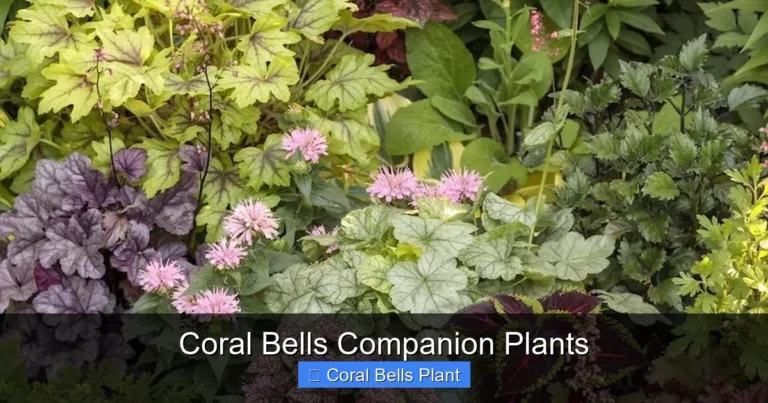
Georgia Peach Heuchera Coral Bells Plant
The Georgia Peach Heuchera Coral Bells Plant dazzles with peach‑orange foliage that deepens to copper in fall. It thrives in partial shade, needs well‑drained soil, and attracts hummingbirds with its airy blooms.
Key Takeaways
- Vibrant foliage: The Georgia Peach Heuchera Coral Bells Plant offers peach‑orange leaves that shift to copper in fall.
- Compact size: It reaches about twelve inches tall and eighteen inches wide, perfect for borders.
- Shade tolerant: It thrives in partial to full shade, making it versatile for many garden spots.
- Low maintenance: Once established, it needs minimal watering and occasional fertilizing.
- Pollinator friendly: Airy flower spikes attract hummingbirds and bees throughout summer.
- Easy propagation: Division in early spring quickly produces new plants.
Quick Answers to Common Questions
What light does the Georgia Peach Heuchera Coral Bells Plant need?
It prefers partial shade with morning sun and protection from harsh afternoon rays.
How often should I water the Georgia Peach Heuchera Coral Bells Plant?
Water regularly during the first season, then provide a deep soak weekly during dry spells.
When is the best time to divide the Georgia Peach Heuchera Coral Bells Plant?
Early spring, just as new growth begins, is the ideal time for division.
Does the Georgia Peach Heuchera Coral Bells Plant attract pollinators?
Yes, its airy flower spikes draw hummingbirds and bees throughout early summer.
Can the Georgia Peach Heuchera Coral Bells Plant grow in containers?
Absolutely, choose a twelve‑inch pot with good drainage and a quality potting mix.
📑 Table of Contents
Introduction
The Georgia Peach Heuchera Coral Bells Plant is a perennial that brings warm color to shady gardens. It shows bright peach leaves in spring. The leaves deepen to copper as the season progresses. This plant grows about twelve inches tall. It spreads about eighteen inches wide. Gardeners love its low maintenance nature. It works well in borders, containers, and woodland settings. The Georgia Peach Heuchera Coral Bells Plant also produces delicate flower spikes in early summer. Those spikes attract hummingbirds and bees. This guide covers everything you need to know about growing and caring for the Georgia Peach Heuchera Coral Bells Plant.
The Georgia Peach Heuchera Coral Bells Plant was introduced by a noted breeder in the early 2000s. It quickly gained popularity for its unique peach hue. Garden centers across the country stock it each spring. The plant has won several horticultural awards. Its reliability makes it a favorite among landscapers. Home gardeners appreciate its low fuss nature. The Georgia Peach Heuchera Coral Bells Plant performs well in both formal and naturalistic designs. It tolerates a range of soil types once established. This versatility adds to its widespread appeal. Many growers report consistent color year after year. The plant rarely reverts to green. It holds its peach tone even in cooler climates. This stability makes planning easy. The Georgia Peach Heuchera Coral Bells Plant also works well in mixed borders. Its foliage contrasts nicely with dark greens. The plant’s compact habit reduces the need for staking. Overall it is a dependable choice for shade gardens.
What Makes Georgia Peach Heuchera Coral Bells Plant Special
Colorful Foliage All Season
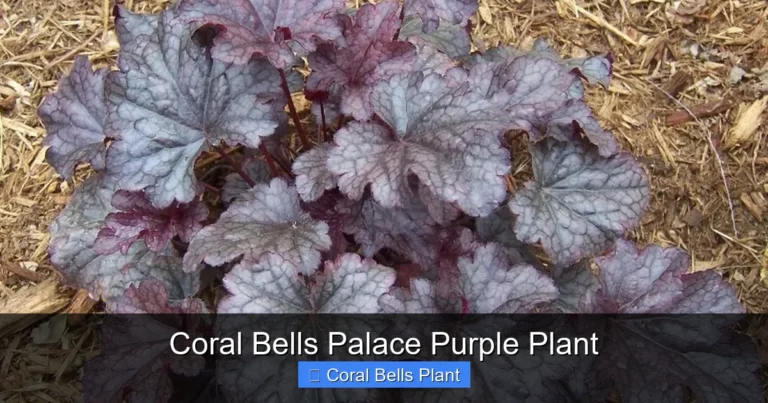
The Georgia Peach Heuchera Coral Bells Plant displays peach‑orange foliage in early spring. The color is vivid and eye‑catching. As summer arrives the leaves keep their warm tone. In autumn the foliage turns a rich copper hue. This seasonal change adds interest for months. The leaves are slightly ruffled which adds texture. The Georgia Peach Heuchera Coral Bells Plant keeps its color even in partial shade. Many shade plants lose vibrancy but this one stays bright. Garden visitors often comment on the glowing leaves. The Georgia Peach Heuchera Coral Bells Plant is a standout in any shade garden.

Visual guide about Georgia Peach Heuchera Coral Bells Plant
Image source: epicgardening.com
Compact Growth Habit
The Georgia Peach Heuchera Coral Bells Plant forms a neat mound. It reaches about twelve inches in height. Its spread is roughly eighteen inches. This compact habit makes it ideal for edging paths. It also fits nicely in mixed containers. The plant does not flop or become leggy. It maintains a tidy appearance all season. The Georgia Peach Heuchera Coral Bells Plant is a good choice for small spaces. Its size also allows easy division when needed.
Pollinator Friendly Blooms
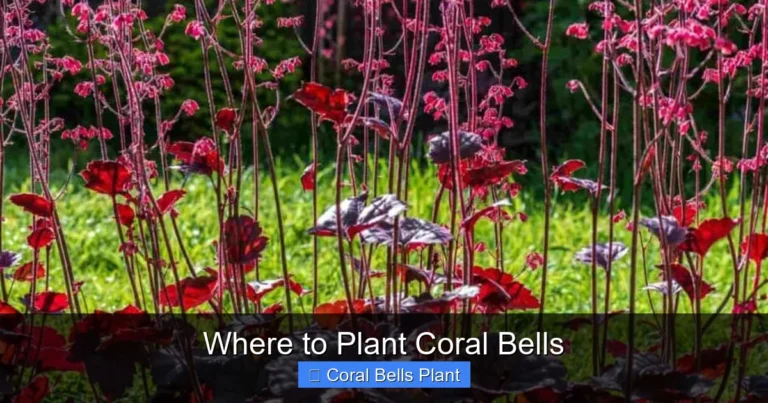
In early summer the Georgia Peach Heuchera Coral Bells Plant sends up airy flower spikes. The spikes are topped with tiny bell‑shaped blooms. The flowers are usually pinkish white. Hummingbirds love the nectar. Bees also visit the blooms. The flowering period lasts several weeks. After flowering the plant focuses energy back into foliage. The Georgia Peach Heuchera Coral Bells Plant therefore provides both beauty and wildlife value.
The Georgia Peach Heuchera Coral Bells Plant was bred for a long bloom window and strong color retention. Its parentage includes several native Heuchera species known for hardiness. The result is a cultivar that resists fading in heat. Garden trials show it outperforms many older varieties. The plant’s foliage remains attractive even after frost. This makes it a reliable four‑season interest plant. Nurseries often highlight it in shade plant collections. Its popularity continues to grow each year.
Ideal Growing Conditions
Light Requirements
The Georgia Peach Heuchera Coral Bells Plant prefers partial shade. It can tolerate morning sun. Too much direct afternoon sun may scorch the leaves. In deep shade the foliage stays bright but flowering may reduce. A location with dappled light is perfect. The Georgia Peach Heuchera Coral Bells Plant adapts to a range of light levels. Observe your garden and choose a spot with filtered light.
Soil Preferences
The Georgia Peach Heuchera Coral Bells Plant thrives in well‑drained soil. It likes a slightly acidic to neutral pH. Adding organic matter improves moisture retention. Heavy clay soils should be amended with compost. The plant does not like soggy roots. Good drainage prevents root rot. The Georgia Peach Heuchera Coral Bells Plant benefits from a mulch layer. Mulch keeps soil cool and moist.
Watering Needs
Water the Georgia Peach Heuchera Coral Bells Plant regularly during the first growing season. Keep the soil evenly moist but not waterlogged. Once established the plant is moderately drought tolerant. In hot spells give a deep soak once a week. Reduce watering in fall as the plant prepares for dormancy. The Georgia Peach Heuchera Coral Bells Plant appreciates consistent moisture for best foliage color.
Hardiness Zones
The Georgia Peach Heuchera Coral Bells Plant is hardy in USDA zones 4 through 9. It survives cold winters with minimal protection. In zone 4 a light mulch over the crown helps. In warmer zones the plant may stay evergreen. Check your local zone before planting. The Georgia Peach Heuchera Coral Bells Plant adapts well across this wide range.
Microclimates can shift the effective zone by a half step. A south‑facing wall may add warmth for zone 3 gardeners. Conversely, a low‑lying frost pocket may require extra mulch in zone 5. The Georgia Peach Heuchera Coral Bells Plant responds well to these small adjustments. Monitoring soil temperature in early spring helps fine‑tune planting time. A simple soil thermometer is a useful tool. Consistent conditions reward you with the brightest foliage.
Planting and Establishment
When to Plant
The best time to plant the Georgia Peach Heuchera Coral Bells Plant is early spring. Fall planting works in mild climates. Avoid planting during extreme heat. Spring planting gives roots time to establish before summer. The Georgia Peach Heuchera Coral Bells Plant settles quickly when soil is workable.
Step‑by‑Step Planting Guide
First dig a hole twice as wide as the root ball. The hole should be the same depth as the container. Gently remove the Georgia Peach Heuchera Coral Bells Plant from its pot. Loosen any circling roots with your fingers. Place the plant in the hole so the crown sits at soil level. Backfill with amended soil. Firm the soil lightly around the base. Water thoroughly to settle the soil. Apply a two‑inch mulch layer. The Georgia Peach Heuchera Coral Bells Plant is now ready to grow.
Spacing and Companion Plants
Space each Georgia Peach Heuchera Coral Bells Plant about eighteen inches apart. This allows air flow and room for spread. Good companions include hostas, ferns, and astilbes. These plants share similar shade and moisture needs. The Georgia Peach Heuchera Coral Bells Plant also pairs well with spring bulbs. The combination creates a layered look throughout the season.
After planting, monitor the new Georgia Peach Heuchera Coral Bells Plant for the first month. Check soil moisture daily in hot weather. A gentle tug test after two weeks shows root anchoring. If the plant lifts easily, firm the soil again. Mulch helps retain moisture and suppress weeds. Avoid fertilizing until new growth appears. Patience during establishment pays off with a vigorous clump.
Ongoing Care and Maintenance
Fertilizing Schedule
Feed the Georgia Peach Heuchera Coral Bells Plant in early spring. Use a balanced slow‑release fertilizer. Apply according to package directions. A second light feeding in midsummer supports foliage. Avoid high nitrogen formulas that promote weak growth. The Georgia Peach Heuchera Coral Bells Plant does not need heavy feeding.
Pruning and Deadheading
Remove spent flower spikes after blooming. This tidies the plant and may encourage a second flush. In late winter cut back any damaged foliage. Use clean scissors to avoid disease spread. The Georgia Peach Heuchera Coral Bells Plant responds well to light pruning. Regular grooming keeps the mound compact.
Pest and Disease Management
The Georgia Peach Heuchera Coral Bells Plant is generally pest free. Slugs may chew young leaves in damp conditions. Hand‑pick slugs or use organic bait. Powdery mildew can appear in humid, crowded plantings. Improve air circulation and avoid overhead watering. The Georgia Peach Heuchera Coral Bells Plant rarely suffers serious issues.
Winter Protection
In colder zones apply a three‑inch mulch over the crown after the ground freezes. This insulates roots from freeze‑thaw cycles. Remove mulch gradually in early spring. The Georgia Peach Heuchera Coral Bells Plant emerges fresh with the warming soil. No additional covering is needed.
A seasonal checklist keeps the Georgia Peach Heuchera Coral Bells Plant thriving year after year. In March, apply fertilizer and inspect for winter damage. April is ideal for division if clumps are crowded. May through July, deadhead spent spikes and water during dry spells. August, reduce feeding and watch for slugs. September, add a fresh mulch layer. October, cut back any tattered leaves. November, ensure crown is covered before hard freeze. This routine prevents problems and maximizes color.
Design Ideas for the Garden
Border and Edging
Plant the Georgia Peach Heuchera Coral Bells Plant along a shaded walkway. Its warm foliage creates a glowing edge. Repeat the plant every eighteen inches for a continuous line. The Georgia Peach Heuchera Coral Bells Plant pairs nicely with dark green hostas. The contrast highlights the peach tones.
Container Gardens
Choose a pot at least twelve inches wide. Fill with a high‑quality potting mix. Place the Georgia Peach Heuchera Coral Bells Plant in the center. Add trailing ivy or creeping jenny around the rim. The container can sit on a patio or balcony. The Georgia Peach Heuchera Coral Bells Plant brings color to small spaces.
Shade Garden Accents
Use the Georgia Peach Heuchera Coral Bells Plant as a focal point under a canopy of trees. Surround it with ferns and bleeding hearts. The layered textures create a woodland feel. The Georgia Peach Heuchera Coral Bells Plant lights up the dim area with its warm leaves.
Combine the Georgia Peach Heuchera Coral Bells Plant with silver‑leafed Brunnera for a striking contrast. Add a few white‑flowering Astilbe to brighten the scene. The peach foliage acts as a bridge between cool and warm tones. In a mixed border, stagger heights for depth. Low‑growing Heuchera in front, medium ferns behind, tall grasses at the back. This layering showcases each plant’s texture. The Georgia Peach Heuchera Coral Bells Plant also works well in rock gardens where its mound softens hard edges.
Propagation Methods
Division
Divide the Georgia Peach Heuchera Coral Bells Plant in early spring. Dig up the clump carefully. Separate into sections each with roots and shoots. Replant divisions at the same depth. Water well after planting. Division rejuvenates older plants and yields new specimens.
Seed Starting
Collect seeds from spent flower spikes in late summer. Sow seeds in a sterile seed‑starting mix. Keep the tray moist and provide bright indirect light. Germination takes two to three weeks. Transplant seedlings when they have two true leaves. The Georgia Peach Heuchera Coral Bells Plant grown from seed may vary in foliage color.
Root Cuttings
Take root cuttings in late winter. Cut healthy roots into two‑inch pieces. Lay them horizontally in a moist sand‑peat mix. Cover lightly and keep in a cool bright location. New shoots appear in four to six weeks. Root cuttings are a reliable way to clone the Georgia Peach Heuchera Coral Bells Plant.
Propagation success rates are high for the Georgia Peach Heuchera Coral Bells Plant when timing matches its growth cycle. Division in early spring aligns with active root growth. Seed starting works best with fresh seed and consistent moisture. Root cuttings benefit from a cold period before planting. Label each method to track performance. Over several seasons you can build a sizable collection from a single mother plant.
Conclusion
The Georgia Peach Heuchera Coral Bells Plant is a versatile perennial that brightens shady spots with peach‑orange foliage. It stays compact and tidy throughout the growing season. The plant attracts hummingbirds and bees with its delicate blooms. It thrives in partial shade, well‑drained soil, and moderate moisture. Care is simple: fertilize once in spring, deadhead spent spikes, and mulch for winter. Use it in borders, containers, or woodland gardens for a warm glow. Propagation by division is quick and rewarding. Whether you are a novice gardener or an experienced landscaper, the Georgia Peach Heuchera Coral Bells Plant adds reliable color and wildlife value. Add this charming coral bells to your garden and enjoy its seasonal show year after year.
By following the guidelines in this article you can grow a thriving Georgia Peach Heuchera Coral Bells Plant that becomes a garden highlight. Consistent moisture, proper shade, and occasional feeding are the keys to success. Share divisions with friends to spread the beauty. Experiment with companion plantings to discover new color combos. The Georgia Peach Heuchera Coral Bells Plant rewards careful attention with years of vibrant foliage and pollinator activity. Happy gardening.
Frequently Asked Questions
Is the Georgia Peach Heuchera Coral Bells Plant deer resistant?
It is generally deer resistant because the foliage has a slightly bitter taste, but hungry deer may still nibble.
What USDA hardiness zones suit the Georgia Peach Heuchera Coral Bells Plant?
It thrives in zones 4 through 9, handling cold winters and warm summers alike.
How do I prevent powdery mildew on the Georgia Peach Heuchera Coral Bells Plant?
Space plants for good airflow, water at the base, and avoid overhead irrigation.
Can I grow the Georgia Peach Heuchera Coral Bells Plant indoors?
It can be grown indoors in a bright, cool room with high humidity, but it prefers outdoor conditions.
What fertilizer works best for the Georgia Peach Heuchera Coral Bells Plant?
A balanced slow‑release fertilizer applied in early spring supports healthy foliage and blooms.
How long does the Georgia Peach Heuchera Coral Bells Plant live?
With proper care it can live many years, often persisting for a decade or more in the garden.