Coral Bell Plant
The coral bell plant (Heuchera) is a versatile perennial prized for its colorful foliage and delicate bell-shaped flowers. These low-maintenance plants thrive in partial shade and add year-round interest to gardens with their stunning leaf colors ranging from deep purple to bright lime green.
Key Takeaways
- Versatile foliage plant: Coral bells are grown primarily for their spectacular leaves which come in nearly every color imaginable
- Shade garden superstars: These perennials thrive in partial to full shade where many other plants struggle
- Low maintenance: Once established, coral bell plants require minimal care and are relatively drought tolerant
- Year-round interest: Evergreen in mild climates, providing winter color when most plants are dormant
- Attracts pollinators: The delicate flowers on tall stems draw hummingbirds and bees to your garden
- Deer resistant: Fuzzy leaves and bitter taste make them unappealing to browsing deer and rabbits
- Endless variety: Hundreds of cultivars exist with new introductions every year offering unique color combinations
Quick Answers to Common Questions
How much sun can a coral bell plant tolerate?
Most coral bell plants prefer partial shade with morning sun and afternoon shade. Some varieties with lighter foliage can handle more sun in cooler climates if kept consistently moist, but dark-leaved varieties generally need more shade to prevent leaf scorch.
When is the best time to divide coral bells?
Early spring is the ideal time to divide coral bell plants, just as new growth emerges. This gives divisions the entire growing season to establish strong root systems before winter. In mild climates (zones 7-9), early fall division also works well.
Why are my coral bell leaves turning brown and crispy?
Brown crispy leaves usually indicate too much sun, insufficient water, or both. Coral bells have shallow roots and dry out quickly. Check soil moisture and consider moving the plant to a shadier location if it receives hot afternoon sun.
Do coral bells come back every year?
Yes, coral bell plants are hardy perennials that return year after year in zones 4-9. They are evergreen in mild winters and may die back to the crown in colder zones, but fresh growth emerges from the center each spring.
Can coral bells grow in full shade?
Coral bells can grow in full shade but may produce fewer flowers and less intense foliage color. Varieties with green or chartreuse leaves perform better in deep shade than dark purple or black varieties, which need some light to develop their rich pigmentation.
📑 Table of Contents
- Welcome to the Wonderful World of Coral Bells
- What Exactly Is a Coral Bell Plant
- Choosing the Perfect Variety for Your Garden
- Planting Your Coral Bell Plant for Success
- Ongoing Care and Maintenance
- Designing with Coral Bells in the Landscape
- Common Problems and Solutions
- Propagation: Growing More Coral Bells
- Seasonal Care Calendar
- Companion Plants for Coral Bells
- Coral Bells in Different Garden Styles
- Buying Guide: What to Look For
- Conclusion: Why Every Garden Needs Coral Bells
Welcome to the Wonderful World of Coral Bells
If you have ever walked through a shade garden and spotted a plant with leaves that look like they were painted by a rainbow, chances are you met a coral bell plant. These remarkable perennials have taken the gardening world by storm over the past couple of decades. And for good reason. They offer something that few other plants can match. Incredible foliage color that lasts from spring through fall. Sometimes even through winter.
I remember the first time I planted coral bells in my own garden. I had a shady spot under a maple tree where nothing seemed to thrive. Hostas got eaten by slugs. Ferns looked tired by August. Then I tried a purple-leaved coral bell plant called ‘Palace Purple.’ It not only survived. It thrived. That was fifteen years ago. That same plant is still going strong. It has been divided multiple times to share with friends and fill other shady corners.
What Exactly Is a Coral Bell Plant
The Basics of Heuchera
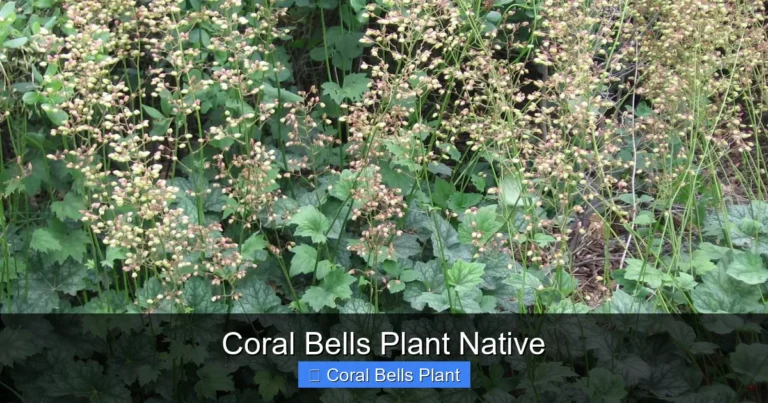
The coral bell plant belongs to the genus Heuchera. This group contains about fifty species native to North America. They are part of the Saxifragaceae family. That makes them relatives of foamflower, astilbe, and bergenia. The common name comes from the tiny bell-shaped flowers that appear on tall wiry stems in late spring to early summer. These flowers are usually coral pink, red, or white. They hover above the foliage like a cloud of color.
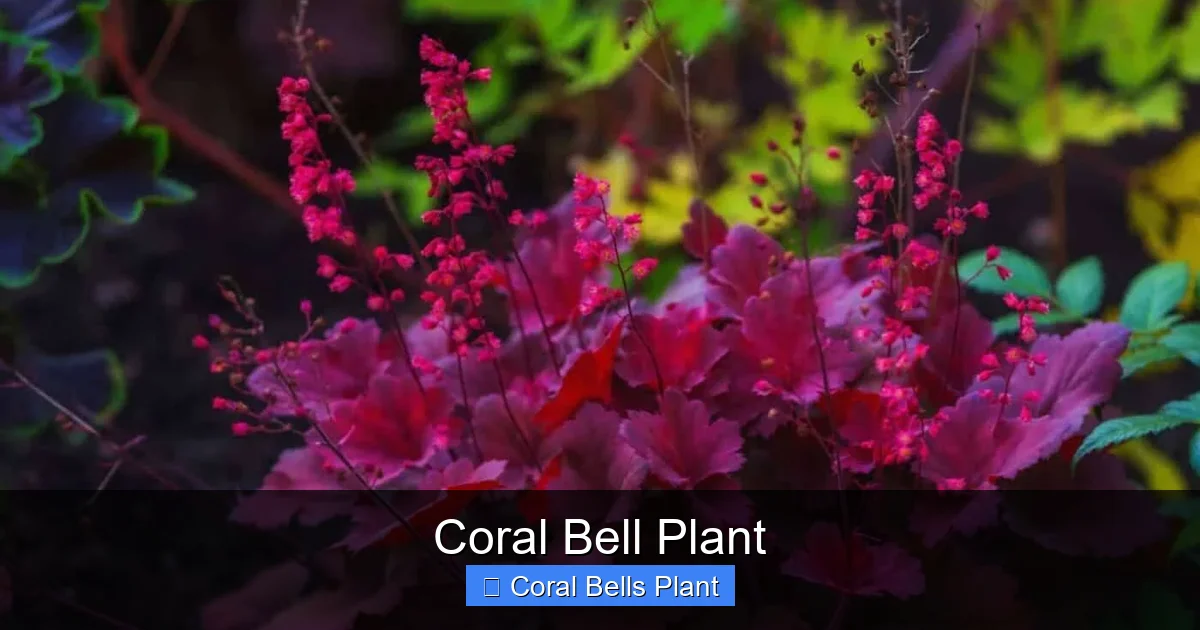
Visual guide about Coral Bell Plant
Image source: planetnatural.com
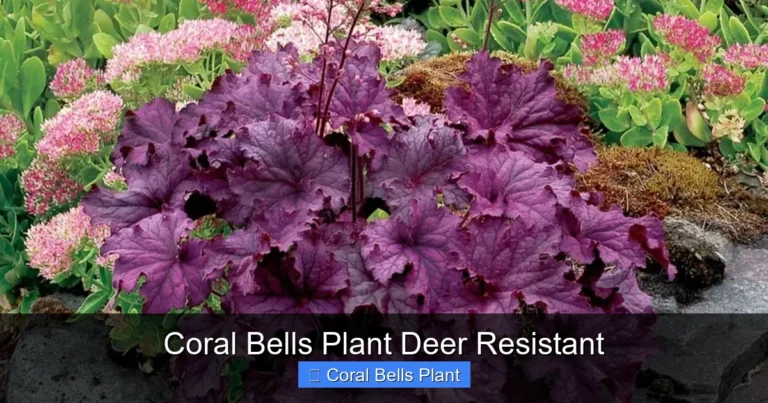
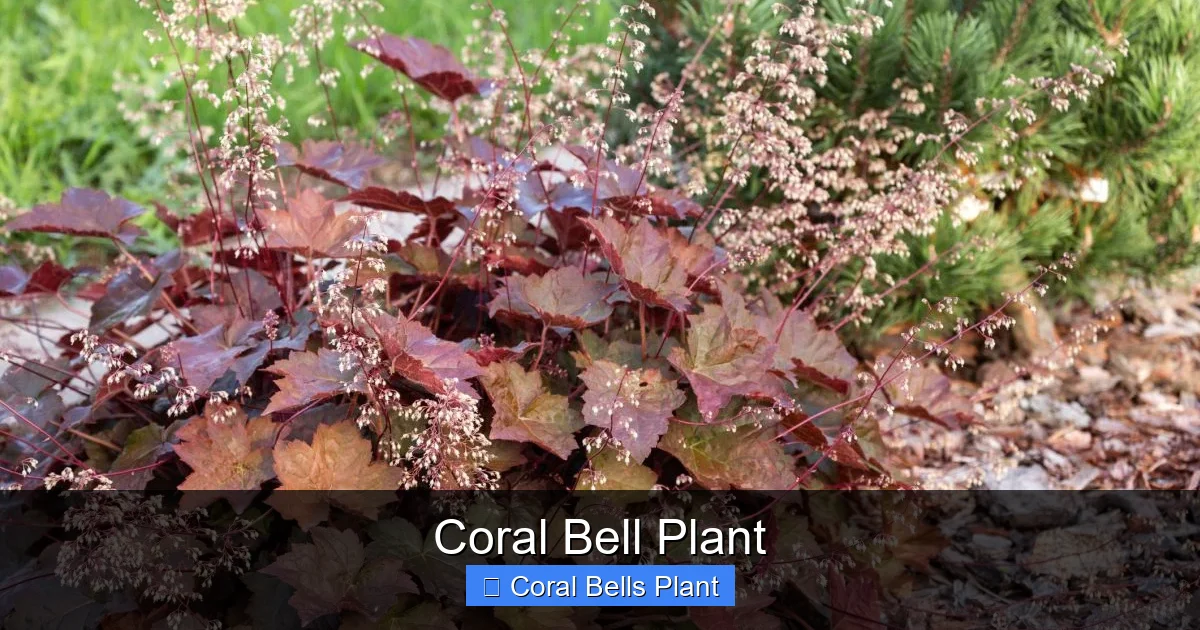
But here is the thing. Most gardeners do not grow coral bells for the flowers. They grow them for the leaves. The foliage is the real showstopper. Modern breeding has produced an mind-boggling array of colors. Deep purple, nearly black, bright chartreuse, caramel, peach, silver, red, orange. Some varieties even change color through the seasons. The leaves can be ruffled, smooth, veined, or spotted. Each variety has its own personality.
Native Roots and Natural Habitats
Understanding where coral bells come from helps you grow them better. Different species hail from different regions. Some come from the rocky cliffs of the Appalachian Mountains. Others from the woodlands of the Pacific Northwest. Some even from the desert canyons of the Southwest. This diversity means there is a coral bell plant adapted to almost any garden condition. The key is matching the right variety to your specific site.
Most garden varieties are complex hybrids. They combine the best traits of multiple species. Breeders select for heat tolerance, cold hardiness, disease resistance, and of course, spectacular foliage. The result is plants that are tougher and more colorful than their wild ancestors.
Choosing the Perfect Variety for Your Garden
Color Categories to Consider
With hundreds of named cultivars, picking a coral bell plant can feel overwhelming. Breaking them down by color family helps narrow the field. Here are the main groups you will encounter.
Purple and Black Varieties create dramatic contrast in the garden. ‘Palace Purple’ started it all back in the 1980s. It has large maple-like leaves in deep bronze-purple. ‘Obsidian’ offers glossy near-black leaves that hold color even in full sun. ‘Black Pearl’ forms a dense mound of intensely dark foliage with ruffled edges. These dark varieties look stunning paired with chartreuse or silver plants.
Chartreuse and Lime Green Varieties light up shady corners like nothing else. ‘Lime Rickey’ has ruffled lime leaves that practically glow in low light. ‘Electra’ sports bright gold leaves with striking red veins. ‘Citronelle’ forms a neat mound of clean yellow-green foliage. These are perfect for brightening dark areas under trees or on the north side of buildings.
Caramel, Peach, and Amber Tones bring warm sophistication. ‘Caramel’ lives up to its name with leaves the color of burnt sugar. ‘Georgia Peach’ offers large peachy-orange leaves with a silver overlay. ‘Marmalade’ shows off undulating leaves in shades of amber and umber. These varieties bridge the gap between cool and warm color schemes.
Silver and Pewter Varieties add elegance and reflect light beautifully. ‘Silver Scrolls’ has metallic silver leaves with dark purple veins. ‘Appletini’ combines chartreuse centers with silver edges. ‘Steel City’ offers cool blue-silver foliage. These work wonderfully in moon gardens or paired with white-flowering plants.
Red and Orange Varieties bring fiery energy. ‘Fire Alarm’ lives up to its name with bright red leaves. ‘Cherry Cola’ has cola-colored foliage with red undersides. ‘Paprika’ offers spicy orange-red leaves that deepen in cool weather. These make fantastic focal points in container plantings.
Matching Varieties to Your Climate
Not every coral bell plant performs equally in all regions. Heat and humidity tolerance varies significantly among cultivars. Gardeners in the Deep South, Gulf Coast, and Southwest need varieties bred for those conditions. Look for selections with H. villosa or H. sanguinea parentage. These species handle heat and humidity better than the alpine species.
Northern gardeners have different concerns. Winter hardiness and crown rot resistance are paramount. Varieties with H. americana or H. micrantha background tend to be tougher in cold climates. They also handle freeze-thaw cycles better. Many modern introductions are tested across multiple zones before release. Check plant tags or catalog descriptions for zone ratings and regional recommendations.
Size and Growth Habit Considerations
Coral bell plants range from tiny six-inch mounds to substantial two-foot clumps. Consider the mature size when planning your layout. Compact varieties like ‘Petite Pearl Fairy’ or ‘Little Cutie’ series work well in rock gardens, fairy gardens, or the front of borders. Medium varieties around twelve to fifteen inches fit most garden situations. Large varieties like ‘Big Top’ series or ‘Mega Caramel’ make bold specimens or background plants.
Growth habit also varies. Some form tight mounds. Others spread slowly by rhizomes. A few can be slightly aggressive in ideal conditions. Research the specific cultivar before planting near delicate neighbors. Most stay well-behaved with occasional division every three to four years.
Planting Your Coral Bell Plant for Success
When to Plant
Timing matters for establishment. Spring planting gives roots all season to develop before winter. This is ideal in zones 4-6 where winters are harsh. Fall planting works well in zones 7-9 where summers are brutal. The cool moist conditions of autumn encourage root growth without heat stress. Avoid planting during summer heat waves or when ground is frozen.
Container-grown coral bells can technically be planted any time the ground is workable. But they will need extra attention during extreme weather. Water faithfully during the first growing season regardless of planting time. This cannot be overstated. Even drought-tolerant established plants need consistent moisture while settling in.
Site Selection and Light Requirements
Most coral bell plants prefer partial shade. Morning sun with afternoon shade is the sweet spot. This provides enough light for good color development without scorching the leaves. Full shade works for many varieties but may reduce flowering and color intensity. Full sun is tolerated by some cultivars, especially in cooler climates or with consistent moisture.
Observe your proposed planting site throughout the day. Note how many hours of direct sun it receives. Also note the intensity. Morning sun is gentler than afternoon sun. A site with four hours of morning sun is very different from four hours of blazing afternoon sun. When in doubt, choose a shadier spot. You can always limb up a tree or move a plant later. Recovering from sun scorch takes much longer.
Soil Preparation Is Everything
If you do one thing right when planting coral bells, make it soil preparation. These plants hate wet feet. Crown rot is the number one killer. Heavy clay soils must be amended. Sandy soils need organic matter to retain moisture. The goal is moist, well-drained, humus-rich soil with a slightly acidic to neutral pH (6.0-7.0).
Dig a hole twice as wide as the root ball but no deeper. Mix the excavated soil with compost, leaf mold, or well-rotted manure at a fifty-fifty ratio. If your soil is heavy clay, add some coarse sand or fine gravel to improve drainage. If it is very sandy, add extra organic matter and maybe some peat moss or coconut coir for water retention.
Create a small mound in the center of the hole. This encourages roots to grow downward and outward. It also helps prevent the crown from sitting in a depression where water collects. The crown should sit at or slightly above soil level. Never bury the crown. This is critical.
Spacing and Planting Technique
Space plants according to their mature width. Most varieties need twelve to eighteen inches between centers. Tight spacing creates a faster fill but increases disease risk from poor air circulation. Wider spacing allows each plant to develop its natural form. For groundcover effect, plant on twelve-inch centers. For specimen plants, give them eighteen to twenty-four inches.
Remove the plant from its pot gently. Loosen any circling roots. Place on the prepared mound. Spread roots outward and downward. Backfill with amended soil. Firm gently to eliminate air pockets. Water thoroughly to settle soil around roots. Apply a two-inch layer of shredded bark, pine straw, or leaf mulch. Keep mulch pulled back from the crown by an inch or two.
Ongoing Care and Maintenance
Watering Wisdom
Newly planted coral bells need consistent moisture. Water deeply two to three times per week during the first growing season. Adjust for rainfall. The soil should feel moist but not soggy two inches down. Once established, most varieties are surprisingly drought tolerant. They have deep roots that seek moisture. But they perform best with regular water during dry spells.
Water at the base of the plant. Avoid wetting the foliage, especially in evening. Wet leaves invite fungal diseases. Soaker hoses or drip irrigation are ideal. If using overhead sprinklers, water early morning so leaves dry quickly. Mulch helps retain soil moisture and reduces watering frequency.
Fertilizing for Fabulous Foliage
Coral bell plants are not heavy feeders. Too much nitrogen produces lush green growth at the expense of color. A light application of balanced slow-release fertilizer in early spring is plenty. Alternatively, top-dress with an inch of compost around the crown each spring. This feeds the soil which feeds the plant. Organic matter also improves soil structure over time.
Avoid fertilizing after midsummer. Late growth may not harden off before winter. In containers, use a dilute liquid fertilizer monthly during the growing season. Container plants have limited soil volume and nutrients leach out with watering.
The Art of Deadheading and Cleanup
Flower stalks can be removed after blooming to redirect energy to foliage. Or leave them for seed and vertical interest. Hummingbirds love the flowers. The choice is aesthetic. Use clean sharp scissors. Cut stalks at the base where they emerge from the crown.
In late winter or early spring, remove any tattered or damaged leaves. This makes room for fresh growth and reduces disease carryover. Gently pull away dead leaves. They usually detach easily. Do not cut into the woody crown. New leaves emerge from the center.
Division: Renewal and Multiplication
Every three to four years, coral bell plants benefit from division. The center becomes woody and less vigorous. Flowering decreases. The plant may heave out of the ground. Spring is the best time to divide, just as new growth emerges. Fall works in mild climates.
Dig up the entire clump. Shake off excess soil. Pull or cut apart into sections with healthy roots and several growth points. Discard the woody center. Replant divisions at the same depth. Water well. Keep shaded for a week if weather is warm. Divisions establish quickly and often bloom the same year.
Designing with Coral Bells in the Landscape
Shade Garden Combinations
The coral bell plant shines in shade gardens. Its colorful foliage provides interest when flowers are scarce. Pair purple varieties with Japanese painted fern for a classic combination. The silver and burgundy fern fronds echo the coral bell colors. Add white-flowering hellebores for early spring bloom. The combination looks good for nine months of the year.
For a bright shade corner, combine chartreuse coral bells with blue hostas and golden Japanese forest grass. The color triangle of chartreuse, blue, and gold creates vibrant energy in low light. Add some white astilbe for summer flowers. This combination practically glows in the shade.
Woodland gardens benefit from mass plantings of a single variety. Drifts of ‘Caramel’ or ‘Autumn Bride’ under deciduous trees create a tapestry effect. The changing light through the seasons plays on the foliage. Spring bulbs like daffodils and snowdrops pop up through the coral bells before the trees leaf out.
Container Gardening Success
Coral bells are container superstars. Their mounding habit and colorful foliage look great in pots all season. They play well with others. Use them as the “filler” in thriller-filler-spiller container designs. Pair a tall grass or canna (thriller) with coral bells (filler) and trailing sweet potato vine or creeping jenny (spiller).
Choose a container at least twelve inches wide and deep. Ensure drainage holes. Use high-quality potting mix with added perlite. Do not use garden soil in containers. It compacts and drains poorly. Plant at the same depth as in the nursery pot. Water thoroughly after planting.
Container coral bells need more frequent watering and fertilizing than in-ground plants. Check daily in hot weather. Fertilize monthly with dilute balanced fertilizer. In cold climates, move containers to an unheated garage or bury pots in the ground for winter. Or treat as annuals and replace each spring.
Rock Gardens and Slopes
Many coral bell species are native to rocky slopes and cliffs. This makes them naturals for rock gardens. Tuck them between stones where their roots can run cool and deep. The excellent drainage prevents crown rot. Their evergreen foliage provides winter structure when alpine plants are dormant.
On slopes, coral bells help stabilize soil with their fibrous root systems. Plant in staggered rows across the slope. Mix with other erosion-control plants like creeping phlox, sedum, and ornamental grasses. The varied textures and colors create a living tapestry that holds the hillside.
Border Edging and Pathway Plantings
Low-growing coral bell varieties make excellent edging plants. Their neat mounds define borders without flopping onto paths. ‘Petite Pearl Fairy,’ ‘Berry Smoothie,’ and ‘Delta Dawn’ stay compact. Plant them twelve inches apart along a path edge. They soften hard lines and invite closer inspection of their intricate foliage.
Consider the view from above. Coral bells are often appreciated from standing height. Their leaf patterns and colors are best seen looking down. Plant them where you will walk past regularly. A path edged with coral bells becomes a daily pleasure.
Common Problems and Solutions
Crown Rot: The Silent Killer
Crown rot is the most serious threat to coral bell plants. It is caused by soil-borne fungi that thrive in wet conditions. The crown turns mushy and black. Leaves yellow and collapse. The plant dies quickly. Prevention is far easier than cure.
Plant high. Ensure the crown sits above soil level. Improve drainage before planting. Do not mulch over the crown. Water at the base, not over the top. Avoid heavy clay soils or amend them thoroughly. In wet climates, consider raised beds or berms. If a plant shows signs, dig it up immediately. Cut away all rotted tissue. Dust with fungicide. Replant in fresh, well-drained soil. Sometimes you can save a piece.
Heuchera Rust: An Emerging Threat
Heuchera rust is a fungal disease specific to coral bells. It appears as orange-brown pustules on the undersides of leaves. Upper surfaces show yellow spots. Severe infections cause leaf drop. It spreads by wind and water splash. Humid conditions favor development.
Remove and destroy infected leaves immediately. Do not compost. Improve air circulation by thinning crowded plants. Avoid overhead watering. Apply preventive copper-based fungicide in spring if rust has been a problem. Some newer varieties show resistance. Check with local extension for current recommendations.
Pest Issues: Usually Minor
Coral bells are remarkably pest-resistant. Deer and rabbits typically avoid them. The fuzzy leaves and astringent taste are unappealing. Slugs and snails may nibble young leaves in wet springs. Use iron phosphate bait or beer traps if damage is significant. Diatomaceous earth around plants helps deter soft-bodied pests.
Vine weevil larvae can damage roots in containers. Adults notch leaf edges at night. Beneficial nematodes applied to soil control larvae. Sticky traps catch adults. Root mealybugs occasionally infest container plants. Inspect roots when repotting. Discard heavily infested plants.
Foliar Nematodes: Microscopic Trouble
Foliar nematodes are microscopic worms that live inside leaves. They cause angular brown patches between leaf veins. Damage appears in late summer. There is no chemical control for home gardeners. Remove and destroy affected leaves. Avoid overhead watering. Space plants for good air flow. Hot water treatment of divisions (122°F for five minutes) kills nematodes but risks plant damage.
Winter Heaving and Cold Damage
In areas with freeze-thaw cycles, coral bell crowns can heave out of the ground. This exposes roots to drying wind and cold. Apply a loose mulch of straw or evergreen boughs after the ground freezes. This moderates temperature fluctuations. Do not apply too early or rodents may nest. Remove mulch gradually in spring.
In zones 3-4, choose the hardiest varieties. ‘Palace Purple,’ ‘Dale’s Strain,’ and the Northern Exposure series are reliable. Provide wind protection. A burlap screen on the windward side helps. Snow cover is the best insulation. If snow is unreliable, mulch heavily.
Propagation: Growing More Coral Bells
Division: The Easiest Method
As mentioned earlier, division is the simplest way to propagate coral bells. It produces clones identical to the parent. Spring division allows a full season for establishment. Each division needs several healthy leaves and a good root section. Pot up or plant directly. Keep moist and shaded until new growth appears.
Seed Propagation: For the Patient Gardener
Growing coral bells from seed is rewarding but slow. Seeds are tiny, like dust. They need light to germinate. Sow on the surface of moist seed-starting mix. Do not cover. Provide bright light and temperatures around 70°F. Germination takes two to six weeks. Seedlings grow slowly at first. Transplant to individual pots when they have true leaves.
Seed-grown plants will not come true from named cultivars. They will be variable. This is how new varieties are discovered. If you want a specific variety, buy plants or divide. If you enjoy surprise and have patience, try seeds. Species like H. sanguinea and H. americana come relatively true from seed.
Leaf Cuttings: Advanced Technique
Leaf cuttings can produce new plants from a single leaf. Take a healthy leaf with a short petiole (leaf stem). Dip the cut end in rooting hormone. Insert into moist perlite or sand-peat mix. Cover with a plastic bag to maintain humidity. Place in bright indirect light. Roots and a tiny plantlet form at the base in six to eight weeks. This works best with vigorous varieties in spring.
Tissue Culture: Commercial Method
Most new coral bell introductions are propagated via tissue culture (micropropagation). Tiny pieces of meristem tissue are grown in sterile lab conditions. This produces thousands of identical disease-free plants quickly. It is not feasible for home gardeners but explains why new varieties reach market in large numbers.
Seasonal Care Calendar
Spring: The Busy Season
Early spring is cleanup time. Remove winter mulch gradually. Cut away any dead or damaged leaves. Apply compost around crowns. Divide overcrowded clumps. Plant new additions. Watch for early slug damage. Apply preventive fungicide if rust was an issue last year. Water new plantings regularly.
Mid-spring brings rapid growth. Monitor soil moisture. Weed carefully around shallow roots. Stake flower stalks if desired, though they usually stand well on their own. Enjoy the fresh foliage colors at their peak intensity.
Late spring is bloom time. Hummingbirds visit the flowers. Deadhead if you prefer neat foliage. Or leave flowers for wildlife. Take photos. This is when coral bells look their absolute best.
Summer: Maintenance Mode
Early summer heat arrives. Ensure consistent moisture. Mulch if not already done. Watch for leaf scorch on varieties in too much sun. Move containers to shadier spots if needed. Remove any diseased leaves promptly.
Mid-summer can be stressful. Water deeply during dry spells. Avoid fertilizing. Some varieties may look a bit tired. This is normal. They will perk up with cooler weather. Continue monitoring for pests and diseases.
Late summer often brings a second flush of growth. Colors may deepen as nights cool. Continue watering. Start scouting for rust. Remove affected leaves. Prepare areas for fall planting.
Fall: Preparation and Planting
Early fall is ideal for planting and dividing in zones 6-9. Soil is warm. Air is cool. Roots establish before winter. Plant new varieties. Divide old clumps. Amend soil. Water well. Mulch new plantings.
Mid-fall colors intensify. Many varieties develop their richest tones in cool weather. Enjoy the show. Reduce watering as rains return. Stop fertilizing. Clean up fallen leaves from around crowns.
Late fall cleanup. Cut back flower stalks if not done. Remove any diseased foliage. Apply winter mulch in cold zones after ground freezes. Mark plant locations if they might be disturbed.
Winter: Rest and Protection
In mild climates, coral bells remain evergreen. They provide winter interest. In cold climates, they may die back partially or fully. Do not panic. The crown is alive below ground. Leave foliage in place for protection. It will be removed in spring.
Check occasionally for heaving. Gently press plants back if crowns are exposed. Add more mulch. Brush heavy snow off if it threatens to crush plants. Dream of spring and browse catalogs for new varieties.
Companion Plants for Coral Bells
Perennial Partners
Hostas are classic companions. Their bold leaves contrast beautifully with coral bell texture. Choose blue or gold hostas for color contrast. Variegated hostas add pattern. Both thrive in similar conditions. Just watch for slugs.
Ferns provide airy texture. Japanese painted fern, autumn fern, and maidenhair fern all work well. Their vertical fronds contrast with coral bell mounds. They enjoy the same rich moist soil.
Astilbe adds feathery plumes in early summer. The flowers rise above coral bell foliage. White, pink, or red plumes complement the leaves. Astilbe needs more moisture. Plant in the wettest part of the bed.
Hellebores bloom in late winter to early spring. Their evergreen leaves persist through summer. They are perfect partners for year-round interest. Plant hellebores behind coral bells. The hellebore flowers show before coral bells leaf out fully.
Japanese forest grass (Hakonechloa) cascades beautifully alongside coral bells. Gold or variegated forms echo chartreuse varieties. The grass moves with the slightest breeze. Coral bells stay put. Dynamic contrast.
Shrub and Tree Underplantings
Coral bells thrive under deciduous trees. They get spring sun before leaves emerge. Summer shade protects them. Fall leaf drop provides natural mulch. Avoid shallow-rooted trees like maples and beeches. Their roots outcompete perennials. Oak, hickory, and deep-rooted trees work better.
Under shrubs, coral bells fill the bare legs. Hydrangeas, viburnums, and rhododendrons all cast suitable shade. Plant coral bells at the drip line where rain reaches. Avoid the dry zone right against the trunk.
Bulb Combinations
Spring bulbs and coral bells are made for each other. Bulbs bloom early. Coral bells hide the ripening bulb foliage later. Daffodils, snowdrops, crocus, and species tulips all work. Plant bulbs first. Then plant coral bells between them. The coral bell roots will not disturb deep-planted bulbs.
Alliums bloom in late spring as coral bells flower. The purple globes hover above the foliage. A magical combination. Plant allium bulbs in fall among established coral bells.
Coral Bells in Different Garden Styles
Cottage Garden Charm
In cottage gardens, coral bells add foliage substance among the flowers. Their neat mounds contrast with billowy perennials. Plant them at the front of borders where their details can be appreciated. Mix several varieties for a tapestry effect. Let them self-sow gently. The seedlings add spontaneity.
Modern Minimalist
Modern gardens use coral bells for bold color blocks. Mass a single variety in geometric drifts. ‘Obsidian’ creates a dark river through silver gravel. ‘Lime Rickey’ forms electric grids in Corten steel planters. The clean foliage suits architectural lines. Limit the palette for maximum impact.
Woodland Naturalistic
In naturalistic plantings, coral bells mingle with natives. Choose varieties close to species forms. ‘Autumn Bride’ (H. villosa) has large fuzzy leaves and white flowers. It looks at home with ferns, wild ginger, and foamflower. Let them spread slowly. The effect is discovered, not designed.
Container Collections
Collect coral bells in pots. Group containers of different varieties on a shaded patio. Each pot showcases one variety. The collection becomes a living color chart. Move pots to highlight seasonal peaks. Bring indoors for winter enjoyment in cold climates.
Buying Guide: What to Look For
At the Garden Center
Choose plants with clean, vibrant foliage. Avoid plants with yellowing leaves, brown edges, or spots. Check the crown. It should be firm, not mushy. Gently lift the plant. Roots should be white and healthy, not brown and circling. Smell the soil. Sour smell indicates root rot.
Read the label carefully. Note the variety name, zone hardiness, mature size, and light requirements. Ask staff about local performance. Some varieties sold nationally struggle in specific regions. Local independent nurseries often carry regionally appropriate selections.
Mail Order and Online
Online specialists offer the widest selection. Order early for spring shipping. Bare-root plants are common. They should arrive with moist packing material. Pot up immediately or heel in outdoors. Reputable sellers guarantee live arrival. Read reviews. Join gardening forums for vendor recommendations.
Plant Size Options
Quart pots (4-inch) are economical but take longer to fill in. Gallon pots give instant impact. Larger specimens are available but cost significantly more. For mass plantings, smaller pots make sense. For specimen plants, larger pots save time.
Conclusion: Why Every Garden Needs Coral Bells
After decades of gardening, I can say without hesitation that the coral bell plant deserves a spot in almost every garden. Few plants offer so much for so little effort. The range of colors means there is a variety for every color scheme. The shade tolerance solves the difficult under-tree problem. The evergreen foliage provides winter interest when the garden needs it most. The flowers feed hummingbirds. The deer resistance saves heartache.
Start with one. Plant it where you will see it daily. Watch it through the seasons. Notice how the leaves change color with temperature. Observe the hummingbirds dancing among the flowers. Share divisions with friends. Before you know it, you will be a coral bell enthusiast too. Your shade garden will never be the same.
The world of Heuchera keeps expanding. Breeders introduce new varieties every year. Colors get brighter. Patterns get more complex. Heat tolerance improves. Disease resistance increases. It is an exciting time to grow these plants. Whether you are a novice gardener or a seasoned pro, there has never been a better moment to explore the coral bell plant. Your garden will thank you.
Frequently Asked Questions
How often should I water my coral bell plant?
Water newly planted coral bells deeply 2-3 times per week during the first growing season. Established plants need watering only during extended dry periods. Check soil moisture 2 inches deep; water when it feels dry. Mulch helps retain moisture and reduces watering frequency.
What fertilizer is best for coral bells?
Use a balanced slow-release fertilizer (10-10-10) in early spring, or top-dress with an inch of compost around the crown. Avoid high-nitrogen fertilizers which promote green growth at the expense of colorful foliage. Container plants benefit from monthly dilute liquid fertilizer during the growing season.
Are coral bells deer resistant?
Yes, coral bell plants are considered deer resistant due to their fuzzy leaves and bitter-tasting compounds. However, hungry deer may sample anything in severe winters. They are also generally avoided by rabbits. No plant is completely deer-proof under all circumstances.
Can I grow coral bells in containers?
Absolutely. Coral bells thrive in containers with good drainage. Use a pot at least 12 inches wide and deep with quality potting mix. Water and fertilize more frequently than in-ground plants. In cold climates, move pots to an unheated garage or bury them for winter protection.
Why is the center of my coral bell plant dying out?
This is natural aging. After 3-4 years, the woody center becomes less productive. The plant signals it needs division. Dig up the clump in spring, discard the woody center, and replant the vigorous outer sections. This rejuvenates the plant and gives you more plants.
What causes orange spots on coral bell leaves?
Orange-brown pustules on leaf undersides with yellow spots on top indicate heuchera rust, a fungal disease. Remove and destroy infected leaves immediately. Improve air circulation, avoid overhead watering, and apply copper-based fungicide preventively in spring if rust has been a recurring problem.