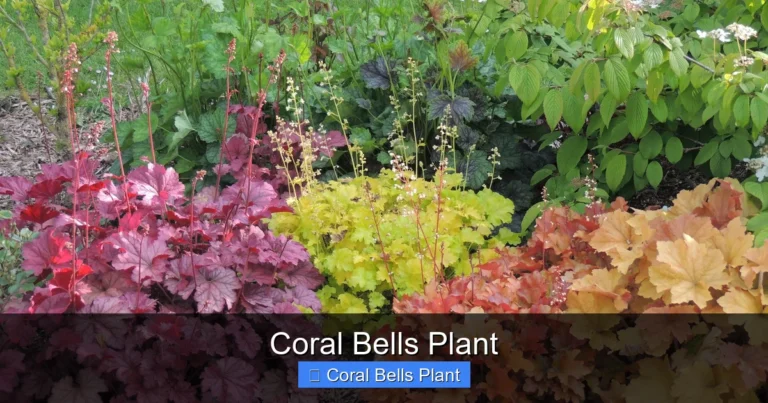
Coral Bells Plant Heuchera Michranta
Coral bells plant heuchera michranta is a versatile perennial prized for its colorful foliage and delicate bell‑shaped flowers. It thrives in partial shade, tolerates a range of soils, and adds year‑round interest to borders and containers. With minimal maintenance, this plant rewards gardeners with vibrant leaves from spring through fall.
Key Takeaways
- Versatile foliage: Coral bells plant heuchera michranta offers a palette of leaf colors from deep burgundy to bright lime.
- Shade tolerant: It performs best in partial shade but can handle morning sun.
- Low maintenance: Once established, it needs little watering and occasional feeding.
- Year‑round interest: Evergreen leaves provide winter structure in mild climates.
- Easy propagation: Division and leaf cuttings produce new plants quickly.
- Great companion: Pair with ferns, hostas, and astilbes for a lush shade garden.
Quick Answers to Common Questions
What is coral bells plant heuchera michranta?
It is a shade‑loving perennial known for its colorful foliage and small bell‑shaped flowers.
How much sun does coral bells plant heuchera michranta need?
It prefers partial shade with morning sun and protection from harsh afternoon rays.
When should I divide coral bells plant heuchera michranta?
Divide in early spring every three to four years to rejuvenate the clump.
What soil is best for coral bells plant heuchera michranta?
Well‑drained, organically rich soil with a slightly acidic to neutral pH works best.
How do I prevent crown rot on coral bells plant heuchera michranta?
Ensure good drainage, avoid overwatering, and keep mulch away from the crown.
📑 Table of Contents
- Understanding coral bells plant heuchera michranta
- Ideal growing conditions for coral bells plant heuchera michranta
- Planting and propagation of coral bells plant heuchera michranta
- Ongoing care and maintenance for coral bells plant heuchera michranta
- Design ideas and companion plants for coral bells plant heuchera michranta
- Troubleshooting common problems with coral bells plant heuchera michranta
Understanding coral bells plant heuchera michranta
Botanical background
Coral bells plant heuchera michranta belongs to the Saxifragaceae family. It is a herbaceous perennial native to western North America. The plant forms a low mound of colorful leaves. It produces slender flower spikes in late spring. Gardeners value it for its foliage more than its blooms. The root system is shallow and spreads slowly. This makes division easy for propagation.
Coral bells plant heuchera michranta shows a wide range of leaf colors. You can find deep purple, bright lime, warm caramel, and silvery gray. Each cultivar keeps the same growth habit. The leaves stay attractive through summer and into fall. In mild winters the foliage remains evergreen. This trait adds structure to the garden year round.
Common names and cultivars
Coral bells plant heuchera michranta is often called simply coral bells. Popular cultivars include Palace Purple with dark leaves and Caramel with amber tones. Lime Rickey offers chartreuse foliage that brightens shady spots. Each cultivar shares the same easy care requirements. Choosing a mix of colors creates a tapestry effect. You can also find variegated forms for extra interest.
Coral bells plant heuchera michranta cultivars differ mainly in leaf hue. Some have ruffled edges while others are smooth. The flower color is usually pink or white but is secondary. When buying, look for healthy crowns and firm roots. Avoid plants with yellowing leaves or signs of rot. A strong start leads to better performance.
Growth habit and seasonal changes
Coral bells plant heuchera michranta grows in a neat clump about twelve inches tall. The foliage expands outward each year forming a dense mat. In spring new leaves emerge with vivid color. Summer heat may deepen the tones slightly. Autumn brings richer shades as temperatures drop. In winter the plant may die back in cold zones but returns in spring.
Coral bells plant heuchera michranta responds well to light pruning. Removing spent flower stalks keeps the plant tidy. Light trimming in early spring encourages fresh growth. The plant tolerates division every three to four years. Division rejuvenates older clumps and yields new plants. This cycle maintains vigor and color intensity.
Ideal growing conditions for coral bells plant heuchera michranta
Light requirements
Coral bells plant heuchera michranta thrives in partial shade. Morning sun is fine but harsh afternoon sun can scorch leaves. In deep shade the colors may become less vibrant. Aim for dappled light for the best foliage display. A spot under deciduous trees works well. Too much sun fades the bright pigments.
Coral bells plant heuchera michranta can tolerate full sun in cool climates. In hot regions provide afternoon shade or use a shade cloth. Observe the plant for leaf burn signs. Adjust placement if edges turn brown. Consistent light conditions keep color stable throughout the season.
Soil preferences
Coral bells plant heuchera michranta prefers well drained soil rich in organic matter. A slightly acidic to neutral pH works best. Heavy clay can be amended with compost to improve drainage. Good soil structure helps the shallow roots breathe. Adding leaf mold mimics its native woodland floor. Avoid waterlogged areas to prevent crown rot.
Coral bells plant heuchera michranta benefits from a yearly top dressing of compost. This replenishes nutrients and improves texture. Mulch also breaks down into humus over time. Test soil pH every few years if possible. Adjust with sulfur or lime as needed. Healthy soil equals vibrant foliage.
Watering needs
Coral bells plant heuchera michranta needs regular watering during the first growing season. Once established it tolerates short dry spells. Keep the soil evenly moist but not soggy. Mulching helps retain moisture and keeps roots cool. Water at the base to avoid wetting foliage. Drip irrigation is ideal for consistent moisture.
Coral bells plant heuchera michranta shows stress when soil dries completely. Leaves may wilt and edges turn crisp. Increase watering frequency during heat waves. Reduce watering in fall as growth slows. Overwatering leads to root rot and fungal issues. Balance is key for healthy plants.
Temperature and hardiness
Coral bells plant heuchera michranta is hardy in USDA zones 4 through 9. It survives light frost but prolonged freezing can damage foliage. In hot climates provide extra shade and water. The plant goes dormant in winter and returns in spring. Mulch heavily in zone 4 to protect crowns. In zone 9 avoid intense afternoon sun.
Coral bells plant heuchera michranta adapts to a range of temperatures. Cool nights enhance leaf color intensity. Extreme heat may cause temporary fading. Provide afternoon shade in southern gardens. A thick mulch layer moderates soil temperature. This helps the plant thrive across zones.
Planting and propagation of coral bells plant heuchera michranta
When to plant
Coral bells plant heuchera michranta is best planted in early spring or early fall. Cool temperatures reduce transplant shock. Avoid planting during the heat of summer. This gives roots time to establish before extreme weather. Spring planting allows a full growing season. Fall planting lets roots settle before winter.
Coral bells plant heuchera michranta can also be planted in containers year round. Use a high quality potting mix with good drainage. Container plants need more frequent watering. Move pots to a sheltered spot in winter if needed. This flexibility makes it great for patios.
Step by step planting guide
Coral bells plant heuchera michranta planting starts with digging a hole twice as wide as the root ball. Mix compost into the excavated soil for nutrients. Place the plant so the crown sits at soil level. Backfill gently and firm the soil around roots. Water thoroughly to settle the soil. Add a two inch mulch layer around the base.
Coral bells plant heuchera michranta benefits from a starter fertilizer at planting. Use a balanced slow release formula. Avoid high nitrogen which encourages leggy growth. Space plants twelve to eighteen inches apart for air flow. Label each cultivar if you mix colors. Proper spacing prevents disease and promotes fullness.
Propagation methods
Coral bells plant heuchera michranta can be propagated by division or leaf cuttings. Division is done in early spring by separating the clump into smaller sections. Each division should have roots and a few leaves. Replant divisions immediately at the same depth. Water well and mulch to retain moisture.
Coral bells plant heuchera michranta leaf cuttings root in a moist potting mix under high humidity. Cut a healthy leaf with a short petiole. Dip the cut end in rooting hormone for faster results. Place in a clear plastic bag to maintain humidity. Roots appear in four to six weeks. Transplant to individual pots when established.
Ongoing care and maintenance for coral bells plant heuchera michranta
Fertilizing
Coral bells plant heuchera michranta benefits from a balanced slow release fertilizer in early spring. Too much nitrogen can cause leggy growth and reduce color. A light feeding once a year is usually enough. Organic options like compost tea work well. Apply fertilizer around the drip line not at the crown. Water after feeding to distribute nutrients.
Coral bells plant heuchera michranta also responds to a mid season top dressing of compost. This provides a gentle nutrient boost. Avoid fertilizing late in the season to prevent tender growth before frost. Monitor leaf color for signs of deficiency. Pale leaves may indicate need for iron. Adjust feeding accordingly.
Pruning and deadheading
Coral bells plant heuchera michranta requires minimal pruning. Remove spent flower stalks to keep the plant tidy. In late winter cut back any damaged or dead leaves. This encourages fresh growth in spring. Regular grooming prevents disease buildup. Use clean sharp scissors for clean cuts.
Coral bells plant heuchera michranta can be lightly shaped if it becomes uneven. Trim outer leaves to maintain a rounded form. Avoid cutting into the crown where new growth emerges. Pruning after flowering redirects energy to foliage. A tidy plant looks better and stays healthier.
Mulching
Coral bells plant heuchera michranta benefits from a two inch layer of shredded bark each spring. Mulch conserves moisture and suppresses weeds. Keep mulch away from the crown to avoid rot. Refresh the mulch annually for best results. Organic mulch breaks down and feeds the soil.
Coral bells plant heuchera michranta also appreciates a winter mulch in cold zones. A thicker layer of straw or leaves protects crowns from freeze thaw cycles. Remove excess mulch in early spring to allow new growth. Proper mulching reduces watering needs. It also keeps soil temperature stable.
Pest and disease management
Coral bells plant heuchera michranta common pests include aphids and slugs. Spray aphids with insecticidal soap early in the morning. Handpick slugs at night or use beer traps. Good air circulation reduces fungal issues like powdery mildew. Inspect leaves regularly for early signs.
Coral bells plant heuchera michranta can develop crown rot if soil stays soggy. Ensure excellent drainage and avoid overwatering. Remove any affected tissue promptly. Apply a fungicide labeled for ornamental perennials if needed. Healthy cultural practices are the best prevention.
Design ideas and companion plants for coral bells plant heuchera michranta
Shade garden combinations
Coral bells plant heuchera michranta pairs beautifully with ferns and hostas in a shade border. The contrasting textures create visual interest. Add astilbe for feathery plumes that bloom in summer. This combination stays attractive from spring to fall. Plant in groups of three for impact.
Coral bells plant heuchera michranta also works well with heucherella and tiarella. These relatives share similar light and soil needs. Mix leaf colors for a mosaic effect. Use a dark cultivar as a backdrop for lighter ones. The result is a dynamic, low maintenance bed.
Container arrangements
Coral bells plant heuchera michranta serves as a colorful filler in mixed containers. Combine it with trailing ivy and upright ornamental grasses. The foliage spills over the pot edge adding softness. Containers let you move the display to optimal light. Choose a pot with drainage holes.
Coral bells plant heuchera michranta thrives in a container with a quality potting mix. Water more frequently than in ground plantings. Feed with a dilute liquid fertilizer monthly. In winter move pots to a protected area. This keeps the plant healthy year round.
Seasonal interest
Coral bells plant heuchera michranta sends up delicate flower spikes in late spring. Summer showcases the vibrant leaf colors at their peak. Autumn brings deeper tones as temperatures cool. In mild winters the evergreen foliage provides structure. This four season appeal makes it a garden staple.
Coral bells plant heuchera michranta can be used in cut flower arrangements. The small bells add a whimsical touch. Harvest stems early in the morning for longest vase life. Pair with greenery for a simple bouquet. This adds value beyond the garden bed.
Troubleshooting common problems with coral bells plant heuchera michranta
Leaf scorch
Coral bells plant heuchera michranta leaf scorch appears as brown edges on leaves. It is usually caused by too much direct sun or insufficient water. Move the plant to a shadier spot and increase watering. Mulch helps keep roots cool and moist. Trim severely damaged leaves to improve appearance.
Coral bells plant heuchera michranta can also scorch from reflected heat off walls. Provide a barrier or plant a taller companion for shade. Monitor soil moisture daily during heat waves. Consistent care prevents recurring scorch. Healthy leaves recover quickly once stress is removed.
Crown rot
Coral bells plant heuchera michranta crown rot occurs when the base stays wet for too long. Ensure the planting site has excellent drainage. Avoid piling mulch against the crown. If rot appears remove affected tissue and improve airflow. Replant in a raised bed if drainage is poor.
Coral bells plant heuchera michranta benefits from a gritty soil amendment like perlite. This increases aeration around the crown. Water at the base not overhead to keep foliage dry. Early detection saves the plant. A healthy crown leads to vigorous growth.
Aphid infestations
Coral bells plant heuchera michranta aphids cluster on new growth in spring. They suck sap and can spread viruses. Spray with a strong jet of water or apply neem oil. Encourage beneficial insects like lady beetles for natural control. Check undersides of leaves regularly.
Coral bells plant heuchera michranta can also attract spider mites in dry conditions. Increase humidity by misting or using a humidifier. Insecticidal soap works on both pests. Rotate treatments to avoid resistance. A vigorous plant resists infestations better.
Conclusion coral bells plant heuchera michranta is a reliable perennial that brings color to shady spaces with minimal effort. By following the simple care steps outlined above you can enjoy its striking foliage year after year. Whether planted in a border or a container this plant delivers lasting beauty.
Enjoy growing coral bells plant heuchera michranta and share your garden success with fellow gardeners. Your shade garden will thank you for the vibrant color and easy care. Happy planting and may your foliage shine all season.
Frequently Asked Questions
Can coral bells plant heuchera michranta grow in full sun?
In cool climates it can tolerate full sun, but in hot areas it needs afternoon shade to prevent leaf scorch.
How often should I water coral bells plant heuchera michranta?
Water regularly during the first season, then keep soil evenly moist; reduce frequency in fall.
What are the best companion plants for coral bells plant heuchera michranta?
Ferns, hostas, astilbe, heucherella, and tiarella make excellent shade garden partners.
Is coral bells plant heuchera michranta deer resistant?
Yes, its foliage is generally unpalatable to deer, making it a good choice for browsed areas.
Can I grow coral bells plant heuchera michranta in a pot?
Absolutely, use a quality potting mix, ensure drainage, and water more often than in‑ground plants.
When do coral bells plant heuchera michranta bloom?
They produce delicate flower spikes in late spring, typically May to June depending on climate.