Coral Bells Native Plant
Coral bells (Heuchera) are stunning native perennials that bring year-round color to shade gardens with their vibrant foliage and delicate bell-shaped flowers. These low-maintenance North American natives attract hummingbirds and butterflies while resisting deer and rabbits, making them perfect for woodland gardens, borders, and containers across USDA zones 4-9.
Key Takeaways
- Native Range: Coral bells are indigenous to North America with species found from Canada to Mexico, thriving in diverse habitats from woodland floors to rocky cliffs.
- Foliage First: While flowers are charming, the real show is the incredible leaf variety – colors range from deep purple and silver to chartreuse, peach, and near-black.
- Shade Champions: These perennials excel in part to full shade where few other colorful plants thrive, though some newer cultivars tolerate more sun.
- Pollinator Magnets: The airy flower spikes attract hummingbirds, native bees, and butterflies from late spring through summer.
- Low Maintenance: Once established, coral bells need minimal care – occasional watering, division every 3-4 years, and cleanup of winter-damaged leaves.
- Deer Resistant: The slightly fuzzy, astringent foliage makes them unappealing to deer and rabbits, a huge plus for rural and suburban gardens.
- Versatile Design: Use them as groundcover, edging, container specimens, or mixed with ferns, hostas, and astilbes for layered shade garden texture.
Quick Answers to Common Questions
Are coral bells native to North America?
Yes, all Heuchera species are native to North America, ranging from Canada to Mexico. Most garden varieties are hybrids of these native species.
Do coral bells prefer sun or shade?
Most coral bells prefer part shade – morning sun with afternoon shade. In cooler climates they tolerate more sun; in hot climates they need more shade.
How often should I divide coral bells?
Divide coral bells every 3-4 years in spring to maintain vigor and prevent woody centers. This also gives you free plants.
Are coral bells deer resistant?
Yes, coral bells are highly deer and rabbit resistant due to their astringent, slightly fuzzy foliage that browsing animals avoid.
Can coral bells grow in containers?
Absolutely. Coral bells thrive in containers with well-draining potting mix. They’re perfect for shade patios and provide year-round foliage interest.
📑 Table of Contents
- Meet the Coral Bells Native Plant Family
- Why Choose Native Coral Bells for Your Garden
- Understanding Coral Bells Species and Varieties
- Growing Coral Bells Successfully
- Maintenance and Long-Term Care
- Designing with Coral Bells Native Plant Varieties
- Common Problems and Solutions
- Propagating Coral Bells – Grow Your Collection
- Coral Bells Through the Seasons
- Regional Considerations for Native Coral Bells
- Buying Guide – Getting Healthy Plants
- Coral Bells in Ecological Gardening
- Frequently Asked Questions About Coral Bells
- Conclusion: Why Coral Bells Deserve a Spot in Your Garden
Meet the Coral Bells Native Plant Family
If you’ve ever wandered through a North American woodland in late spring, you’ve likely spotted coral bells without even knowing it. These charming perennials go by the botanical name Heuchera, and they’re one of those rare native plants that hit every mark for gardeners – beautiful, tough, and ecologically valuable. The genus includes roughly 50 species, all native to this continent, from the cool forests of Canada down to the mountains of Mexico.
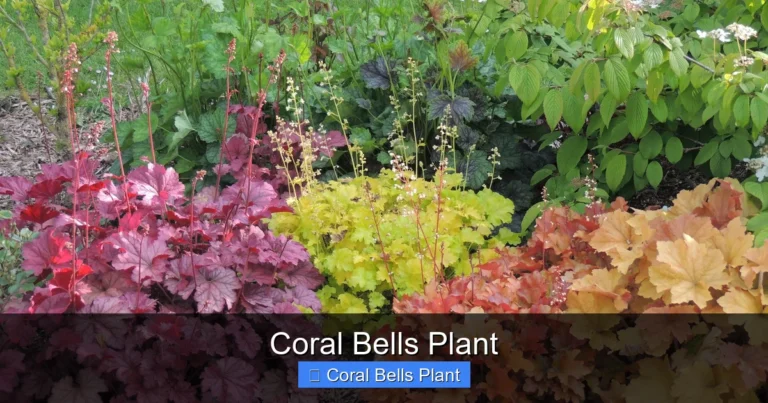
What makes coral bells special isn’t just their native status. It’s the sheer variety. In the wild, you’ll find species with green leaves and modest flowers. But through decades of breeding, plant enthusiasts have unlocked a rainbow of foliage colors that would make a paint store jealous. We’re talking deep burgundy, electric lime, caramel, silver, peach, and even near-black leaves that hold their color all season long.
The common name “coral bells” comes from the flowers – tiny, bell-shaped blooms in shades of pink, red, white, or coral that dangle from wiry stems above the foliage mound. They look like miniature fairy bells, hence another common name: alumroot. That second name hints at historical uses too – Native Americans used the astringent roots for medicinal purposes. Today, we grow them mostly for beauty, but knowing their backstory makes them feel like old friends in the garden.
Why Choose Native Coral Bells for Your Garden
Ecological Benefits That Matter
Planting native coral bells does more than pretty up your yard. These perennials support local ecosystems in tangible ways. The nectar-rich flowers feed hummingbirds during migration and nesting season. Native bees – including tiny sweat bees and mason bees – visit the blooms for pollen. Butterflies use them as nectar sources. Even the foliage provides shelter for beneficial insects overwintering in leaf litter.
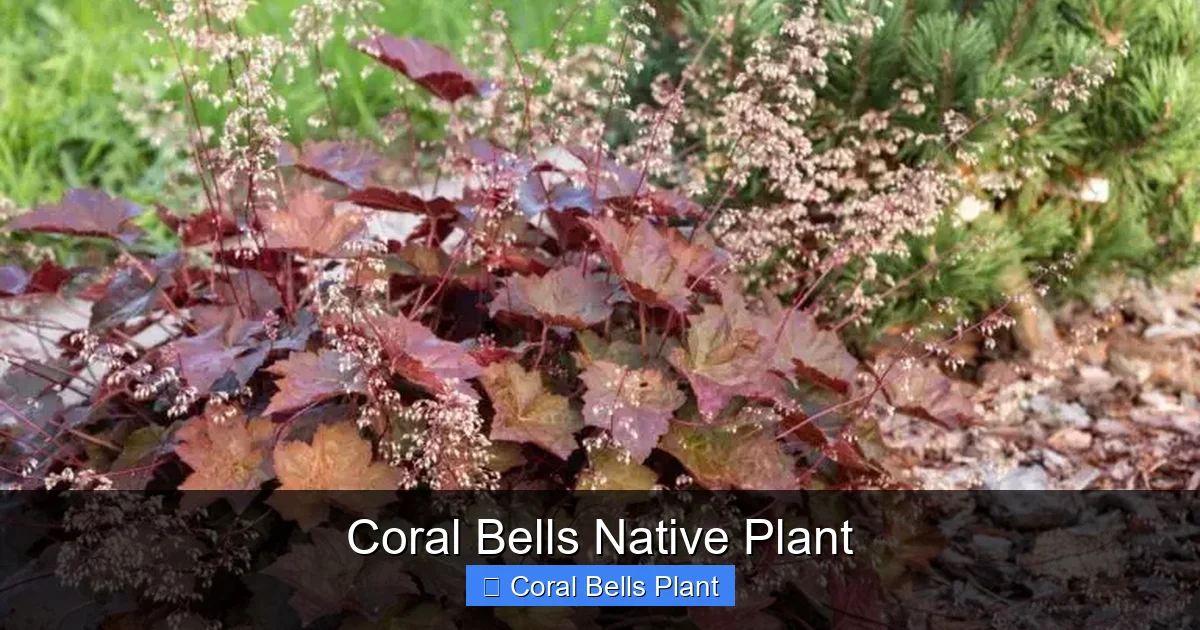
Visual guide about Coral Bells Native Plant
Image source: theplantnative.com
Because coral bells evolved here, they’re adapted to local soils, rainfall patterns, and temperature swings. That means less watering, less fertilizing, and fewer pest problems compared to exotic ornamentals. They’ve spent thousands of years figuring out how to thrive in your region. Let that evolutionary wisdom work for you.
Deer and Rabbit Resistance
Ask any gardener in deer country what they want, and “deer proof” tops the list. While no plant is truly deer-proof, coral bells come impressively close. The leaves contain tannins and have a slightly fuzzy texture that browsing animals find unpalatable. In my own garden, deer walk right past the heucheras to munch on hostas instead. Rabbits similarly avoid them. This resistance alone makes coral bells native plant varieties worth their weight in gold for many gardeners.
Four-Season Interest
Most perennials disappear underground in winter. Not coral bells. In mild climates, the foliage stays evergreen or semi-evergreen, providing color when everything else is brown. Even in colder zones where leaves die back, the crown remains visible and the plant bounces back early in spring. Some cultivars like ‘Palace Purple’ or ‘Obsidian’ hold deep color through frost. That’s structure and interest when your garden needs it most.
Understanding Coral Bells Species and Varieties
Key Native Species to Know
Before diving into the hundreds of named cultivars, it helps to know the main species behind them. Each brings different strengths:
Heuchera americana (American alumroot) – Native to eastern and central US woodlands. Green leaves with silver veining, greenish-white flowers. The parent of many modern hybrids. Heat and humidity tolerant.
Heuchera villosa (Hairy alumroot) – Southeastern US native. Large, fuzzy leaves handle heat and humidity better than most. Late summer flowers. ‘Autumn Bride’ is a popular cultivar.
Heuchera micrantha (Small-flowered alumroot) – Western North America. Maple-shaped leaves, often with purple undersides. Parent of the famous ‘Palace Purple’.
Heuchera sanguinea (Coral bells) – Southwestern US and Mexico. The species that started it all – grown for showy red flowers rather than foliage. Needs sharp drainage.
Heuchera cylindrica (Roundleaf alumroot) – Western mountains. Compact, round leaves, cream to greenish flowers. Very cold hardy.
Heuchera richardsonii (Prairie alumroot) – Great Plains and Midwest. Tough as nails, handles full sun and drought once established. Green leaves, greenish-white flowers.
The Hybrid Explosion
Most coral bells sold today are complex hybrids, often labeled Heuchera x hybrida or simply by cultivar name. Breeders crossed species to combine the best traits: H. americana for vigor and veining, H. villosa for heat tolerance, H. micrantha for purple foliage, H. sanguinea for flower power. The result? Plants that outperform their wild parents in gardens.
Popular series you’ll encounter include the Dolce series (Proven Winners), the Forever series (Terra Nova), and the Primo series (larger, bolder plants). Each series targets specific improvements – sun tolerance, vigor, flower size, or foliage intensity.
Choosing by Foliage Color
This is where coral bells native plant shopping gets fun. Foliage color is the primary design tool:
- Purple/Black: ‘Obsidian’, ‘Black Pearl’, ‘Palace Purple’, ‘Plum Pudding’ – dramatic contrast against green foliage
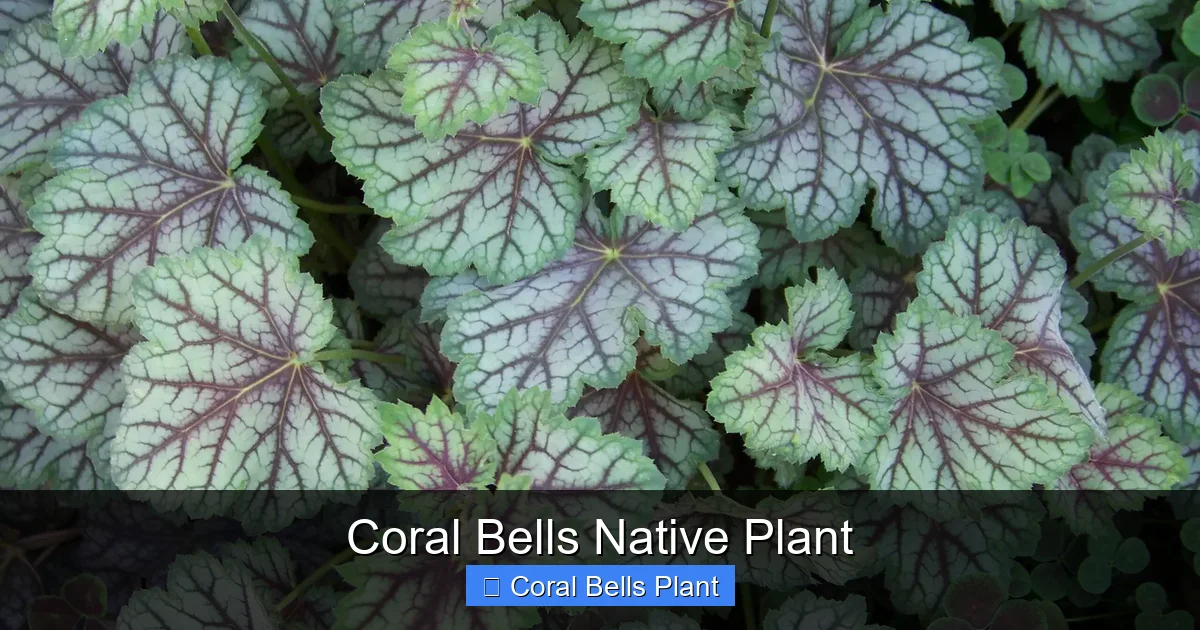
- Silver/Pewter: ‘Silver Scrolls’, ‘Steel City’, ‘Appletini’ – glow in shade, pair beautifully with blue hostas
- Caramel/Amber: ‘Caramel’, ‘Georgia Peach’, ‘Peach Flambe’ – warm tones that shift through seasons
- Chartreuse/Lime: ‘Lime Rickey’, ‘Electra’, ‘Citronelle’ – brighten dark corners like living lights
- Red/Bronze: ‘Fire Alarm’, ‘Red Lightning’, ‘Cherry Cola’ – intense color that holds
- Green with Veining: ‘Green Spice’, ‘Mint Julep’, ‘Berry Smoothie’ – subtle elegance, often with seasonal color shifts
Pro tip: Foliage color can change with light exposure, temperature, and season. A cultivar that’s deep purple in spring might green up in summer heat, then purple again in fall. This chameleon quality is part of the charm.
Growing Coral Bells Successfully
Light Requirements
Here’s where many gardeners go wrong. Coral bells are often sold as “shade plants,” but the reality is more nuanced. Most prefer part shade – morning sun with afternoon protection, or dappled light under deciduous trees. In cooler northern climates (zones 4-6), many cultivars handle full sun if soil stays moist. In hot southern zones (7-9), afternoon shade is non-negotiable.
The villosa hybrids (like ‘Autumn Bride’, ‘Brownies’, ‘Mocha’) tolerate more sun and heat. The sanguinea types want more sun for best flowering. Micrantha and americana hybrids prefer shade. When in doubt, give them morning sun and afternoon shade – the “Goldilocks” spot for most heucheras.
Watch your plants for clues. Bleached, crispy leaf edges = too much sun. Leggy growth, reduced color, fewer flowers = too much shade. They’ll tell you what they need.
Soil and Drainage – The Critical Factor
If there’s one secret to coral bells success, it’s drainage. These plants hate wet feet. In nature, they grow on rocky slopes, cliff faces, and well-drained woodland soils. Heavy clay that stays soggy will rot the crown faster than anything else.
Ideal soil is rich in organic matter, slightly acidic to neutral (pH 6.0-7.0), and drains freely. If you have clay, amend generously with compost, leaf mold, or pine bark fines. Raised beds work beautifully. Containers are excellent too – you control the mix completely.
Test drainage by digging a hole, filling with water, and timing how long it takes to drain. Should be under an hour. If it takes longer, keep amending or choose a different spot.
Planting Techniques
Spring and fall are ideal planting times. Summer works if you’re diligent with water. Space plants 12-18 inches apart for groundcover effect, 18-24 inches for specimen plants.
Here’s the planting method that works every time:
- Dig a hole twice as wide as the pot, same depth
- Mix compost into the excavated soil (50/50 for clay, less for good soil)
- Remove plant from pot, gently loosen circling roots
- Place in hole so crown sits at or slightly above soil level – never bury the crown
- Backfill, firm gently, water thoroughly
- Mulch with 1-2 inches of shredded leaves, pine straw, or bark – keep mulch off the crown
That crown placement is crucial. Buried crowns rot. Exposed crowns heave in winter. Aim for right at soil level.
Watering Wisdom
New plantings need consistent moisture for the first growing season. Water deeply twice a week unless rain provides an inch. Once established, coral bells are surprisingly drought tolerant, especially villosa and richardsonii types. But “drought tolerant” doesn’t mean “never water.” In prolonged dry spells, give them a deep soak every 10-14 days.
Container plants need more frequent watering – check daily in summer. The limited soil volume dries fast. Water until it drains from the bottom.
Fertilizing – Less Is More
Coral bells aren’t heavy feeders. Too much nitrogen produces lush leaves but weak stems and fewer flowers. In spring, apply a light handful of balanced slow-release fertilizer (like 10-10-10) or a shovelful of compost around each plant. That’s it for the year. In containers, use half-strength liquid fertilizer monthly during growing season.
Maintenance and Long-Term Care
The Annual Cleanup
Late winter or early spring, before new growth emerges, remove any winter-damaged leaves. They’ll be brown, tattered, or mushy. Cut them off at the base with clean scissors. This prevents disease and makes room for fresh growth. In evergreen climates, you might only remove a few leaves. In cold zones, the whole plant may look rough – don’t panic, it’ll bounce back.
Division – The Fountain of Youth
Every 3-4 years, coral bells benefit from division. The center gets woody, flowering declines, and the plant may heave out of the ground. Spring is the best time, just as new growth starts.
Dig the whole clump. Wash or shake off soil. You’ll see a woody crown with multiple growing points. Pull or cut apart into sections, each with roots and several shoots. Discard the woody center. Replant divisions immediately at proper depth, water well, and mulch. You’ll get 3-5 new plants from one old clump – free plants!
Deadheading and Flower Care
After the main bloom flush (usually late spring to early summer), you can remove spent flower stems to tidy up. Cut them at the base. Some cultivars rebloom lightly if deadheaded. Others are done for the season. If you like the seed heads or want self-sowing, leave them. The wiry stems add vertical interest even after flowers fade.
Winter Protection
In zones 4-5, apply a light mulch of evergreen boughs or straw after the ground freezes. This prevents freeze-thaw cycles that heave crowns. Remove in early spring. In zones 6+, no special protection needed. Container plants in cold zones should be moved to an unheated garage or buried pot-and-all in the garden.
Designing with Coral Bells Native Plant Varieties
Shade Garden Combinations
Coral bells shine in shade gardens where their foliage provides color without flowers. Classic companions include:
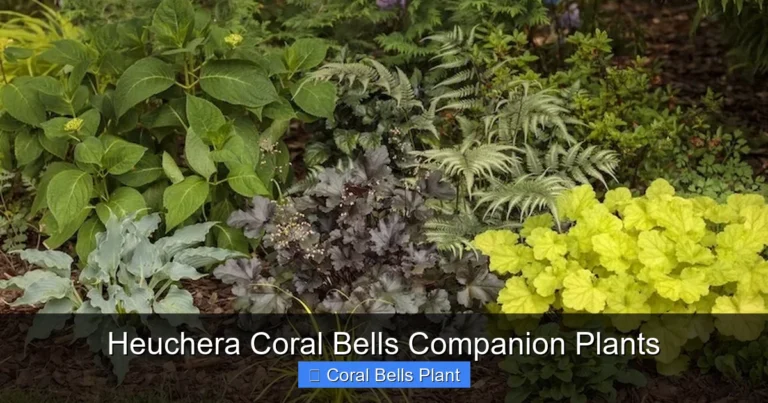
- Hostas: Bold hosta leaves contrast beautifully with ruffled heuchera foliage. Blue hostas + silver heucheras = magic.
- Ferns: Japanese painted fern, lady fern, autumn fern – the feathery texture plays off heuchera’s mounded form.
- Astilbes: Feathery plumes above, colorful mounds below. Sequential bloom extends the show.
- Brunnera: ‘Jack Frost’ or ‘Looking Glass’ with silver heucheras creates a luminous shade tapestry.
- Hellebores: Early bloomers that finish as heucheras hit stride. Evergreen foliage pairs well.
- Epimediums: Delicate heart-shaped leaves, tough as nails. Groundcover layer under taller plants.
- Wild ginger (Asarum): Glossy kidney-shaped leaves, native companion, spreads slowly.
Container Recipes
Coral bells are container superstars. Their mounded habit, all-season foliage, and shallow roots make them perfect for pots. Try these combos:
Shade Pot: ‘Obsidian’ heuchera + ‘Jack Frost’ brunnera + variegated ivy trailing + white caladium for summer pop.
Part Sun Pot: ‘Caramel’ heuchera + ‘Angelina’ sedum trailing + purple fountain grass (annual) + million bells calibrachoa.
Foliage-Only: ‘Silver Scrolls’ heuchera + ‘Black Mondo’ grass + ‘Golden Creeping Jenny’ trailing + rex begonia. No flowers needed.
Use quality potting mix with perlite. Ensure drainage holes. Water when top inch is dry. Fertilize monthly at half strength.
Border and Edging Ideas
Plant coral bells along paths where you can appreciate the foliage detail up close. Space 12-15 inches for a continuous edge. Mix 2-3 cultivars with complementary colors – say, ‘Lime Rickey’, ‘Caramel’, and ‘Plum Pudding’ – for a tapestry effect. The mounded habit stays neat without trimming.
In woodland gardens, drift them in groups of 5-7 among native ferns and spring ephemerals like trilliums and bloodroot. They fill the gap when ephemerals go dormant.
Rock Garden and Slope Solutions
Remember – many heuchera species naturally grow on rocky slopes. Use this! Plant them in rock gardens, on retaining walls, or on slopes where drainage is sharp. ‘Petite Pearl Fairy’ and other miniatures tuck into crevices beautifully. The wiry flower stems catch light dramatically against stone.
Common Problems and Solutions
Crown Rot – The Number One Killer
Symptoms: Plant wilts despite moist soil, leaves yellow and collapse, crown feels mushy. Cause: Poor drainage, buried crown, overwatering, heavy mulch against crown.
Fix: Improve drainage immediately. Replant higher if crown is buried. Pull mulch back. Reduce watering. If caught early, you can sometimes save it by digging up, cutting away rot, dusting with sulfur, and replanting in better conditions. But prevention beats cure every time.
Heaving – Winter’s Nasty Trick
Symptoms: Plant pushed partly out of ground, roots exposed, crown above soil. Cause: Freeze-thaw cycles in poorly drained or heavy soil.
Fix: In spring, gently replant at correct depth. Mulch after ground freezes next winter. Amend soil with organic matter to improve structure. Division helps too – younger plants heave less.
Foliar Nematodes
Symptoms: Angular brown patches between leaf veins, usually appearing mid-summer. Cause: Microscopic worms in leaf tissue, spread by water splash.
Fix: Remove affected leaves. Avoid overhead watering. Space plants for air circulation. No chemical cure for home gardeners. Clean up all foliage in fall. It’s unsightly but rarely kills the plant.
Vine Weevils
Symptoms: Notched leaf edges (adults), wilting plant with no roots (larvae eating roots). Cause: Nocturnal beetles laying eggs in soil.
Fix: Apply beneficial nematodes (Steinernema kraussei) to soil in spring and fall. Hand-pick adults at night with flashlight. Use sticky barriers on pot rims. Diatomaceous earth around plants helps.
Sunscald
Symptoms: White or brown papery patches on leaves, usually on south/west side. Cause: Too much intense sun, especially on light-colored or new foliage.
Fix: Move to shadier spot. Or provide temporary shade cloth during hottest weeks. Water deeply before heat waves. Some cultivars simply can’t handle your sun – accept it and move them.
Powdery Mildew
Symptoms: White powdery coating on leaves, usually late summer. Cause: Humidity, poor air circulation, susceptible cultivars.
Fix: Improve spacing. Water at soil level, not foliage. Choose resistant cultivars (villosa hybrids show good resistance). Remove badly affected leaves. Neem oil or potassium bicarbonate sprays help if applied early.
Propagating Coral Bells – Grow Your Collection
Division – Easiest and Most Reliable
Covered in maintenance section, but worth repeating: division is the #1 way to propagate. You get clones of the parent, mature plants fast, and rejuvenate the original. Spring or fall. Water well after.
Seed – For the Patient Experimenter
Coral bells grow readily from seed, but hybrids won’t come true. You’ll get variable seedlings – some gems, some duds. Species types (like H. sanguinea or H. richardsonii) come truer.
Collect seed when capsules turn brown and split. Sow fresh or store cool/dry. Surface sow on moist seed mix – light aids germination. 65-70°F. Germination in 2-4 weeks. Transplant seedlings when they have true leaves. First bloom in 1-2 years. It’s a fun project if you want lots of plants cheap and don’t mind surprise colors.
Leaf Cuttings – Advanced but Doable
Some gardeners propagate from leaf cuttings with a bit of petiole attached. Dip in rooting hormone, stick in perlite/peat mix, high humidity, bright indirect light. Roots in 4-6 weeks. Lower success rate than division, but works for rare cultivars you can’t divide yet.
Tissue Culture – How Nurseries Do It
Commercial production uses tissue culture (micropropagation) to produce thousands of identical, disease-free plants from tiny tissue samples. Not feasible for home gardeners, but it’s why you can buy ‘Obsidian’ at every garden center – they’re all genetic clones from a lab.
Coral Bells Through the Seasons
Spring Awakening
Early spring brings fresh foliage in the most intense colors of the year. New leaves emerge clean and vibrant. Flower stems start elongating. This is division time. Apply light fertilizer. Clean up winter damage. Watch for slugs on tender new growth.
Summer Bloom
Late spring to midsummer: the bells ring. Wiry stems 12-30 inches tall (depending on cultivar) carry clouds of tiny flowers. Hummingbirds visit daily. Deadhead if desired. Water during dry spells. Watch for foliar nematodes and mildew in humid weather.
Fall Transition
Many cultivars color up again as temperatures drop. ‘Peach Flambe’ goes from peach to brilliant red. ‘Berry Smoothie’ deepens to rose-purple. Stop fertilizing. Reduce watering. Plant new additions – fall planting gives roots a head start before winter.
Winter Structure
In zones 6+, foliage persists, often taking on purple or bronze winter tones. Snow dusts the mounds beautifully. In colder zones, leaves flatten but crowns remain. Leave foliage for winter protection. Plan next year’s additions while browsing catalogs by the fire.
Regional Considerations for Native Coral Bells
Northeast and Midwest (Zones 4-6)
Cold winters, humid summers. Choose cold-hardy cultivars (most are zone 4). Villosa hybrids handle humidity best. Provide winter mulch after ground freezes. Watch for heaving in clay soils. ‘Palace Purple’, ‘Autumn Bride’, ‘Green Spice’, and the Dolce series perform reliably.
Southeast (Zones 7-9)
Heat and humidity are the challenges. Villosa species and hybrids are your best friends – ‘Autumn Bride’, ‘Brownies’, ‘Mocha’, ‘Caramel’. Afternoon shade mandatory. Good air circulation prevents mildew. Raised beds help with drainage in heavy rains. Some cultivars may stay evergreen.
Pacific Northwest (Zones 7-9)
Mild, wet winters; dry summers. Excellent climate for most heucheras. Drainage is key in winter wet. Slugs can be problematic – use iron phosphate bait. Species like H. micrantha and H. cylindrica are native here. Most cultivars thrive with minimal care.
Southwest and Mountain West (Zones 4-8)
Intense sun, low humidity, alkaline soils. Sanguinea types and cylindrica species are native here. Choose sun-tolerant cultivars. Amend alkaline soil with sulfur and organic matter. Mulch heavily to conserve moisture. Protect from drying winter winds. ‘Firefly’, ‘Snow Angel’, and ‘Petite Pearl Fairy’ handle these conditions well.
Buying Guide – Getting Healthy Plants
What to Look For
- Crown health: Firm, not mushy. Multiple growing points.
- Leaf quality: Clean, no brown edges or spots. Good color for the cultivar.
- Root system: Gently tip pot – roots should fill soil but not be circling tightly.
- No weeds: Weedy pots indicate poor nursery care.
- Label accuracy: Named cultivar, not just “Heuchera mix.”
Where to Buy
Local nurseries: See before you buy. Staff knows what works locally. Support local business.
Mail-order specialists: Wider selection, especially new introductions. Plants arrive bare-root or in small pots. Good ones: Plant Delights, Terra Nova (wholesale only but lists retailers), Walters Gardens (Proven Winners source).
Big box stores: Convenient, cheaper. But plants may be mislabeled, stressed, or wrong for your region. Check carefully.
Native plant sales: Botanical gardens, native plant societies, conservation districts. Great for straight species and local ecotypes.
Bare Root vs. Container
Bare root (spring only): Cheaper, lighter shipping, establish fast if planted promptly. Soak roots 1 hour before planting. Spread roots over soil mound in hole.
Container: Anytime ground isn’t frozen. More expensive but flexible timing. Loosen roots before planting.
Coral Bells in Ecological Gardening
Rain Gardens and Bioswales
Coral bells work in the upper zones of rain gardens – the edges that drain quickly. They don’t tolerate standing water. But their deep roots help stabilize soil and filter runoff. Pair with moisture-loving natives in lower zones: swamp milkweed, cardinal flower, blue flag iris.
Pollinator Gardens
Include coral bells in pollinator plantings for early-mid season nectar. They bridge the gap between spring ephemerals and summer perennials. Hummingbirds especially appreciate the tubular flowers. Plant in groups of 3+ for better visibility.
Woodland Restoration
If you’re restoring a woodland understory, use straight species rather than cultivars. H. americana, H. villosa, H. richardsonii – whatever’s native to your county. They’ll self-sow gently and support specialist insects that cultivars might not.
Green Infrastructure
Green roofs, living walls, and stormwater planters increasingly use heucheras. Shallow roots, drought tolerance, and year-round foliage make them ideal. Choose compact cultivars for weight restrictions.
Frequently Asked Questions About Coral Bells
Are all coral bells native?
The genus Heuchera is entirely North American – all 50+ species are native here. But most garden plants are hybrids of multiple native species. They’re “native-derived” rather than straight species. For ecological purists, seek straight species from local ecotype sources.
Do coral bells spread aggressively?
No. They form tight clumps that slowly expand. Some self-sow modestly, but seedlings are easy to remove or share. They’re well-behaved garden citizens, not thugs.
Can coral bells grow in full sun?
In cool climates (zones 4-6) with consistent moisture, yes. In hot climates, no – they’ll scorch. Villosa hybrids and sanguinea types handle more sun. Always provide afternoon shade in zones 7+.
Why is my coral bells losing color?
Usually too much shade (purple/green cultivars green up) or too much sun (light colors bleach). Seasonal change is normal – many shift through the year. Nutrient deficiency (especially nitrogen) can also fade color.
How long do coral bells live?
Individual clumps live 5-10 years, but division resets the clock indefinitely. Undivided plants eventually develop woody centers and decline. Divide every 3-4 years for perpetual youth.
Are coral bells toxic to pets?
Generally considered non-toxic to dogs and cats. The astringent taste discourages chewing. But any plant material can cause mild stomach upset if eaten in quantity. ASPCA lists Heuchera as non-toxic.
Conclusion: Why Coral Bells Deserve a Spot in Your Garden
After decades of gardening, I’ve learned to value plants that give back more than they ask. Coral bells native plant varieties top that list. They ask for decent drainage, some shade, and occasional division. In return, they give you: foliage color from April to November (year-round in mild zones), flowers that feed hummingbirds, deer resistance that actually works, and a connection to the native flora of this continent.
Whether you’re planting a single ‘Caramel’ in a patio pot or drifting ‘Autumn Bride’ through a woodland restoration, you’re working with plants that belong here. They’ve evolved alongside our native bees, our climate swings, our soils. That evolutionary partnership shows in their resilience.
Start with one or two cultivars that catch your eye. Plant them where you’ll see them daily – by the front walk, outside the kitchen window, along the path to the mailbox. Watch how the light plays through ruffled leaves. Notice the hummingbird that visits at 7 AM. See how they pair with ferns and hostas like they’ve always been friends.
Then, like me, you’ll find yourself making room for just one more. And one more after that. Because a garden without coral bells feels incomplete – like a song missing its harmony. These native perennials don’t just grow in your garden. They make it feel like home.
Frequently Asked Questions
What is the native range of coral bells?
Coral bells (Heuchera) are native exclusively to North America, with different species found from eastern Canada through the United States and into Mexico. They inhabit diverse environments including woodlands, rocky cliffs, prairies, and mountain slopes.
Do coral bells come back every year?
Yes, coral bells are herbaceous perennials that return reliably each spring in USDA zones 4-9. In milder zones they remain evergreen, while in colder areas they die back to the crown and re-emerge in spring.
Why are my coral bells turning green?
Purple or colored cultivars often green up in summer heat or excessive shade. This is normal seasonal behavior. Colors typically intensify again in cooler fall temperatures. Ensure proper light for your specific cultivar.
When do coral bells bloom?
Most coral bells bloom from late spring through early summer (May-July), with some cultivars reblooming sporadically. Heuchera villosa types bloom later, in late summer to fall.
How do I prevent crown rot in coral bells?
Plant with the crown at soil level (never buried), ensure excellent drainage, avoid heavy mulch against the crown, and don’t overwater. Amend clay soils with compost and consider raised beds.
Can I grow coral bells from seed?
Yes, coral bells grow easily from seed, but hybrid cultivars won’t come true from seed. Species types like Heuchera sanguinea will produce similar offspring. Sow fresh seed on the surface – light aids germination.