Coral Bell Plants for Sale Near Me
Looking for coral bell plants for sale near me? This comprehensive guide covers everything from popular Heuchera varieties and seasonal buying tips to care instructions and local nursery resources. Create a vibrant shade garden with confidence using our expert advice.
Have you ever walked past a garden and noticed those stunning plants with ruffled leaves in shades of purple, caramel, lime green, and near-black? Those are coral bells, also known as Heuchera. They are one of the most versatile perennials you can grow. If you are searching for coral bell plants for sale near me, you have come to the right place. This guide will walk you through everything you need to know. We will cover where to find them, how to pick the best varieties, and how to keep them thriving for years.
Coral bells are a gardener’s dream. They offer incredible foliage color from early spring until hard frost. In warmer zones, they stay evergreen all winter. They produce delicate bell-shaped flowers on tall wiry stems in late spring to early summer. These flowers attract hummingbirds and butterflies. But let’s be honest, most of us grow them for the leaves. The variety of colors and textures available today is mind-blowing. Whether you have a shady corner, a rock garden, or a container on a patio, there is a coral bell for you.
Key Takeaways
- Best buying seasons: Spring and early fall offer the widest selection of healthy coral bell plants at local nurseries.
- Popular varieties: Palace Purple, Caramel, Obsidian, and Lime Rickey are top performers for most gardens.
- Shade tolerance: Coral bells thrive in partial to full shade, making them perfect for difficult garden spots.
- Soil requirements: Well-draining, humus-rich soil with neutral pH ensures optimal growth and vibrant foliage color.
- Local vs online: Local nurseries let you inspect plants firsthand, while online retailers offer rare varieties.
- Companion planting: Pair with hostas, ferns, and astilbe for stunning shade garden combinations.
- Year-round interest: Evergreen foliage provides winter color in zones 4-9, with delicate flower spikes in late spring.
Quick Answers to Common Questions
When is the best time to buy coral bells?
Spring (April-June) and early fall (September-October) offer the best selection and planting conditions.
Do coral bells come back every year?
Yes, they are hardy perennials returning yearly in zones 4-9, often staying evergreen in milder winters.
How much sun can coral bells tolerate?
Most prefer morning sun with afternoon shade; dark-leaved varieties handle more sun than light-colored ones.
Why are my coral bells dying?
Usually crown rot from planting too deep, poor drainage, or overwatering. Check crown level and soil moisture.
Can I grow coral bells in pots?
Absolutely. Use wide shallow pots with well-draining mix. Water more frequently than in-ground plants.
📑 Table of Contents
- Why Gardeners Love Coral Bells
- Where to Find Coral Bell Plants for Sale Near Me
- Top Coral Bell Varieties to Look For
- How to Choose Healthy Plants at the Nursery
- Planting and Care Guide for Success
- Designing with Coral Bells
- Common Problems and Solutions
- Buying Coral Bells Online vs. In Person
- Seasonal Availability and Timing Your Purchase
- Budget-Friendly Tips for Building Your Collection
- Regional Considerations for Coral Bell Success
- Coral Bells in Containers: A Complete Guide
- Propagating Coral Bells: Beyond Division
- Frequently Asked Questions About Buying Coral Bells
- Conclusion
Why Gardeners Love Coral Bells
Unbeatable Foliage Color
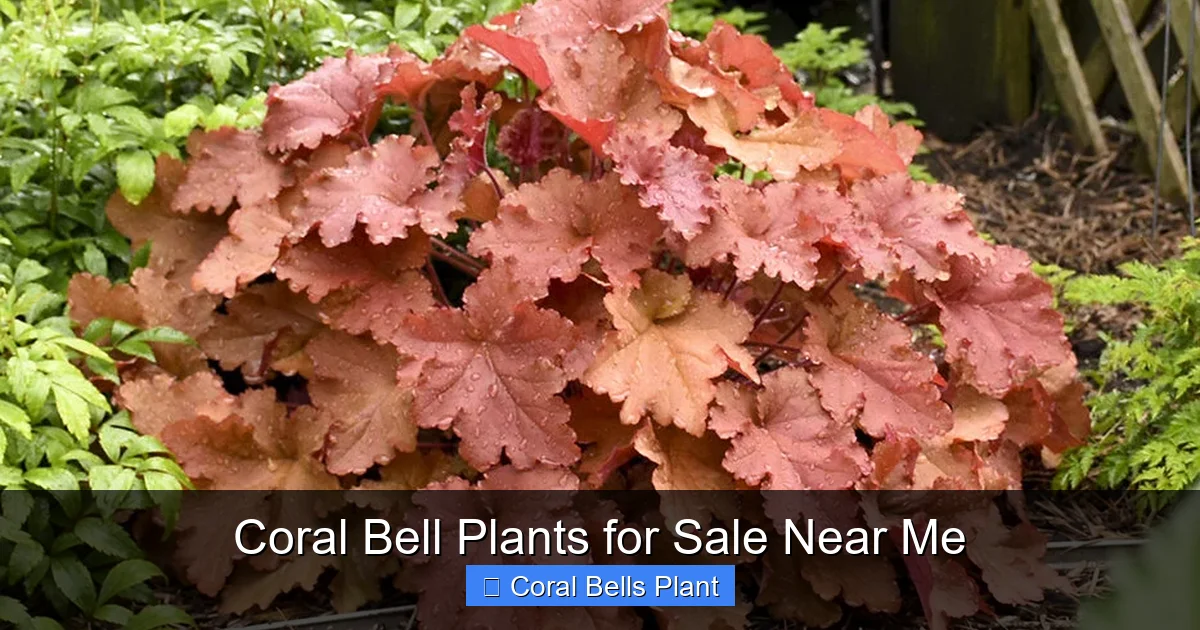
The main attraction is the foliage. You can find leaves in deep purple, bright chartreuse, peachy orange, silver, red, and chocolate brown. Some varieties have ruffled edges. Others have prominent veining that looks like stained glass. The color often changes with the seasons. A plant might emerge peach in spring, turn amber in summer, and deepen to rose in fall. This gives you a dynamic display that shifts throughout the year.
Shade Garden Superstars
Finding plants for deep shade is a challenge. Hostas and ferns are the usual go-to options. Coral bells deserve a spot right next to them. They tolerate full shade beautifully. They also handle morning sun with afternoon shade. In cooler climates, they can take more sun. This flexibility makes them invaluable for those tricky spots under trees or on the north side of a house.
Low Maintenance Perennials
Once established, coral bells ask for very little. They are drought tolerant. They resist deer and rabbits. They have few serious pest or disease issues. You basically plant them, water them in, and enjoy them. A little cleanup in spring is usually all they need. This makes them perfect for busy gardeners or beginners.
Where to Find Coral Bell Plants for Sale Near Me
Local Independent Nurseries
Your best bet for healthy, regionally adapted plants is a local independent nursery. These shops carry varieties proven to thrive in your specific climate. The staff usually has deep knowledge. They can tell you which varieties handle your summer humidity or winter cold best. You can inspect the plant before buying. Look for firm crowns, healthy roots peeking from drainage holes, and vibrant leaves without spots or holes. Shopping local also supports your community.
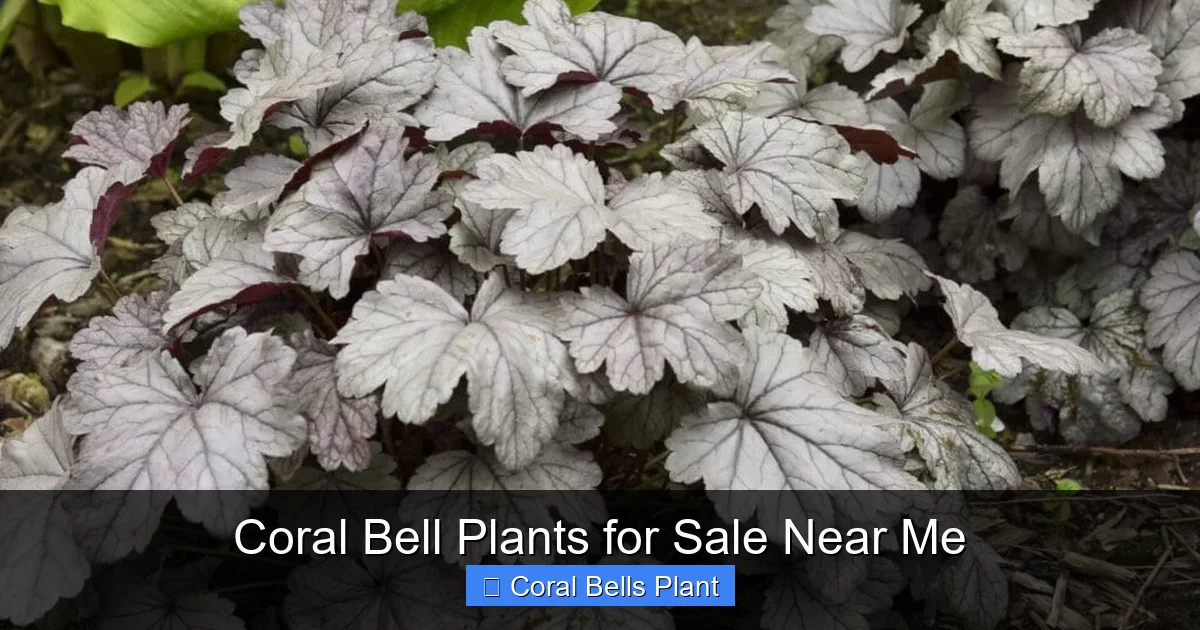
Visual guide about Coral Bell Plants for Sale Near Me
Image source: b4435042.smushcdn.com
Big Box Garden Centers
Stores like Home Depot, Lowe’s, and Walmart carry coral bells in spring. The selection is usually limited to the most popular varieties like Palace Purple or Caramel. The prices are often lower. However, the plants may have been shipped from far away. They might be stressed from travel or improper watering. Check them carefully. Avoid plants sitting in standing water or with yellowing lower leaves. If you buy here, get them in the ground quickly.
Botanical Garden Plant Sales
Many botanical gardens and arboretums hold annual plant sales. These are fantastic events. They often feature unusual varieties you won’t find anywhere else. The plants are usually grown by experts or propagated from the garden’s own collections. Volunteers and staff are on hand to answer questions. Arrive early for the best selection. These sales typically happen in spring and sometimes fall.
Online Mail-Order Nurseries
If you are hunting for a specific rare variety, online is the way to go. Reputable online nurseries like Plant Delights Nursery, Walters Gardens, and Bluestone Perennials offer huge selections. They ship dormant bare-root plants or potted plants at the right planting time for your zone. Read reviews before ordering. Make sure they offer a guarantee. The downside is you can’t see the exact plant before it arrives. Shipping costs can add up.
Local Plant Swaps and Master Gardener Sales
Check community calendars for plant swaps. Master Gardener programs often hold sales as fundraisers. These are great places to find divisions from established local gardens. The plants are already adapted to your area. The prices are usually very low. You also get to talk to the gardener who grew them. They can give you firsthand tips on how that variety performs in your neighborhood.
Top Coral Bell Varieties to Look For
Classic Reliable Varieties
Palace Purple is the old standard. It has large, maple-like leaves in a rich bronze-purple. It is tough as nails and handles more sun than many others. Caramel is a modern classic. Its leaves emerge gold and mature to a warm peachy-caramel. It has a wonderful compact habit. Obsidian offers the darkest, shiniest near-black leaves. It holds its color all season without fading. These three are workhorses. You will find them almost anywhere selling coral bells.
Bright Chartreuse and Gold Varieties
For lighting up a dark corner, you cannot beat chartreuse. Lime Rickey has ruffled lime-green leaves that stay bright all season. It forms a neat mound. Electra features gold leaves with shocking red veins. The contrast is electric. Citronelle is a vigorous grower with large, luminous yellow-green leaves. It tolerates more sun than most gold varieties. These glow in the shade.
Unique Colors and Patterns
Fire Alarm lives up to its name with bright red spring foliage that darkens to burgundy. Berry Smoothie has large, rose-pink leaves with a metallic sheen. Plum Pudding offers plum-purple leaves with a silvery overlay. Green Spice has green leaves with dramatic silver veins and a purple blush. Midnight Rose starts black with pink spots that enlarge and turn cream as the season progresses. It is like having a different plant every month.
Best for Heat and Humidity
If you garden in the South, you need varieties bred for heat. The Villosa hybrids are your friends. Look for Caramel, Citronelle, Mocha, and Brownies. These have Heuchera villosa in their parentage. This species is native to the southeastern US. It brings thick, hairy leaves that resist fungal diseases common in humid summers. The Primo series from Proven Winners is also selected for vigor in tough climates.
Best for Cold Climates
In zones 3 and 4, hardiness is key. Palace Purple is extremely cold hardy. The Northern Exposure series was bred specifically for zone 4. Varieties like Black Forest, Amber, and Coral have proven tough. Dale’s Strain is a seed-grown variety with beautiful silver-veined green leaves that handles brutal winters. Mulch well after the ground freezes for extra insurance.
How to Choose Healthy Plants at the Nursery
Inspect the Crown
The crown is where the leaves meet the roots. It should be firm and sitting at soil level. Avoid plants where the crown is buried deep in the pot. This leads to rot. Avoid plants where the crown is way above the soil line with exposed roots. This means it was planted too shallow or has heaved. A healthy crown looks like a tight bud ready to push new leaves.
Check the Roots
Gently tip the pot upside down and slide the plant out slightly. You want to see white or light tan roots. They should hold the soil together but not be a solid mass circling the bottom. Brown, mushy, or foul-smelling roots indicate rot. A few roots poking out the drainage holes are fine. A dense mat means it is root-bound. Root-bound plants take longer to establish.
Examine the Foliage
Look at the leaves closely. They should be turgid (firm and full of water), not limp. Check both sides for pests. Aphids love the undersides of new growth. Spider mites leave fine webbing and stippled leaves. Look for fungal spots—brown or black lesions with yellow halos. A few older yellow leaves at the base are normal. Lots of yellowing means stress.
Read the Label
The plant tag is a goldmine of info. It tells you the variety name, mature size, sun exposure, hardiness zone, and bloom time. Take a photo of the tag if you can’t buy that day. Note the patent status. Some varieties are patented (PPAF or PP number). This means you cannot legally propagate them for sale. For personal garden division, it is usually fine, but good to know.
Size Matters
You will see coral bells in quart pots, gallon pots, and sometimes larger. Quart pots are cheaper but smaller. They take a year to fill out. Gallon pots give you instant impact. They have larger root systems and establish faster. If you are planting in fall, a gallon pot is safer. It has more reserves to survive winter. In spring, quarts are fine because they have a full growing season ahead.
Planting and Care Guide for Success
When to Plant
Spring and early fall are the ideal planting windows. In spring, plant after the last frost when soil is workable. This gives roots all summer to establish before winter. In fall, plant at least 6 weeks before your ground freezes. This allows root growth before dormancy. Avoid planting in the heat of summer. If you must, provide shade and diligent watering. Winter planting is only for the mildest zones.
Site Selection
Most coral bells want morning sun and afternoon shade. Or dappled shade all day. Dark-leaved varieties (purple, black, red) can handle more sun. Light-leaved varieties (gold, chartreuse, silver) scorch easily in hot afternoon sun. In the deep South, almost all need afternoon shade. In the Pacific Northwest or UK, they can take full sun. Observe your site for a few days before deciding.
Soil Preparation
Good drainage is non-negotiable. Coral bells rot in wet clay. Amend heavy soil with compost, leaf mold, or coarse sand. Aim for a loose, humus-rich mix. The ideal pH is slightly acidic to neutral (6.0 to 7.0). They are not heavy feeders. Mix in a handful of compost at planting time. That is usually enough for the first year. Avoid fresh manure. It burns the shallow roots.
Planting Technique
Dig a hole twice as wide as the pot but no deeper. The crown must sit at or slightly above ground level. This is critical. Planting too deep is the number one killer. Backfill with your amended soil. Firm gently with your hands. Do not stomp with your foot. Water thoroughly to settle soil and eliminate air pockets. Mulch with 1-2 inches of shredded bark or leaves. Keep mulch away from the crown.
Watering
Water new plants regularly for the first 6-8 weeks. Keep soil evenly moist, not soggy. Once established, they are quite drought tolerant. Water deeply once a week during dry spells. Avoid overhead watering late in the day. Wet leaves overnight invite fungal diseases. Soaker hoses or drip irrigation are ideal. In containers, check daily in summer. Pots dry out fast.
Fertilizing
Less is more. A light application of balanced slow-release fertilizer in spring is plenty. Or top-dress with compost. Too much nitrogen produces lush soft growth that attracts aphids and is frost tender. Do not fertilize after July. You want the plant to harden off before winter. If your soil is rich, you may not need any fertilizer at all.
Seasonal Maintenance
In early spring, remove any winter-damaged leaves. Cut them off at the base. Be careful not to damage the crown. This is also the time to divide if the center gets woody or the plant heaves out of the ground. After flowering, you can cut back the flower stalks to the base. This tidies the plant and may encourage a light rebloom. In fall, do not cut back the foliage. The leaves protect the crown over winter. Apply a light mulch after the ground freezes in cold zones.
Dividing Coral Bells
Divide every 3-4 years in spring. This rejuvenates the plant. Dig up the whole clump. Pull or cut apart the rosettes. Each division needs roots and a crown. Discard the woody center. Replant the vigorous outer pieces at the correct depth. Water well. They may look sad for a week but will bounce back. Division is also how you get more plants for free.
Designing with Coral Bells
Container Combinations
Coral bells are container. Use a high-quality potting mix with perlite. Ensure the pot has drainage holes. Pair a dark variety like Obsidian with a trailing chartreuse creeping Jenny. Add a tall element like a purple fountain grass or a dwarf conifer. For a shade pot, mix Caramel with a silver Japanese painted fern and a white caladium. The texture contrast is stunning. Water containers more frequently than in-ground plants.
Shade Garden Borders
Plant coral bells in drifts of 3, 5, or 7 for impact. Space them 12-18 inches apart depending on mature size. Use them as edging along a woodland path. The ruffled foliage softens hard edges. Mix different colors but keep a theme. For example, warm tones: Caramel, Fire Alarm, Peach Flambe. Or cool tones: Obsidian, Plum Pudding, Silver Scrolls. Repeat the drift further down the border for rhythm.
Rock Gardens and Slopes
Their shallow roots and love of drainage make coral bells perfect for rock gardens. Tuck them between stones. The foliage cascades beautifully over edges. On slopes, they help stabilize soil. Choose compact varieties like the Little Cutie series. They stay under 8 inches tall. Their evergreen foliage covers the ground year-round, suppressing weeds.
Companion Plants
Classic companions include hostas, ferns, astilbe, brunnera, and hellebores. Hostas provide bold leaves; coral bells add texture. Ferns add airy verticality. Astilbe brings feathery plumes. Brunnera offers silver-patterned leaves and blue flowers. Hellebores bloom in late winter before coral bells wake up. For spring bulbs, plant daffodils or grape hyacinths between them. The bulbs bloom, then coral bells hide the dying foliage.
Pollinator Gardens
The flowers may be small, but they are nectar-rich. Hummingbirds love them. Bees visit frequently. Butterflies stop by. Plant a patch near a window or seating area to watch the show. The flower stems are wiry and long-lasting in cut arrangements. They add a delicate airy touch to bouquets. Deadheading encourages more blooms.
Common Problems and Solutions
Crown Rot
This is the big one. Symptoms: plant wilts despite wet soil, leaves yellow and pull off easily, crown feels mushy. Cause: poor drainage, planting too deep, overwatering, heavy clay soil. Solution: Prevention is key. Plant high. Amend soil. Water at base only. If caught very early, dig up, cut away rot, dust with sulfur, replant in dry sharp sand mix. Usually, it is fatal. Replace with a new plant in a better spot.
Heaving
In freeze-thaw cycles, the shallow crown gets pushed out of the ground. Roots are exposed to air and cold. You see the plant sitting on top of the soil. Fix: Gently push it back down in spring. Or better, mulch heavily after ground freezes. Pine boughs or straw work well. This insulates the soil and prevents rapid temperature swings. Planting at the correct depth initially helps too.
Sun Scorch
Brown crispy patches on leaves, especially on light-colored varieties. Happens in hot afternoon sun or during heat waves. Fix: Move to shadier spot in fall or spring. Or provide a shade cloth during peak heat. Ensure adequate water. Dark varieties handle sun better but can still scorch in extreme heat.
Pests: Aphids, Spider Mites, Vine Weevils
Aphids cluster on new growth. Blast with water or use insecticidal soap. Spider mites cause stippling and webbing in hot dry weather. Increase humidity, spray with water, use horticultural oil. Vine weevil adults notch leaf edges at night. Larvae eat roots. This is serious. Check for C-shaped white grubs in soil. Use beneficial nematodes in spring and fall. Systemic insecticides work but harm pollinators. Use as last resort.
Fungal Leaf Spots
Brown or black spots with yellow halos. Caused by wet foliage, poor air circulation, humidity. Fix: Space plants properly. Water at soil level. Remove affected leaves. Improve air flow. Copper fungicide can help prevent spread. Usually cosmetic, not fatal.
Nematodes
Microscopic worms in soil that feed on roots. Stunted growth, wilting, yellowing. Hard to diagnose. Soil test confirms. Solarize soil in summer (clear plastic for 4-6 weeks). Add organic matter to encourage beneficial organisms. Rotate planting areas. Resistant varieties are limited.
Buying Coral Bells Online vs. In Person
Advantages of Buying Local
You see what you get. You pick the best specimen. No shipping stress on the plant. Immediate planting. Support local business. Staff advice tailored to your area. No minimum order. Easy returns if something is wrong. You can often ask for a specific variety to be ordered in.
Advantages of Buying Online
Vast selection. Access to new introductions and rare varieties. Detailed descriptions and photos. Reviews from other gardeners. Plants shipped at correct planting time for your zone. Often larger root systems from specialized growers. Convenience. Delivery to your door.
What to Look for in an Online Nursery
Zone-appropriate shipping schedule. Clear guarantee (usually 1 year). Good packaging (pots secured, soil moist). Responsive customer service. Real photos, not just renderings. Detailed cultural info. Secure payment. Reasonable shipping rates or free shipping thresholds. Check Dave’s Garden Watchdog or Garden Watchdog for ratings.
Receiving Mail-Order Plants
Open the box immediately. Check for damage. Water if dry. If bare root, soak roots in water for an hour. Pot up or plant in a protected spot (nursery bed) for a few weeks to acclimate. Harden off before planting in final location. Contact seller within 24 hours if plants arrive in poor condition. Take photos.
Seasonal Availability and Timing Your Purchase
Spring: The Prime Season
April through June is peak availability. Nurseries are fully stocked. You get the widest variety selection. Plants are actively growing. You see the true foliage color. This is the best time for beginners. Plant immediately after purchase. Water diligently through the first summer.
Summer: Limited Selection
Selection drops off after June. What remains may be root-bound or heat-stressed. Prices may be discounted. If you buy in summer, provide shade and extra water. Fall planting is better than summer planting. But a summer deal on a variety you want? Go for it with extra care.
Fall: The Secret Best Time
September to October is fantastic for planting. Soil is warm, air is cool. Roots grow fast. Less watering needed. Nurseries clear inventory—sales happen. Plants may look tired (end of season), but roots are strong. Plant 6 weeks before ground freeze. Mulch well. They explode in spring.
Winter: Dormant Shipping Only
Local nurseries rarely sell in winter. Online nurseries ship dormant bare-root plants in late winter/early spring for southern zones. This is fine for experienced gardeners. Beginners should wait for potted plants in spring.
Budget-Friendly Tips for Building Your Collection
Buy Small, Grow Big
Quart pots cost half of gallon pots. In two years, they catch up. Buy three quarts instead of one gallon. You get more plants for the same money. This is great for drifts.
Divide and Multiply
One mature plant yields 3-5 divisions every 3 years. Trade with friends. Join a plant swap. Your collection grows exponentially for free.
Shop End-of-Season Sales
Late June and October have the best discounts. 50% off is common. Plants look rough but roots are good. Cut back foliage, plant, mulch. They reward you next spring.
Grow from Seed
Seed packets cost $3-4 for 50 seeds. You get genetic variation. Some seedlings will be unique. It takes 2 years to bloom size. Fun project. Species types come true. Hybrids vary.
Check Clearance Racks
Big box stores mark down “ugly” plants. Often just dry or past bloom. Revive with water and TLC. I have scored $15 plants for $2 this way.
Regional Considerations for Coral Bell Success
Northeast and Midwest (Zones 4-6)
Cold winters, humid summers. Choose villosa hybrids for summer. Mulch heavily for winter. Watch for heaving. Spring planting is safer than fall in zone 4. Palace Purple, Northern Exposure series, and Dale’s Strain are reliable.
Southeast (Zones 7-9)
Heat and humidity are the enemies. Villosa hybrids are essential. Caramel, Citronelle, Brownies, Mocha. Afternoon shade mandatory. Good air circulation prevents fungal issues. Raised beds help drainage in clay. Fall planting is excellent here.
Pacific Northwest (Zones 7-9)
Mild wet winters, dry summers. Excellent climate for coral bells. They can take more sun here. Watch for root rot in winter wet. Plant on mounds or in raised beds. Slugs love them. Use slug bait or beer traps. Almost any variety thrives.
Southwest (Zones 8-10)
Intense sun, alkaline soil, low humidity. Tough spot. Choose heat-tolerant varieties. Afternoon shade critical. Amend soil heavily with organic matter. Mulch thickly. Drip irrigation essential. Consider growing in containers where you control soil.
Mountain West (Zones 3-6)
Intense sun, drying winds, alkaline soil, rapid temperature swings. Very challenging. Microclimates matter. North sides of structures. Wind protection. Snow cover is good insulation. Native Heuchera species (like H. parvifolia) are best bets. Hybrids struggle.
Coral Bells in Containers: A Complete Guide
Choosing the Right Pot
Width matters more than depth. Coral bells have shallow spreading roots. A 12-inch wide pot is minimum for one plant. 18-inch for a combo. Terra cotta breathes but dries fast. Glazed ceramic holds moisture. Plastic is light and retains water. Ensure drainage holes. Cover holes with mesh, not gravel.
Potting Mix Recipe
2 parts quality potting soil. 1 part perlite or pumice. 1 part compost or leaf mold. Slow-release fertilizer per package. This drains well but holds moisture. Do not use garden soil. It compacts in pots.
Container Care
Water when top inch is dry. Daily in summer heat. Fertilize monthly with liquid fertilizer at half strength. Or use slow-release in spring. Repot every 2-3 years in spring. Divide at same time. Winter protection: In zones 5 and below, move pots to unheated garage or bury pot in ground. In zones 6-7, group pots against house wall, mulch heavily.
Best Container Varieties
Compact varieties look best. Little Cutie series (Frost, Blondie, Peppermint). Dolce series (Apple Twist, Brazen Raisin, Cherry Truffles). These stay under 10 inches tall and wide. They don’t overwhelm the pot.
Propagating Coral Bells: Beyond Division
Leaf Cuttings
Possible but slow. Take a leaf with a bit of petiole (stem). Dip in rooting hormone. Stick in moist perlite/peat mix. Cover with humidity dome. Bottom heat helps. Roots in 4-8 weeks. Low success rate. Fun experiment.
Seed Starting
Collect seed when pods turn brown but before they split. Sow fresh on moist seed mix. Do not cover—needs light. 65-70°F. Germinates in 10-21 days. Transplant seedlings when they have true leaves. Grow under lights. Plant out after frost. Hybrids won’t come true.
Tissue Culture
This is how nurseries mass-produce named varieties. Requires sterile lab. Not for home gardeners. But it explains why patented plants cost more. You pay for the research and propagation technology.
Frequently Asked Questions About Buying Coral Bells
How much do coral bells cost?
Quart pots: $8-15. Gallon pots: $15-30. Rare varieties: $25-50+. Online bare root: $10-20 plus shipping. Sales can cut prices in half.
Can I buy coral bells year-round?
Locally, mostly spring and fall. Online, dormant plants ship late winter to spring. Some nurseries ship potted plants fall. Winter availability is very limited.
What is the difference between Heuchera and Heucherella?
Heuchera is coral bells. Heucherella (foamy bells) is a cross between Heuchera and Tiarella. Heucherella has more lobed leaves and foamier flowers. Care is similar. Both are great.
Are coral bells deer resistant?
Yes, highly. Deer rarely browse them. Rabbits too. But starving animals eat anything. New growth is most tender. Spray repellent on new plants for first month.
Do coral bells spread?
They form clumps. They do not run or spread aggressively. They slowly widen. Divide every few years to control size and maintain vigor.
Can I grow coral bells indoors?
Not long-term. They need winter dormancy. You can overwinter pots in a cool bright garage (40-50°F). But they are outdoor plants. As houseplants, they decline.
Conclusion
Finding coral bell plants for sale near me opens up a world of foliage possibilities for your garden. These remarkable perennials offer color, texture, and resilience that few other shade plants can match. Whether you choose the classic reliability of Palace Purple, the glowing warmth of Caramel, or the dramatic darkness of Obsidian, you are investing in years of garden beauty.
Remember the keys to success: plant high with the crown at soil level, provide well-draining soil, give them afternoon shade, and water consistently until established. Visit your local nursery this spring or fall. Talk to the staff. Pick plants with healthy crowns and roots. Plant them in drifts for impact. Combine them with ferns, hostas, and hellebores for a shade garden that looks good twelve months a year.
Don’t be afraid to experiment with new varieties. The breeding breakthroughs in recent years have given us colors and forms that were unimaginable a decade ago. Start with a few. Divide them. Share them. Before you know it, you will be the neighbor with the stunning shade garden everyone asks about. Happy planting
Frequently Asked Questions
What are the easiest coral bell varieties for beginners?
Palace Purple, Caramel, and Obsidian are the most foolproof varieties. They tolerate a range of conditions, resist disease, and are widely available at nurseries.
How far apart should I space coral bells when planting?
Space plants 12 to 18 inches apart depending on the mature width of the variety. Check the plant tag for specific spacing recommendations.
Do I need to deadhead coral bells?
Deadheading is not required but removes spent flower stalks for a tidier appearance. It may encourage a light second flush of blooms in some varieties.
Are coral bells toxic to pets?
Coral bells are generally considered non-toxic to dogs and cats. However, eating large amounts of any plant material may cause mild stomach upset.
Can coral bells grow in full shade?
Yes, they tolerate full shade well, though flowering may be reduced. Foliage color remains vibrant in deep shade, especially for dark-leaved varieties.
How do I prepare coral bells for winter?
Do not cut back foliage in fall. Apply 2-3 inches of mulch after the ground freezes in cold zones. Remove winter-damaged leaves in early spring.