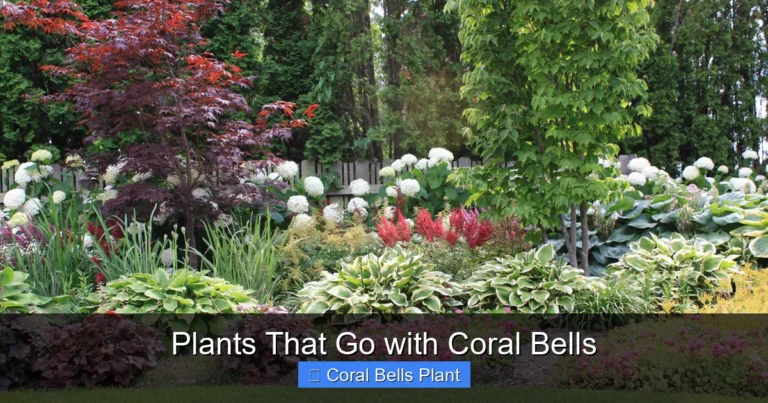
Is There a Red Leaf Coral Bell Plant
Yes, there are many stunning red leaf coral bell plants (Heuchera) available for your garden. Popular varieties like ‘Fire Alarm,’ ‘Red Lightning,’ and ‘Cherry Cola’ offer brilliant red foliage from spring through fall. These shade-loving perennials are easy to grow and add bold color to borders, containers, and woodland gardens.
If you have ever wandered through a garden center in spring, you have probably seen coral bells. Their ruffled leaves come in an amazing rainbow of colors. Lime green. Deep purple. Caramel. Silver. But one question comes up again and again. Is there a red leaf coral bell plant? The short answer is yes. Absolutely yes. In fact, red foliage varieties are some of the most popular and dramatic coral bells you can grow.
I remember the first time I saw a true red Heuchera. It was a variety called ‘Fire Alarm’ at a local nursery. The leaves were glowing. They looked like embers in the shade bed. I bought three on the spot. That was ten years ago. Since then, I have grown dozens of red varieties. Some hold their color better than others. Some scorch in too much sun. Some fade to green by July. Let me share everything I have learned so you can pick the best red coral bells for your garden.
Key Takeaways
- Red leaf coral bells are real: Many Heuchera cultivars feature true red, burgundy, or ruby-red foliage that holds color all season.
- Top varieties include: ‘Fire Alarm,’ ‘Red Lightning,’ ‘Cherry Cola,’ ‘Forever Red,’ and ‘Wild Rose’ offer the most intense red coloring.
- They thrive in shade: Red coral bells prefer part shade to full shade, making them perfect for darker garden spots where other plants struggle.
- Foliage changes with seasons: Most red varieties emerge bright red in spring, deepen in summer, and may show orange or amber tones in fall.
- Easy to grow and maintain: These perennials need well-drained soil, regular water, and minimal care once established.
- Great for containers: Their compact mounding habit makes red coral bells excellent for pots, window boxes, and mixed planters.
- Attract pollinators: Delicate bell-shaped flowers on tall stems bring hummingbirds and bees to your garden in late spring.
Quick Answers to Common Questions
Do red coral bells stay red all year?
Most red coral bells show their brightest color in spring. They may deepen to burgundy or show bronze tones in summer heat. In fall, cooler temperatures often bring back intense red. They do not stay the exact same shade year-round.
Can red coral bells take full sun?
In cool climates (zones 4-6), some varieties tolerate morning sun. In hot climates, they need afternoon shade. ‘Forever Red’ and ‘Red Dragon’ have the best sun tolerance. No red variety thrives in full hot afternoon sun.
Why did my red coral bell turn green?
Too much shade reduces red pigment production. High nitrogen fertilizer promotes green growth. Extreme heat can also cause color loss. Move to brighter light and stop fertilizing to restore color.
How often should I divide red coral bells?
Divide every 3-5 years in early spring. The woody center dies out over time. Division rejuvenates the plant and gives you free new plants.
Are red coral bells deer resistant?
Yes, deer typically avoid coral bells. The leaves have an astringent taste. Rabbits may nibble young plants, but established plants are rarely damaged.
📑 Table of Contents
- Understanding Coral Bells and Their Colorful Foliage
- Yes, Red Leaf Coral Bells Exist – Here Are the Best Varieties
- How to Grow Red Coral Bells Successfully
- Designing with Red Leaf Coral Bells in Your Garden
- Common Problems and Solutions for Red Coral Bells
- Seasonal Care Calendar for Year-Round Color
- Conclusion
Understanding Coral Bells and Their Colorful Foliage
What Exactly Are Coral Bells?
Coral bells are perennial plants in the genus Heuchera. They are native to North America. You will also hear them called alumroot. There are about 50 species. But the plants we buy at nurseries are almost always hybrids. Plant breeders have created hundreds of cultivars. They focus on leaf color, leaf shape, and flower performance.
These plants form low mounds. Most reach 12 to 18 inches tall and wide. The leaves are lobed or ruffled. They grow from a central crown. In late spring or early summer, thin wiry stems rise above the foliage. Tiny bell-shaped flowers open along the stems. The flowers are usually white, pink, or red. Hummingbirds love them. But let us be honest. Most of us grow coral bells for the leaves. The flowers are a bonus.
How Leaf Color Works in Heuchera
Leaf color in coral bells comes from pigments in the leaf cells. Chlorophyll gives green. Anthocyanins give red, purple, and burgundy. Carotenoids give yellow and orange. The balance of these pigments changes with light, temperature, and season. A plant that looks bright red in April may look bronze-red in July. It may turn green in deep shade. It may scorch to brown in hot afternoon sun.
This is important to understand. When you see a catalog photo of a red coral bell, that is usually the spring color. The plant may not look exactly like that photo in August. Good breeders select for color stability. They want plants that hold red pigment all season. But no red coral bell stays the exact same shade year-round. That is just nature.
The Species Behind Red Varieties
Most modern red coral bells trace back to a few key species. Heuchera americana contributes hardiness and good mounding habit. Heuchera villosa brings heat and humidity tolerance. It also has large, fuzzy leaves. Heuchera sanguinea is the classic coral bell with bright red flowers. It has green leaves but passes on flower power. Heuchera micrantha adds ruffled leaf texture.
Breeders cross these species. Then they select seedlings with the best red color. It takes years. A new variety might be tested for five to seven years before release. They test in different climates. They check for disease resistance. They measure color retention. This is why named cultivars cost more than seed-grown plants. You are paying for predictable performance.
Yes, Red Leaf Coral Bells Exist – Here Are the Best Varieties
Top Red Varieties That Hold Their Color
Let me walk you through the superstars. These are the varieties that consistently deliver true red foliage. I have grown most of these myself. Others come highly recommended by fellow gardeners and university trials.
‘Fire Alarm’ is arguably the most famous red coral bell. It was introduced by Terra Nova Nurseries. The leaves emerge bright cherry red in spring. They mature to a deep brick red. The color holds well into fall. The leaves are large and heavily ruffled. White flowers appear in early summer. This variety handles heat better than many reds. It grows about 14 inches tall and 18 inches wide.
‘Red Lightning’ is a showstopper. The leaves are dark red with electric yellow veins. The contrast is incredible. It looks like lightning bolts across each leaf. Spring color is the most intense. Summer heat softens the yellow veins slightly. But the red base stays strong. This one wants a bit more shade to prevent scorching. It reaches 11 inches tall and 16 inches wide.
‘Cherry Cola’ offers something different. The leaves are reddish-brown with a silver overlay. Think of a cherry cola soda. The color is rich and sophisticated. It is not a screaming bright red. It is a deep, complex red-brown. The leaves are large and glossy. Light pink flowers appear on dark stems. This variety is very heat tolerant. It grows 14 inches tall and 20 inches wide.
‘Forever Red’ lives up to its name. This newer introduction from the Proven Winners program was bred specifically for color retention. The leaves emerge vivid red. They stay vivid red. Even in summer heat. Even in more sun than most reds tolerate. The habit is neat and compact. White flowers with red calyxes extend the show. It reaches 14 inches tall and 18 inches wide.
‘Wild Rose’ blends red with purple and silver. The leaves are purple-red with charcoal veins and a silver overlay. In spring, the red tones dominate. In summer, the purple deepens. It is a chameleon plant. The foliage is heavily ruffled. Pink flowers appear on dark stems. This one is very vigorous. It grows 14 inches tall and 22 inches wide.
Other Excellent Red Options
‘Red Dragon’ has deeply cut, almost maple-like leaves. The color is a rich mahogany red. It is very sun tolerant for a red variety. ‘Berry Smoothie’ starts rose-pink and matures to deep purple-red. The leaves are huge and glossy. ‘Cajun Fire’ emerges red, turns black-red in summer, then shows red again in fall. ‘Paprika’ has warm paprika-red leaves with white flowers. ‘Georgia Peach’ is not a true red but a peachy-orange-red that deserves mention for warm-toned gardens.
There are new introductions every year. Breeders keep pushing for redder reds. Better heat tolerance. More sun tolerance. If you visit a good nursery in spring, you will likely find at least five red varieties. Ask the staff which ones perform best in your area. Local knowledge is gold.
Red Varieties for Specific Conditions
If you garden in the Deep South, look for varieties with Heuchera villosa parentage. ‘Cajun Fire,’ ‘Cherry Cola,’ and ‘Georgia Peach’ handle heat and humidity. If you garden in the North, you have more options. ‘Fire Alarm’ and ‘Forever Red’ are very cold hardy. If you have more sun than shade, ‘Forever Red’ and ‘Red Dragon’ tolerate a few hours of direct sun. If you have deep shade, accept that red varieties will be greener. Consider ‘Plum Pudding’ or ‘Palace Purple’ instead. They hold purple color better in low light.
How to Grow Red Coral Bells Successfully
Choosing the Right Location
Location is everything for red coral bells. These plants want part shade. That means morning sun and afternoon shade. Or dappled light all day under a high tree canopy. In cooler climates (zones 4-6), they can take more sun. Maybe four to five hours of direct morning light. In hot climates (zones 7-9), they need protection from afternoon sun. Even an hour of hot July sun can scorch red leaves.
Watch your proposed planting spot for a day. Note when sun hits it. Note how intense the sun feels. Red pigments protect leaves from UV damage. But they have limits. Too much light bleaches the color. Too little light reduces anthocyanin production. The leaves turn green. You want that sweet spot. Bright indirect light. Or gentle morning sun.
Soil Preparation and Planting
Coral bells need well-drained soil. This is non-negotiable. They will rot in wet clay. If you have heavy soil, amend it. Mix in compost. Add coarse sand or fine gravel. Create a raised bed if drainage is really poor. The ideal soil is rich, humusy, and moisture-retentive but never soggy. Think forest floor.
Plant in spring or early fall. Space plants 18 inches apart. Dig a hole twice as wide as the pot. Same depth. Gently loosen the roots. Set the plant so the crown sits at soil level. Not deeper. Not shallower. The crown is where leaves emerge. If buried, it rots. If exposed, it dries out. Backfill. Firm gently. Water well. Mulch with shredded leaves or bark. Keep mulch away from the crown.
Watering and Feeding
New plants need consistent moisture. Water deeply twice a week for the first month. Then once a week. Established plants are fairly drought tolerant. But they look best with regular water. Aim for evenly moist soil. Not wet. Not bone dry. Stick your finger in the soil. If the top inch is dry, water.
Feed lightly. Coral bells are not heavy feeders. Too much nitrogen makes lush green growth at the expense of red color. Apply a balanced slow-release fertilizer in spring. Something like 10-10-10 or 5-5-5. Or top-dress with compost. That is usually enough. Container plants need more feeding. Use a liquid fertilizer at half strength monthly during the growing season.
Mulching and Winter Care
Mulch is your friend. Two inches of shredded leaves, pine straw, or bark mulch keeps roots cool and moist. It prevents frost heaving. Frost heaving pushes plants out of the ground in freeze-thaw cycles. The crown gets exposed. The plant dies. Mulch prevents this. In late fall, after the ground freezes, add an extra layer of mulch over the crowns. Remove it gradually in spring.
In zones 4 and 5, red coral bells benefit from winter protection. A covering of evergreen boughs helps. Do not use leaves that mat down. They smother the crown. Snow is the best insulator. If you have reliable snow cover, your plants will be fine. In zones 6-9, winter care is minimal. Just make sure the soil does not stay soggy.
Dividing and Rejuvenating
Coral bells grow from a woody crown. Over time, the crown gets woody and rises above the soil. The center dies out. The plant looks ragged. This happens every three to five years. The fix is division. Dig the plant in early spring. Shake off soil. Pull or cut the crown into pieces. Each piece needs roots and at least a few leaves. Replant the vigorous outer pieces. Discard the woody center. Water well. The plant will bounce back quickly.
Designing with Red Leaf Coral Bells in Your Garden
Color Combinations That Pop
Red foliage is a design power tool. It draws the eye. It creates focal points. But it needs partners. The right companions make red sing. The wrong ones make it clash.
Pair red coral bells with chartreuse or gold. Think ‘Sum and Substance’ hosta. Or ‘Aureola’ hakone grass. Or ‘Golden Creeping Jenny.’ The red-gold contrast is electric. It works because red and yellow are both warm colors. They share energy.
Pair red with silver. ‘Jack Frost’ brunnera. ‘Silver Mound’ artemisia. Lamb’s ears. Silver cools down the heat of red. It adds sophistication. The combination feels intentional. Designed.
Pair red with deep purple. ‘Obsidian’ coral bell. ‘Black Scallop’ ajuga. Purple basil. The red-purple harmony is rich and moody. It works in shade where bright colors fade.
Pair red with variegated white and green. ‘Patriot’ hosta. ‘Variegated Solomon’s Seal.’ The white picks up the light. The red provides weight. Together they brighten a dark corner.
Avoid pairing bright red with hot pink or orange. It can vibrate uncomfortably. Avoid pairing with medium green only. It looks like a mistake. Like you forgot to design.
Using Red Coral Bells in Borders
Plant red coral bells in drifts. Three, five, seven plants. Odd numbers look natural. Space them 18 inches apart. They will knit together into a colorful carpet. Use them at the front of a shade border. Their low mounding habit won’t block taller plants behind.
Repeat the same variety along a path. Rhythm leads the eye. It unifies the garden. Or alternate two red varieties. ‘Fire Alarm’ and ‘Cherry Cola.’ The subtle difference adds depth. People will stop and look closer.
Edge a woodland path with red coral bells. The glowing leaves guide the way. They catch low light. They make the path feel inviting. Even in twilight.
Container Designs with Red Coral Bells
Red coral bells are container superstars. Their compact size fits pots perfectly. Their season-long color earns their keep. The drainage in pots suits them. Just use a good potting mix. Not garden soil.
Try a “thriller, filler, spiller” combo. Red coral bell as filler. A tall fern or grass as thriller. ‘Japanese Painted Fern’ or ‘Carex Evergold.’ A trailing plant as spiller. ‘Creeping Jenny’ or ‘Sweet Potato Vine’ in chartreuse. The pot will look professional.
Or make a coral bell collection pot. Three different red varieties in one large container. ‘Fire Alarm,’ ‘Red Lightning,’ ‘Forever Red.’ Label them. It is a conversation piece. And you can compare performance side by side.
Window boxes love red coral bells. Plant them with white impatiens. Or purple browallia. Or silver dichondra. The box will look full and colorful all season. Water daily in hot weather. Feed monthly.
Rock Gardens and Slopes
Red coral bells work beautifully in rock gardens. They love the sharp drainage. They tuck between stones. Their roots follow crevices. The red foliage warms up gray rocks. It softens hard edges.
On a shady slope, plant red coral bells in staggered rows. They hold soil. They suppress weeds. They look like a intentional groundcover. Mix with ‘Biokovo’ geranium and ‘Walker’s Low’ catmint for a tapestry effect.
Common Problems and Solutions for Red Coral Bells
Leaf Scorch and Sun Damage
This is the number one problem for red coral bells. The leaves develop brown, crispy edges. Or bleached patches. The plant looks fried. The cause is too much sun. Especially afternoon sun. Especially in summer. Especially in dry soil.
The fix is prevention. Plant in the right spot. If you already planted in too much sun, you have options. Move the plant in early fall. Or create shade. A strategically placed shrub. A trellis with a vine. A shade cloth panel for the hottest weeks. Water deeply during heat waves. Mulch heavily.
Some varieties scorch less. ‘Forever Red,’ ‘Red Dragon,’ and ‘Cherry Cola’ have better sun tolerance. But no red coral bell wants full sun in zone 8 summer. Accept this. Work with it.
Crown Rot and Root Rot
Coral bells hate wet crowns. The symptoms are sudden wilting. The leaves turn yellow then brown. The plant pulls out easily. The crown is mushy and black. This is fungal rot. Usually Phytophthora or Rhizoctonia.
Prevention is everything. Plant high. Ensure drainage. Do not mulch over the crown. Water at the base, not over the leaves. Do not overwater. In heavy soil, plant in raised beds. In containers, use pots with drainage holes. Do not use saucers that hold water.
If you catch it early, you might save the plant. Dig it. Cut away all rot. Dust with sulfur or copper fungicide. Replant in fresh, well-drained soil. Cross your fingers. Often it is too late. Replace the plant. Learn the lesson.
Heaving and Crown Exposure
Freeze-thaw cycles push plants up. The woody crown rises above soil. Roots are exposed. The plant dries out and dies. This is common in zones 4-6. Especially in clay soil. Especially with late-planted fall plants.
The fix is mulch. Apply two to three inches after the ground freezes. Use evergreen boughs. Or straw. Or pine needles. Not whole leaves. They mat. In spring, gently press heaved plants back down. Add soil around the crown. Water. Mulch.
Pests: Vine Weevils and Foliar Nematodes
Vine weevil adults notch leaf edges at night. The larvae eat roots. The plant wilts and dies. Check for notching in spring. Apply beneficial nematodes to soil in late summer. They kill larvae. Or use a systemic insecticide labeled for ornamentals.
Foliar nematodes cause angular brown spots between leaf veins. The spots follow the vein pattern. There is no cure. Remove and destroy affected plants. Do not compost. Avoid overhead watering. Space plants for air flow.
Deer and Rabbits
Good news. Deer usually ignore coral bells. The leaves are astringent. Rabbits may nibble young plants. Protect new plantings with chicken wire cages. Or spray repellent. Once established, they are rarely bothered.
Color Fading to Green
Your red coral bell turns green. It happens. The cause is usually too much shade. Or high nitrogen fertilizer. Or extreme heat. Or the variety simply does not hold color well.
Move it to brighter light. Stop fertilizing. Choose a better variety next time. ‘Forever Red’ and ‘Fire Alarm’ are bred for color retention. Accept that some seasonal shift is normal. Spring red is always the most intense.
Seasonal Care Calendar for Year-Round Color
Early Spring (March-April)
Remove winter mulch gradually. Do not rush. Late freezes happen. Cut off any tattered winter leaves. Be careful not to damage new growth emerging from the crown. Apply a light balanced fertilizer. Or top-dress with compost. Check for heaving. Press plants down if needed. Water if dry.
Late Spring (May-June)
This is peak foliage season. The red color is most intense. Enjoy it. Watch for flower spikes. You can cut them for bouquets. Or leave them for hummingbirds. Deadhead spent flowers to redirect energy to leaves. Monitor for vine weevil notching. Water during dry spells.
Summer (July-August)
Heat stress shows now. Water deeply during drought. Mulch to keep roots cool. Watch for scorching. Provide temporary shade if needed. Do not fertilize in heat. Remove any completely dead leaves. In humid climates, watch for fungal leaf spots. Remove affected leaves. Improve air circulation.
Early Fall (September-October)
Best time to plant new coral bells. Best time to divide old ones. The soil is warm. Roots establish before winter. Plant at least six weeks before ground freeze. Water well. Mulch after planting. Stop fertilizing. Let plants harden off.
Late Fall (November)
After hard frost, cut back flower stems. Leave the foliage. It protects the crown. Apply winter mulch after ground freezes. Use evergreen boughs or straw. Mark plant locations. They disappear under snow.
Winter (December-February)
Leave them alone. Snow cover is perfect. If no snow, check mulch after wind storms. Replace if blown away. Do not walk on frozen plants. Dream of spring. Plan new varieties for next year.
Conclusion
So, is there a red leaf coral bell plant? Yes. Many. And they are glorious. From the blazing ‘Fire Alarm’ to the sophisticated ‘Cherry Cola’ to the lightning-veined ‘Red Lightning,’ red coral bells bring something rare to the shade garden. True, vivid, season-long red color.
Success comes down to a few things. Pick the right variety for your climate. Plant in part shade with good drainage. Water consistently but not excessively. Mulch well. Divide every few years. That is it. In return, you get mounds of ruffled red leaves that glow in the shade. That catch the morning light. That make visitors stop and ask, “What is that plant?”
I have a ‘Fire Alarm’ that has been in my garden for ten years. It has been divided three times. Its offspring grow in my sister’s garden. My neighbor’s garden. My mother’s garden. Every spring, when the new leaves unfurl that impossible cherry red, I feel the same thrill. That is what gardening gives us. Moments of beauty that return year after year.
Go find a red coral bell. Plant it where you will see it daily. Watch it change through the seasons. Learn its rhythms. You will not regret it. And you will finally know the answer when someone asks you, “Is there a red leaf coral bell plant?” You will smile and say, “Oh yes. Let me show you mine.”
Frequently Asked Questions
What is the reddest coral bell variety?
‘Fire Alarm’ and ‘Forever Red’ are widely considered the reddest coral bells. ‘Fire Alarm’ offers bright cherry red spring foliage that deepens to brick red. ‘Forever Red’ was bred specifically for exceptional color retention through summer heat.
Do red coral bells flower?
Yes, red coral bells produce delicate bell-shaped flowers on wiry stems in late spring to early summer. Flowers are typically white, pink, or red. While attractive to hummingbirds, most gardeners grow these plants primarily for their spectacular foliage.
Can I grow red coral bells in containers?
Absolutely. Red coral bells thrive in containers with good drainage. Use quality potting mix, water regularly, and feed monthly with half-strength fertilizer. Their compact mounding habit makes them perfect for pots, window boxes, and mixed planters.
What plants pair well with red coral bells?
Chartreuse plants like ‘Sum and Substance’ hosta or ‘Aureola’ hakone grass create stunning contrast. Silver foliage plants like brunnera or artemisia cool down the red. Deep purple companions like ‘Obsidian’ coral bell create rich, moody combinations.
How do I prevent crown rot in coral bells?
Plant with the crown at soil level, never buried. Ensure excellent drainage by amending heavy soil with compost and grit. Mulch away from the crown, not over it. Water at the base, not overhead. Avoid overwatering, especially in humid conditions.
When is the best time to plant red coral bells?
Early fall is ideal for planting coral bells. Warm soil encourages root establishment before winter. Spring planting works well too, especially in cooler zones. Avoid planting during summer heat or when the ground is frozen.